 Submit a photo
Ninety seconds on Kyoto Imperial Palace
Imadegawa Station on the Karasuma subway line is about five minutes on foot from the palace. The Karasuma Imadegawa city bus stop is about seven minutes away. Visitors go in through the Seishomon Gate.
It opens every day except Mondays and the New Year break from 28 December to 4 January. If a national holiday lands on a Monday, the palace opens that day and shuts on the Tuesday instead. Closing time comes earlier in winter than in summer.
Yes. Admission costs nothing and needs no registration or prior arrangement. The surrounding Kyoto Gyoen is also free and open to anyone at any hour.
Around an hour covers the palace grounds on foot, along the full visitor route. A stroll through Kyoto Gyoen afterwards, among its lawns and big old trees, adds more.
No. The buildings are viewed from outside, and many of them, like the gardens, sit back from the path. What visitors walk through are the courtyards and the run of gates between them.
The visit is a walk through gate after imposing gate, across the walled compound where Japan's imperial family lived for the ten centuries Kyoto was the capital, and out into the national garden that wraps around it.
More than 25 buildings and seven gardens stand inside the palace walls.
The most important building is the Shishinden, the Hall for State Ceremonies. It houses the two thrones: the Takamikura of the emperor and the Michodai of the empress.
The route passes the Oikeniwa, a strolling garden laid around a large pond and crossed by the Keyakibashi bridge.
The court still uses the halls for official functions today. In spring, cherry trees flower at Odaidokoro-ato, the site of the old kitchen buildings.
Around the palace spreads Kyoto Gyoen, the national garden. It is the largest green space in the city's core, with lawns, tree-lined paths, a children's playground and sports areas.
After the security check at the Seishomon Gate, where you and your bags are screened, a set visitor route runs through the grounds. Photographs are allowed, though stands for commercial filming are not.
Back outside, the paths of Kyoto Gyoen weave between giant old trees, with open lawns to sit on before the next sight.
On 22 October each year, the Jidai Matsuri costume procession sets off from the palace and ends at Heian Shrine. Kyoto Gyoen is one of the best places to watch it begin.
Treat the palace as the slow midday hour in a day of temples. Crowds rarely build here, even on weekends and public holidays, so it holds up well on the days when the famous temples across the city are at their busiest.
Explore the rest of Kyoto
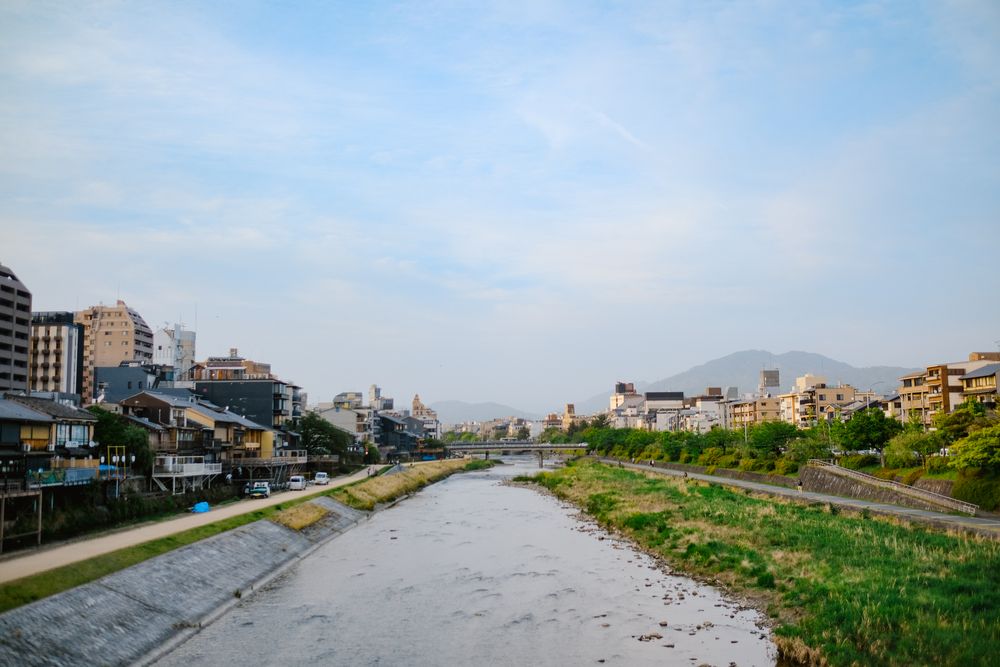
Wide grassy banks follow the river through the middle of the city, with a footpath on each side that makes the easiest walk in Kyoto. At…
Old classrooms and corridors in a former primary school in central Kyoto are lined with open shelves of manga, and readers take a volume…
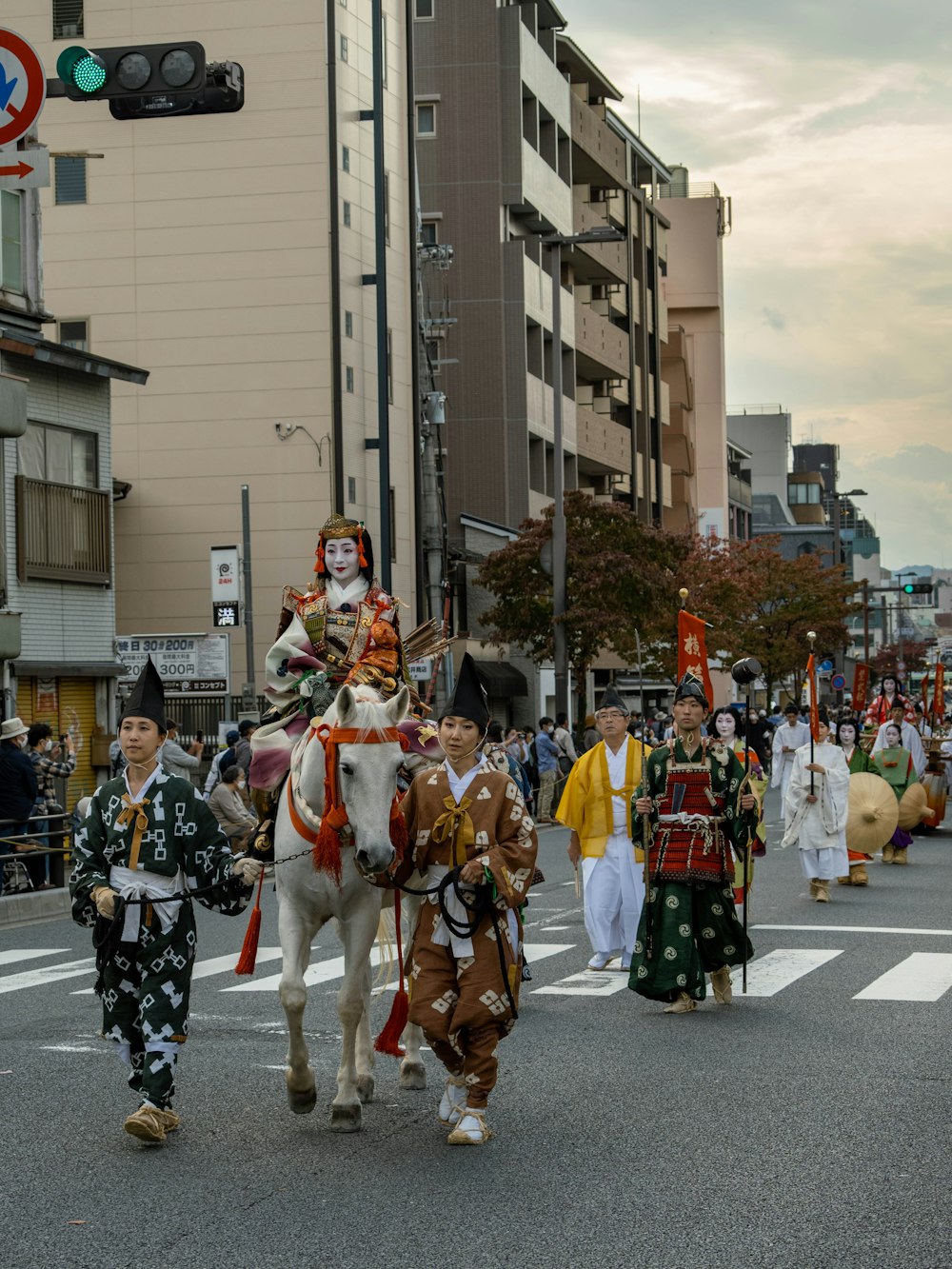
Every 22 October, about 2,000 marchers in the dress of eight eras walk from the Kyoto Imperial Palace to Heian Jingu. The procession opens…
The official pages this guide was checked against.
Last updated