 Submit a photo
Ninety seconds on Heian Shrine
Heian Shrine is about ten minutes on foot from Higashiyama Station on the Tozai subway line, leaving by Exit 1. From Kyoto Station, city bus 5 runs to the Okazaki Koen/Bijutsukan, Heian Jingu-mae stop.
As of 2026 the gates open at 6:00 every day. They close at 18:00 from March to September, at 17:30 in October and at 17:00 from November to February. Garden admission ends thirty minutes before the gates shut.
Yes, the courtyard and the halls cost nothing to visit. The Shin-en garden around them charges admission, and its tickets are sold at the garden entrance rather than in the courtyard.
An hour to an hour and a half covers the courtyard and the garden at an easy pace. Visitors who skip the garden are often done with the courtyard and halls in about ten minutes.
Late March to early April is the peak, when red weeping cherries bloom in the south garden. Autumn colour in the central garden comes in mid to late November, and summer brings water lilies to the ponds.
The garden here has a pond you cross on the stone piers of two old Kyoto river bridges, behind red halls copied from the old court city.
The torii on the approach is one of the largest vermilion gates in Japan, about 24 metres high.
Beyond it, the red and green halls reproduce the Chodo-in, the state hall complex of the old Heian capital, at about five-eighths of its size. Copies of its Daigokuden hall and Otenmon gate stand before the main sanctuary, on a courtyard of white sand.
The Shin-en is four gardens wrapped round the halls, south, west, central and east, linked by a stream and three ponds.
In the central pond, the Garyu stepping stones lead out to a small island. They are the old piers of the Sanjo and Gojo bridges, and the name Garyu means reclining dragon.
On the east pond stands the Taiheikaku, a roofed bridge with benches and a small lookout at its centre. The view from it runs over the water to Kacho-zan, one of the Higashiyama hills, with pine-topped Crane and Turtle islands below.
The shrine is also where the Jidai Matsuri procession finishes each October.
Under the torii on Jingu-michi, the approach leads on to the shrine gate. Cross the sand to the main hall and pay your respects before turning to the garden.
Inside the Shin-en, the path takes the south garden first, where the cherry branches close over your head, then the west garden.
A wooded stretch beside the stream opens onto the central pond, where you can step out across the water to the island. The route ends in the east garden, and the Taiheikaku is the place to sit before you leave.
The Kyoto City KYOCERA Museum of Art has its main entrance on the east side of Jingu-michi, so look in on the way up or back.
If your trip falls in early June, give the west garden extra time. Some 2,000 iris plants of old Japanese varieties flower round its pond then, and a zigzag plank bridge is laid over it for the season.
In May the central pond has its own display, about a thousand purple kakitsubata irises around the central pond. Water lilies take over on the central and west ponds from mid-May to early September.
Explore the rest of Kyoto
An art museum in Kyoto's Okazaki park district, opened in 1933 in the imperial crown style and renewed for 2020 by the architects Aoki Jun…
A national museum of twentieth-century art on the Lake Biwa Canal in Kyoto's Okazaki district, in a building by Maki Fumihiko. Its…
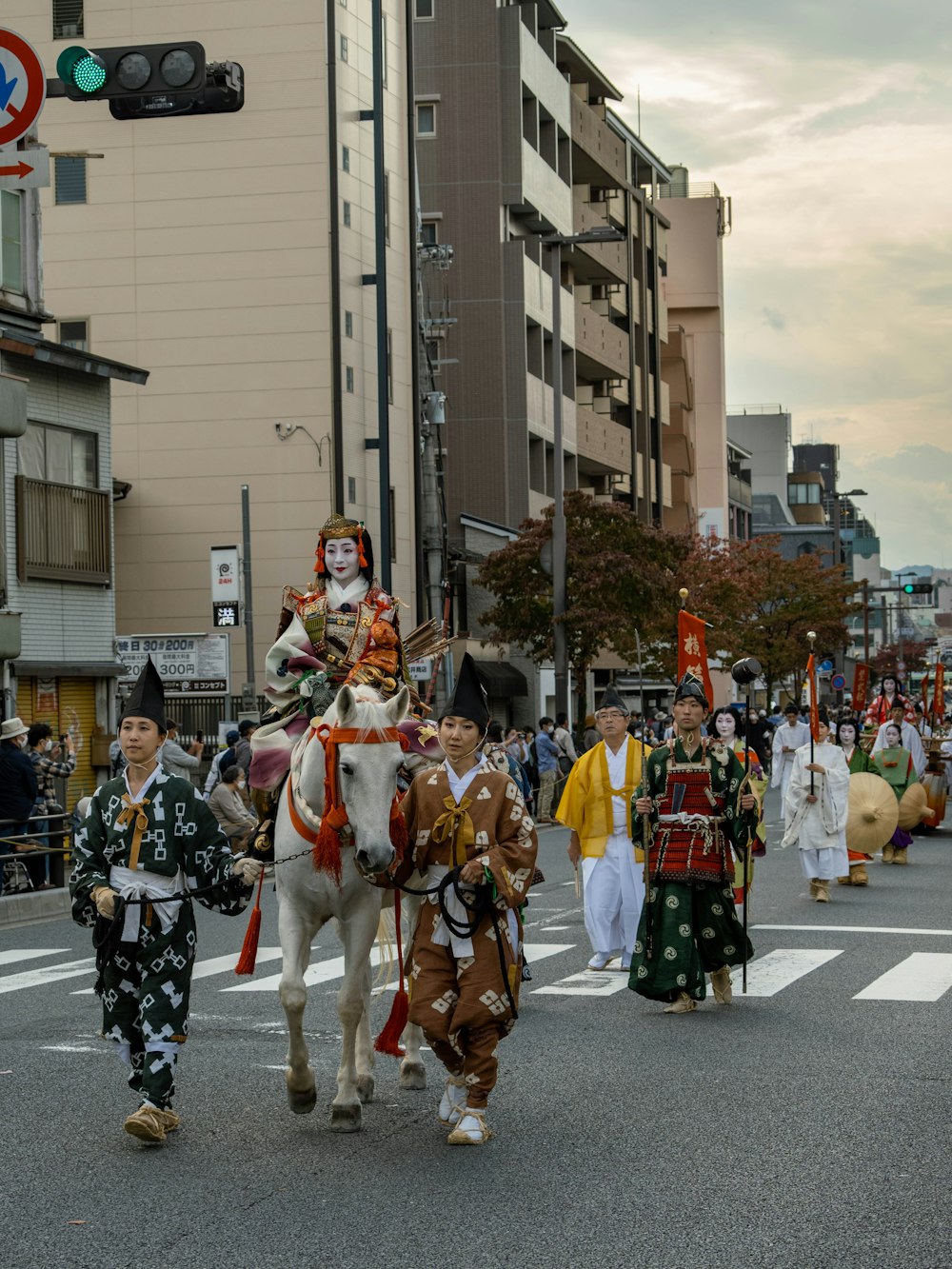
Every 22 October, about 2,000 marchers in the dress of eight eras walk from the Kyoto Imperial Palace to Heian Jingu. The procession opens…
The official pages this guide was checked against.
Last updated