 Submit a photo
Ninety seconds on Iwatayama Monkey Park
The park opens from 9:00 to 16:00, and the summit area stays open until 16:30. It closes earlier on days when the monkeys head back up into the mountain, and it also shuts on occasional irregular days.
Yes, entry is ticketed and sold at the gate. Payment is cash only, in Japanese yen, with no cards or electronic money accepted, and a ticket must be used within 30 minutes of purchase. Children aged three and under go free, and disabled visitors receive a discount on showing their handbook at the entrance.
The entrance sits on the south bank of the Oi River. From the southern end of the Togetsukyo, walk about 20 metres upstream along the water and enter the grounds of Ichitani Munakata Shrine, where the park gate is on the left. Hankyu Arashiyama Station is about seven minutes away on foot, the Randen terminus about ten and JR Saga-Arashiyama about fifteen. There is no car park.
The ascent from the entrance to the monkeys takes about 20 minutes. It begins with some 120 steps and then becomes a gradual incline, covering about 1.45 kilometres and 160 metres of height gain in all. Time at the top and the descent come on top of that.
It is, if a steady uphill walk is manageable. The reward is close range with a wild troop and a view over the whole city from one hilltop, and the path is never technical.
Yes, the park stays open through the winter on its usual daily hours. It closes on 1 January, and heavy snow can shut it for the day, as can heavy rain or a typhoon at any time of year.
The troop is wild and free to come and go from the forest, and staff do not handle or pet the animals. They are fed, though, by staff and by visitors using food sold on site. They are habituated to people, not fully wild in their behaviour.
Between the forest and the feeding hut, wild macaques move freely among visitors on the hilltop of Mount Iwata, and one may walk straight up to you with a hand held out.
The hill rises across the Oi River from central Arashiyama. Around 120 Japanese macaques live on it, and the park counts every one of them as wild. They roam the wooded slopes and gather on the open summit, where they walk close to people.
Caretakers are stationed at the top to watch the animals and enforce the rules.
In the summit hut, the people are behind the bars and the monkeys stay outside, reaching through the cage. Food goes on a feeder table, never straight into a hand, because the monkeys can grab fingers.
From the top, the whole of Kyoto spreads out below, with the river and the surrounding mountains in the same frame.
There is one booth, just inside the gate, where you buy a ticket and staff check your bag. The path opens with a long flight of stairs, then eases into a gentle slope through the trees.
At the summit the monkeys are all around. Keep at least 2 metres from them for photographs, and never stare into their eyes; if one turns its face to you, look away and leave quietly.
To feed them, buy a bag of food in the hut and feed from inside it. The hut is air-conditioned, a place to cool off.
Walk down the same path to the gate.
Cross the Togetsukyo bridge from the gate to reach the north bank of Arashiyama, where the temple lanes begin.
Carry water from town. There is nowhere to buy a drink on the way up, and the only toilets are at the gate and at the summit.
Wear shoes with grip. Parts of the hill are slippery, and the descent is trickier than the climb, so take the way down slowly.
Explore the rest of Kyoto
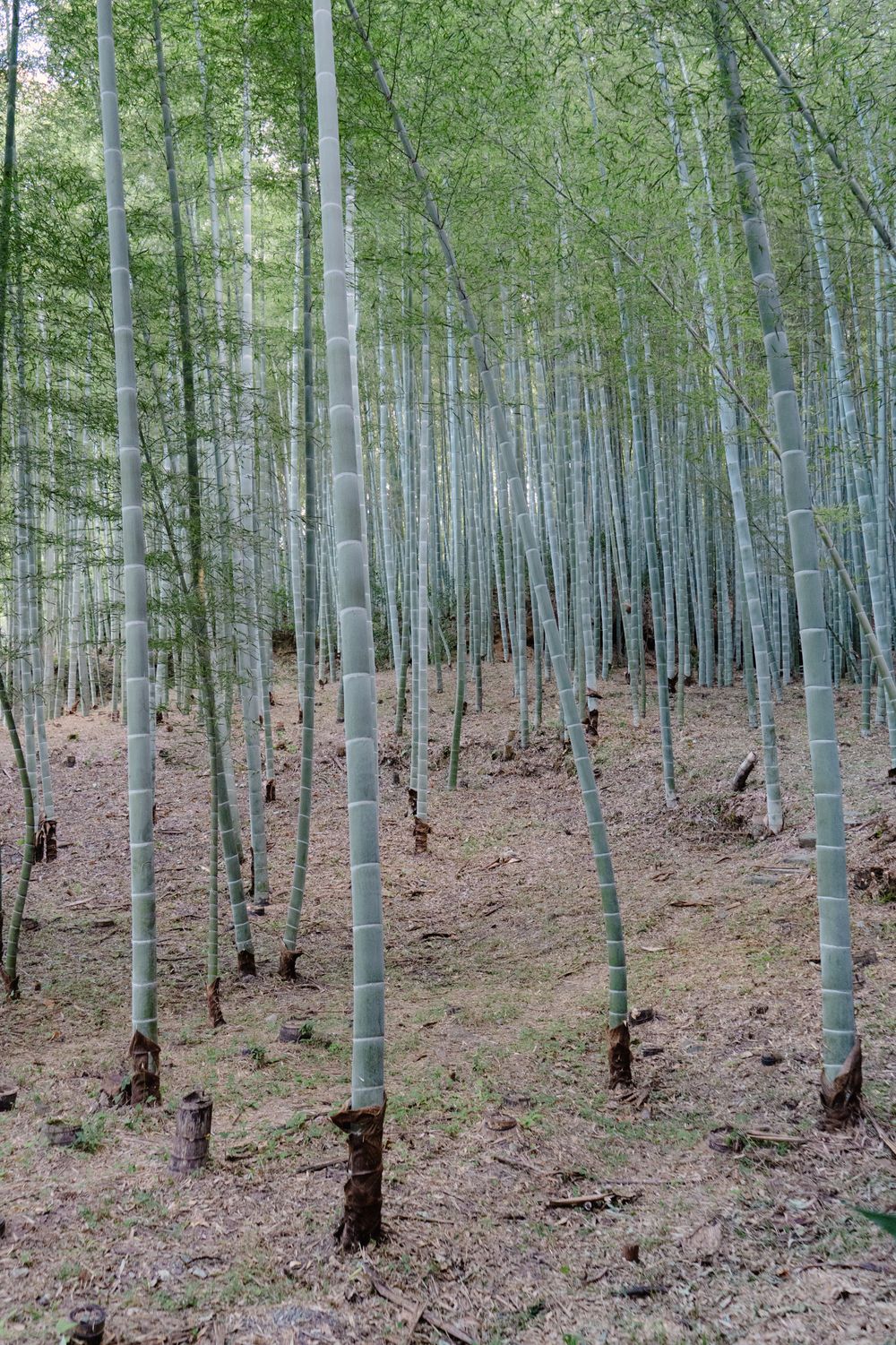
Tall bamboo lines the path between Tenryu-ji and Nonomiya Shrine in Sagano, on the western edge of Kyoto, and the light reaches the ground…
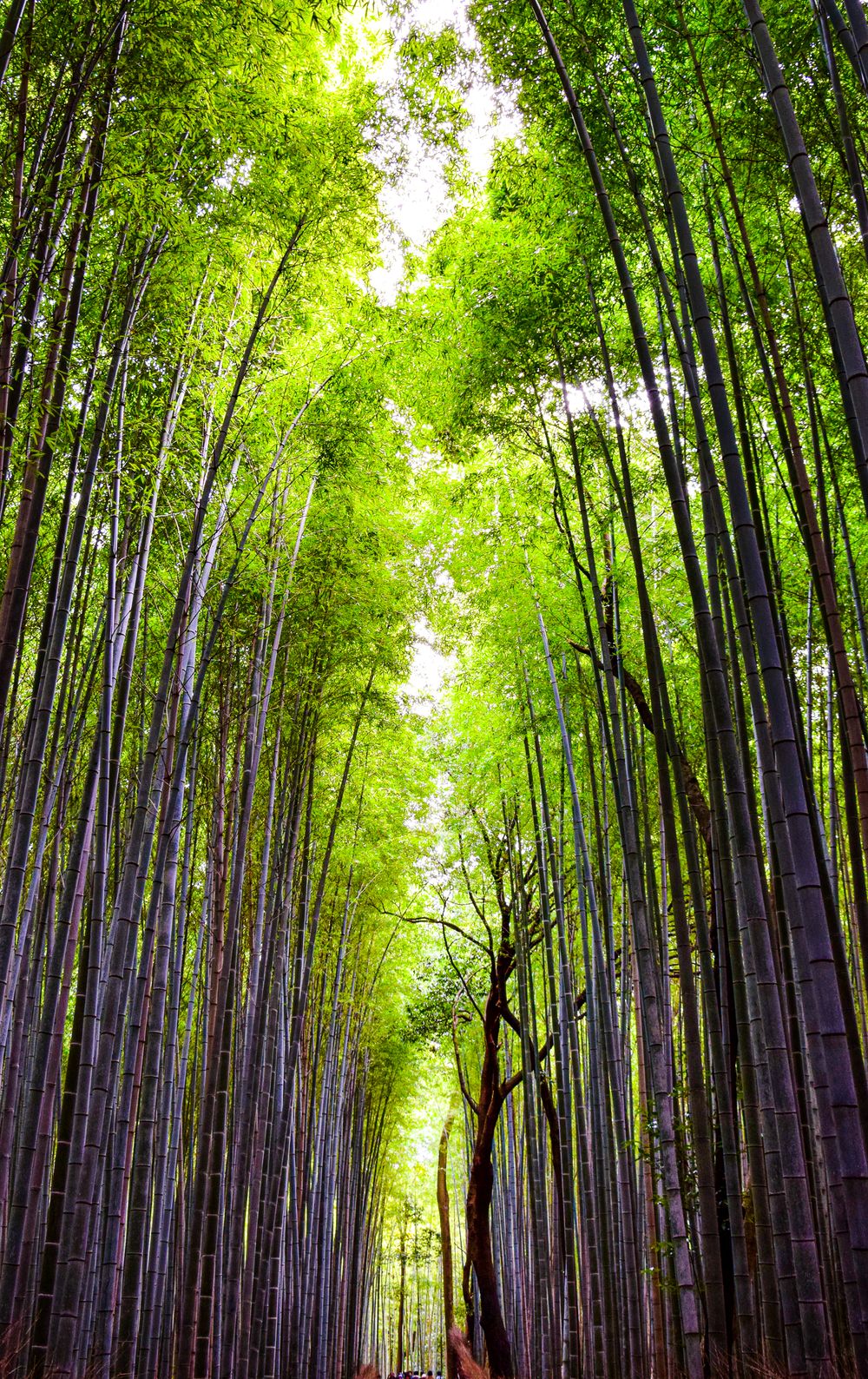
The western edge of the city, where the Katsura river leaves its gorge under a long wooden-railed bridge. A path through giant bamboo runs…
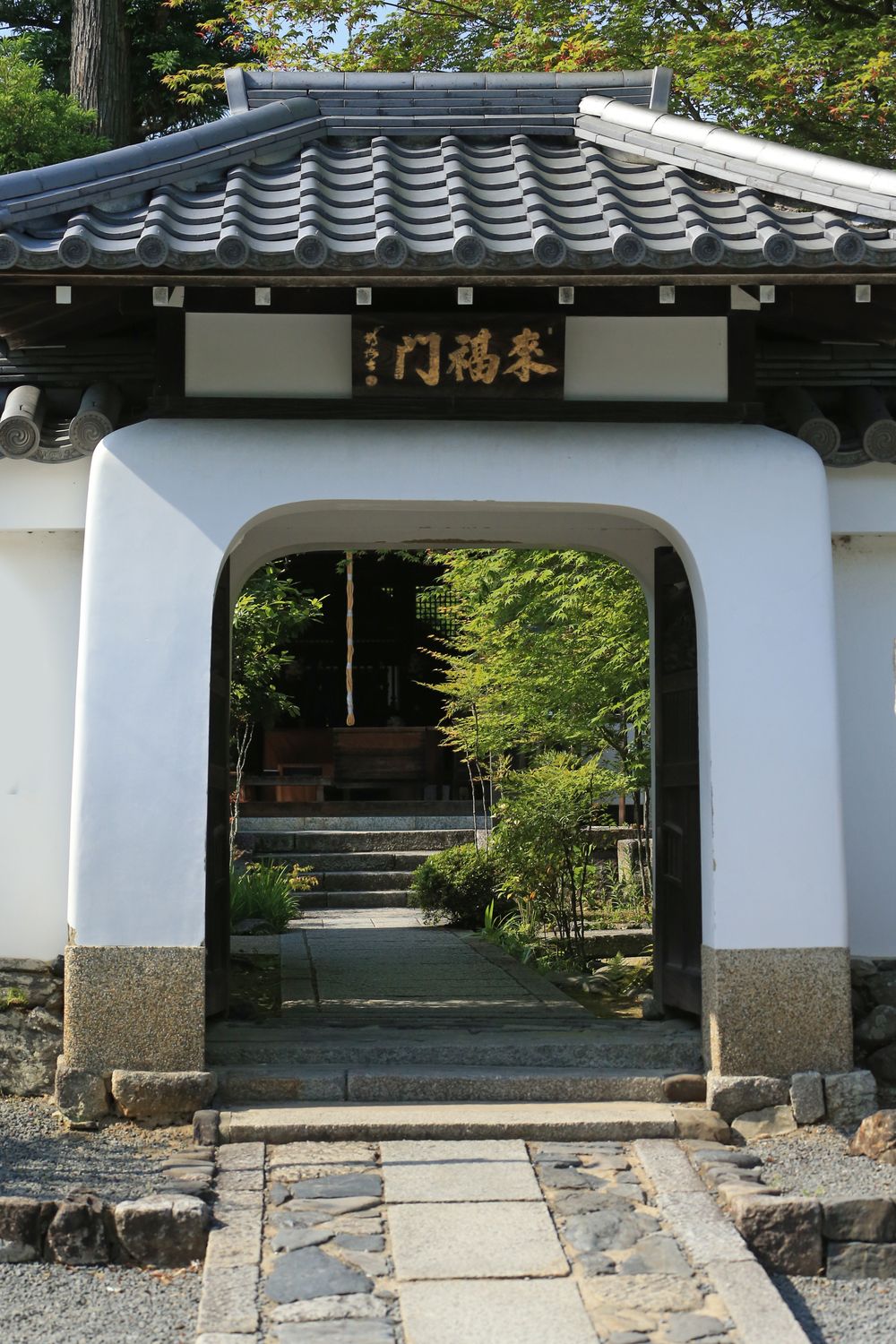
Behind the main hall of Tenryū-ji, a pond garden from the fourteenth century is laid out so the wooded Arashiyama hills look like part of…
The official pages this guide was checked against.
Last updated