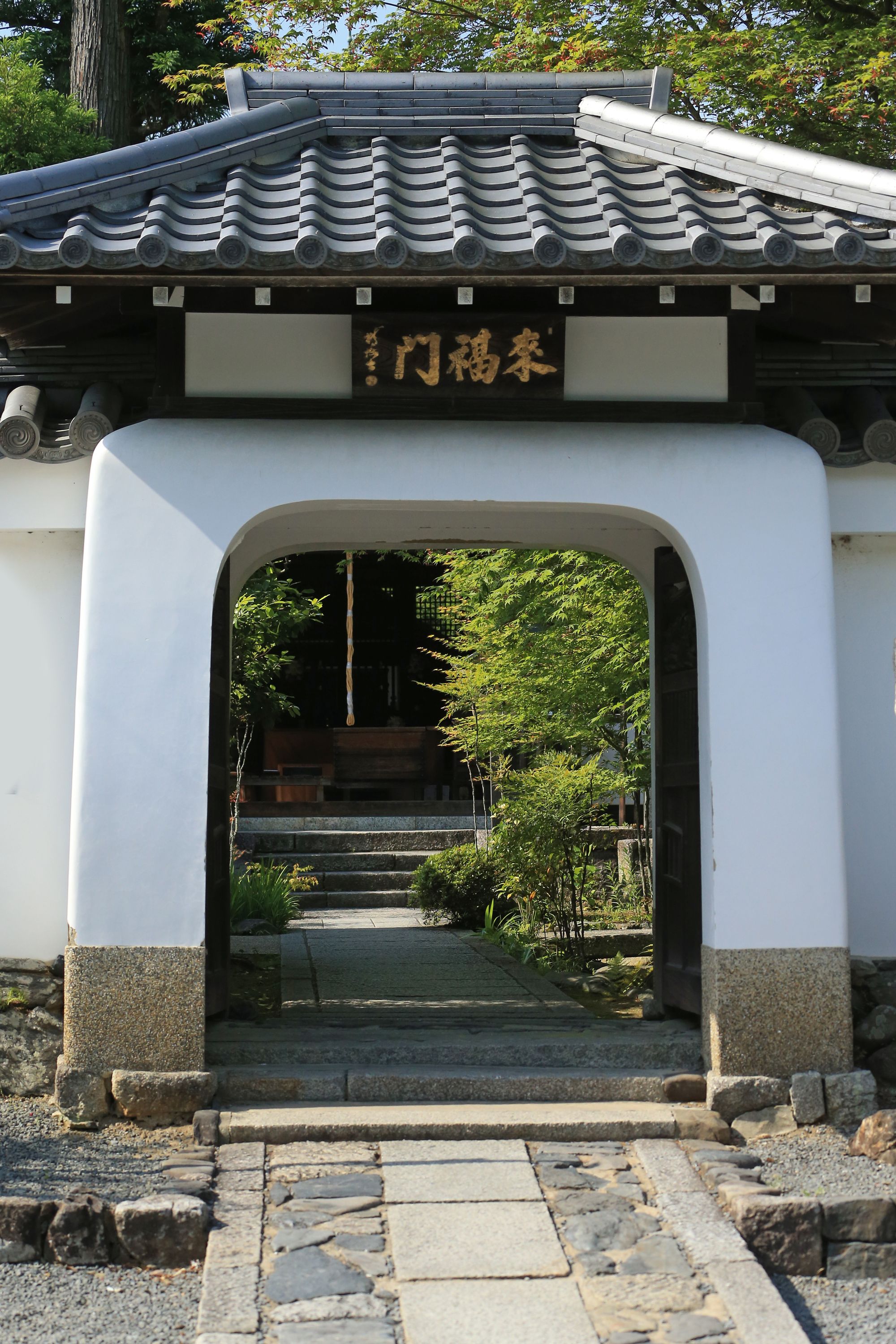
One seat gives you the whole garden: from the middle of the Hojo veranda, reached on the halls ticket, the pond, the stone waterfall and the Arashiyama hills line up as one view, in the form it has kept for about seven hundred years.
Garden, Kyoto. Meridian Dispatch.
Keifuku Arashiyama Line trains stop at Arashiyama Station, one minute on foot from the garden. JR Sagano Line passengers get off at Saga-Arashiyama Station and walk about 10 to 13 minutes. From Hankyu Arashiyama Station the walk is about 15 minutes.
The garden admits visitors from 8:30am until 5pm, and the last ticket is sold at 4:50pm. Ceremonies sometimes shut the temple buildings at short notice, so checking the temple website on the day is wise.
The garden has its own admission, and the buildings add a separate fee. The Dharma Hall charges its own fee as well, and it opens on Saturdays, Sundays and holidays only.
The maples are at their best, and the garden at its busiest, from about mid-November to early December. Cherry blossom usually runs from late March to mid-April. Outside both seasons the central pond still mirrors the sky and the trees.
Yes. A level path runs all the way round the pond, so there is no climbing, and it passes the stone falls and the carp stone on the way round.
Yes. Japan designates the garden as both a national historic site and a special scenic spot. The layout around the pond was set out nearly seven hundred years ago, and both designations protect it.
The Zen master Muso Soseki laid out Sogenchi as a pond garden, and he treated the slopes of Arashiyama and Kameyama behind it as part of the design. The technique is called shakkei, or borrowed scenery. Look past the water and the wooded hills read as the back of the garden.
Ryumonbaku, the main group of stones, represents the Dragon Gate Falls on the Yellow River in China. Find the carp stone set to the side of the falls: it shows a fish in the middle of turning into a dragon.
A sandbank shaped in the Yamato-e manner of classical Japanese painting runs along the water, with the hills rising at the back of the pond. In autumn the red and gold maples show in the surface, so walk round the pond and catch the reflection from more than one side.
Tenryu-ji sells the garden on its own ticket, and the halls ticket adds the Hojo, the Shoin and the Tahoden. Buy both. Shoes come off at the entrance, and then you sit at the centre of the Hojo veranda, facing straight across the pond.
Then go back outside and walk the path that circles the pond, stopping to look at the falls and the hills from each side. At the end of the loop, follow the path through the garden to the North Gate. Leaving Tenryu-ji that way puts you straight into the bamboo grove, so the garden and the grove make one walk.
Spend time seated at the Hojo before you start the loop, because each side of the pond shows a different part of the view. Then walk the whole circuit rather than judging the garden from one spot.
On a weekend or public holiday you can also see the Cloud Dragon painting in the Dharma Hall, which takes its own separate ticket.
In autumn the trees around the Arashiyama Bamboo Grove colour in the same weeks as the garden's. On another day, pair it with Kinkaku-ji, whose golden pavilion also stands over a large pond.
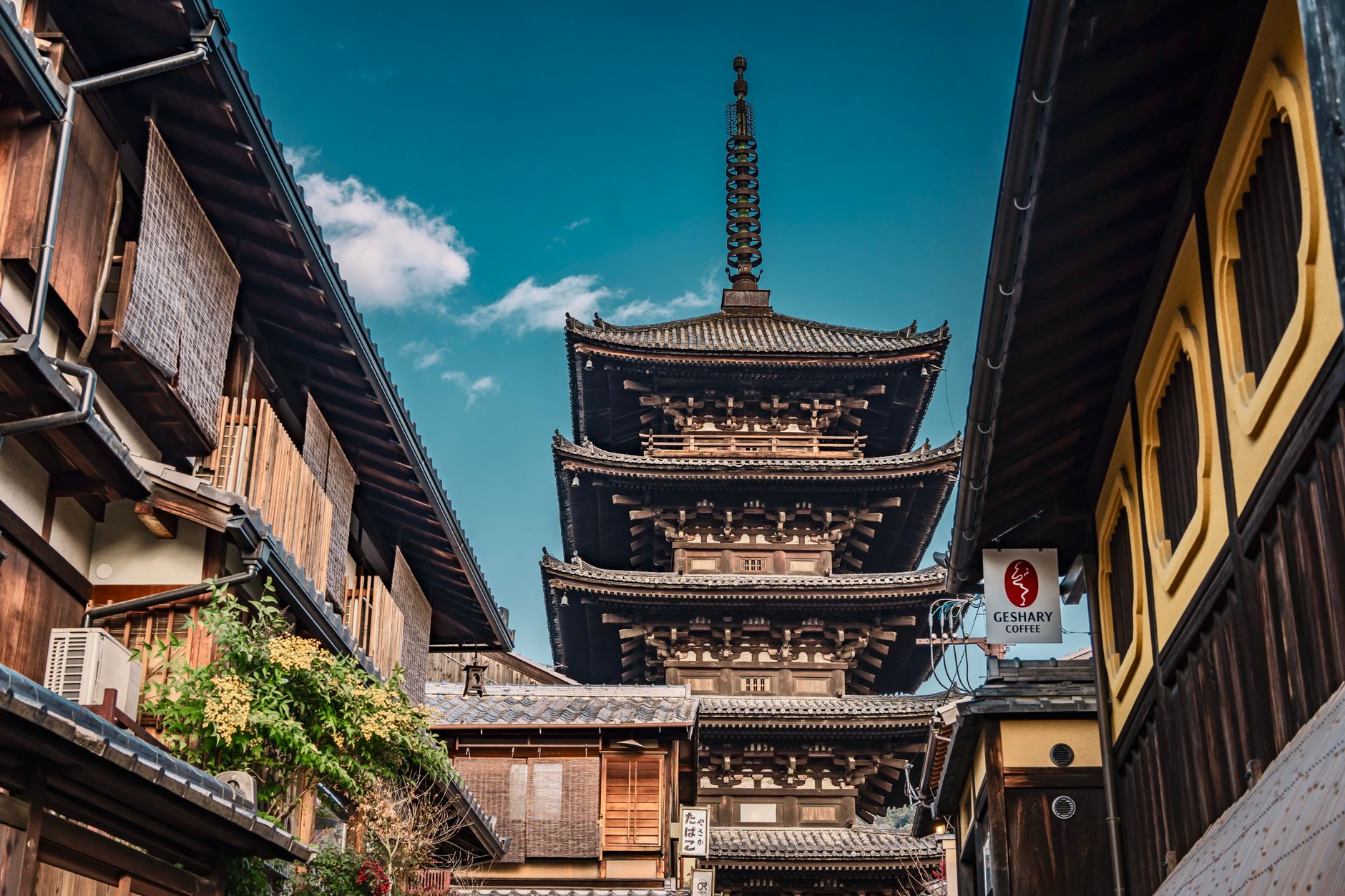
Kyoto, Japan: 47 things to do, including Fushimi Inari-taisha, Arashiyama Bamboo Grove and Kinkaku-ji.
Read the Kyoto guideExplore the rest of Kyoto
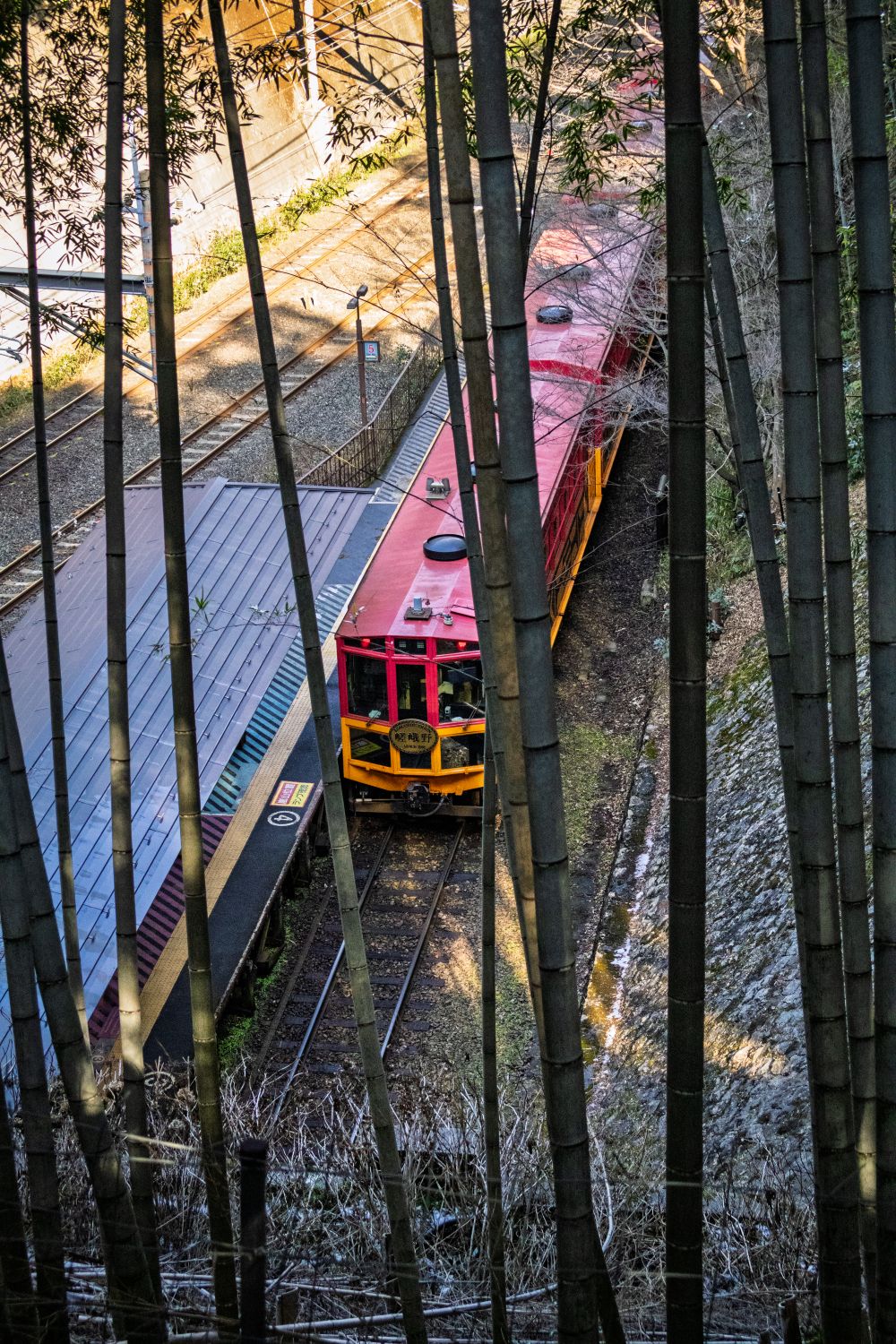
A slow sightseeing train follows the Hozugawa from Saga, beside Arashiyama, upriver to Kameoka, with one open-air car among its five. Seats…
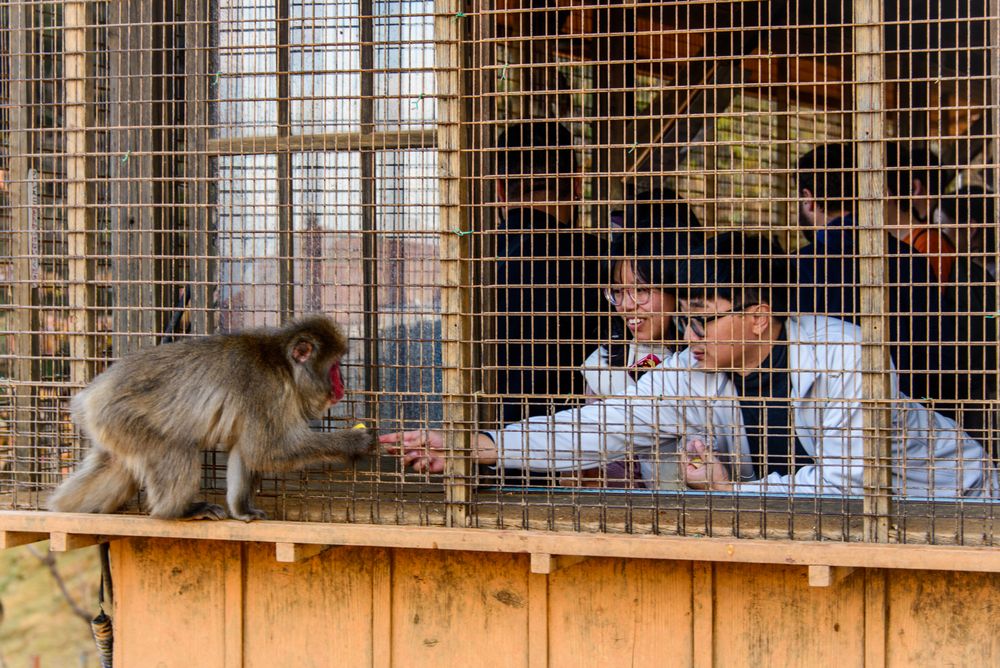
About 120 wild Japanese macaques live on Mount Iwata, across the Oi River from central Arashiyama, a twenty-minute climb from the gate.…
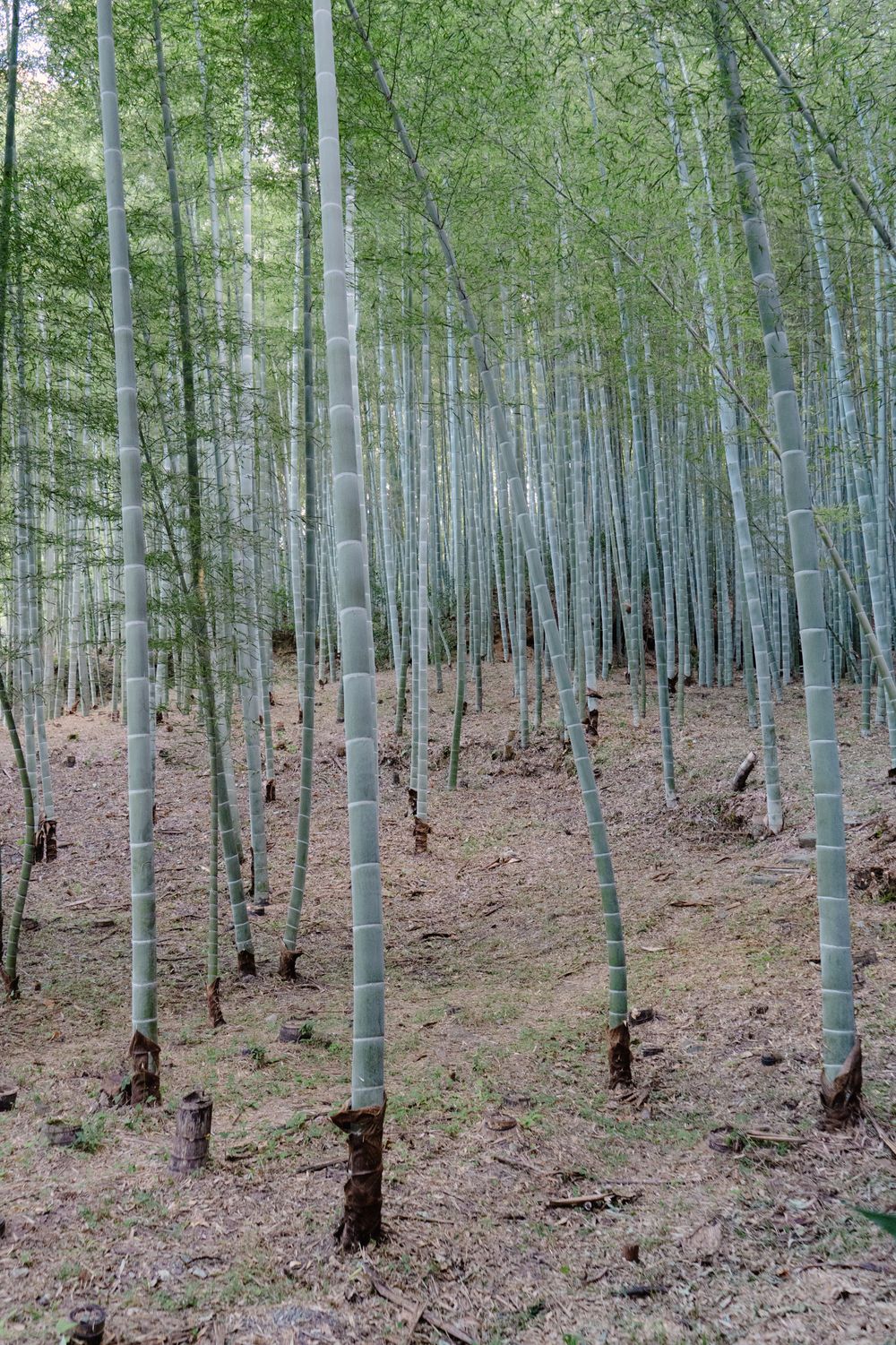
Tall bamboo lines the path between Tenryu-ji and Nonomiya Shrine in Sagano, on the western edge of Kyoto, and the light reaches the ground…
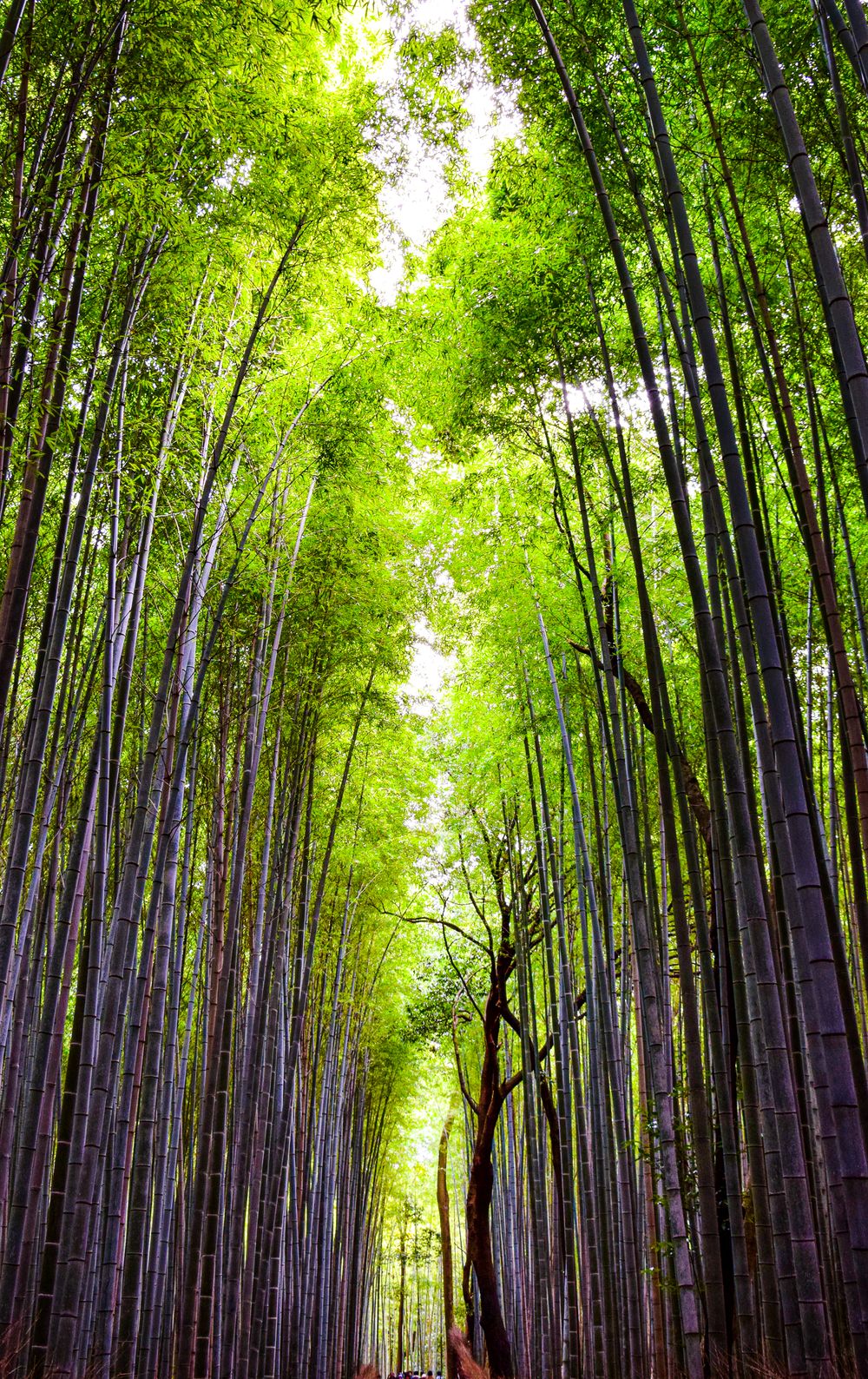
The western edge of the city, where the Katsura river leaves its gorge under a long wooden-railed bridge. A path through giant bamboo runs…
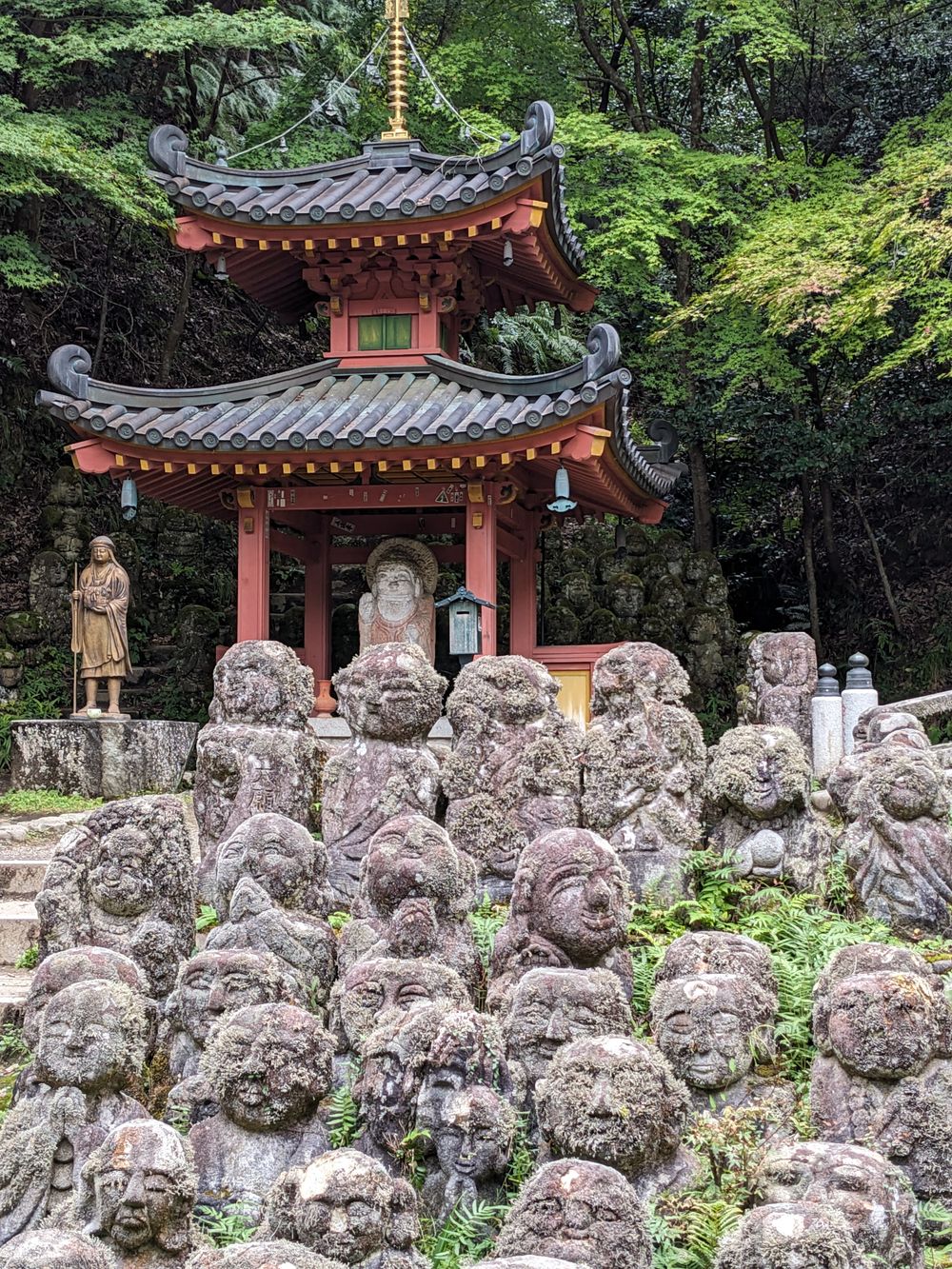
About twelve hundred small stone figures cover the hillside of this temple at the far end of Saga, each carved by an amateur in the 1980s…
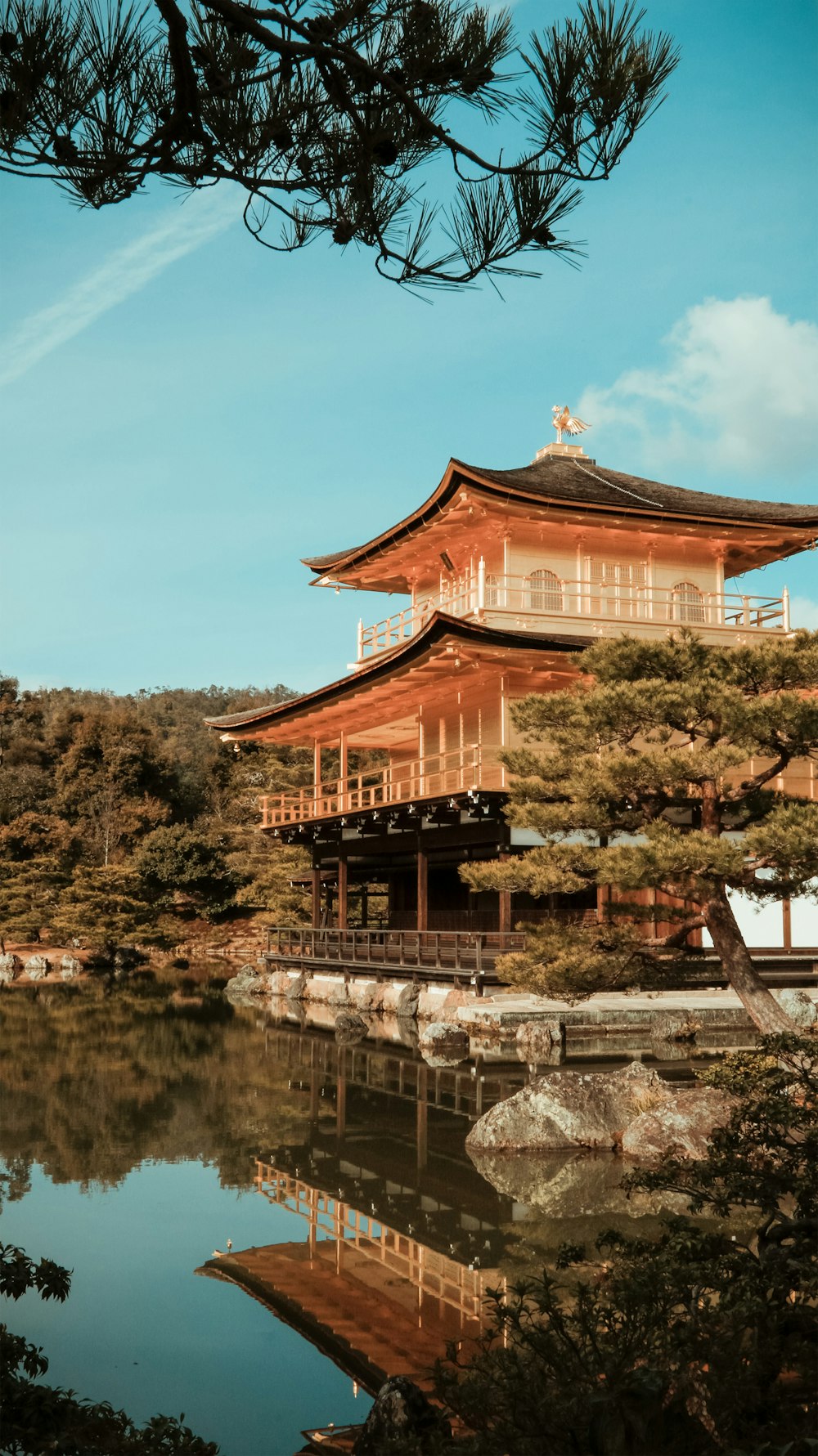
A three-storey pavilion over a still pond, its upper two floors covered in gold leaf and topped by a gilt phoenix. A single garden path…
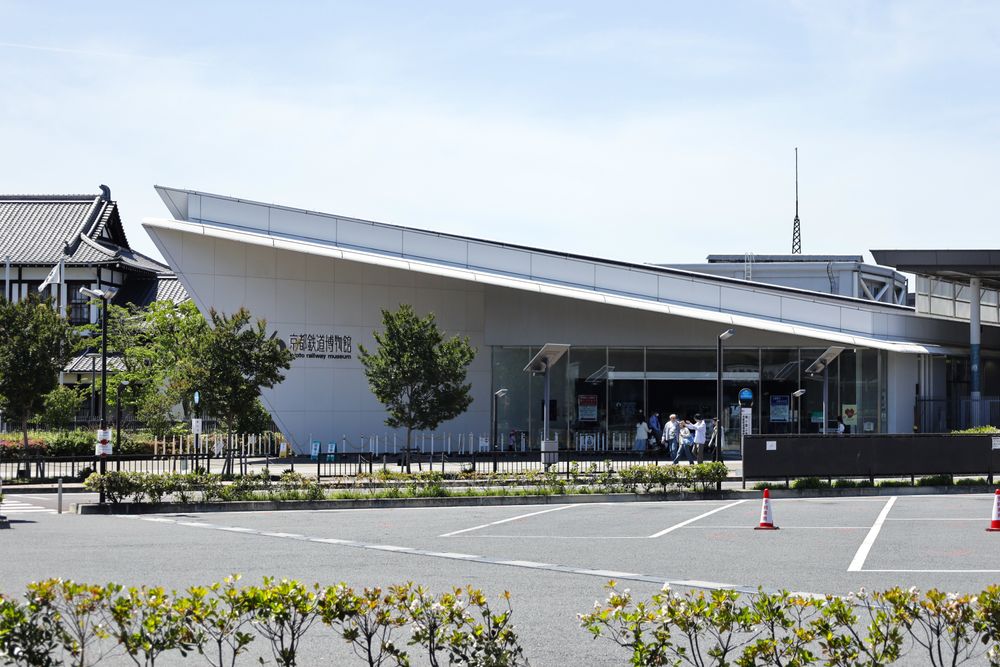
Opened in 2016 beside Umekoji Park, with 53 preserved locomotives and carriages from steam through the first Shinkansen series. Includes a…
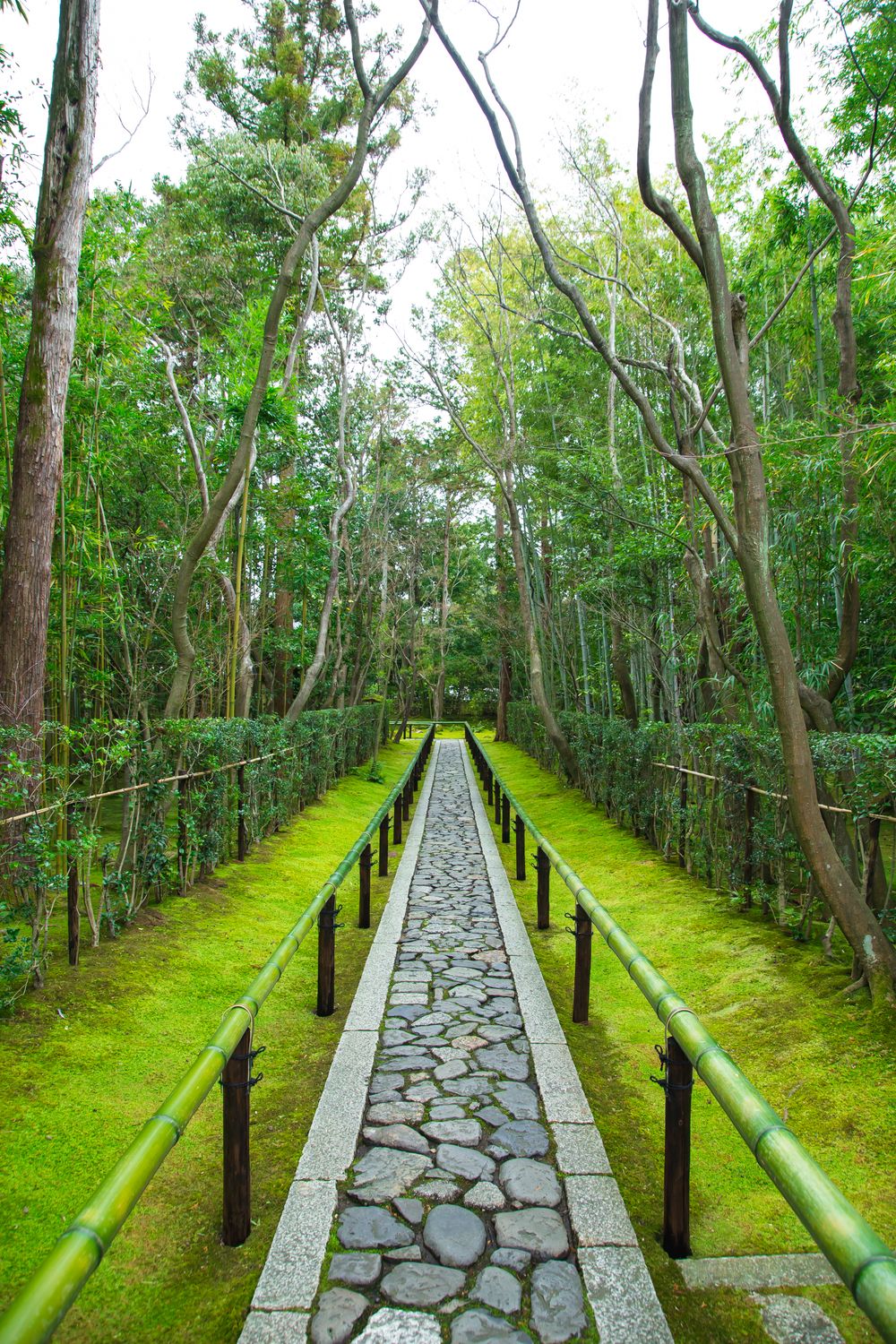
Behind the walls of this Zen complex in north Kyoto, more than twenty subtemples line a grid of stone lanes, and a handful open their…




Save Tenryu-ji Sogenchi Garden to your Japan trip in the Meridian Dispatch app and build the day around it, with the best of Kyoto pinned on one map.
Download on the App StoreLast updated