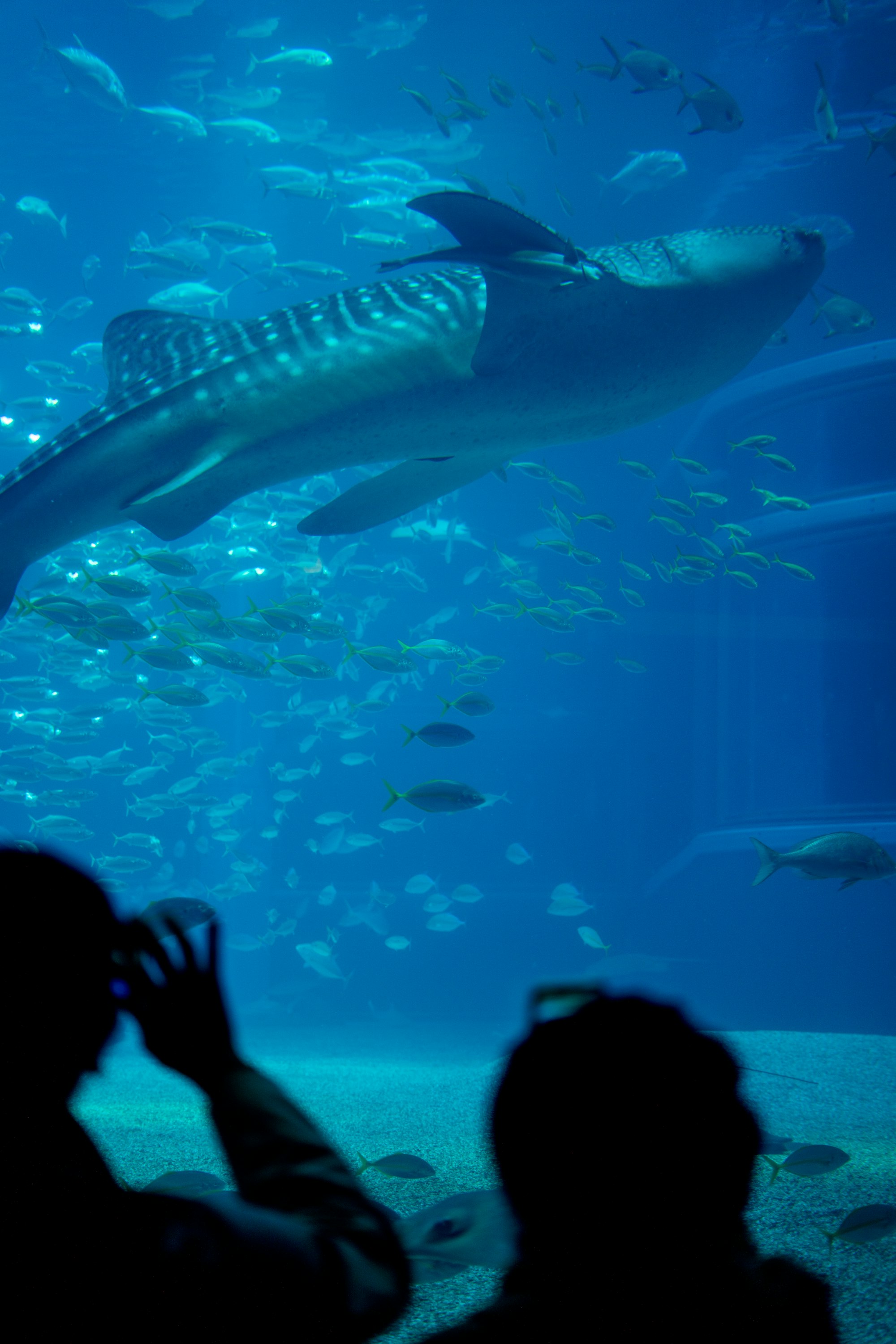
A spiral walk down around one great tank lets you meet the whale shark and the rays again and again, from the surface feeding to the lowest windows.
Other, Osaka. Meridian Dispatch.
Osaka Aquarium Kaiyukan stands on the Tempozan waterfront at the Port of Osaka, part of the Tempozan Harbor Village complex. The giant Ferris wheel beside it is the landmark to walk towards from the station.
Osakako Station on the Chuo subway line is the closest stop, and the walk from exit 1 takes about five minutes. City bus 88 from Osaka Station and bus 60 from Namba both run to Tempozan Harbor Village, and an airport limousine from Kansai drops passengers right outside.
The aquarium closes at 20:00, and last entry is at 19:00. From 17:00 it runs Yoru no Kaiyukan, its evening session, when the lighting and music in the halls change to a calm night sea.
Entry is by timed ticket. E-tickets are sold in advance on the official website. The ticket counter sells same-day tickets only, and the entry time offered may not be the time the visitor wants.
The route alone takes about ninety minutes to two hours, and a visit with time for shopping and dining runs closer to two and a half to three hours. The route runs in one direction, and once a zone is passed it cannot be revisited.
The Pacific tank at the centre, the biggest of all the tanks at up to nine metres deep, is the main draw. A whale shark swims there with manta rays and shoals of fish, and the spiral route returns to it on almost every floor.
The route is mostly sloped rather than stepped, so most of it avoids stairs. Visitors who need a wheelchair can borrow one from the information booth next to the ticket counter.
No. Kaiyukan uses variable pricing, setting the ticket price for each date according to expected demand, so the cost of entry differs from one day to the next. The price for any given date is on the aquarium's official ticket page.
The official site of Osaka Aquarium Kaiyukan is kaiyukan.com.
kaiyukan.com →The building is laid out around the Pacific Ring of Fire, and each tank rebuilds one stretch of the Pacific Rim, from North America and Antarctica to the temperate and tropical seas. The route starts at a Japanese forest stream and ends at the deep-sea tank of the Japan Trench, so the walk works like a dive from fresh water into the deep ocean.
At the centre sits the Pacific tank, the largest in the building, up to 34 metres long and nine metres deep. Its star is the whale shark, which shares the water with manta and devil rays and shoals of mackerel. Because the ramp circles the tank, you see the same animals near the surface, in mid-water and close to the bottom.
On the fourth floor, look for a real slab of the acrylic that holds back the Pacific tank, up to 30 centimetres thick. Further down, giant spider crabs live in the deep-sea tank, and the newest area shows jellyfish in a dark room lit with points of light.
One escalator ride starts the visit: through the Aqua Gate, a tunnel tank lit vivid blue, you ride up to the eighth floor and follow a one-way ramp down, starting at the forest stream and its otters. The route does not let you go back to a zone once you have passed it.
The first corner where the big tank comes into view, just past the Great Barrier Reef, is the most crowded spot on the route. Keep walking, because you meet the tank again on almost every level and the windows further down are calmer. Feeding happens at the surface, so the upper levels see the splash, and the lower windows show the whale shark upright, swallowing.
After five o'clock the lighting and music change for the evening, so if you go in around four you see the tanks in both day and evening light. Pair it with Dōtonbori.
Eat well before you go in and bring a snack, because the route is long and runs only one way. With a pushchair, leave it at the free pushchair storage inside the entrance, because pushchairs are not allowed on the escalators.
Some events must be booked ahead, including a behind-the-scenes tour that shows the Pacific tank from above and behind; dates are on the aquarium's events page. Afterwards, the Tempozan Ferris wheel next door gives you a wide view over the sea and the city.
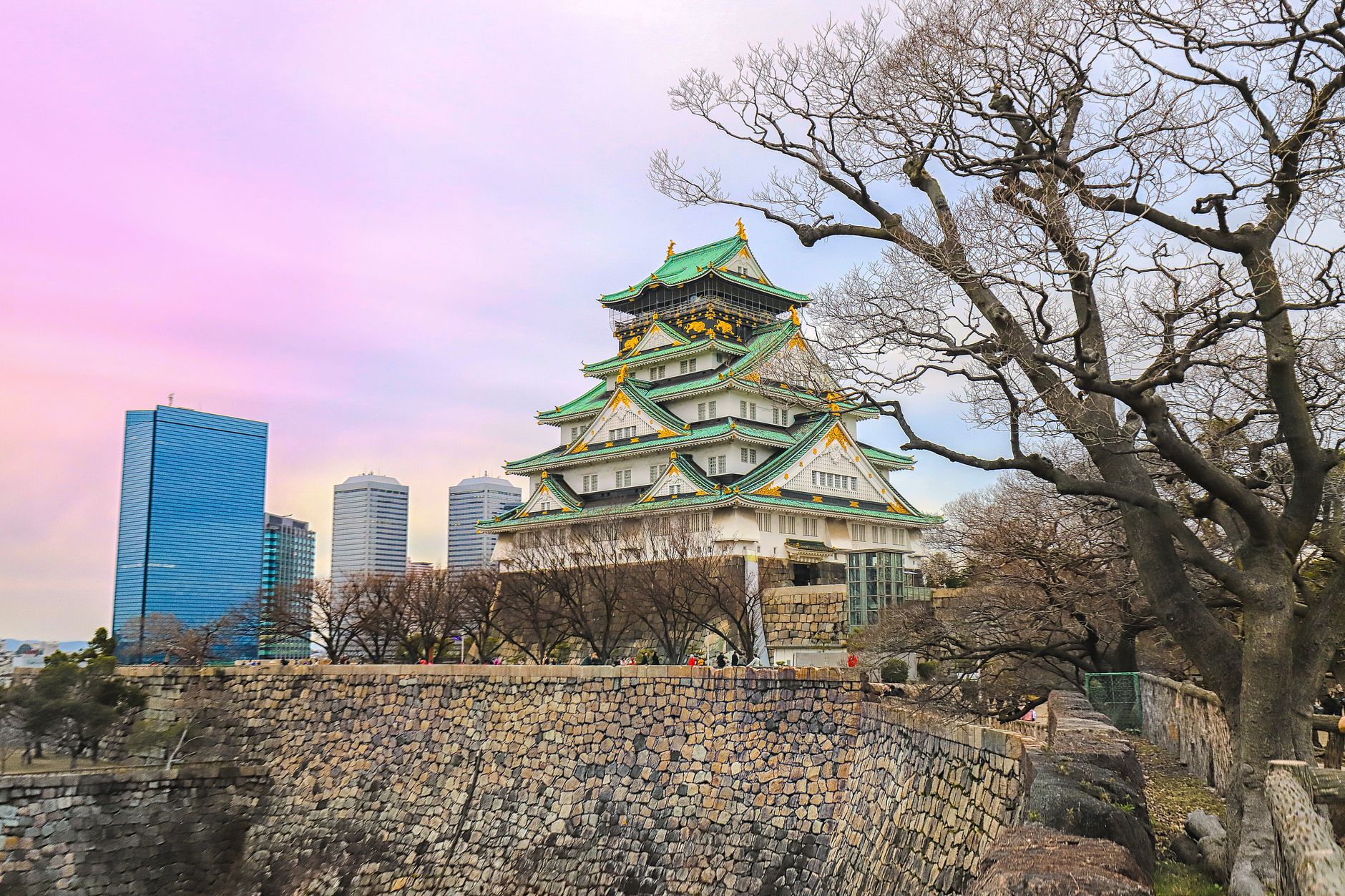
Osaka, Japan: Street food, late nights and the lit canal at Dōtonbori are the reasons to come, with stalls and counters busy until close to midnight.
Read the Osaka guideExplore the rest of Osaka
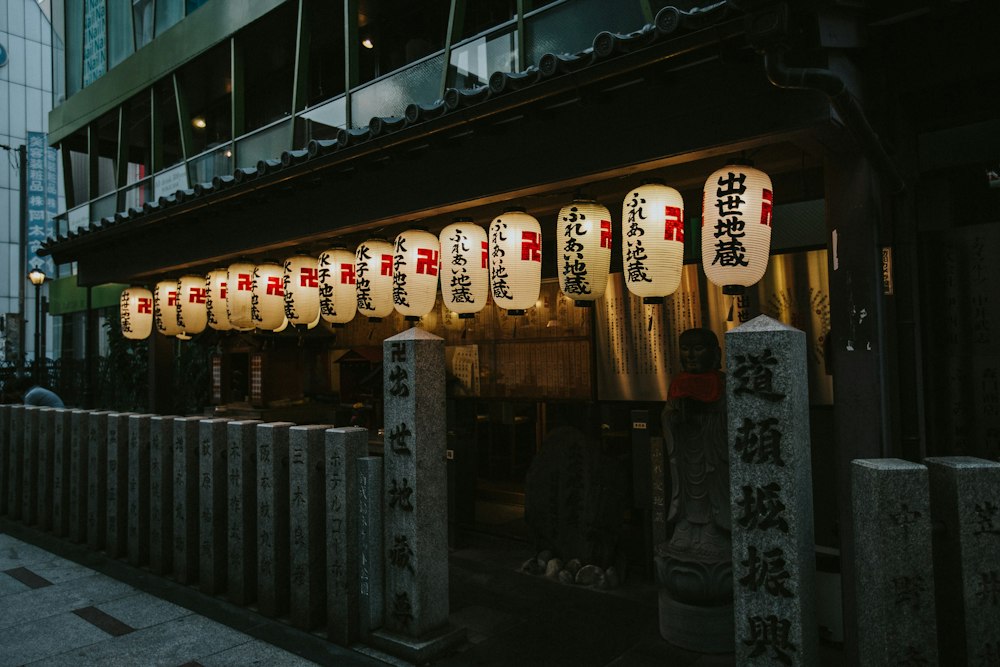
Giant signboards and a mechanical crab line this canal street in Minami, Osaka, with the Glico running man by Ebisubashi. The riverside…
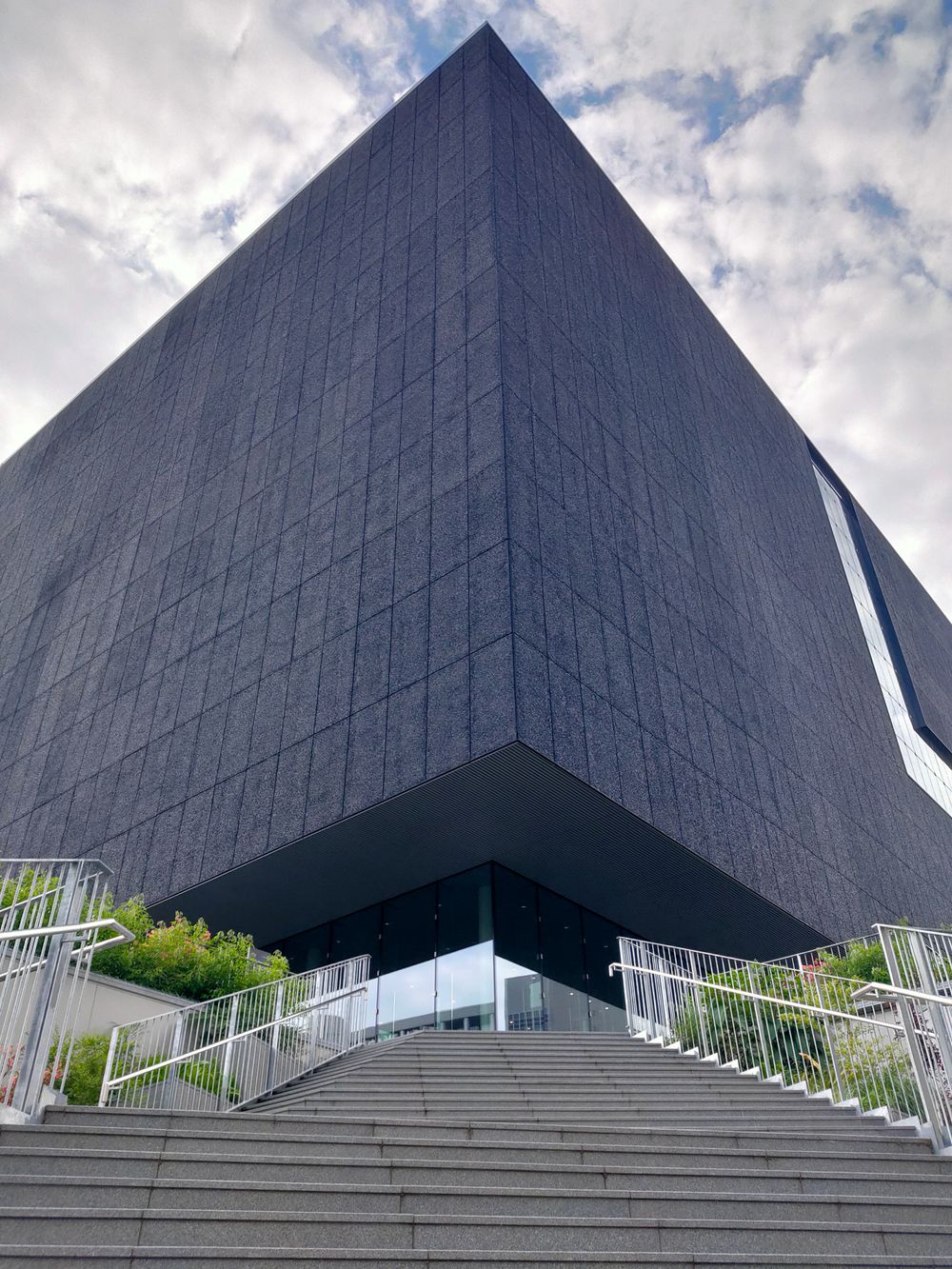
A black cube of a building on Nakanoshima, with a collection of more than 6,000 works of Western and Japanese painting and modern and…
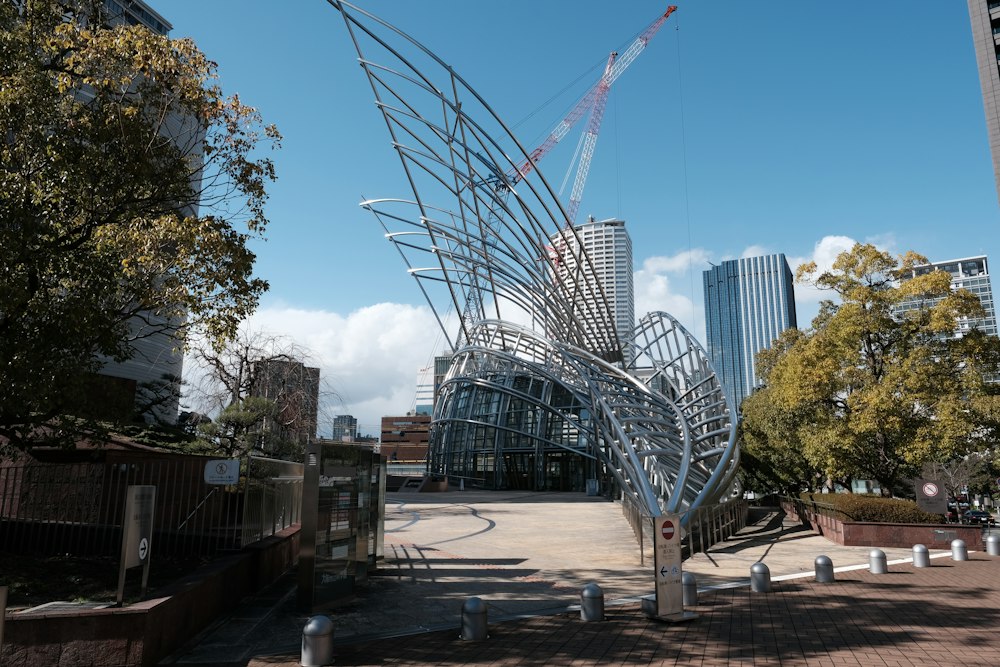
On Nakanoshima island, a glass and stainless steel entrance designed by César Pelli leads to galleries of postwar and contemporary art from…
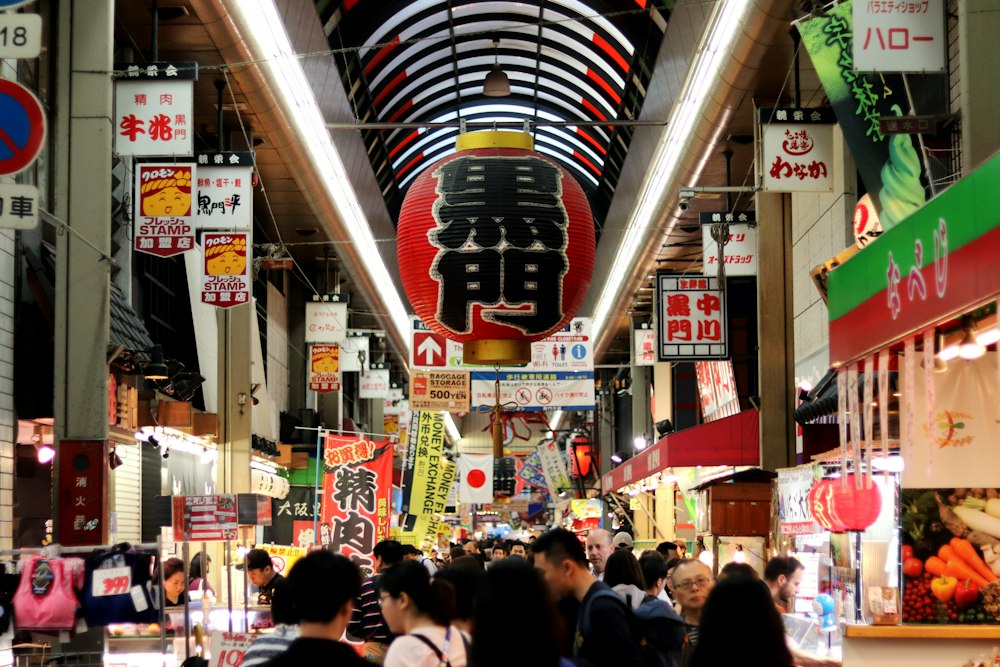
Grilled scallops, tuna sashimi, wagyu skewers and fresh fruit are sold from about 150 stalls along a covered lane near Nippombashi Station.…
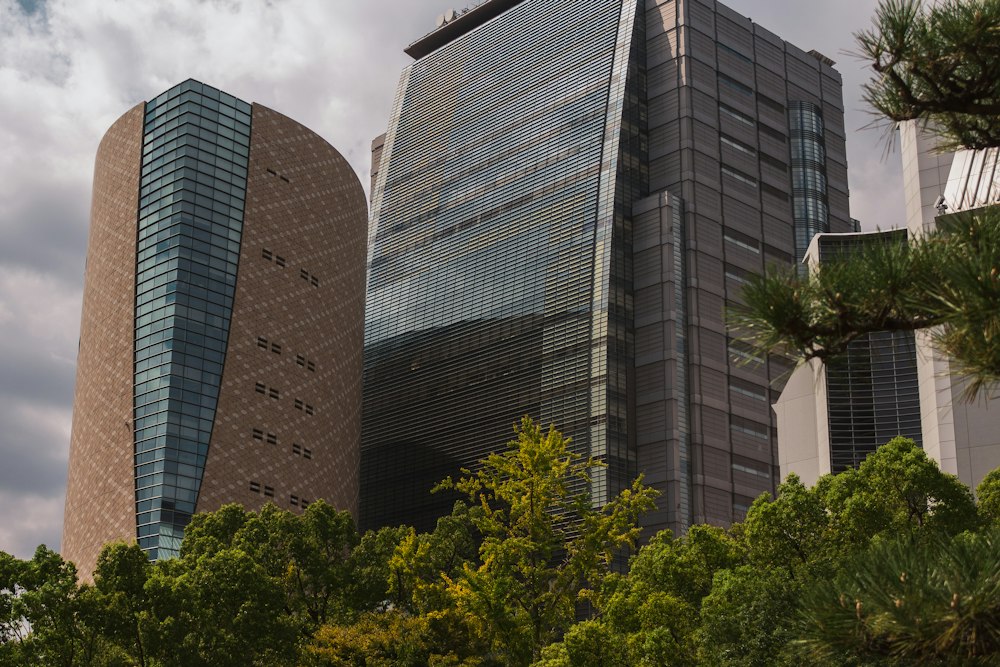
Take the lift to the tenth floor, where a full-size reconstruction of an ancient palace hall faces a window with a direct view of Osaka…
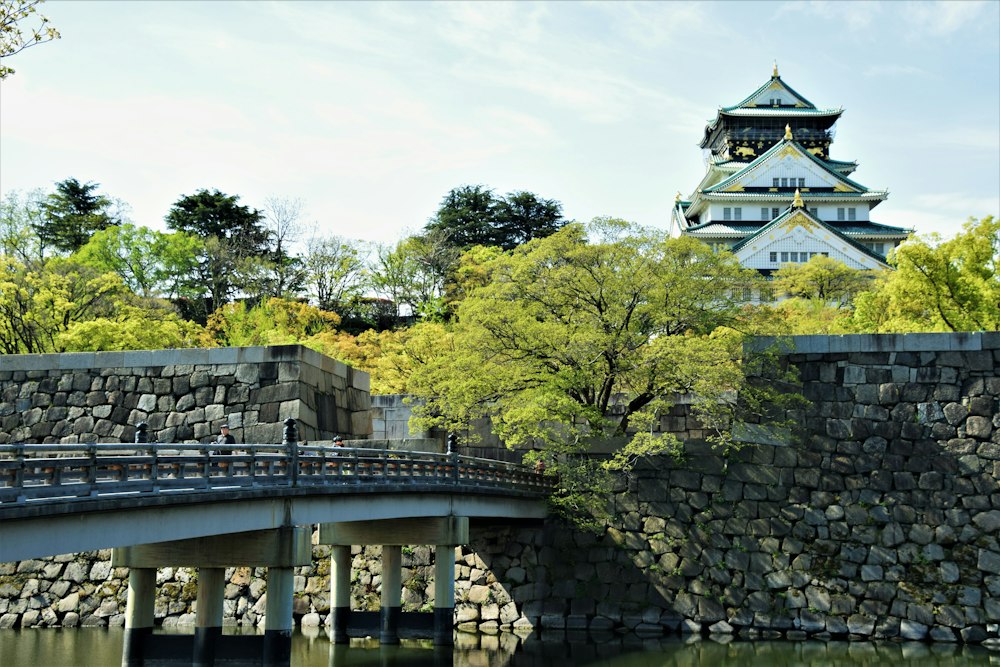
A concrete castle tower with a modern museum inside and an open deck on the eighth floor, fifty metres up, looking over the moats, the…
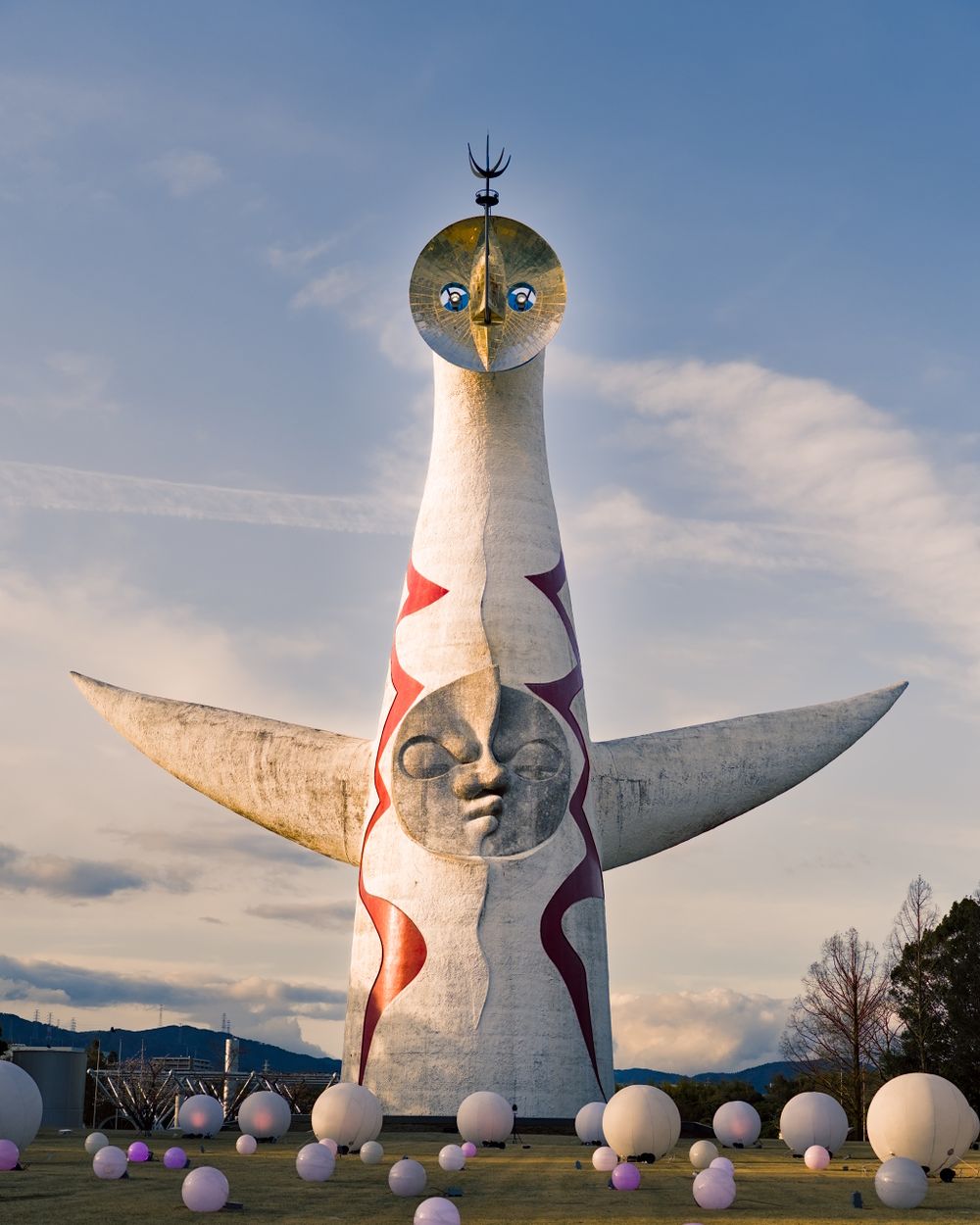
Taro Okamoto's Tower of the Sun, the symbol of the 1970 World Expo, stands at the heart of a park laid out on the fair's old site. Its…
Inside Tennōji Park, a grand prewar building holds Japanese and Chinese painting, Buddhist sculpture and lacquer, and it reopened in 2025…




Save Osaka Aquarium Kaiyukan to your Japan trip in the Meridian Dispatch app and build the day around it, with the best of Osaka pinned on one map.
Download on the App StoreLast updated