 Submit a photo
Ninety seconds on Ameyoko
Ameyoko is a loud, packed open-air market under the railway, and you can eat your way down it, from sashimi on a stick to oysters shucked while you wait.
Ameyoko is a run of shops built under the elevated JR tracks, with more stalls lining the street alongside. It stretches about 500 metres between Ueno and Okachimachi stations and splits into a Y of connected lanes, so on a first walk it is easy to lose track of which arm you are in.
The market began after the Second World War as a black market, selling goods nobody else could get. It is now one of Tokyo's best-known streets for bargains.
Unrelated trades sit side by side. Sneakers, Thai fish sauce and cosmetics can share thirty metres of pavement, next to fruit, vegetables and groceries.
The seafood trade gathers toward the Ueno end: dried fish, bonito flakes, boxed sea urchin, frozen crab legs and mounds of dried squid sold by weight.
Starting at Ueno Station lets you browse the dried fish first, then walk the lanes toward Okachimachi. Eat as you go: the stalls grill scallops in the shell and sell fresh fruit on sticks.
For something filling, order a kaisendon, a bowl of sashimi and other seafood over rice. Or try a tachinomiya, a standing bar that serves food and drink with no seats.
When the crowd gets too thick, step into Marishiten Tokudaiji temple for a quiet break. The walk ends at Okachimachi Station, so you need not double back.
Unlike most of Japan, the vendors here will sometimes haggle, especially on bulk food and toward closing. Ask politely, leave it to the end of your walk, and skip it in drugstores, chain shops and anywhere with barcodes and a register.
Small stalls and seafood vendors often take only cash, though IC transit cards work at most of the larger shops. Tax-free shopping applies at some shops only, so ask before you buy and bring your passport. Step aside from busy shop entrances while you decide.
Explore the rest of Tokyo
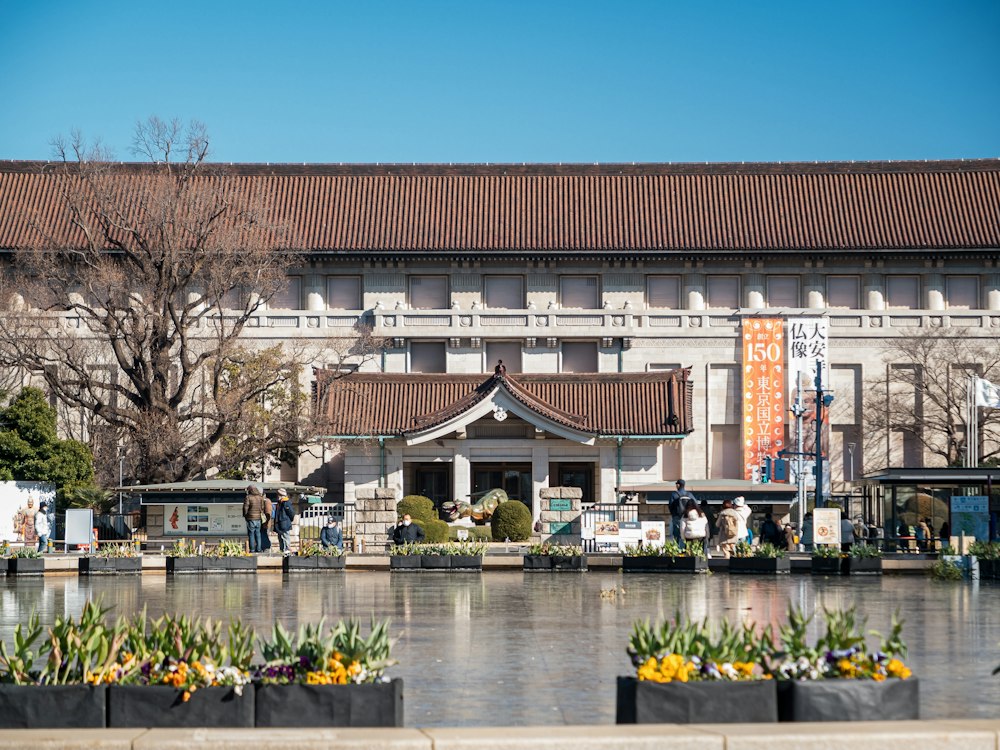
Five buildings of Japanese and Asian art at the north end of Ueno Park, set around a large garden with old teahouses.
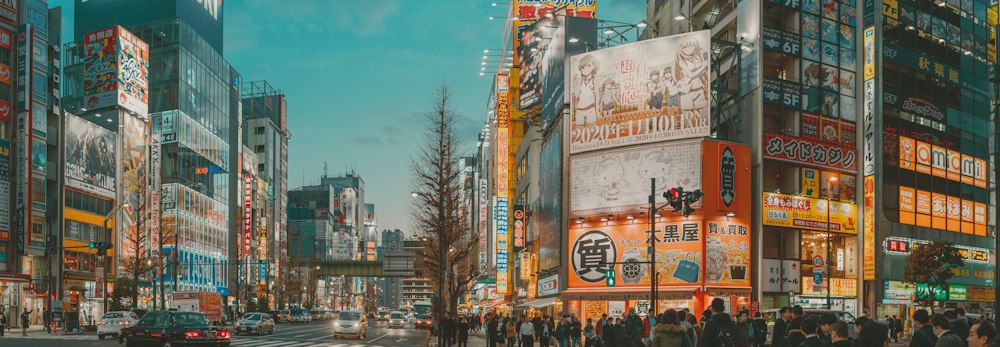
A black market in radio parts grew up under the railway arches here after the war, and those component stalls still trade beneath the…
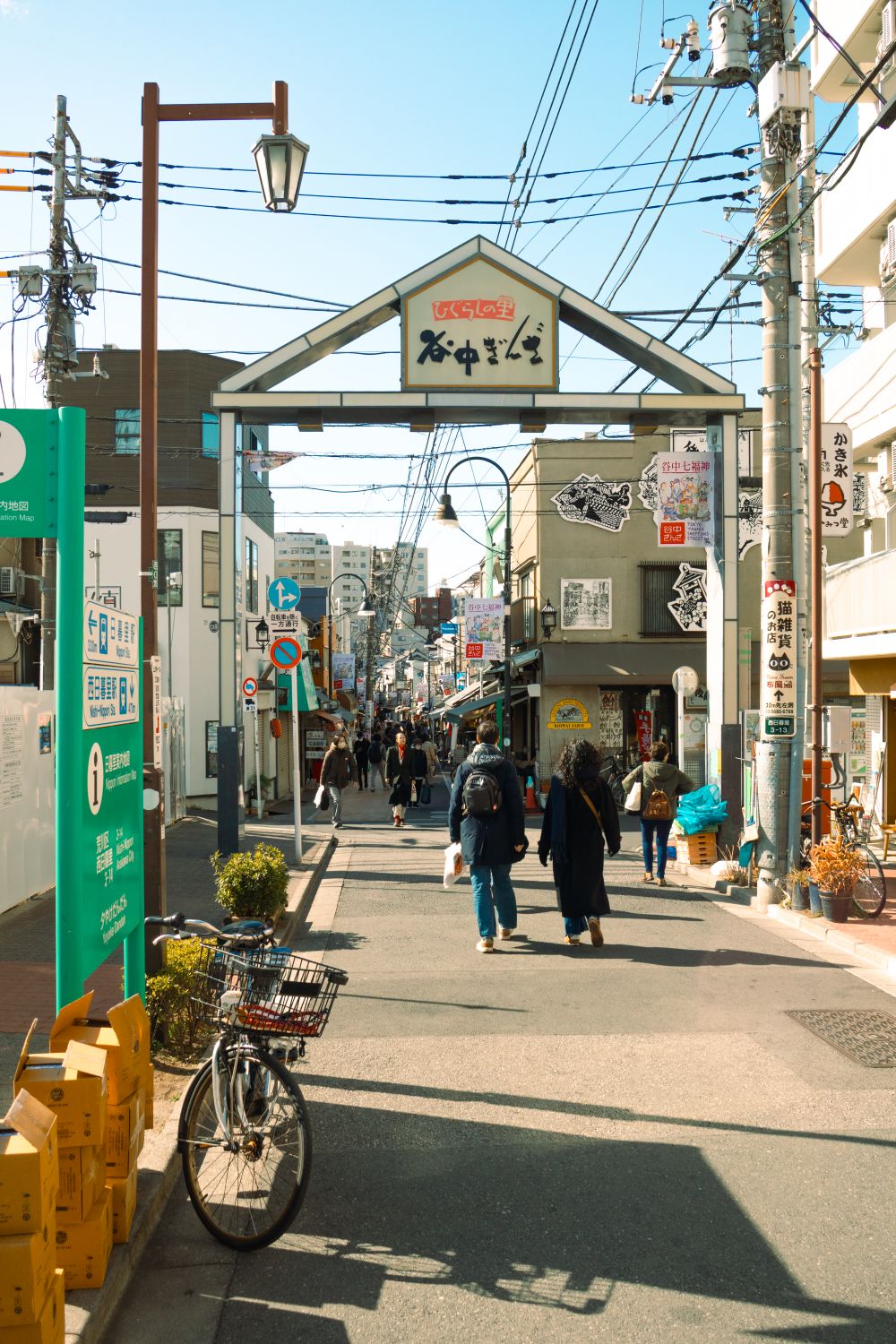
A low-rise shitamachi district that largely escaped both the 1923 earthquake fires and wartime bombing, centred on the Yanaka Ginza…
Last updated