 Submit a photo
Ninety seconds on Kappabashi-dōri
Most shops open at about 10:00 and close at about 17:00. Each shop sets its own hours and days off, and a few open or close at different times, so the street does not run to a single timetable.
Only in part. About seven in ten shops close on Sundays and public holidays, while most open on Saturdays, which makes Saturday the fuller weekend day for shopping the street.
Tawaramachi on the Tokyo Metro Ginza Line is closest, about five minutes on foot. Iriya on the Hibiya Line is about six minutes away, and Asakusa Station on the Tsukuba Express about five. JR Ueno and Uguisudani stations are about 15 minutes' walk.
Yes. Ganso Shokuhin Sample-ya, a food-sample maker's shop on the street, runs a reservation-only class in which participants shape shrimp tempura and lettuce from wax in warm water. Sessions last about 40 minutes with up to six people each and are open to children from age six. Places are booked ahead, as same-day bookings are not normally taken.
Bring an empty bag. Nearly every shop here sells single pieces to anyone who walks in, not only to trade buyers, so the restaurant trade's equipment is yours to buy one item at a time.
This is Japan's largest shopping street for kitchen implements. Almost every kind of restaurant equipment is on sale, down to the specialist tools of the bakery trade, and only a few of the shops selling replica dishes are left.
A giant chef's head in a tall white hat sits on top of the corner building at the southern entrance, near Tawaramachi Station. Coming from the station, it tells you which corner the street begins at.
A golden statue of Kappa Kawataro, a water sprite, stands in a small pocket park on the street. Kappa is also the word for a rain cape, and the name goes back to samurai of low rank who made the capes at home and hung them on a nearby bridge to dry on fine days.
Tool and secondhand dealers first opened here in the Taisho era, early in the last century.
Collecting a paper shop map comes first: copies sit on the counters along the street and at the association's office, and its website has a PDF version to download before the trip. Take one under the chef's head, then walk the full length north once, looking more than buying.
On that first pass, choose a knife and have it engraved while you wait: some shops machine a name onto the blade. Then work back south, buying anything heavy or fragile last.
Sensō-ji is about a ten-minute walk from the street, so a morning here and an afternoon around the temple and the rest of Asakusa fit into one day.
Older shops here often prefer cash, while some of the larger cutlery and ceramic stores take international credit cards.
From 1 November 2026, tax-free shops charge the full price including tax. To claim the refund, show your passport at a tax-free procedure terminal within 90 days of purchase.
Blades must travel in checked luggage, never carry-on, so sheathe them and wrap them in clothing before packing. Cameras are generally welcome in sample and cutlery shops, but watch for No Photo signs in ceramic and traditional tool shops.
Explore the rest of Tokyo
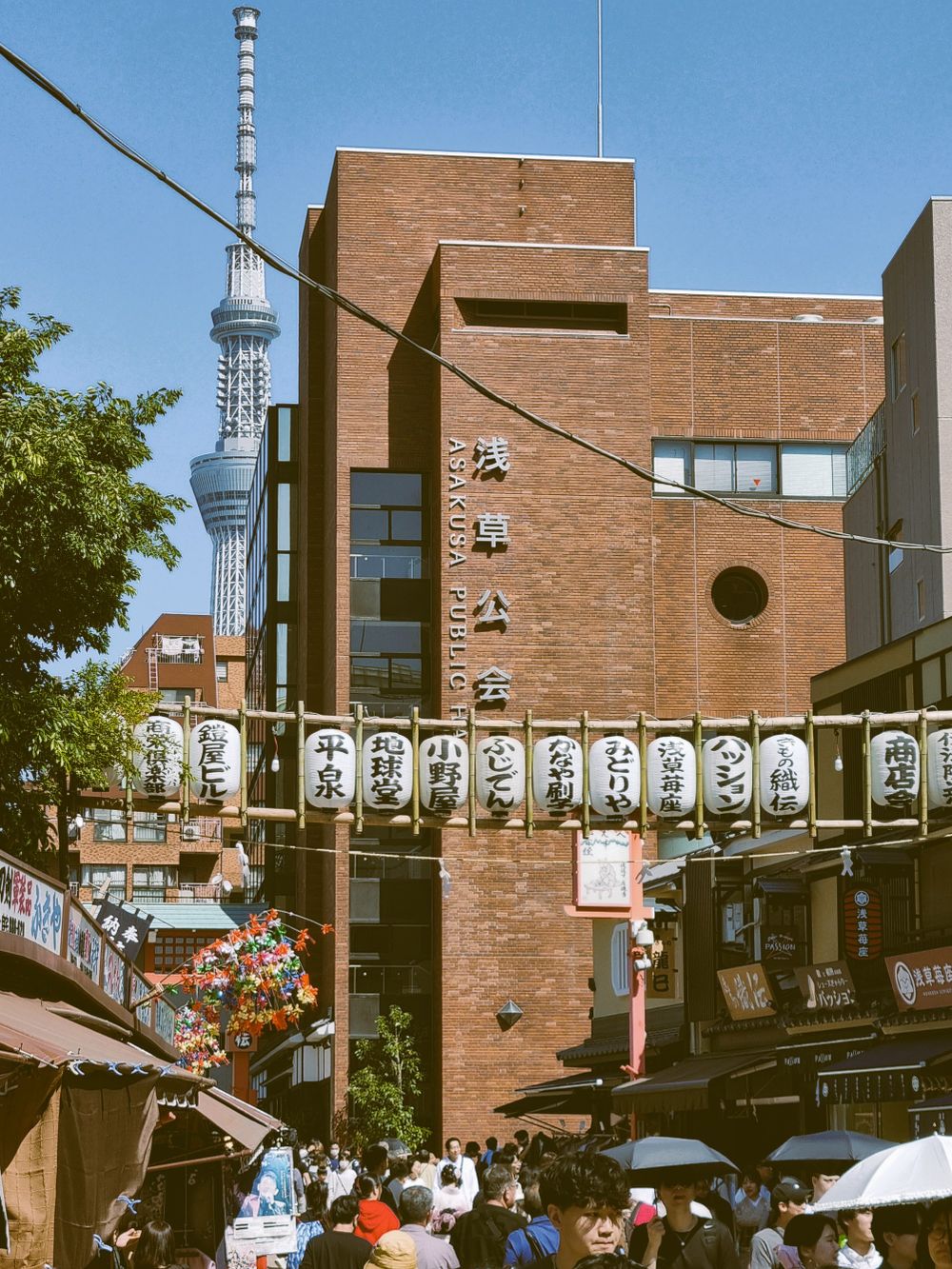
Asakusa is the temple quarter of old Tokyo, built around Senso-ji and approached through the Kaminarimon gate and the shopping street of…
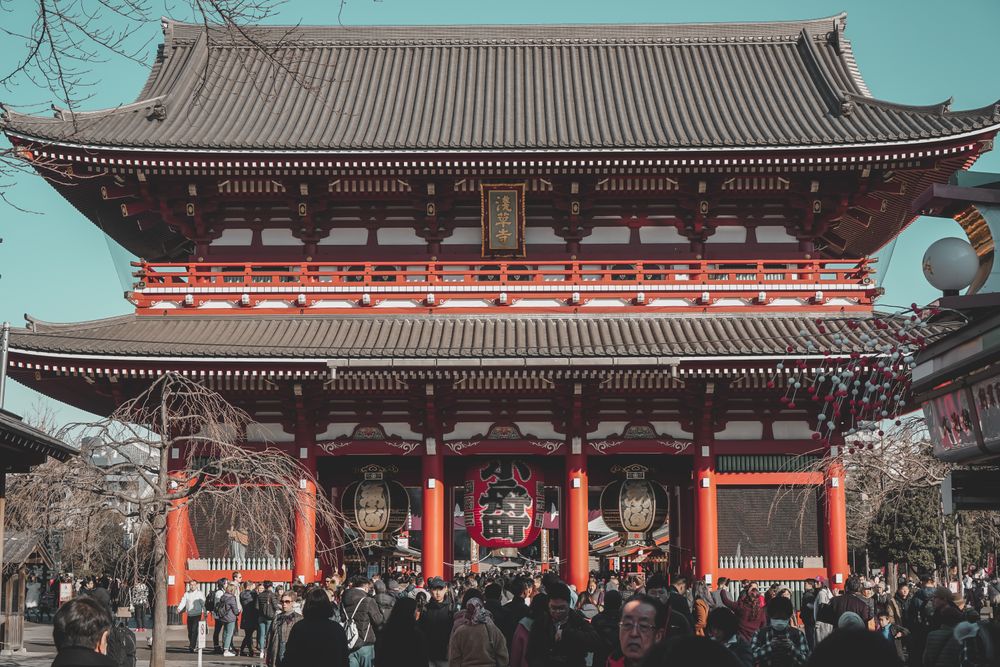
Asakusa's great Buddhist temple, built around a statue of Kannon that tradition says two fishermen pulled from the Sumida River; the main…
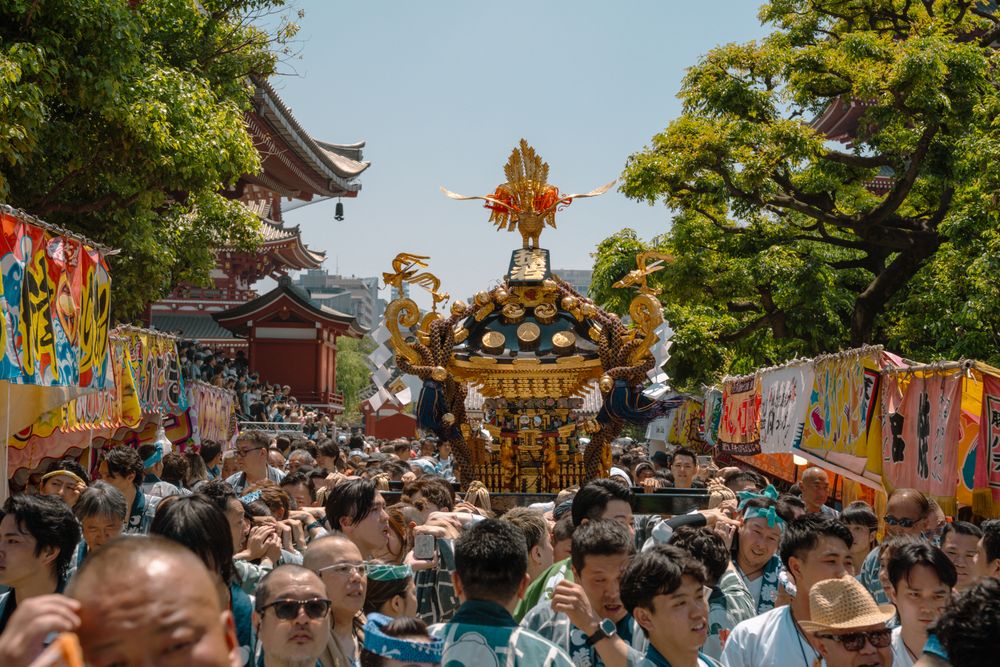
Over a Friday, Saturday and Sunday in mid-May, Asakusa's neighbourhoods carry their portable shrines through the streets round Senso-ji and…
The official pages this guide was checked against.
Last updated