
You pass under a limestone arch in a small painted boat and enter caves where the sea seems lit from inside, one of Malta's best known natural sights.
Landmark, Marsaxlokk. Meridian Dispatch.
As of November 2026, according to visitor guides, boats run from about 9.30am to about 3.30pm in winter. In the warmer months they start at about 9am and finish around 5pm or 6pm. The last boat varies, so ask at the harbour when buying a place.
Route 74 runs from Valletta to the Panorama stop, above the harbour. Route 38 also runs from Valletta, but only to Żurrieq. From there it takes a taxi or a 20-minute walk to reach the harbour.
Visitor guides say yes, in the clear, deep water of the inlet, away from the boat lanes, and it suits snorkelling too. One says swimming is not allowed at the grotto itself because of boat traffic.
The Blue Grotto, called Taħt il-Ħnejja in Maltese, is a group of sea caves on Malta's south coast, below limestone cliffs. A great arch drops into the sea above them. The boats go into several caves, among them Honeymoon Cave, the Cat's Cave and Reflection Cave.
Sunlight is reflected back up through the water and lights the caves from below. The water turns brilliant blue and green, and the glow seems to come from inside the sea and not from the sky.
The caves face southeast, which is why a sunny morning gives the strongest colour, especially from April to September.
The English name dates from the 1950s, when a visiting British soldier compared the clear water to Capri's Grotta Azzurra.
A few steps beside the Panorama bus stop, on the road above the inlet, lead down to a view of the cave entrance and the arch from above. Stop there first.
A signposted path then runs downhill to the tiny harbour at Wied iż-Żurrieq, where the boat operators work. The walk takes about 15 minutes. Visitor guides say you buy your place at the harbour when you arrive.
Small groups board brightly painted traditional wooden boats, go into and around the caves, then come back.
If you are driving, take the boat in the morning, then see Ħaġar Qim and Mnajdra. A car also lets you add Marsaxlokk to the same day, because the caves are near Qrendi and Żurrieq and not in the town itself.
Leave some time for the inlet once you are back on land. Its restaurants serve fresh seafood.
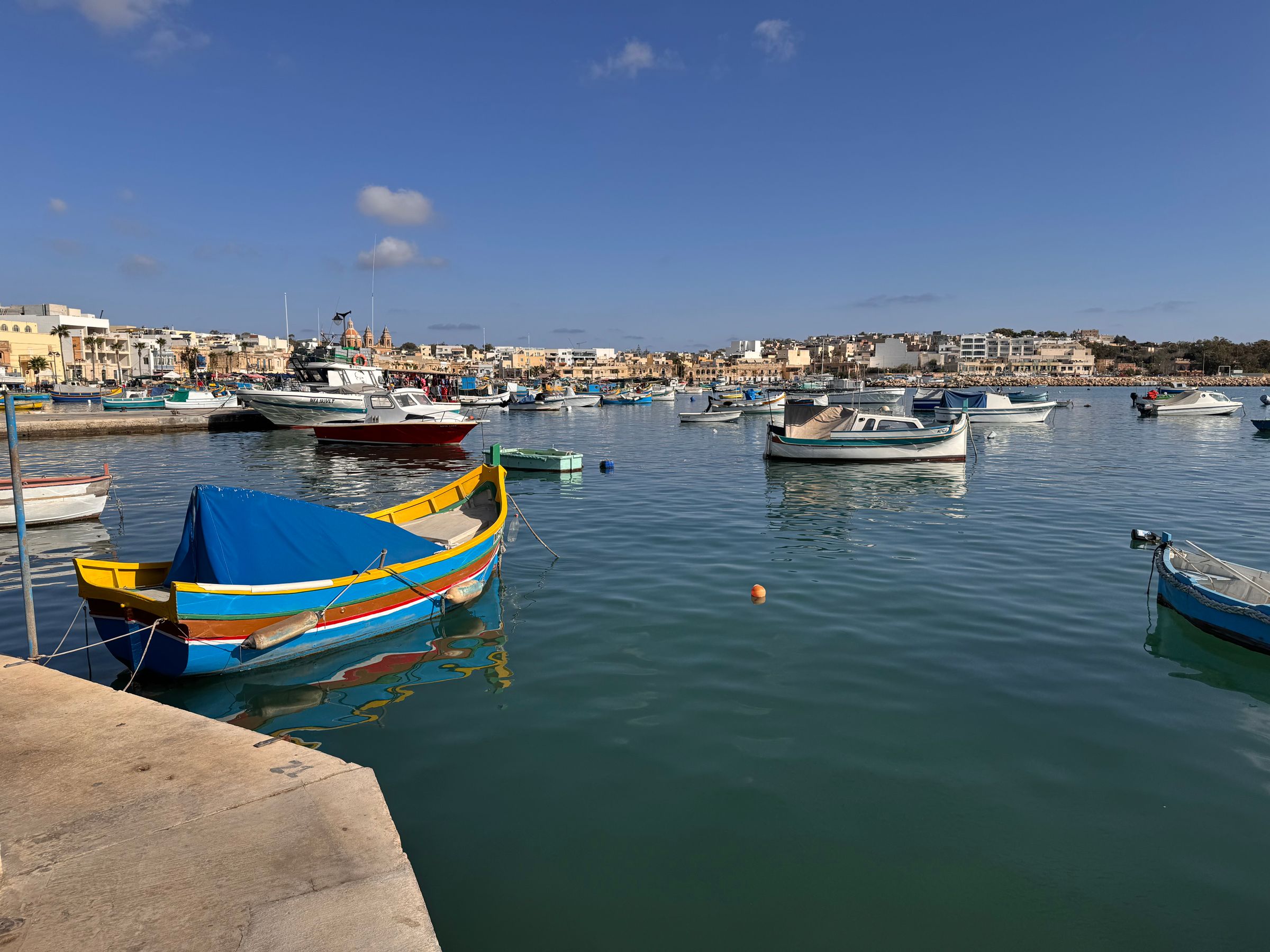
Marsaxlokk sells the night's catch on its quay, among the painted luzzu boats. After lunch on the harbour, you can swim off the rock ledges at St Peter's Pool, a walk along the Delimara road.
Read the Marsaxlokk guideExplore the rest of Marsaxlokk
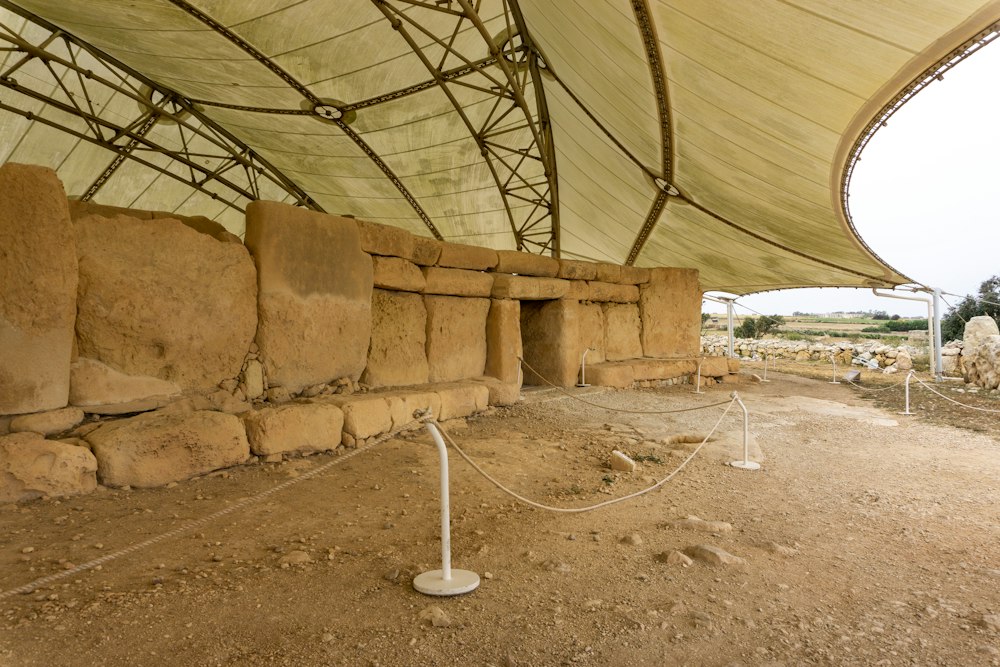
On a ridge above the sea near Qrendi, Ħaġar Qim is a megalithic temple built from huge slabs of soft limestone, now sheltered by a white…
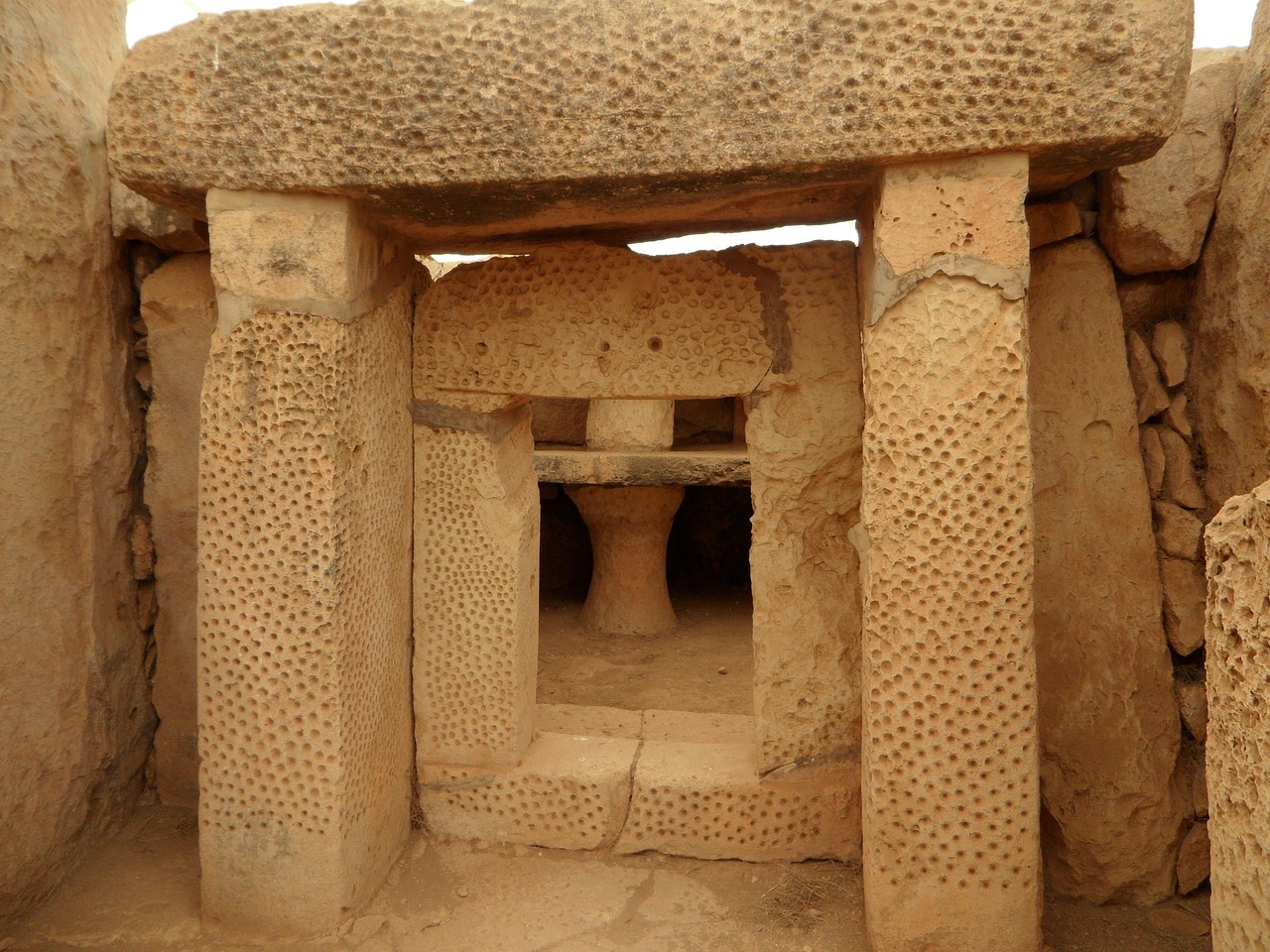
A paved path of about 500 metres runs downhill from Ħaġar Qim to Mnajdra, three temples set in a hollow facing the sea. The lower temple is…
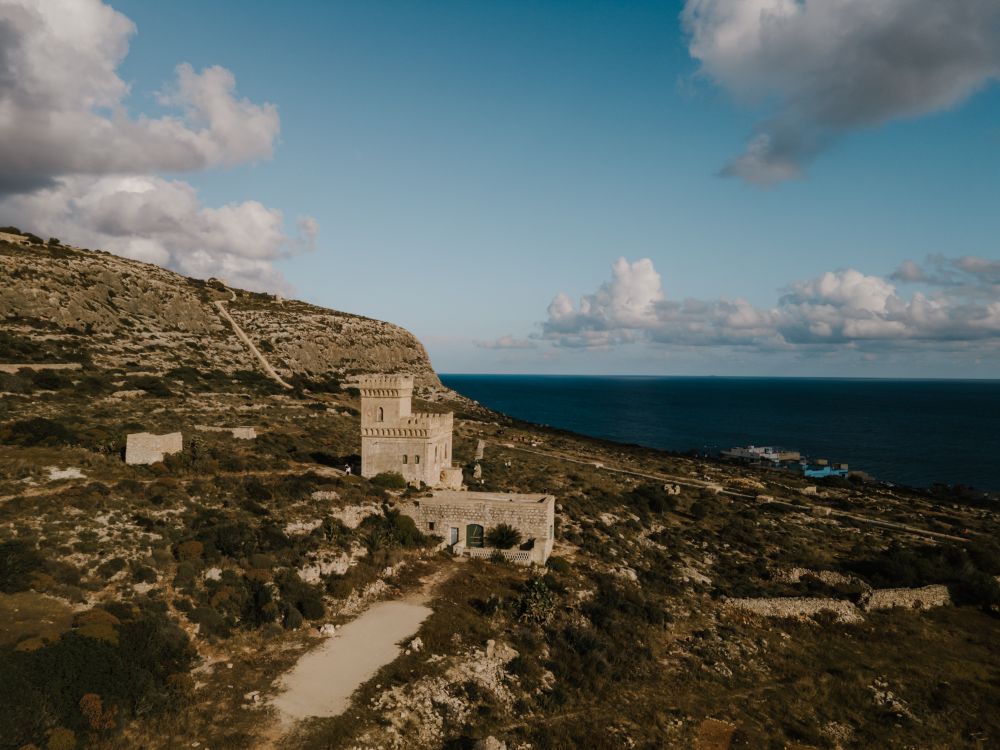
Cliffs shelter this rocky inlet of clear, deep water below Siġġiewi, once a favourite with snorkellers and divers for the caves near the…
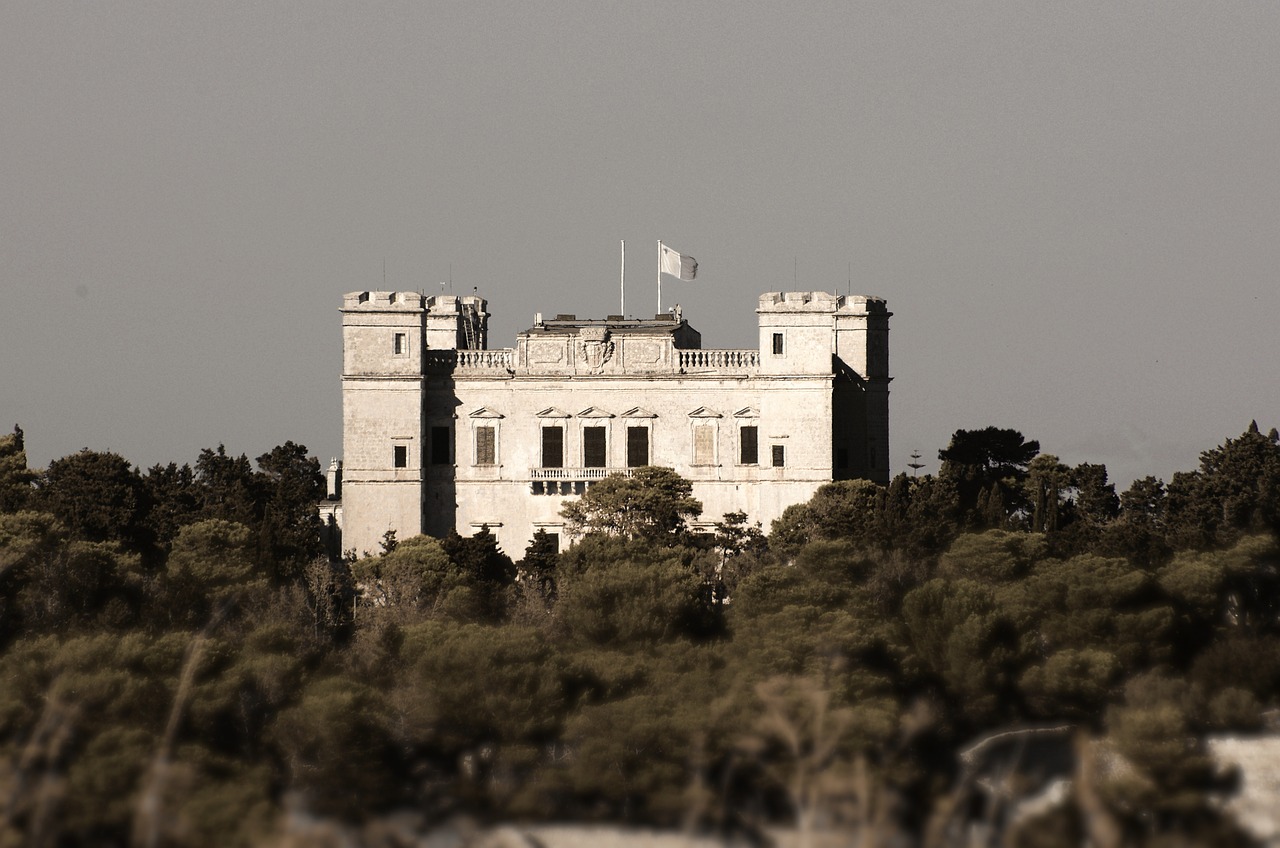
Malta's largest woodland fills a valley below Verdala Palace, with Aleppo pines, oaks, citrus groves and a stream that runs in winter.…
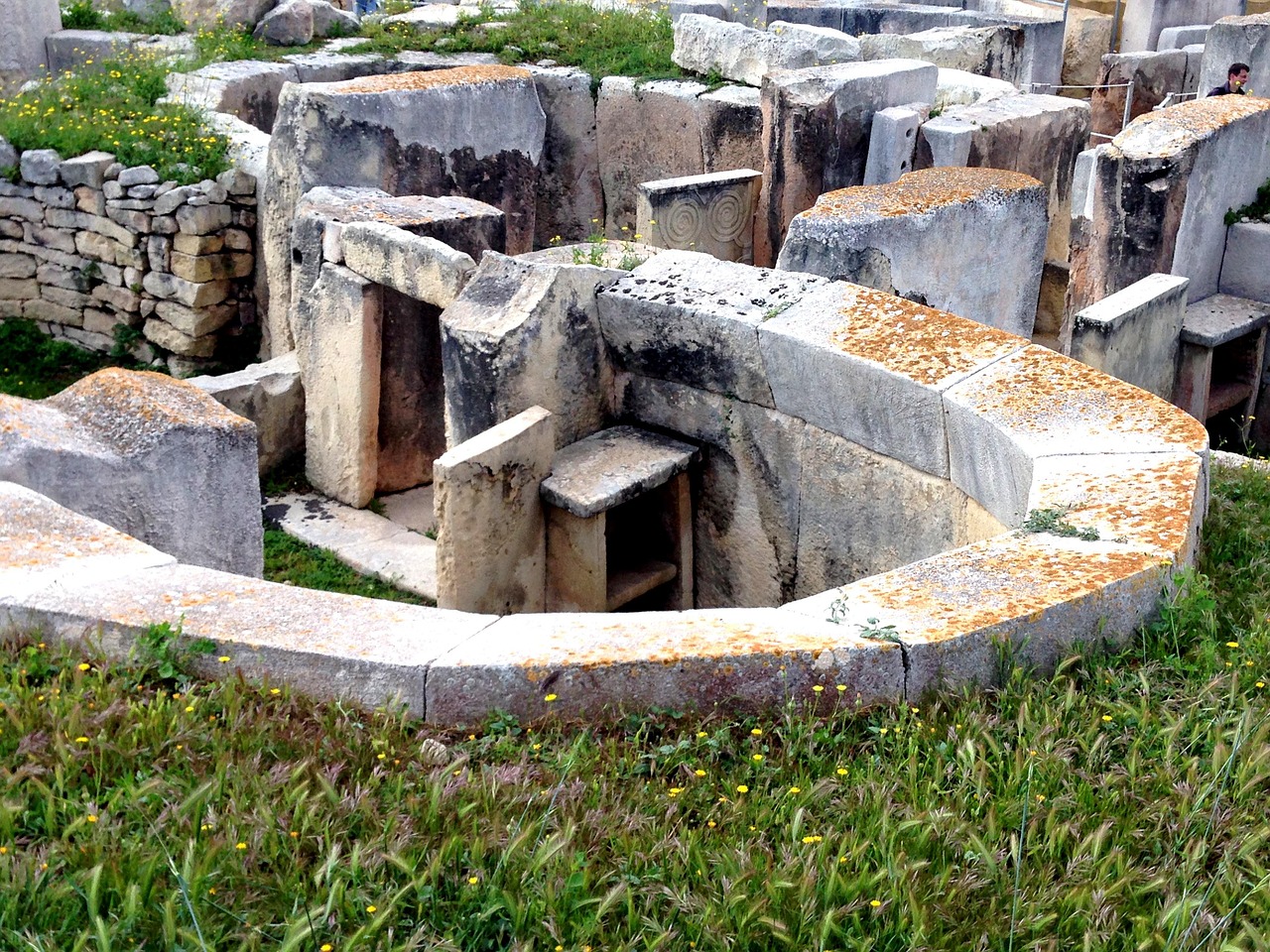
Four connected megalithic temples sit under a protective canopy among the houses of Tarxien, a short walk from the Hypogeum. Raised…
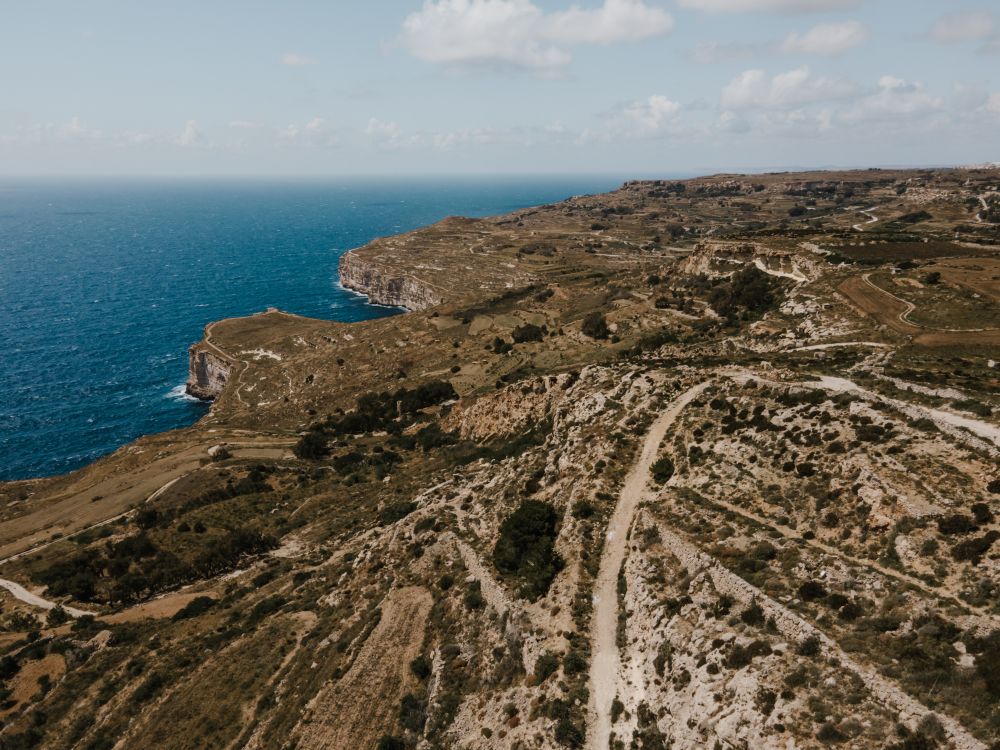

Sea cliffs drop around 250 m to the water along Malta's southwest edge at Dingli, the highest point on the island. A road and a footpath…
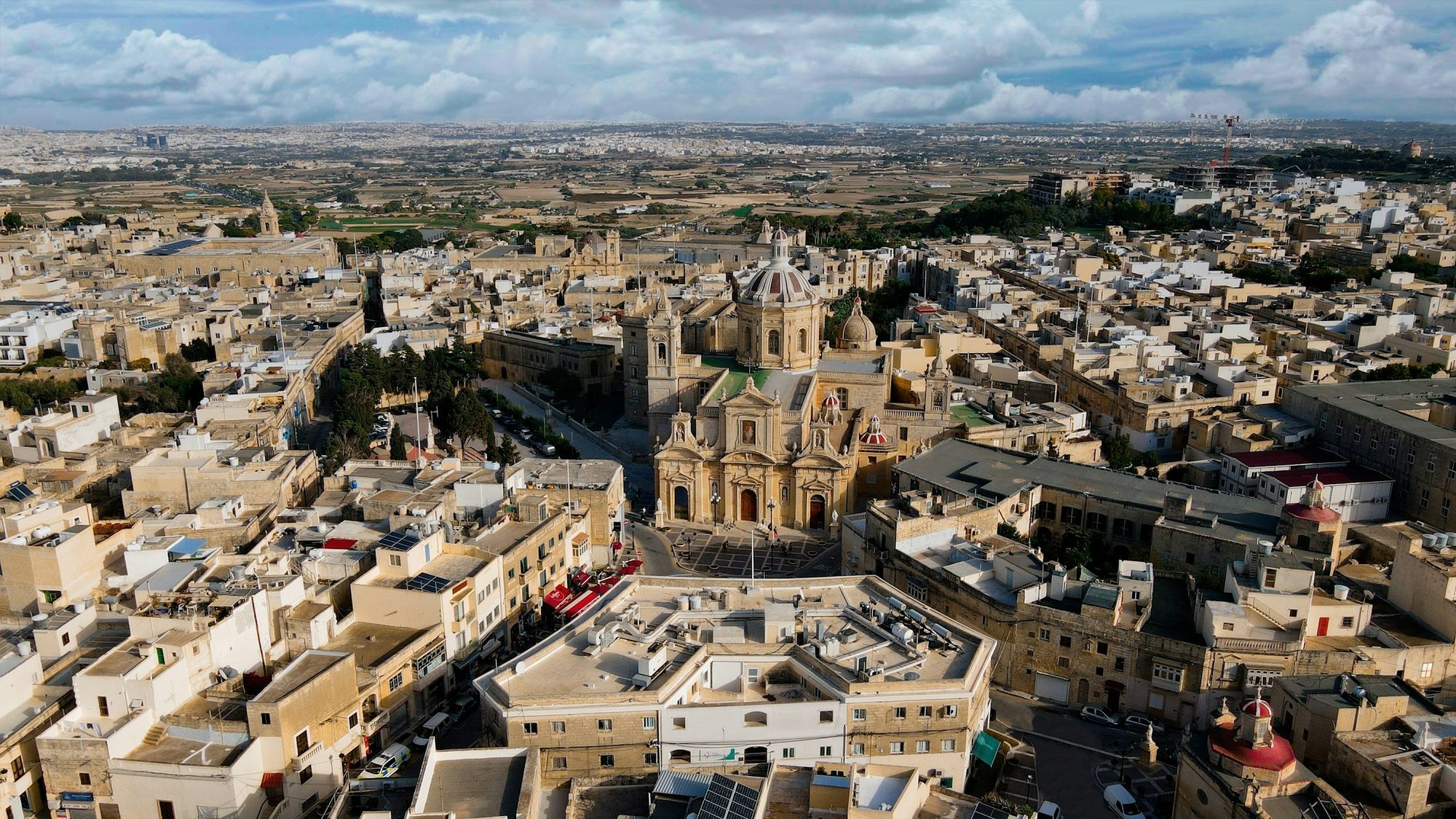
Spread outside the main gate of Mdina, this town sits over St Paul's Catacombs, the earliest and largest archaeological evidence of…
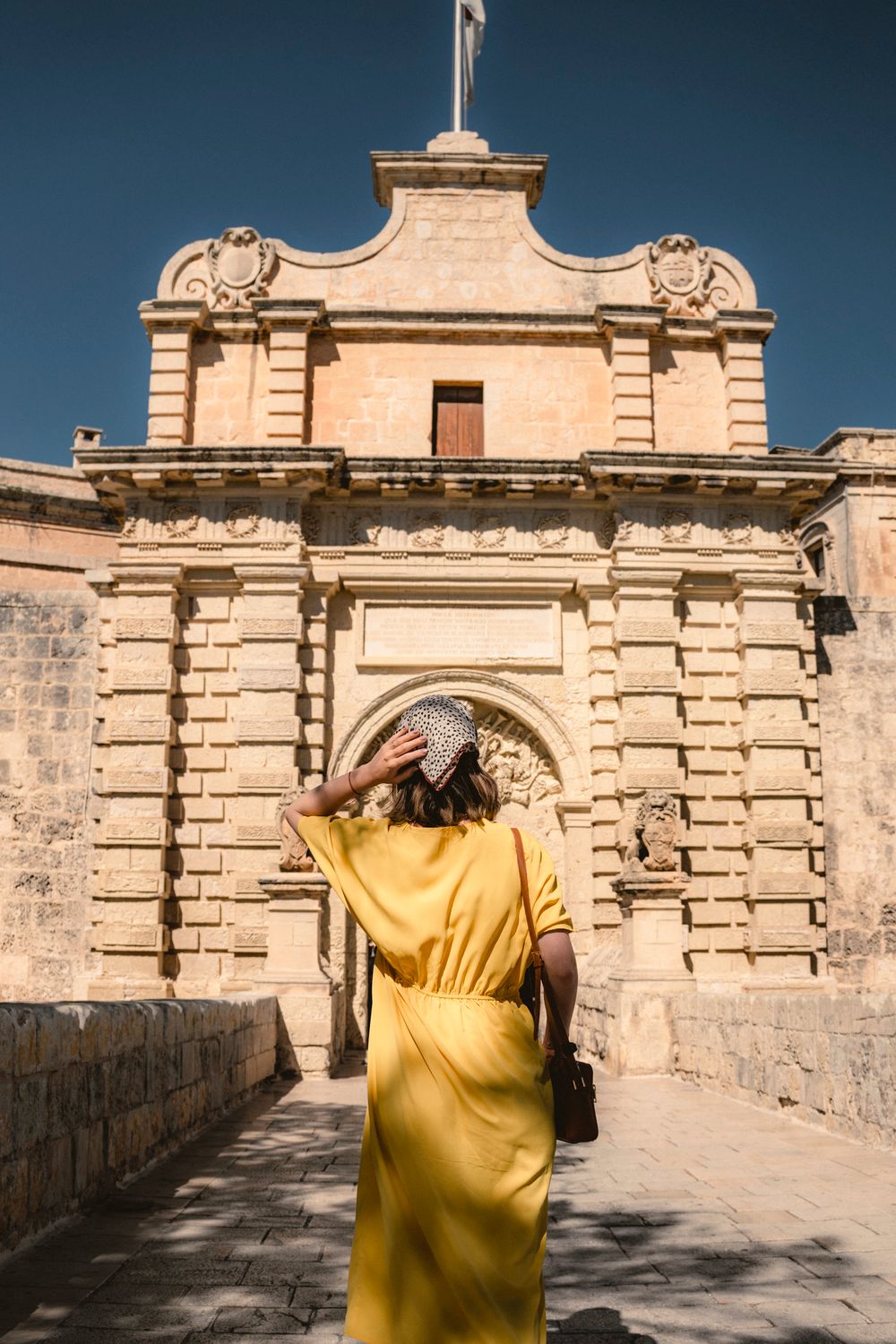
A stone bridge over the dry moat leads to Mdina's main gate, a baroque archway built in 1724 and carved with the arms of Grand Master…



Save Blue Grotto to your Malta trip in the Meridian Dispatch app and build the day around it, with the best of Marsaxlokk pinned on one map.
Download on the App StoreLast updated