
See doorways cut through single blocks of limestone in a temple more than 5,000 years old, on a ridge above the Mediterranean and the islet of Filfla.
Archaeological Site, Marsaxlokk. Meridian Dispatch.
The park opens from 09:00 to 17:00 every day between 1 November 2026 and 3 January 2027. Between 4 January and 28 February 2027 the times stay the same, but Tuesdays are closed. Later timetables go up on Heritage Malta's Opening Hours page.
Heritage Malta stops admission 30 minutes before closing time at all its sites, which makes the last entry at Ħaġar Qim 16:30 on the current winter timetable.
Yes. A standard ticket covers both temples and the exhibition areas, and the Heritage Malta online store sells it. One visitor guide says tickets are also sold at the visitor centre with no need to book ahead.
Route 74 leaves from stop A5 at the Valletta bus terminus and stops a short walk from the entrance, about three minutes away. The ride takes 45 minutes to an hour.
Visitor guides describe a free car park in front of the visitor centre, close to the site. The drive from Valletta takes about 20 to 30 minutes, depending on traffic.
Yes, though some assistance is still needed. Heritage Malta lists the visitor centre and Ħaġar Qim as accessible, but not Mnajdra. The ancient stone can be uneven.
The complex is a main temple and three further megalithic structures beside it. The main temple dates from 3600 to 3200 BC, and the ruins to its north are considerably older.
In front of the outer wall lies a wide forecourt, paved with large, irregular slabs. Blocks that once formed walls or chambers lie across it.
The builders used globigerina, a soft limestone, and it shows on the outer southern wall. The great upright slabs there, called orthostats, face the sea winds and have suffered severe weathering and surface flaking.
Walk all the way round the outside to reach the site's largest megalith, a slab that weighs an estimated 57 metric tons.
Inside, the entrance passage connects six large chambers. Doorways come in two kinds: a trilithon of two uprights with a lintel and threshold, or the porthole type. Some carved thresholds have what are called rope holes.
Look also for the oracle hole, a small oval opening carved into a partition wall.
The best-known finds are small stone and clay statuettes of obese figures, nicknamed the fat ladies. The visitor centre shows reproductions, and the originals are in the National Museum of Archaeology in Valletta.
Start at the visitor centre, the way in to both temples. Its exhibition explains the temple civilisation, the excavations and how the culture ended.
A short 4D film is part of the visit, and the screening room is easy to miss, so ask at the desk where it is. A QR code by the entrance loads an audio guide onto your phone, so bring your earbuds.
Outside, Ħaġar Qim stands under a large white shelter, built to slow the decay of the stone. A wooden boardwalk runs through its interior passages and side chambers.
Then take the clifftop path down to Mnajdra, where the view opens over the cliffs and the sea, and come back up the same way.
Bring your own water for the walk between the two sites, because there is no café between the visitor centre and the temples. The visitor centre itself has food and drinks and lockers, and free binoculars stand near the picnic area.
The park is near Qrendi, not in Marsaxlokk. The Blue Grotto is a 5-minute drive away, so the two fit in the same half day. Marsaxlokk is about 15 minutes away if you want lunch in the fishing village afterwards.
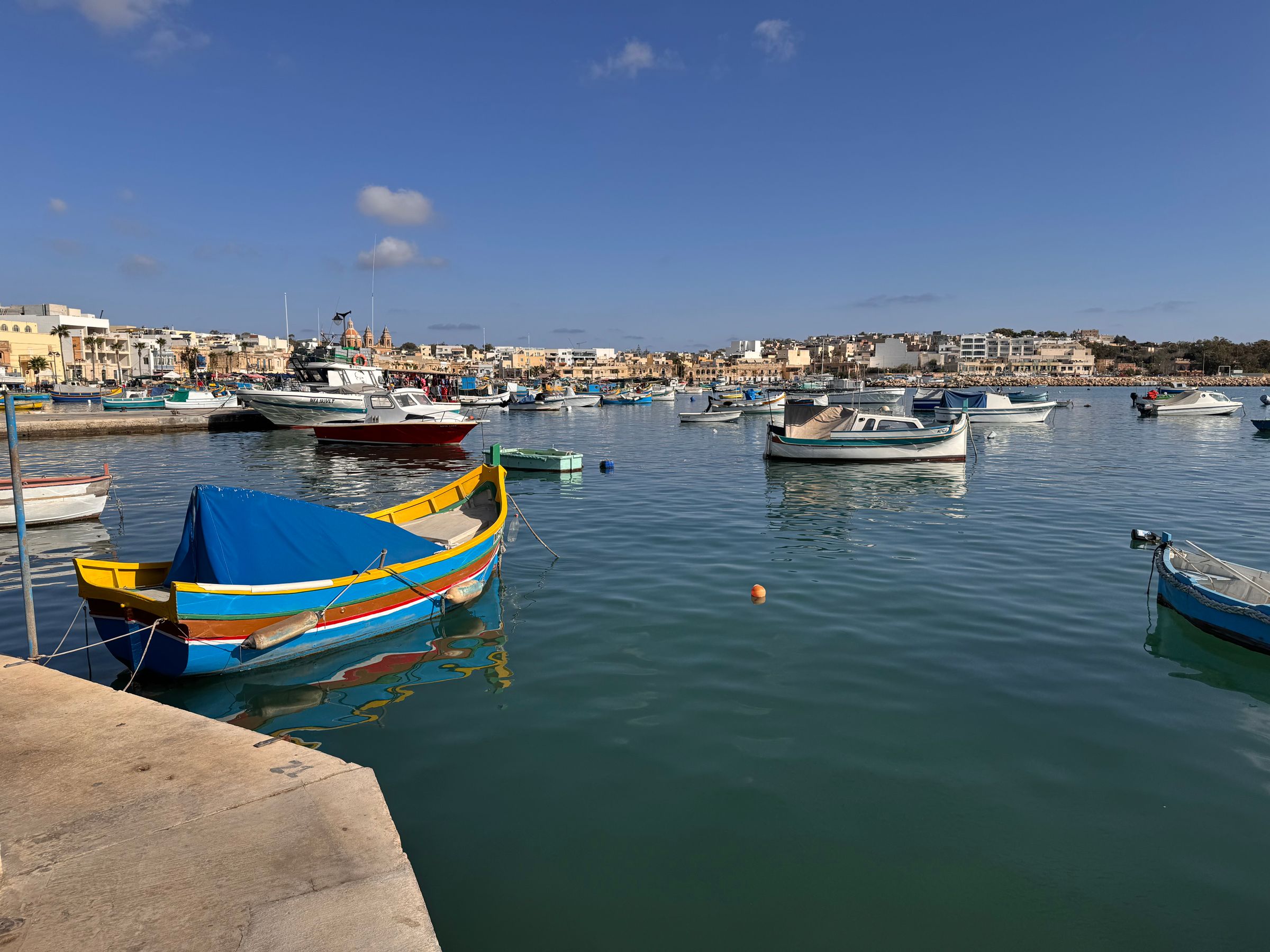
Marsaxlokk sells the night's catch on its quay, among the painted luzzu boats. After lunch on the harbour, you can swim off the rock ledges at St Peter's Pool, a walk along the Delimara road.
Read the Marsaxlokk guideExplore the rest of Marsaxlokk
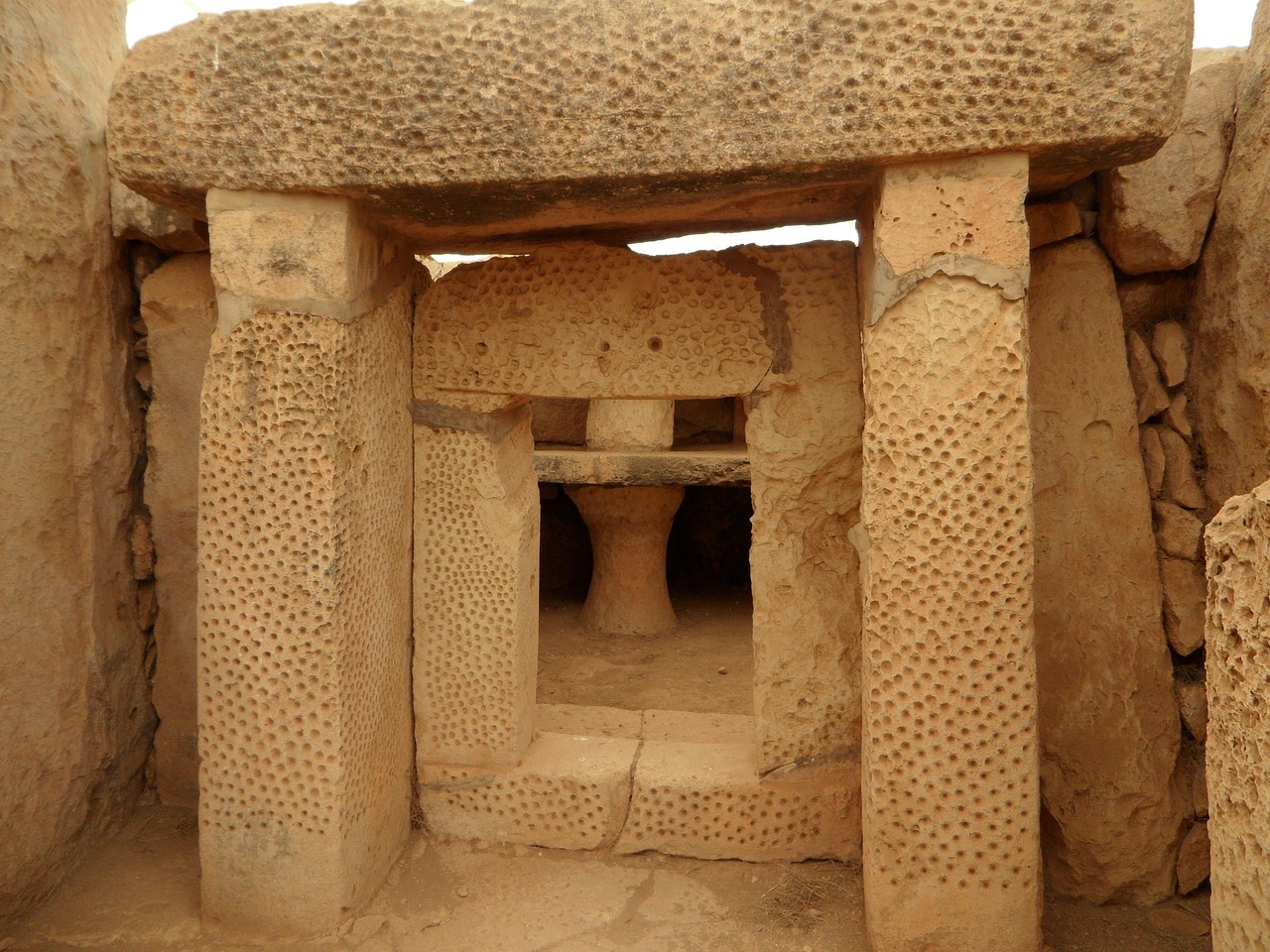
A paved path of about 500 metres runs downhill from Ħaġar Qim to Mnajdra, three temples set in a hollow facing the sea. The lower temple is…
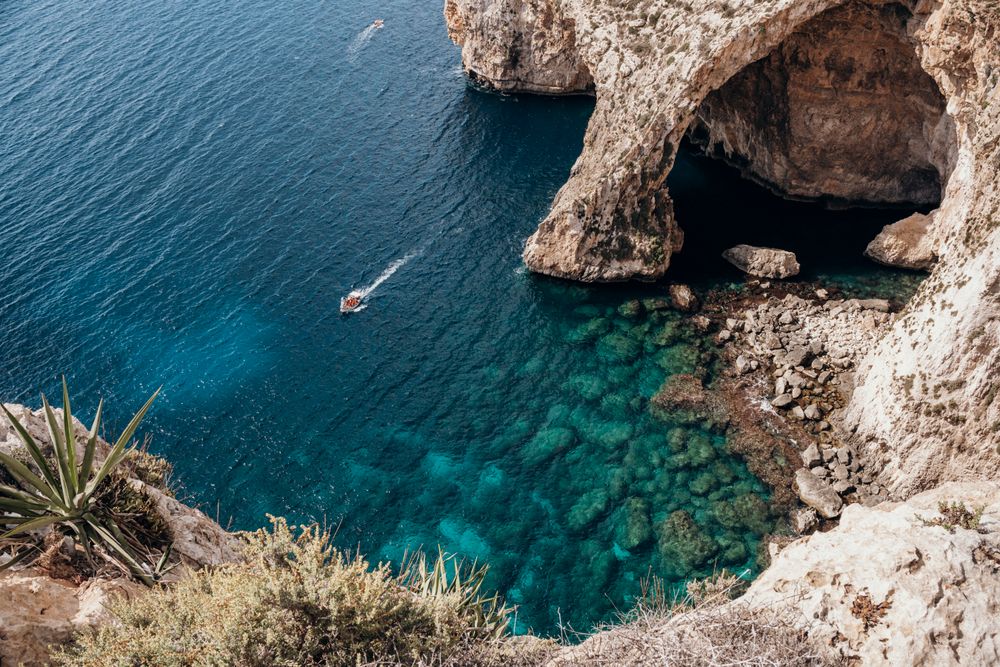
Small boats leave the Wied iż-Żurrieq inlet for a trip of about 20 minutes into the Blue Grotto and the neighbouring sea caves, where the…
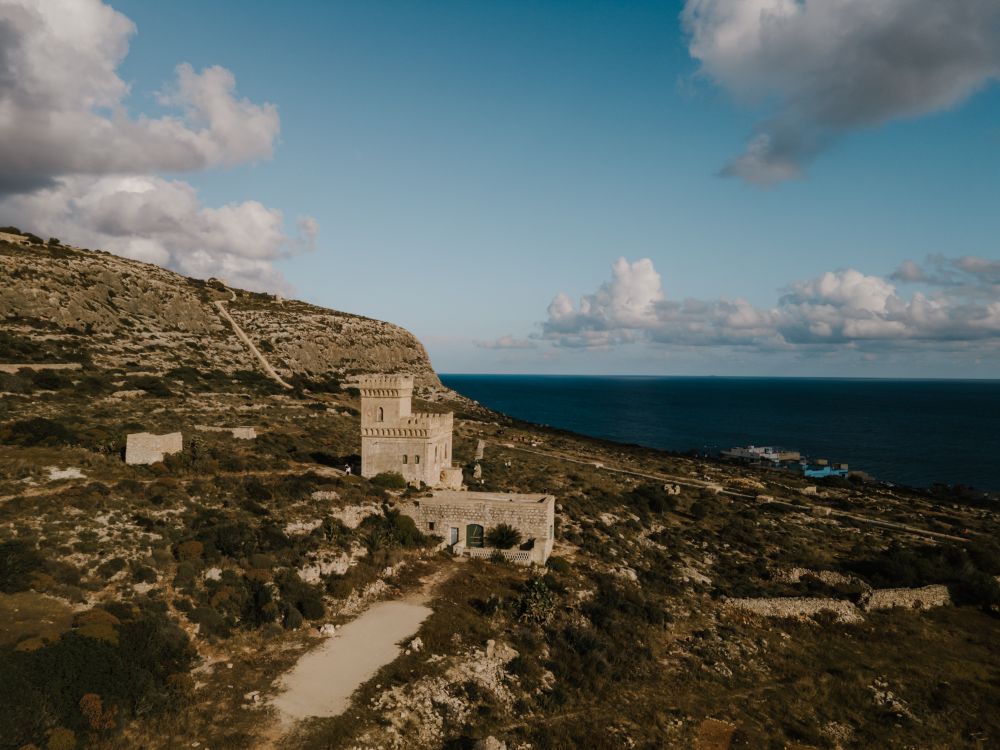
Cliffs shelter this rocky inlet of clear, deep water below Siġġiewi, once a favourite with snorkellers and divers for the caves near the…
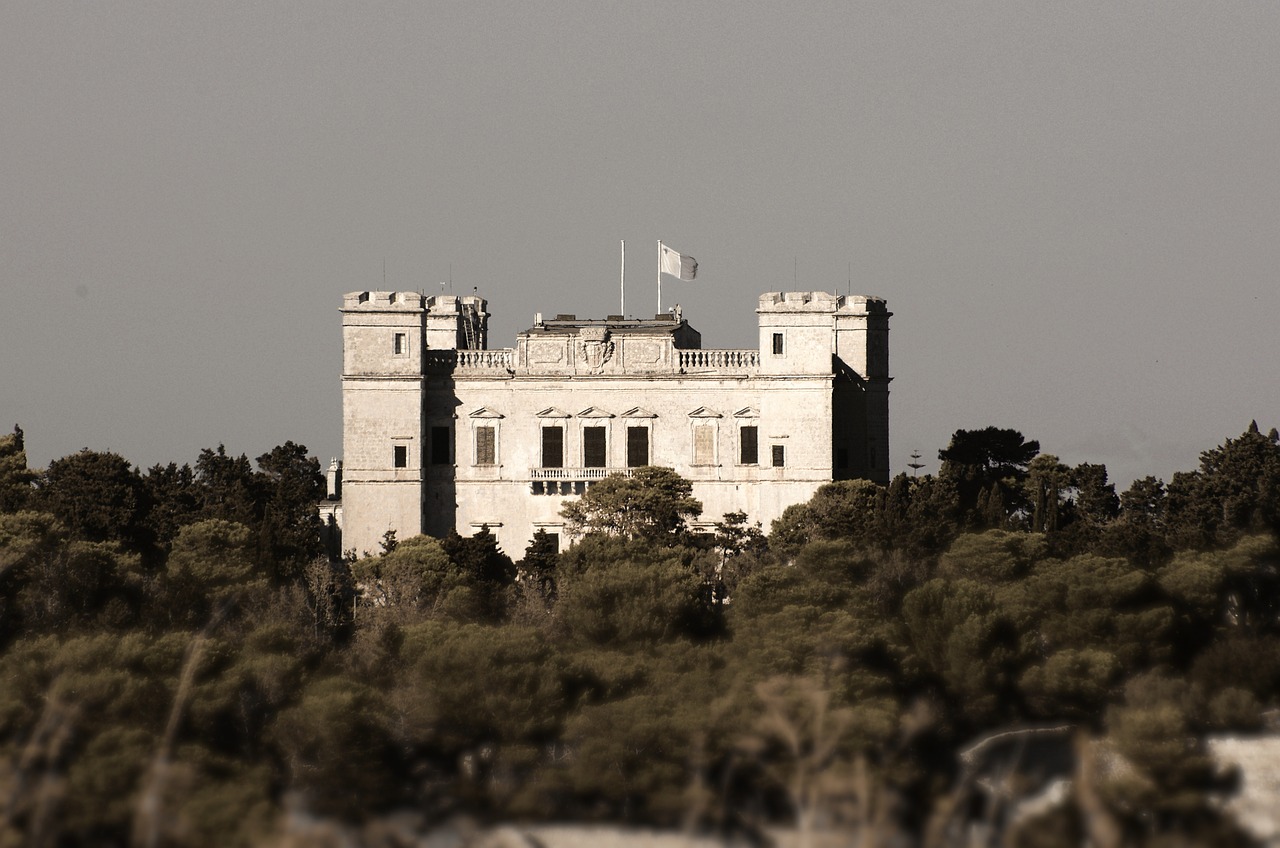
Malta's largest woodland fills a valley below Verdala Palace, with Aleppo pines, oaks, citrus groves and a stream that runs in winter.…
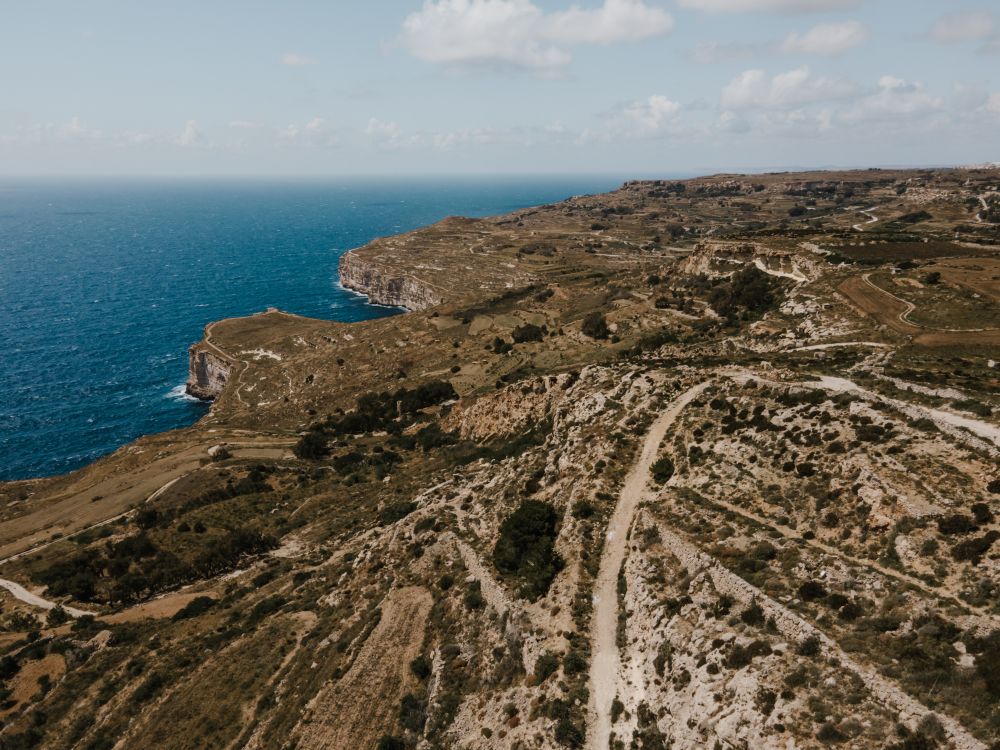

Sea cliffs drop around 250 m to the water along Malta's southwest edge at Dingli, the highest point on the island. A road and a footpath…
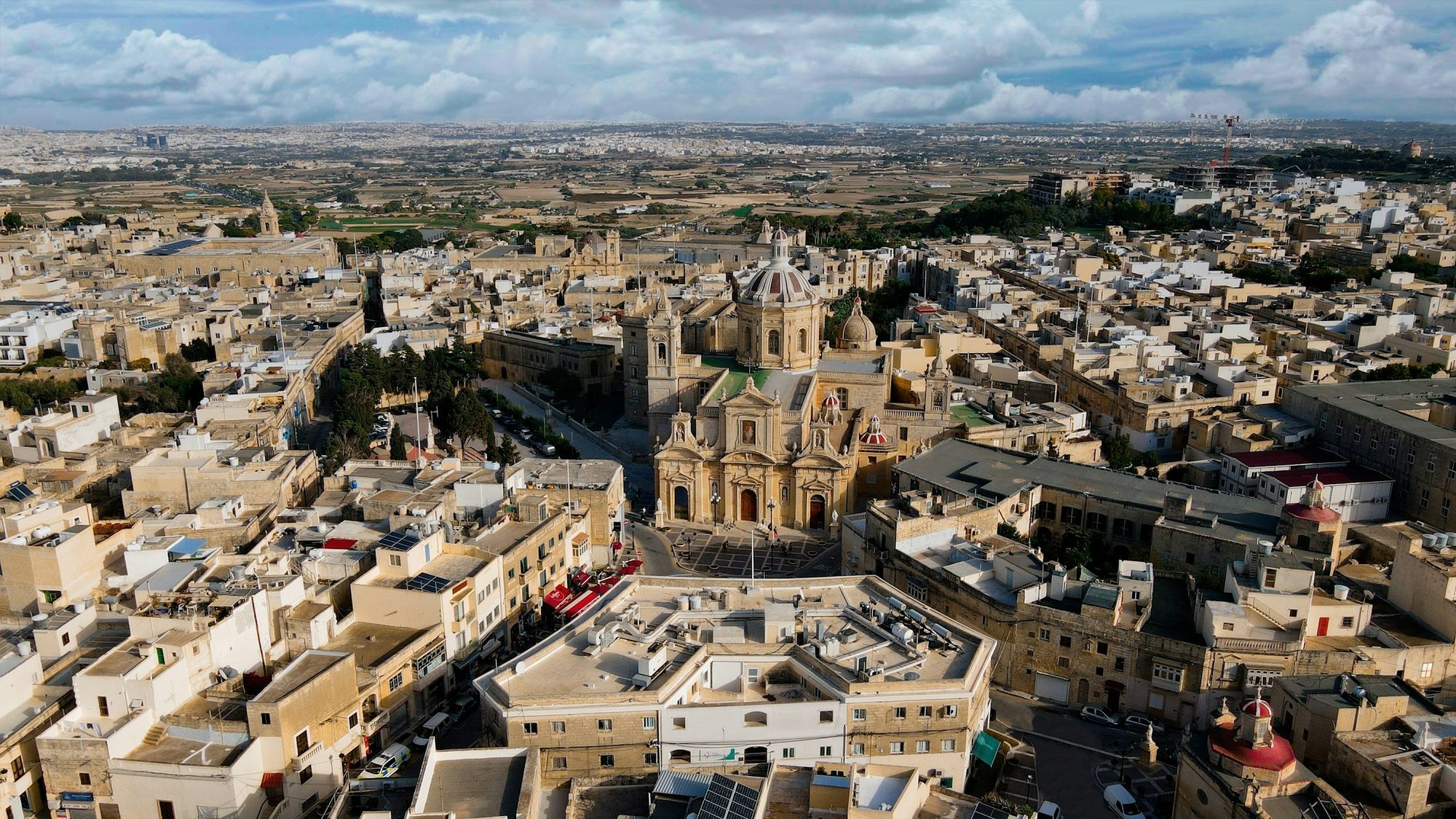
Spread outside the main gate of Mdina, this town sits over St Paul's Catacombs, the earliest and largest archaeological evidence of…
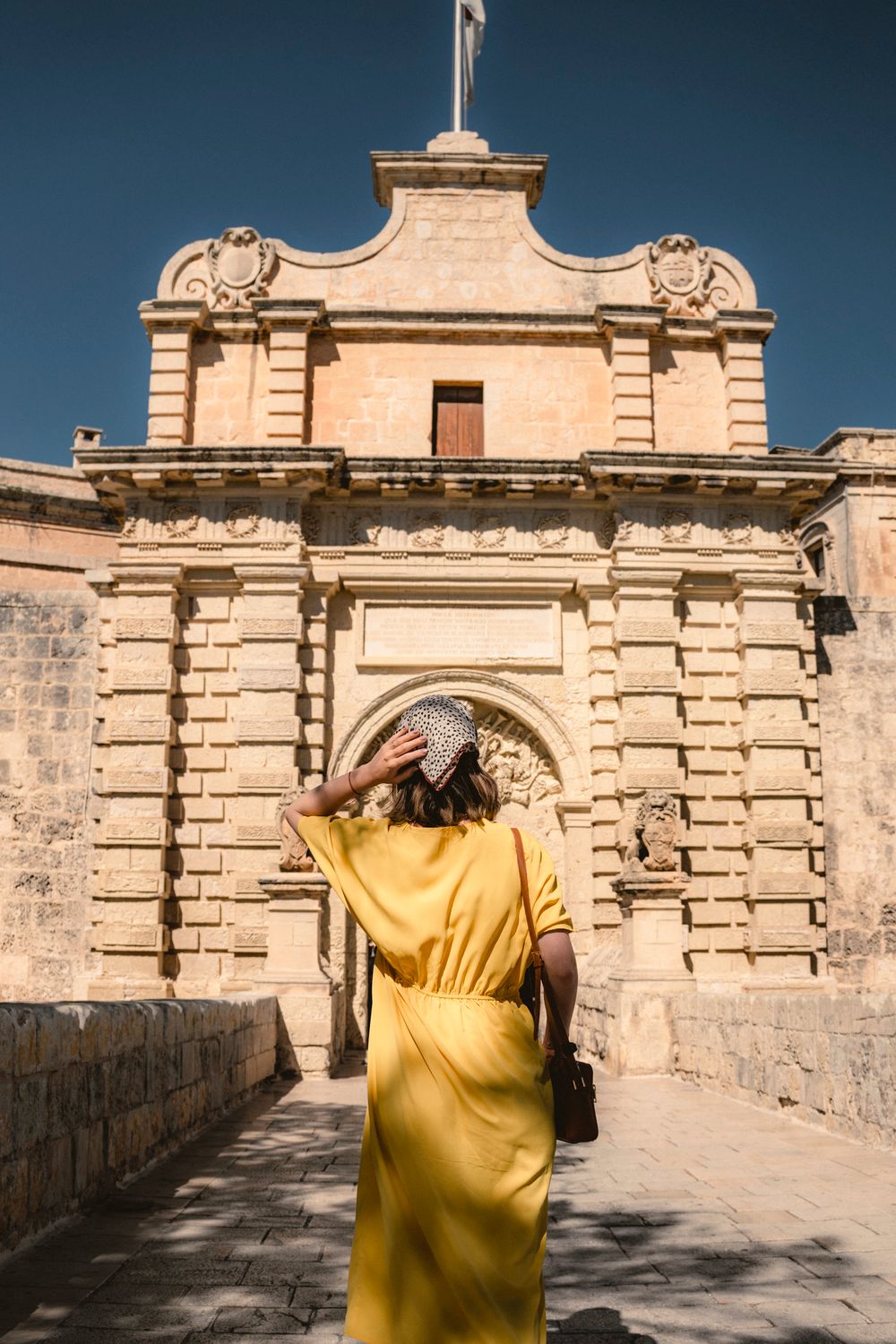
A stone bridge over the dry moat leads to Mdina's main gate, a baroque archway built in 1724 and carved with the arms of Grand Master…
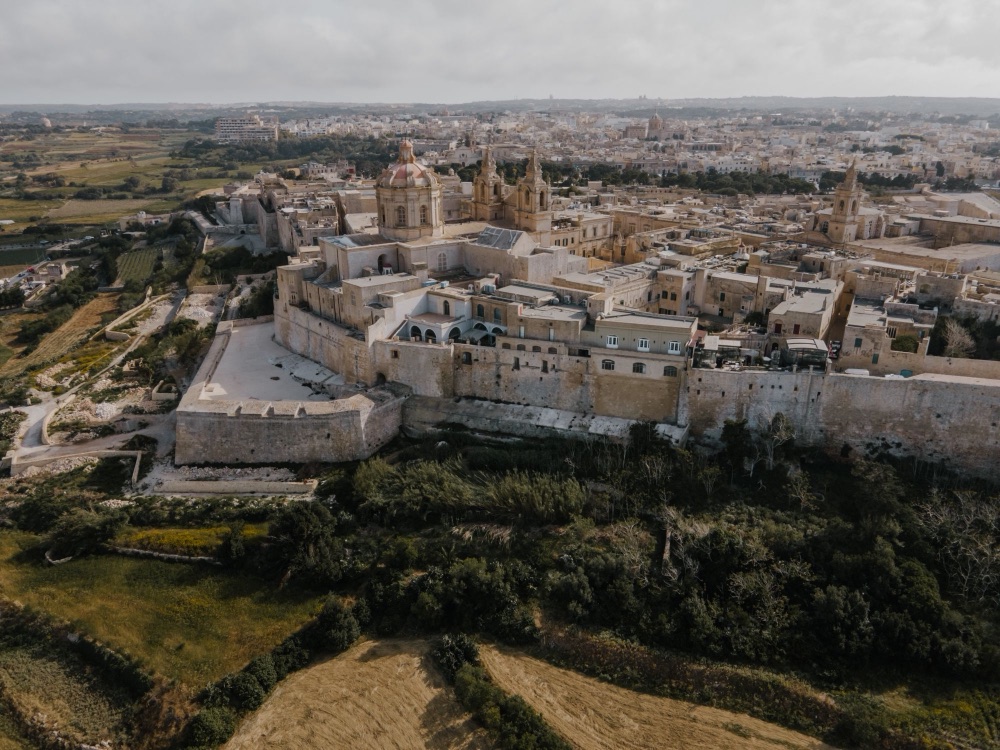
Inside a ring of bastions on a hill at the centre of Malta, the old capital is a quiet walled city of palazzi, churches and narrow lanes. A…



Save Ħaġar Qim to your Malta trip in the Meridian Dispatch app and build the day around it, with the best of Marsaxlokk pinned on one map.
Download on the App StoreLast updated