 Submit a photo
Ninety seconds on Ta' Qali Crafts Village
The operator gives the village's hours as Monday to Saturday, 9am to 4pm. Some shops close around noon or 1pm on Saturdays, so a weekday finds the most doors open.
The village's hours run Monday to Saturday, and the shops are closed on Sundays. One guide reports a Sunday crafts and antiques market that adds stalls to the site.
The bastions of Mdina rise above the village. Ta' Qali also holds the National Stadium and its football grounds, and the village sits beside the MFCC, the island's fairs and conventions centre.
Ta' Qali's craft village below Mdina is where glassblowers and filigree goldsmiths have their workshops, and you can buy from the person who made the piece.
The village is a spread of craft units on part of the former Royal Air Force airfield at Ta' Qali, under the bastions of Mdina. Its crafts run to lace, glass, filigree, jewellery, pottery, furniture, metal and stone, across more than 100,000 square metres.
The workshops were long housed in the airfield's old Nissen huts, and the site received a modern, permanent upgrade in 2018 and 2019.
What you come for is the making. The village was set up for visitors to see glass-blowing, filigree and jewellery being produced, and what is on the bench varies from unit to unit.
Potters, weavers and jewellers work in small studio units of their own. Sculpture and lacework are on show as well.
Easiest by bus: the 52 runs hourly from Valletta to the Ta' Qali stop in about 20 minutes, and from Rabat, beside Mdina, in about five. Buses stop at the Malta Aviation Museum, a few minutes' walk from the craft units. Drivers will find parking at the village.
Tour coaches set down at a single stop on the edge, and some operators say coach groups see only the one or two shops nearest it. Walk the whole site instead, unit by unit.
Step into each open unit to see what its makers produce before you move on to the next.
Ta' Qali National Park covers the rest of the former RAF ground next door, with open green space, walking paths and a family park, so you can walk straight on for a longer outing.
In summer, carry water and a hat, because there is little shade between the units.
Explore the rest of Mdina

Baroque architecture and a floor of inlaid marble tombstones fill Mdina's cathedral, rebuilt by Lorenzo Gafà after the 1693 earthquake.…
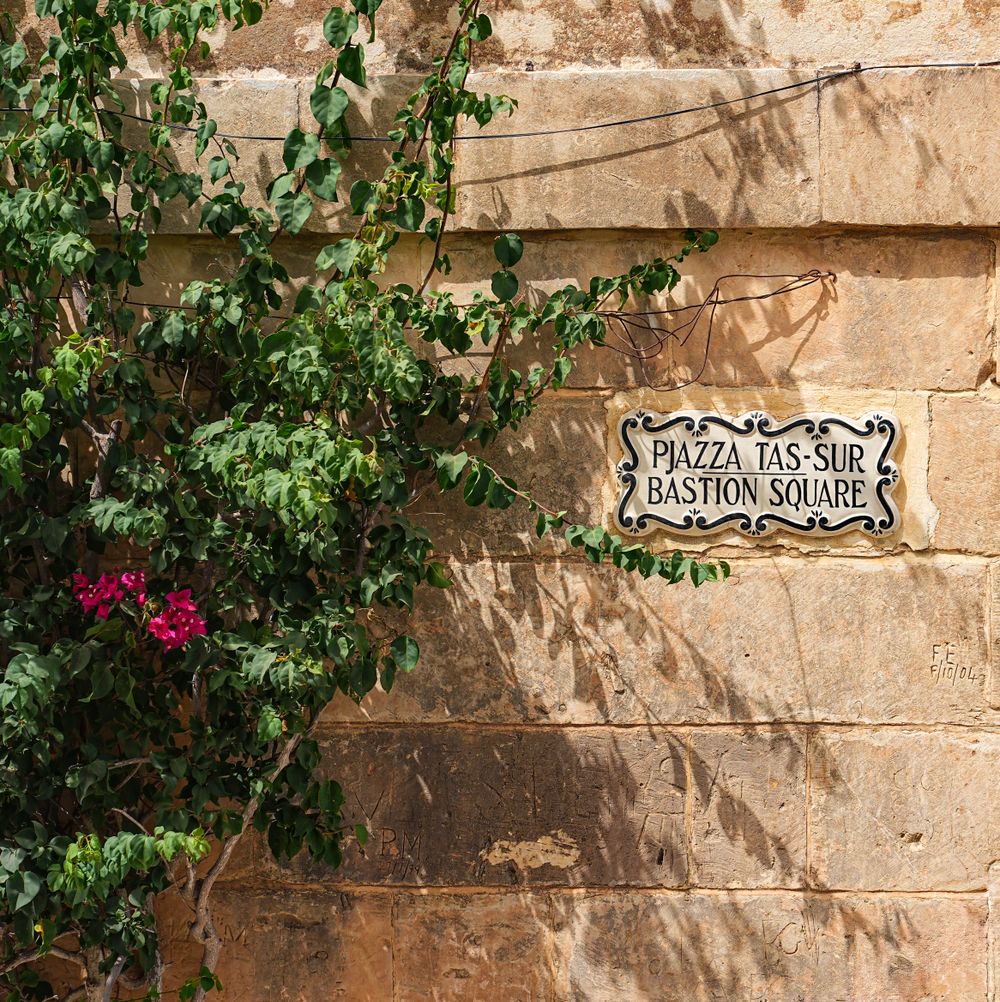
From the ramparts at the northern tip of Mdina, the view runs across central Malta to the Mosta dome and on to the sea at St Paul's Bay.…
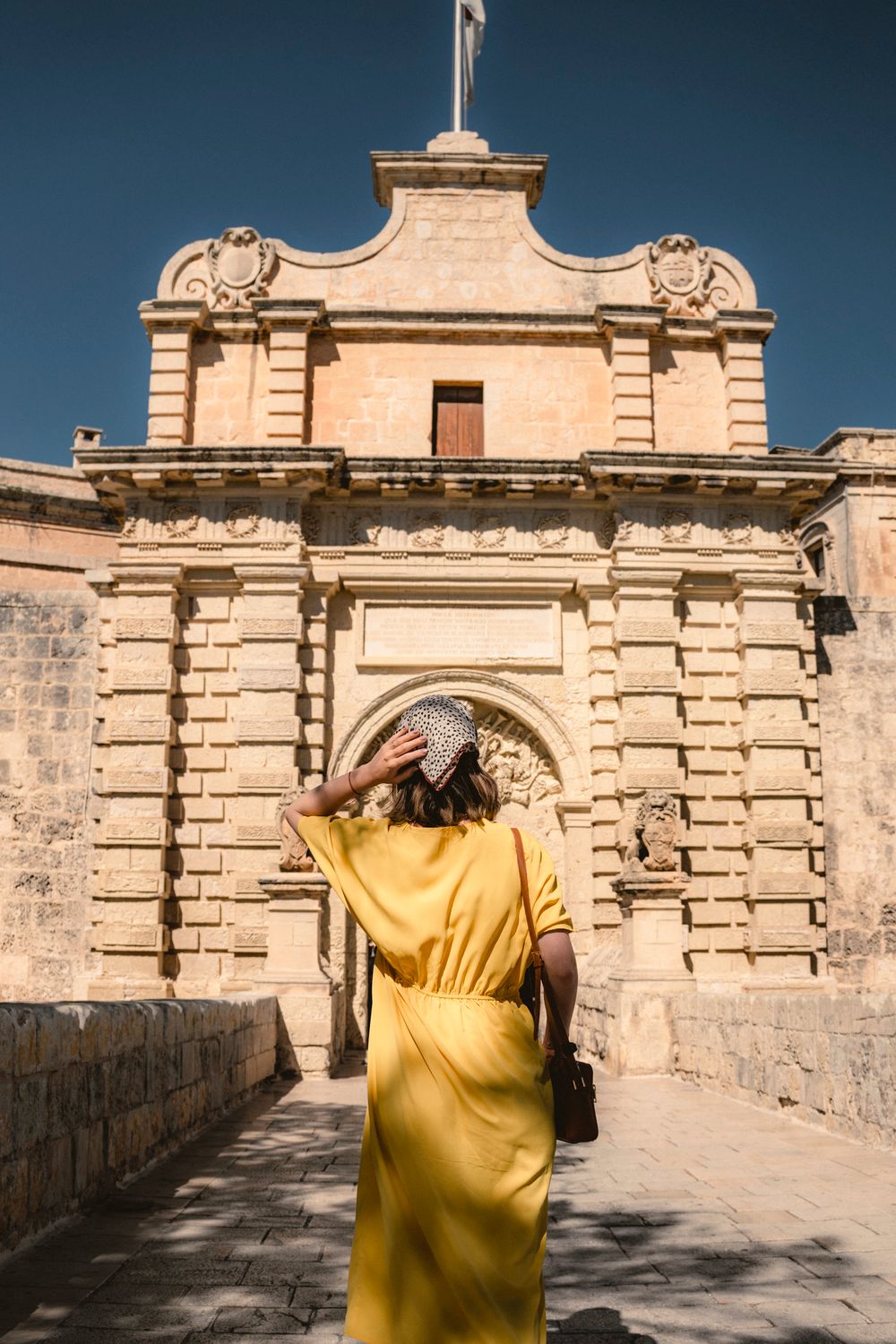
A stone bridge over the dry moat leads to Mdina's main gate, a baroque archway built in 1724 and carved with the arms of Grand Master…
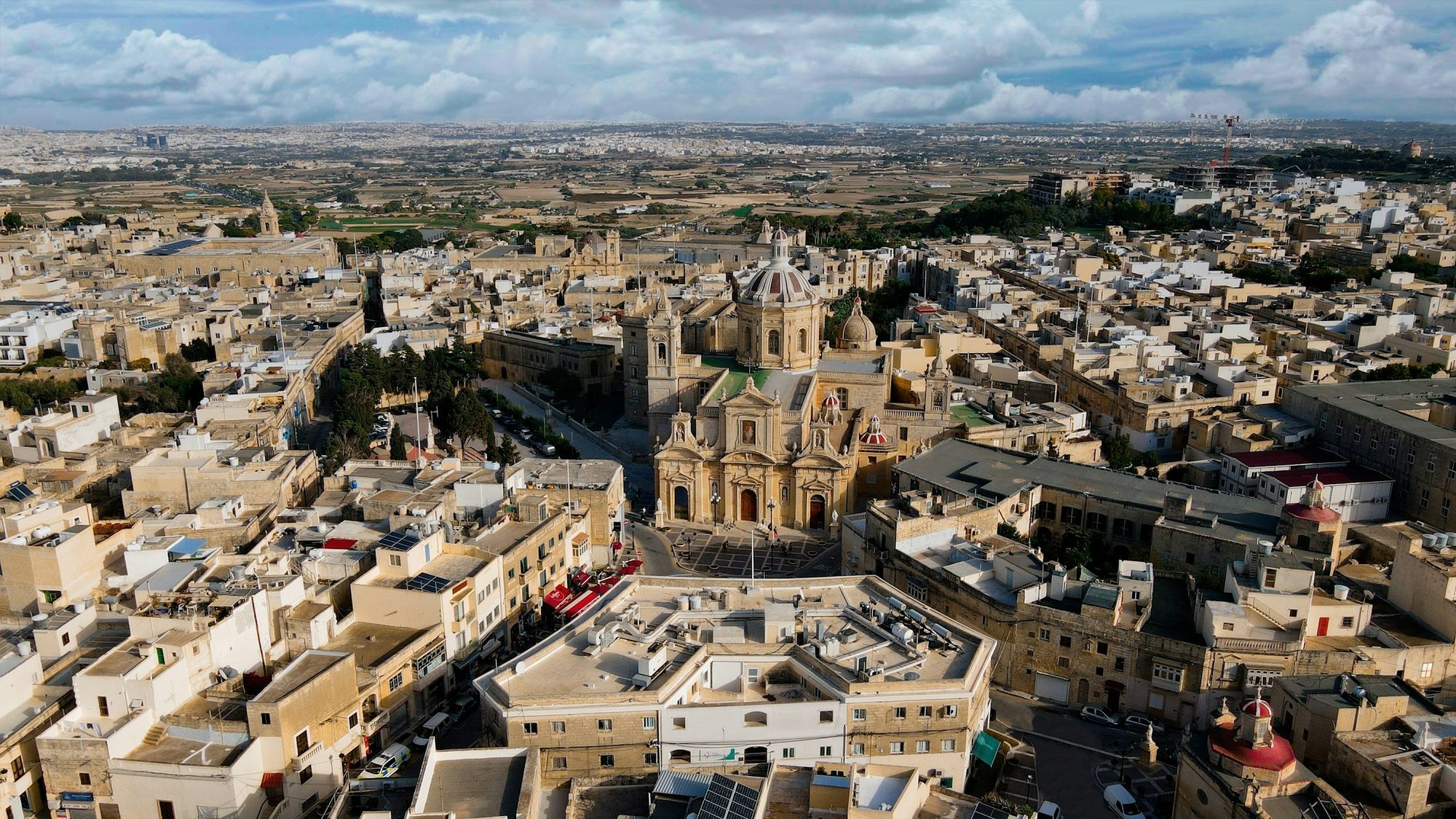
Spread outside the main gate of Mdina, this town sits over St Paul's Catacombs, the earliest and largest archaeological evidence of…
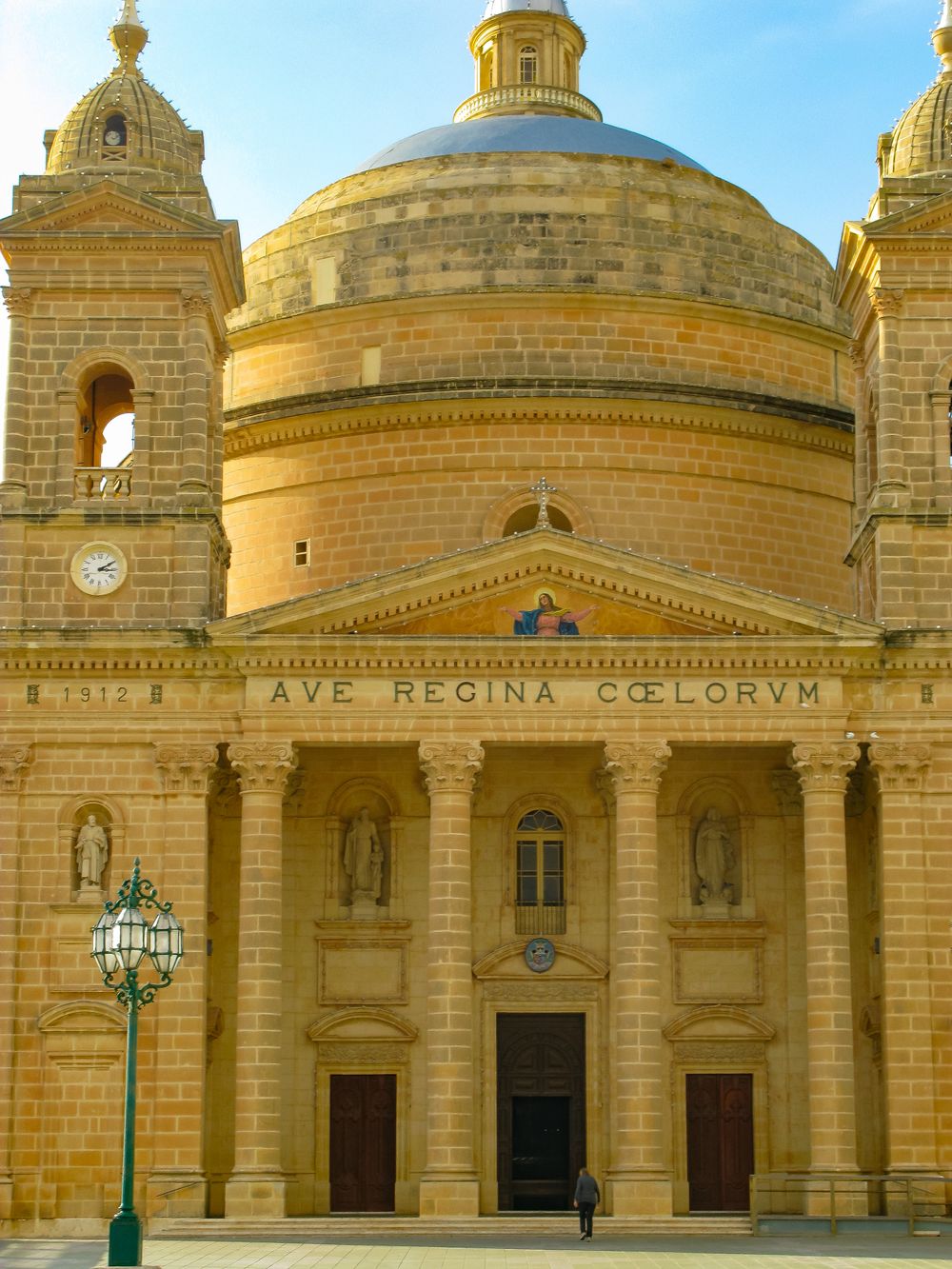
A dome among the largest unsupported church domes in Europe crowns Mosta's parish church, modelled on the Pantheon in Rome. In April 1942 a…
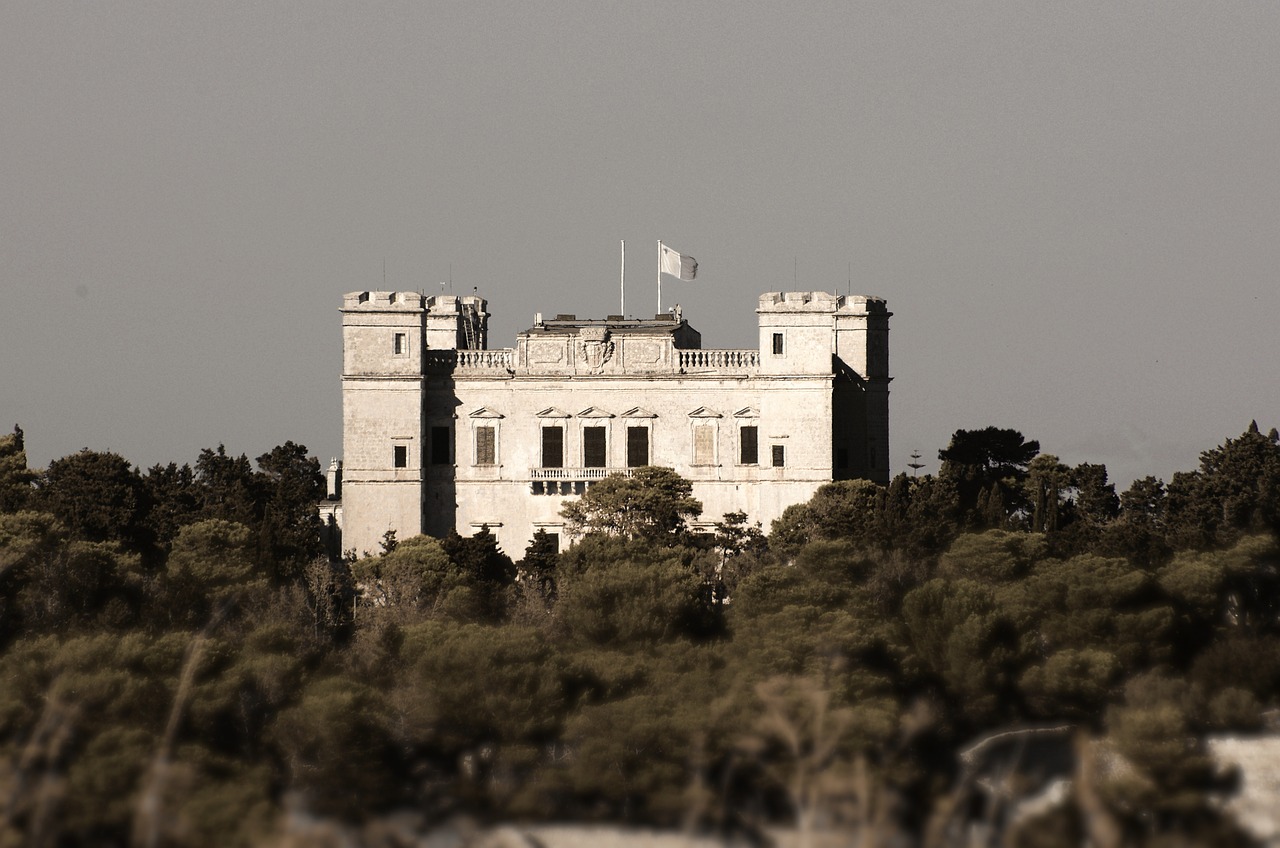
Malta's largest woodland fills a valley below Verdala Palace, with Aleppo pines, oaks, citrus groves and a stream that runs in winter.…
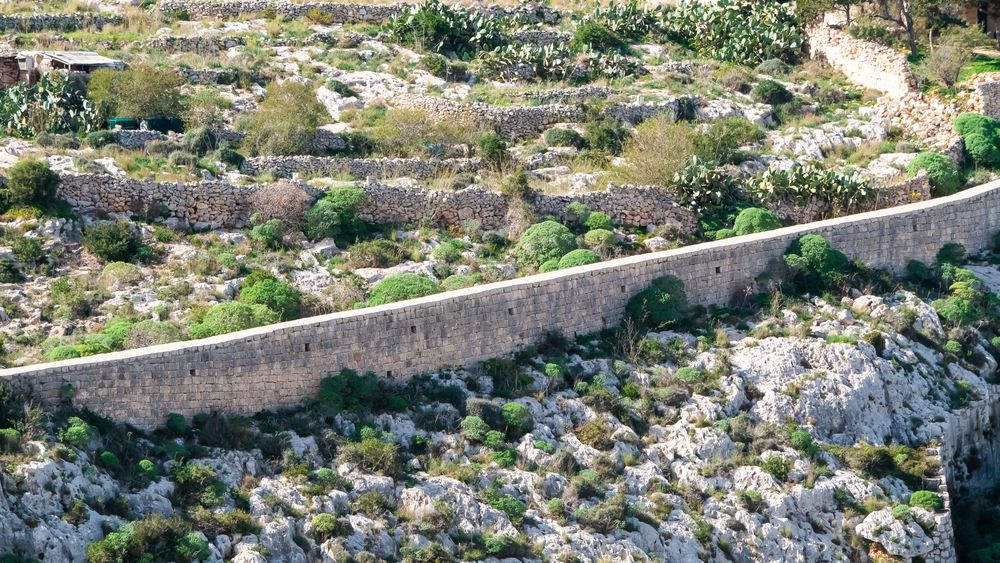
A British defensive wall follows the Great Fault escarpment for about 12 km across Malta, from Madliena in the east to Fomm ir-Riħ in the…
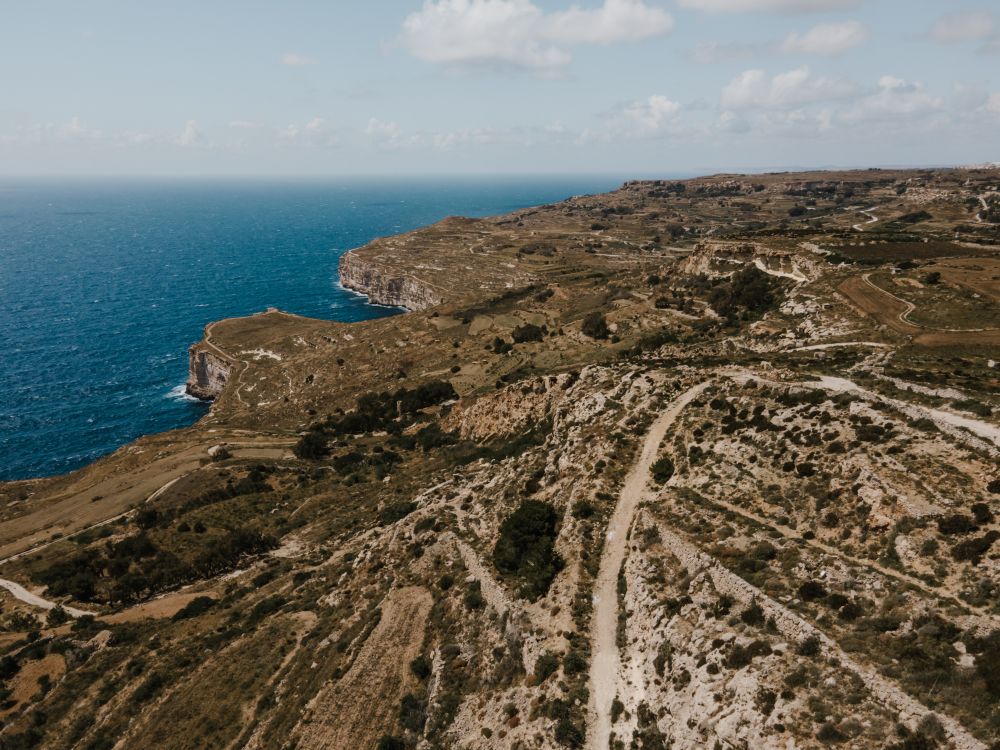
Sea cliffs drop around 250 m to the water along Malta's southwest edge at Dingli, the highest point on the island. A road and a footpath…
Last updated