 Submit a photo
Ninety seconds on Basilica of St Paul
The Wignacourt Museum, through which visitors reach the grotto, opens every day from 9:30 to 17:00, with last admission at 16:00. Masses are held in the basilica often through the week.
A shrine to St Paul that the Wignacourt Museum counts among the most venerated sites on the islands. Popes John Paul II, Benedict XVI and Francis have all visited it.
The museum's own site presents the grotto as part of the underground area it runs from Parish Square, and entry is ticketed, with an access statement for visitors on its contact page.
Not far. The basilica stands in the heart of Rabat, just outside Mdina's walls, so the two pair easily in a single outing on foot.
A church joined to the Church of St Paul, added in 1617 by the Knights of the Order of St John and dedicated to Publius, the Roman prefect of Malta. The two churches share one facade, so from outside they read as a single building.
No. St Paul's Catacombs is a separate Heritage Malta site on Triq Ħal Bajjada. The tombs by the grotto belong to the Wignacourt Museum's underground area, though recent research shows the two once formed part of one large cemetery outside ancient Melite.
After the shipwreck that brought Christianity to the islands, Maltese tradition says St Paul made his home in the cave under this Baroque parish church, and you can stand in that cave today.
The Basilica of St Paul is Rabat's collegiate parish church, a limestone building in the Baroque style with early Renaissance influences. The interior is ornate and well preserved, and a smaller church dedicated to St Publius is joined to it.
In St Paul's Grotto stands a statue of St Paul given by Grand Master Pinto, beside a silver vessel made for the 1900th anniversary of the shipwreck.
Beyond the grotto, the same complex takes in catacombs, a museum and World War II shelters. Above ground it is still a working parish church, and Masses are held there often through the week.
Visitors also single out the lively celebrations of the church's annual feast.
This visit runs top to bottom, starting with a look round the nave and side chapels of the basilica. Taking it in that order lets the church above set the scene for the shrine beneath.
Then cross into the church of St Publius, where the grotto entrance links to the Wignacourt Museum, and go down into the grotto.
Inside the grotto, give the statue and the silver vessel a slow look before you climb back up. If a Mass is under way in the basilica, keep your look round the nave for after it ends.
The catacombs are the part to linger in, so plan on more than the shrine and do not treat the visit as a quick stop.
If you drive, parking near the historic centre can take time. Leave the car where you find a space and walk in.
Explore the rest of Rabat
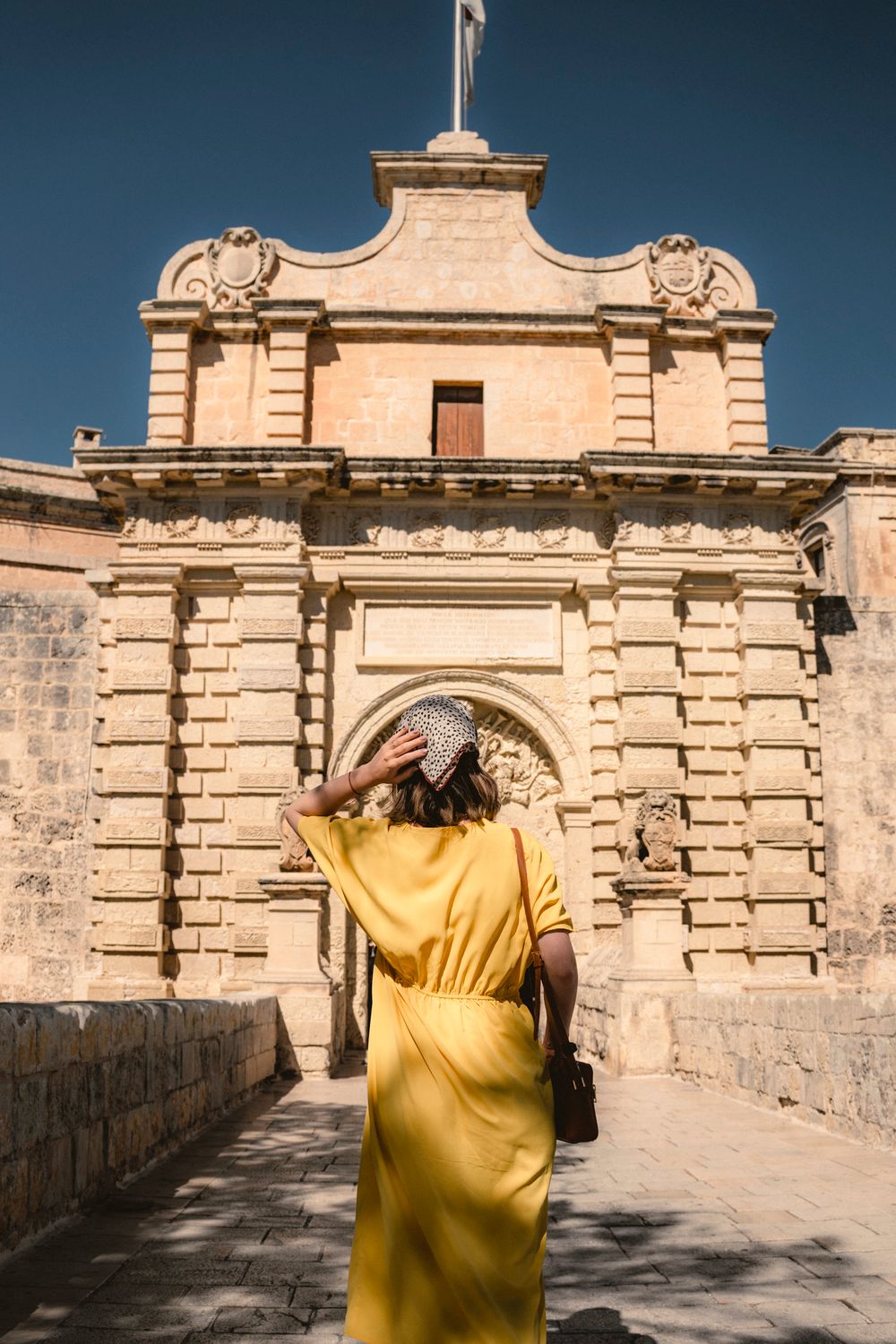
A stone bridge over the dry moat leads to Mdina's main gate, a baroque archway built in 1724 and carved with the arms of Grand Master…
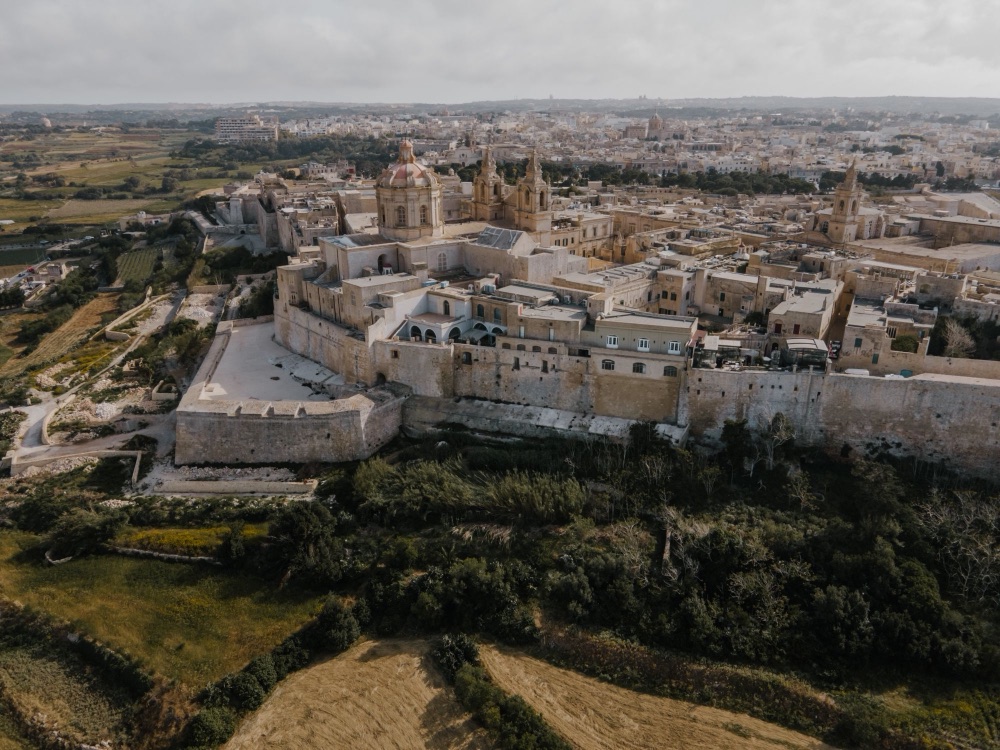
Inside a ring of bastions on a hill at the centre of Malta, the old capital is a quiet walled city of palazzi, churches and narrow lanes. A…
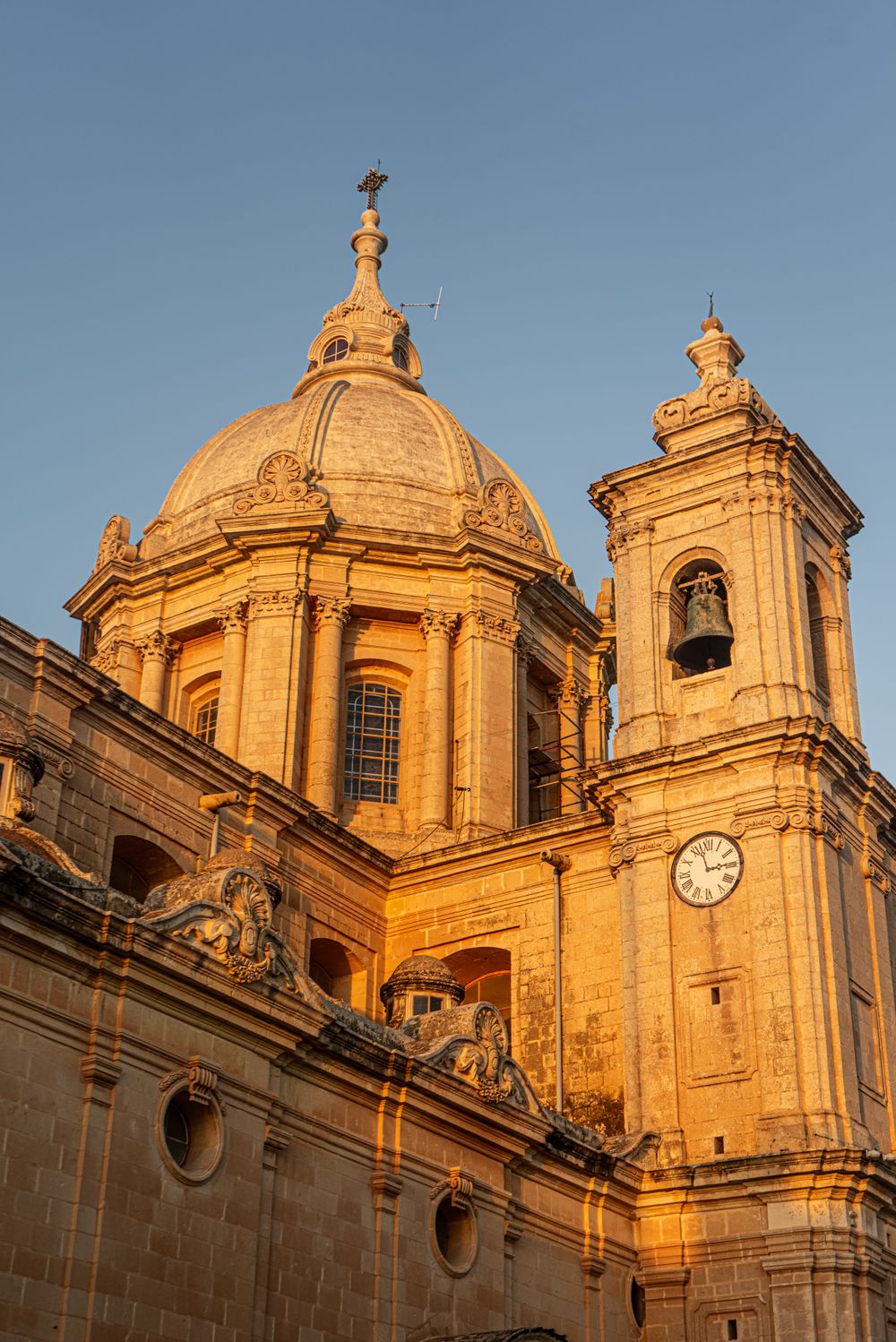
Baroque architecture and a floor of inlaid marble tombstones fill Mdina's cathedral, rebuilt by Lorenzo Gafà after the 1693 earthquake.…
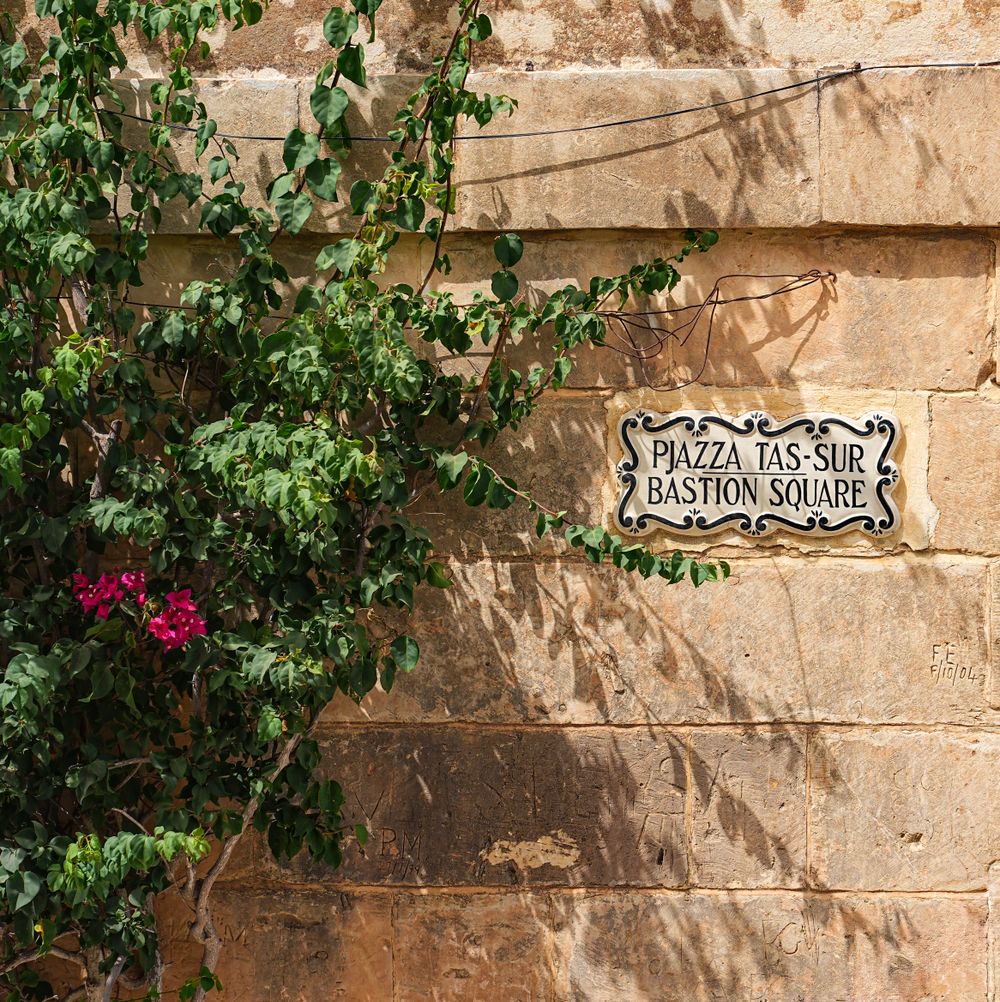
From the ramparts at the northern tip of Mdina, the view runs across central Malta to the Mosta dome and on to the sea at St Paul's Bay.…
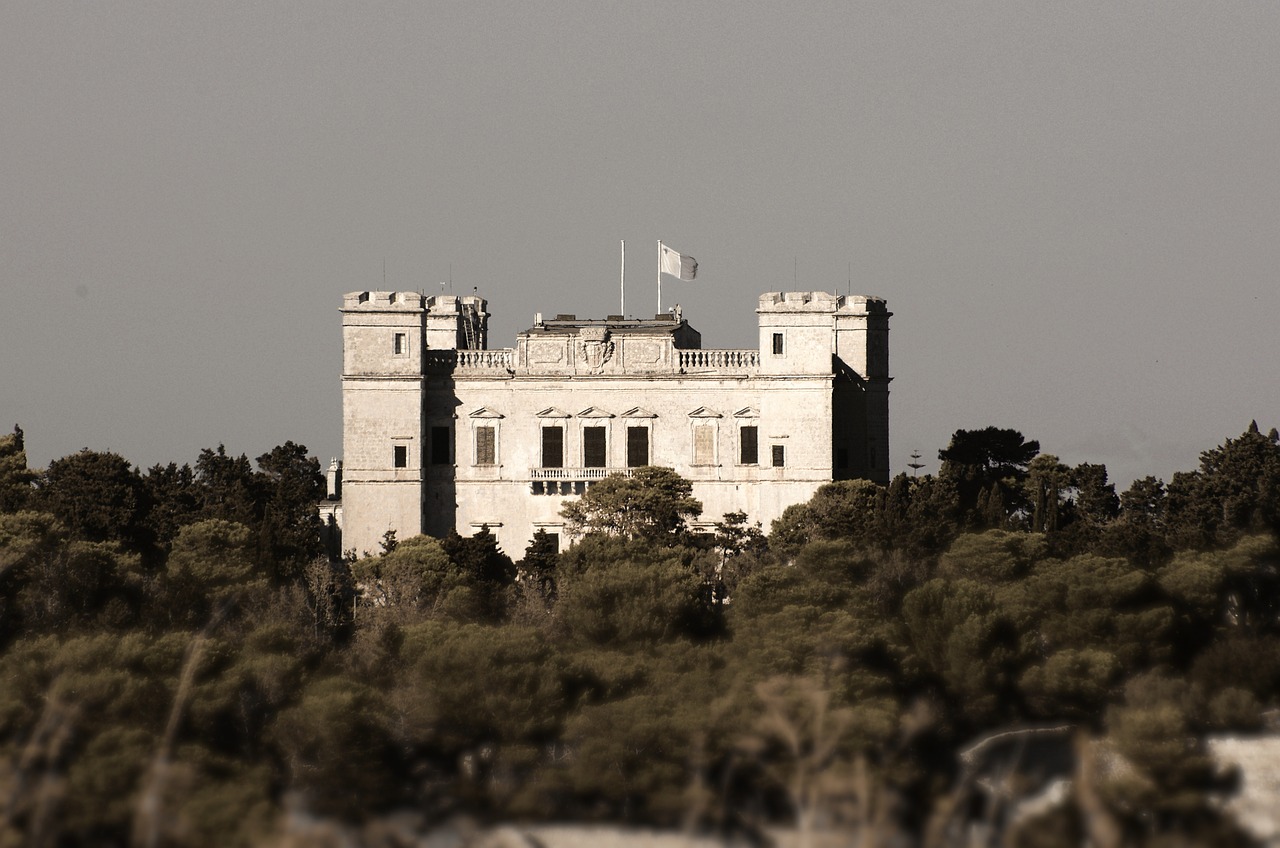
Malta's largest woodland fills a valley below Verdala Palace, with Aleppo pines, oaks, citrus groves and a stream that runs in winter.…
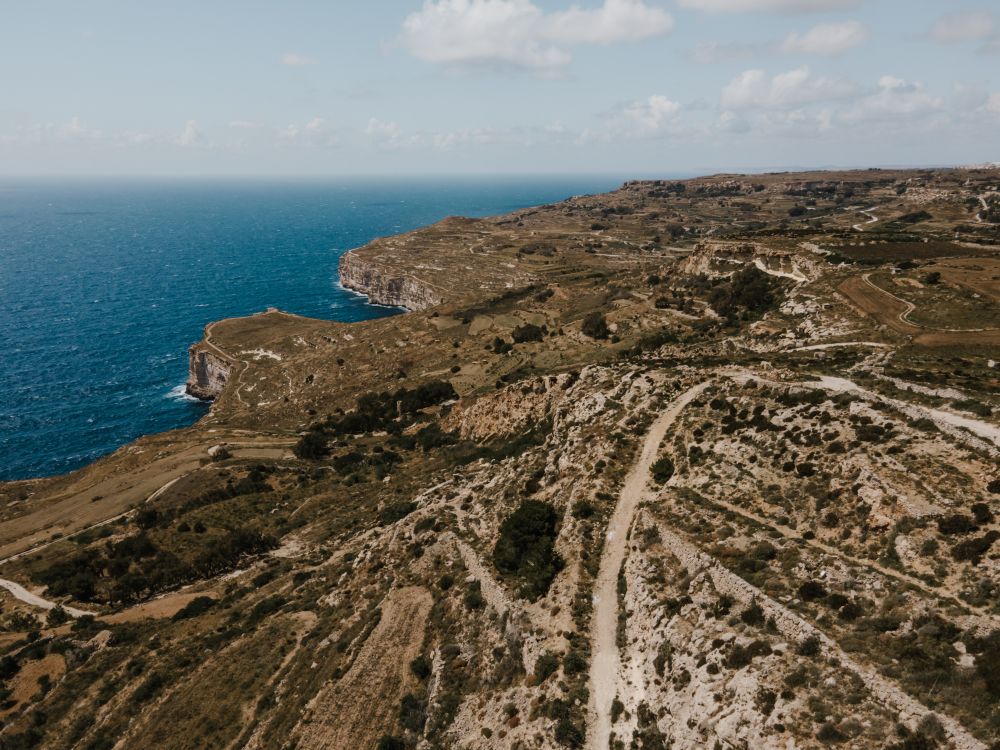
Sea cliffs drop around 250 m to the water along Malta's southwest edge at Dingli, the highest point on the island. A road and a footpath…
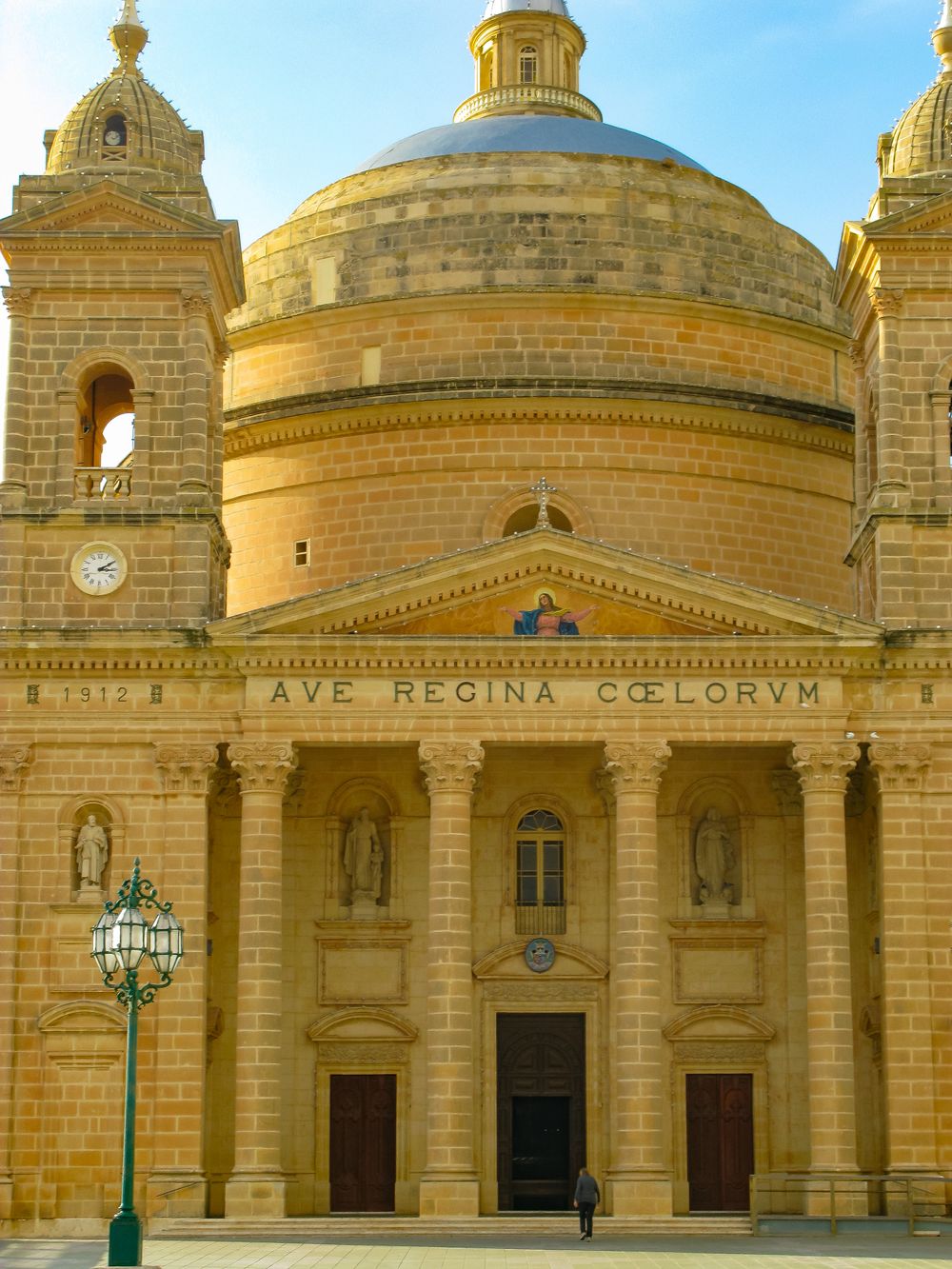
A dome among the largest unsupported church domes in Europe crowns Mosta's parish church, modelled on the Pantheon in Rome. In April 1942 a…
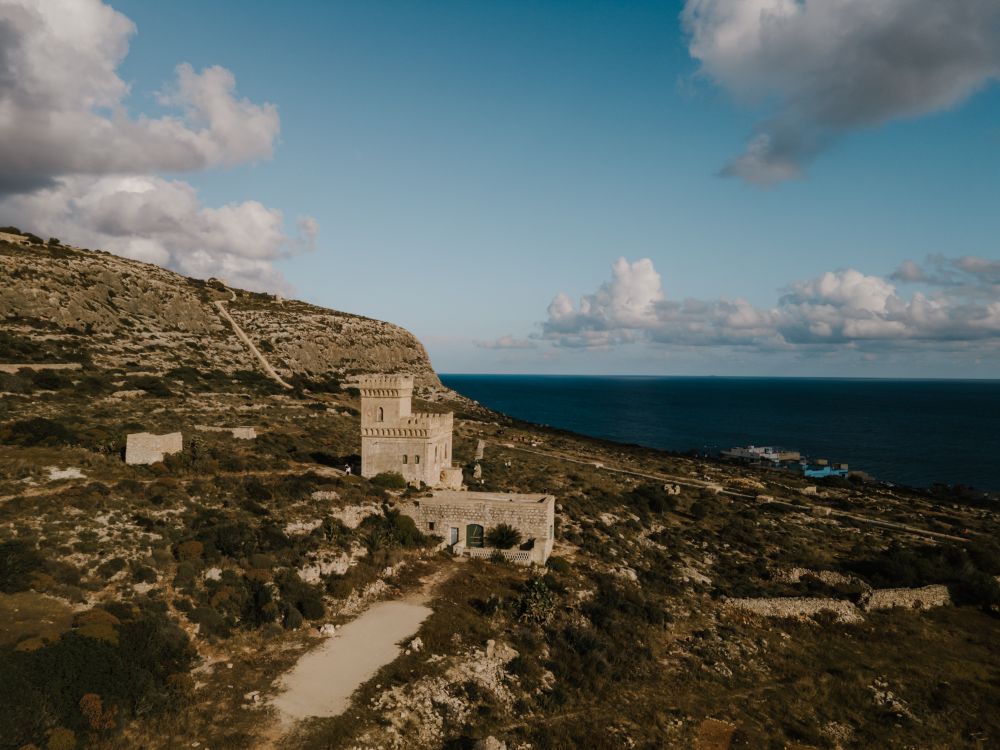
Cliffs shelter this rocky inlet of clear, deep water below Siġġiewi, once a favourite with snorkellers and divers for the caves near the…
Last updated