Three churches stand inside a walled enclosure on a hill above the coast road, and the main one, St Nicholas, is painted from floor to ceiling. You come for those frescoes and for the view over Buljarica and the bay.
Monastery, Petrovac. Meridian Dispatch.
Yes. Gradište is an active monastery of monks within the Metropolitanate of Montenegro and the Littoral of the Serbian Orthodox Church. Its doors are open to pilgrims and to ordinary visitors alike, though some areas may be closed while restoration work is under way.
Local tradition dates its founding to 1116, and the first written mention comes in 1305. What stands today was last rebuilt after the 1979 earthquake, which seriously damaged St Nicholas and the other buildings.
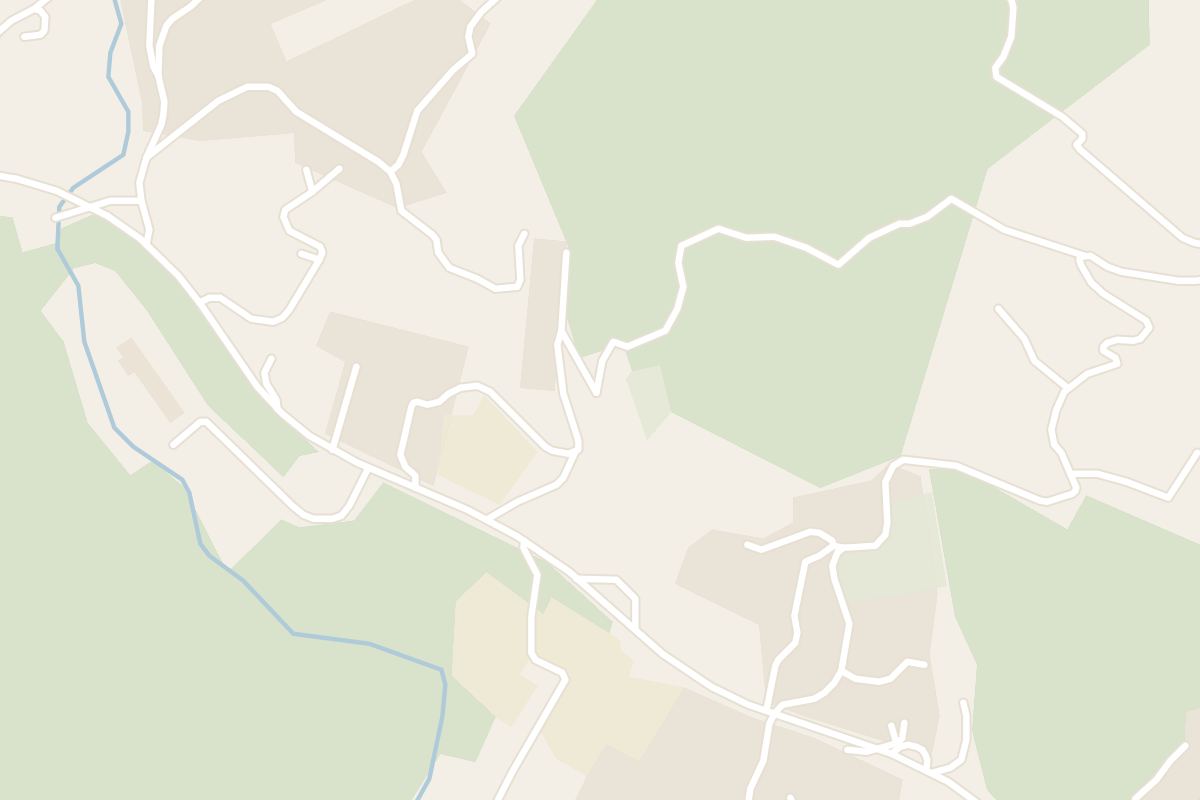
Take the main road from Petrovac towards Bar as far as Buljarica, then turn uphill after the tunnel. The climb from the main road is steep.
Allow 30 to 60 minutes inside the walls. That leaves time for the frescoed interior of St Nicholas, the carved screen in St Sava, the old stone steps up to the Assumption and the small viewing deck that looks over Buljarica.
Three, enclosed by a wall together with the monks' lodgings. The largest, dedicated to St Nicholas, was painted inside in 1619 and 1620. St Sava holds a carved altar screen by Nikolaos Aspiotis, and the Assumption stands behind the small village graveyard.
Five other monasteries share the Paštrovići area with Gradište: Duljevo, Praskvica, Reževići, Vojnići and Rustovo. Together they record the long history of the Paštrovići community, and Reževići makes the natural pairing for a second monastery on the same day.
Gradište is an Orthodox monastery on a plateau above the coast road. Its enclosure also holds the monks' quarters and the remains of a defensive wall with gun ports.
St Nicholas is the main church, and its frescoes were painted in 1619 and 1620. They show Old and New Testament scenes, portraits of rulers of the Nemanjić dynasty, among them King Milutin and Stefan Dušan, and scenes from the life of St George.
Look too for a rare icon of St Christopher, shown with an animal's head, part dog and part donkey. The iconostases, the carved screens in front of the altars, date from the late 18th and mid 19th centuries.
St Sava is built of red and white stone, and its iconostasis is by the Greek artist Nikolaos Aspiotis. The Assumption is built of light stone.
Once inside the walls, go first into St Nicholas and give its painted interior most of your time. Then cross the courtyard to St Sava for the iconostasis.
Old stone steps lead up to the Assumption, with the village cemetery in front of it. From that church's yard, a tiny observation deck looks out over Buljarica.
At the far end of the small cemetery, a forest path runs down to the village. Take it if you would rather walk down to Buljarica than go back the way you came.
You can also walk up from Petrovac instead of driving. The path climbs through pine forest and Mediterranean scrub, past old village houses. It is a hard walk, so allow for the climb.
Reževići Monastery is another of the Paštrovići monasteries and makes a second stop on the same day.
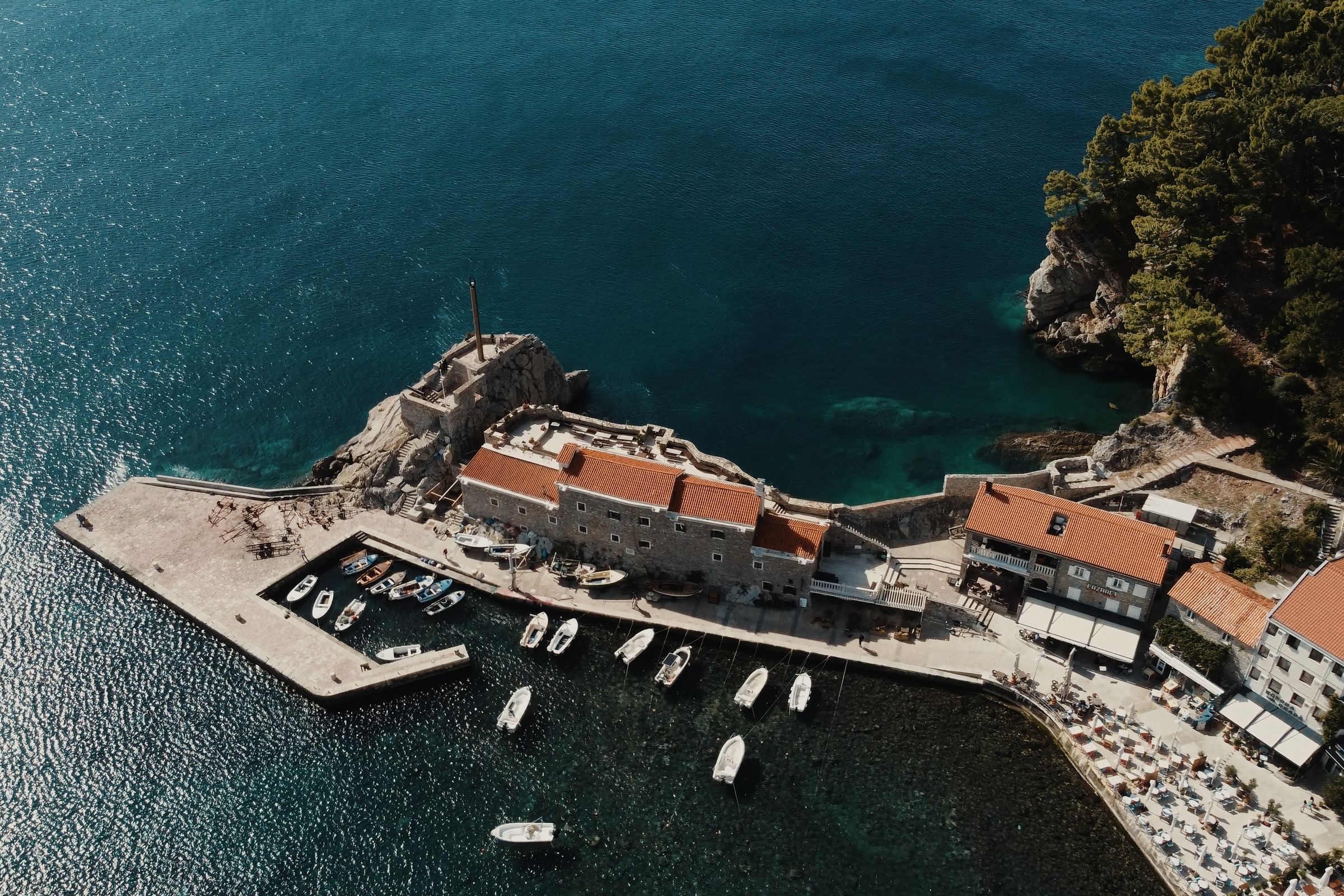
Two coastal paths start at the ends of the promenade, so from one room you can walk to four beaches and two monasteries.
Read the Petrovac guideExplore the rest of Petrovac
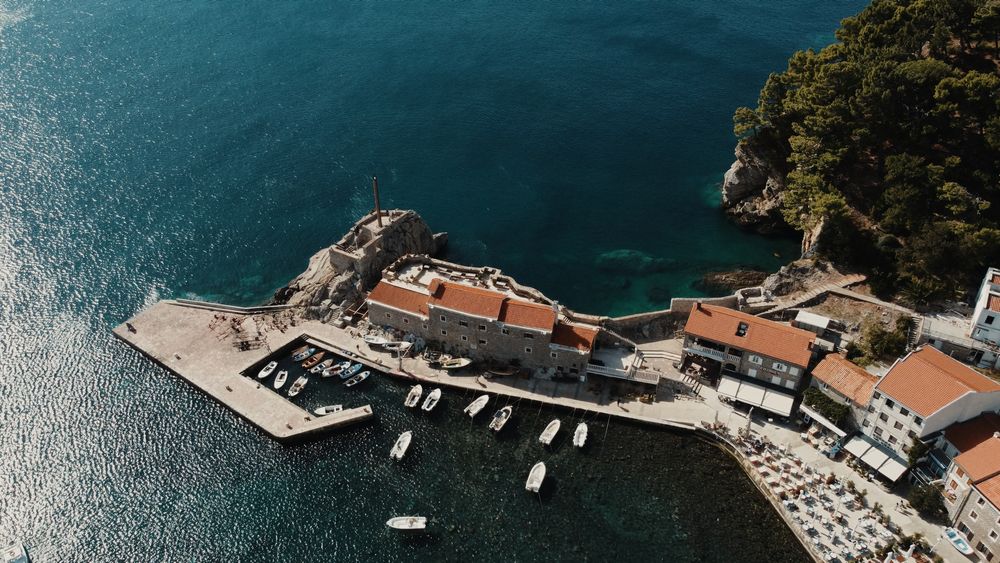
Six hundred metres of sand below the town, a promenade along it, and two islets offshore, Katič and Sveta Neđelja. The sixteenth century…
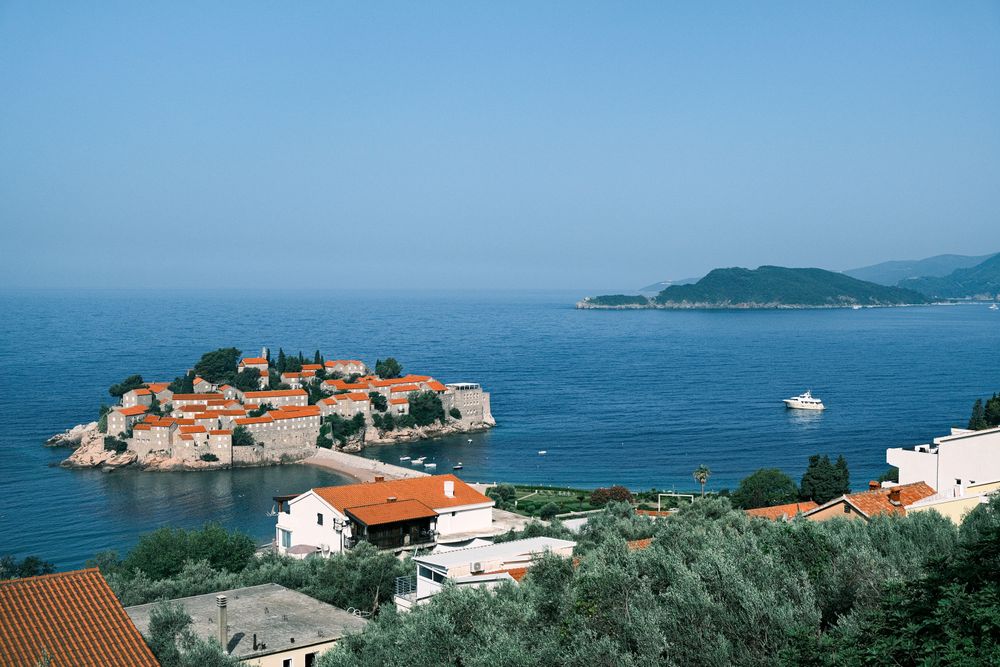
A walled islet of stone houses, now a single resort, is tied by a sand causeway to a pebble beach. Behind the beach a hillside village…
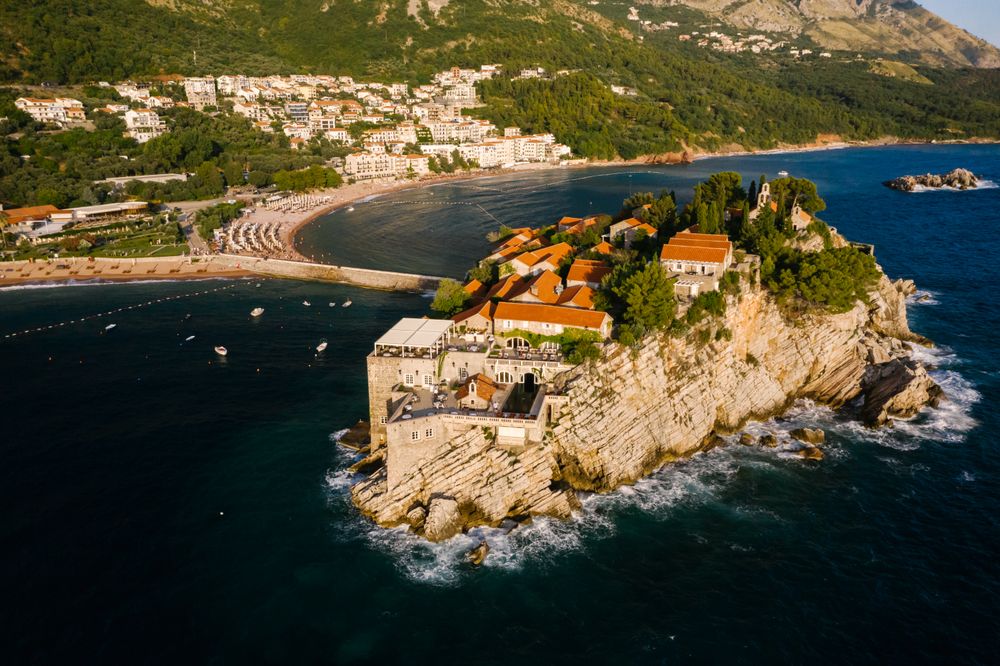
The fifteenth-century walled village on the islet of Sveti Stefan, joined to the shore by a narrow causeway and run as a single hotel,…
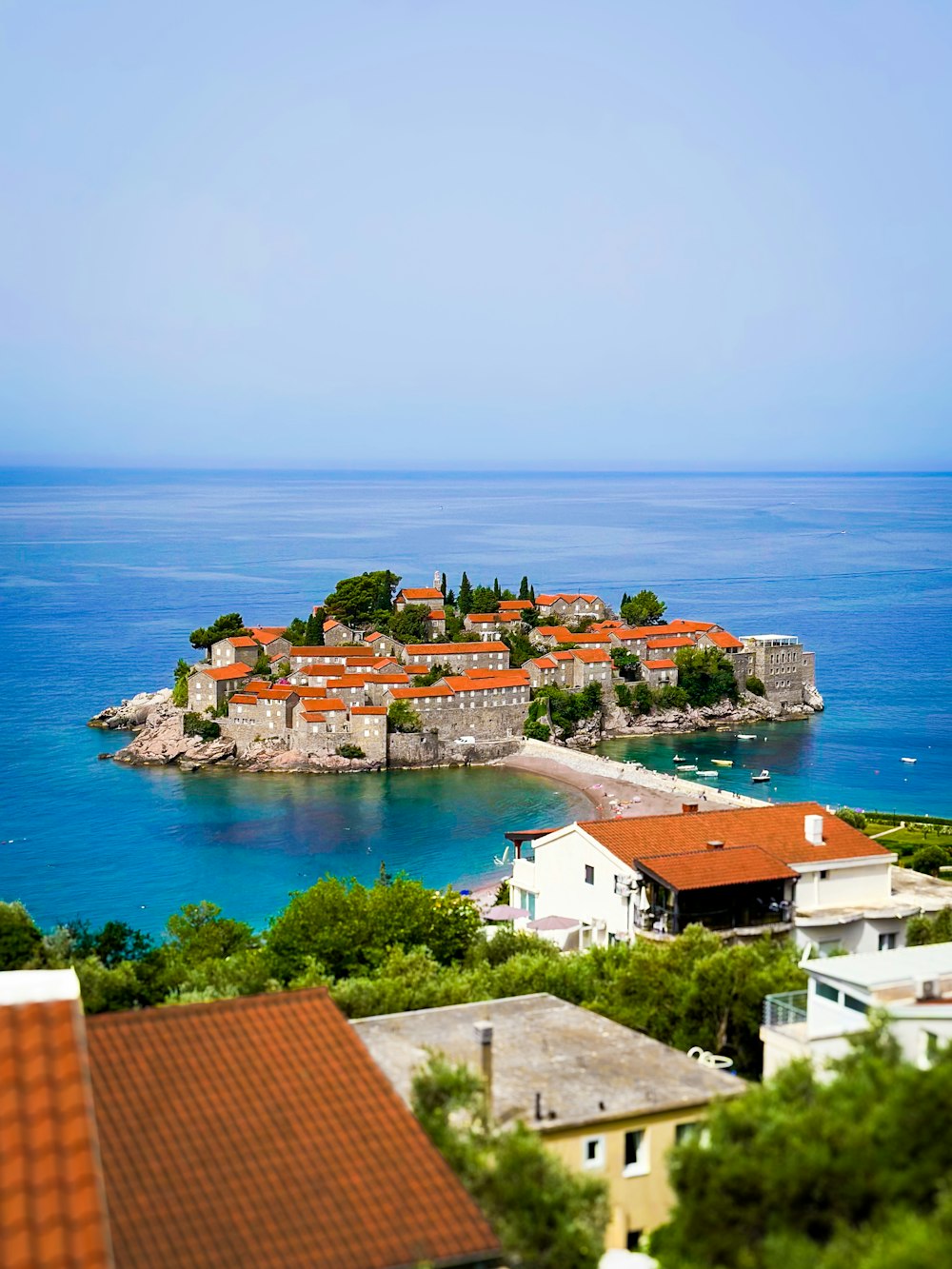
A walled village of 15th-century stone cottages on a rocky islet, linked to the shore by a narrow stone causeway. Twenty people were left…
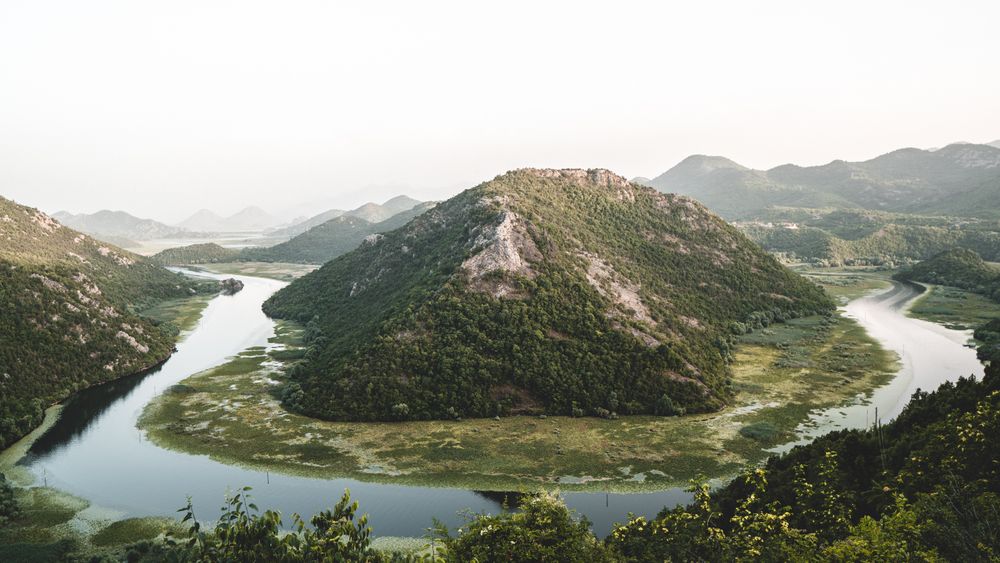

The largest lake in the Balkans by surface area, spreading from about 370 to 530 square kilometres between summer and winter, two thirds of…
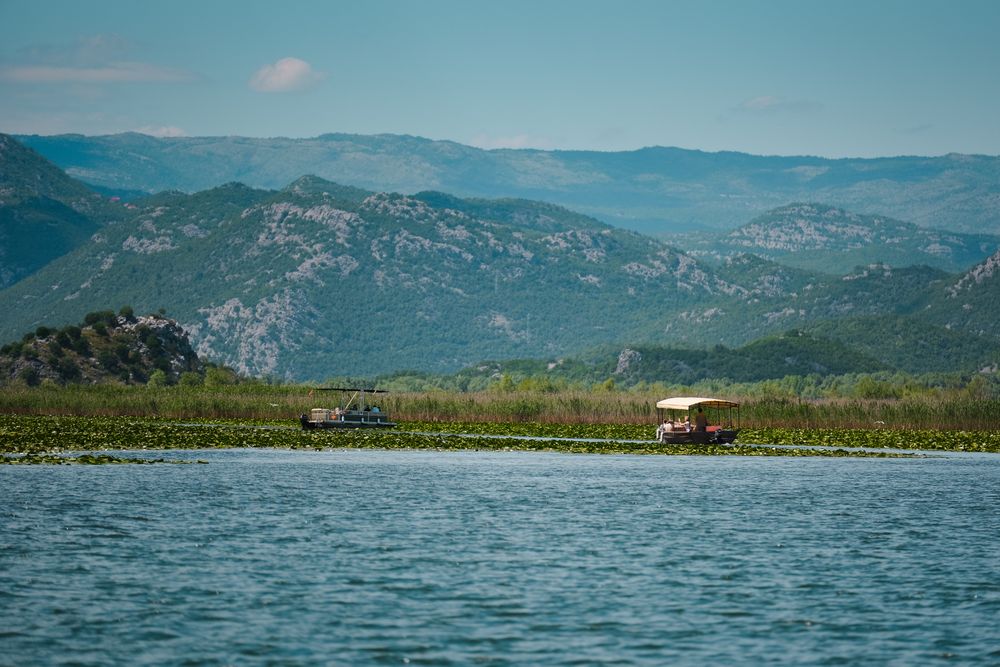
A lakeside settlement of about 300 people at the mouth of the Crmnica river, built around two stone bridges and the ruins of the…
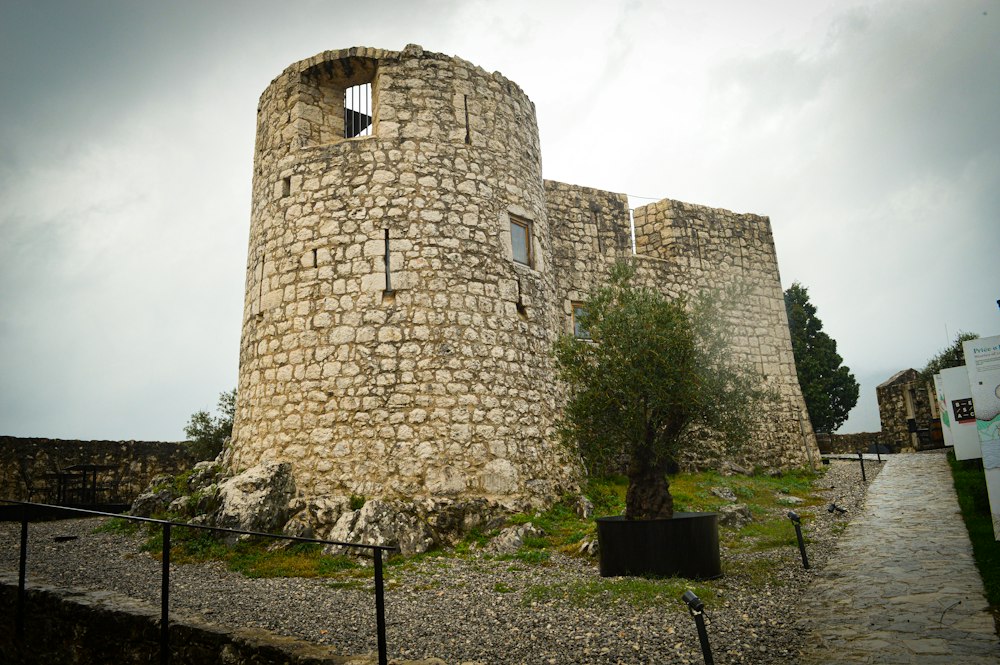
A small Ottoman fort built in 1478 on the hill directly above Virpazar, used to control the crossing at the southern end of Lake Skadar and…
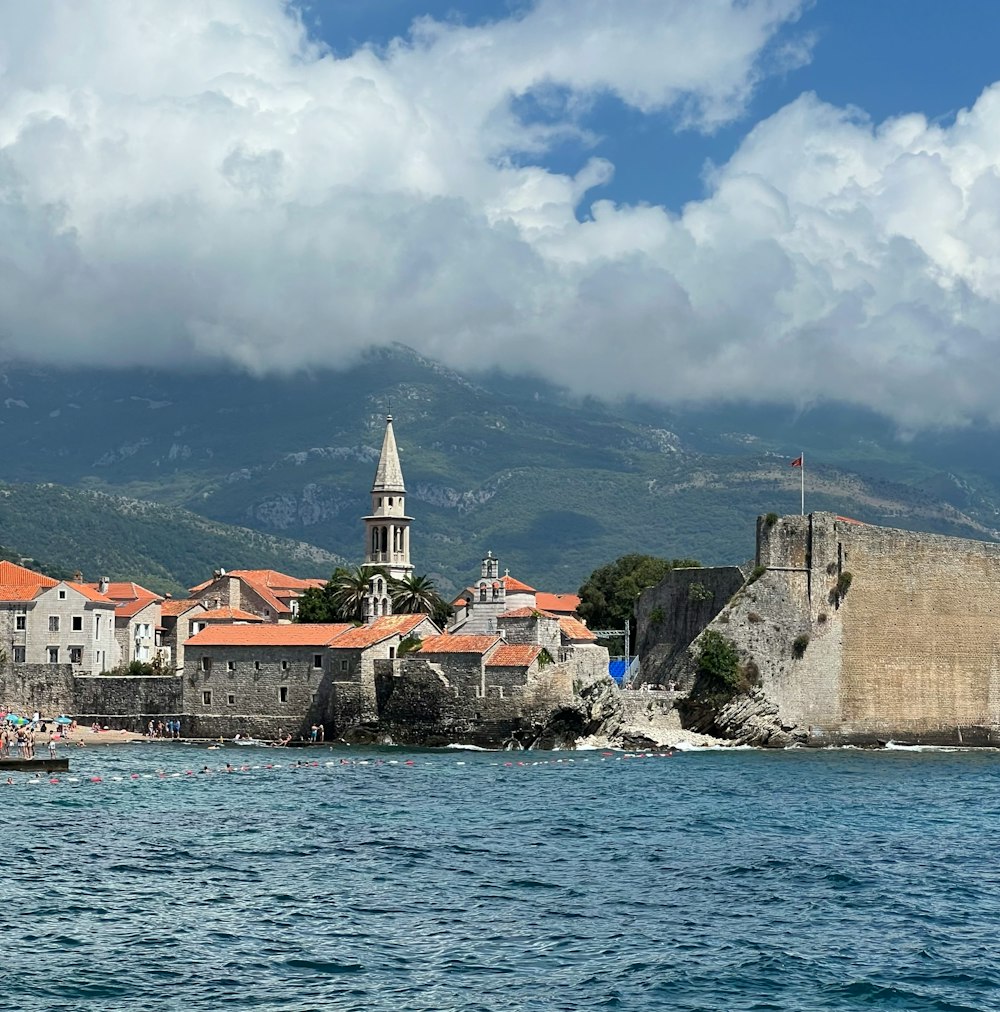
A walled peninsula settlement rebuilt after the 1979 earthquake, ringed by Venetian-era ramparts and anchored by the Citadela and the…


Save Gradište Monastery to your Montenegro trip in the Meridian Dispatch app and build the day around it, with the best of Petrovac pinned on one map.
Download on the App StoreLast updated