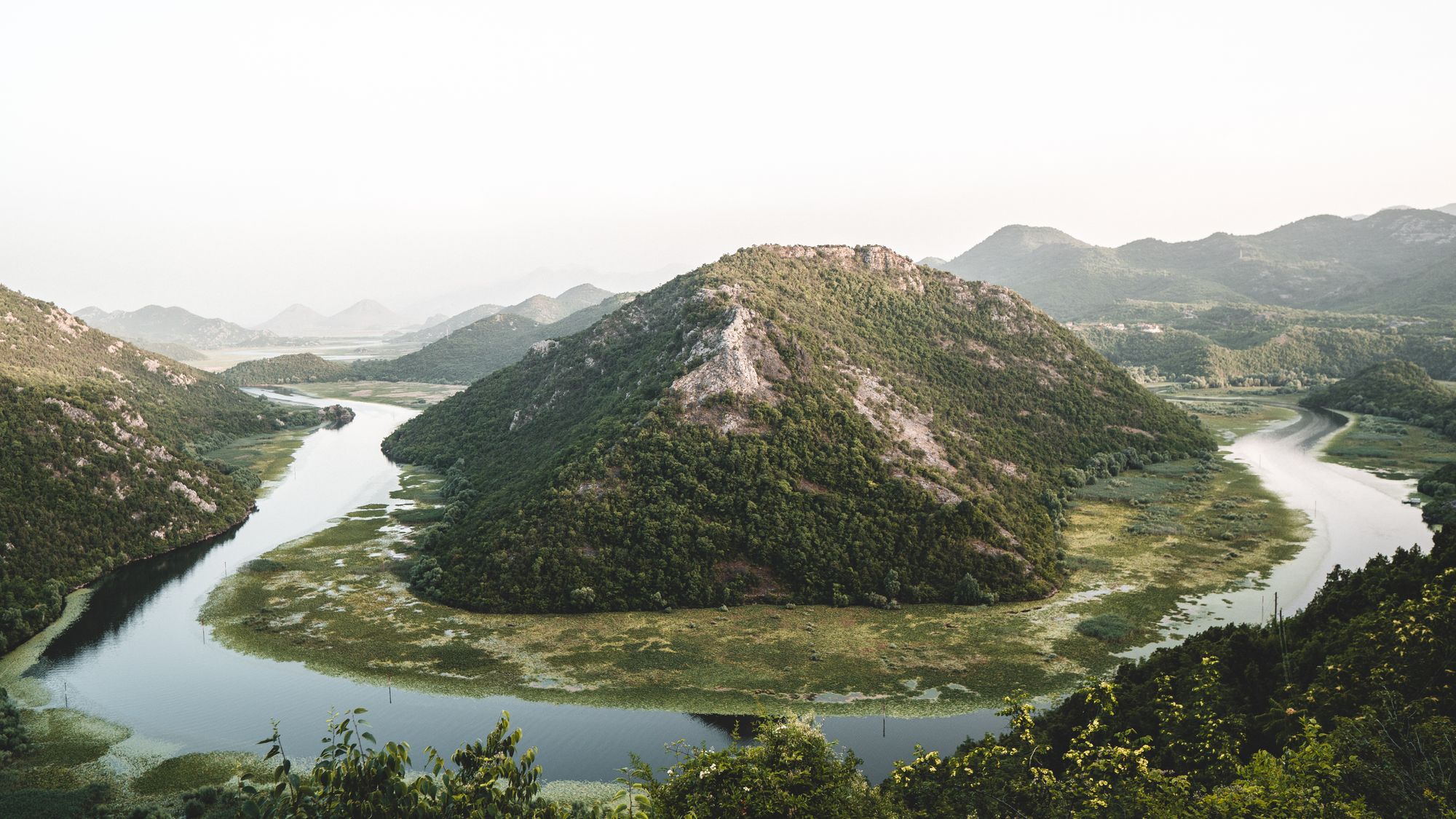
Ninety seconds on Lake Skadar National Park
The lake is a boat trip or it is nothing, and which month decides what is on it: lilies in early summer, birds in spring and autumn, and a flat calm in the first hour after the boats start.
Two hours on the water is the standard trip and it is enough. Boats leave the quay at Virpazar, thread the channel out through the reeds and open into the lake proper, where the route usually takes in the ruined fortress on its own islet, one of the monasteries on another, and a stop to swim. The birds are the reason to be out early: the lake holds something near 280 species, among them Dalmatian pelicans and pygmy cormorants, and they are on the water before the day boats are.
Explore the rest of Virpazar
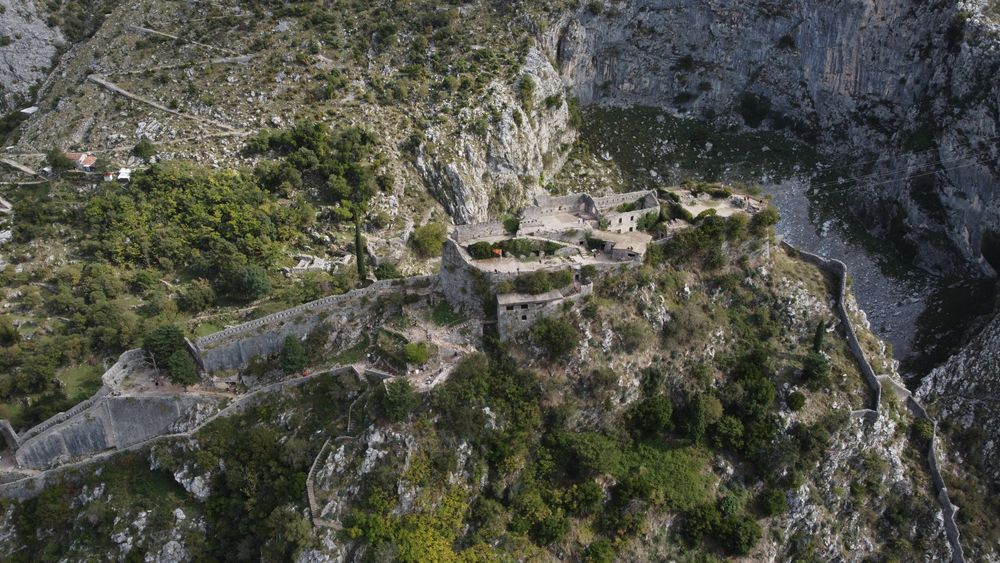
A small Ottoman fort built in 1478 on the hill directly above Virpazar, used to control the crossing at the southern end of Lake Skadar and…
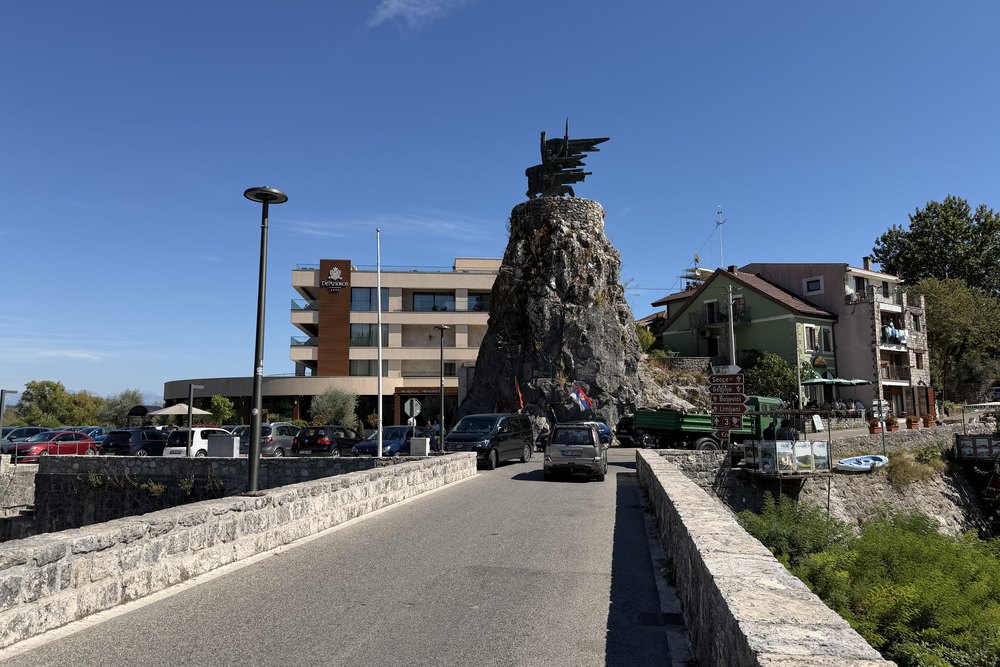
The main hotel in Virpazar, a four-storey block on the north bank beside the old stone bridge, a few minutes on foot from where the Lake…
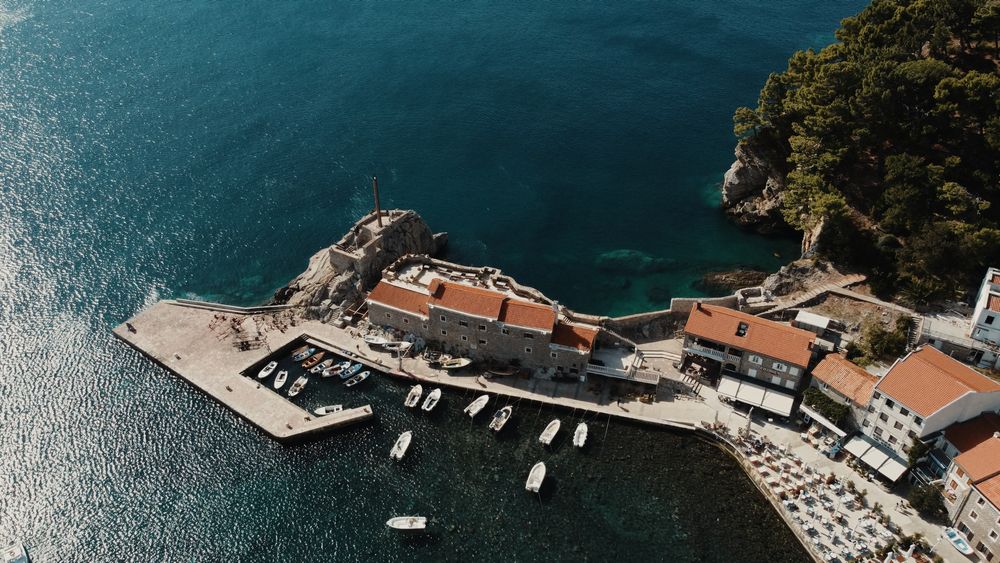
Six hundred metres of sand below the town, a promenade along it, and two islets offshore, Katič and Sveta Neđelja. The sixteenth century…