
A city beach this central lets you swim in calm, sheltered water between a morning of museums and an evening in the old town, with no transport needed to reach it.
Beach, Málaga. Meridian Dispatch.
From the city centre the beach is about 10 minutes on foot or 5 minutes by bus, with buses every 5 to 30 minutes. The walking route runs beside the port and the Muelle Uno marina.
June to September brings the best beach weather. July and August are the busiest months, above all at midday on weekdays. Summer evenings have a more relaxed feel, with the chiringuitos keeping a slower pace.
Yes, from June through September. Flags show the state of the sea: yellow warns of risk and red bans swimming. The lifeguards on duty can also advise on conditions that day.
No. Loungers and parasols are rented by the day, along with water craft, but a beach towel spread out, or a place on the palm-shaded lawns behind the beach, costs nothing at all.
Yes. A breakwater beside the port shelters the sea, so the swimming is gentle and suits young children. The beach also has a children's playground and an area for sports, plus showers and toilets.
Between the port and La Caleta beach, the sand stretches for 1.2 kilometres. It sits at the end of the Muelle Uno marina, between the historic lighthouse and the bullring, and a promenade lined with palms runs along the whole seafront.
The port breakwater shelters the beach on one side, so the water is usually calm and the waves moderate. That makes it an easy swim for children.
A strip of chiringuitos along the promenade plays music, and the smell of grilled fish carries onto the sand. Espetos are the Málaga coast's own way of cooking sardines: each fish is threaded whole on a long, thin cane, rubbed with coarse sea salt and stuck upright in the sand around a wood fire. The heat crisps the skin, and olive wood gives the flesh its smoky taste.
Each lounger is rented for the whole day with a parasol, so pick your spot once, when you arrive. If you would rather not hire one, spread a towel on the sand or sit on the grass under the palms.
Showers, footwashes and toilets are on the beach, and children have a play area and a sports zone between swims.
For lunch, walk up to the chiringuito strip on the promenade, or head back into Muelle Uno for a wider choice of food and drink.
Eat espetos the local way, with your hands: peel away the skin as you go, and order a cold beer or a glass of white wine with them.
In July and August, the evening leaves room to claim a comfortable spot on the sand.
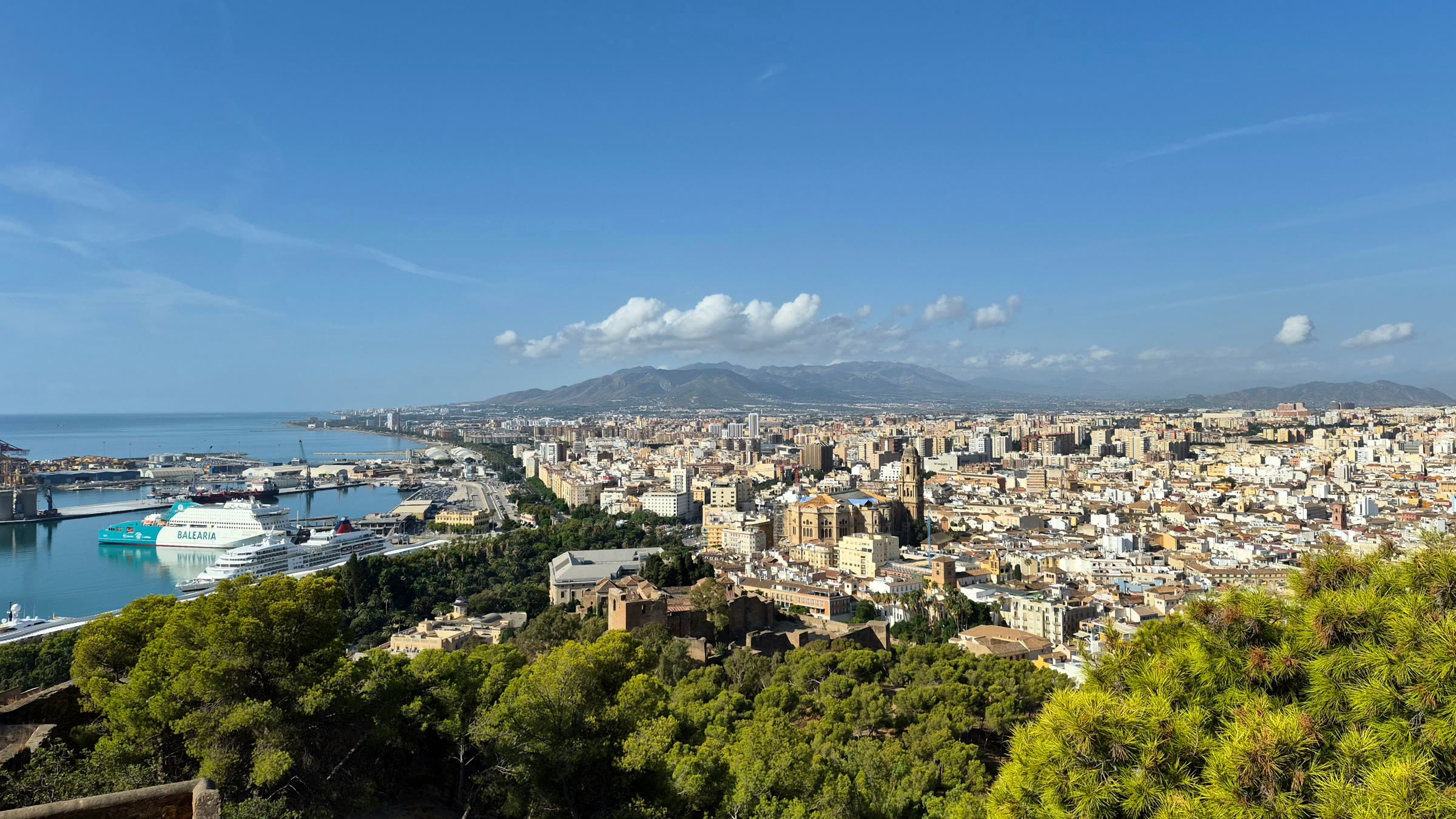
Land on the Costa del Sol and stay in the city, not a resort: two nights in Málaga give you a Moorish fortress, the Picasso museum and sardines grilled on the beach, all within walking distance.
Read the Málaga guideExplore the rest of Málaga
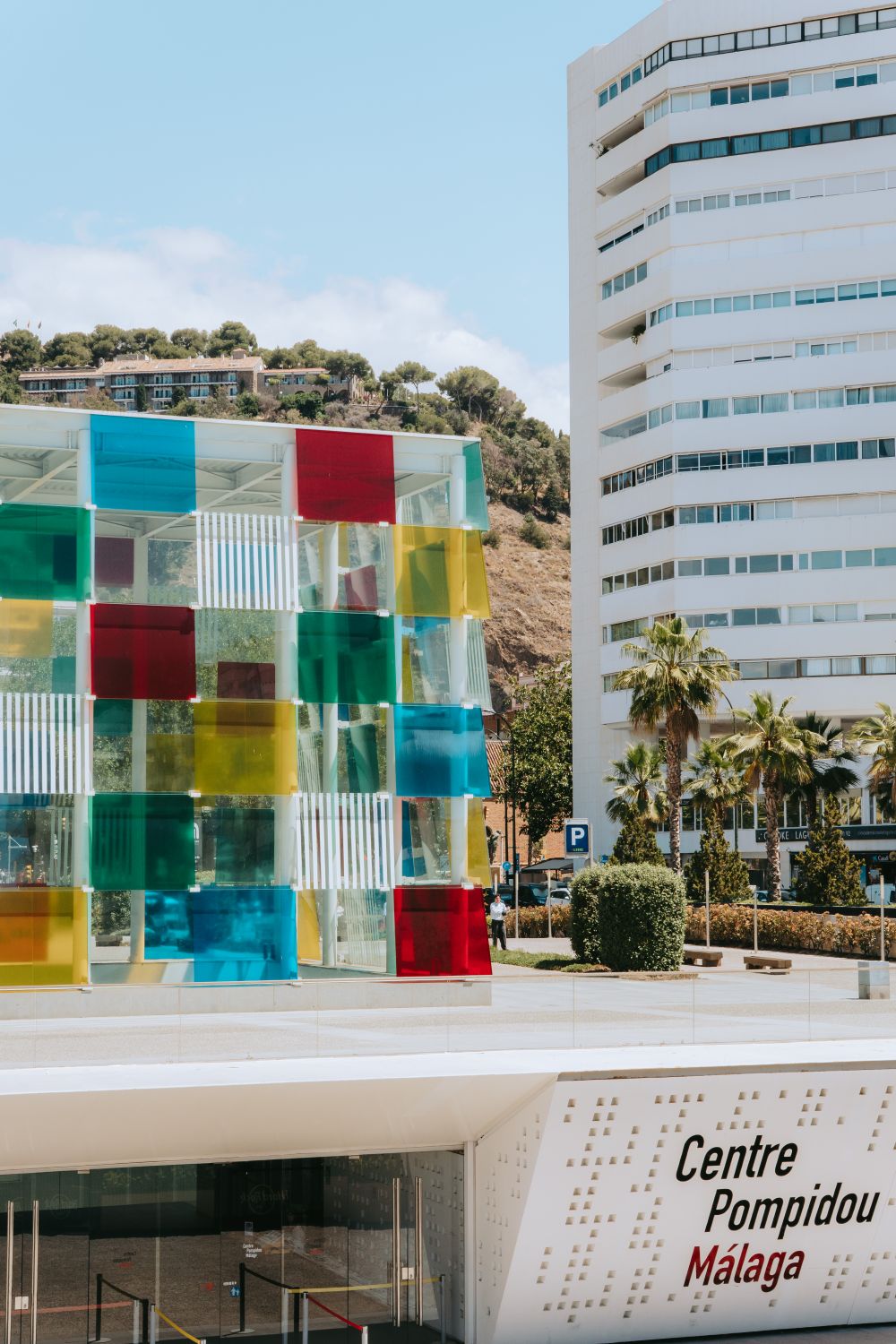
Modern and contemporary art from the Paris collection, shown in galleries under the quay at the head of Muelle Uno, beneath a glass cube…
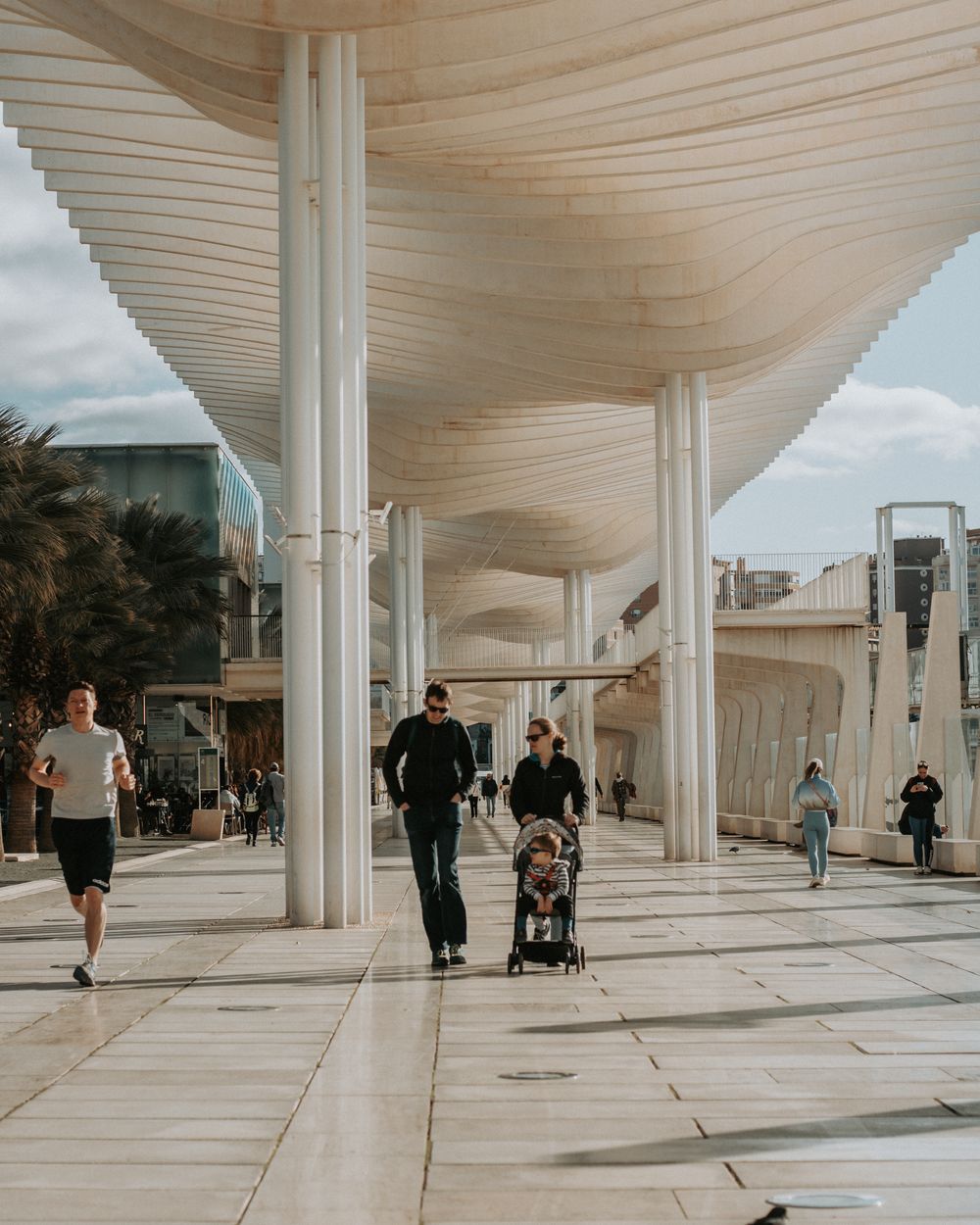
Muelle Uno is a quay of Málaga's port lined with shops and restaurant terraces, running along the port side of La Malagueta beach from the…
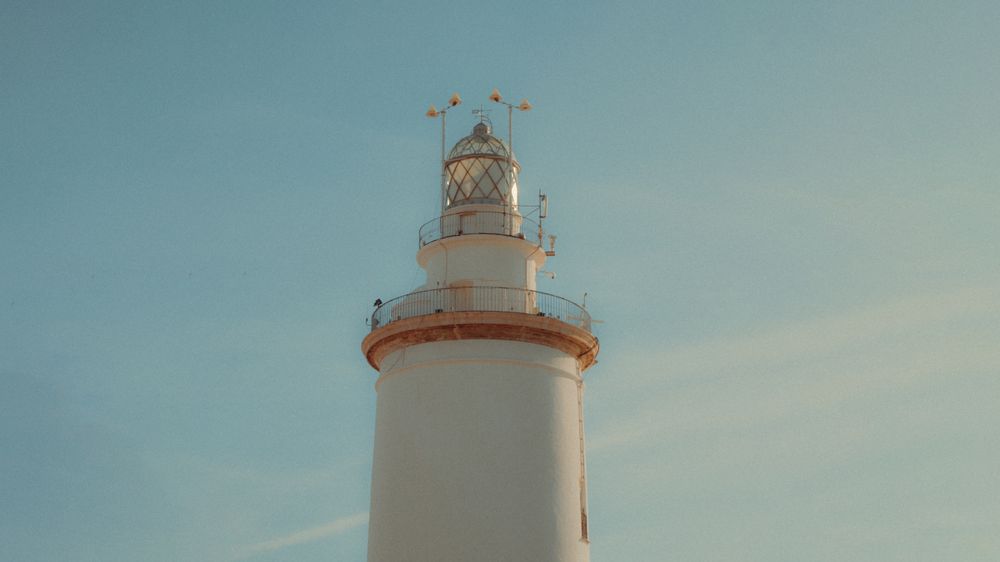
A white lighthouse at the end of the eastern breakwater, one of the few in Spain with a feminine name and the symbol the city puts on its…
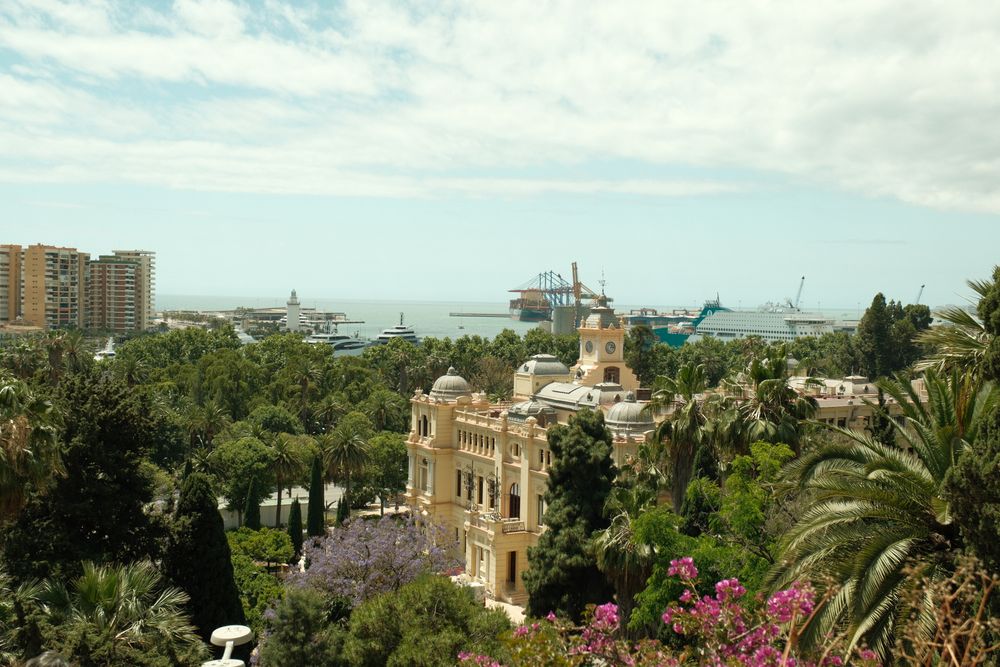
A long tree-lined avenue laid on land reclaimed from the sea, between the port and the old town. Its gardens hold palms, banana trees and…
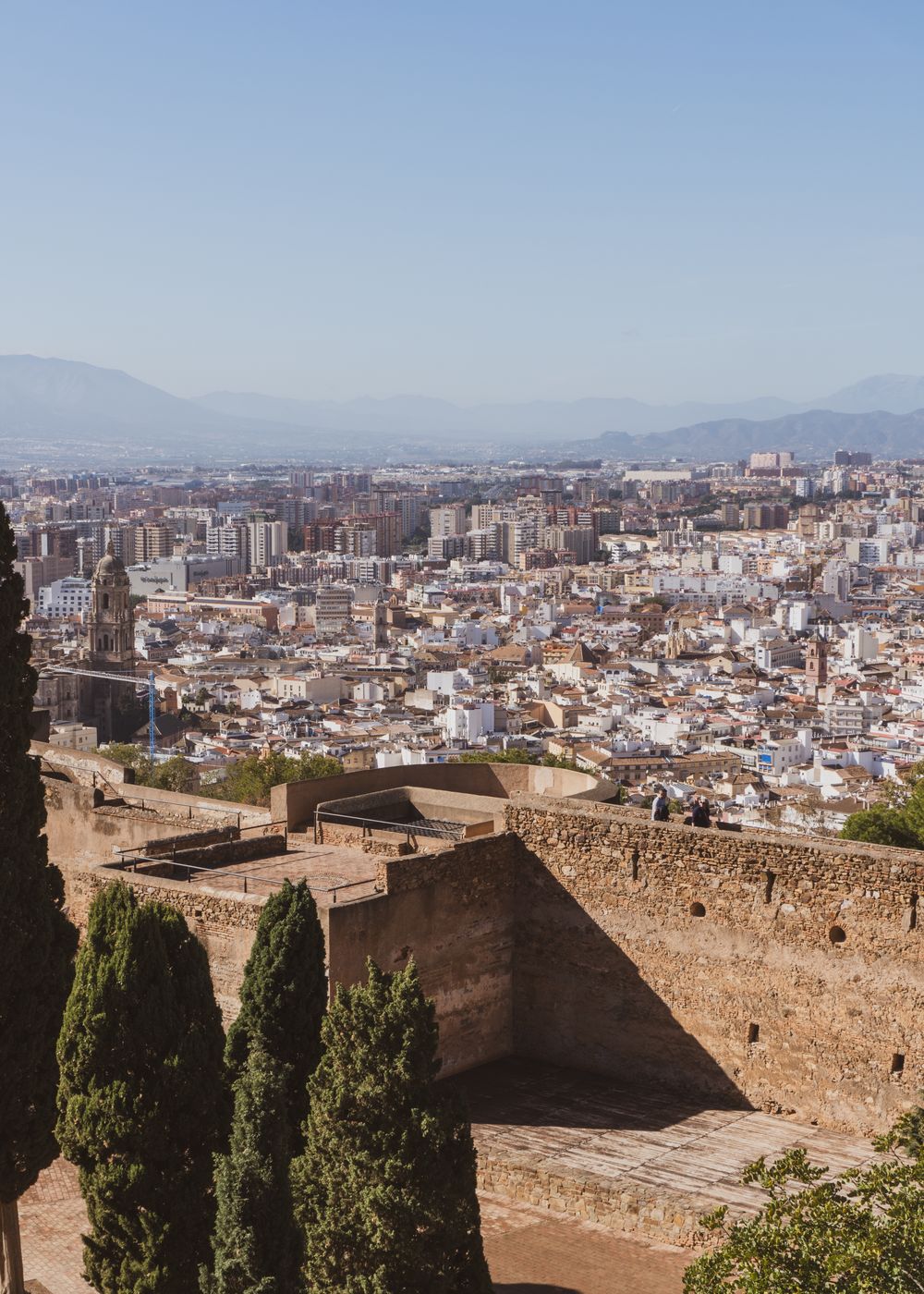
Castle walls along the summit of the hill above the Alcazaba, with the widest view in the city over the old town, the port and the bay.…
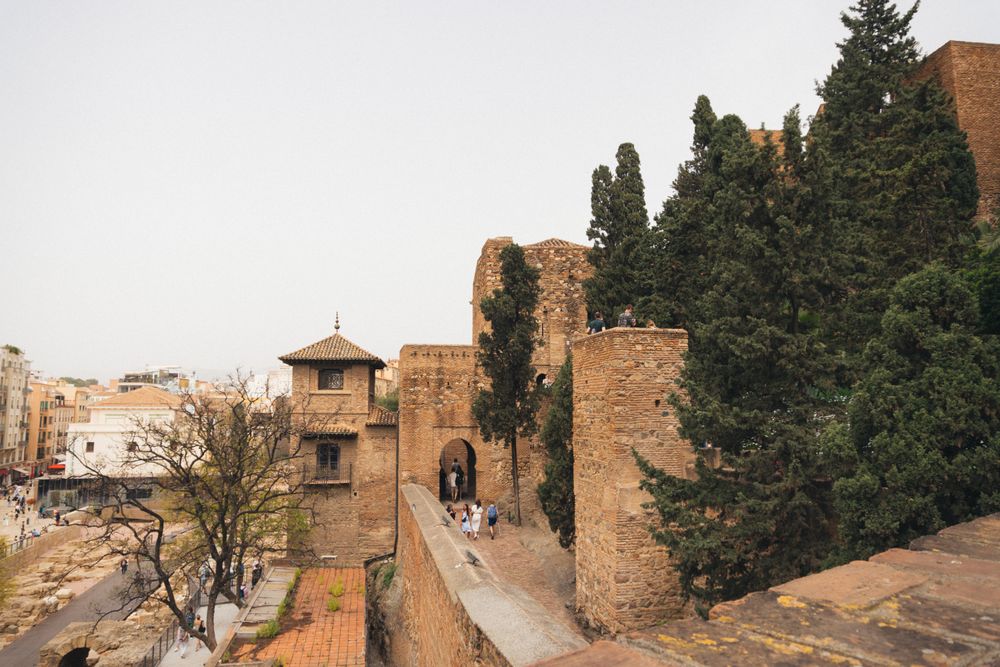
A Moorish palace-fortress climbing the hill above the port in rings of walls, with gateways set at angles to slow attackers. Higher up come…
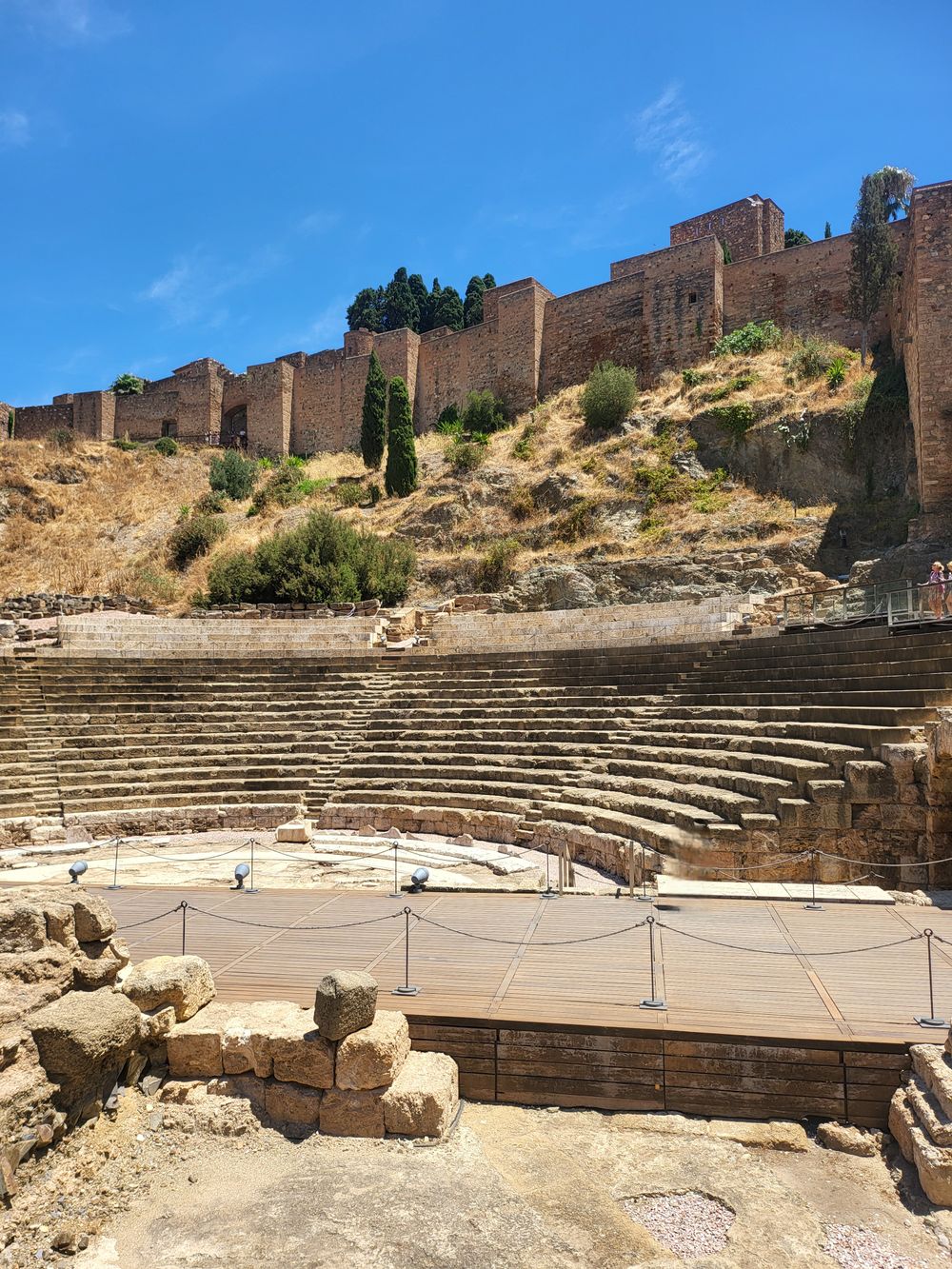
Stone seating cut into the foot of the Alcazaba hill, uncovered in 1951 and cleared once a cultural centre built over it was pulled down. A…
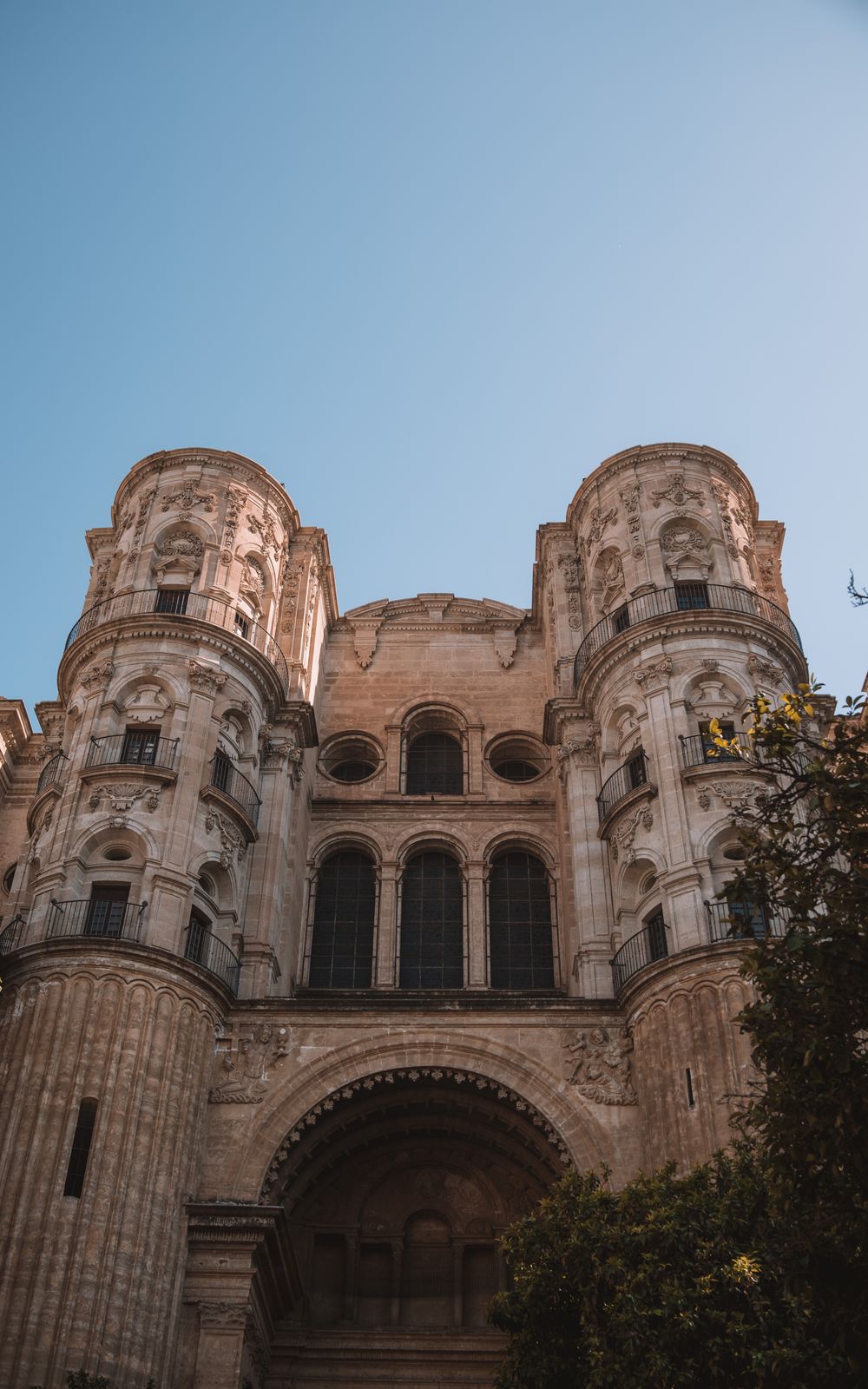
Known in the city as La Manquita, the one-armed lady, because its south tower was never finished and stops short beside the complete north…




Save La Malagueta to your Spain trip in the Meridian Dispatch app and build the day around it, with the best of Málaga pinned on one map.
Download on the App StoreLast updated