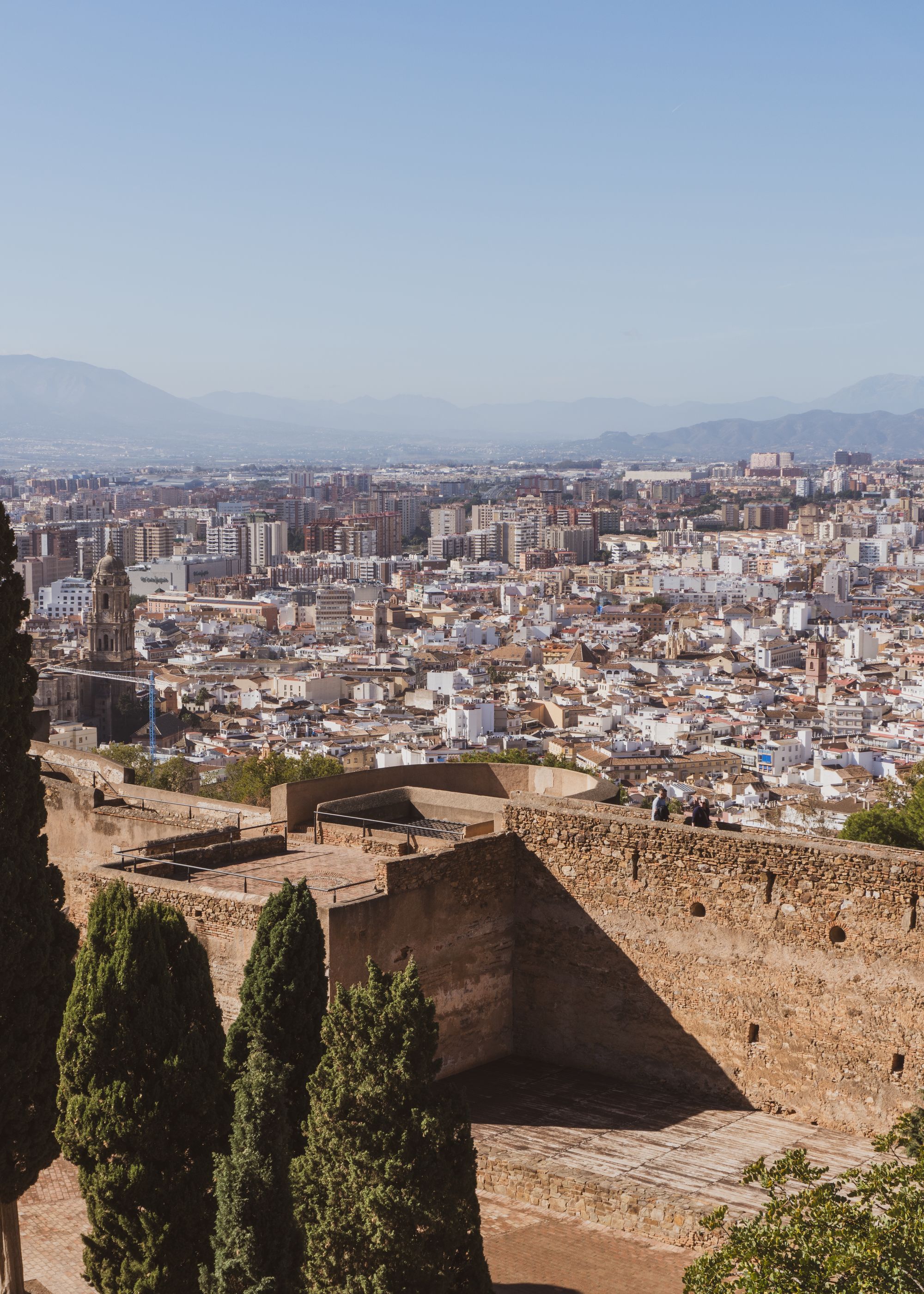
Gibralfaro's ramparts give you the whole of Málaga from one loop of wall: at 132 metres above the sea, the castle looks down on the Alcazaba, the old town, the port and the bay.
Castle, Málaga. Meridian Dispatch.
Line 35 of the city bus network climbs to the fortress roughly every half hour, and it stops close to the entrance. Walking up from the Alcazaba takes about 20 minutes on a route named Paseo de Don Juan Temboury.
The castle opens at 9am. Summer hours, April to October, run until 8pm. Winter hours, November to March, end at 6pm, and the last admission comes an hour before each closing time.
Entry to the castle is ticketed, and tickets are sold on the official website. The operator's joint visit, covering the Alcazaba and the castle, is free on Sundays from 2pm.
Most visits fit in 60 to 90 minutes. That covers a slow circuit of the walls, the small museum inside the former powder store and a few stops for photographs.
No guide is needed to enjoy the walls. A free audio guide is available through a QR code posted at the entrance, and guided tours can be booked in advance for expert commentary.
Midday is the hottest stretch on the open walls, so a cooler part of the day suits a walk round them. The mirador outside the gate costs nothing and is open at all hours, so its view stays available after the castle closes.
The official site of Gibralfaro is alcazabaygibralfaro.malaga.eu.
alcazabaygibralfaro.malaga.eu →Walking the ramparts is the heart of the visit. Two rings of wall follow the broken line of the ridge, with thirty stretches of wall between them. A narrow walkway runs along the top, and each of the eight towers gives you another viewpoint.
Two towers stand out. On the north-west side, a horseshoe-shaped tower built out beyond the wall line is the largest of its kind surviving in Al-Andalus, and it served as a prison more than once. A second tower, 17 metres high, was the best lookout in the castle.
Very little Moorish building survives inside, because the castle stayed in army use for centuries. The parade ground holds the soldiers' living quarters and the Blanca tower with its water tank, and the Airón well is cut more than 40 metres into the living rock.
Look down the slope towards the Alcazaba for the ruined double wall that ran between the two fortresses. There is no way through it now, so the Alcazaba is a separate visit. If there is time, add Málaga Cathedral or Museo Picasso Málaga.
Ticketed entry is on the east side of the castle, near where bus 35 drops you. Scan the QR code at the entrance for the free audio guide, then start in the old powder store just inside the gate. Its small museum opens with a large model of Moorish Málaga laid over the modern city, which helps you read the view from the walls.
After the model come uniforms set out century by century, weapons and navigation instruments from the garrison. Then climb onto the walls and work round the circuit, taking the narrow walkway slowly. Between the two rings, pines and cypresses shade courtyards with benches when you need a rest.
Outside the gate, the Mirador de Gibralfaro has two terraces at different heights, free and open round the clock. The castle shuts before a summer sunset, so come back to the terraces when the sun is low.
If you are seeing the Alcazaba too, buy the combined ticket and do the castle first. Ride the bus up, then walk the footpath back down to the Alcazaba gate. The path is steep and can be slippery, so wear shoes with good grip and save it for the descent rather than a climb in the heat.
Bring a jacket in winter, because the wind on the hilltop can be cold.
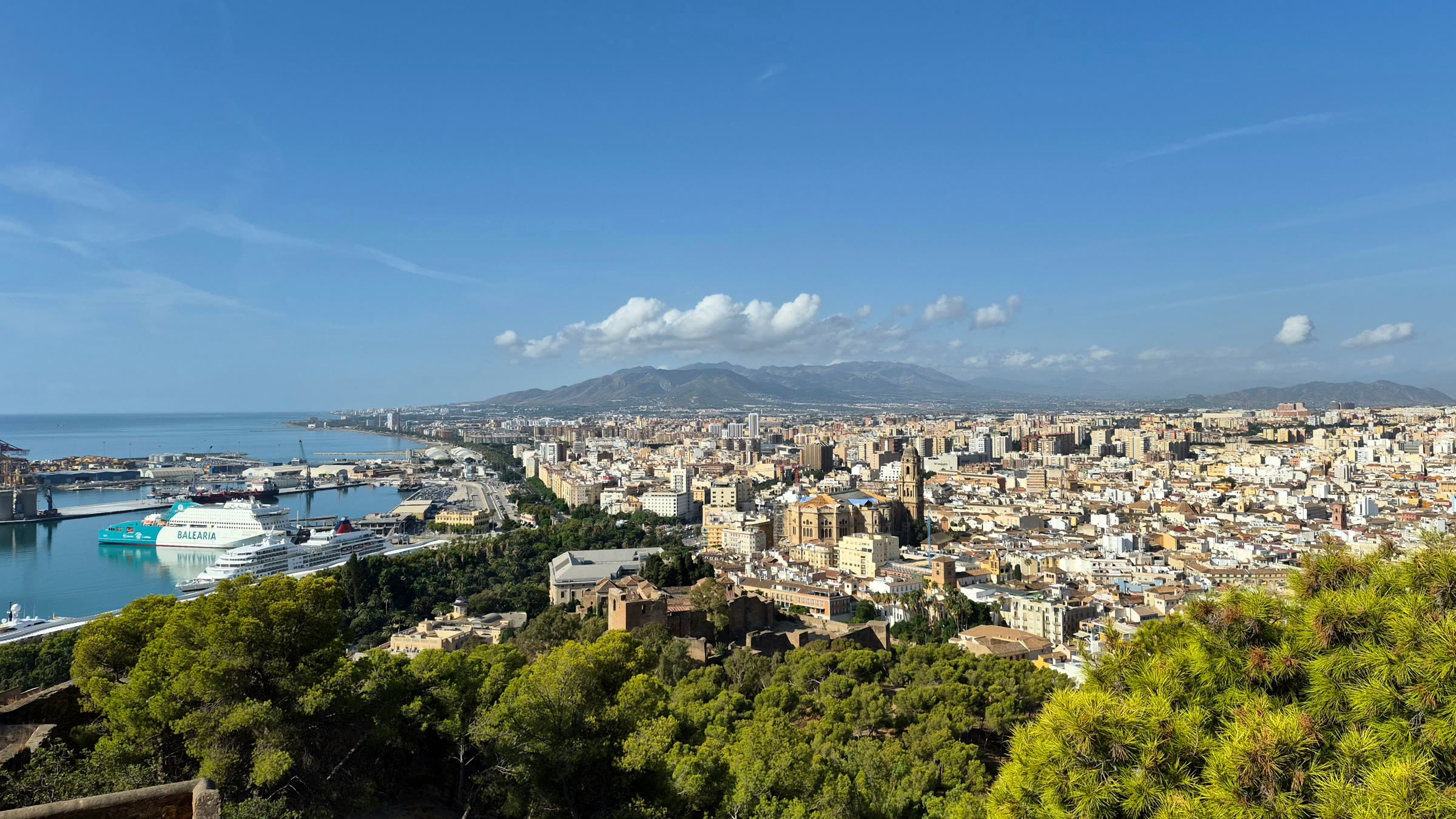
Land on the Costa del Sol and stay in the city, not a resort: two nights in Málaga give you a Moorish fortress, the Picasso museum and sardines grilled on the beach, all within walking distance.
Read the Málaga guideExplore the rest of Málaga
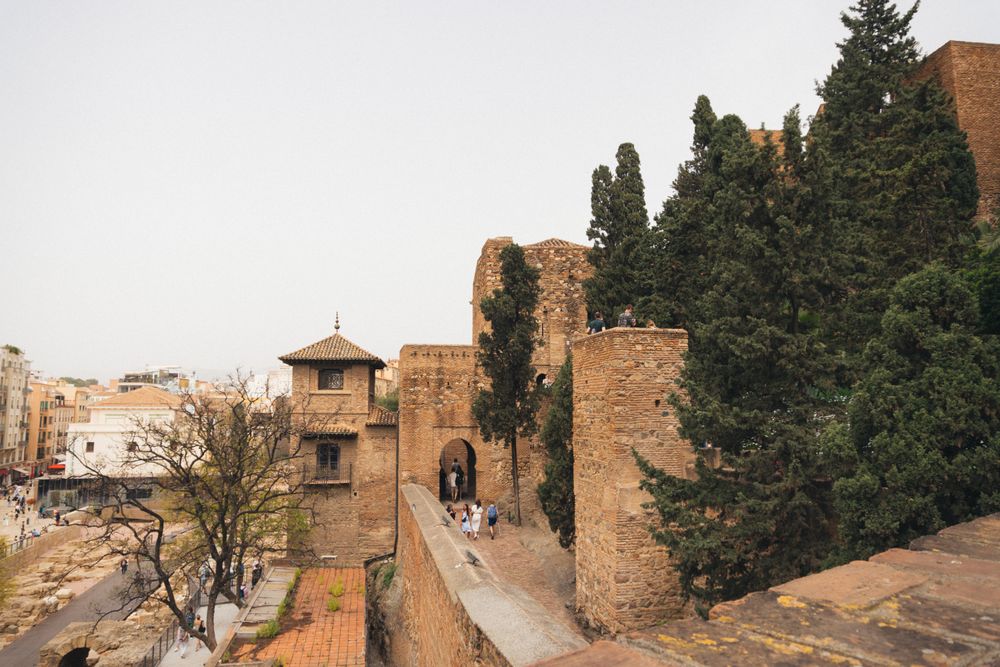
A Moorish palace-fortress climbing the hill above the port in rings of walls, with gateways set at angles to slow attackers. Higher up come…
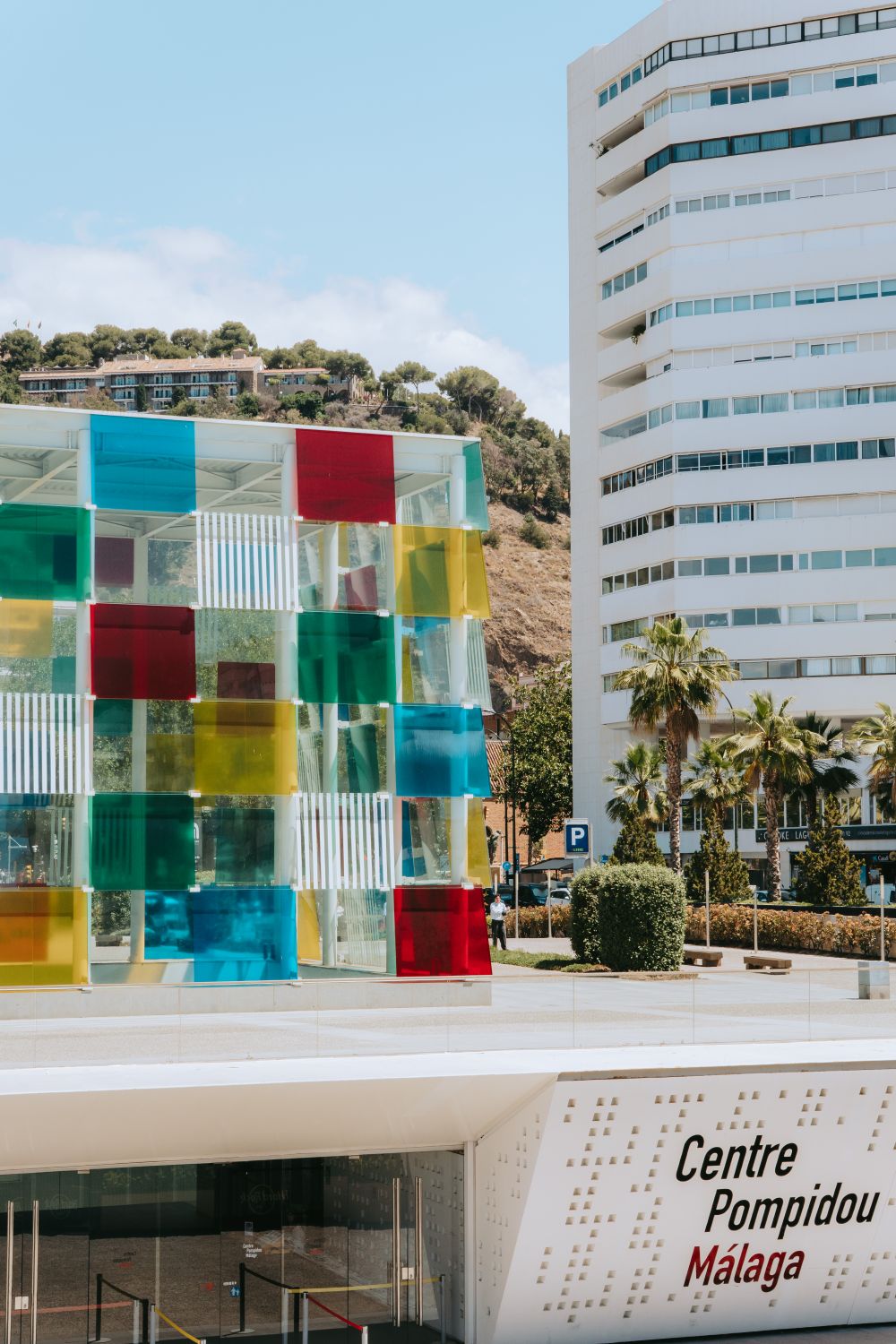
Modern and contemporary art from the Paris collection, shown in galleries under the quay at the head of Muelle Uno, beneath a glass cube…
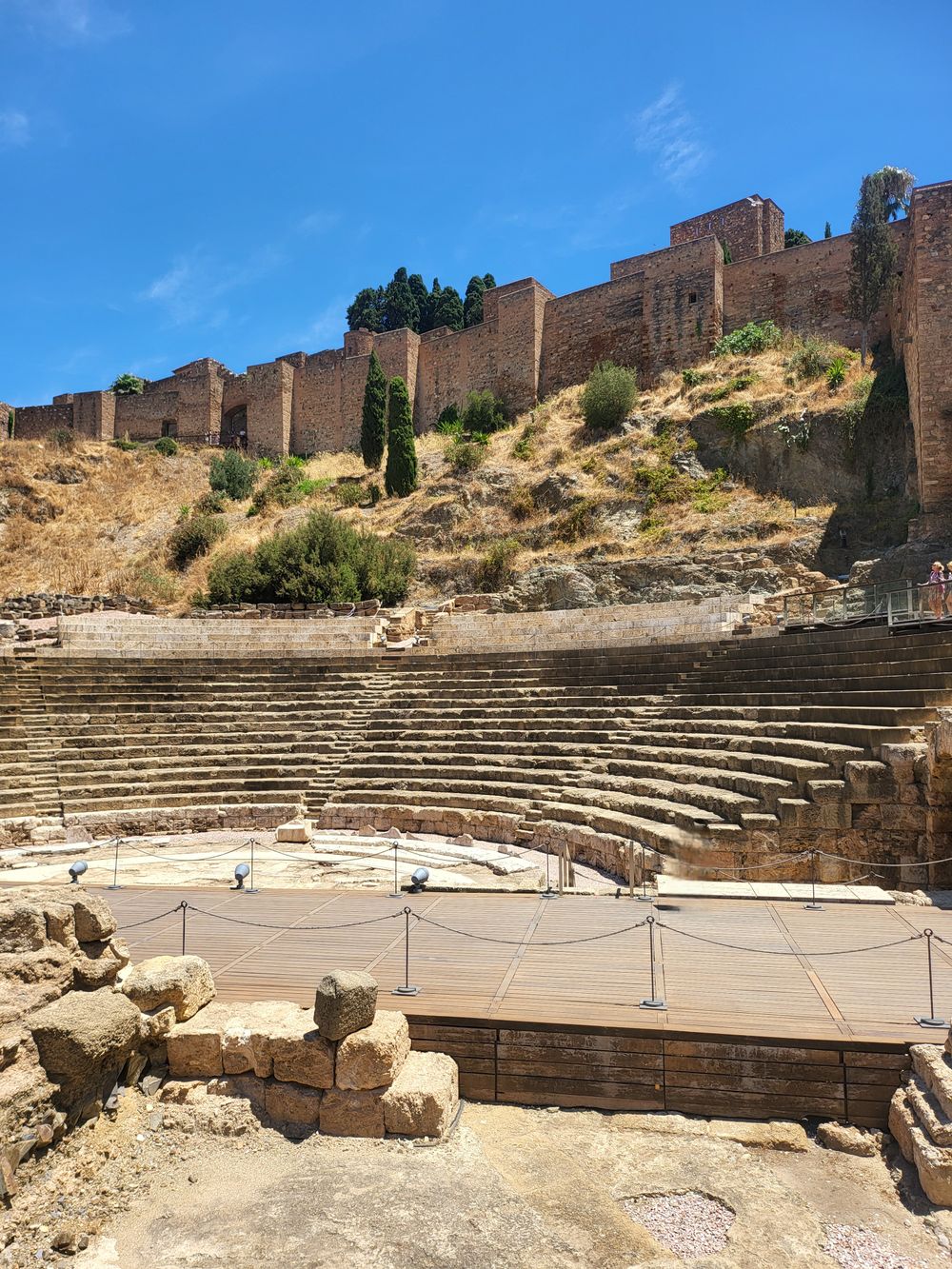
Stone seating cut into the foot of the Alcazaba hill, uncovered in 1951 and cleared once a cultural centre built over it was pulled down. A…
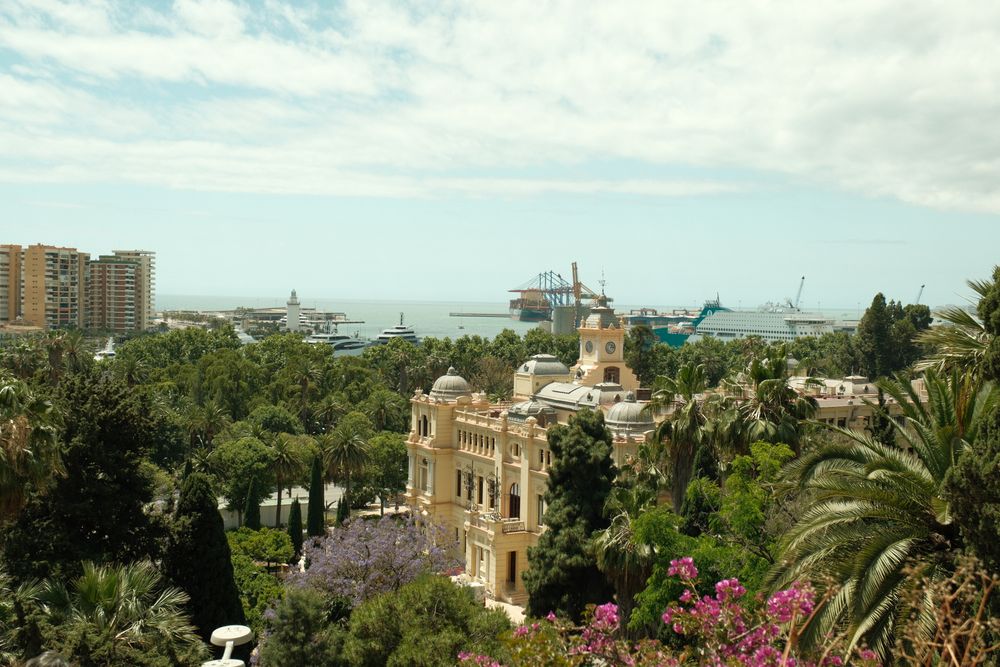
A long tree-lined avenue laid on land reclaimed from the sea, between the port and the old town. Its gardens hold palms, banana trees and…
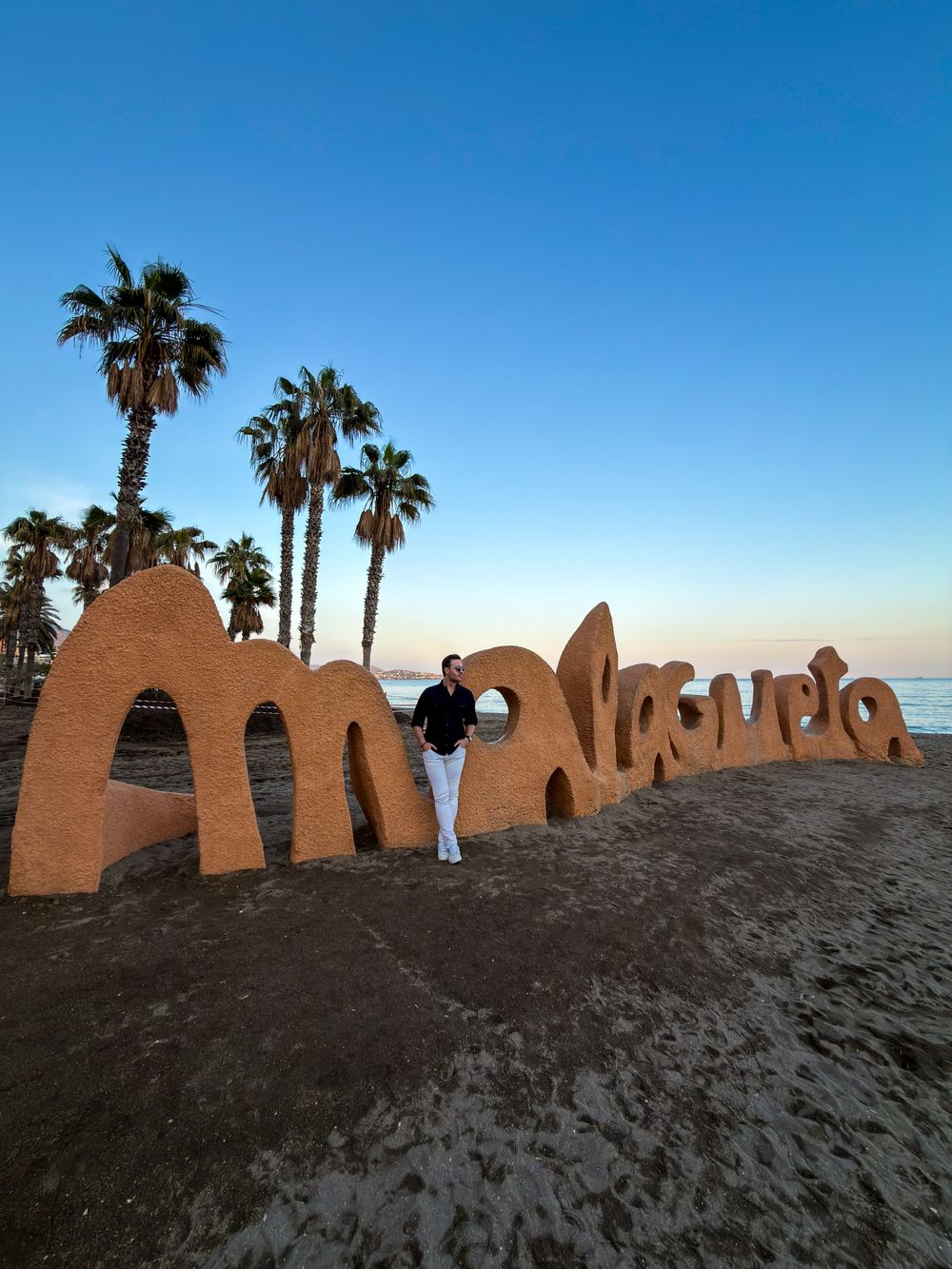
The city beach, a strip of dark sand a short walk east of the port, with a promenade, sunbeds, showers and chiringuitos grilling sardines.…
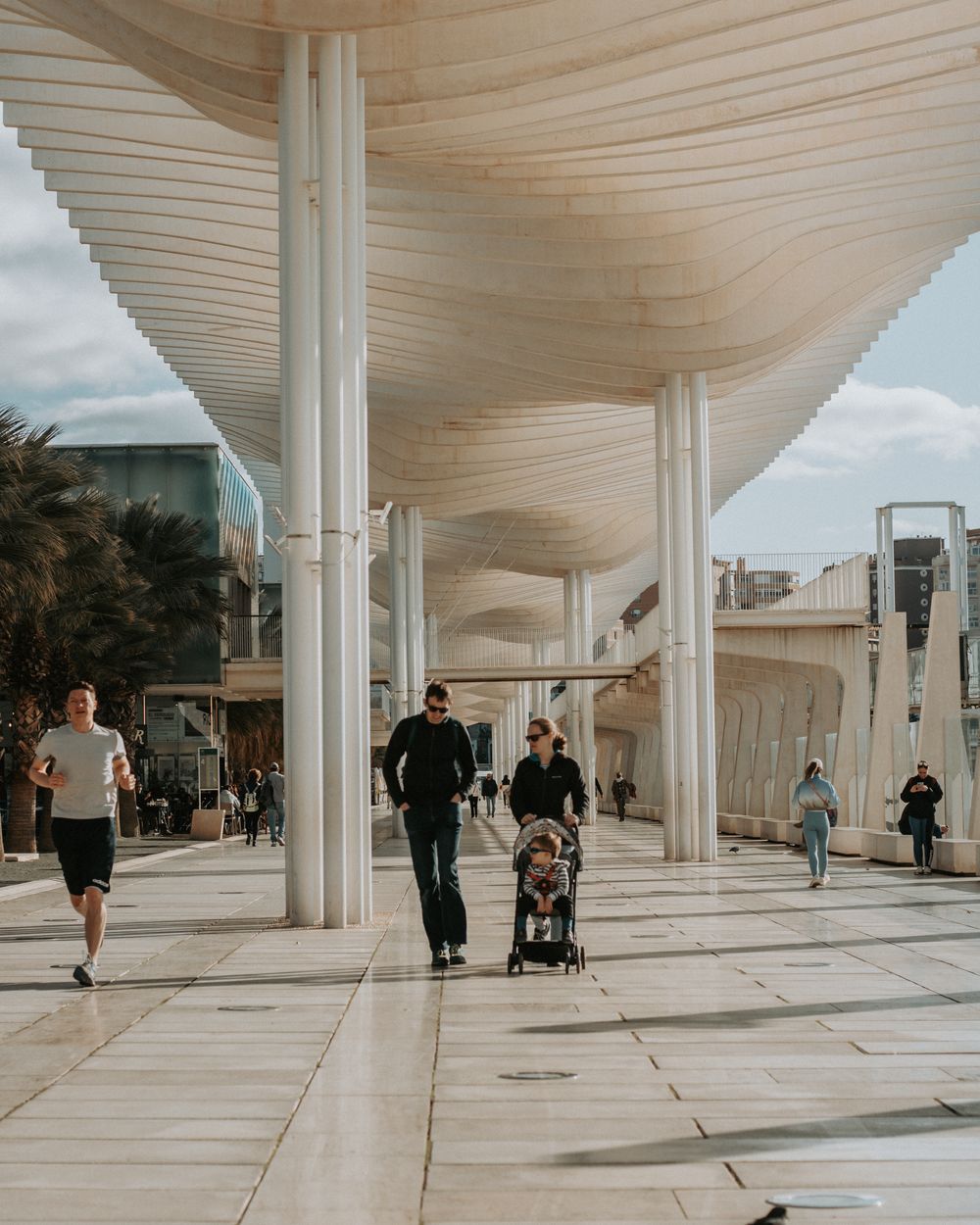
Muelle Uno is a quay of Málaga's port lined with shops and restaurant terraces, running along the port side of La Malagueta beach from the…
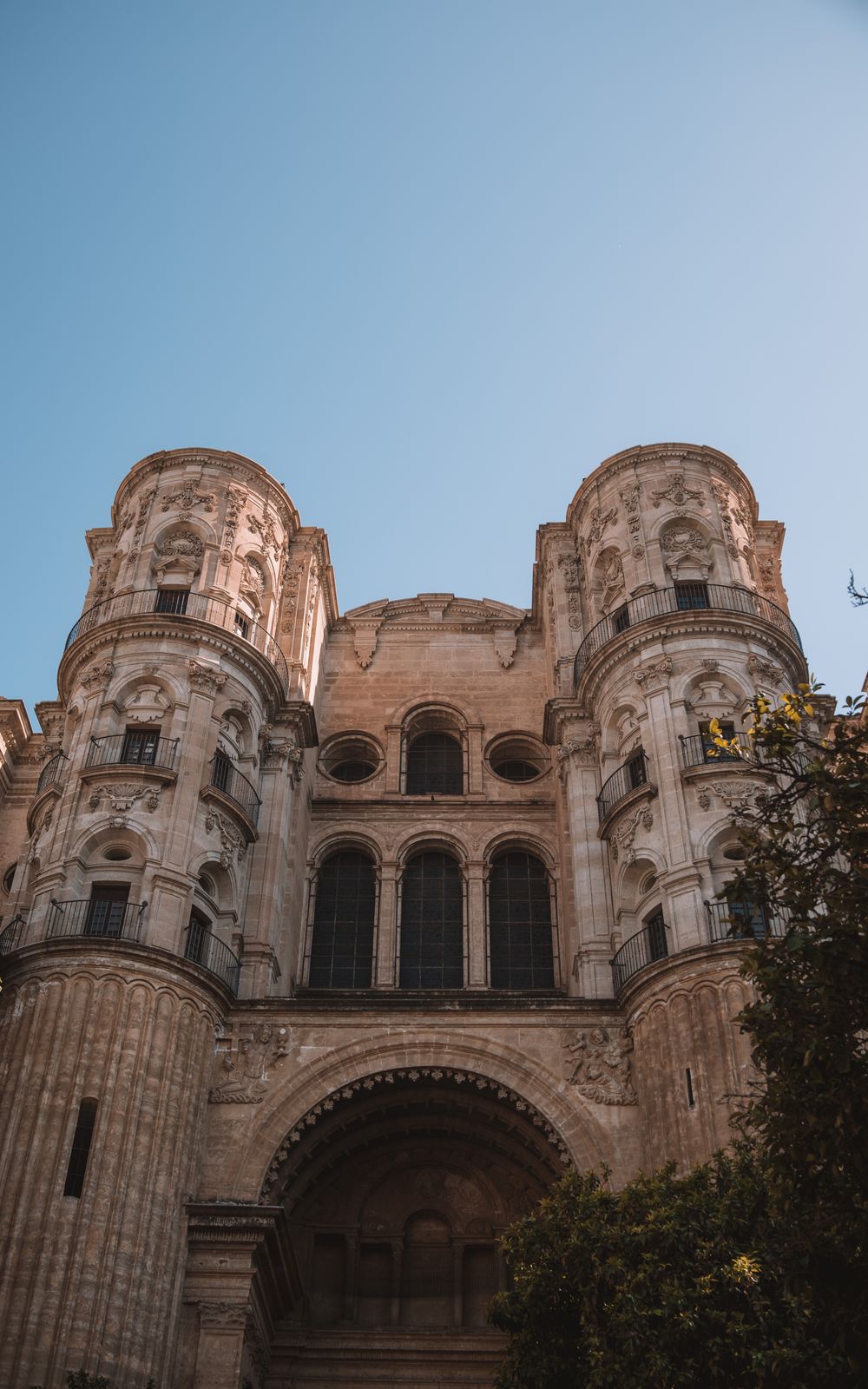
Known in the city as La Manquita, the one-armed lady, because its south tower was never finished and stops short beside the complete north…
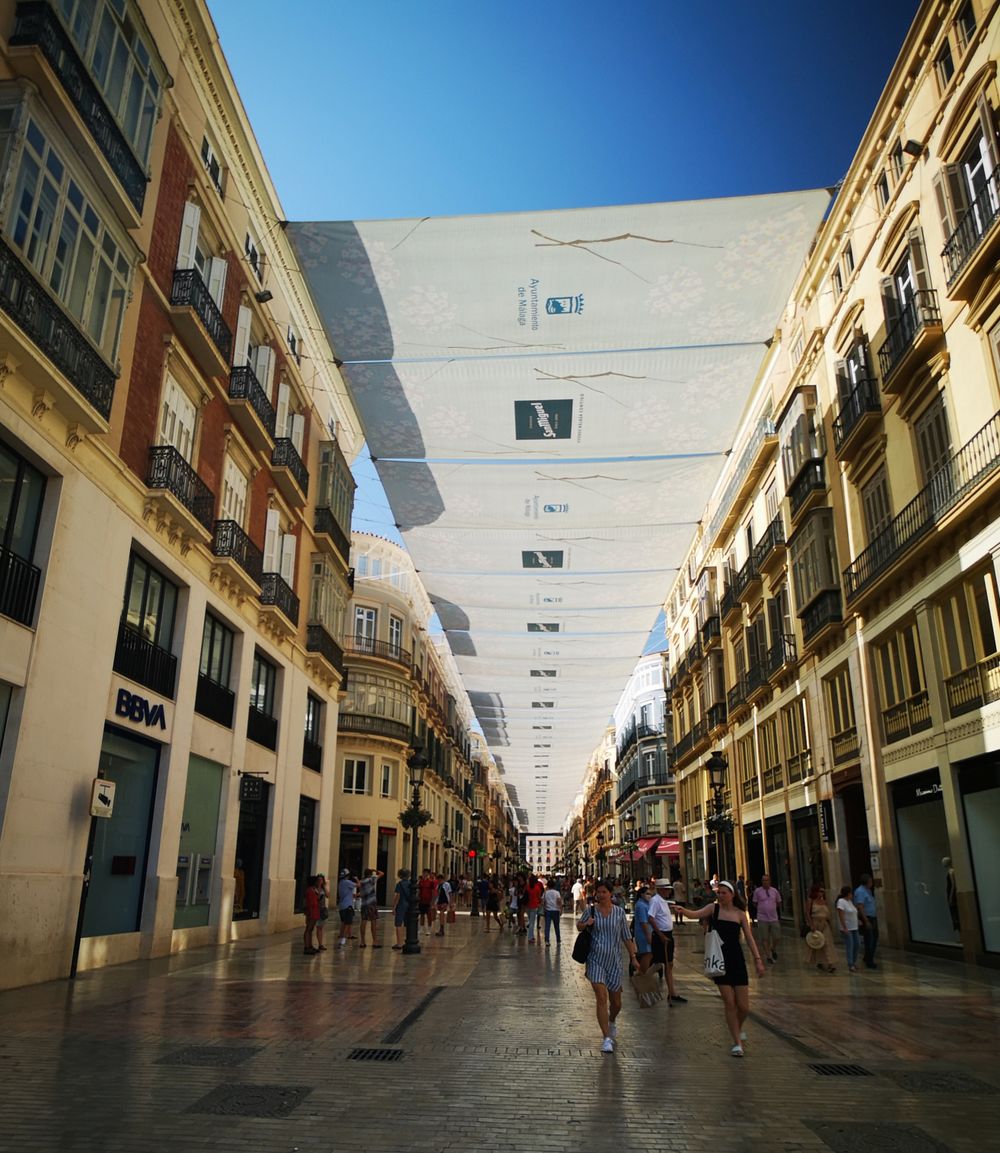
Málaga's main shopping street, paved in polished marble and lined with nineteenth-century buildings with rounded corners, running from the…




Save Gibralfaro to your Spain trip in the Meridian Dispatch app and build the day around it, with the best of Málaga pinned on one map.
Download on the App StoreThe official pages this guide was checked against.
Last updated