
Walk a kilometre into the rock above Lake Thun, past underground streams and grottos hung with stalactites, in the cave where Saint Beatus is said to have driven out a dragon.
Cave, Interlaken. Meridian Dispatch.
The caves open every day of the week in both seasons. As of November 2026, the winter timetable to 20 March 2027 is 10:00 to 17:00, and to 18:30 on Saturdays. From 21 March to 14 November 2027 it is 09:00 to 18:00, and to 21:00 on Fridays and Saturdays.
The Beatushöhlen stop, on the bus line between Thun and Interlaken, is right by the entrance. The Lake Thun boat stop is Beatushöhlen-Sundlauenen, from where it is a 20 to 25 minute walk uphill. A combined boat ticket with reduced cave admission is sold at the boat ticket counter or on board.
The caves suit children, and those from around 5 or 6 manage the route easily. Pushchairs are not permitted in the park or the caves. Children under 6 enter free, and a family ticket covers two adults with their own children or grandchildren aged 6 to 16.
It stays at 8 to 10 °C all year, with humidity around 95 percent. Warm clothing is recommended even in the height of summer, and a rain jacket helps on the ascent in wet weather.
Yes. Stein & Sein is right beside the caves, serving regional dishes and a children's menu, with 75 seats inside and 75 on a terrace facing the Bernese Alps. Booking is optional but recommended at weekends and for larger groups.
The official site of St. Beatus Caves is beatushoehlen.swiss.
beatushoehlen.swiss →The stream that runs through the caves pours out beside the entrance as a double waterfall. Rain and snowmelt make it louder and fuller, and the park below stretches down towards Lake Thun with views of the Alps.
Only part of the system is open, secured and lit for visitors. Inside are halls, gorges and metre-high stalactites, with water running beside the path for part of the way. Further in, the walk reaches underground waterfalls.
Beside the caves is the small grotto where Beatus is said to have lived as a hermit, with his tomb at the entrance to it. The Way of St James, the pilgrim route to Santiago de Compostela, passes the site.
Start in the museum next to the upper car park, or see it afterwards if it is still closed. It has minerals to touch, prehistoric finds and displays on how caves form. Your ticket includes an audio guide in German, English or French.
A steep tarmac path then climbs to the cave in about 10 minutes, crossing the falls on bridges. From the lower car park, P1, allow 8 to 10 minutes. The restaurant and snack bar are at the top.
Underground you follow the signposted route at your own pace. Information boards in German and English explain the geology and history.
Back outside, the park below has a playground with a dragon slide, and the Flimbo Trail, a children's trail that takes about an hour. The playground needs no ticket.
Wear non-slip shoes, because the path by the falls and the cave steps can be wet. A baby carrier is the way to bring a small child, and dogs are welcome on a lead with a ticket of their own.
You may take photographs, but tripods stay at the ticket office. Bring something to grill if you want to use the public barbecue area, which looks over the lake.
You can walk to the caves from Interlaken West station: 8.5 km and about 2 hours 20 minutes, along the shore past the Weissenau castle ruins and swimming spots, with a climb at the end. Return by bus or boat.
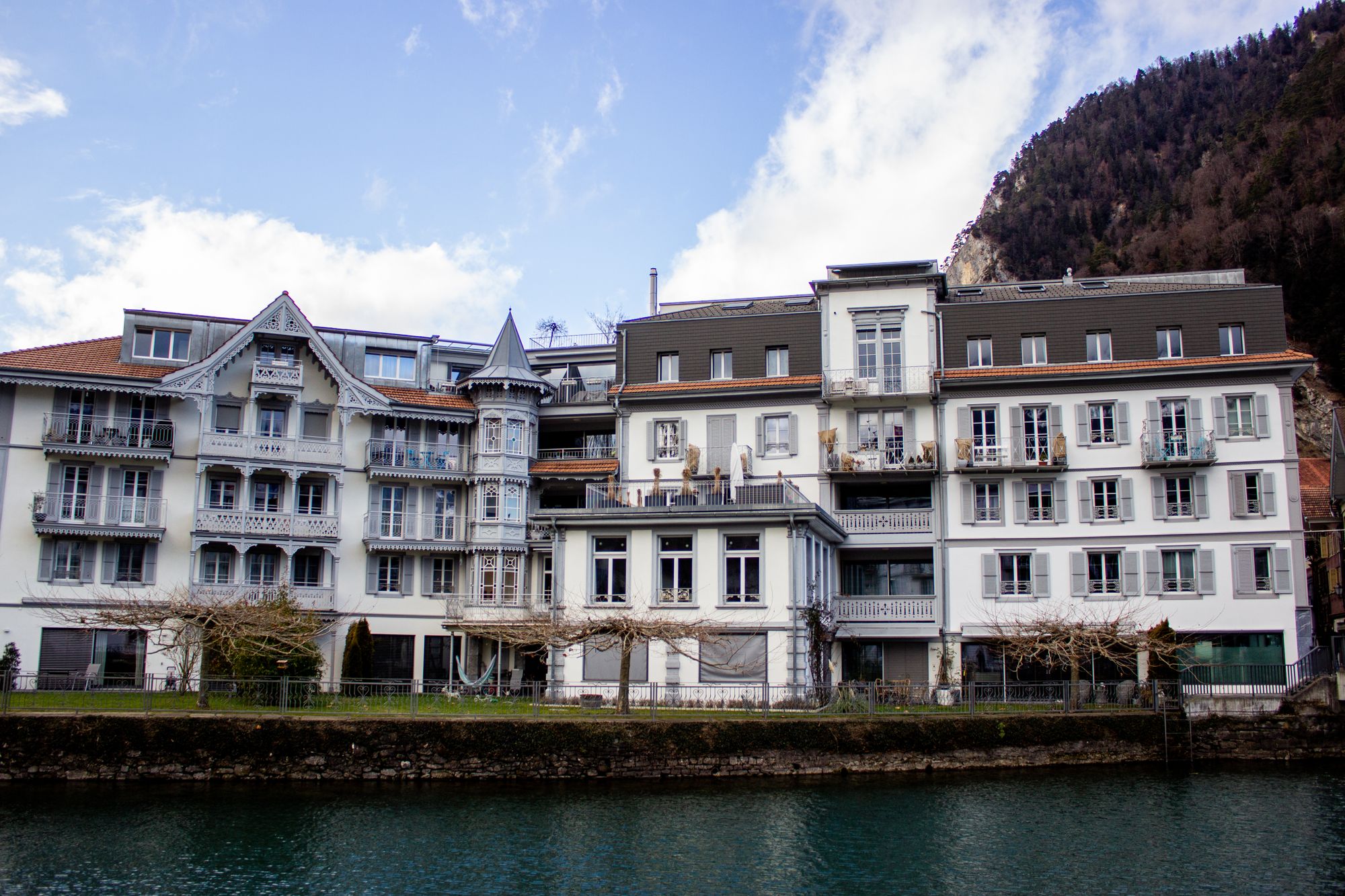
Interlaken, Switzerland: Interlaken sits on the flat alluvial strip between Lake Thun and Lake Brienz, the name meaning simply between the lakes.
Read the Interlaken guideExplore the rest of Interlaken
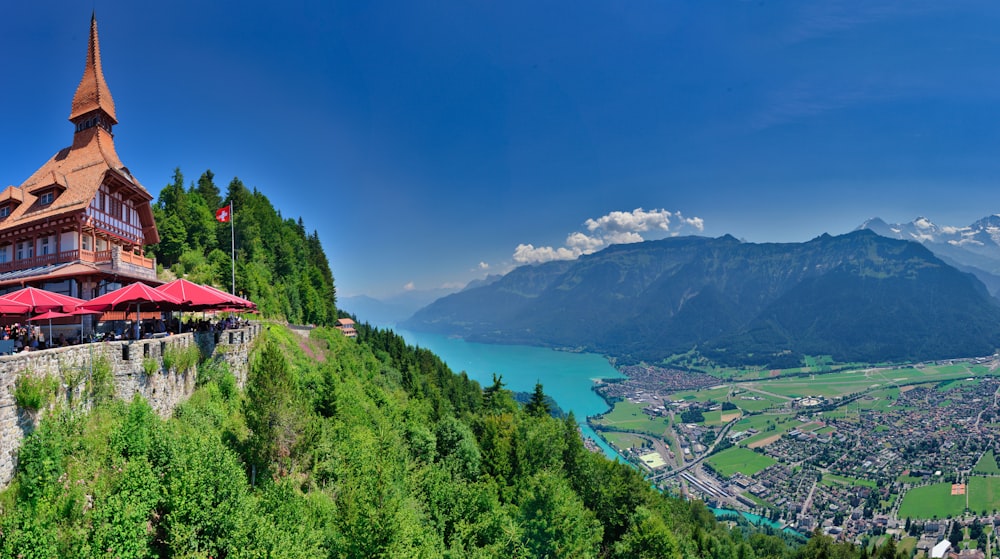
Harder Kulm stands at 1,322 metres directly above Interlaken, reached by a steep funicular that climbs from the edge of town in about ten…
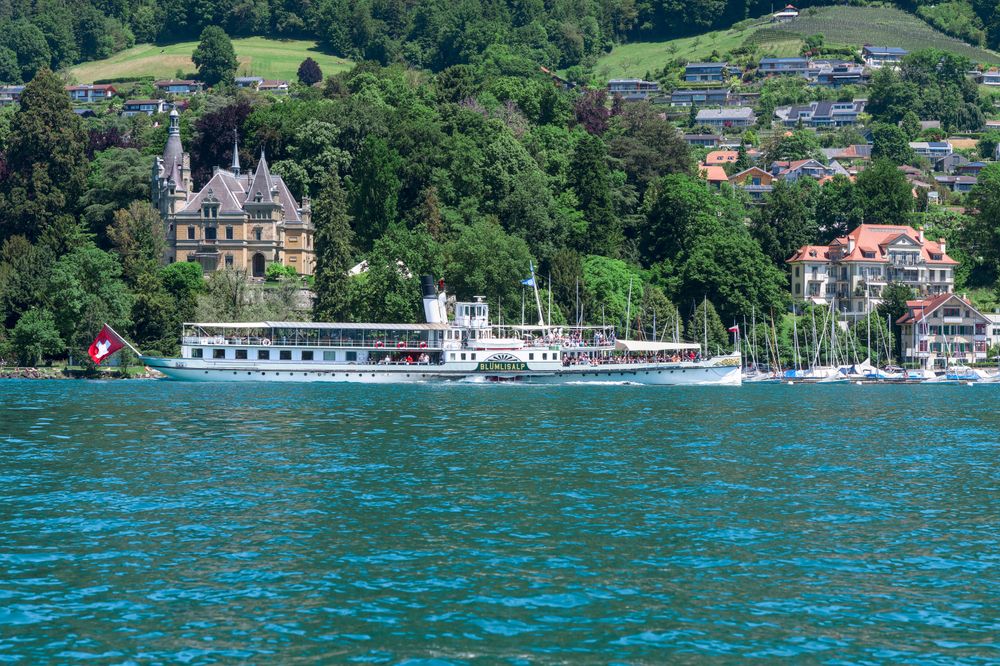
Scheduled boats work both lakes from piers beside Interlaken Ost and Interlaken West, including restored paddle steamers on each. Lake…
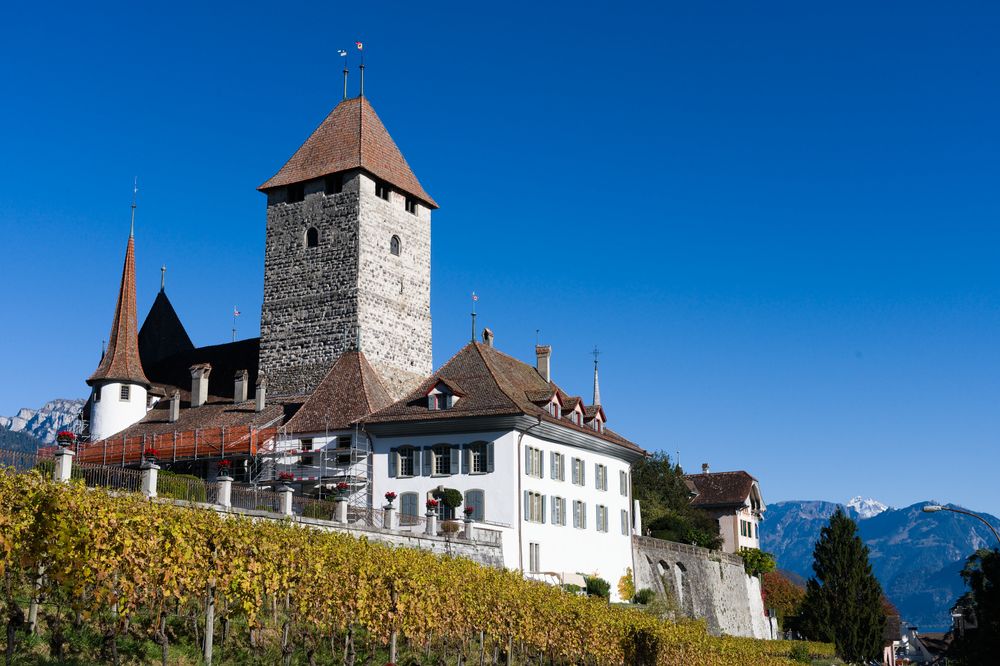
Above Spiez Bay on Lake Thun, this castle stands among vineyards, with a Romanesque church beside it and a tower that looks out over the…
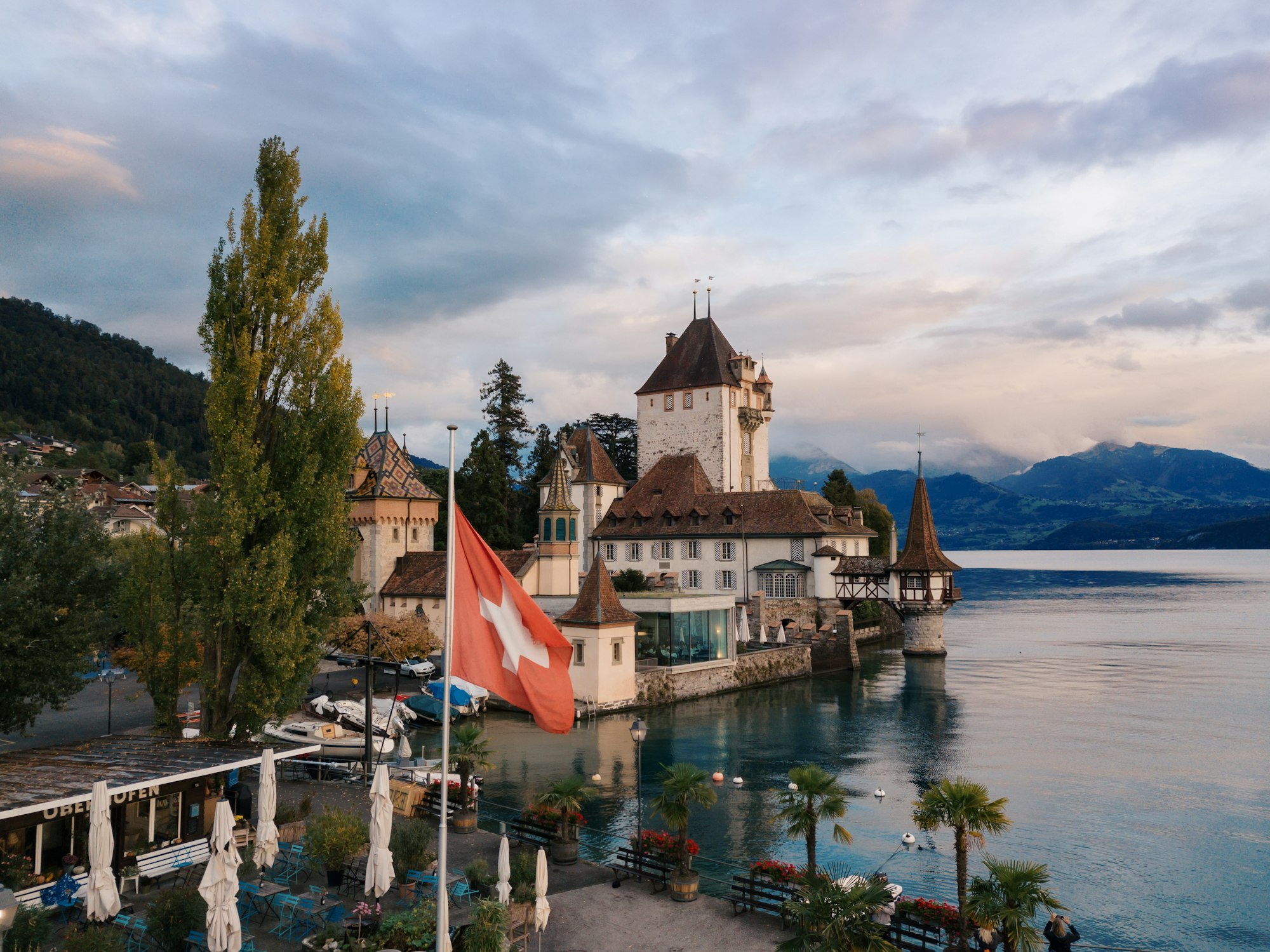
A castle standing in the water on the north shore, thirteenth century with a Turkish smoking room added in the nineteenth, in an English…
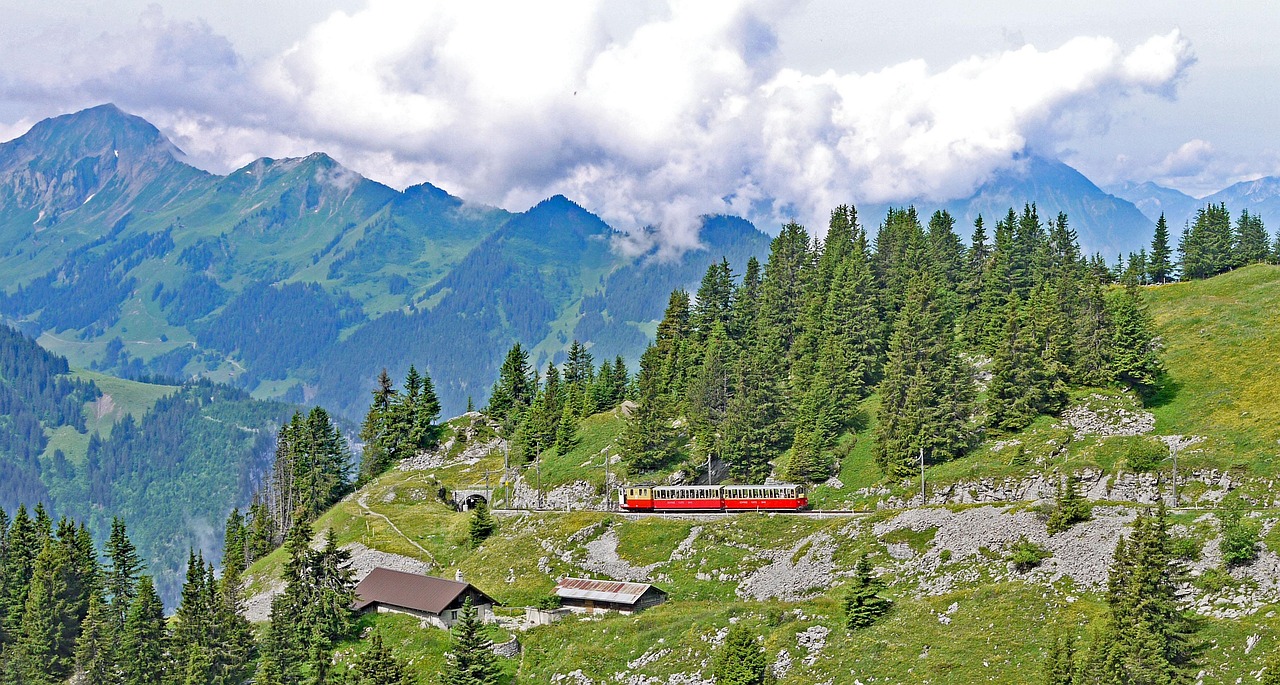
A rack railway opened in 1893 climbs from Wilderswil to Schynige Platte at just under two thousand metres, still running its original…
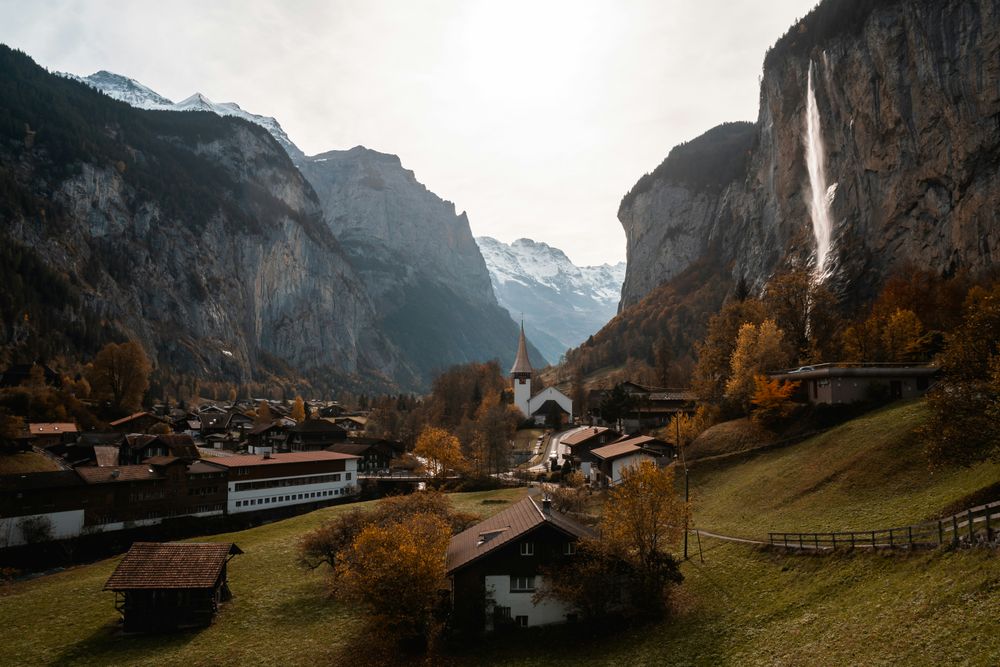
Lauterbrunnen is a village on the floor of a glacial trough in the Bernese Oberland, wedged between vertical limestone walls that rise more…
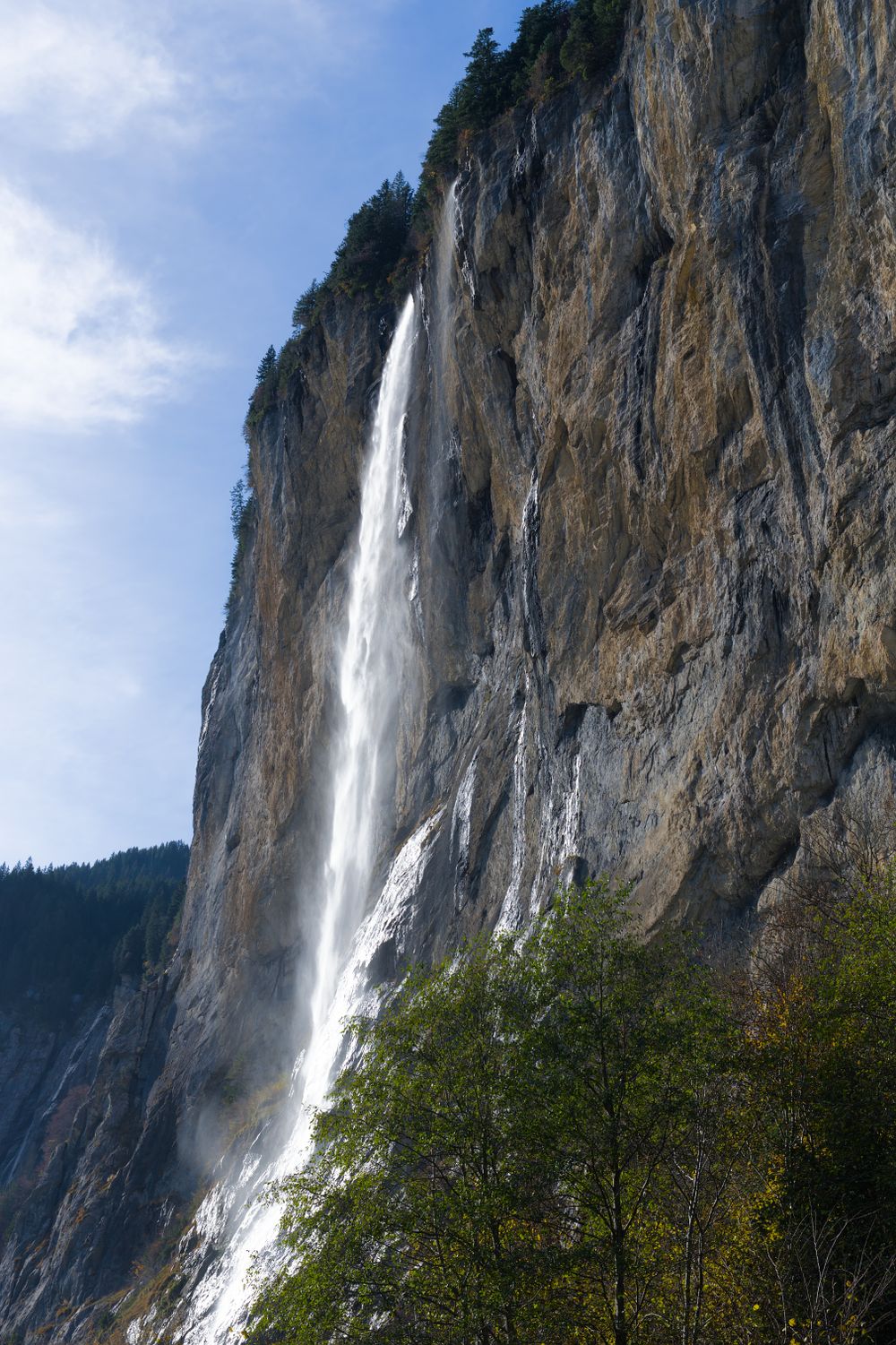
Staubbach drops close to three hundred metres in a single unbroken fall from a hanging valley above Lauterbrunnen, and is one of the…
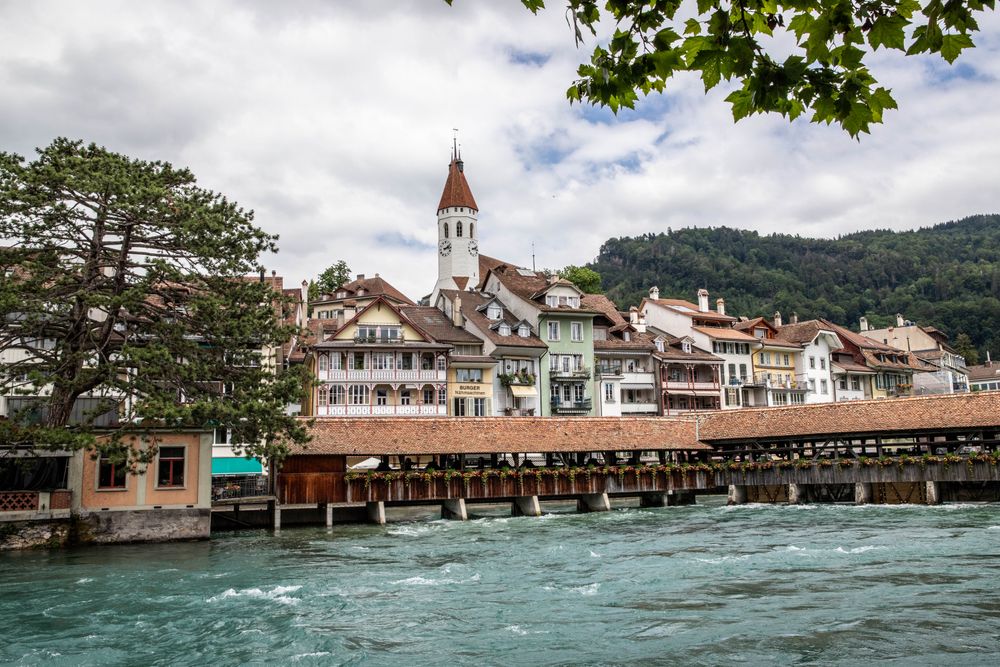
A town where the Aare leaves Lake Thun, with a twelfth-century castle keep on the hill and a main street whose pavements run along the…




Save St. Beatus Caves to your Switzerland trip in the Meridian Dispatch app and build the day around it, with the best of Interlaken pinned on one map.
Download on the App StoreLast updated