 Submit a photo
Submit a photo
Submit a photo
Ninety seconds on Blue Mosque
Free to enter and still used for daily prayer, the Blue Mosque lets you walk into a working prayer hall lined in blue Iznik tile, if you time it between one call to prayer and the next.
Its name comes from the blue Iznik tiles inside. There are 21,043 of them on the walls of the prayer hall, in more than fifty designs, and the hall around them is bright.
The finest tiles are on the walls of the upper gallery on the north side. They are the hardest to see, because the gallery sits high above the floor.
Outside, six minarets flank the mosque, and a large courtyard fronts it. Porticoes run round the courtyard on 26 columns, under 30 domes.
In 2013 the northwest minaret was found to have shifted over time. The restoration that followed, the most comprehensive in the mosque's 400-year history, took six years; the scaffolding is now off the minarets, and the mosque reopened in April 2023.
Visitors usually go in by one of the two side doors on the outside of the prayer hall, and there is often a line to join.
At the door you take off your shoes and put them in a clear plastic bag, provided free, then carry them with you. If your clothes fall short of the dress rule, the mosque lends you a scarf, skirt or robe free of charge.
Inside, take your time with the tiled walls of the prayer hall. Then cross to the north side and stand well back from the wall, so you can look up into the gallery where the finest tiles are. Put your shoes back on at the door as you leave.
Look up the day's prayer times before you set out. The Presidency of Religious Affairs (Diyanet) publishes Istanbul's times daily, and the visitor closures follow them, so you can plan the visit into an open window.
The mosque also posts its closing times outside. If you arrive close to a prayer, read them before you join the line.
Explore the rest of Istanbul
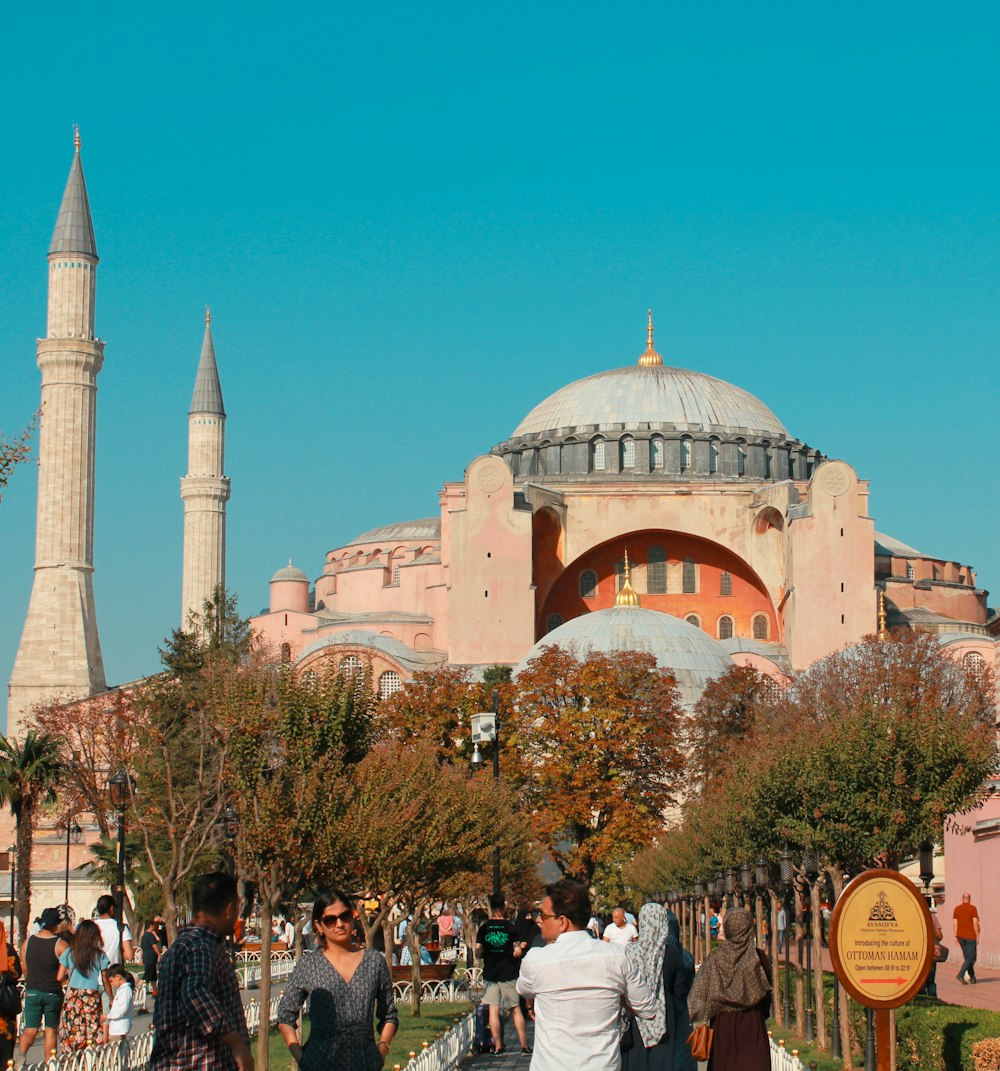
Built in 537 CE under Byzantine Emperor Justinian, this massive domed structure served as a cathedral, mosque, and museum before becoming a…
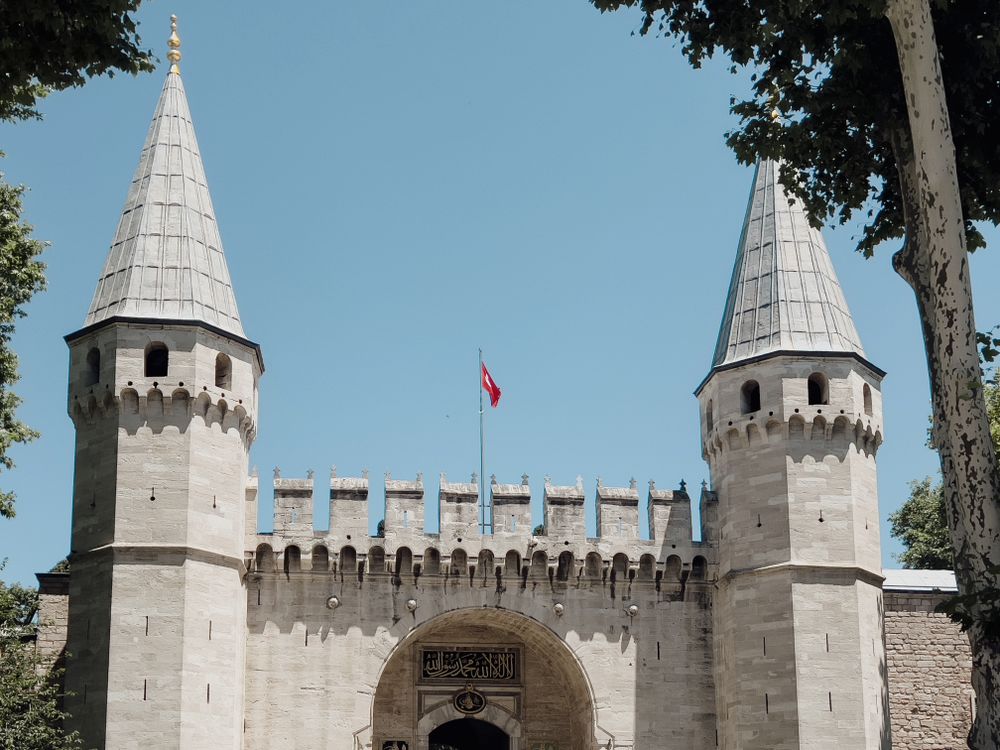
The residence and administrative center of Ottoman sultans from the 15th to 19th centuries, now a museum containing the palace treasury,…
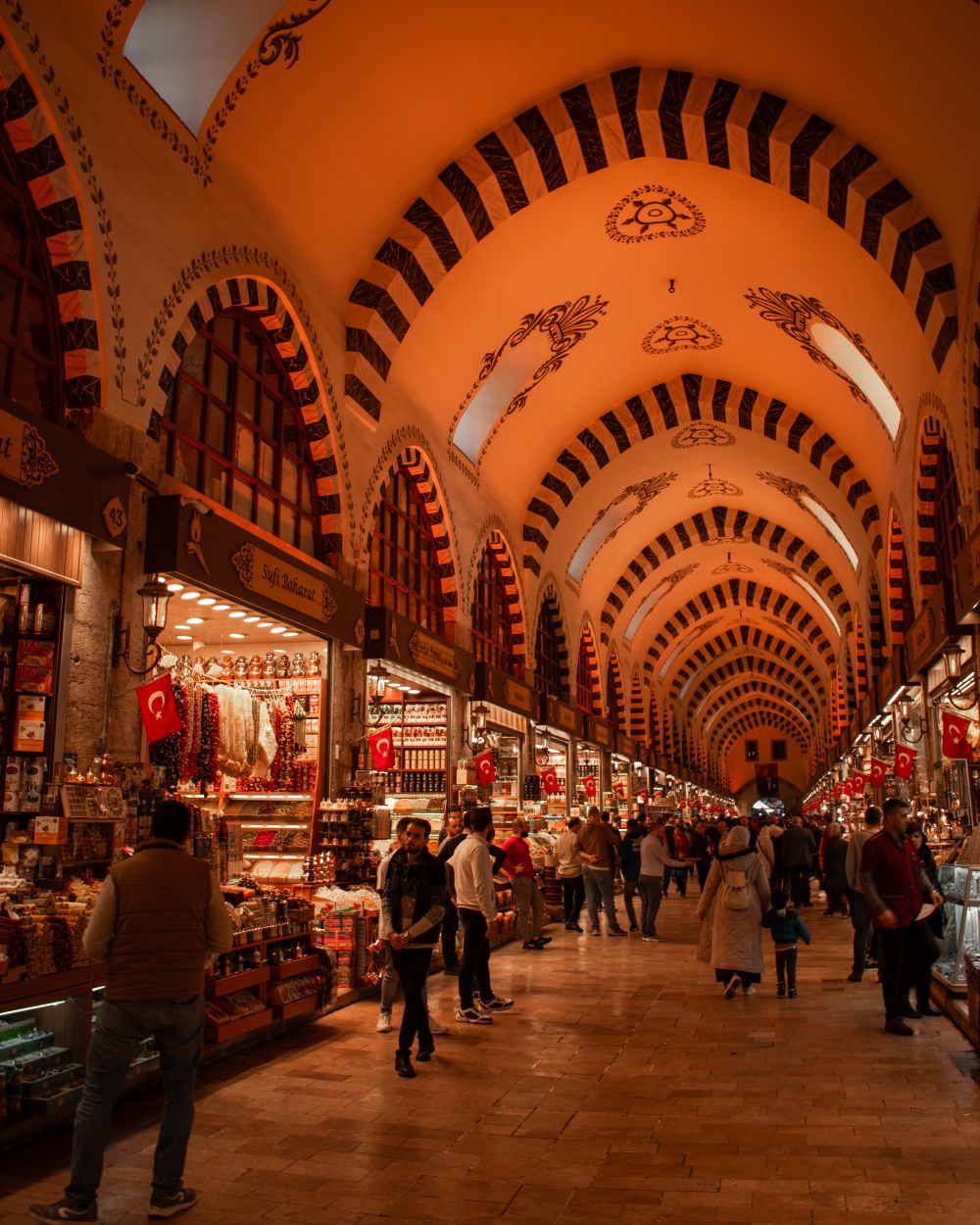
A covered market of vaulted streets between the Beyazıt and Nuruosmaniye mosques, selling jewellery, carpets, lanterns and hand-painted…
The official pages this guide was checked against.
Last updated