Things to do
30-
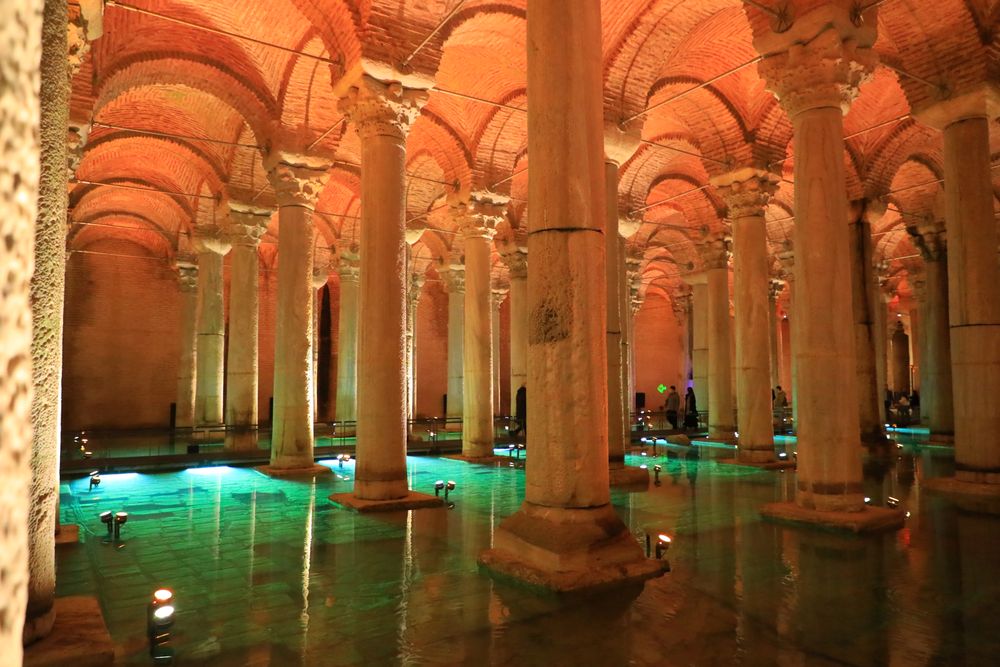
Basilica Cistern
A 6th-century underground water reservoir built during the reign of Emperor Justinian, featuring 336 marble columns supporting the vaulted ceiling. It supplied water to the Byzantine imperial district.
-
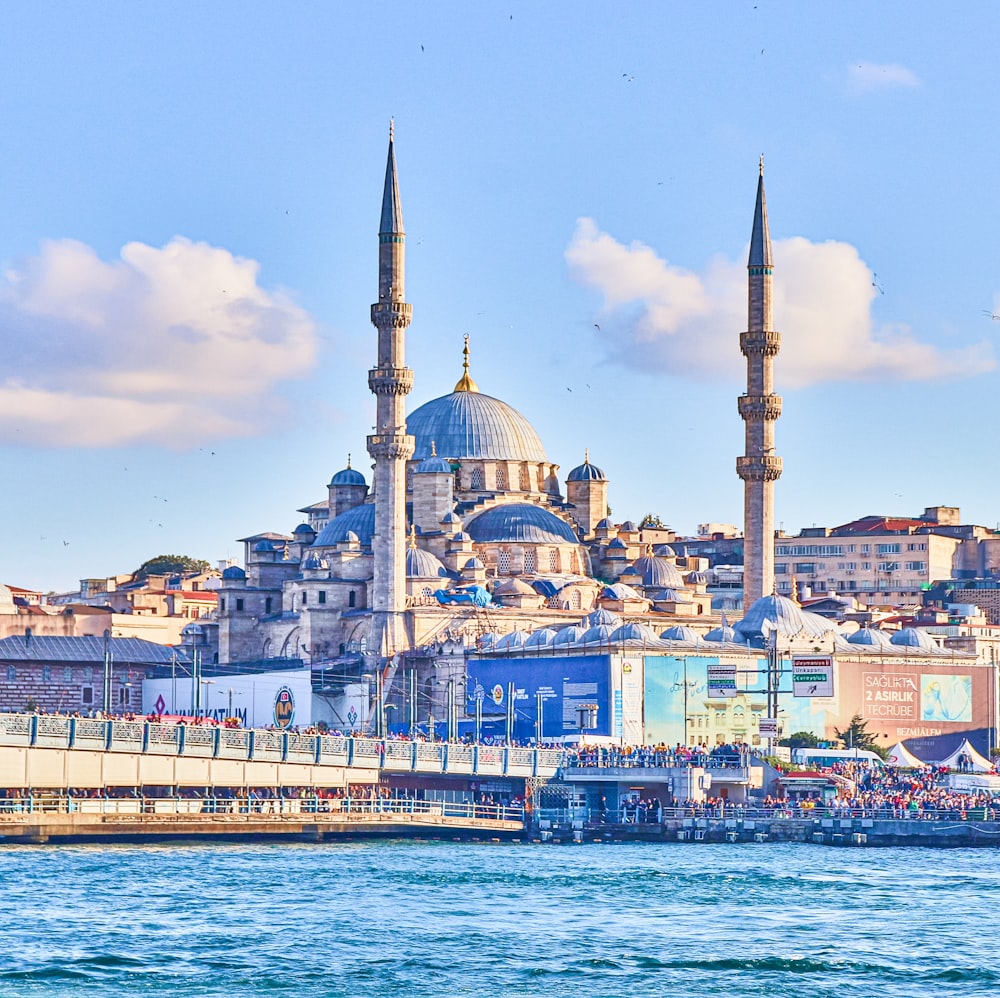
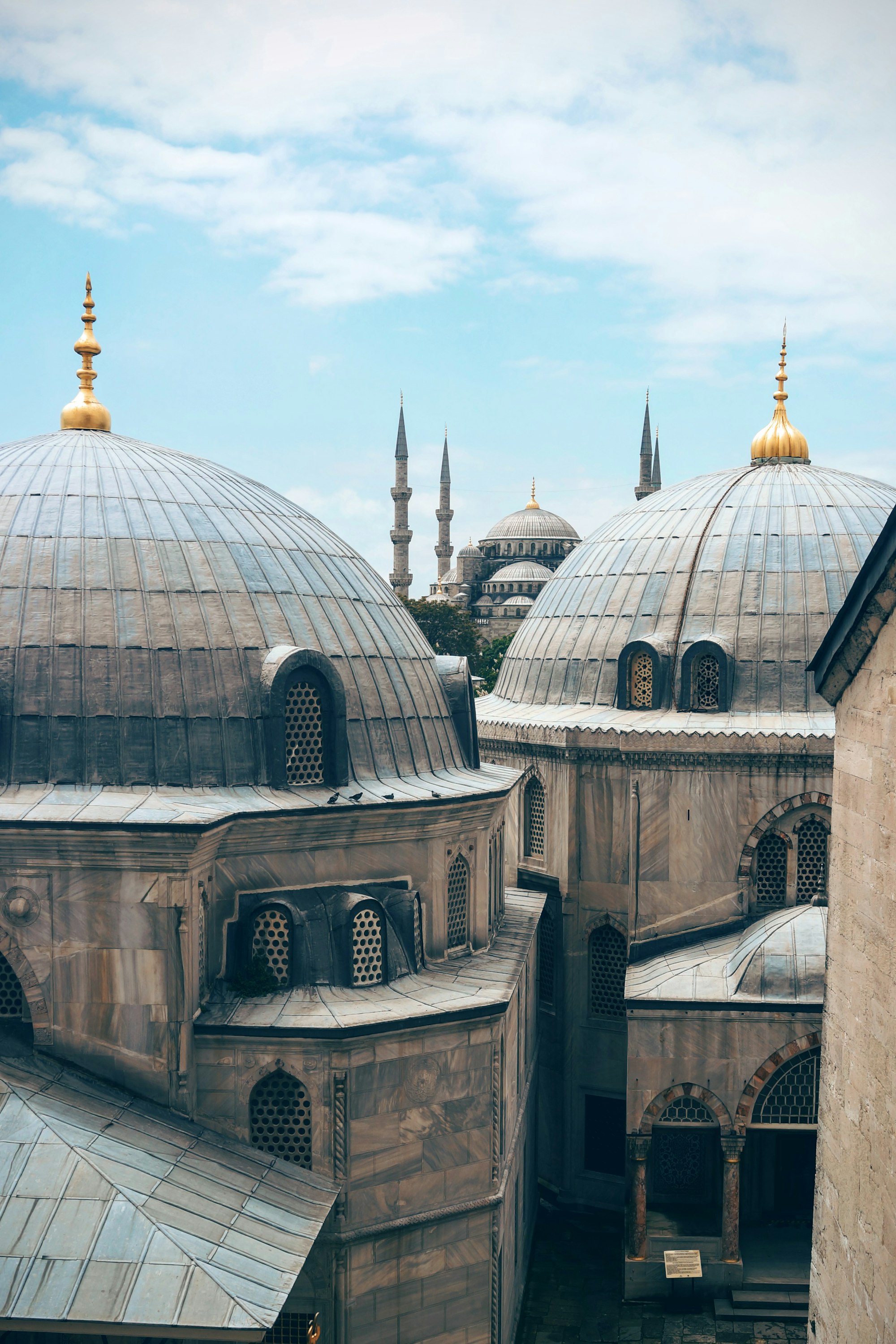
Blue Mosque
Constructed between 1609, 1616, this Ottoman mosque features six minarets and an interior decorated with over 20,000 blue Iznik tiles. It sits directly across from Hagia Sophia in the Sultanahmet district.
-
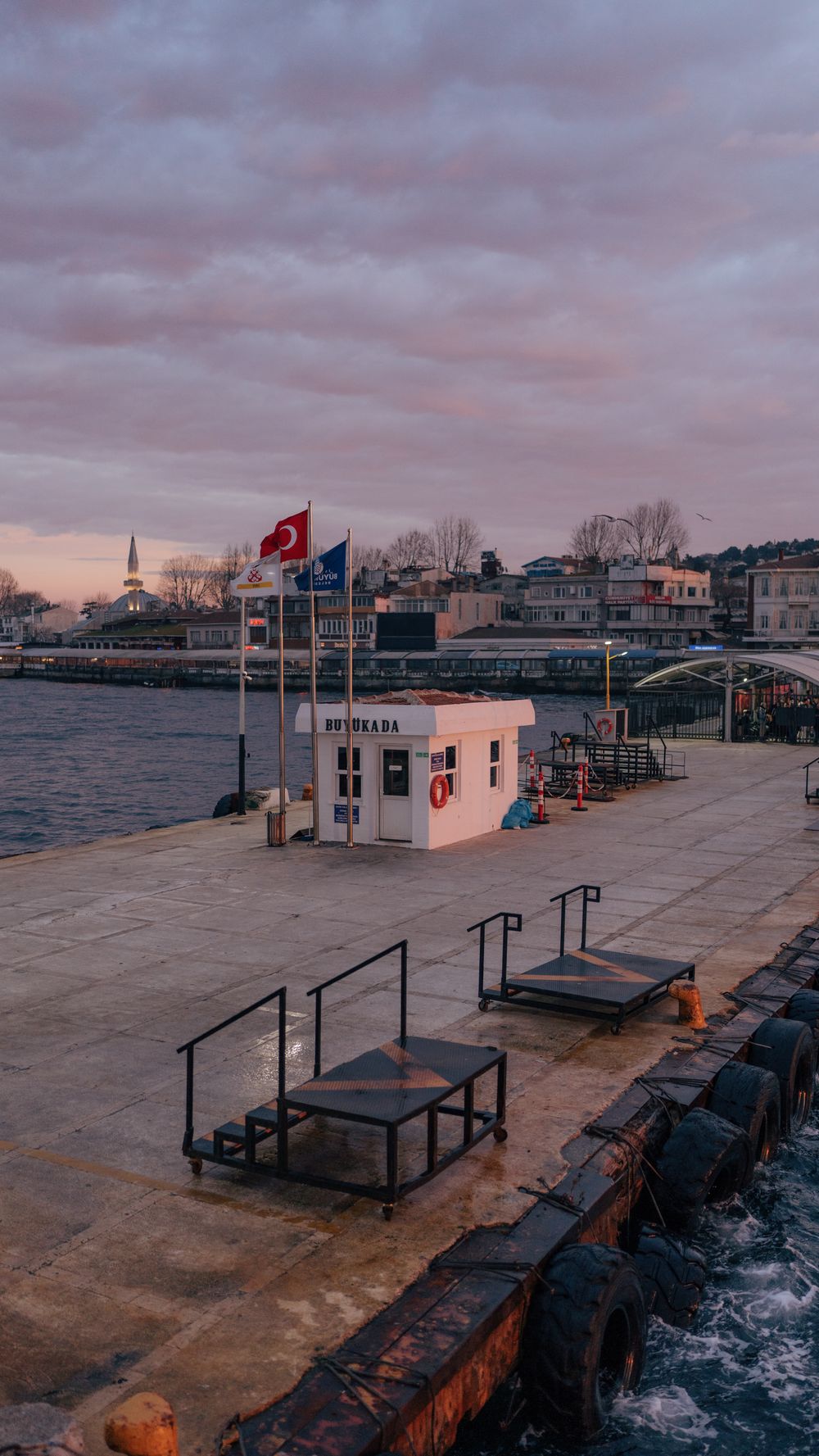
Büyükada
The largest of the Princes' Islands in the Sea of Marmara, accessible by ferry from Eminönü, featuring Victorian-era mansions and car-free streets. It has been a summer retreat since Byzantine times.
-
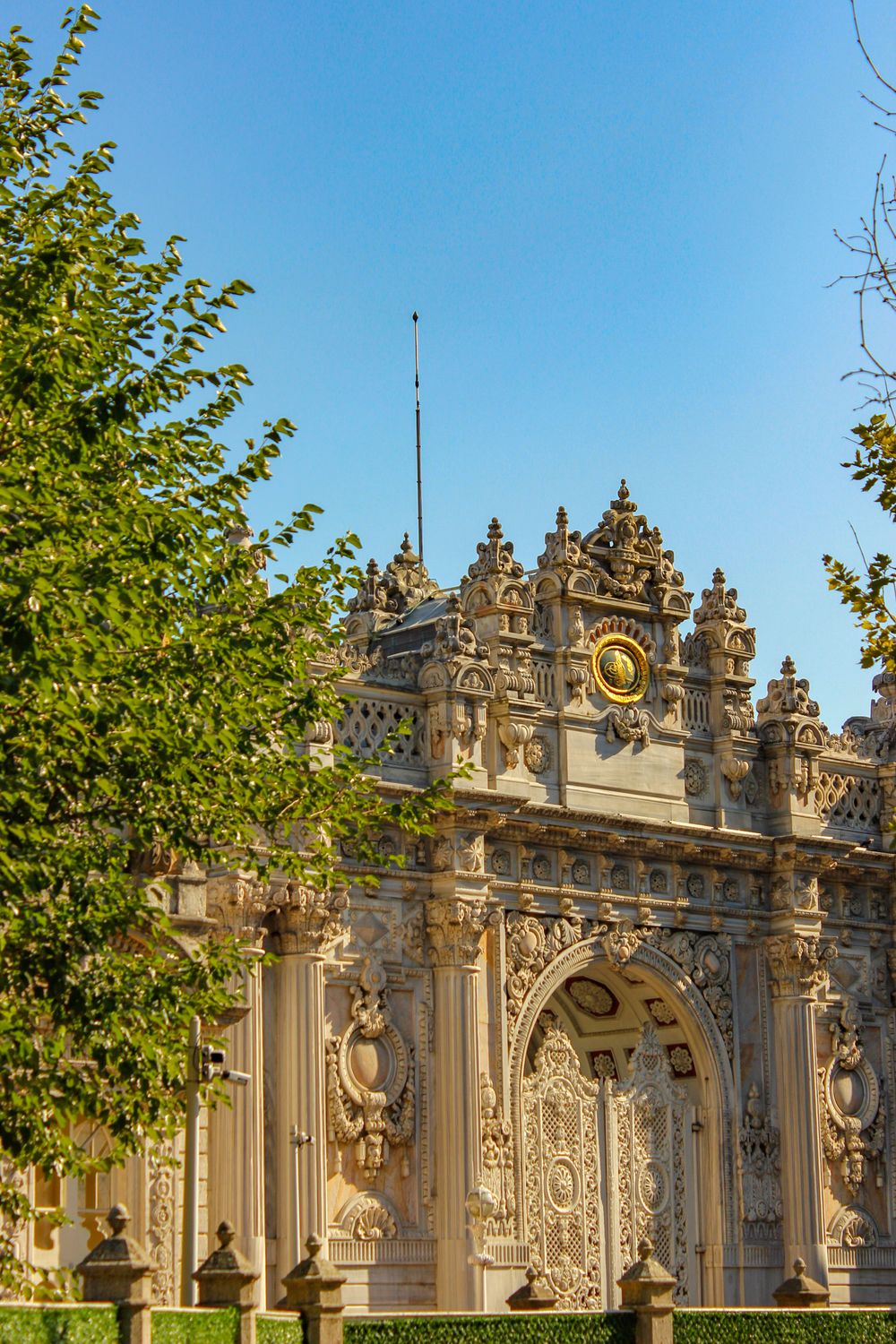
Dolmabahçe Palace
An ornate 19th-century Ottoman palace on the Bosphorus with 285 rooms, featuring European neoclassical and Baroque architecture. It served as the residence of later Ottoman sultans and Turkish presidents.
-
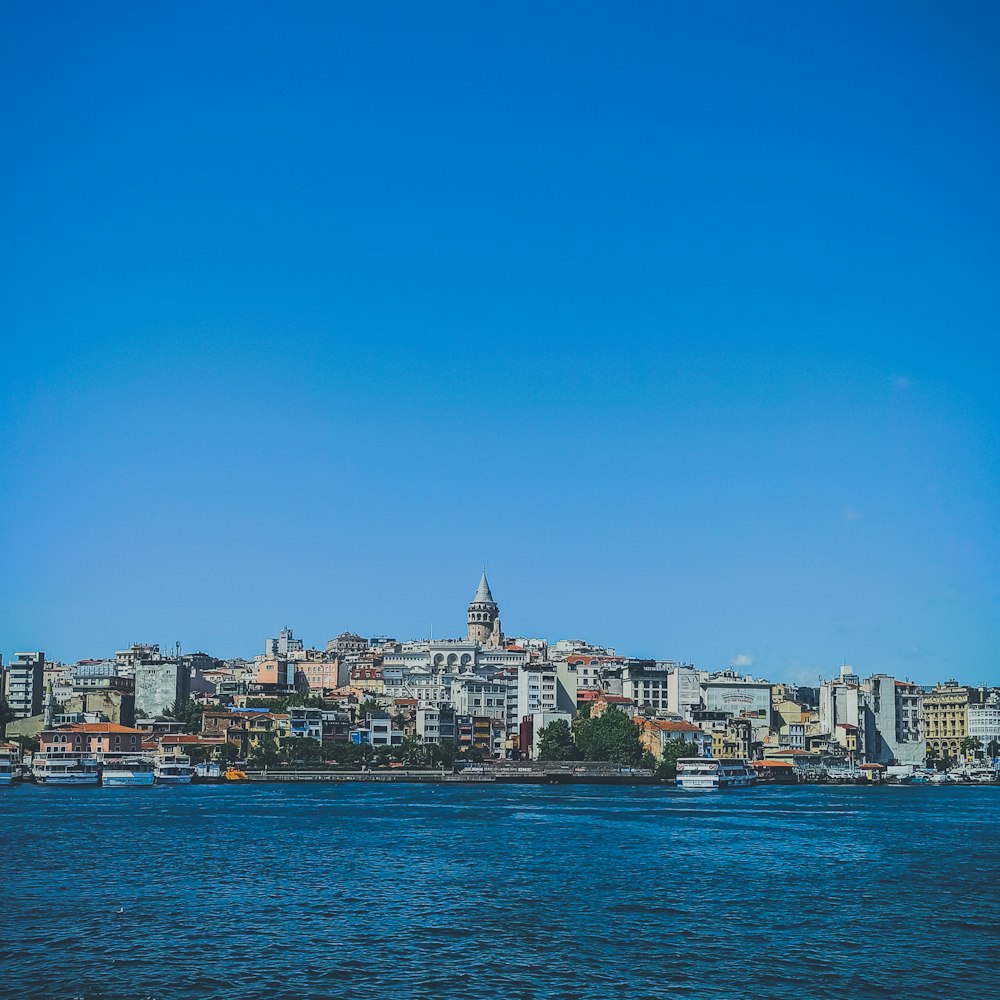
Galata Tower
A 14th-century Genoese tower standing 67 meters tall, offering panoramic views of Istanbul's three sides of water and the city skyline. The observation deck is accessible by elevator or stairs.
-
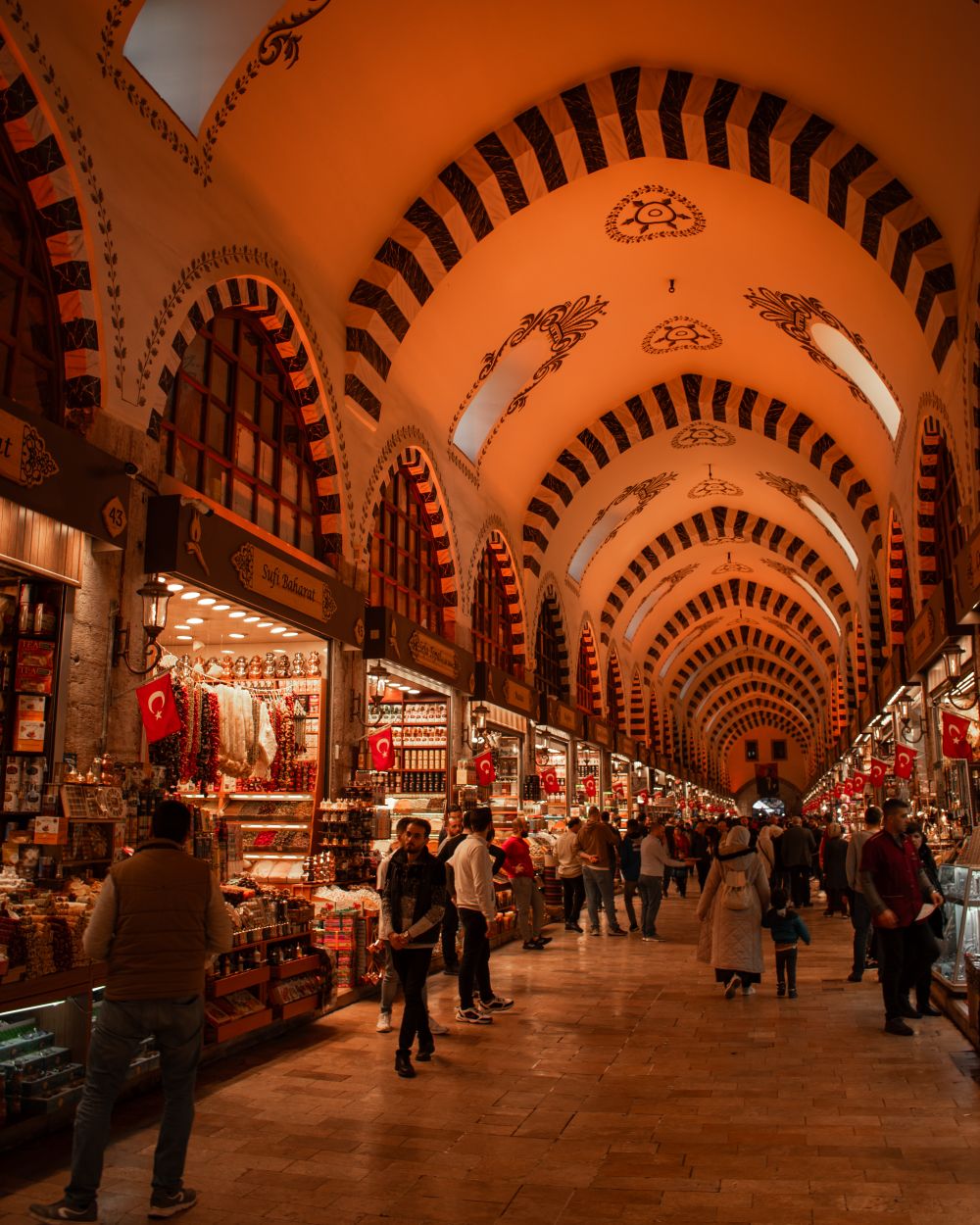
Grand Bazaar
Operating since the 15th century, this sprawling covered market contains over 4,000 shops selling carpets, spices, jewelry, and textiles. It is one of the largest and oldest covered bazaars in the world.
-
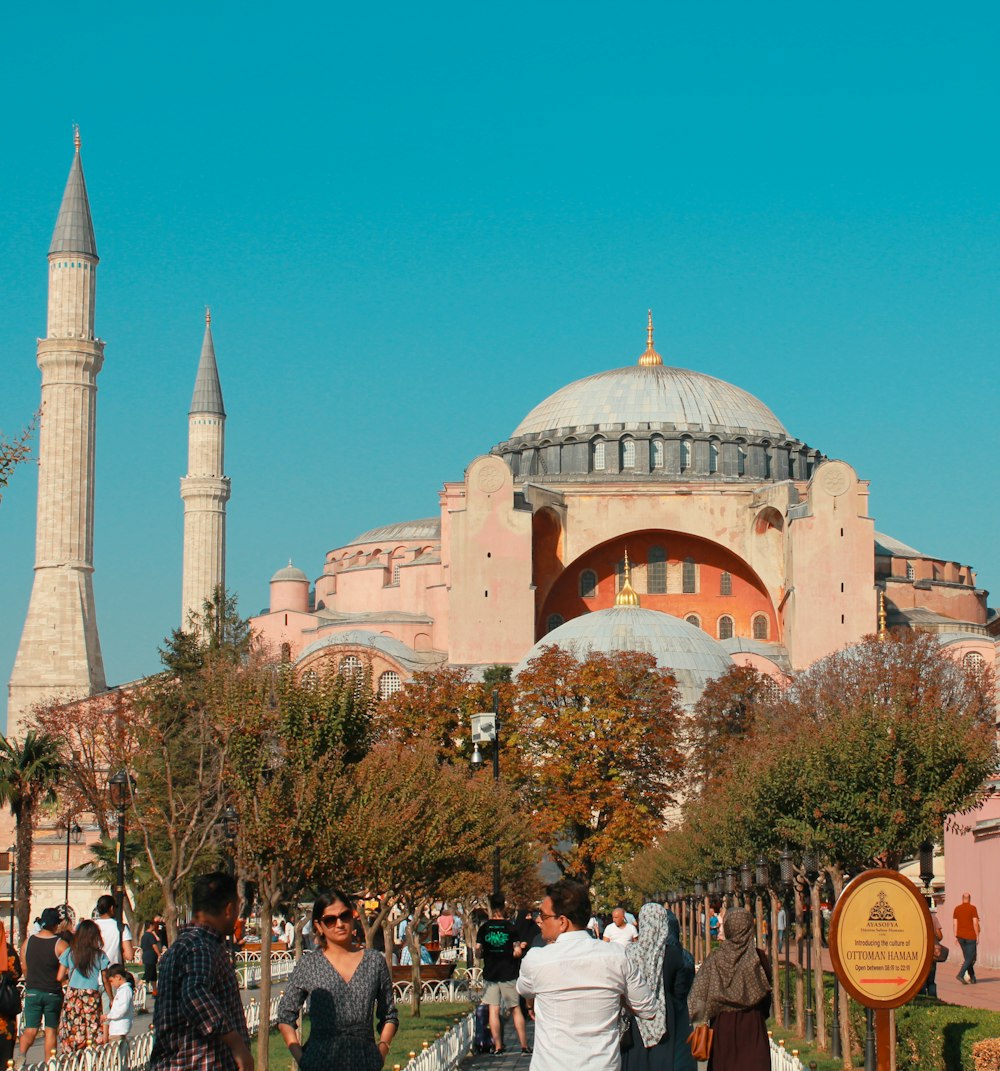
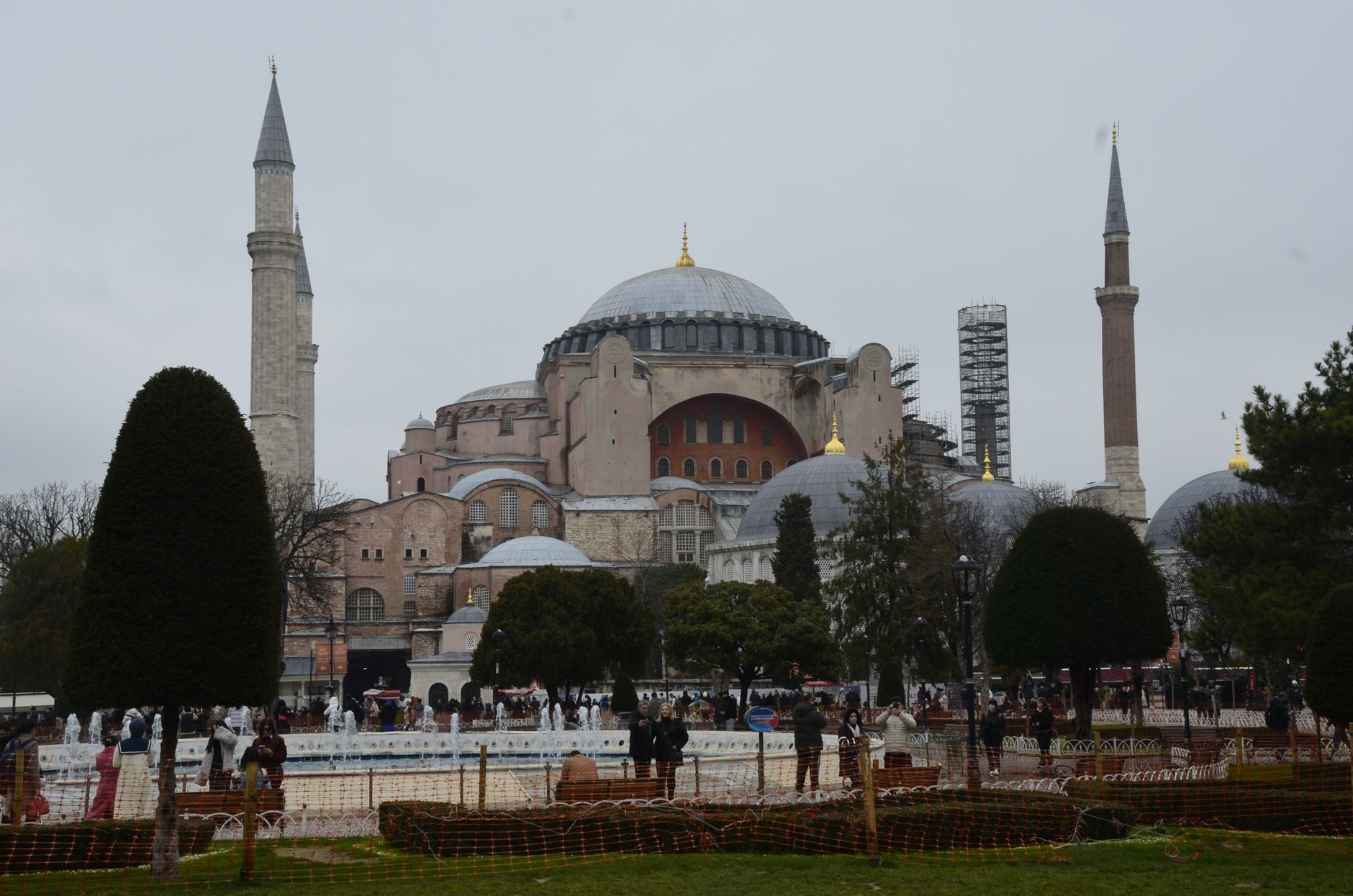
Hagia Sophia
Built in 537 CE under Byzantine Emperor Justinian, this massive domed structure served as a cathedral, mosque, and museum before becoming a mosque again in 2020. It remains one of the world's most architecturally significant buildings.
-
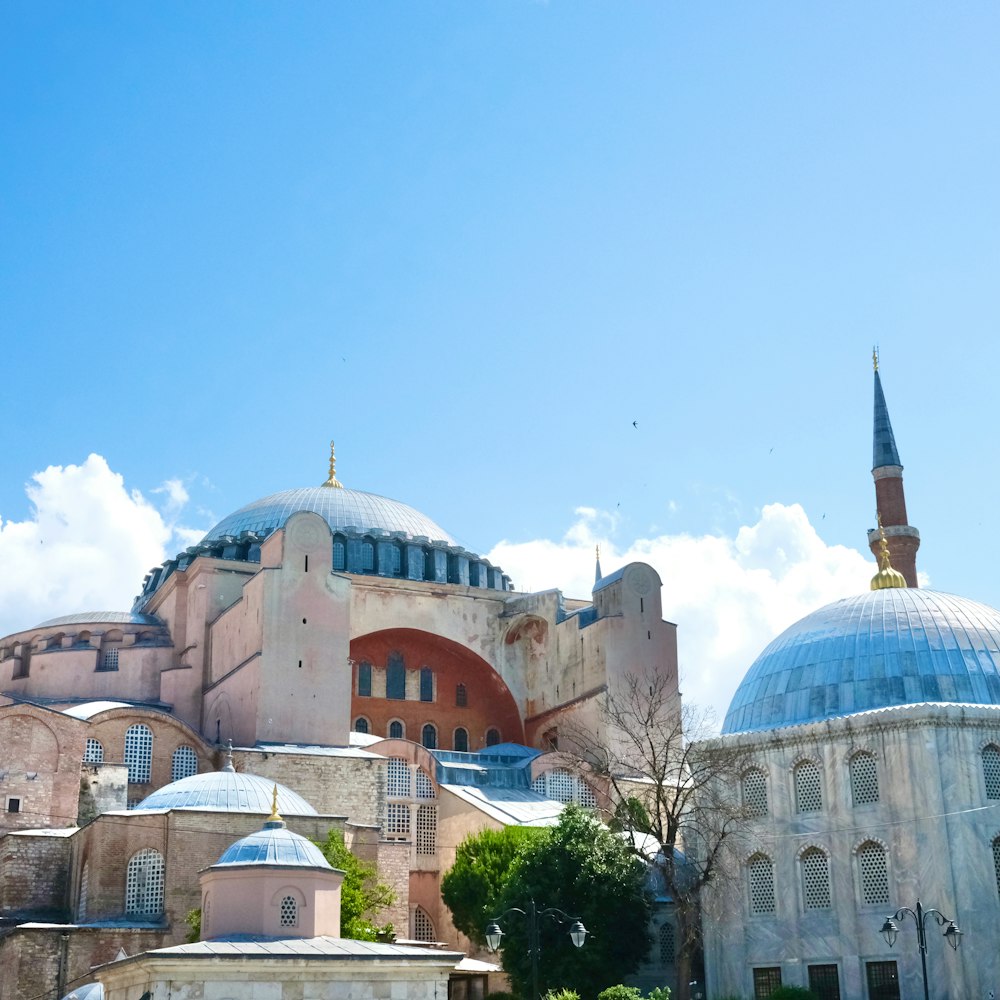
Istanbul Archaeological Museums
A complex of three museums containing artifacts spanning from the Bronze Age to the Ottoman period, including the Alexander Sarcophagus and Nebuchadnezzar's Gate. Located at the edge of Topkapi Palace grounds.
-
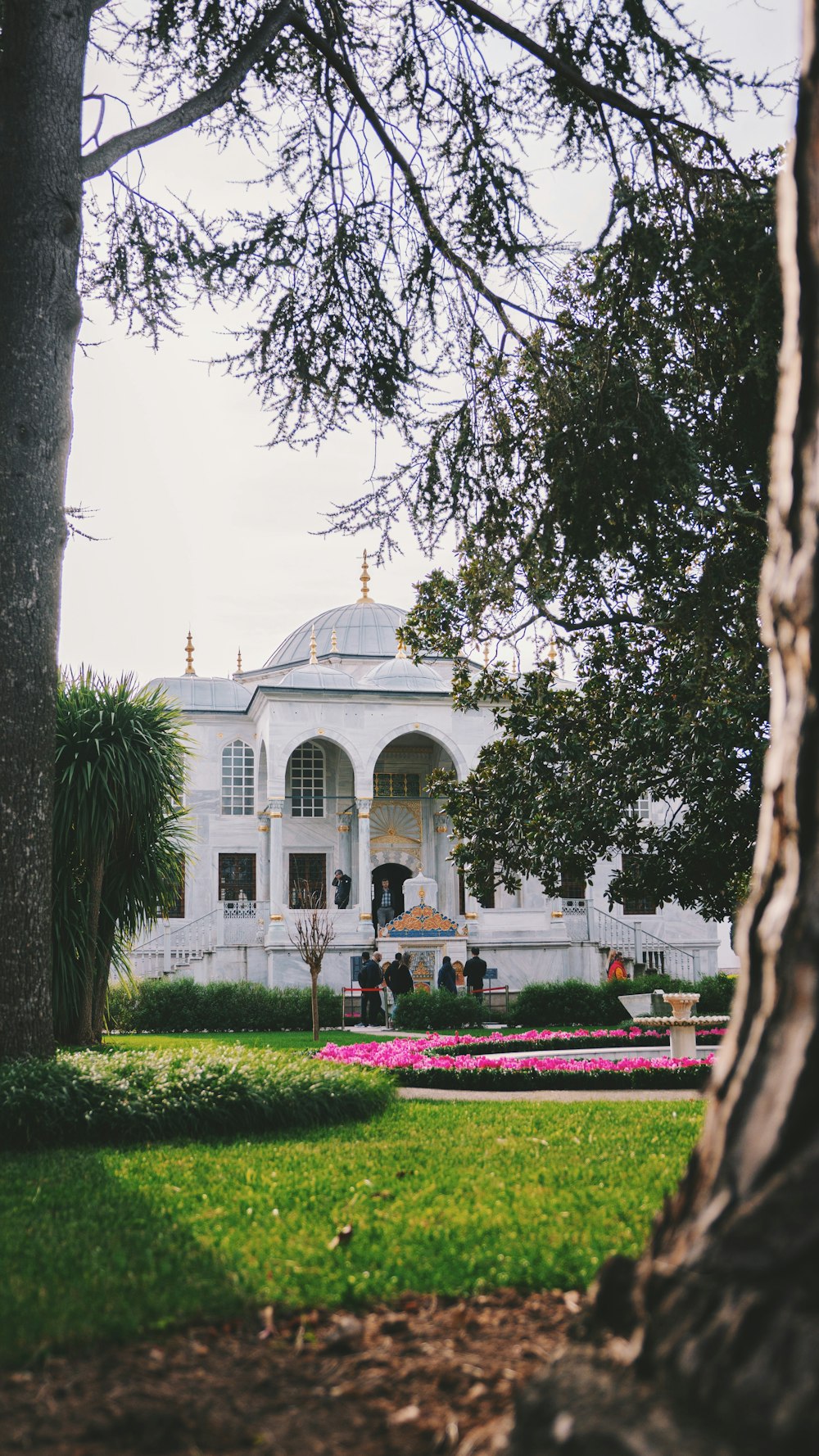
Topkapi Palace
The residence and administrative center of Ottoman sultans from the 15th to 19th centuries, now a museum containing the palace treasury, manuscripts, and the famous spoon collection. It overlooks the Golden Horn and Bosphorus.
-
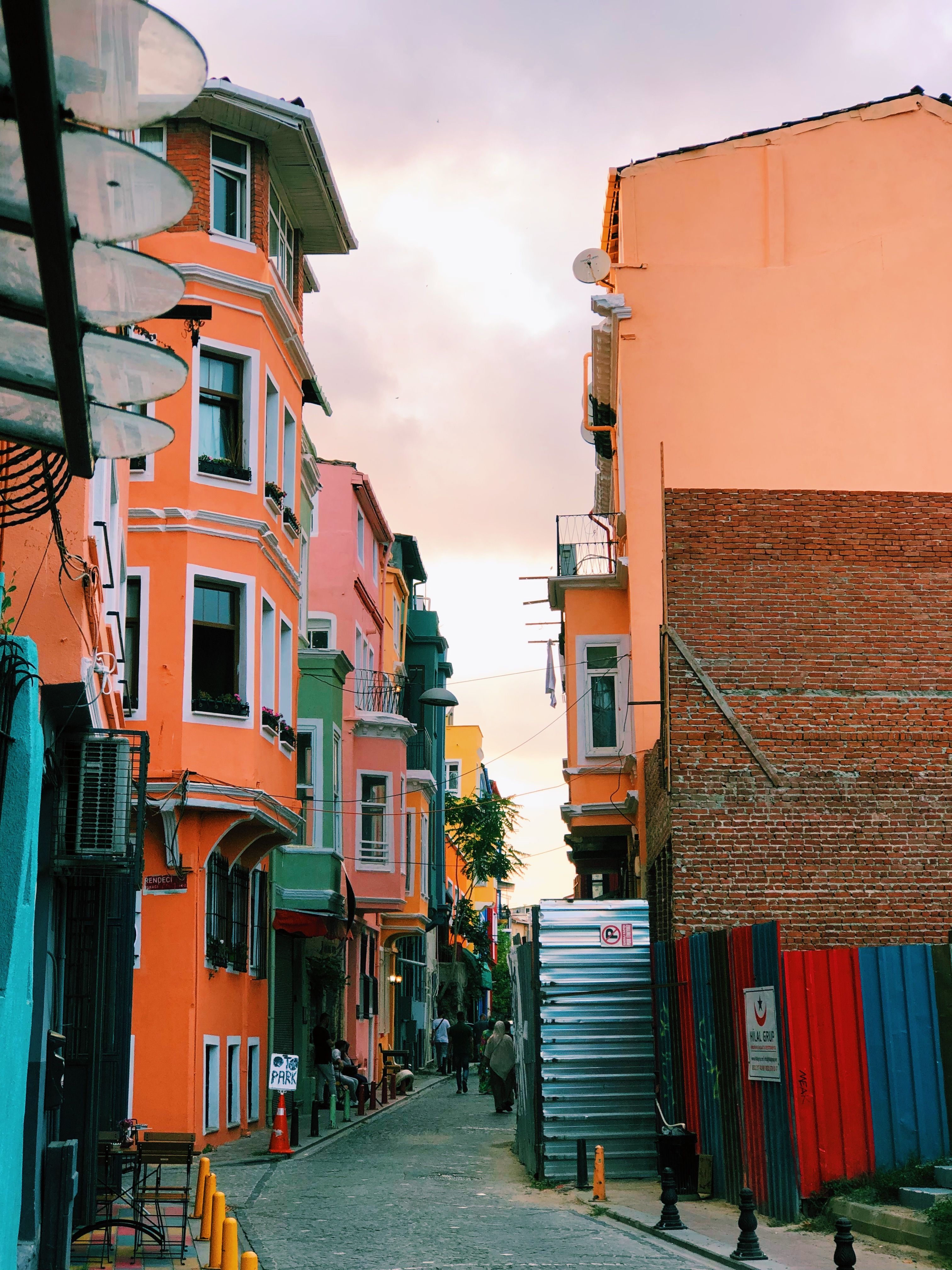
Balat
The old Jewish and Greek quarter on the Golden Horn, a grid of steep lanes and painted timber houses below the Chora hill. It has gentrified fast, and the synagogues and the Bulgarian iron church are the substance under the photography.
-
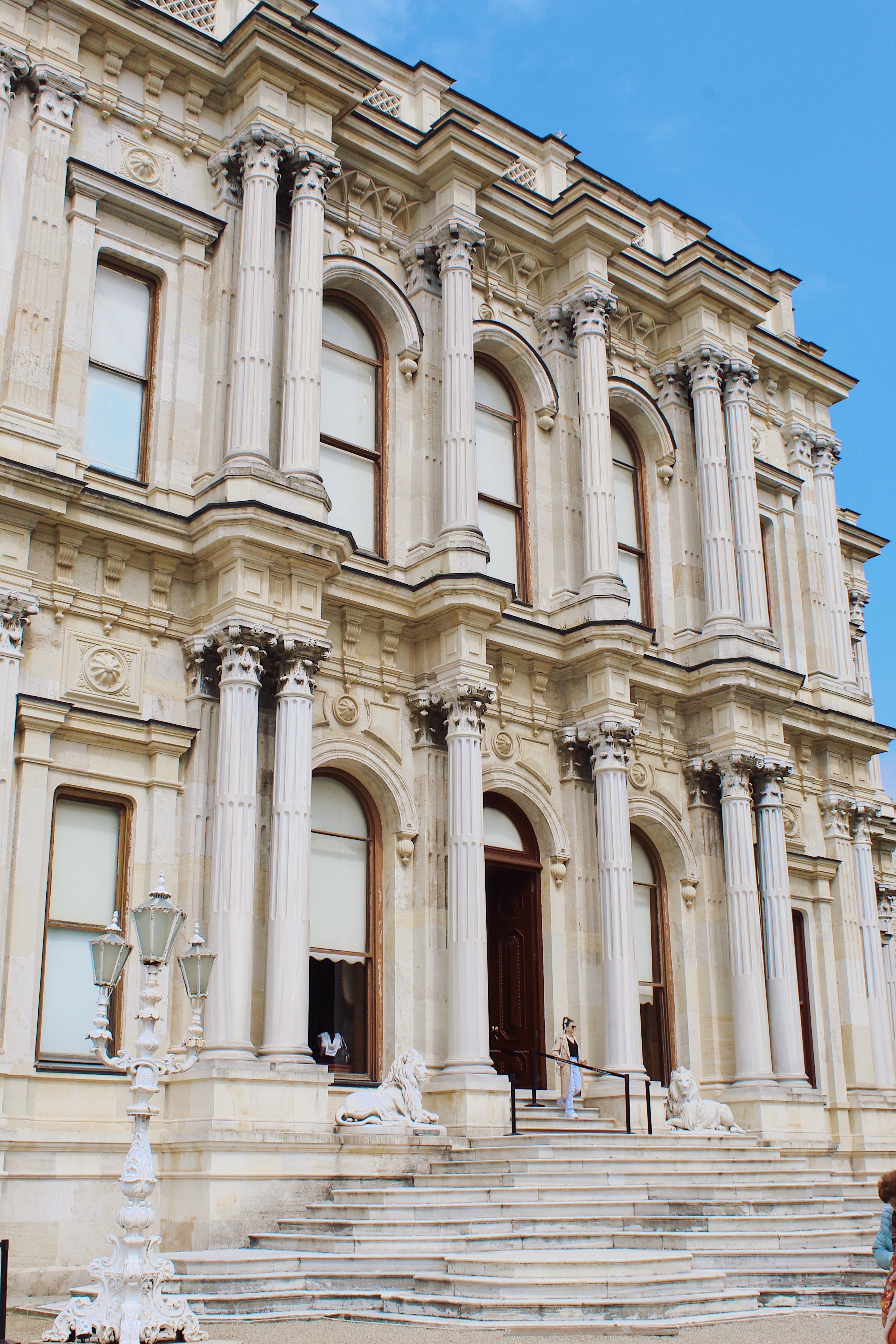
Beylerbeyi Palace
A summer palace of 1865 on the Asian shore, built for the sultans and used to house visiting royalty. It is smaller and far less crowded than Dolmabahçe, and entry is by guided tour.
-
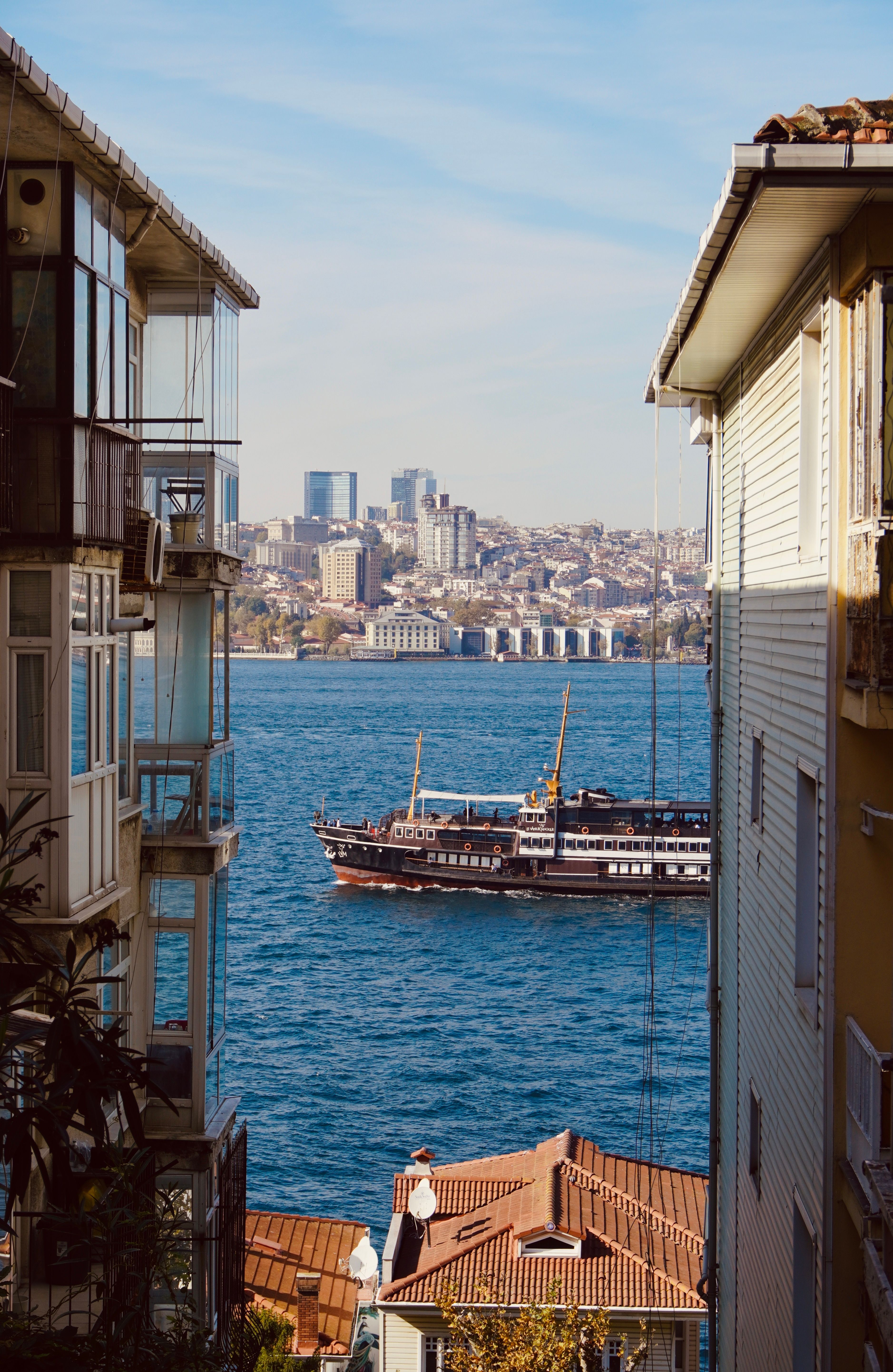
Bosphorus
The strait that separates the two continents, nineteen miles from the Marmara to the Black Sea and lined with wooden yalı mansions, fortresses and villages. Public ferries run the full length from Eminönü and cost a fraction of the tour boats.
-
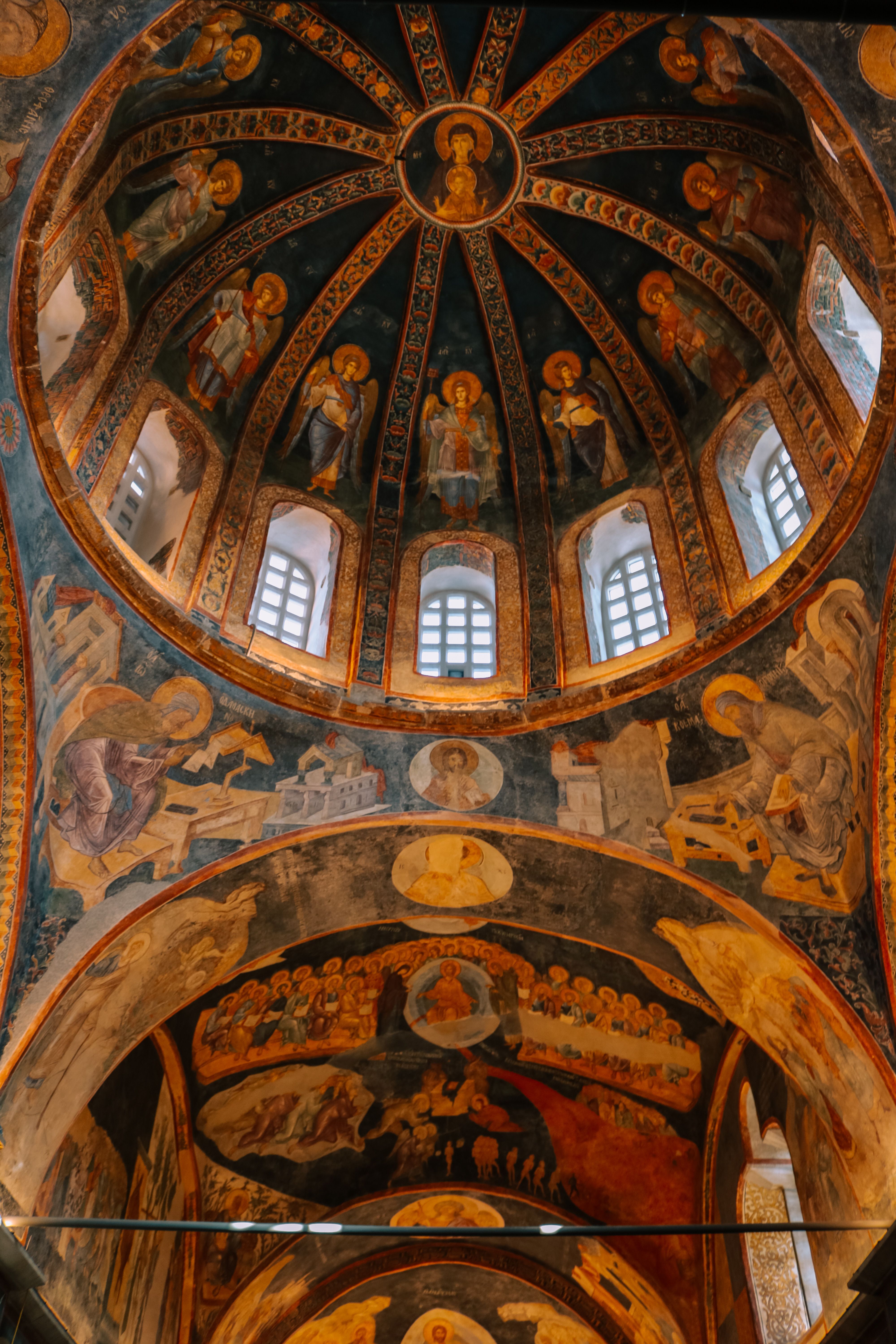
Chora Church
A small eleventh-century church whose fourteenth-century mosaics and frescoes are the finest late Byzantine painting anywhere. It reopened as a working mosque in 2024, so the images in the nave are curtained at prayer times and the side chapels carry the best of the work.
-
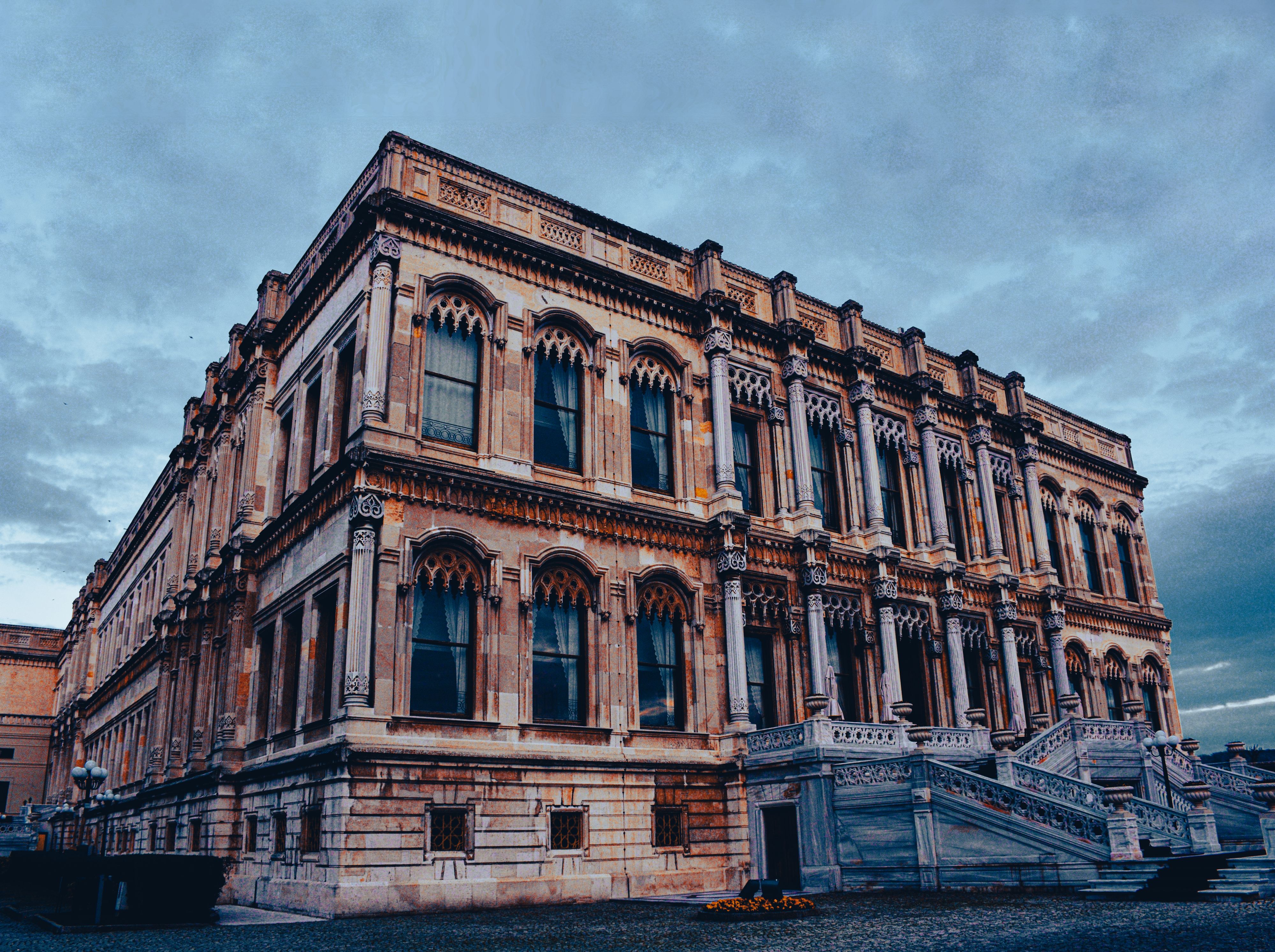
Çırağan Palace Kempinski
A nineteenth-century Ottoman palace on the Bosphorus wall, with a modern hotel wing beside it and a pool set out over the water. The palace rooms themselves are the suites.
-
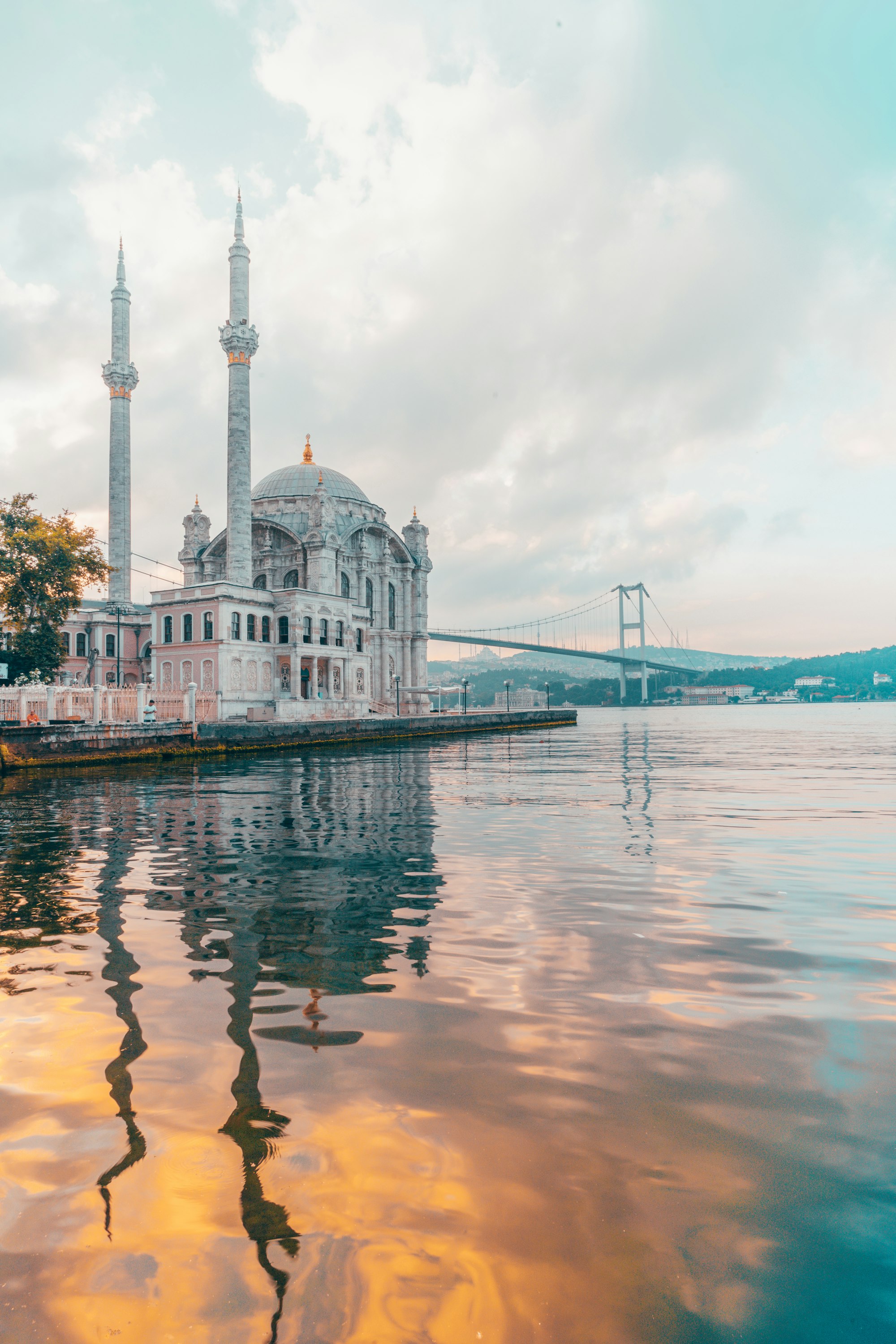
Eyüp Sultan Mosque
The mosque at the head of the Golden Horn built over the grave of a companion of the Prophet, and the most visited pilgrimage site in the city. It is busiest on Fridays and through Ramadan.
-
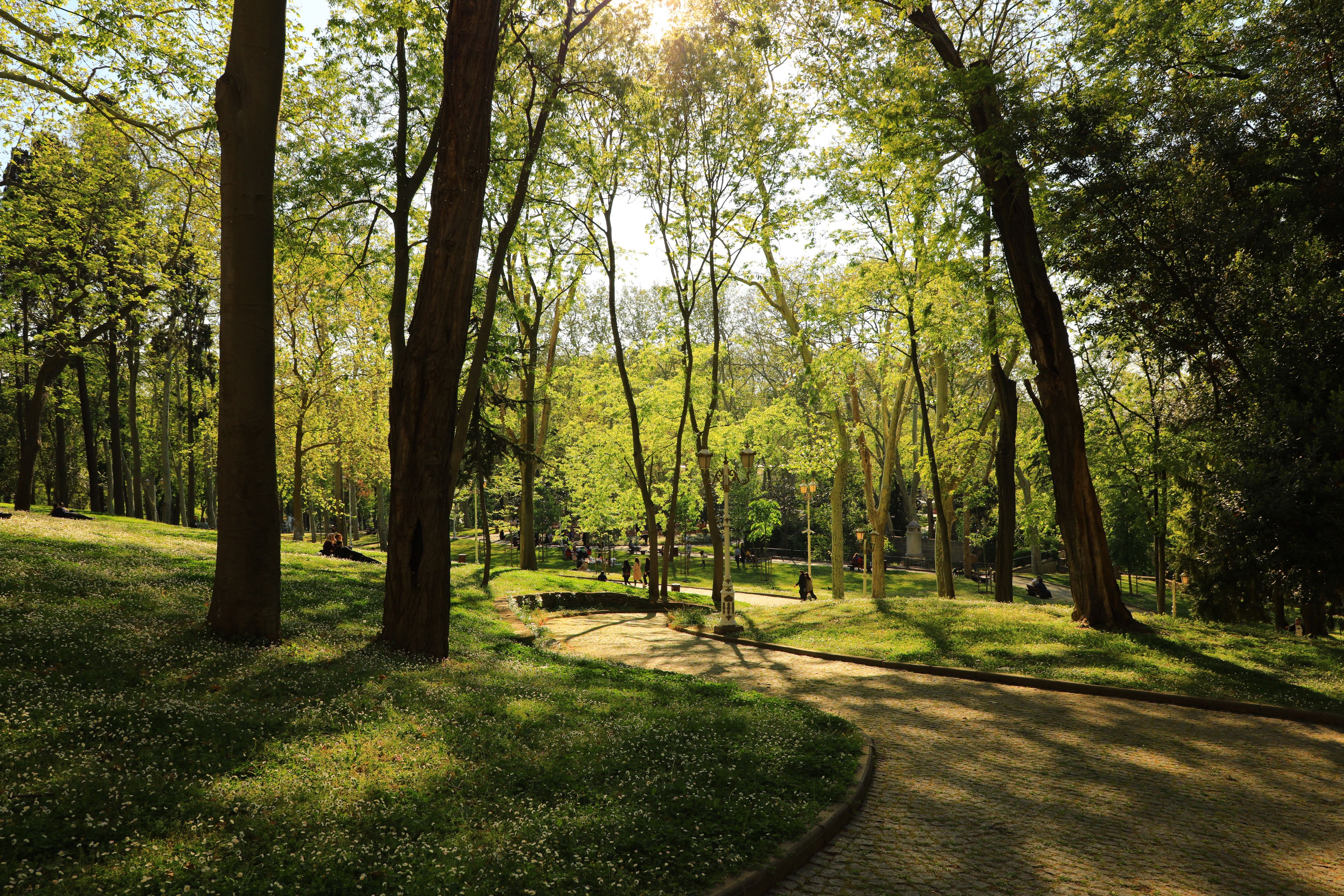
Gülhane Park
The old outer garden of the Topkapı palace, now a public park that drops from the palace wall to the Sarayburnu shore. The tulips in April are planted for it and the terrace cafe looks out over the Bosphorus mouth.
-
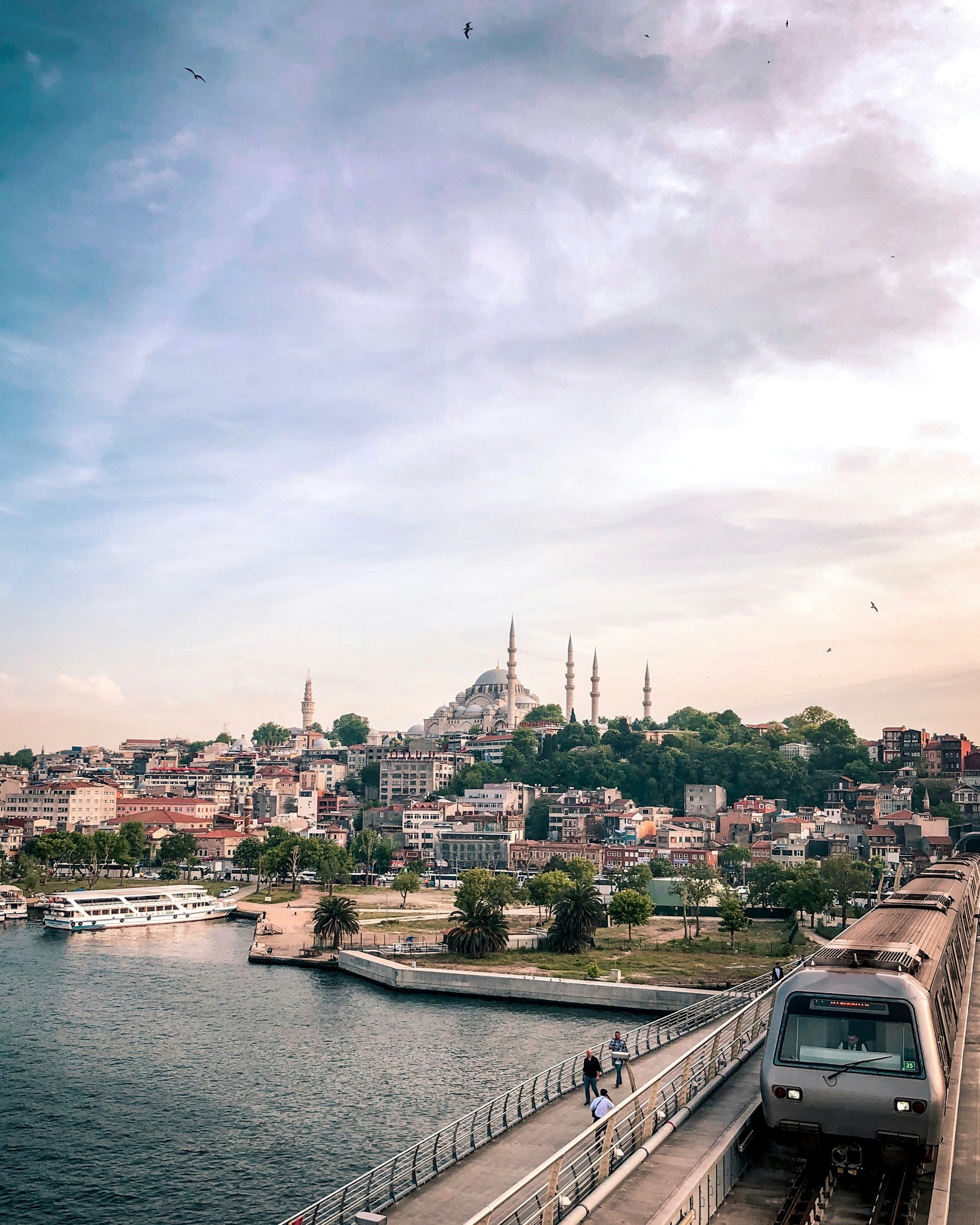
Istanbul Modern
The country's first modern art museum, rehoused in 2023 in a Renzo Piano building on the Karaköy waterfront. The roof terrace looks straight across at the historic peninsula and is open to ticket holders.
-
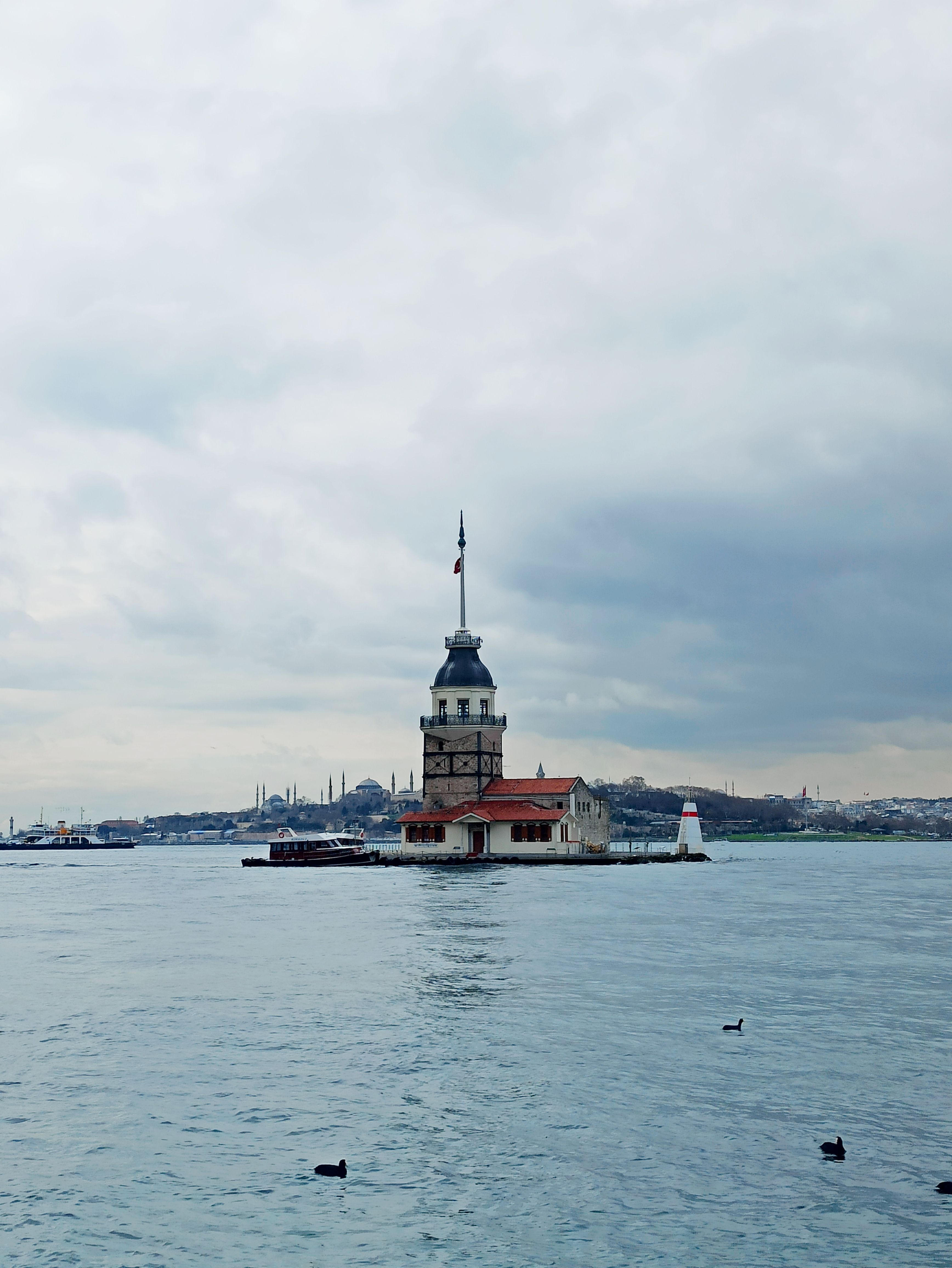
Maiden's Tower
The small tower on its own islet off Üsküdar, rebuilt many times since a Byzantine customs post stood here, and reopened after restoration in 2023. Boats run from Üsküdar and Kabataş, and the view back at the old city is the reason to go.
-
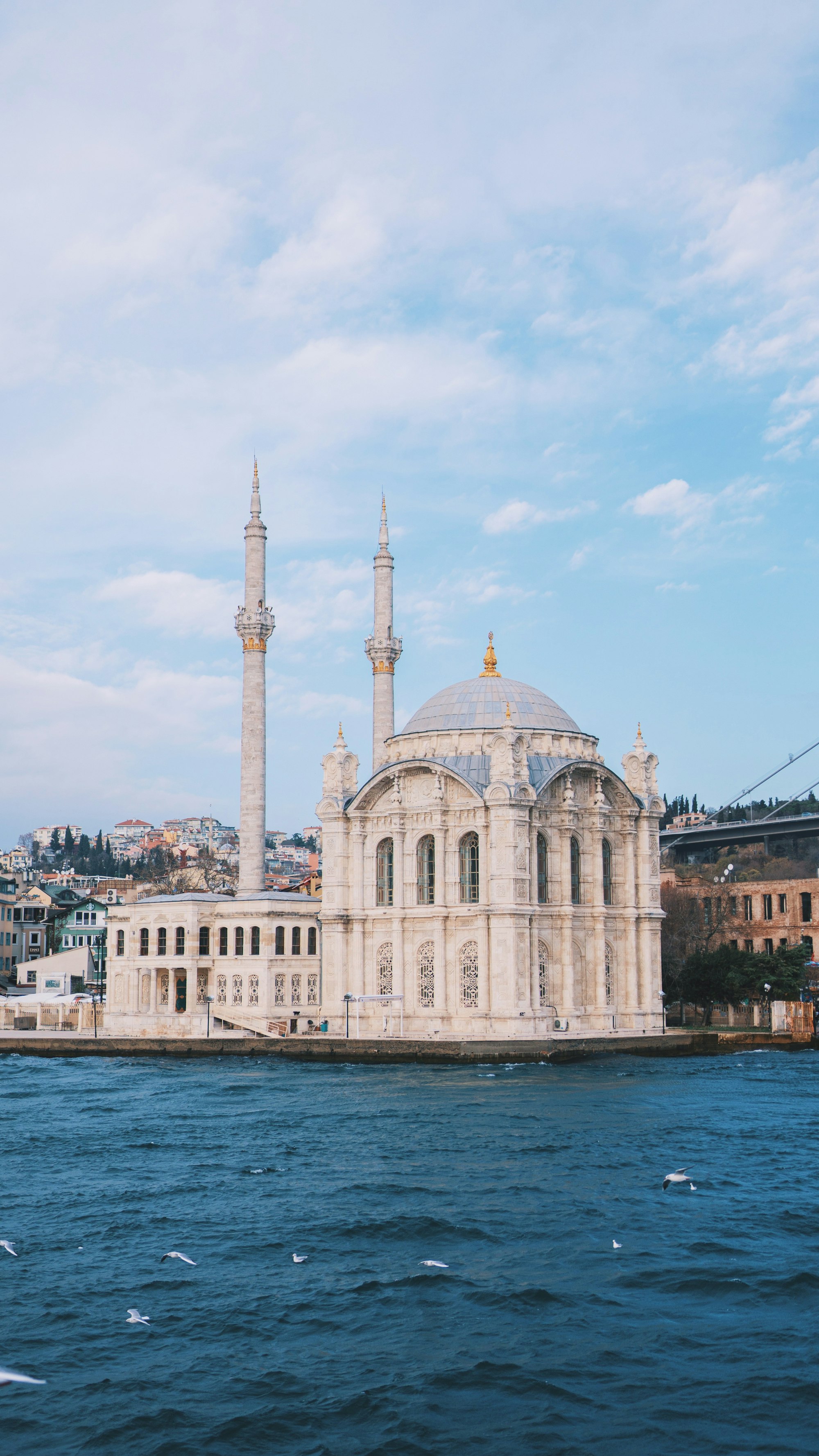
Ortaköy Mosque
A baroque mosque of 1856 standing at the water's edge with the first Bosphorus bridge behind it, which is why it appears on so much of the city's advertising. The square around it is a weekend crowd.
-
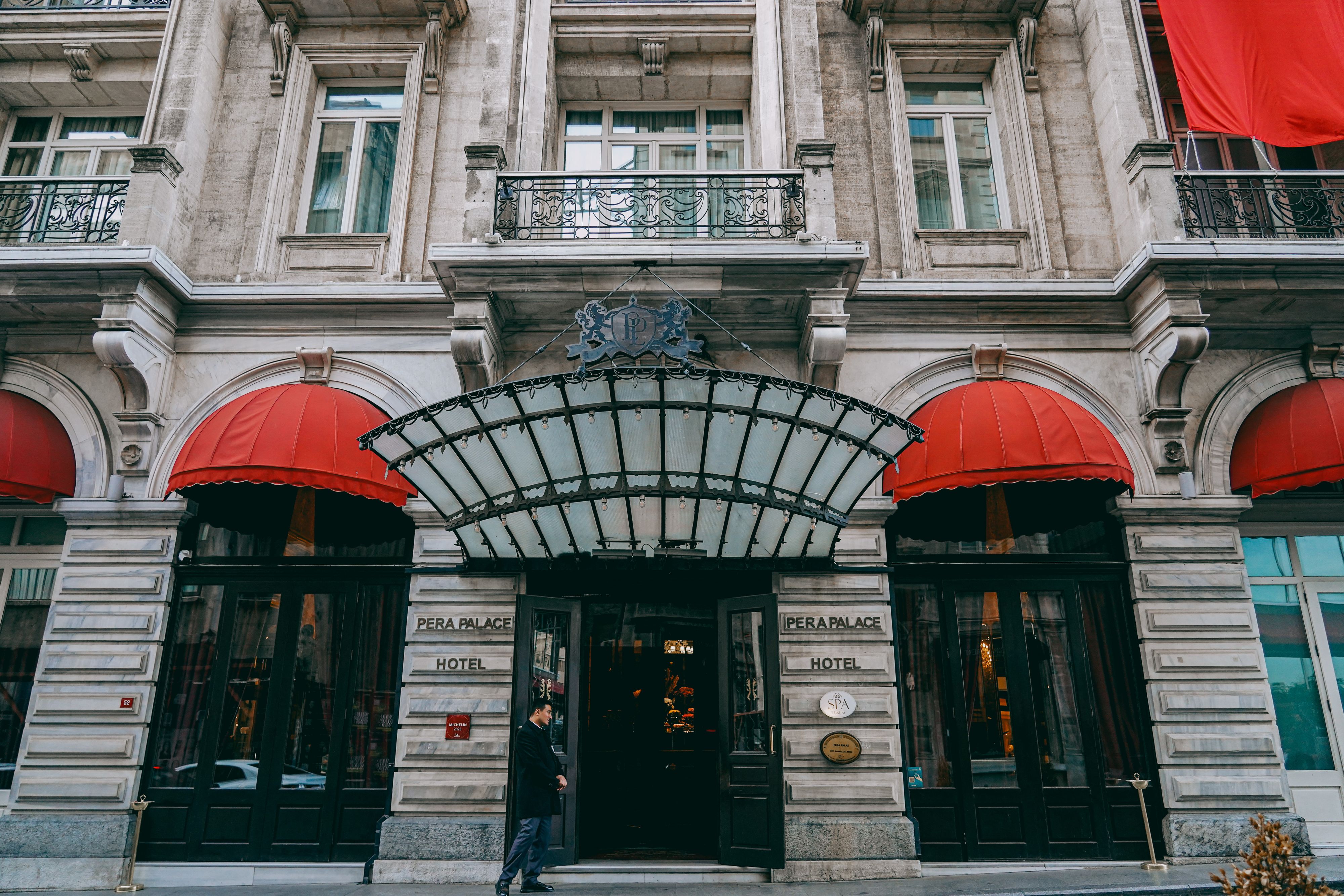
Pera Palace Hotel
Built in 1892 to house passengers off the Orient Express, and the hotel Agatha Christie stayed in. The rooms were restored in 2010 and the bar keeps the original lift and the marble.
-
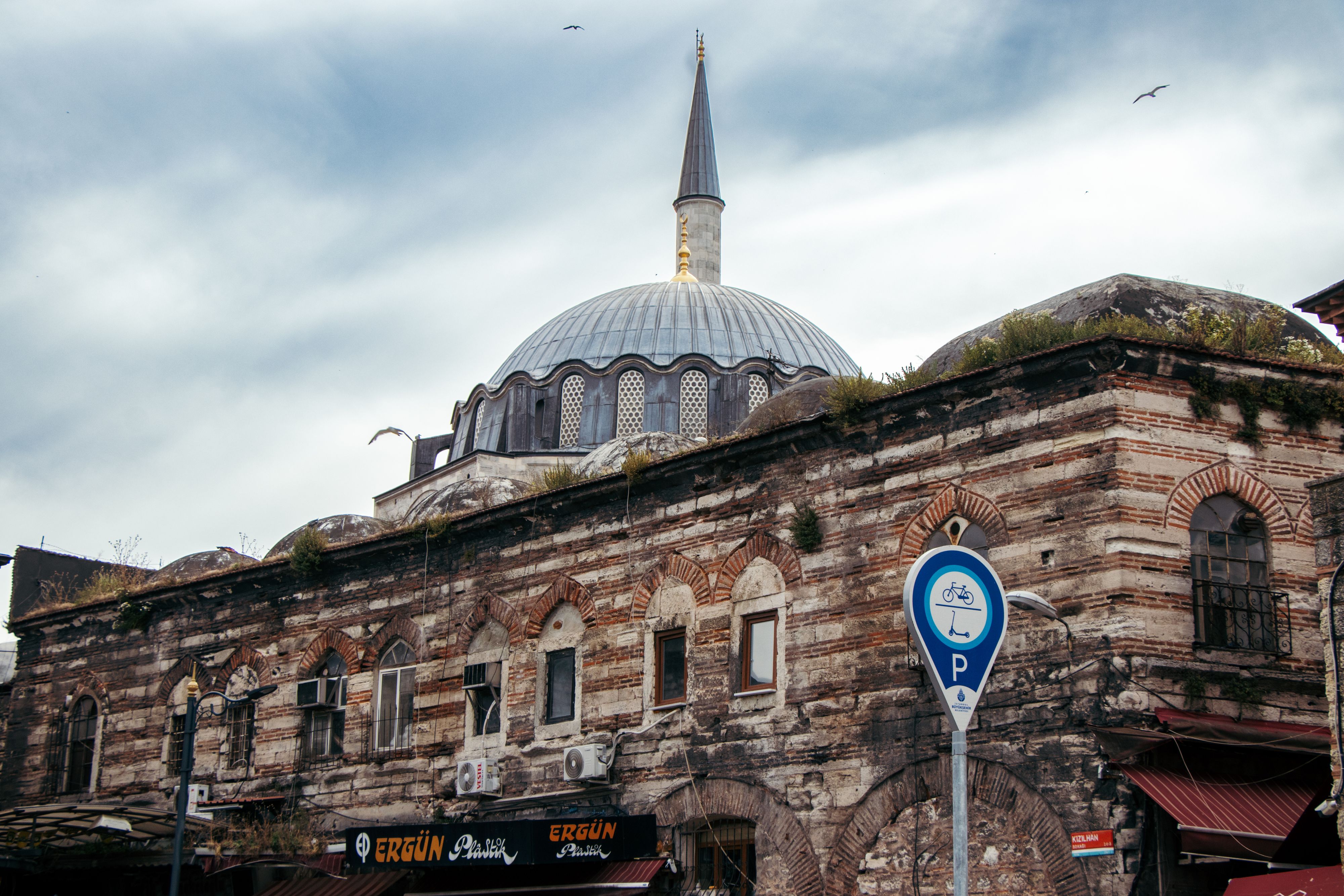
Rüstem Pasha Mosque
A small mosque above the Golden Horn warehouses, reached by a staircase that hides its door from the street. The interior is lined floor to gallery in Iznik tile, and a long restoration finished in 2021 returned the colour.
-
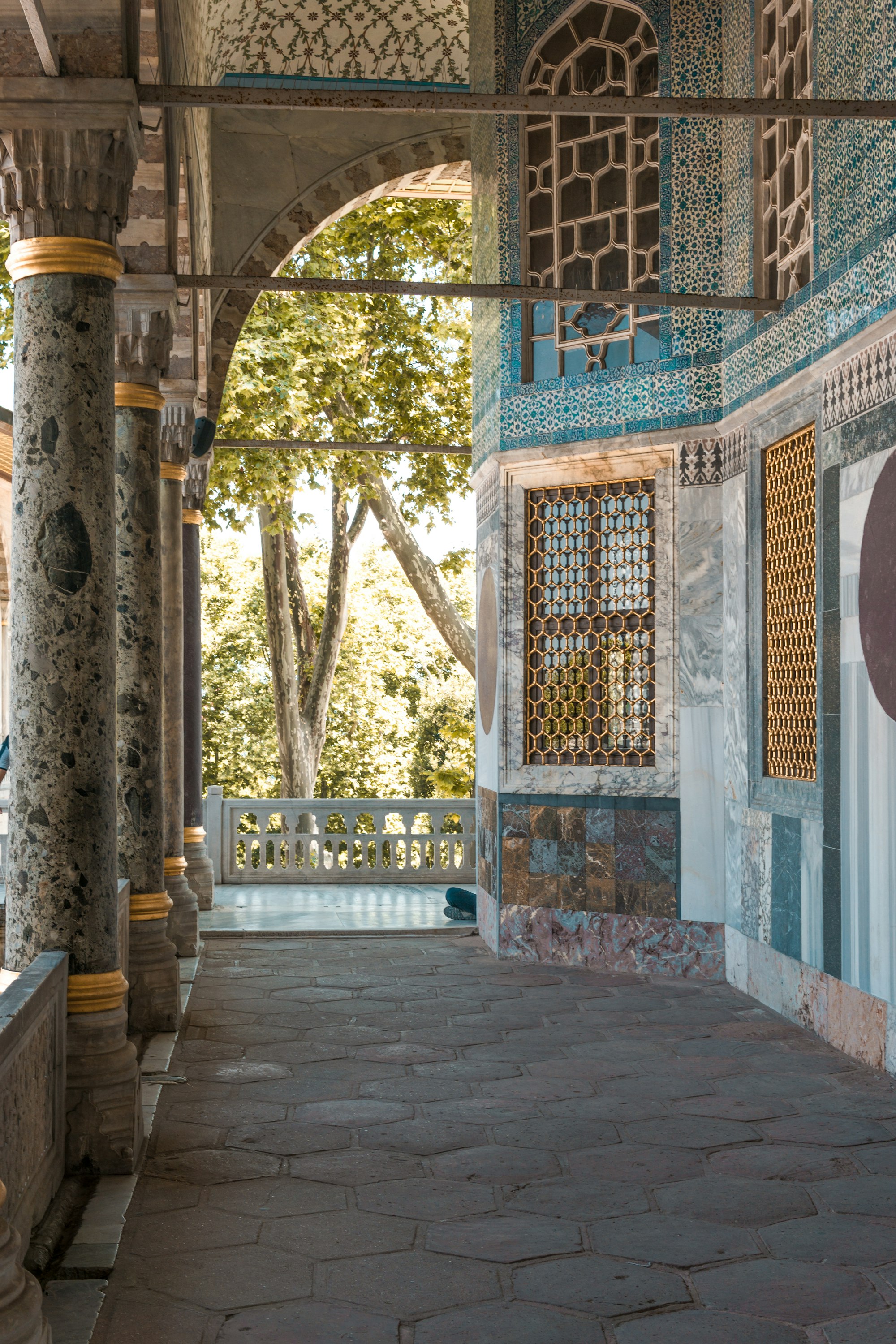
Turkish and Islamic Arts Museum
The former palace of Ibrahim Pasha on the west side of the Hippodrome, holding the best carpet collection in the country alongside Qur'ans, woodwork and Seljuk stone. It is the quietest major museum on the peninsula.
-
Pera Museum
Located in Beyoğlu, this museum houses Anatolian weights and measures, Ottoman art, and contemporary Turkish and international works. The building is housed in a restored early 20th-century apartment building.
-
Suleymaniye Mosque
Commissioned by Sultan Suleiman the Magnificent and completed in 1557, this monumental mosque was designed by architect Mimar Sinan. Its cascading domes and four minarets dominate the Istanbul skyline.
-
Great Palace Mosaic Museum
One surviving floor of the Great Palace of the Byzantine emperors, laid with hunting scenes, animals and country life in the sixth century. It sits under the Arasta Bazaar behind the Blue Mosque and takes half an hour.
-
Hippodrome of Constantinople
The chariot-racing arena of the Byzantine capital, now a long public square holding an Egyptian obelisk, a bronze serpent column looted from Delphi and a German fountain of 1900. Nothing of the track survives above ground, and the monuments stand on its old central spine.
-
Kadıköy
The Asian-side district that Istanbul itself goes out in, reached by a twenty-minute ferry from Eminönü or Karaköy. The produce market off Güneşlibahçe Sokak and the bar streets behind it are the point.
-
Rumelihisarı
The fortress Mehmed II threw up on the European bank in four months of 1452 to close the Bosphorus before the siege. Its towers are climbable and the walls run steeply down to the water.
-
Sakıp Sabancı Museum
A former shipping family's mansion at Emirgan holding Ottoman calligraphy and late Ottoman painting, extended with a gallery that brings large touring exhibitions to the city. The garden runs down towards the Bosphorus.
-
Yıldız Park
A wooded hillside above Beşiktaş that was the private park of the last sultans, holding two imperial pavilions and a porcelain factory. It is the largest quiet space near the centre.