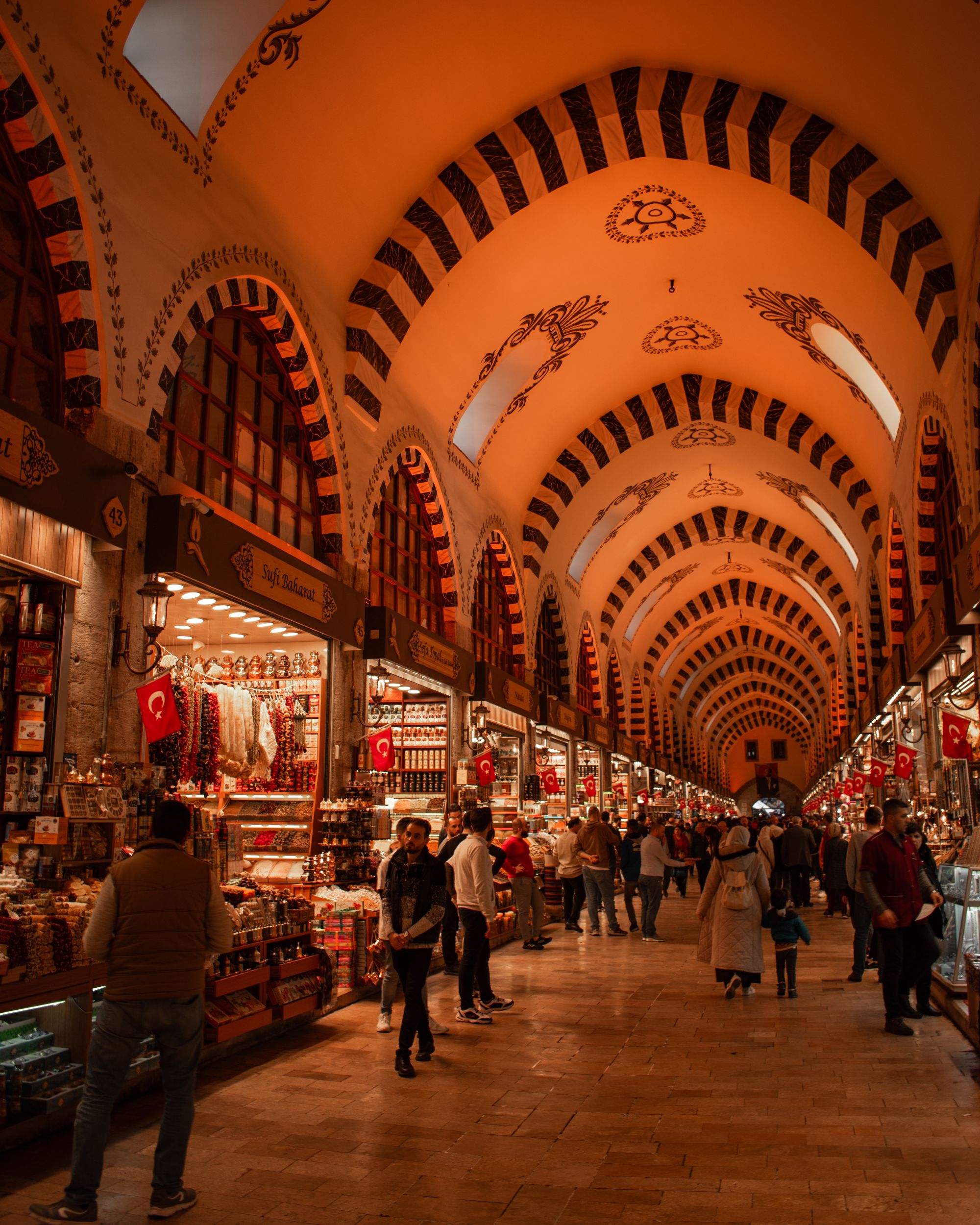
 Submit a photo
Ninety seconds on Grand Bazaar
In the Beyazıt quarter of the Fatih district, at the centre of old Istanbul, a short walk from Beyazıt Square and the Süleymaniye Mosque. The market spreads between Nuruosmaniye, Mercan and Beyazıt, and its postal address is Beyazıt Mahallesi, 34126 Fatih. The nearest T1 tram stop, Beyazıt-Kapalıçarşı, carries its Turkish name.
No, it shuts every Sunday and over the bayram festivals. On the other six days the doors open at 8:30am and close at 7pm, and the lanes fill as the day goes on.
Carpets, gold and silver jewellery, coloured lanterns, tiles and ceramics are the staples, with leather goods, textiles, bags and antiques in every direction. It is also a good place to pick up Turkish coffee to take home. Haggling is part of everyday trade here, so compare a few shops and take time before agreeing a figure.
Half a day for a proper visit. Two or three hours is the usual spin, but it only scratches the surface: the market is too big to explore every corner even in a full day of wandering.
Yes, for larger purchases: the great majority of shops accept cards for those. Small, inexpensive items are a different matter and usually go in cash, so carry some alongside the card.
One roof covers 61 streets of jewellers, lamp sellers and carpet dealers, and in a single morning you can walk from the old hall of gems at its heart out to courtyard inns where gold and silver are still worked by hand.
At the centre stands the Cevahir Bedesten, the Bedesten of Gems, also called the İç or Eski Bedesten in Turkish. It is the oldest part of the market, kept for the most precious goods, and its rents once went to the upkeep of Hagia Sophia.
The Sandal Bedesten is the other old hall, roofed with 20 lead-plated domes. Together the two halls form the core, and the covered streets spread out from them on every side.
Each street is named after the trade that lines it. In the western part the lanes cross at odd angles, because that side was rebuilt in stone and brick after a fire in 1700, and it is where you are most likely to lose your way.
Behind the main streets are the hans, old courtyard inns of one or two floors. The storefronts sell ready-made goods; the making happens in the back, in around 1,200 workshops.
Walk to the Cevahir Bedesten at the centre first, while the lanes are still quiet. From there find Kuyumcular Caddesi, the jewellers' street, and walk along it until the Zincirli Han opens on your right: a two-floor courtyard with workshops and a café where you can sit over a glass of tea.
Then turn off the main streets into the other hans, where the gold and silver workshops sit behind the shopfronts. Ask before you take a photograph; most smiths will not mind.
Bargain for almost everything, gold and silver included. Ask the price first, open at 40 to 50 percent of it, and expect to settle somewhere between half and seven tenths; if you walk away and nobody follows you, you went too low. Accepting tea does not commit you to buy.
Ignore anyone who stops you in the street with a special price, and any shop a stranger leads you to: those shops often carry higher markups. Look at a few shops before you buy, and say no politely and firmly when you mean it.
Saturday afternoon is the busiest time of the week, so come on a weekday if you can.
Explore the rest of Istanbul
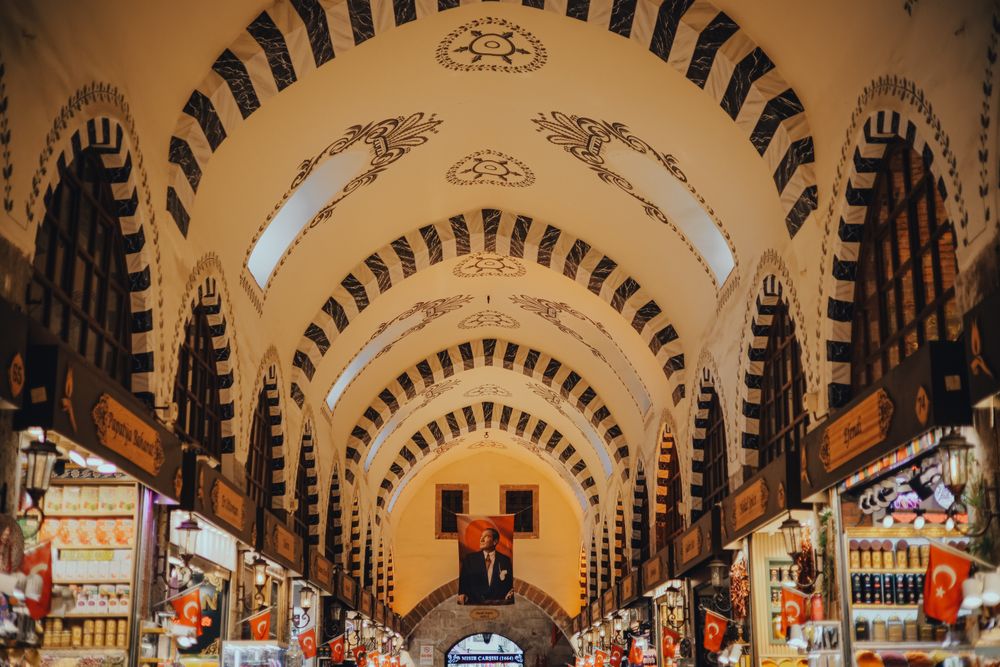
Built in 1664 to fund the mosque complex beside it, this L-shaped market still trades in dried fruit, saffron, pastirma and lokum. The…
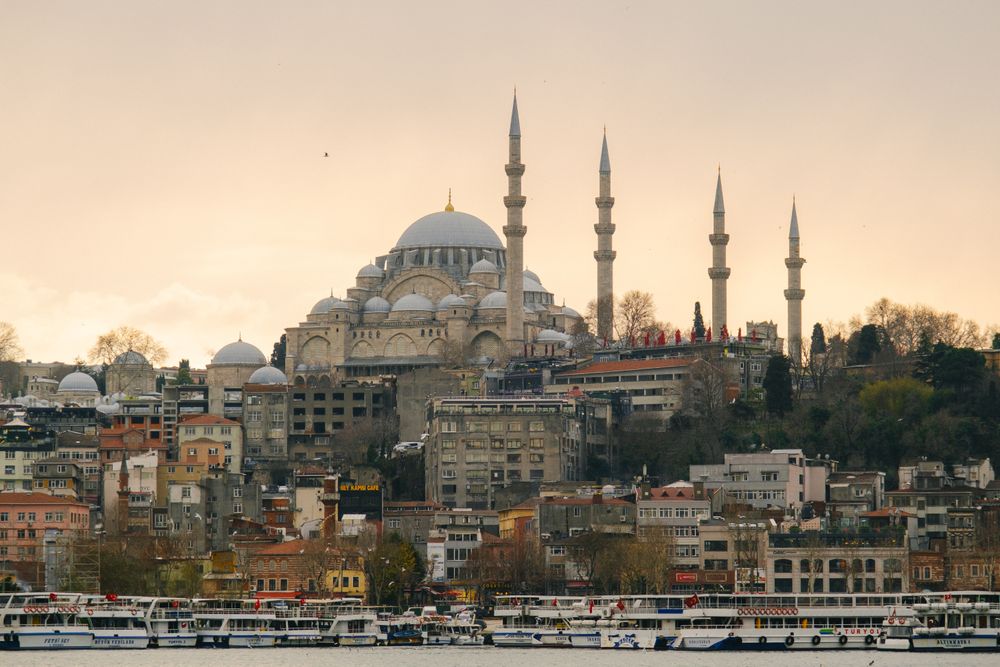
Built for Süleyman the Magnificent by the architect Mimar Sinan and inaugurated in 1557, this mosque crowns Istanbul's third hill above the…
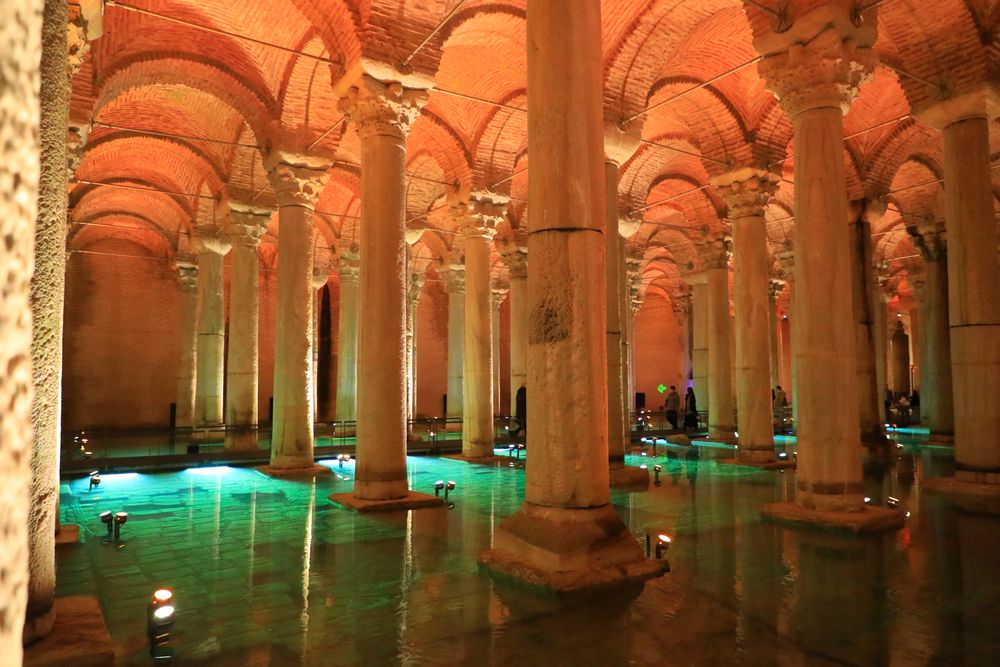
A 6th-century underground water reservoir built during the reign of Emperor Justinian, featuring 336 marble columns supporting the vaulted…
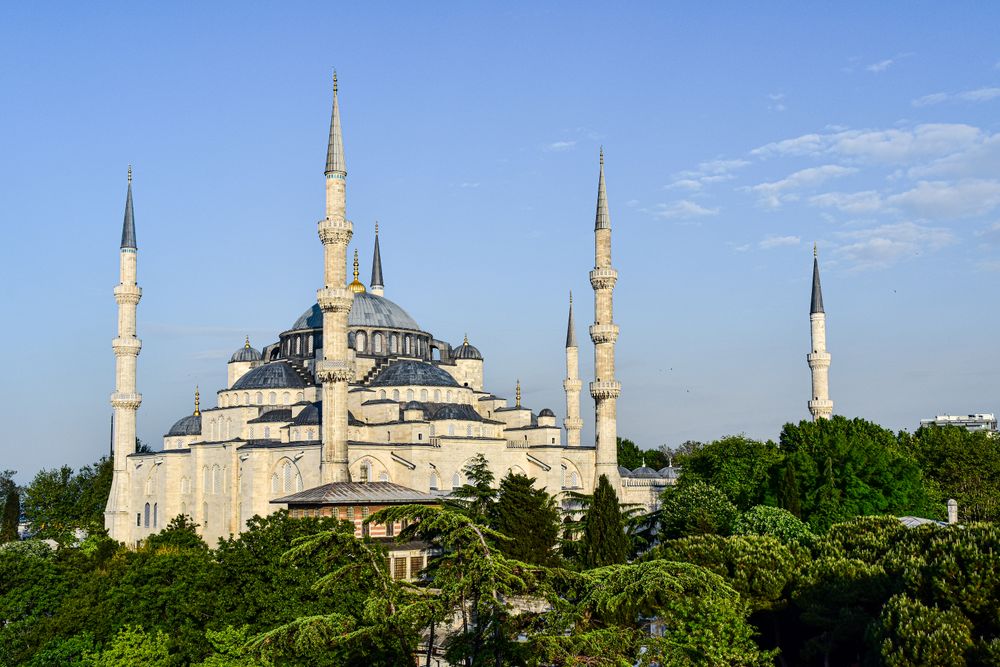
Constructed between 1609 and 1616, this Ottoman mosque features six minarets and an interior decorated with over 20,000 blue Iznik tiles.…
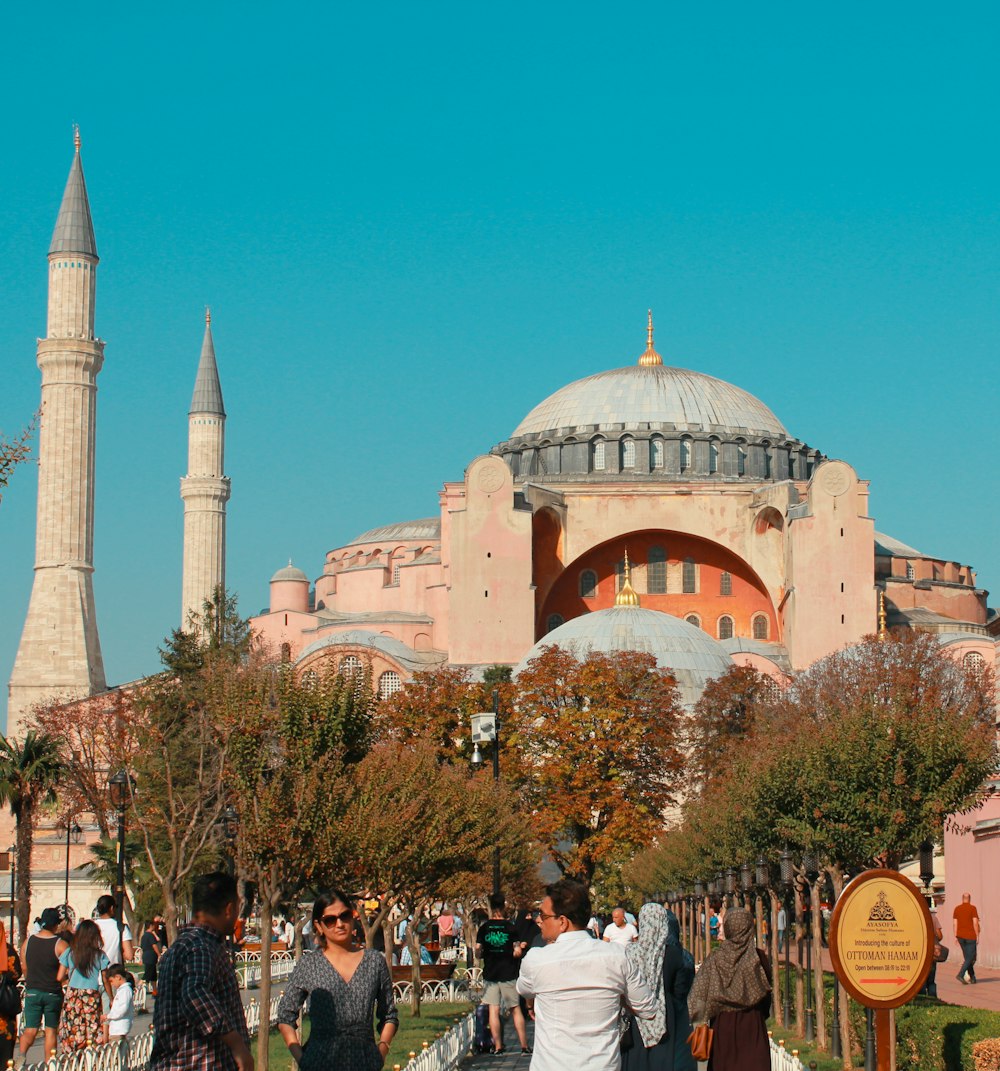
Built in 537 CE under Byzantine Emperor Justinian, this massive domed structure served as a cathedral, mosque, and museum before becoming a…
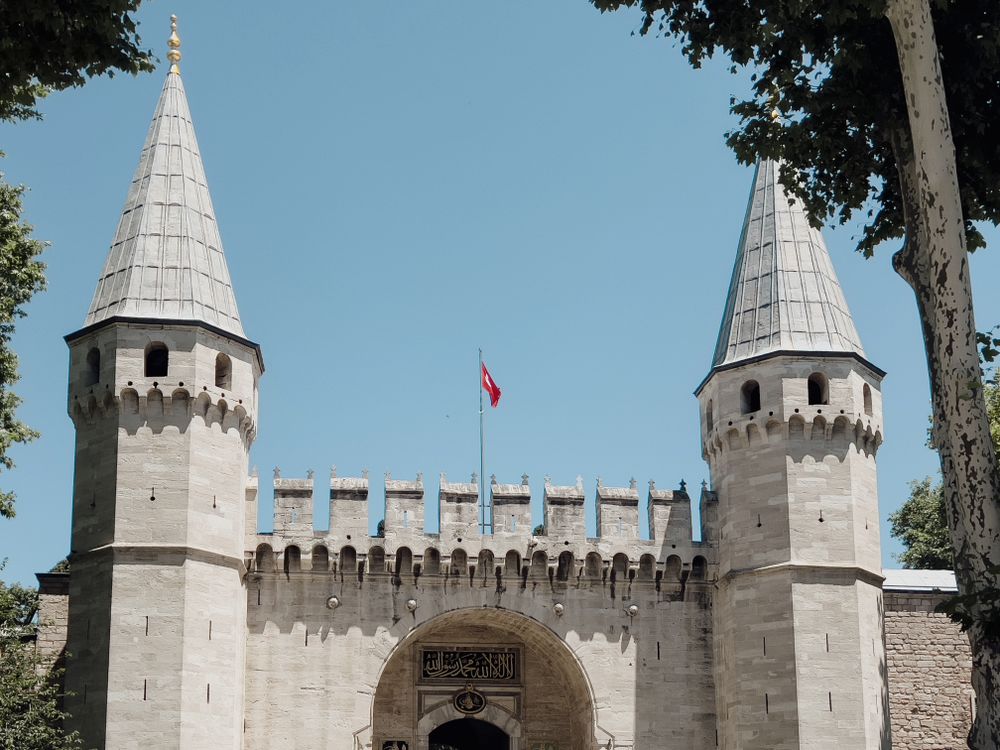
The residence and administrative center of Ottoman sultans from the 15th to 19th centuries, now a museum containing the palace treasury,…
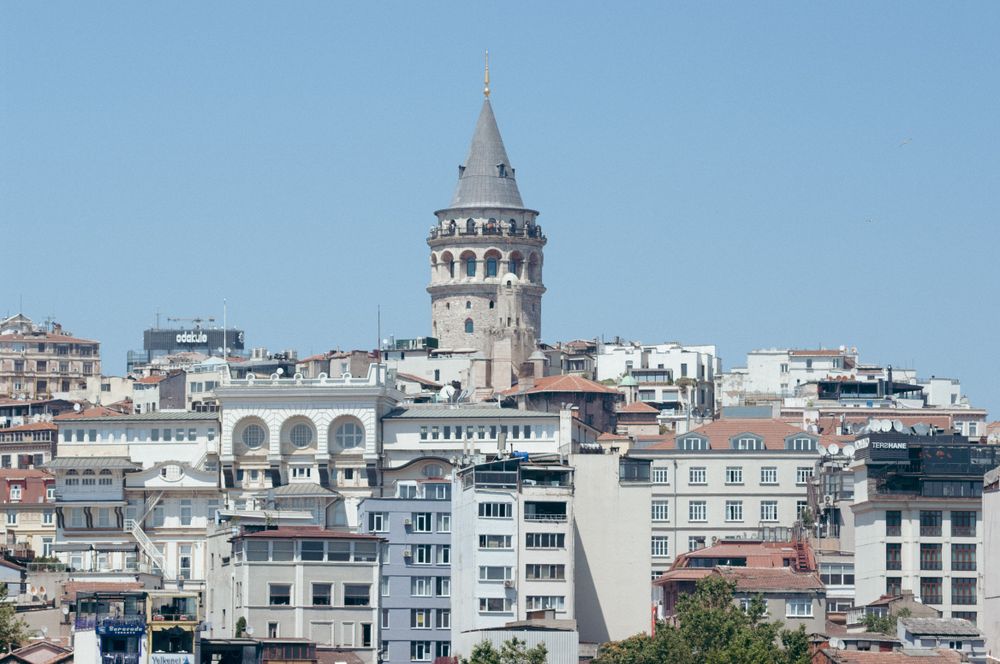
A 14th-century Genoese tower standing 67 meters tall, offering panoramic views of Istanbul's three sides of water and the city skyline. The…
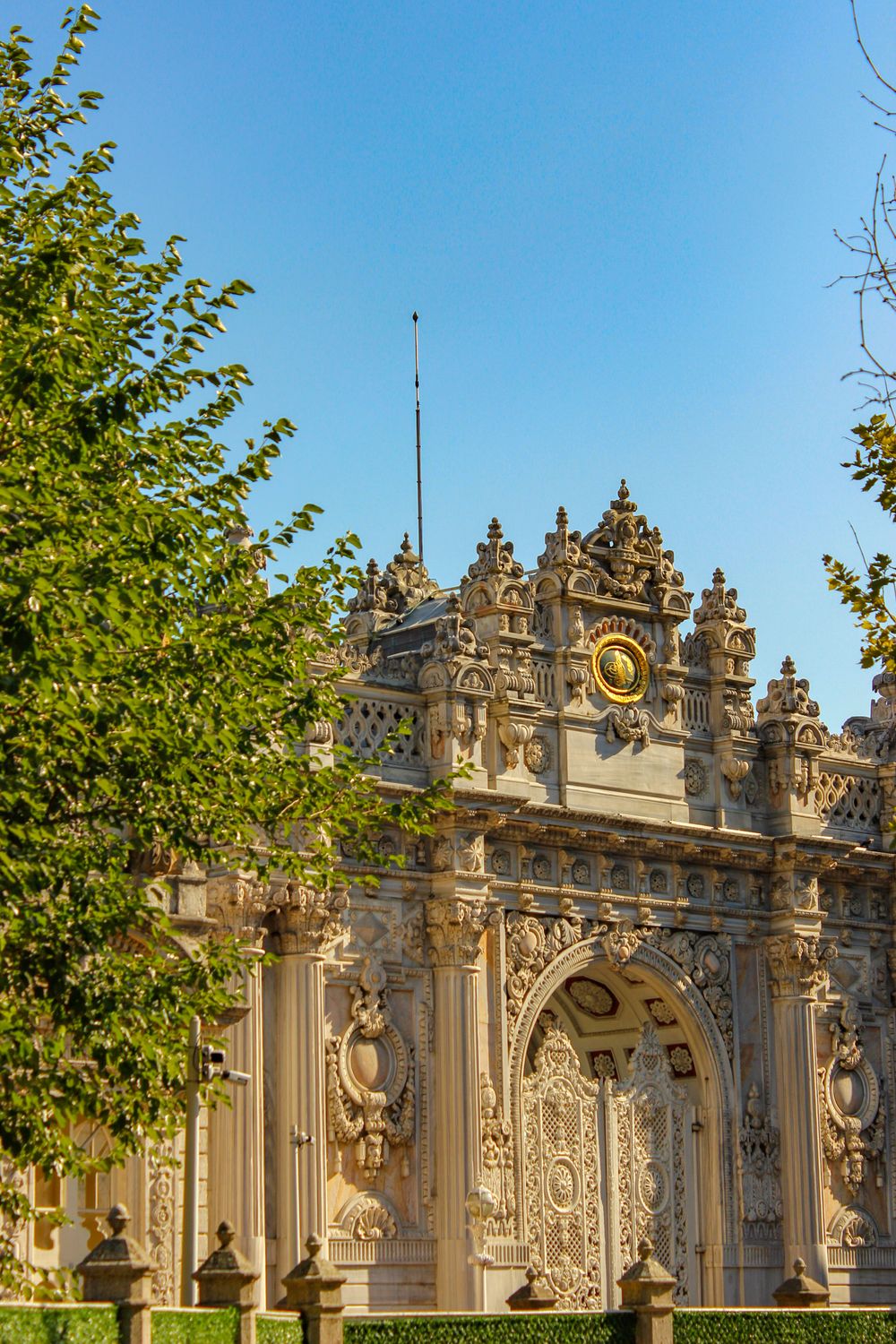
An ornate 19th-century Ottoman palace on the Bosphorus with 285 rooms, featuring European neoclassical and Baroque architecture. It served…
The official pages this guide was checked against.
Last updated