 Submit a photo
Ninety seconds on Hagia Sophia
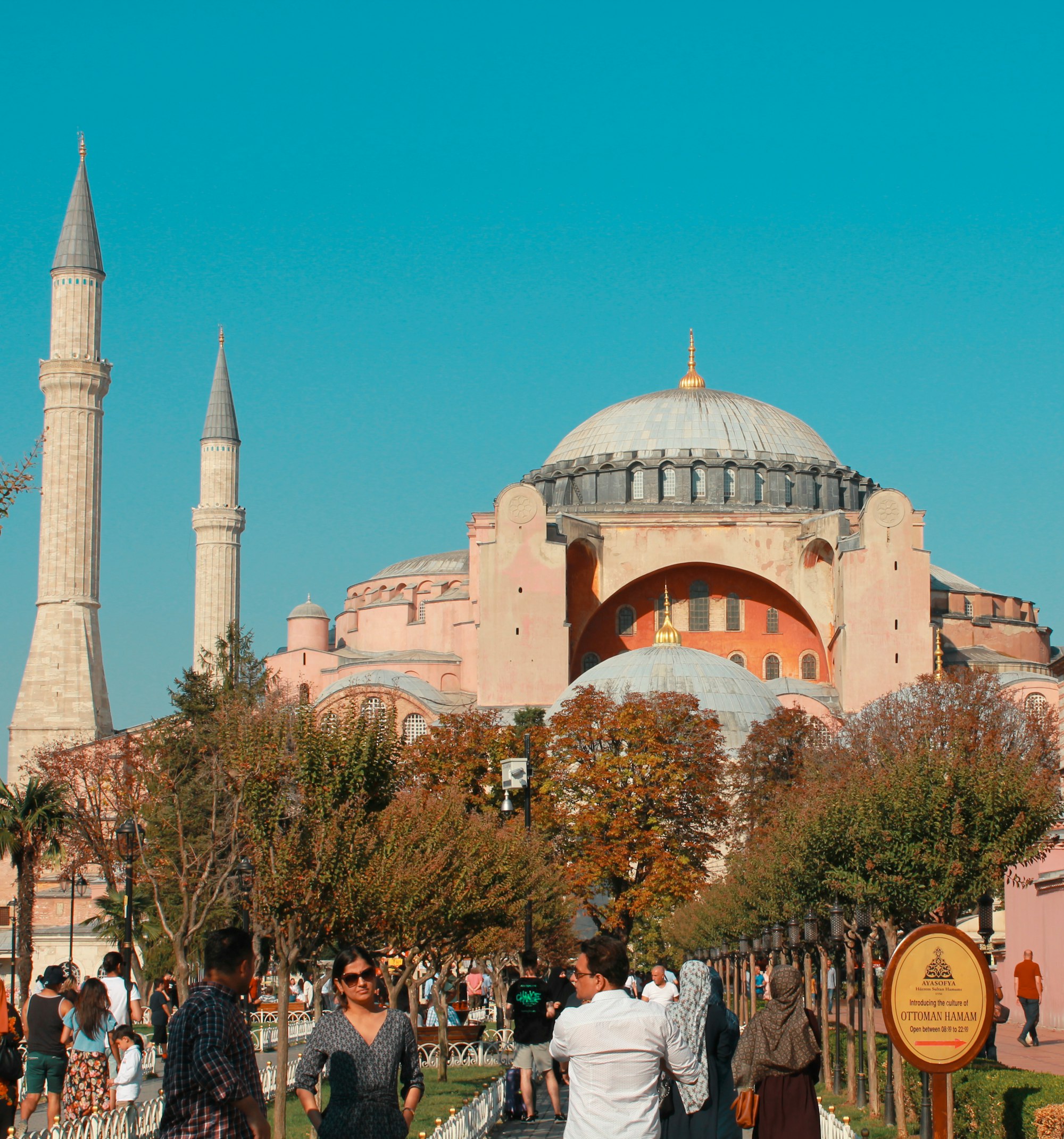
Hagia Sophia stands in Sultanahmet, the heart of Istanbul's Old City. The Blue Mosque faces it directly across the square, and the Basilica Cistern is about a five-minute walk away, so all three fit into one visit.
The T1 tram runs from Kabataş to Bağcılar via Eminönü, and Sultanahmet is the stop for the building. Sightseers are routed to a separate entrance on the northeast side, apart from the door used by worshippers.
The gallery route shuts to sightseers whenever prayers are held. The longest pause comes on Friday, when the congregational prayer closes it from around midday until about 14:30, so a Friday visit belongs outside that window.
Yes. Sightseeing visits to the upper gallery are ticketed, with tickets sold at a booth facing the fountain. Museum Pass Istanbul is not accepted, so pass holders still need a separate ticket for the gallery route.
Most visits run about an hour inside, not counting the wait. The ticket queue can take over an hour during peak season, and security adds more time before the entrance.
The upper gallery holds the most famous Byzantine mosaics. In the south gallery, the Deesis and the Empress Zoe panel sit at about eye height, so the tiles can be studied up close.
Where else can you stand a few steps from Byzantine gold mosaics and look across at Ottoman calligraphy in the same room? Hagia Sophia's upper gallery shows you its church and its mosque in one walk.
From the upper gallery the main dome looks like a vast disc of gold over the prayer hall. The whole interior is a series of domes and vaults leading up to it and to the apse, the shell-shaped recess at the end of the hall. Daylight pours in and falls across the restored gold mosaics.
The building has served as a church and as a mosque, and you can read both on its walls. Huge round panels of Arabic lettering give the names of God, the Prophet Muhammad and the early caliphs. Byzantine mosaics share the building with this Ottoman calligraphy, the minarets and a mihrab, the niche that marks the direction of prayer.
When the church became a mosque, the fixed mosaics were kept and only the movable statues were taken out. Over later repairs the mosaics were covered bit by bit, some painted over with Islamic patterns, and the covering protected them.
The most famous are in the south gallery: the Deesis, a mosaic of Christ between the Virgin Mary and John the Baptist, and the panel of Empress Zoe. Up close the tiny tiles catch the light and seem to shift as you move past them.
The tourist route is the upper gallery, while the floor below is kept for worship. Before you reach it there are two separate waits: the ticket queue, which can run past an hour in peak season, and then security.
Inside, the route passes through the Gate of Heaven and Hell, a doorway on the gallery level, and leads on round the gallery. Give most of your time to the south side before you head down to the exit.
If you want the building's story told in full, the separate Hagia Sophia History and Experience Museum covers it in 13 halls, with the Roman period on the third floor and the Ottoman period on the second.
Plan the rest of the morning on the same square. The Blue Mosque stands directly across it, so the two pair easily in one visit.
The Basilica Cistern is a five-minute walk away. Go there after Hagia Sophia and cool down on its quiet walkway once you have stood in the heat of the square.
Explore the rest of Istanbul
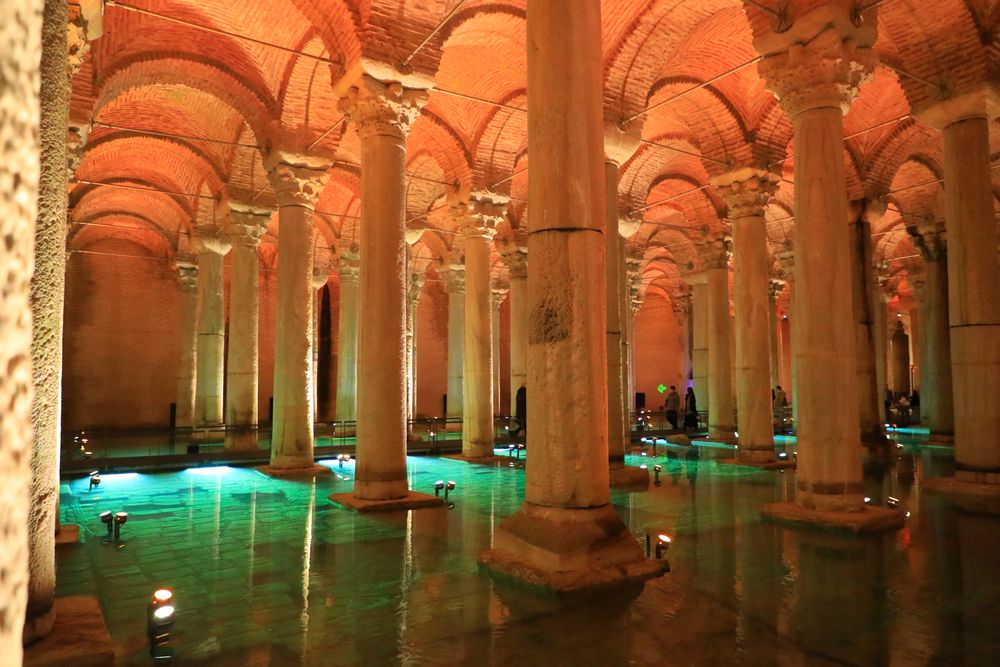
A 6th-century underground water reservoir built during the reign of Emperor Justinian, featuring 336 marble columns supporting the vaulted…
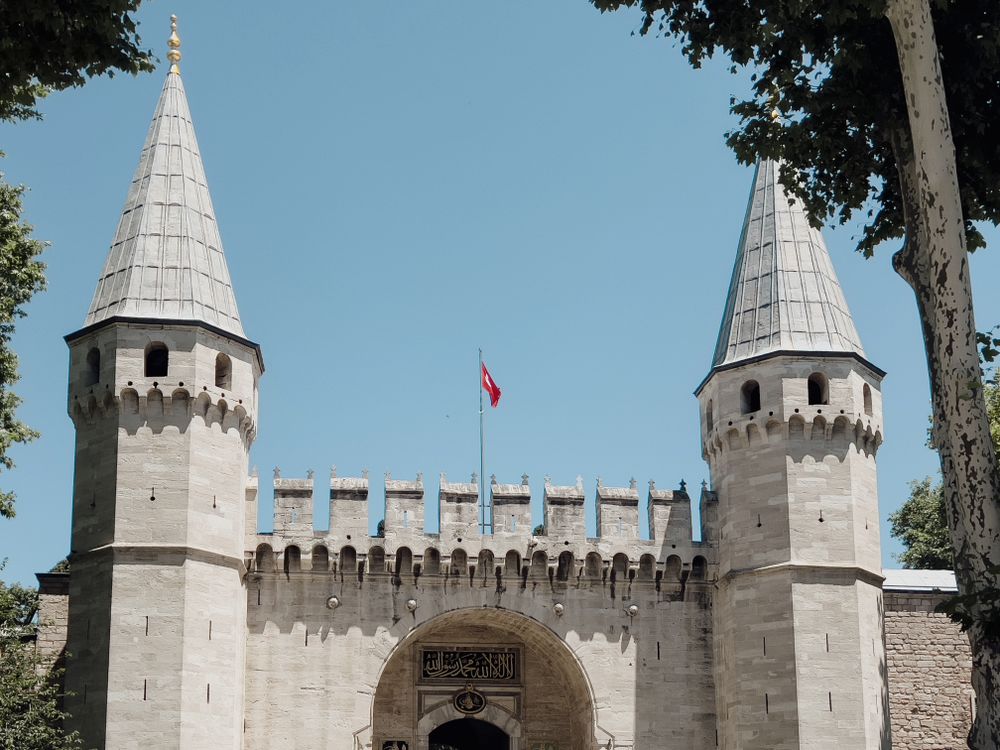
The residence and administrative center of Ottoman sultans from the 15th to 19th centuries, now a museum containing the palace treasury,…
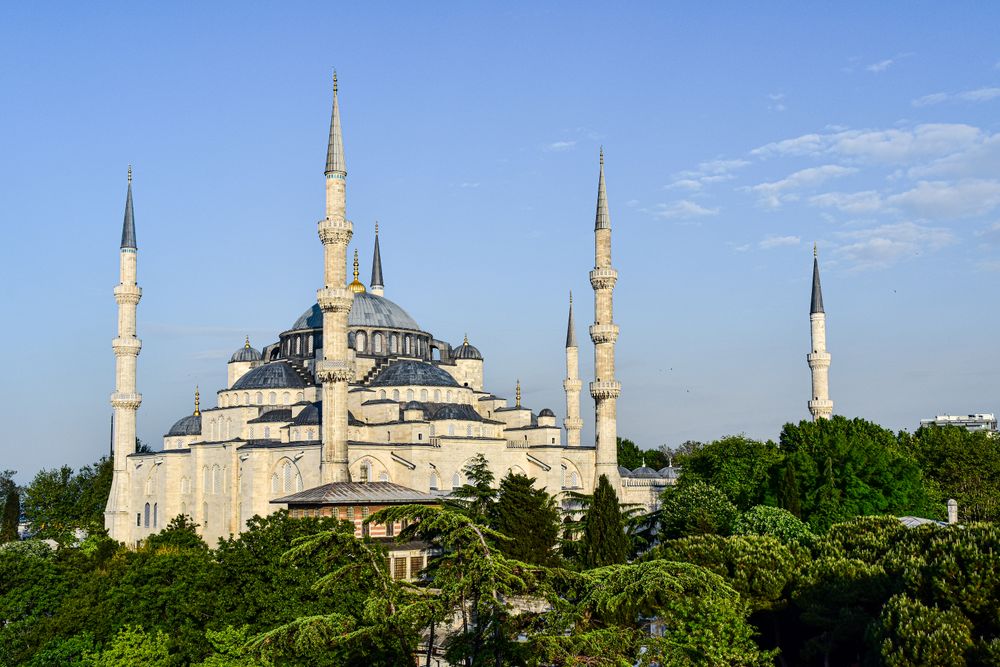
Constructed between 1609 and 1616, this Ottoman mosque features six minarets and an interior decorated with over 20,000 blue Iznik tiles.…
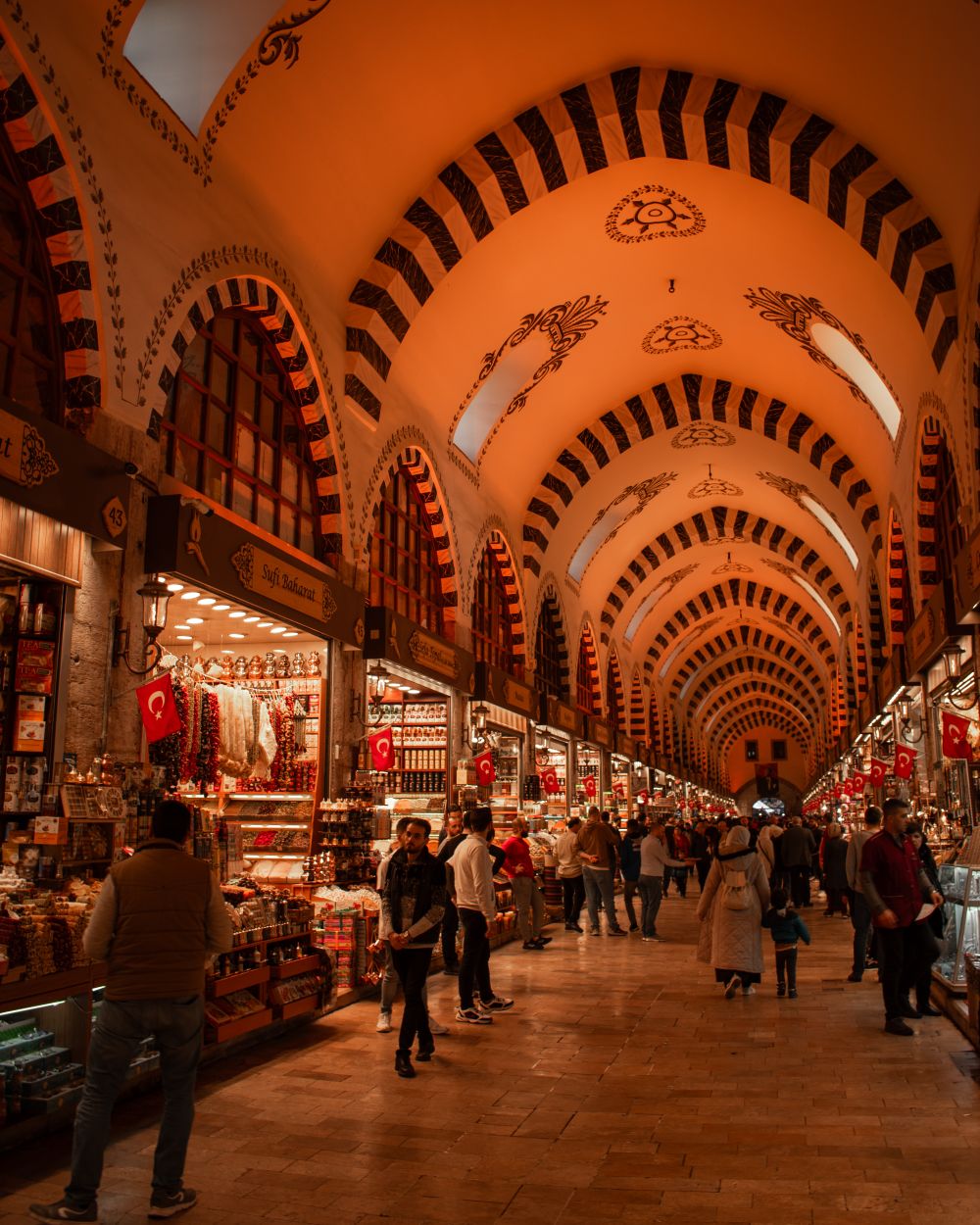
A covered market of vaulted streets between the Beyazıt and Nuruosmaniye mosques, selling jewellery, carpets, lanterns and hand-painted…
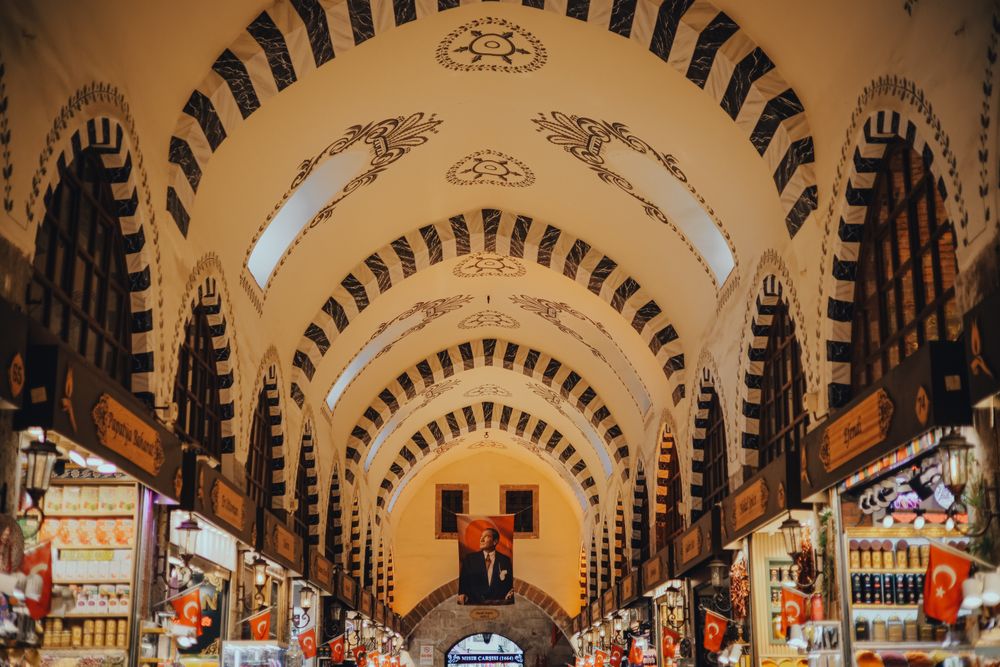
Built in 1664 to fund the mosque complex beside it, this L-shaped market still trades in dried fruit, saffron, pastirma and lokum. The…
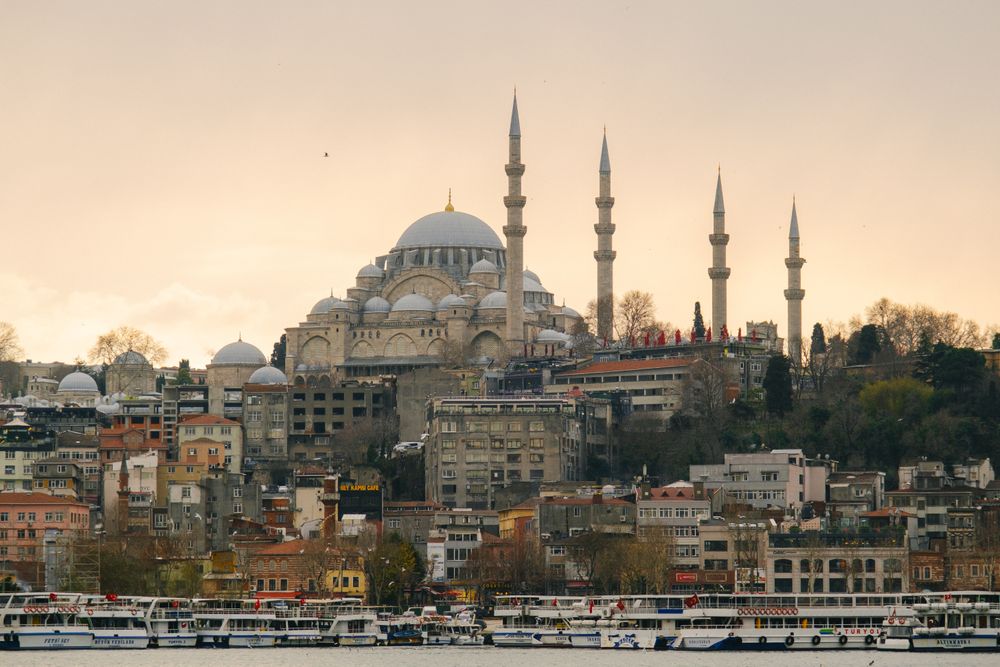
Built for Süleyman the Magnificent by the architect Mimar Sinan and inaugurated in 1557, this mosque crowns Istanbul's third hill above the…
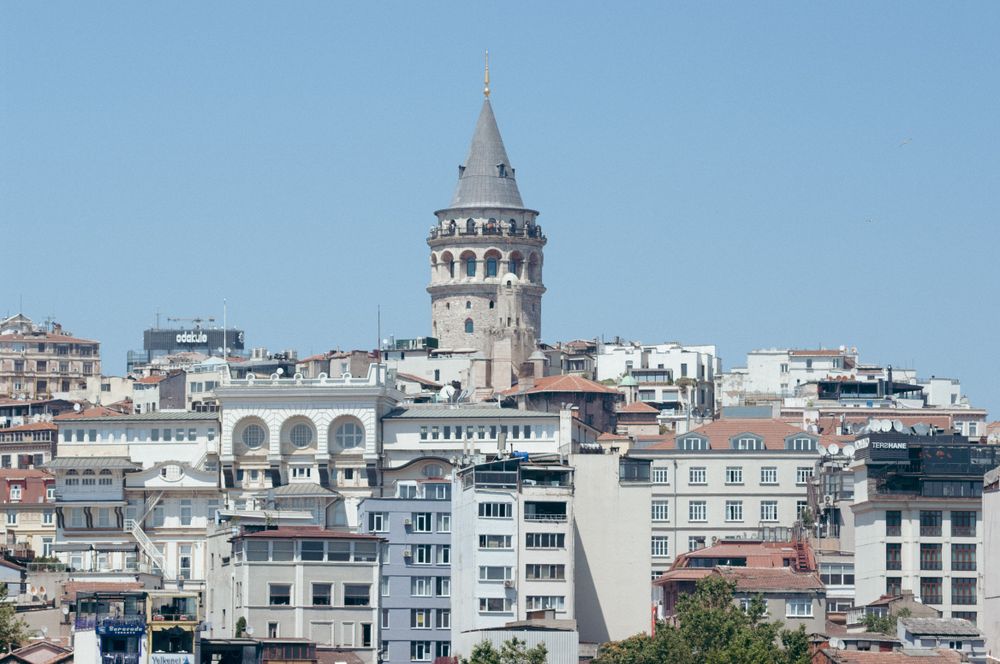
A 14th-century Genoese tower standing 67 meters tall, offering panoramic views of Istanbul's three sides of water and the city skyline. The…
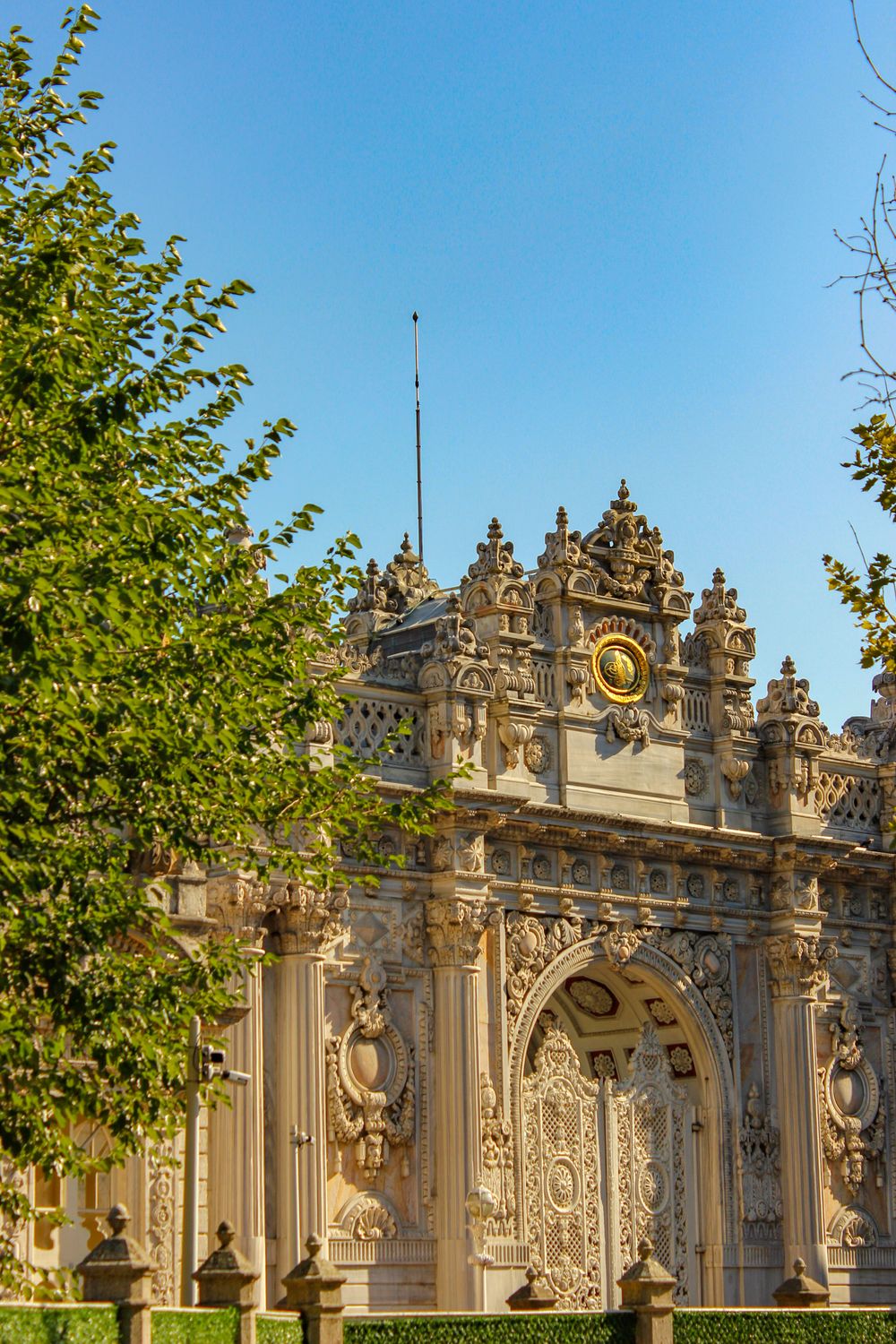
An ornate 19th-century Ottoman palace on the Bosphorus with 285 rooms, featuring European neoclassical and Baroque architecture. It served…
The official pages this guide was checked against.
Last updated