 Submit a photo
Submit a photo
Submit a photo
Ninety seconds on Topkapi Palace
Of the palace's hundreds of rooms, only the most important are open, and those are where the sultans lived, kept their jewels and guarded the Prophet Muhammad's relics.
In the Imperial Treasury, the best-known pieces are the Spoonmaker's Diamond, an 86-carat stone, and the Topkapi Dagger. A popular story says the diamond was once bought from a street peddler for three spoons.
Around them, the Treasury brings together some of the finest objects of Islamic and Oriental art. The arms and armour collection is shown in a second building that was once a palace treasury.
In the Sacred Relics rooms, the cases hold the Prophet Muhammad's sword and cloak, letters, and locks of his beard. More than 3,000 Qurans in Kufic script, some from the eighth century, are kept in the library wing called the Rooms of the Sacred Trust.
The Baghdad Kiosk keeps most of its original decoration, and it is one of the last examples of classical palace architecture.
Past the security check, which can be slow, the first courtyard holds Hagia Irene, the former Imperial Mint and a set of fountains. Leave the church for the way out and go on into the Second Courtyard.
Make the Harem your first stop, before the groups reach it. Then go on to the Imperial Treasury, the Sacred Relics rooms and the Baghdad Kiosk.
Finish on the terrace behind the Fourth Courtyard, which gives one of the best panoramas in the city. Then walk back out through the courtyards and stop at Hagia Irene on the way.
You can follow the courtyards in order on your own. An English-language audio guide is available and enriches the visit, and a guided tour is the other option if you want the palace explained as you walk.
If you bought a combined ticket online, such as the palace with Hagia Sophia, it may have to be exchanged on site before you can enter, and that exchange can delay you by an hour. Exchange it first, before the morning queues build.
Explore the rest of Istanbul
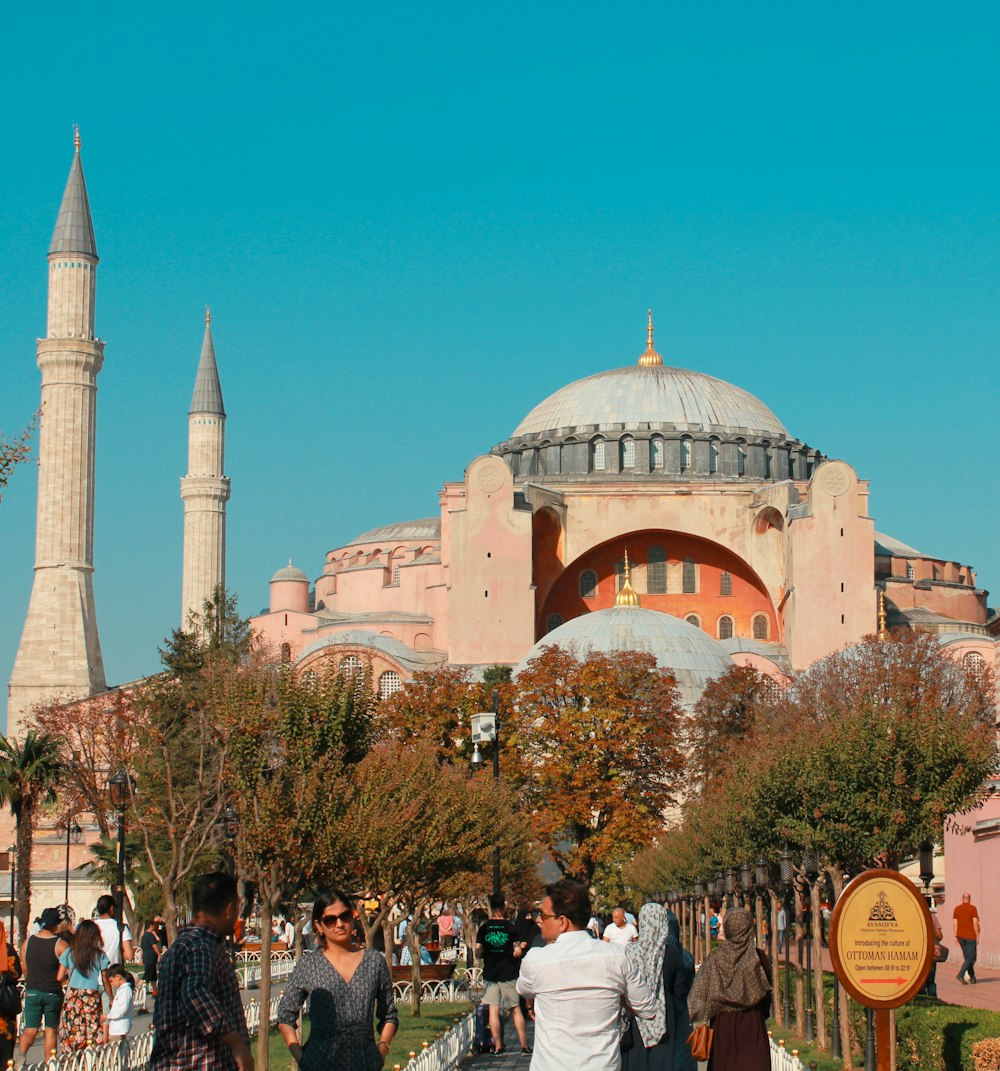
Built in 537 CE under Byzantine Emperor Justinian, this massive domed structure served as a cathedral, mosque, and museum before becoming a…
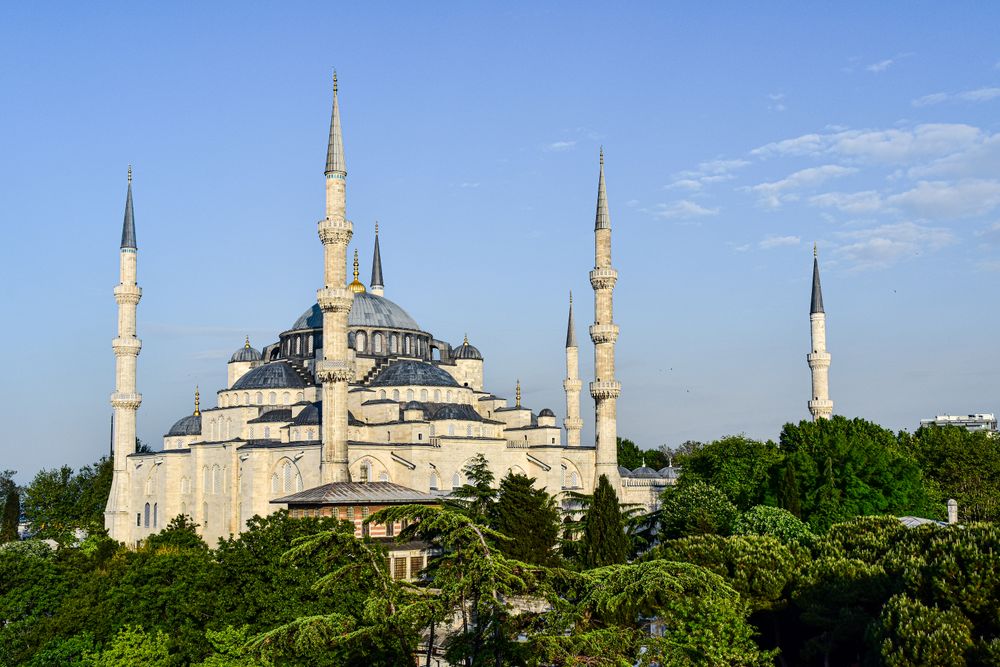
Constructed between 1609 and 1616, this Ottoman mosque features six minarets and an interior decorated with over 20,000 blue Iznik tiles.…
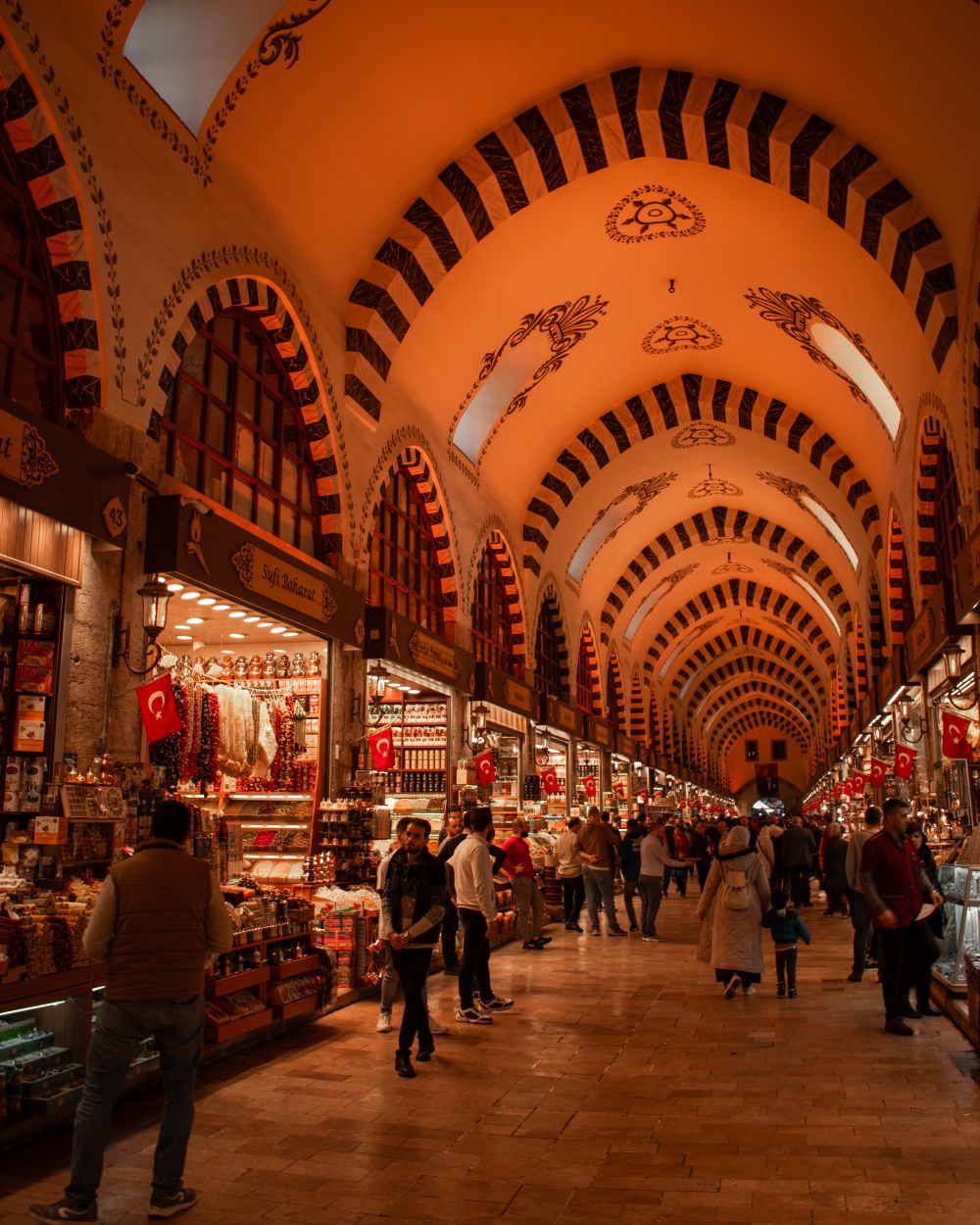
A covered market of vaulted streets between the Beyazıt and Nuruosmaniye mosques, selling jewellery, carpets, lanterns and hand-painted…
The official pages this guide was checked against.
Last updated