Things to do
5-
Canadian Museum of Immigration at Pier 21
Between the wars and the early nineteen seventies close to a million immigrants first set foot in Canada through this shed on the harbour, and half a million soldiers shipped out from it. The galleries lean on recorded voices, luggage and paperwork, not artefacts under glass. A research desk helps trace arrivals by ship and date. Two hours suffices unless a family search is the point.
-
Halifax Citadel
Fourth in a line of forts on the hill above the harbour, the present star-shaped work took nearly thirty years to build and was obsolete by the time it was finished. No shot was ever fired at it in anger. A gun is fired at noon each day, loud enough to hear across downtown, and kilted guides drill in the ditch through the summer season.
-
Halifax Public Gardens
A formal Victorian garden of about six hectares sits behind wrought iron gates a short walk from the citadel, laid out in the eighteen sixties and little altered since. Gravel paths circle a bandstand raised for Victoria's jubilee, with carpet beds, a duck pond and specimen trees. Band concerts are held on summer Sunday afternoons. The gates now open the year round, closing early in the short days.
-
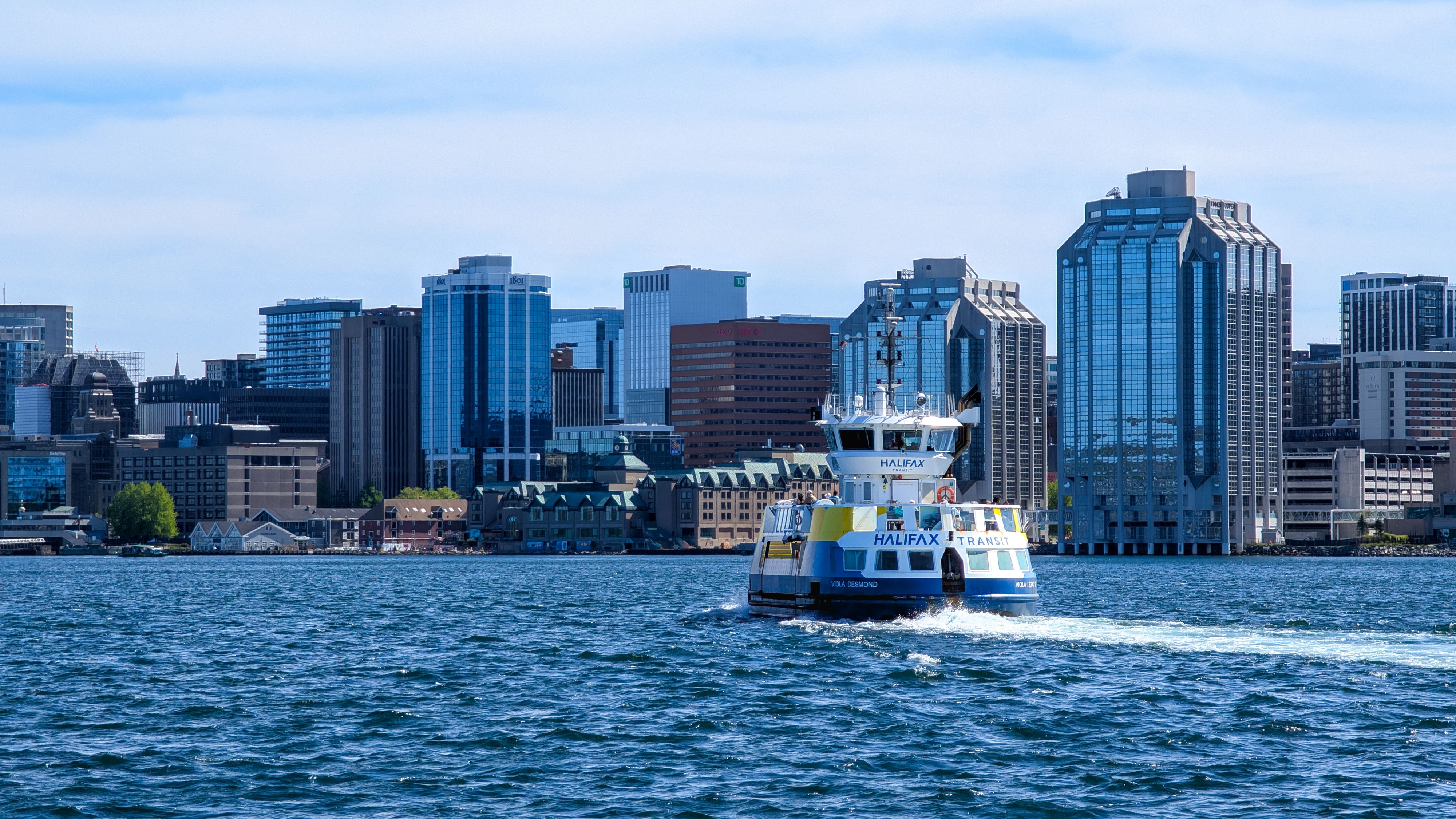
Halifax Waterfront Boardwalk
Four kilometres of planking follow the harbour from the casino to the seaport, past moored museum ships, a farmers' market and a wooden wave sculpture children climb. The Maritime Museum of the Atlantic opens onto it, with the Titanic gallery that draws most of its visitors. Summer evenings bring food stalls and buskers. Wind off the water keeps the walk cool in August.
-
Peggy's Cove
Granite barrens scraped bare by the last ice age run down to a fishing cove southwest of the city, where an octagonal lighthouse sits on open rock. Lobster boats still work from the wharves of a village of a few dozen residents. Wet black rock at the water's edge has drowned visitors: the surf breaks without warning and the signs mean it. Coaches fill the car park by late morning.