A couple of hours here is enough to see carved mosque pulpits, glass and metal lamps and pages lettered in silver. The collection of Islamic artifacts is one of the largest in the world.
Museum, Cairo. Meridian Dispatch.
As of November 2026, the museum posts daily hours of 09:00 to 17:00, though Fridays can include a midday break. The ticket window shuts an hour before closing. During Ramadan it opens from 09:00 to 15:00, with the last ticket at 14:00.
Yes, it is ticketed, and Egyptians pay a lower rate. As of November 2026, entry is free for children under six, Egyptians aged 60 and over and Egyptians with special needs. Carry a payment card, because cash may not be accepted for tickets, and bring some pounds as well.
Up to four hours, for a visit that reads the labels and takes the carved wood slowly. Two to three hours suits most visits, enough for both wings.
It is on Bab al-Khalq square, on the western edge of Islamic Cairo. The nearest metro station is Mohamed Naguib on Line 2, 850 metres away. By taxi, ask for Mathaf el fann el Islami in Bab el Khalk.
Yes, with a mobile phone, at no charge. Flash, tripods and monopods are not allowed, and commercial filming needs a permit. Visitors are asked not to photograph staff or one another.
The official site of Museum of Islamic Art is egymonuments.gov.eg.
egymonuments.gov.eg →Give the finely carved woodwork the most attention. Look for minbars, the pulpits of mosques, along with window screens and architectural fragments from the 13th to 15th centuries.
Lamps of glass and metal here once hung in mosques such as Sultan Hassan. A restored marble and stone fountain stands at the centre of one of the galleries.
Two pieces to look for are a Mamluk key to the Ka'ba in Mecca and a textile bearing the oldest inscription in Kufic script.
Among the coins, look for a tiny one from the late seventh century, inscribed wholly in Arabic. It is easy to miss. Some of the manuscripts have calligraphy in silver ink on elaborately bordered pages.
A car bomb targeting the Cairo Security Directorate opposite damaged the façade and the collection in 2014, and the museum reopened in 2017. Some restored exhibits carry small gold labels.
Arriving at the main entrance on Port Said Street, leave large bags and umbrellas in the cloakroom before the galleries. If you need step-free access, use the side entrance. The 25 rooms divide into two wings.
Begin with the right-hand side, which runs in date order. There gallery 1 covers the Umayyads, Abbasids and Tulunids, and the next few follow the Fatimids and then the Ayyubids.
Gallery 8 begins the Mamluks, who built the city that many of these pieces come from. The sequence closes with the Ottomans and the age of Muhammad Ali.
Cross to the left wing, arranged by subject, where coins and weapons come first in gallery 14. After them are the eastern Islamic world, calligraphy, textiles and carpets, in that order. The last rooms take in daily life, water and gardens, science and medicine.
Bring a light layer, because the air conditioning is strong. If time is short, allow an hour and a half for the headline pieces.
Many of the carvings came out of Cairo's own monuments, so see the museum first and the old city's buildings afterwards. Khan el-Khalili and Al-Muizz Street are both within walking distance.
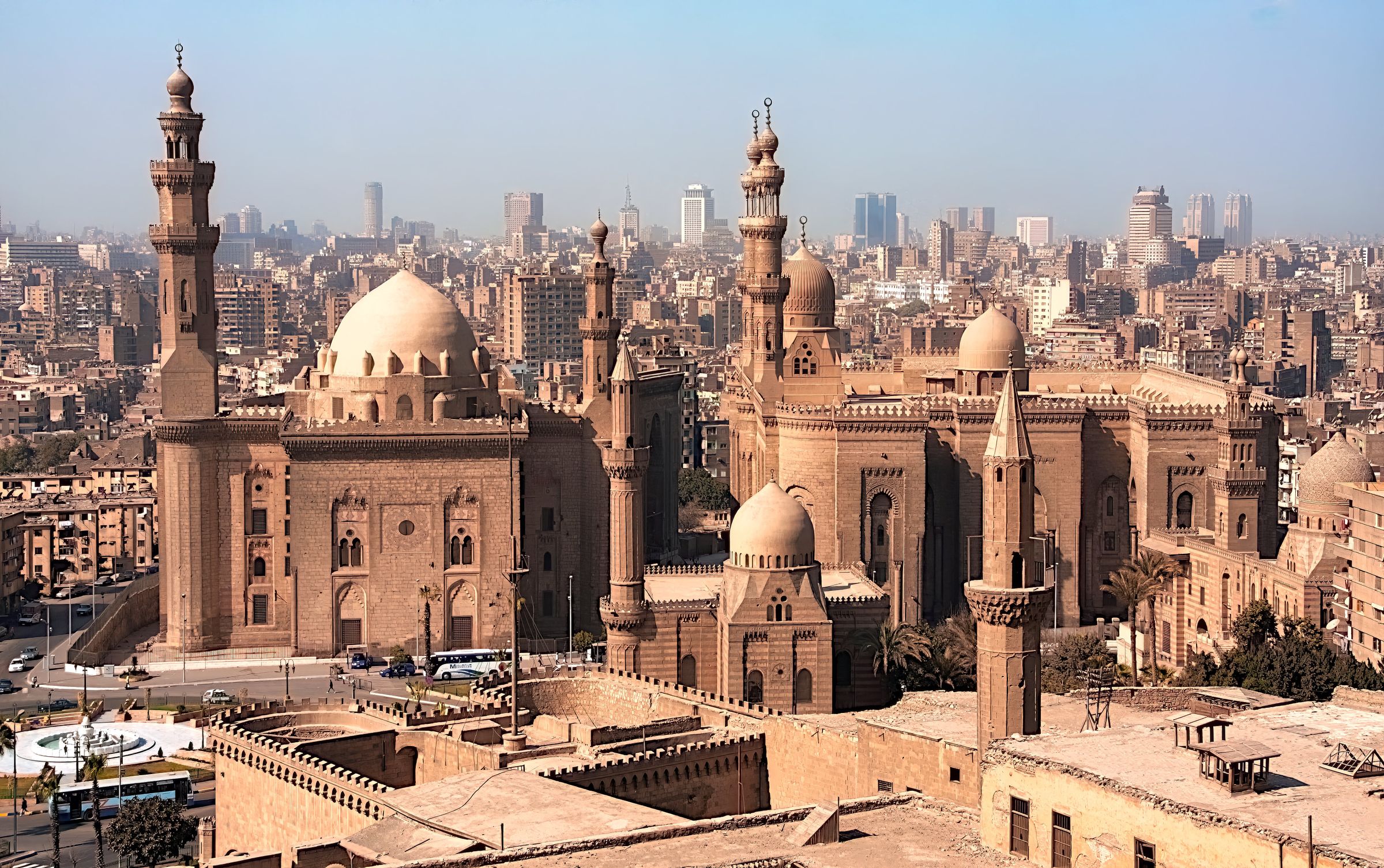
Book four days in Cairo and spend three of them in the old city, staying downtown or in Zamalek, because the pyramids at Giza need the fourth to themselves. On the Citadel day, climb the minaret of Ibn Tulun for the view.
Read the Cairo guideExplore the rest of Cairo
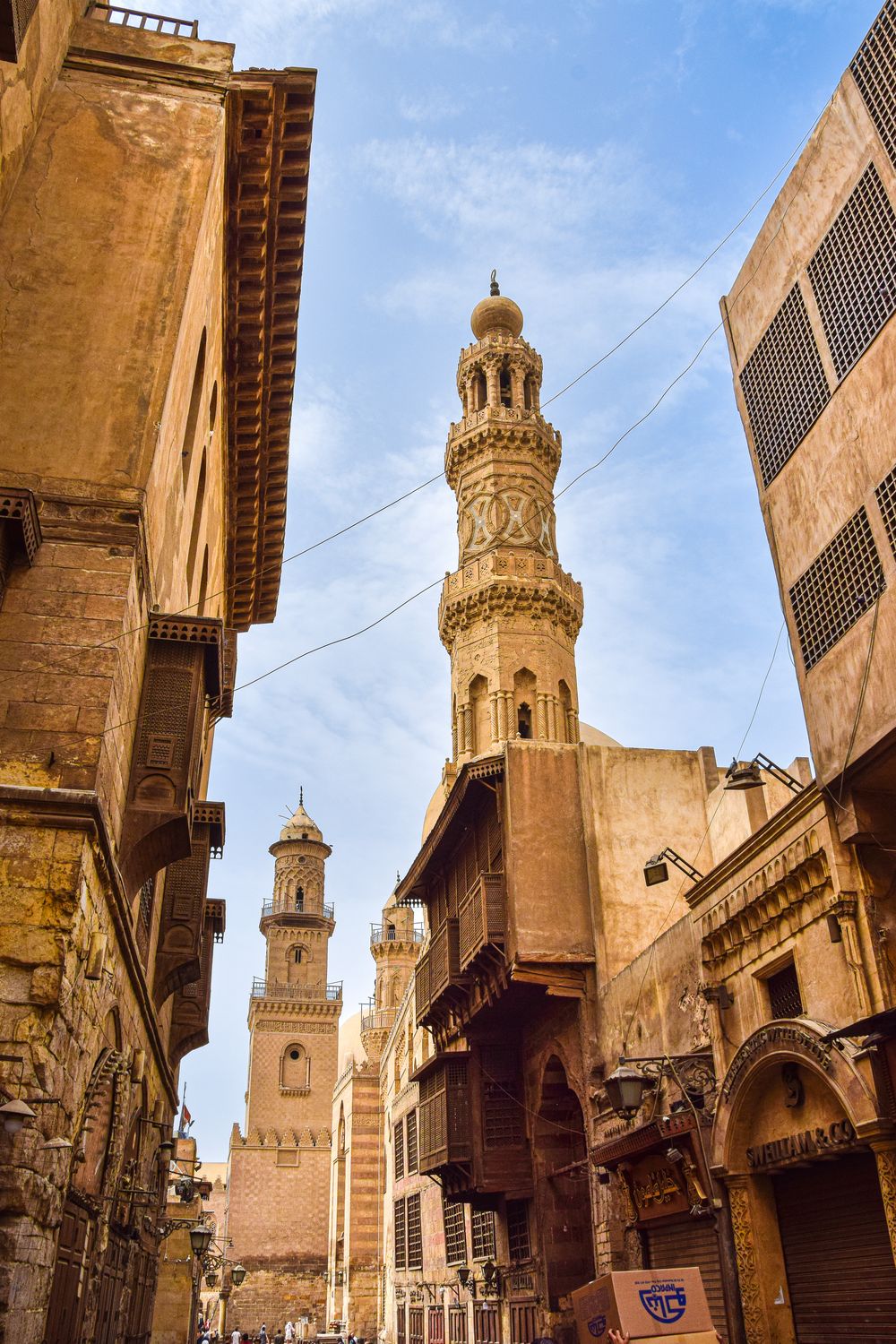
The spine of the Fatimid city, running a kilometre from the northern gate of Bab al-Futuh to Bab Zuweila in the south, with the densest run…
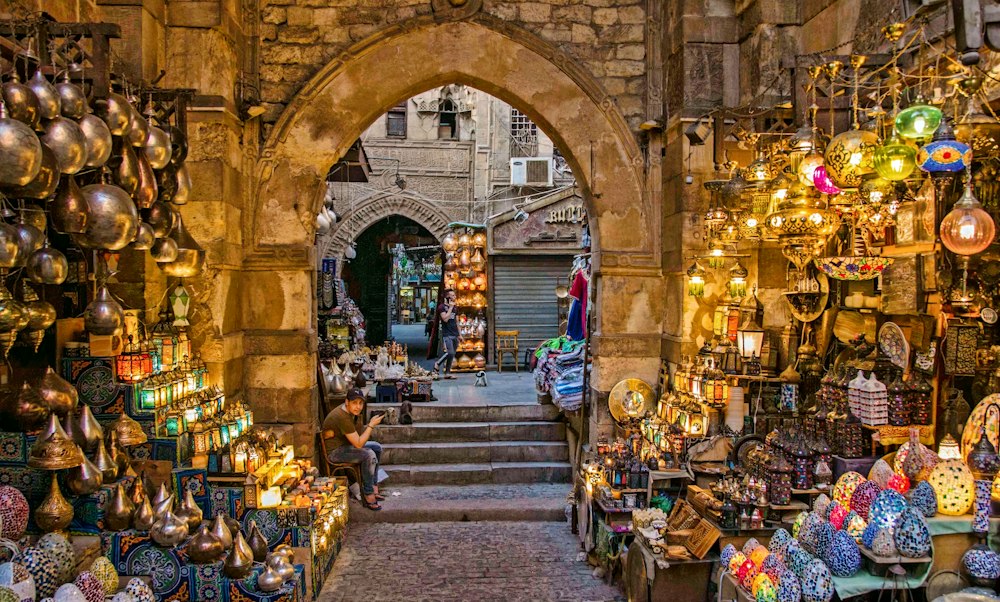
A trading quarter since a Mamluk emir built a caravanserai here in 1382. The lanes nearest the Hussein mosque sell souvenirs; a few turns…
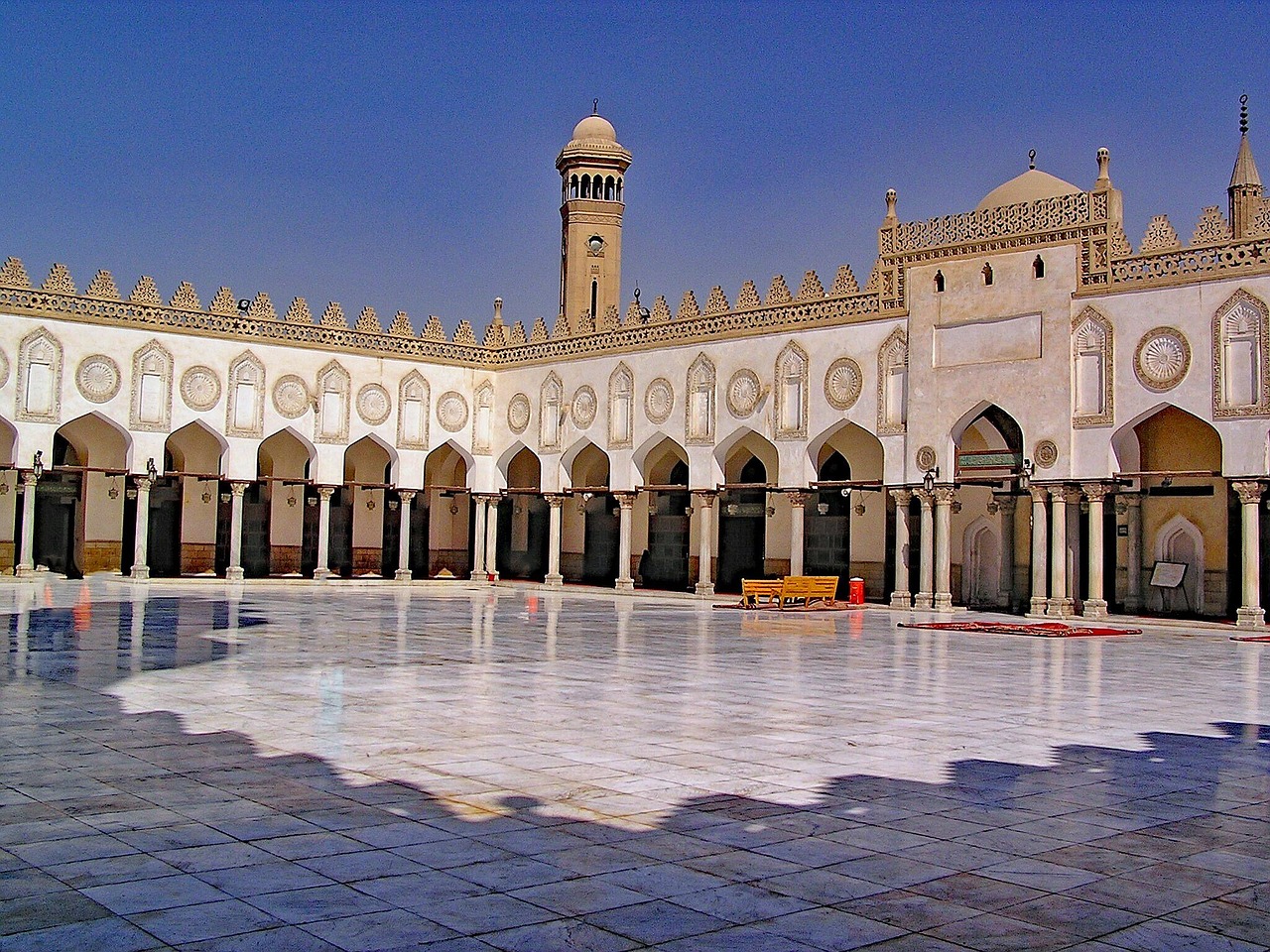
Founded in 970 as the new Fatimid city's congregational mosque, with a school attached that grew into one of the oldest universities in the…
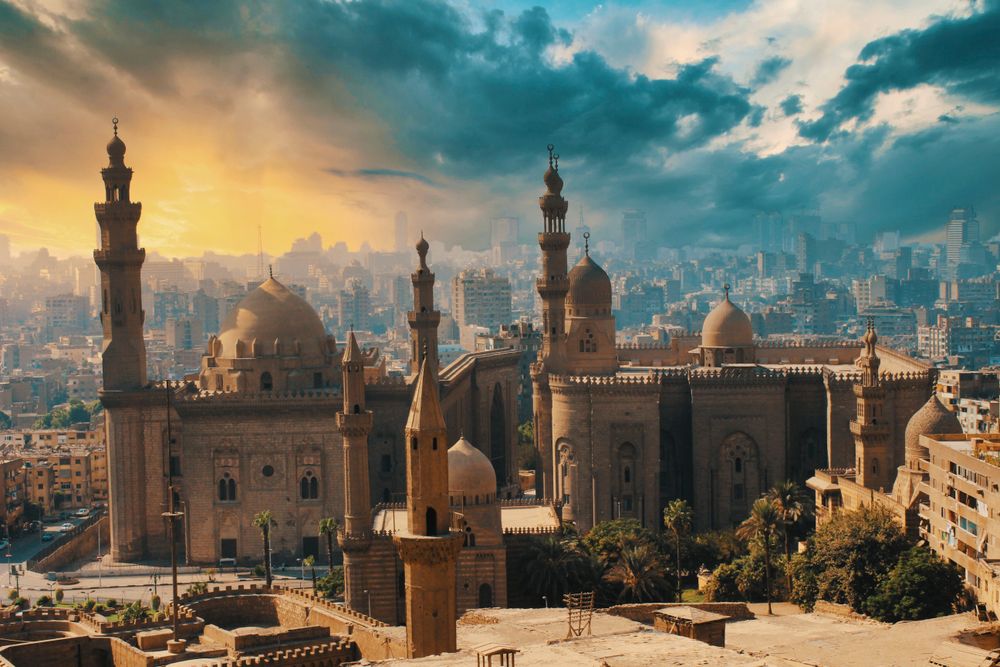
A Mamluk sultan began this colossal school-mosque in 1356, paid for in part with estates left ownerless by the Black Death, and was…
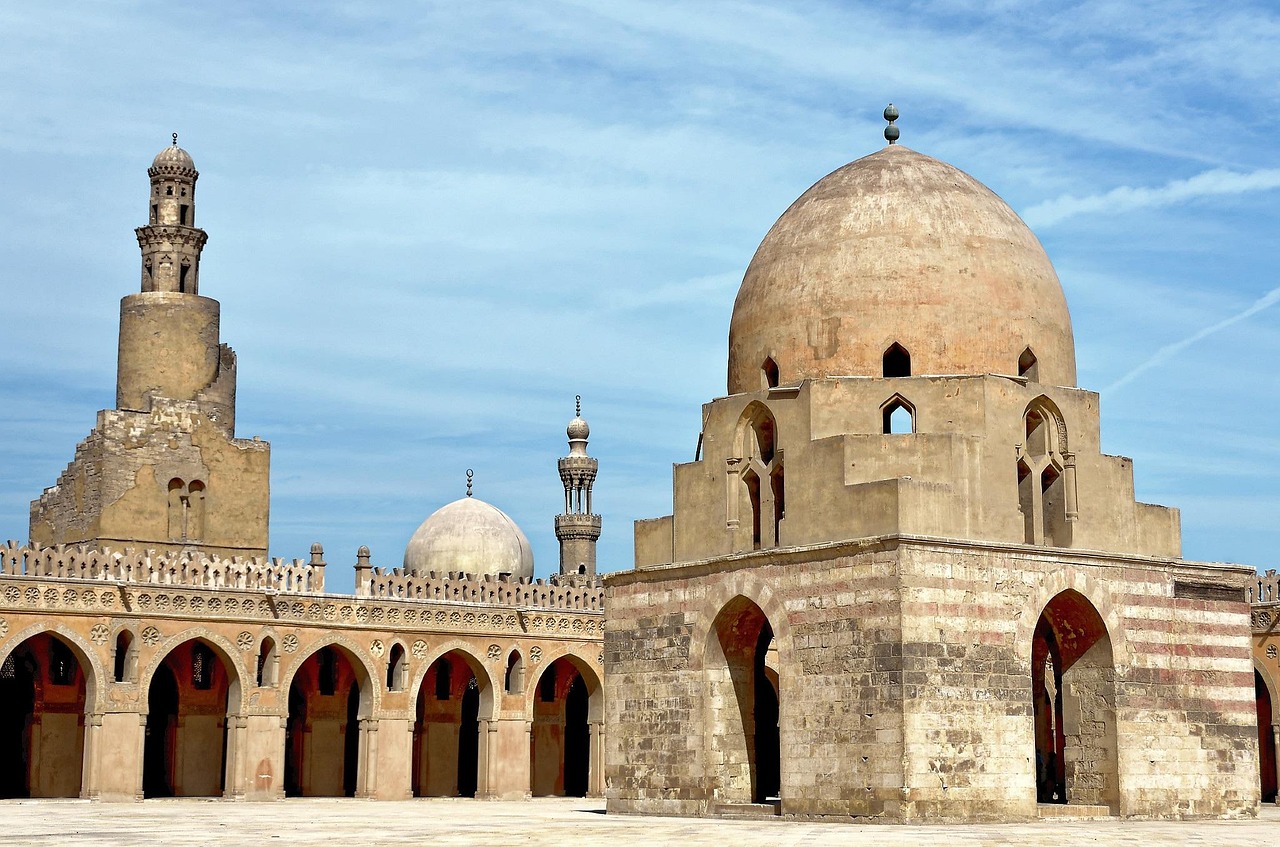
Completed in 879, this is the oldest mosque in the city still in its original form: a huge brick courtyard ringed by pointed arcades, built…
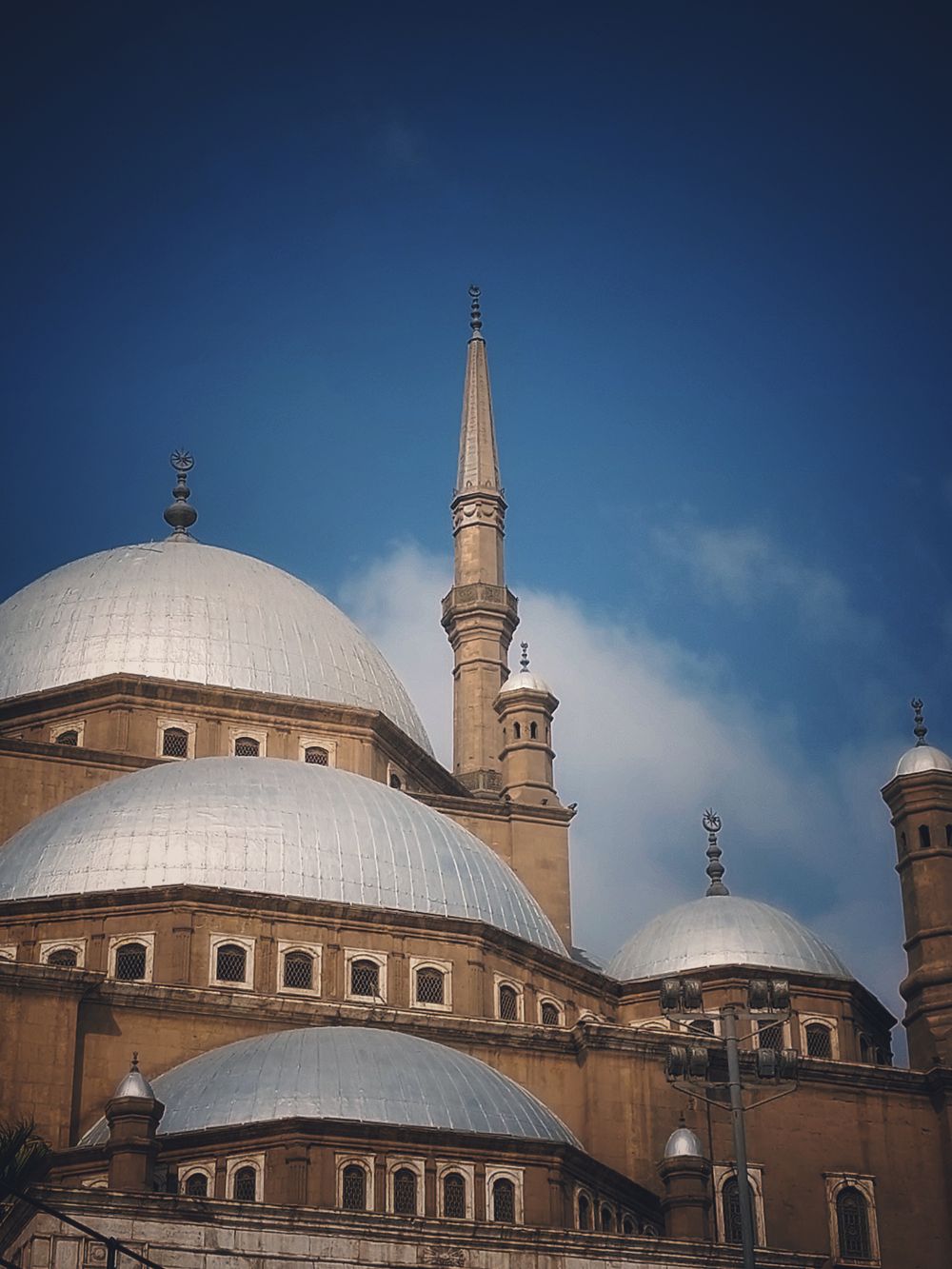
Saladin began these walls in 1176 on a spur of the Muqattam hills, and Egypt was ruled from inside them for nearly seven hundred years. The…
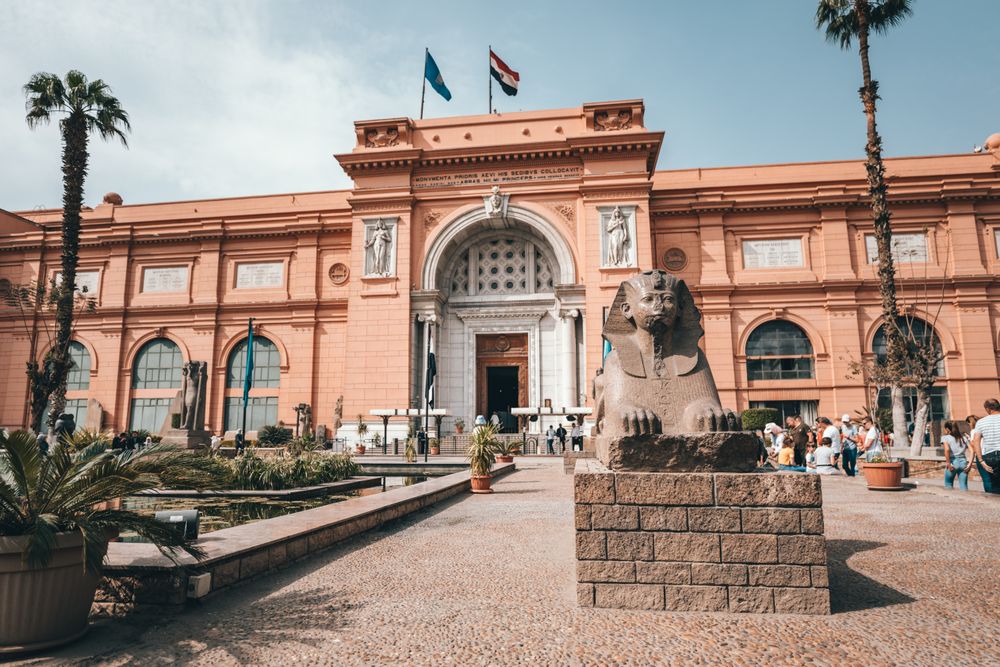
Two floors of the pink building on Tahrir Square hold the Narmer Palette, the treasures of Tanis and the complete burials of Yuya and…
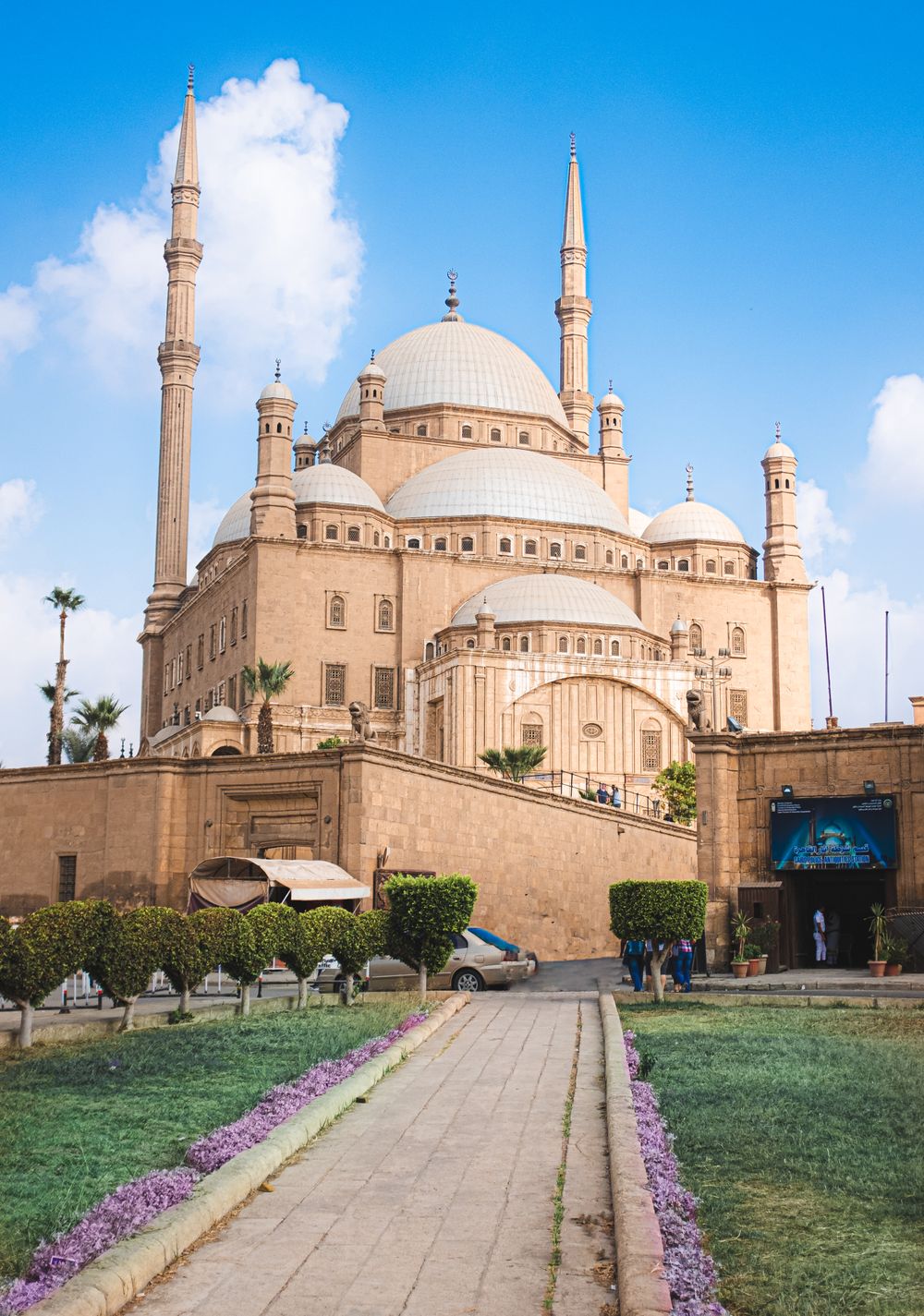
The Ottoman silhouette on top of the Citadel, domes and two pencil minarets, was finished in 1848 for the Albanian-born governor who…




Save Museum of Islamic Art to your Egypt trip in the Meridian Dispatch app and build the day around it, with the best of Cairo pinned on one map.
Download on the App StoreLast updated