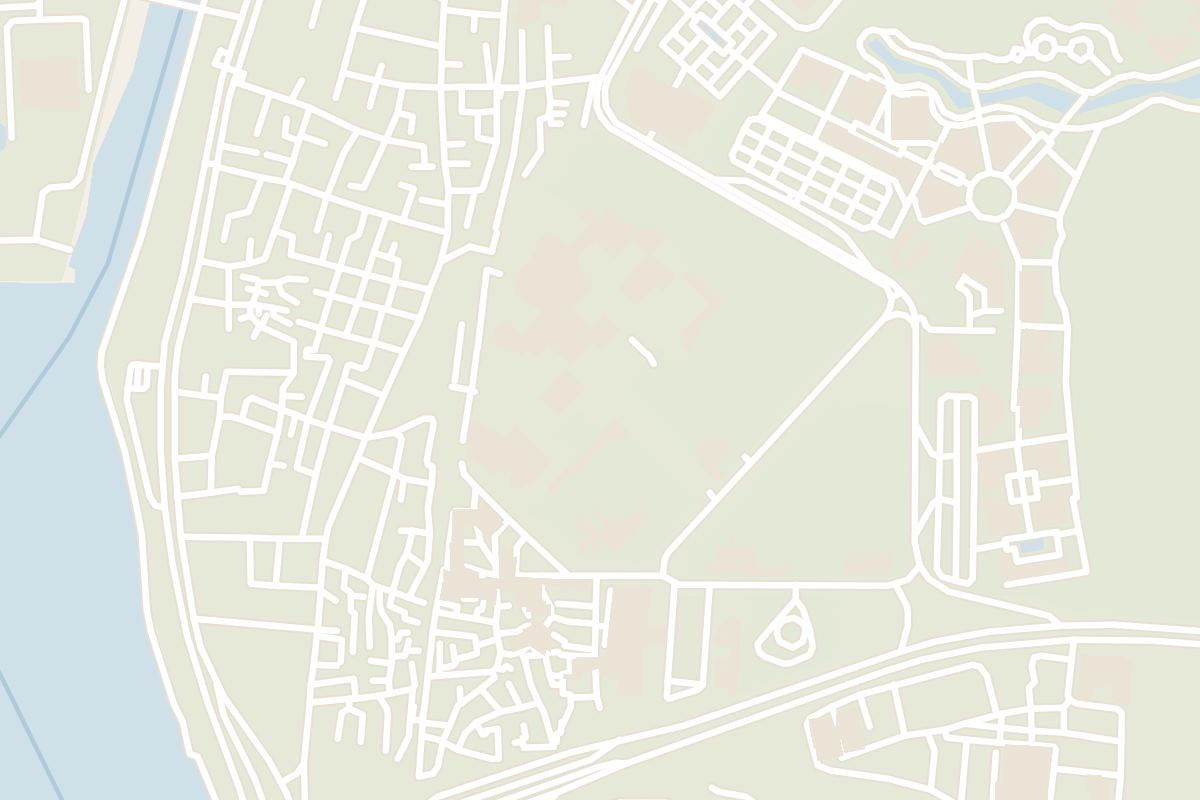
Five cultures, from Pharaonic to Ottoman, left their mark on the Christian art here. See it in the icons, frescoes, carved wood and decorated manuscripts.
Museum, Cairo. Meridian Dispatch.
Ticketed. Foreign visitors and Egyptians pay different rates, each with a reduced student rate, and tickets are also sold online. Children under six enter free, as do Egyptians over 60 and Egyptians with special needs.
From 09:00 to 15:00 during Ramadan. For the rest of the year the museum is open from 09:00 to 17:00 every day of the week.
Last entry is at 16:00 in both summer and winter, as of November 2026, and the tickets window closes at the same time. In Ramadan it closes at 14:00.
At 3 Mar Girgis Street in Old Cairo, inside the former enclosure of the Roman fortress of Babylon. The museum is straight ahead from the east exit of the metro station. Trains back to the centre run in the El Marg direction.
Yes. The museum's own rules allow mobile phone photography free of charge. The free rule names phones only, so a camera may need a permit. Flash, tripods and monopods are not allowed, and visitors are asked not to photograph staff or other visitors.
The official site of Coptic Museum is egymonuments.gov.eg.
egymonuments.gov.eg →This is the largest collection of Coptic art, the art of Egypt's Christians, in the world. Marcus Simaika Pasha opened the museum in 1910 with antiquities he bought from older churches under renovation.
The building is part of the display. Its front copies the 12th-century Al-Aqmar Mosque, mosaics pave the floors, and painted ceilings and marble fountains came from old Coptic palaces.
Look for the gravestones from Kom Abou Billou, which carry the falcon of Horus and the jackal of Anubis beside crosses and figures praying with raised arms. In later sculpture, the Greek goddess Aphrodite rises from the sea on a shell, as a sign of baptism.
Two large monastery pieces stand out. Jeremiah's Pulpit came from the Monastery of St. Jeremiah in Saqqara. The Bawit fresco shows Christ in majesty, with the Virgin and the Apostles, surrounded by archangels.
The Nag Hammadi codices, a set of ancient manuscripts, are kept here, but do not plan on seeing them: the manuscript library admits specialist researchers only.
Metro Line 1 stops at Mar Girgis, reached from Tahrir on trains towards Helwan. Leave by the east side, onto a pedestrian street, and the museum entrance is straight ahead.
Begin with the stone on the ground floor, mostly fragments of buildings, and the wall paintings from early monasteries. Then go upstairs to the tapestries and embroideries. Toilets and a gift shop are in the building, and there are gardens and courtyards outside.
Afterwards, turn right out of the museum and walk north. After about 200 metres, look for a small staircase going down from the street, as if into a basement, to most of the other churches.
For the Hanging Church, turn left instead and walk 100 metres south.
The windows have old wooden lattice screens called mashrabiya, and some ceilings are carved in arabesques.
The labels are clear in English, French and Arabic. Leave any audio player behind, since they are not permitted. A small bottle of water is allowed in the galleries, but no food or other drink.
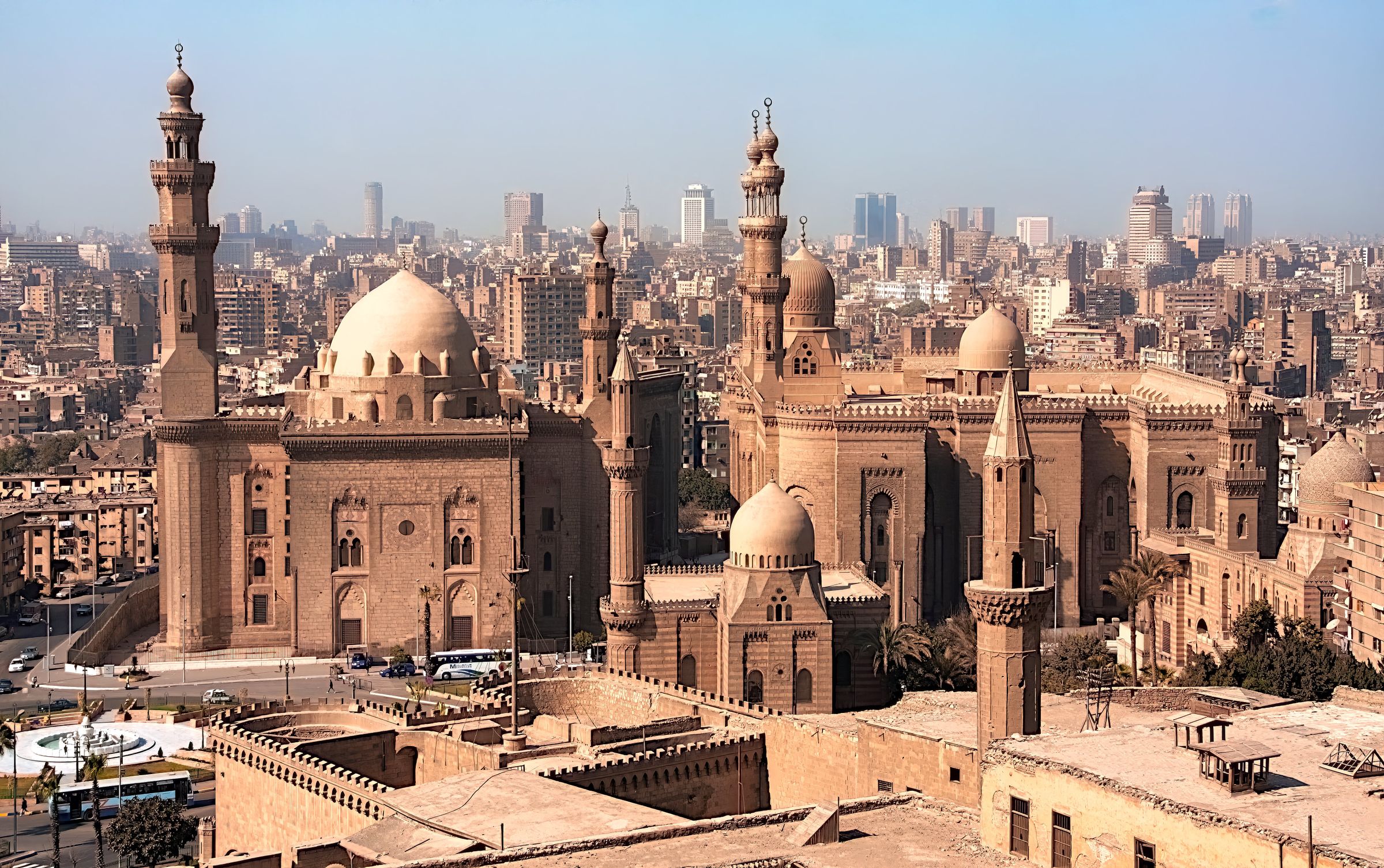
Book four days in Cairo and spend three of them in the old city, staying downtown or in Zamalek, because the pyramids at Giza need the fourth to themselves. On the Citadel day, climb the minaret of Ibn Tulun for the view.
Read the Cairo guideExplore the rest of Cairo
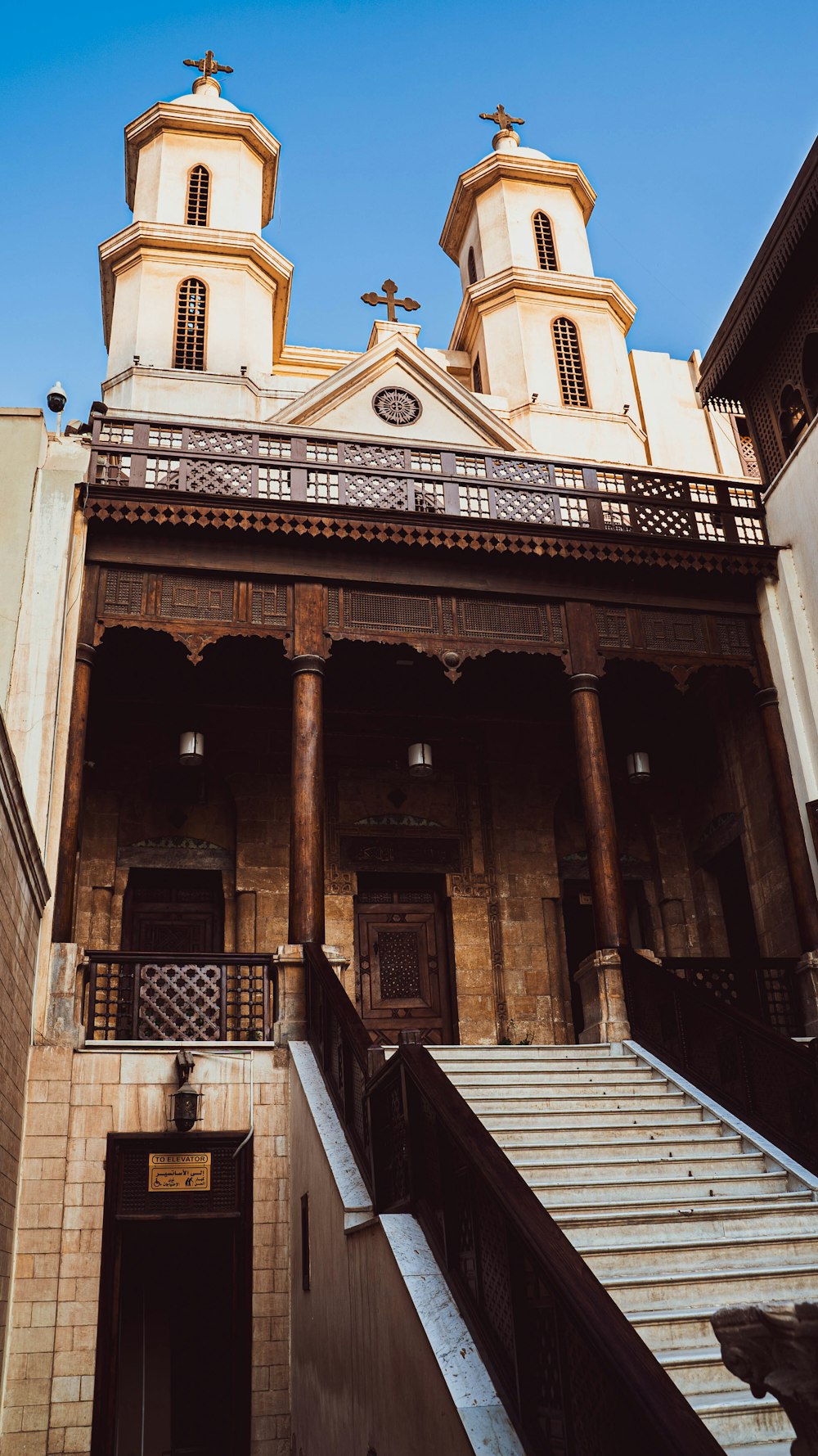
Named because its nave was built across the top of a Roman gatehouse, with palm logs and stone spanning the passage below; a glass panel in…
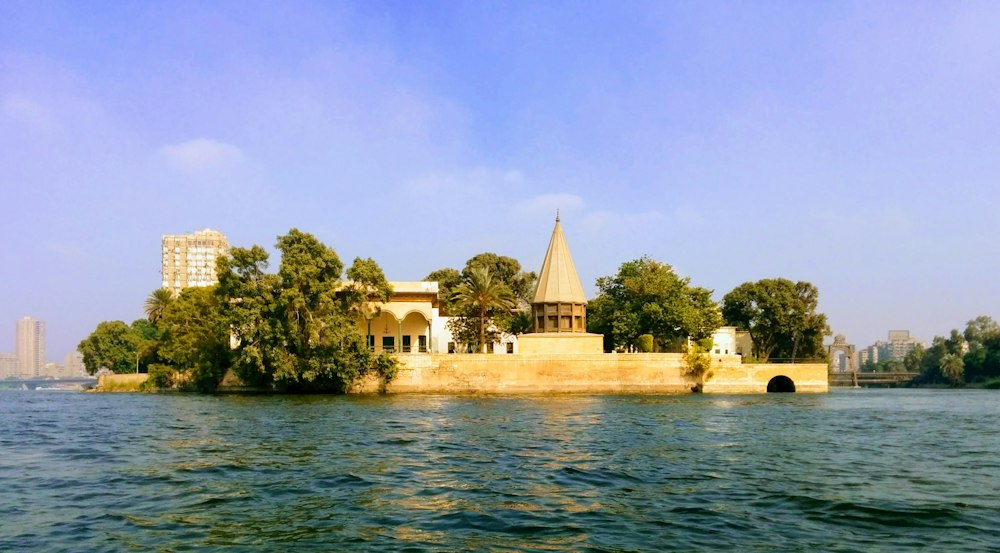
On the southern tip of Roda Island, a stone well sheltered by a conical roof holds a marked octagonal column that measured the rise of the…
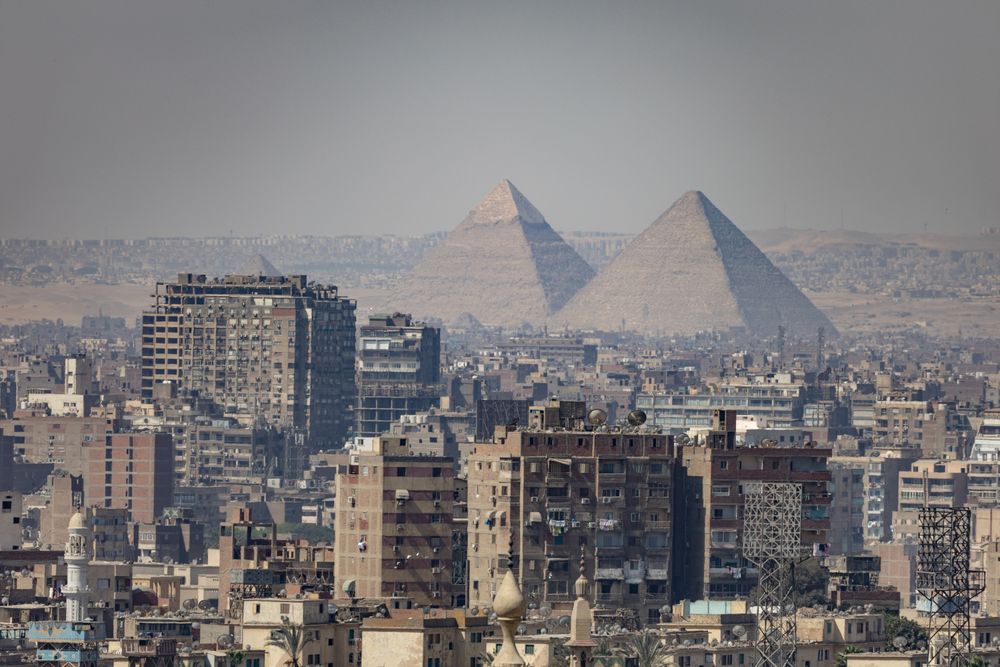
Giza is a city of several million on the west bank of the Nile, continuous with Cairo, and its last apartment blocks stop at the foot of a…
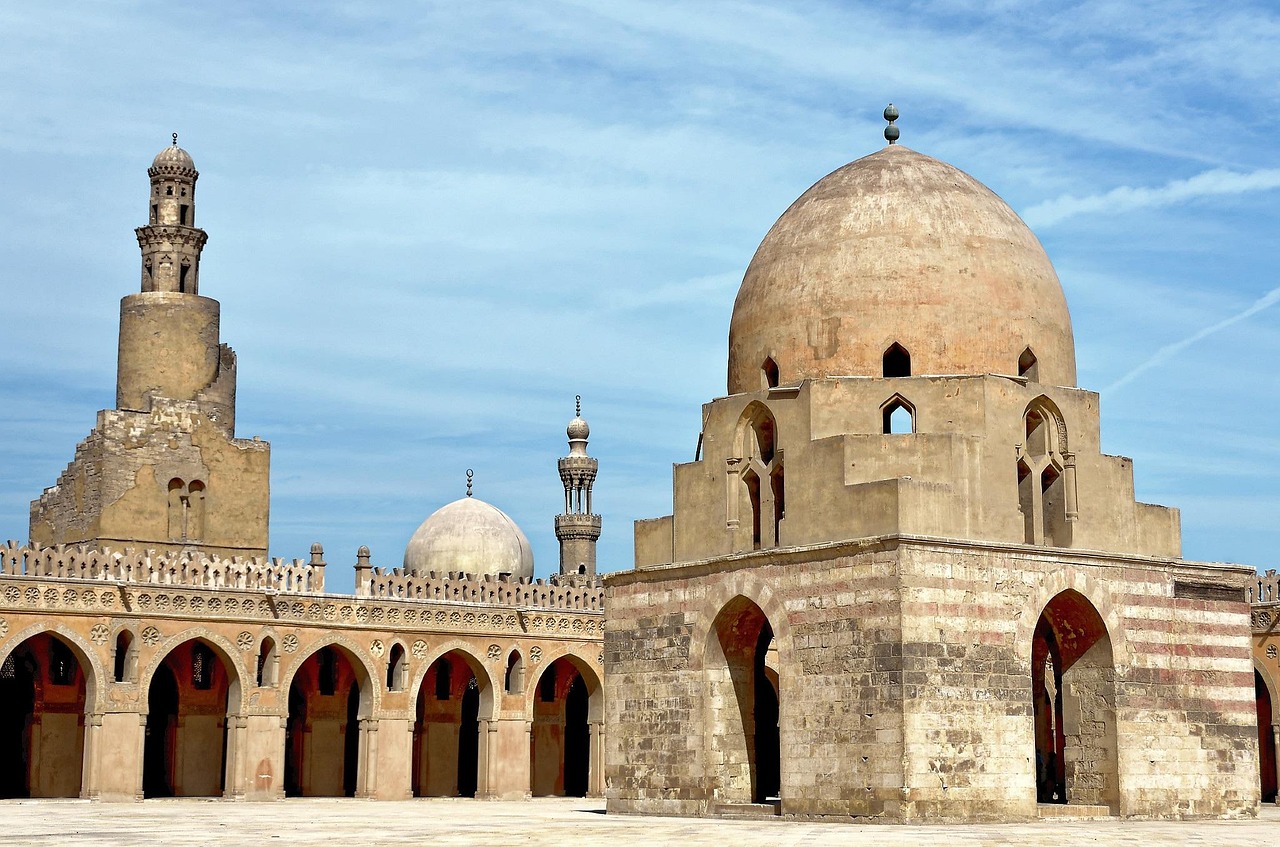
Completed in 879, this is the oldest mosque in the city still in its original form: a huge brick courtyard ringed by pointed arcades, built…
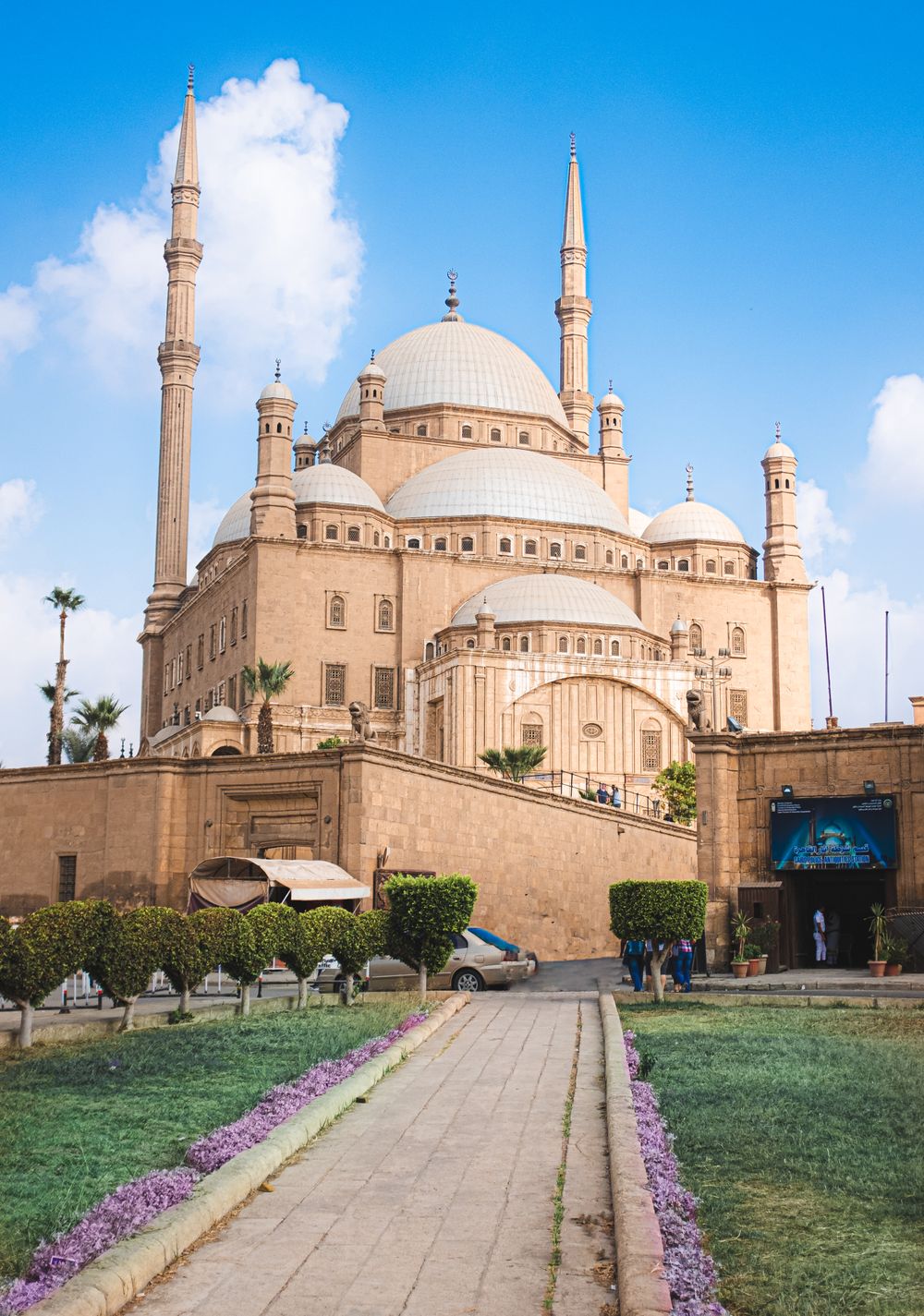
The Ottoman silhouette on top of the Citadel, domes and two pencil minarets, was finished in 1848 for the Albanian-born governor who…
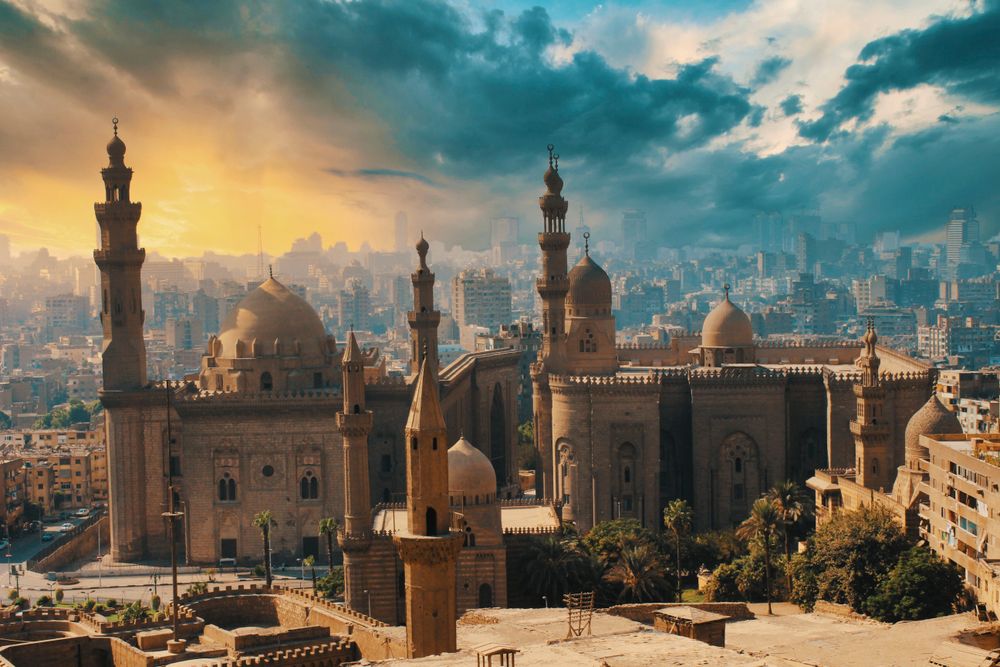
A Mamluk sultan began this colossal school-mosque in 1356, paid for in part with estates left ownerless by the Black Death, and was…
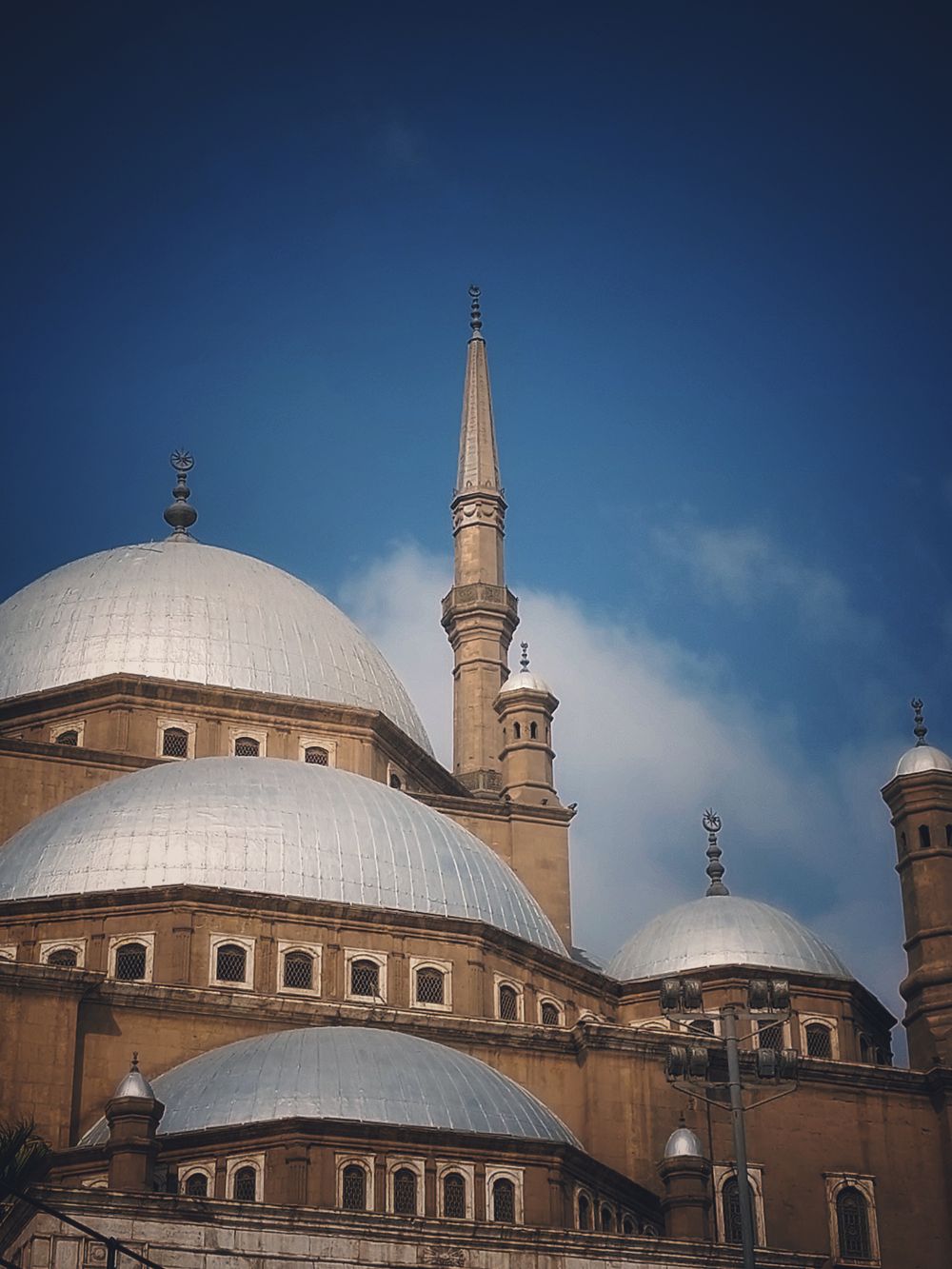
Saladin began these walls in 1176 on a spur of the Muqattam hills, and Egypt was ruled from inside them for nearly seven hundred years. The…
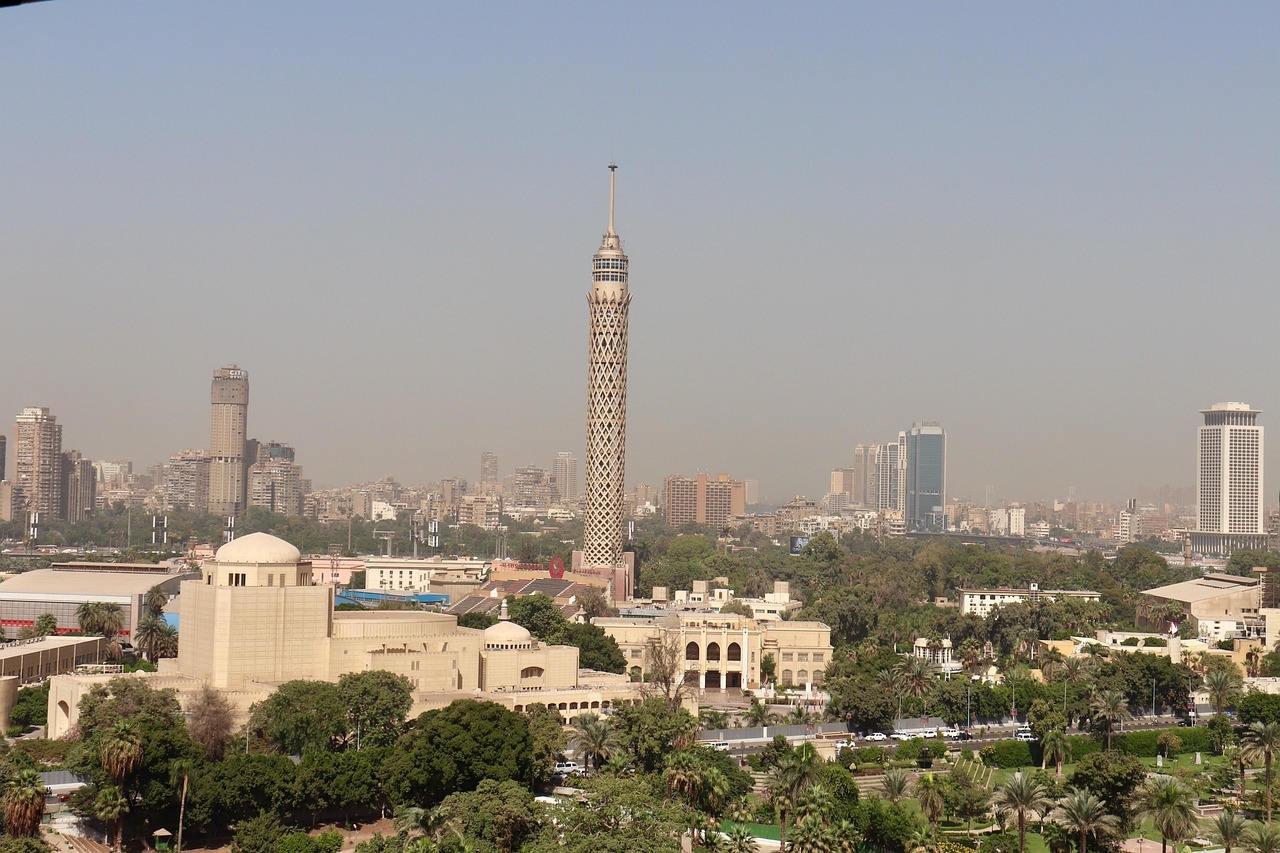
Naoum Shebib's concrete lattice on Gezira Island went up between 1956 and 1961, its open latticework shaped to suggest a lotus stalk. A…




Save Coptic Museum to your Egypt trip in the Meridian Dispatch app and build the day around it, with the best of Cairo pinned on one map.
Download on the App StoreLast updated