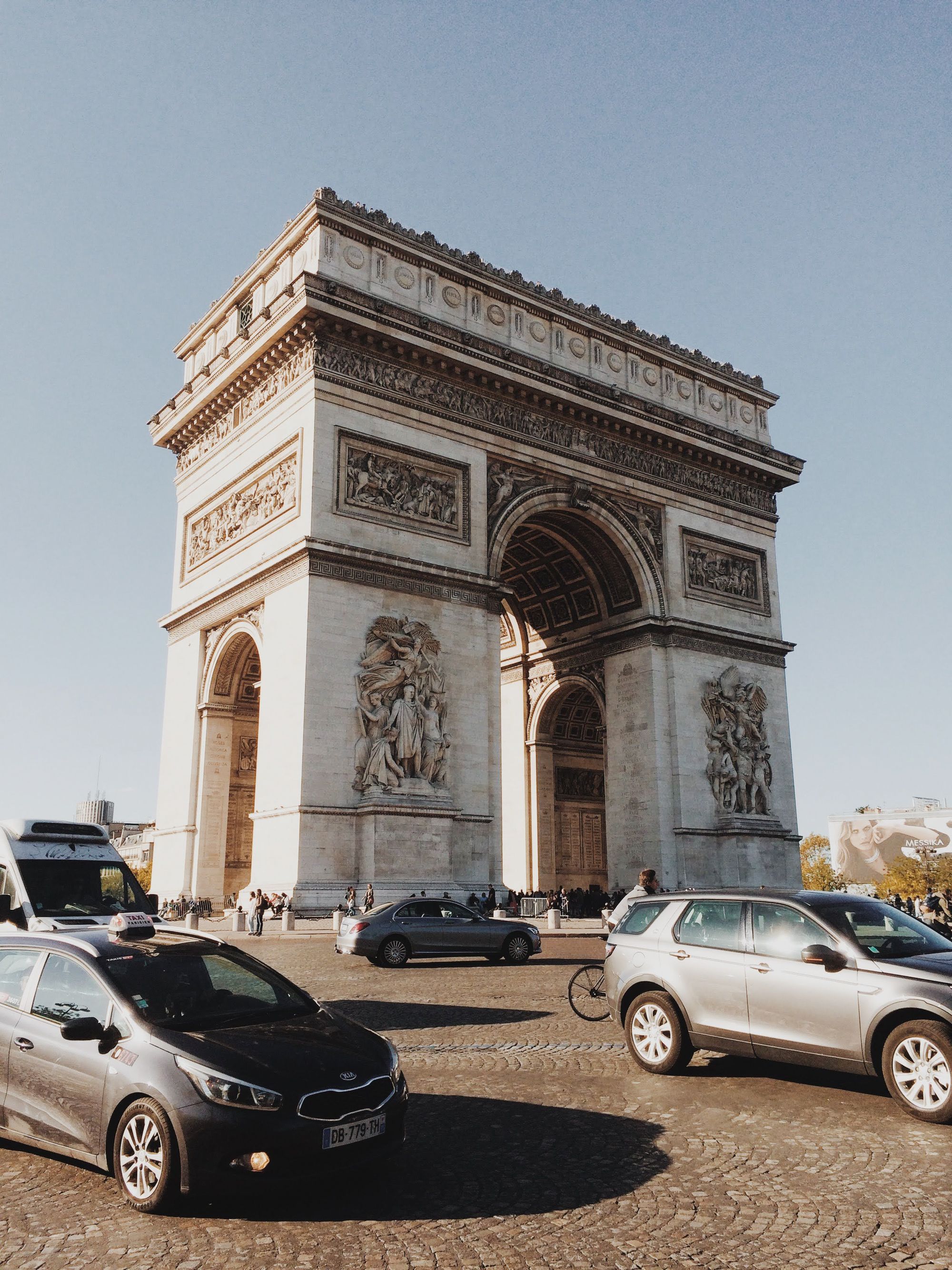
 Submit a photo
Ninety seconds on Arc de Triomphe
Métro lines 1, 2 and 6 and RER line A all stop at Charles-de-Gaulle-Étoile, at the top of the Champs-Élysées. The roundabout should not be crossed on foot, so the entrance is the underground Passage du Souvenir, which leads up under the arch.
Doors open at 10am daily except Tuesday, when opening is at 11am. Closing is 11pm between April and September and 10.30pm between October and March. Visitors must be inside no later than 45 minutes before closing time.
Yes, on some. The monument stays closed on 1 and 8 May and on 14 July, and does not open until the afternoon on 11 November. On 24 and 31 December 2026 it closes early, at 4pm, and the official site posts any other change.
Most visitors need a ticket. Entry is free for people aged 18 to 25 who are EU citizens or regular residents of France, and for everyone on the first Sunday of January, February, March, November and December.
Entry needs a ticket, and e-tickets are bought online through the Centre des monuments nationaux. A smartphone ticket is scanned at the security checkpoint, so it does not need to be printed.
The climb itself is 284 steps, all on foot, up a tight spiral stair with a few landings for a pause. The lift, normally kept for visitors with reduced mobility, is not running at present. With the terrace and the tomb, a full visit takes one to two hours.
Yes. The Flame of the Nation, on the Unknown Soldier's grave beneath the arch, is relit every evening at 6.30pm in a brief, silent tribute that anyone can attend free of charge. It has burned without a break since 11 November 1923.
Climb to the terrace at dusk and the whole of Paris lights up around you, with the Eiffel Tower on one side. Then go back down and stand at the Unknown Soldier's grave under the arch.
Start on the Champs-Élysées face, where two sculpted groups face the avenue. On the right is François Rude's Departure of the Volunteers, better known as La Marseillaise; on the left is Jean-Pierre Cortot's Triumph of the Emperor.
Walk round to the Avenue de la Grande Armée face for the other pair of reliefs, Resistance on the right and Peace on the left. Above them, a long frieze runs round all four faces with the leading figures of the Revolution and the Empire.
Under the vaults, look up. The inner walls of the large and small arches are carved with the names of generals, and they are easy to miss if you only photograph the outside.
At the centre of the main arch, facing the Champs-Élysées, is the tomb of the Unknown Soldier. The flame above it has not gone out since it was first lit in 1923.
From the terrace on the roof, the view runs in a full circle over the city.
Two other sights pair well with the arch: the Tuileries Garden, free to enter, for a slow walk before or after the climb, and the Eiffel Tower on a different evening, with e-tickets bookable up to 60 days ahead.
Buy your ticket online and keep it on your phone. You come up from the tunnel under the arch, scan the ticket at security and go through a quick bag check.
The terrace is reached only by a narrow spiral staircase, with small landings where you can stop for breath. The lift is out of service until further notice, so if you cannot manage stairs, ask at the entrance before you buy.
Walk the whole terrace before you come down, then look round the base of the arch and the tomb. On ordinary days the flame is rekindled at 6.30pm in a short, silent ceremony, and you can watch it without a ticket. On commemoration days the timing can change, so check the date before you go.
The terrace is busiest around sunset. After dark it has more room, and on a summer evening a climb at about nine is quieter.
Bags must be no bigger than forty by forty by twenty centimetres and the monument has no left-luggage store, so leave anything larger at your hotel. Selfie sticks, tripods, flags, scooters and glass bottles are refused at security, and pushchairs cannot go inside, though security will hold one for you at the entrance.
Young adults aged eighteen to twenty-five from the EU, and legal residents of France of the same age, may also get in free, so check the age rule when you book.
Pont Alexandre III is the stop for the blue hour after sunset, when its gilded sculptures are lit against the sky.
Explore the rest of Paris
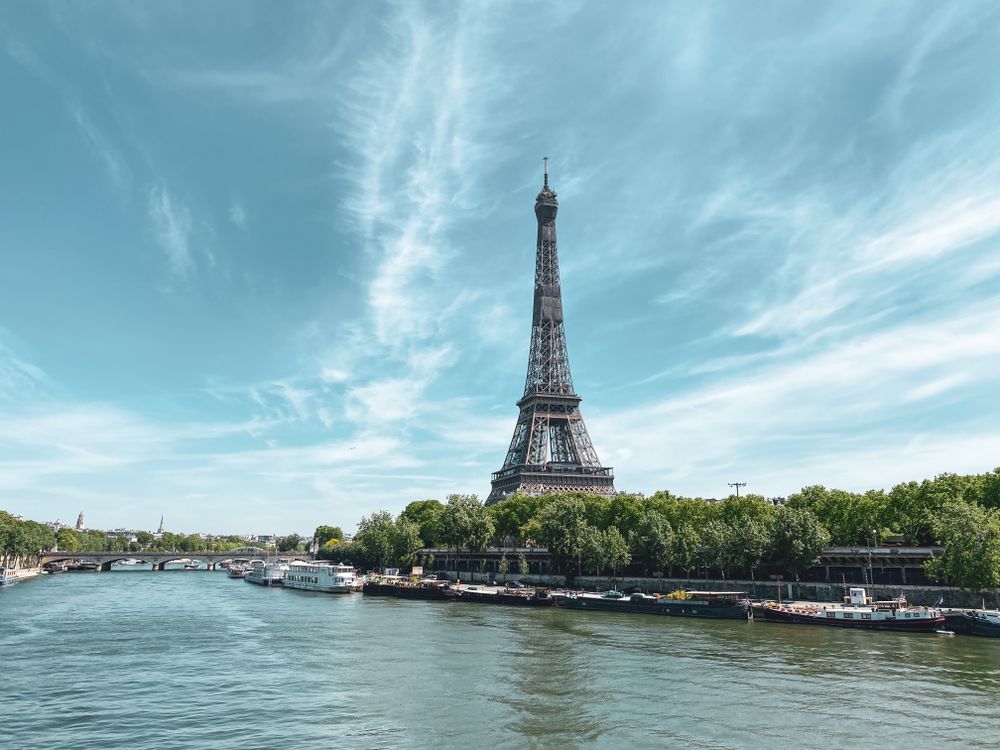
The iron lattice tower on the Champ de Mars beside the Seine, with viewing decks, restaurants and a glass floor across two public levels…
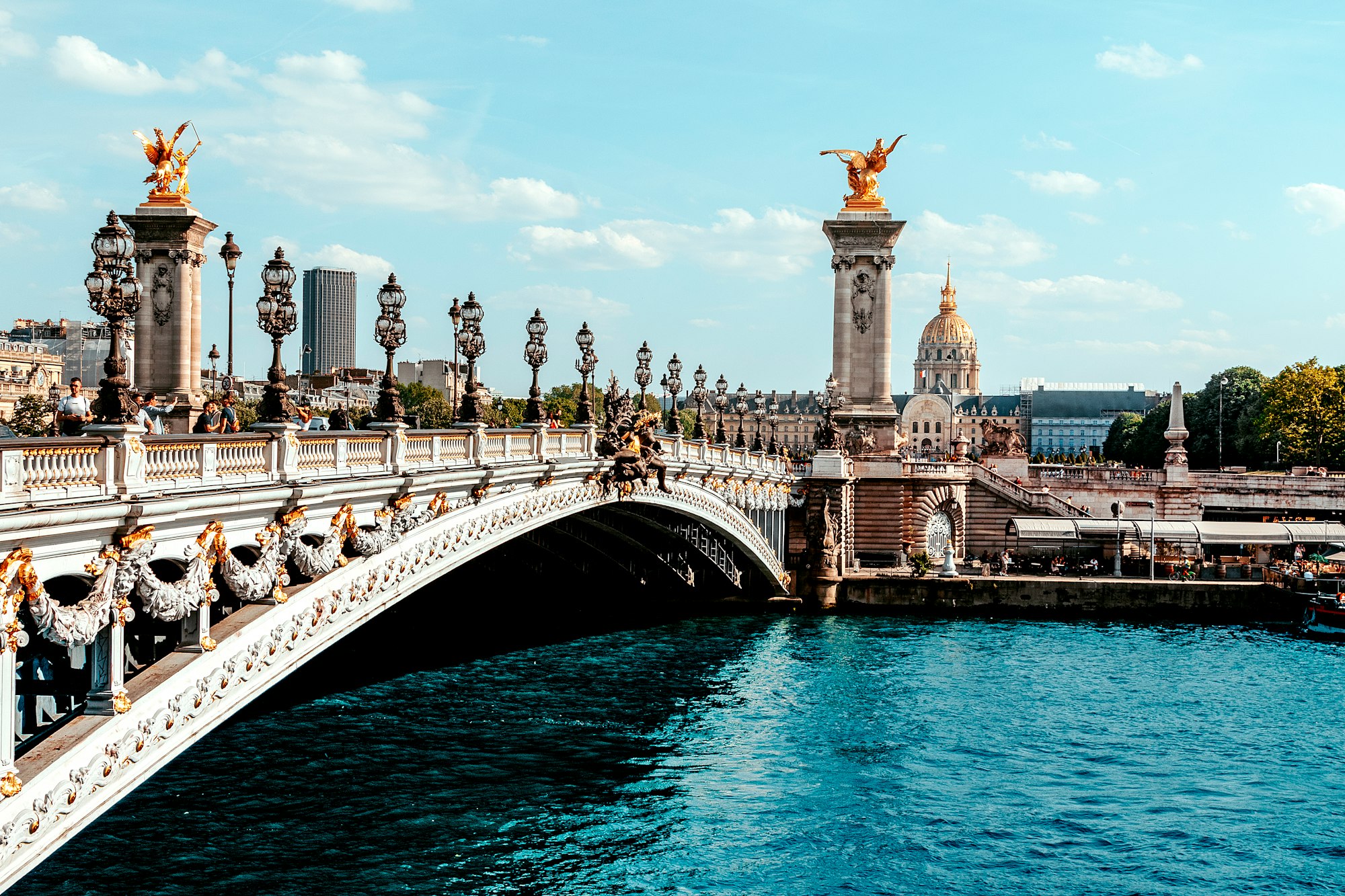
The most ornate bridge on the Seine, built for the 1900 exposition with gilded statues at each end, linking the Grand Palais to the…
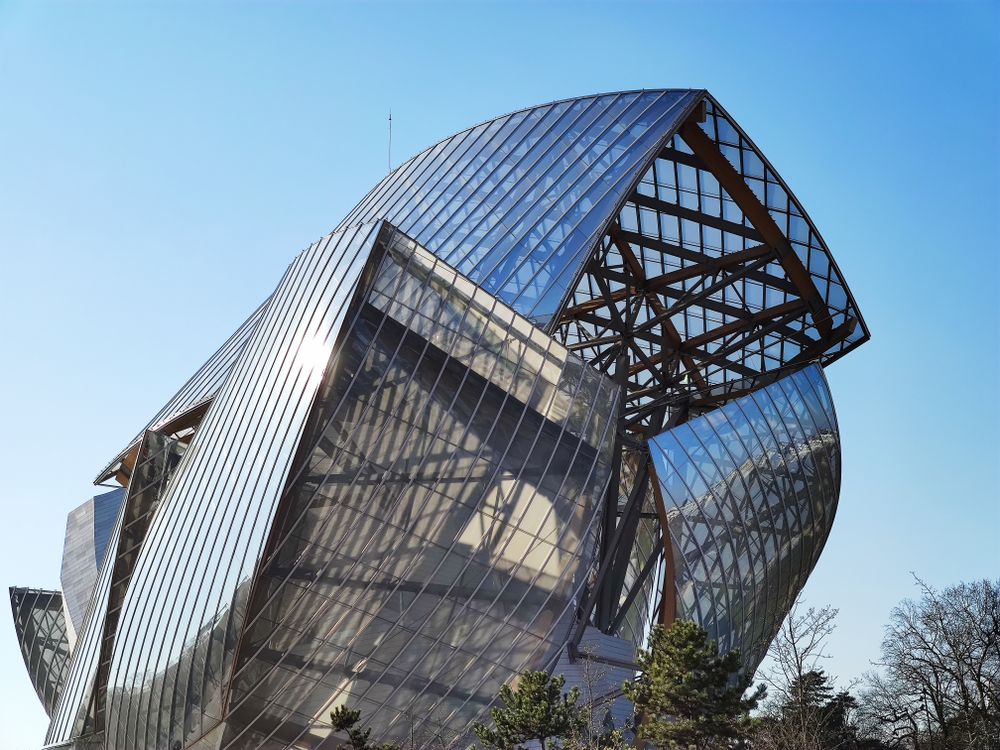
Frank Gehry's glass-sailed building opened in 2014 in the Bois de Boulogne, showing the Arnault contemporary collection alongside major…
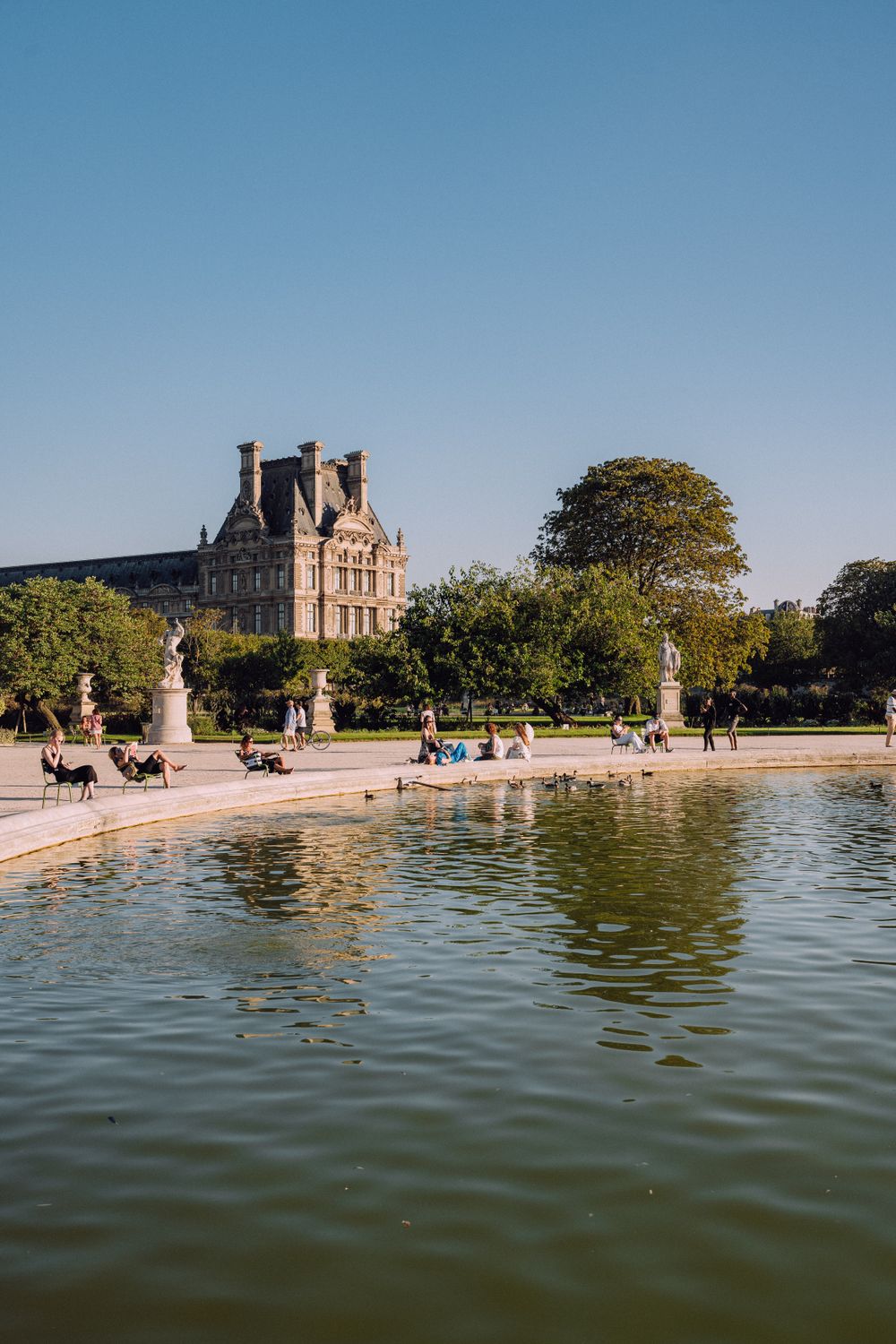
Le Nôtre's garden of 1664 between the Louvre and the Concorde, the axis the whole city is laid out on. The green chairs around the ponds…
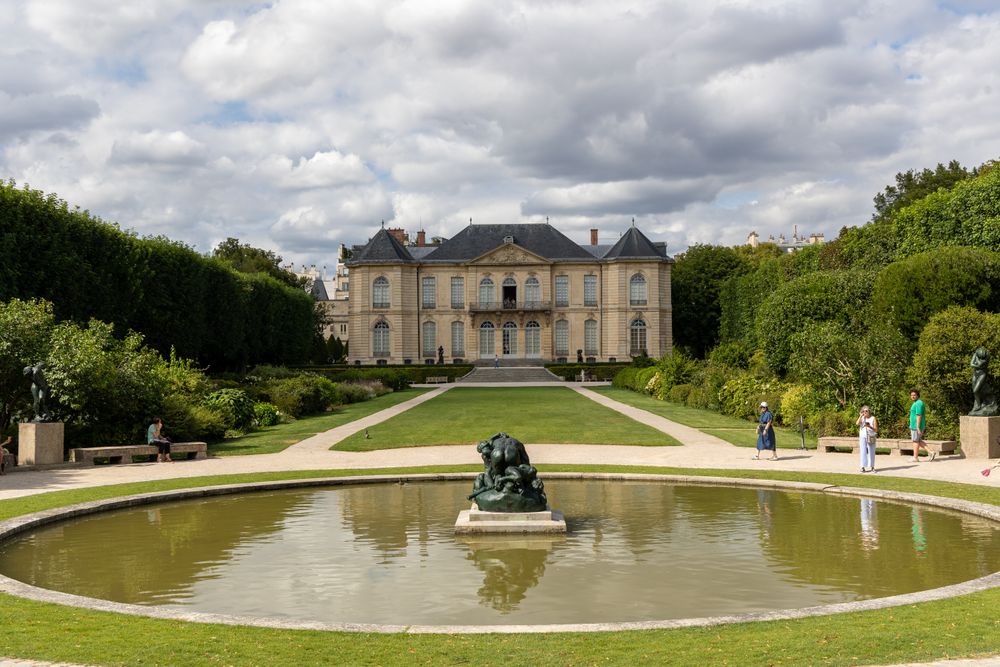
The Musée Rodin fills the Hôtel Biron, an 18th-century mansion in the 7th arrondissement, with nearly 300 works, The Kiss among them. The…
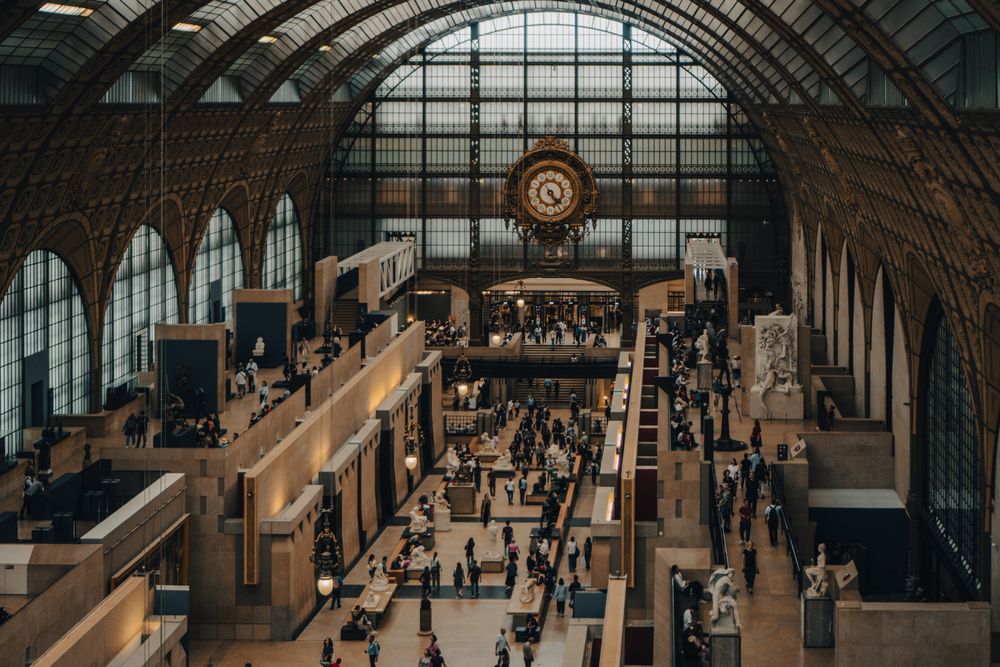
Housed in the 1900 Gare d'Orsay railway station, it holds the world's largest collection of Impressionist and Post-Impressionist painting,…
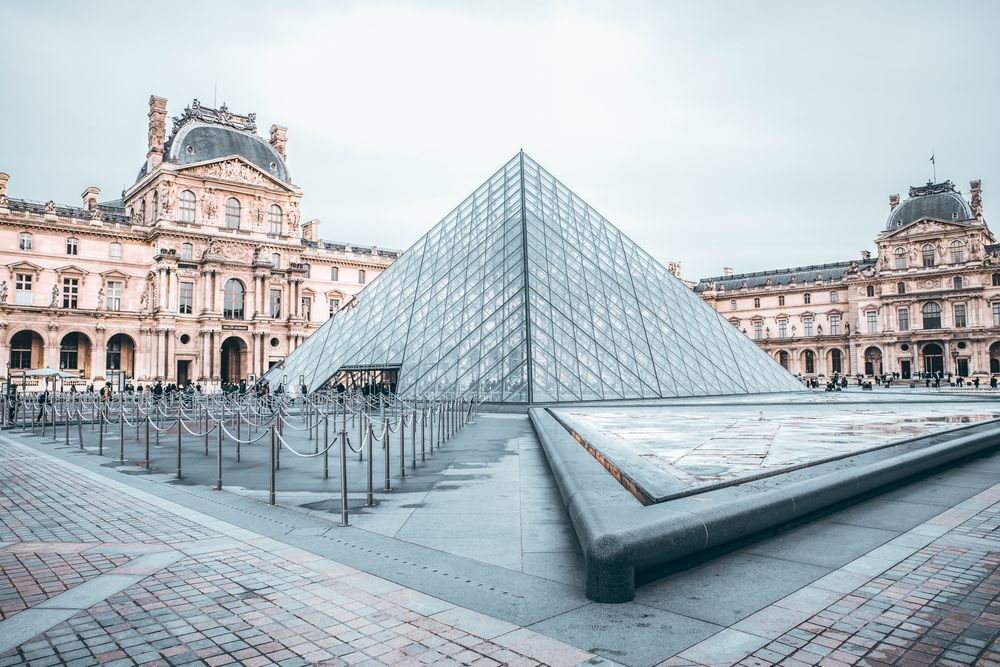
The former royal palace holds roughly 35,000 works on display, including the Mona Lisa, the Venus de Milo and the Winged Victory of…
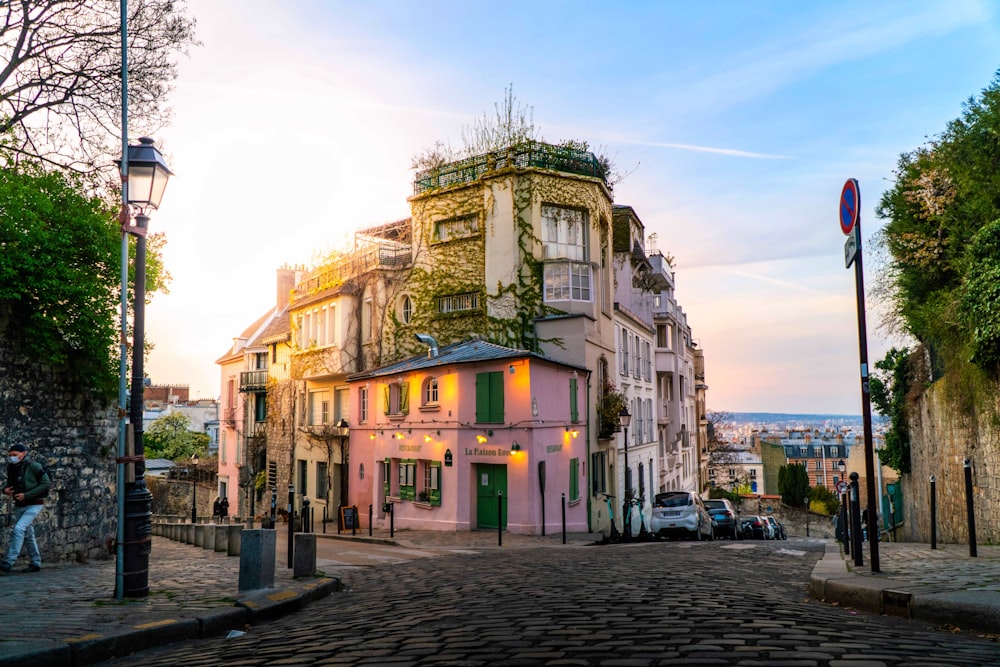
The village on the hill, with the Sacré-Cœur on top, the painters' square behind it and the steep streets the postcards use. The funicular…
The official pages this guide was checked against.
Last updated