 Submit a photo
Ninety seconds on Montmartre
Montmartre is a hill 130 metres high that gives its name to the surrounding district, part of the Right Bank. The Sacré-Cœur Basilica stands at the top.
Visitors take metro line 2 to Anvers, walk up to Place Saint-Pierre and ride the funicular to the top on one metro ticket. Abbesses on line 12 is the other station, but from there the whole climb is on foot.
The Sacré-Cœur Basilica is open daily from 6.30am to 10.30pm all year round. The Montmartre funicular runs daily from 6am to 12.45am, so the hill is reachable early and late.
The streets and the basilica are free to enter. The dome is ticketed and reached by a steep spiral staircase of about 300 steps, with the entrance on the left of the church.
The painters set up from about 10am and stay until about 7pm. Many painters hold a licensed pitch of a single square metre, and most take cash only, so cards are rarely an option.
The loop of stairs, cobbled lanes, the basilica and Place du Tertre takes two to three hours. Climbing the dome adds more time, so allow longer for a visit that includes the climb.
Montmartre gives you the painters' Paris, climbed by stairs and lanes: a hilltop village of steep streets, a square full of easels and the white basilica at the top, with the whole city laid out below you.
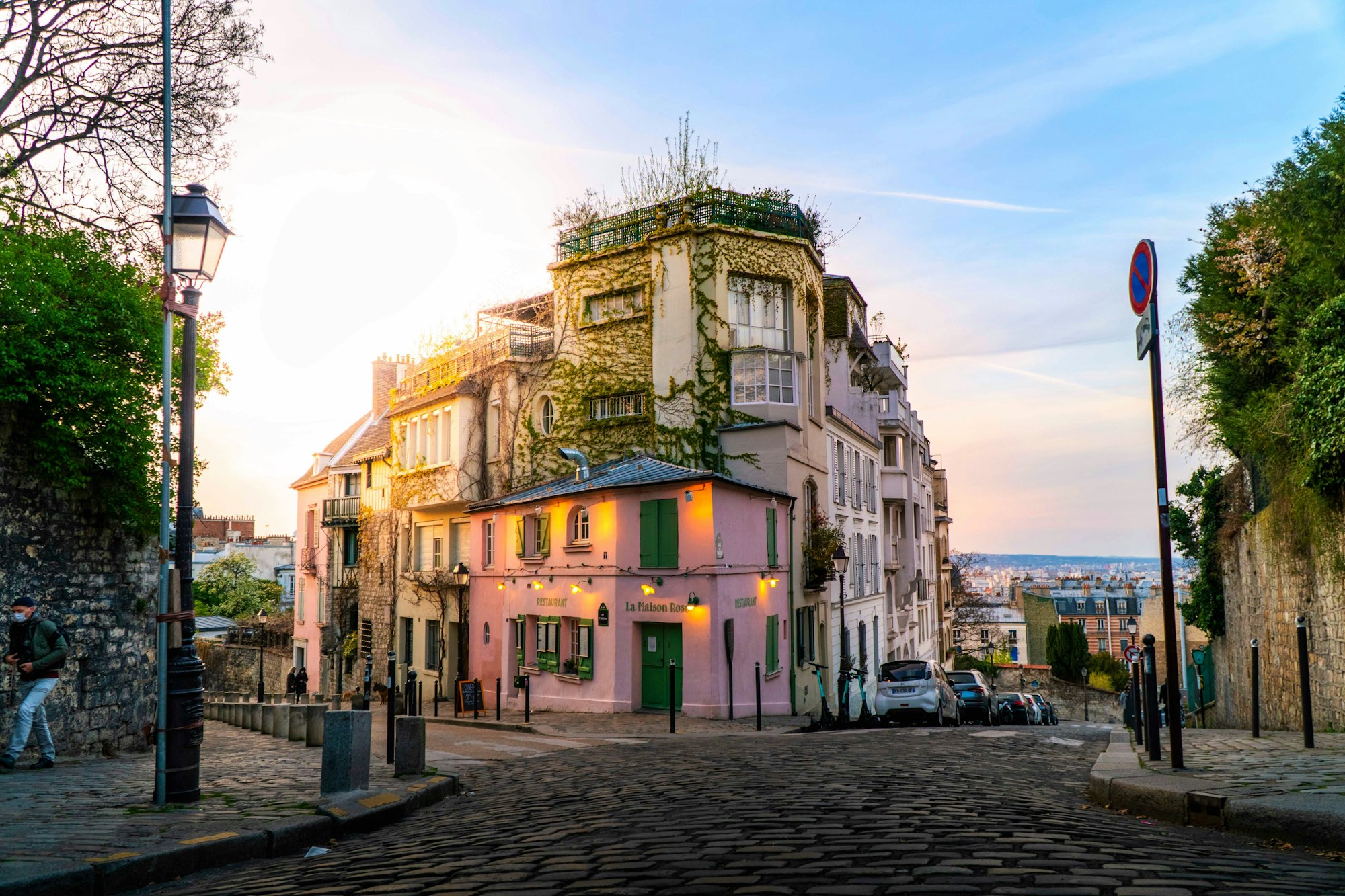
The hill rises 130 metres over the Right Bank, and the village on top is a tangle of small squares, stepped lanes and low houses, nothing like the avenues below. Walking up from the boulevards, it feels like a separate village.
Painters made it famous. Degas, Toulouse-Lautrec, Renoir and Matisse are among the painters tied to the hill, and Picasso and Modigliani lived and worked in the Bateau-Lavoir.
That trade carries on at Place du Tertre, the square behind the basilica, where painters work at easels and will paint your portrait. Each one holds a licensed pitch, many of them a single square metre, and a new painter waits about a decade for a place.
At the summit stands the Sacré-Cœur, its white cupolas a mix of Roman and Byzantine styles. From the dome above it, the view on a clear day reaches 40 kilometres across the city.
Steep stairs and cobbled lanes make up this walk, so allow two to three hours for the loop, longer if you climb the dome. From Place Saint-Pierre at the bottom, ride the funicular or take the stairs beside it up to the basilica.
Step inside the Sacré-Cœur Basilica, which is free to enter, then walk into the lanes behind it while they are quiet. Just after sunrise the shutters are still closed.
Come back up to Place du Tertre after 10am, when the painters set up; they stay until about 7pm. Then walk down the hill to Abbesses for the metro home.
Sitting for a portrait on Place du Tertre is entirely your choice, so say no and walk on if you are not interested. If you do sit, bring cash, since the painters tend to take nothing else.
String sellers work the steps below the basilica, so keep your hands close to your body, say "Non, merci" and keep walking. Wear shoes with real support for the steep cobbles, and dress modestly if you plan to go inside the church.
Montmartre is a half-day on its own. Pair it with Canal Saint-Martin or Parc des Buttes-Chaumont, both on the Right Bank, for the rest of the day.
Explore the rest of Paris
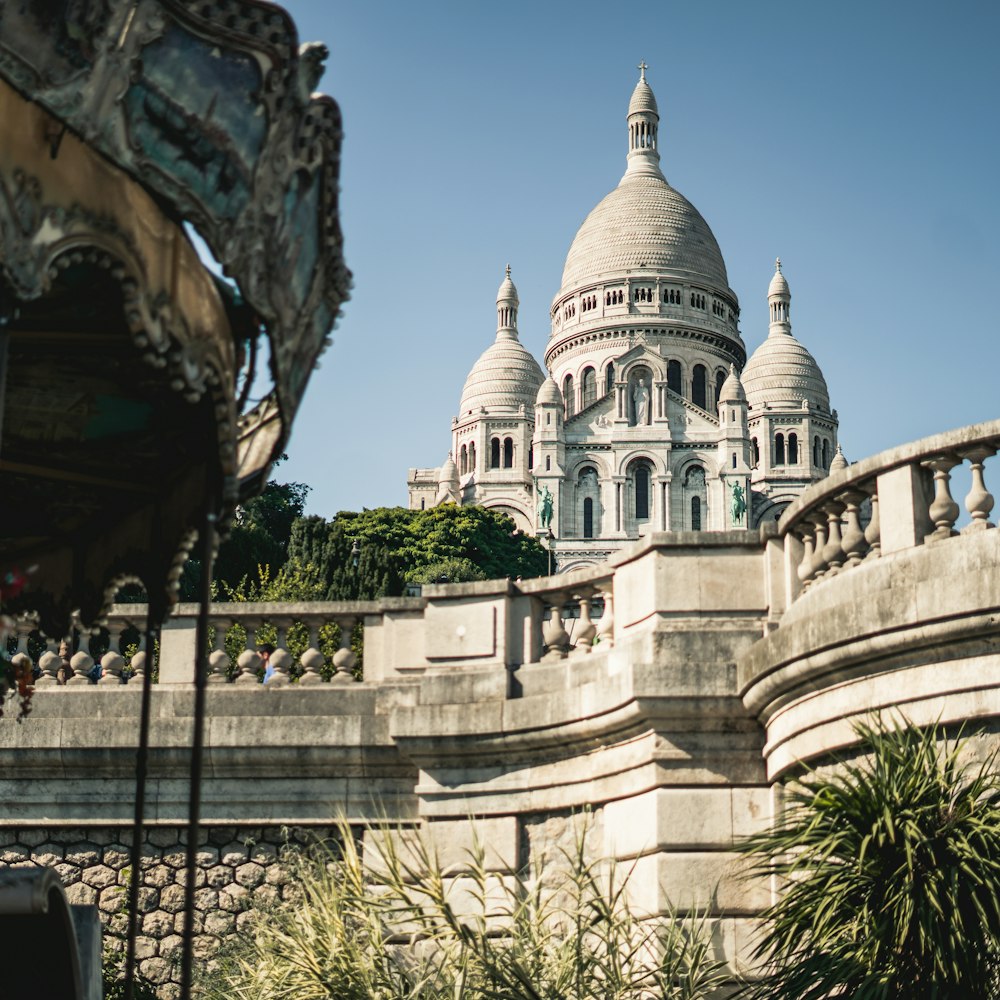
A white basilica on top of the Montmartre hill, designed by Paul Abadie and consecrated in 1919, with a gilded mosaic of Christ filling the…
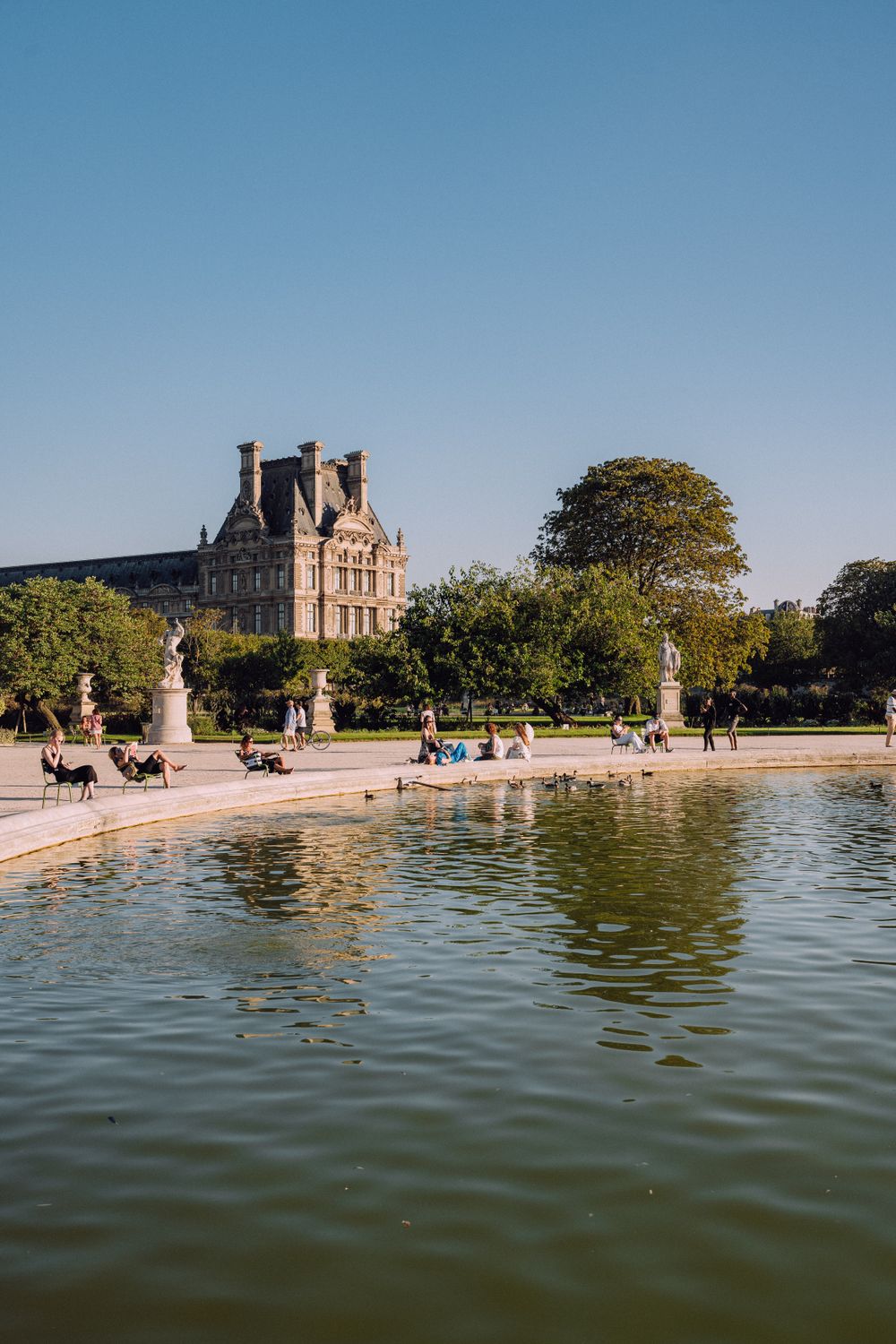
Le Nôtre's garden of 1664 between the Louvre and the Concorde, the axis the whole city is laid out on. The green chairs around the ponds…
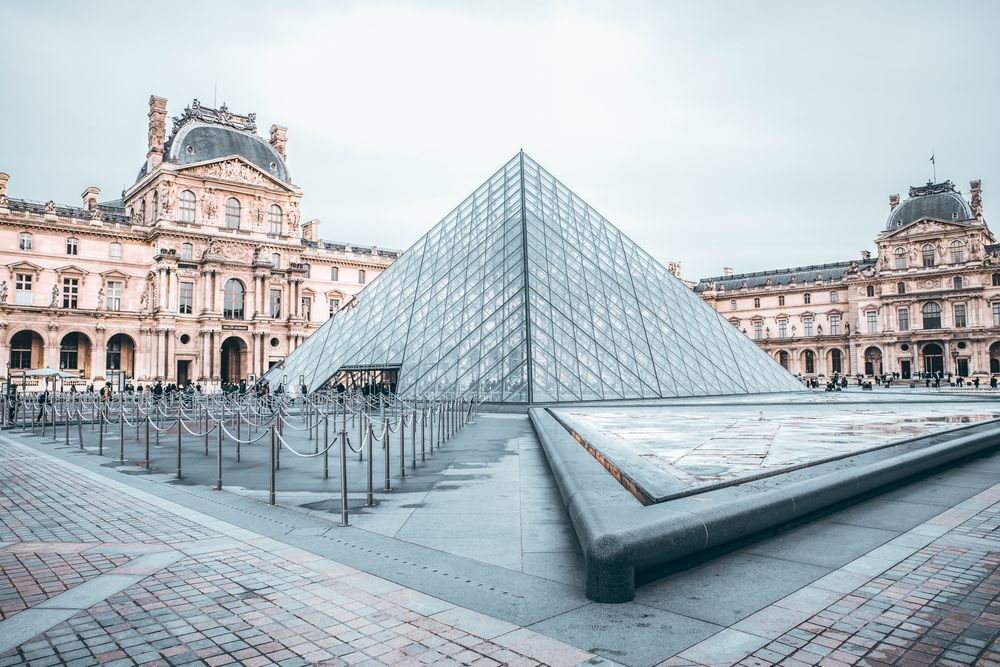
The former royal palace holds roughly 35,000 works on display, including the Mona Lisa, the Venus de Milo and the Winged Victory of…
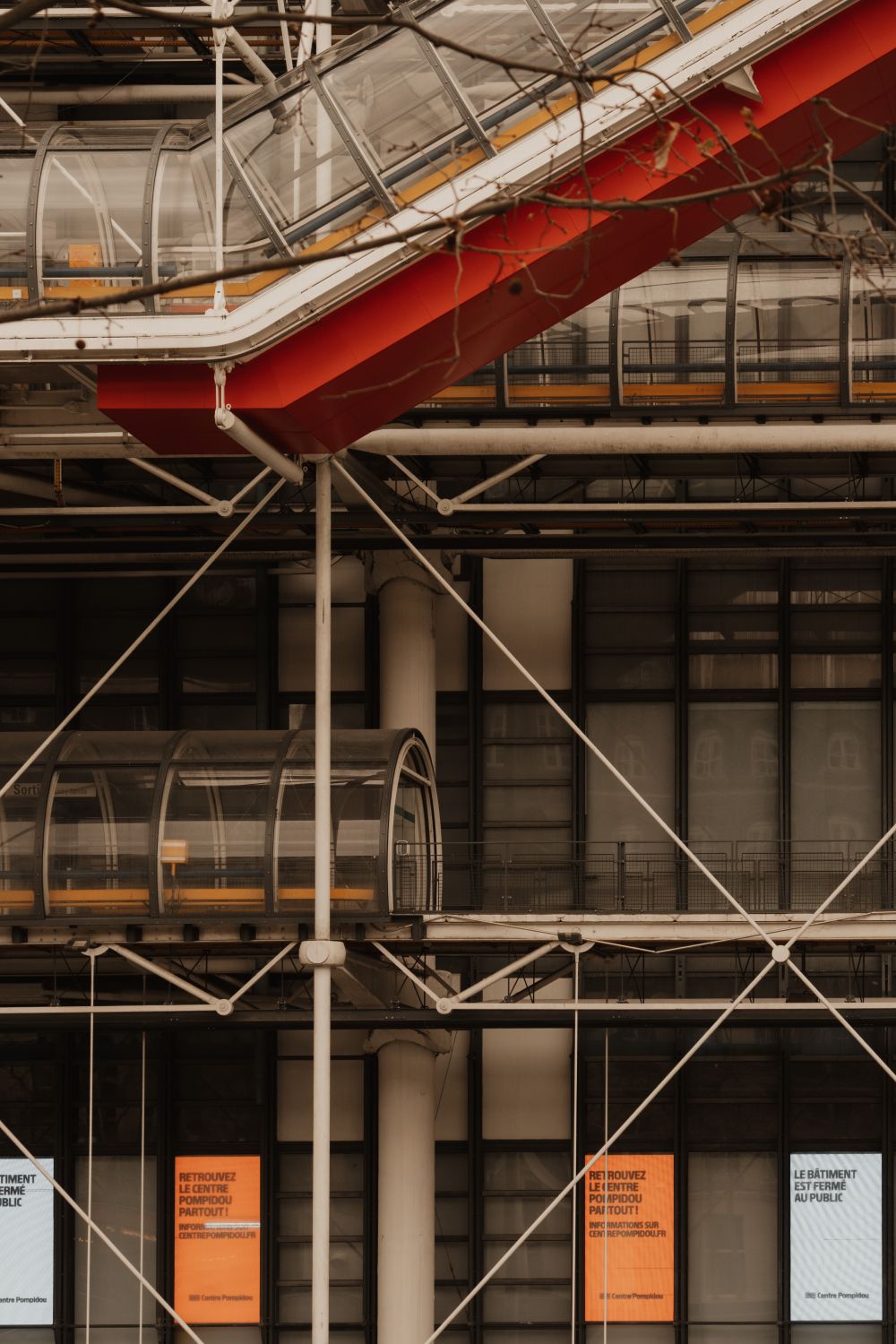
Piano and Rogers's inside-out building of 1977 holding Europe's largest modern art collection. It closed for a five-year renovation in…
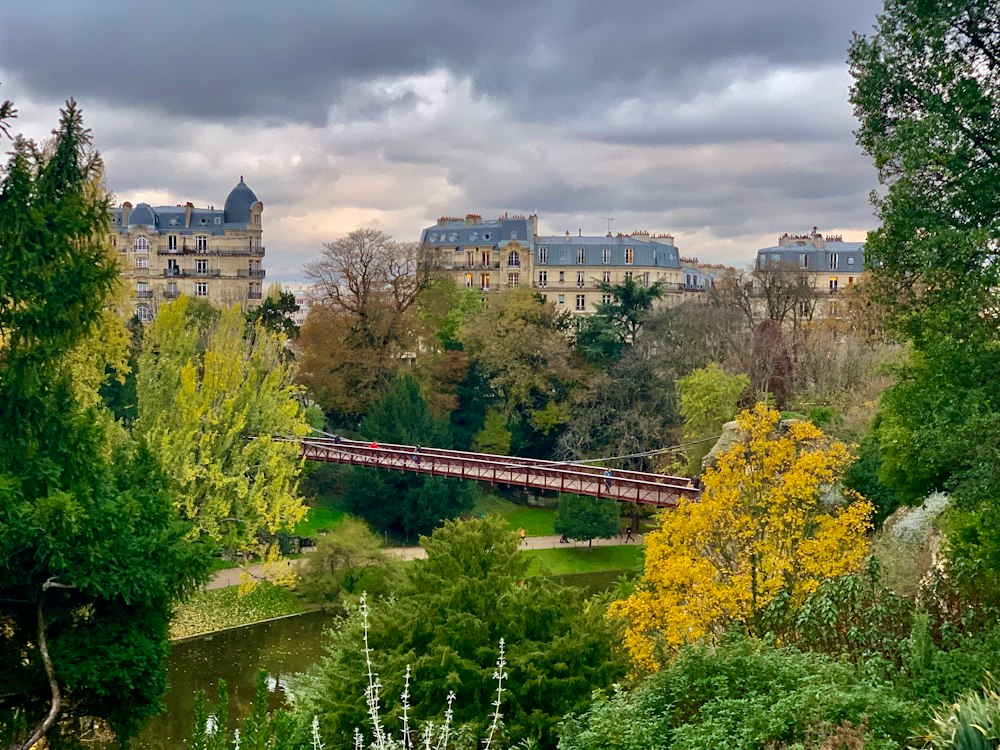
A former limestone and gypsum quarry in the 19th arrondissement, shaped into a mountain landscape of cliffs, a lake and a temple on a rocky…
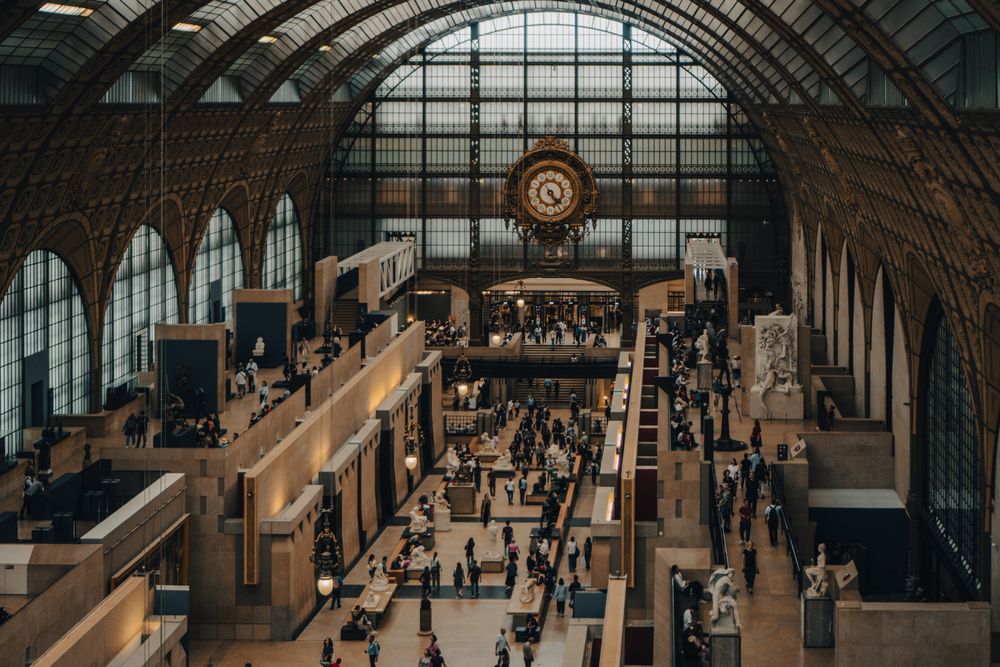
Housed in the 1900 Gare d'Orsay railway station, it holds the world's largest collection of Impressionist and Post-Impressionist painting,…
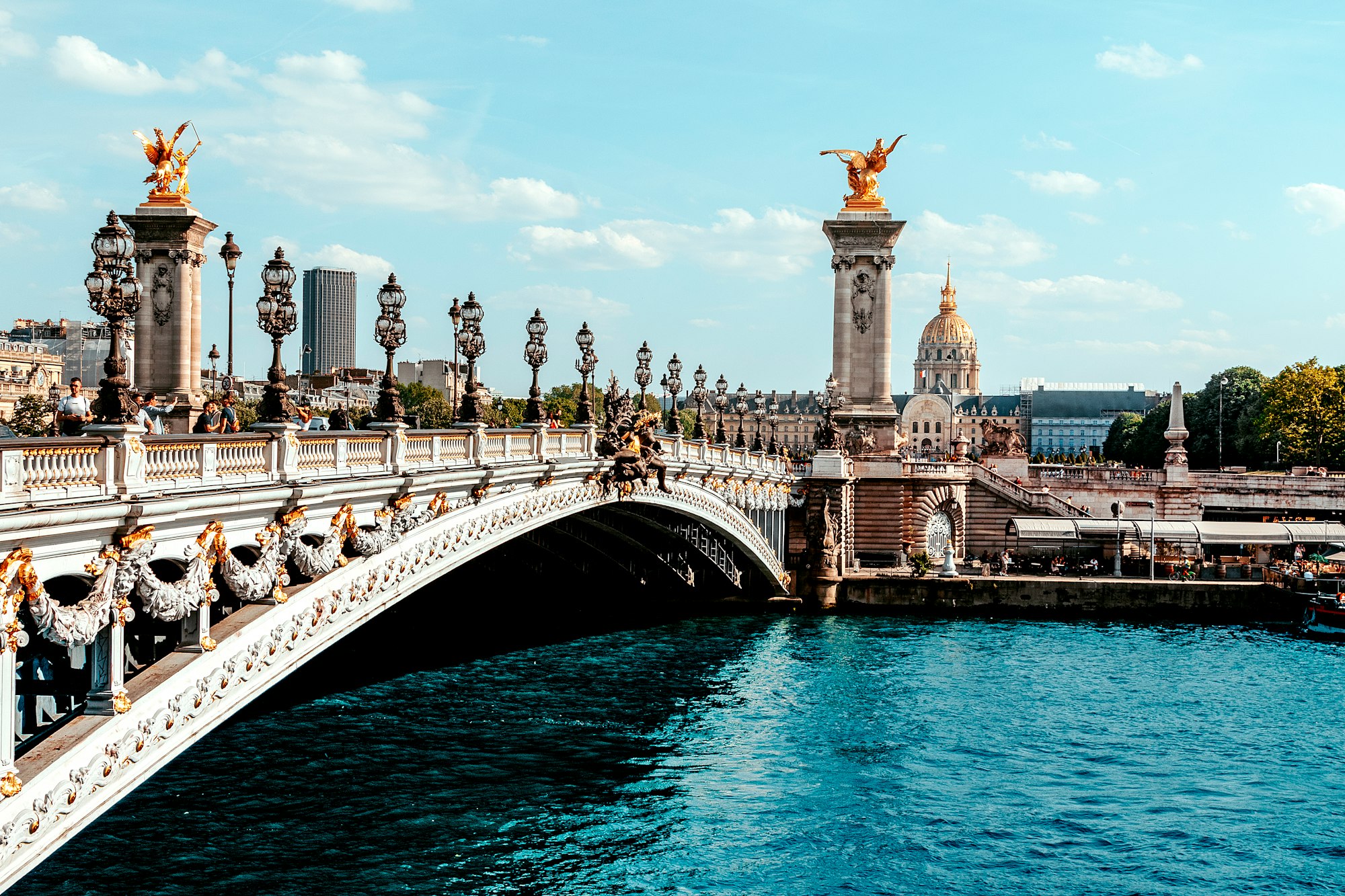
The most ornate bridge on the Seine, built for the 1900 exposition with gilded statues at each end, linking the Grand Palais to the…
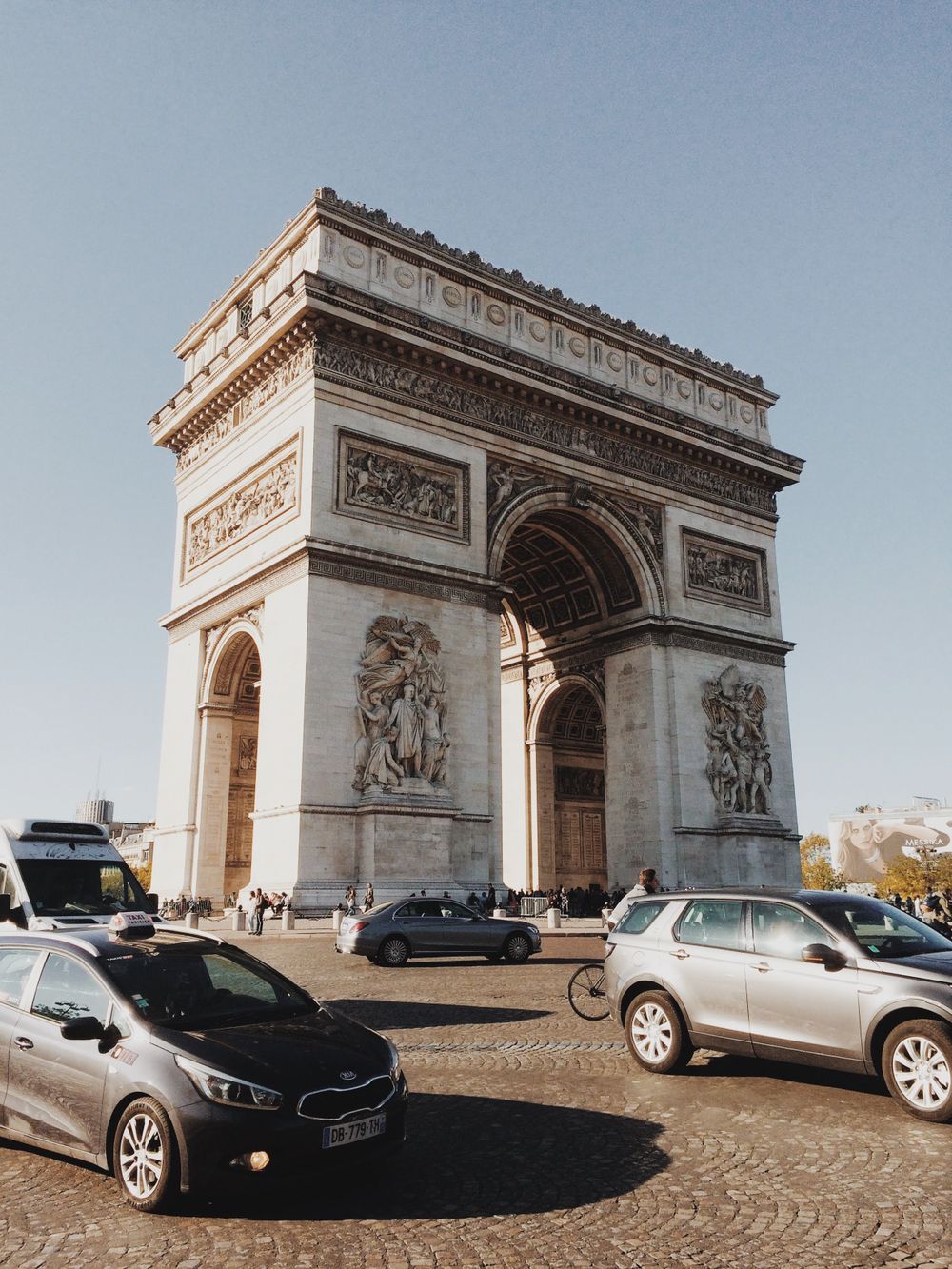
A triumphal arch completed in 1836 honouring those who fought for France, located at the centre of Place Charles de Gaulle. Designed by…
The official pages this guide was checked against.
Last updated