 Submit a photo
Ninety seconds on Musée Marmottan Monet
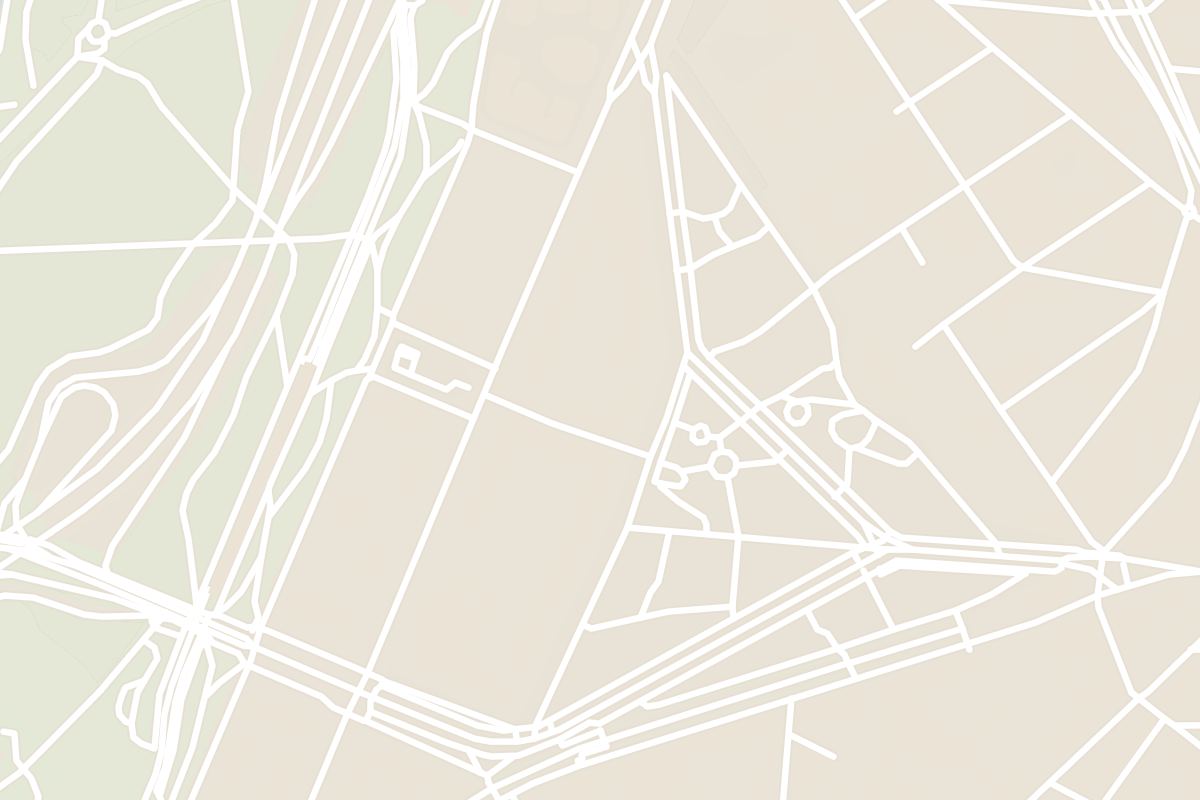
The museum sits at 2 Rue Louis Boilly, on the edge of the Bois de Boulogne in the 16th arrondissement. Metro line 9 serves La Muette and Ranelagh, each about five minutes on foot from the door. RER line C stops at Boulainvilliers, roughly a ten-minute walk away.
The museum is open Tuesday through Sunday and closed on Mondays. Daytime hours end at 6pm, and on Thursdays the museum stays open until 9pm. The last admission falls an hour before closing, and the museum also shuts on 25 December, 1 May and 1 January.
No reservation is needed, and tickets can be bought at the desk. Tickets bought online give direct access to the galleries. Children under 7 enter free with proof of age, and students under 25 pay reduced entry with evidence of status.
Impression, Sunrise belongs to the museum's permanent collection and shows the port of Le Havre, Monet's hometown. It was stolen in 1985 and was recovered and returned to the museum in 1990. The museum's own site is the place to confirm the current display before a visit.
Most of the galleries offer wheelchair access, covering the ground floor, the Monet room and the temporary exhibition area. Wheelchairs are available at reception, so visitors do not need to bring their own.
Allow about two hours for the whole museum, and less if the Monets are the only goal. The largest group of Monet paintings sits in a single basement gallery, so that room deserves the most time.
From Monet’s first canvases to his last, you can follow his whole career in one basement room here, part of the largest collection of his work in the world.
Find Impression, Sunrise first: it is Monet’s view of the port at Le Havre, where he grew up. It belongs to the permanent collection but has travelled on loan, so check marmottan.fr that it is on show on your date.
The Salle Monet is a large open room with the paintings set round a curved wall. You can stand close to a canvas, then step back across the room to see it whole. Most of the hundred or so Monets came from his family and closest friends, so the room follows him from his early work to his late.
The rest of the house holds the largest public collection of Berthe Morisot’s work anywhere, with a room of its own. It also keeps the Wildenstein collection of illuminated manuscripts: look among the pages for Saint Michael slaying the dragon.
Open to walk-ins: you buy your ticket at the desk, with no booking needed. There is no cloakroom and large backpacks are not allowed, so arrive with a small bag and no heavy coat. Audioguides are available at the museum if you want commentary as you go.
Start in the room given over to Morisot, then go down to the basement for the Salle Monet and give it the longest stop of the visit. The ground floor, the Salle Monet and the temporary exhibition rooms are wheelchair accessible, and wheelchairs can be borrowed at reception.
Come on a weekday if you want space to step back from the Monets. In spring and summer the museum’s garden is at its fullest, so step out into it before or after the galleries. You can generally take photographs in the rooms as long as the flash stays off.
For his later work, pair it with Musée de l'Orangerie, which holds the large Water Lilies that Monet donated to the State.
For the wider movement, Musée d'Orsay holds the largest collection of Impressionist and post-Impressionist masterpieces in the world.
Fondation Louis Vuitton stands in the Bois de Boulogne, the park at the museum's edge, so the two pair well in one day.
Explore the rest of Paris
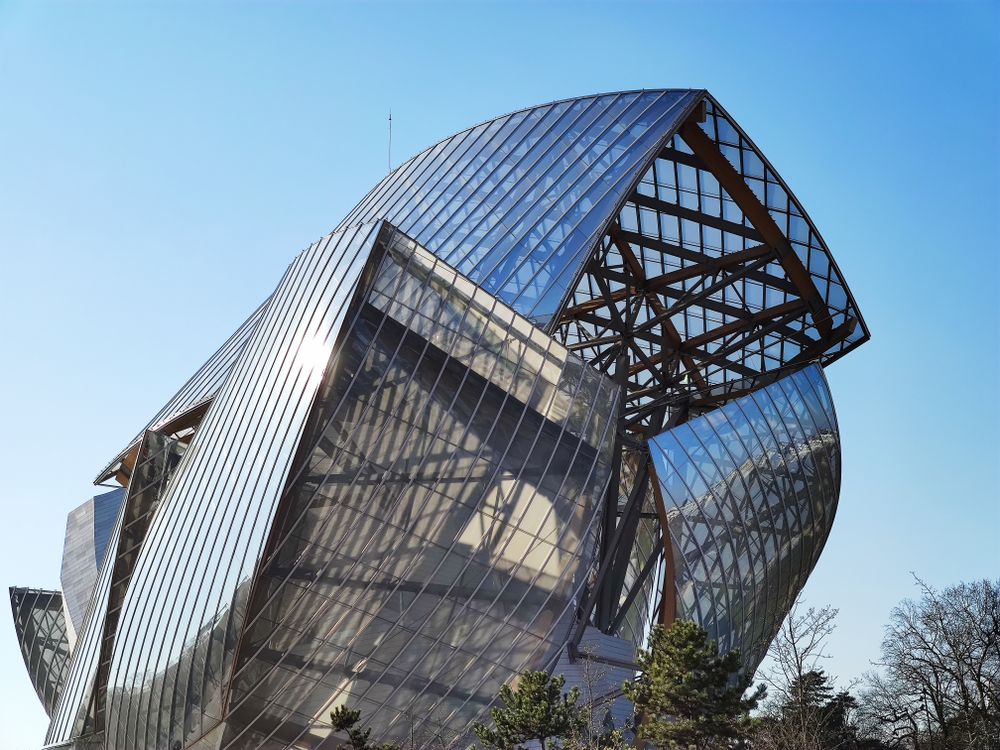
Frank Gehry's glass-sailed building opened in 2014 in the Bois de Boulogne, showing the Arnault contemporary collection alongside major…
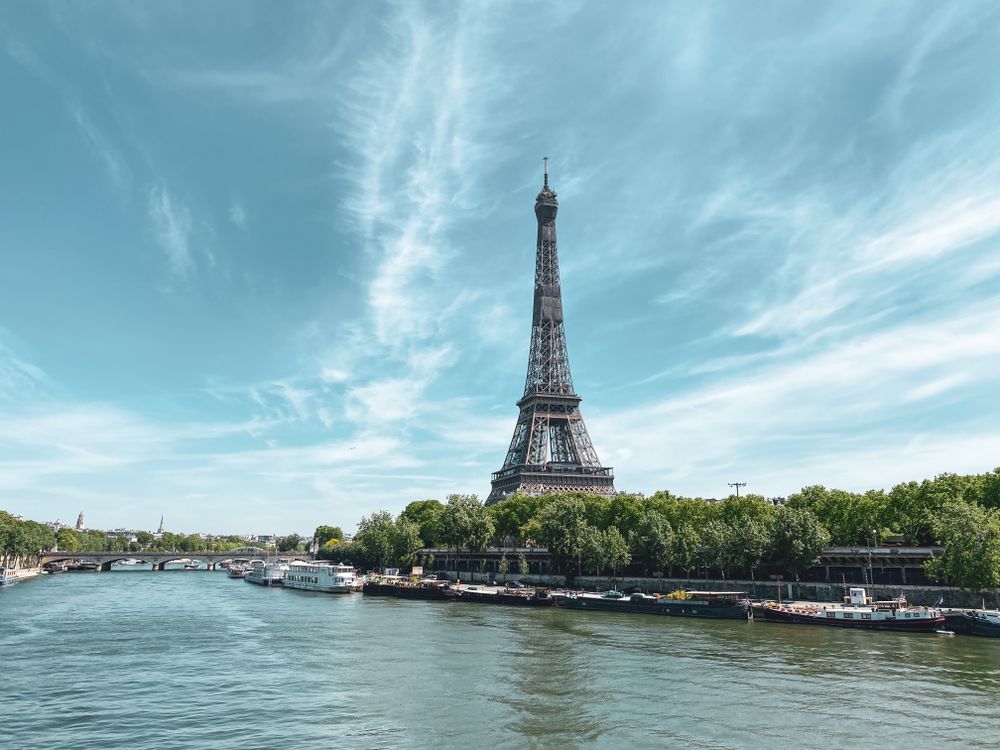
The iron lattice tower on the Champ de Mars beside the Seine, with viewing decks, restaurants and a glass floor across two public levels…
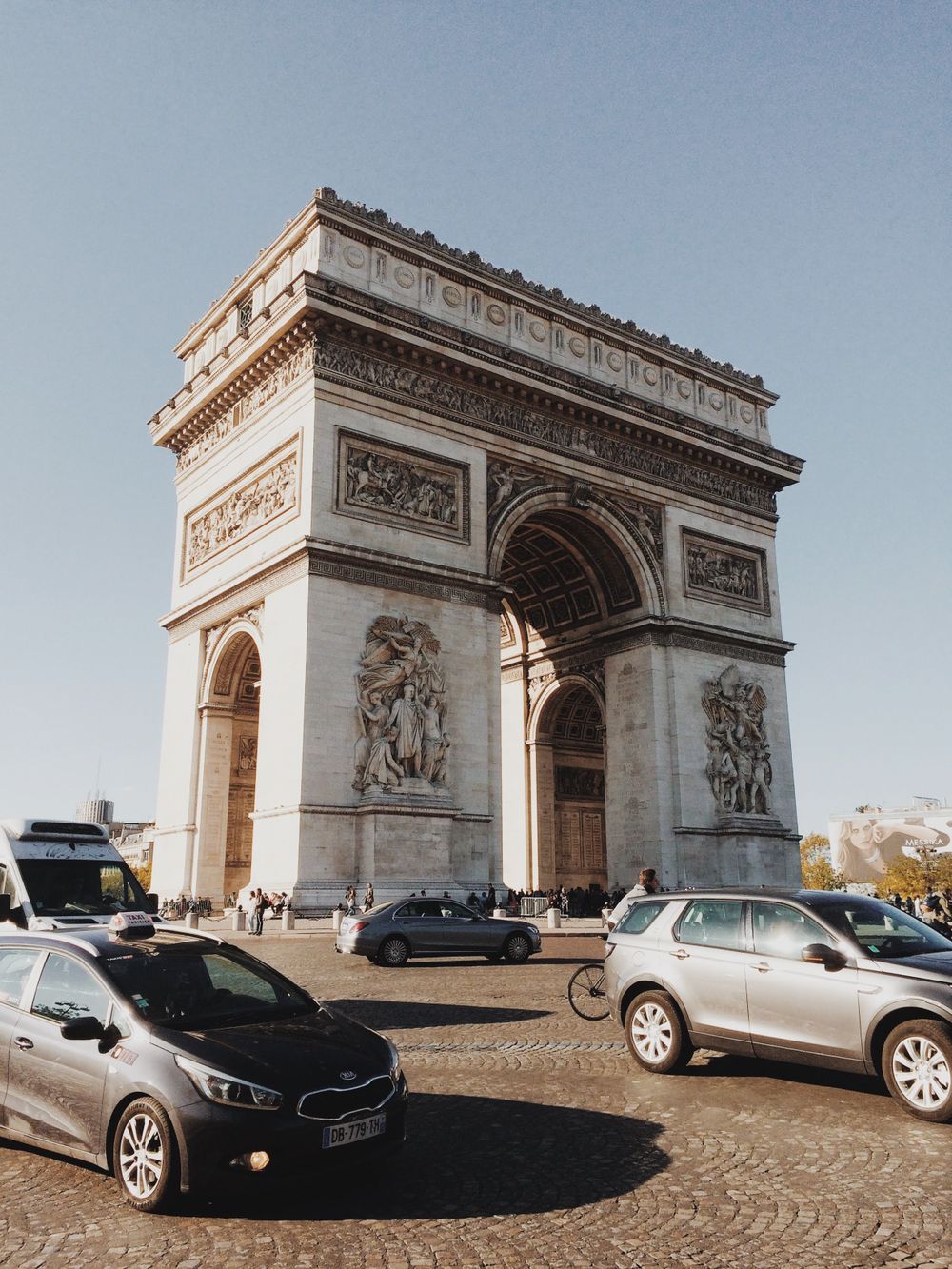
A triumphal arch completed in 1836 honouring those who fought for France, located at the centre of Place Charles de Gaulle. Designed by…
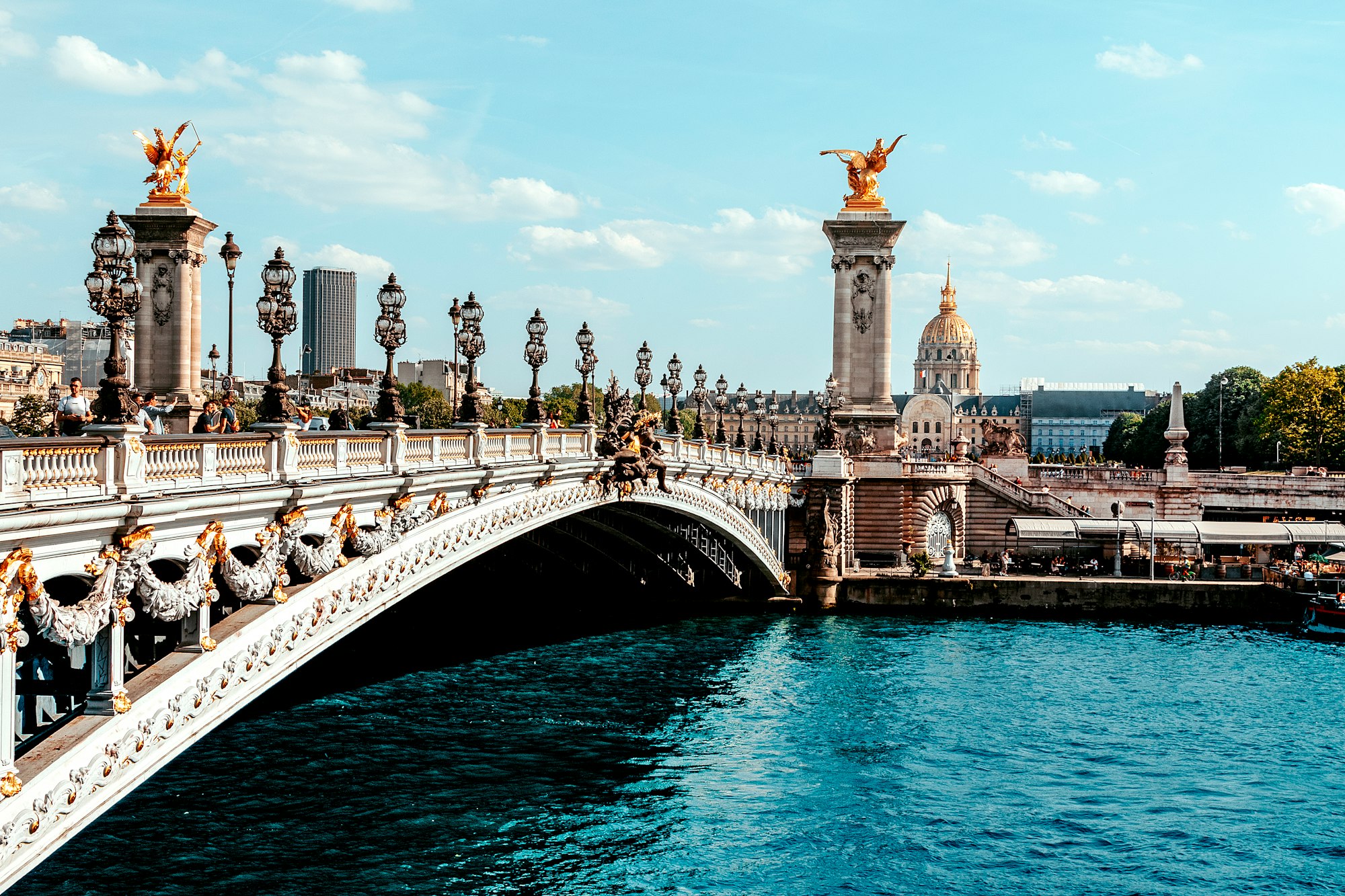
The most ornate bridge on the Seine, built for the 1900 exposition with gilded statues at each end, linking the Grand Palais to the…
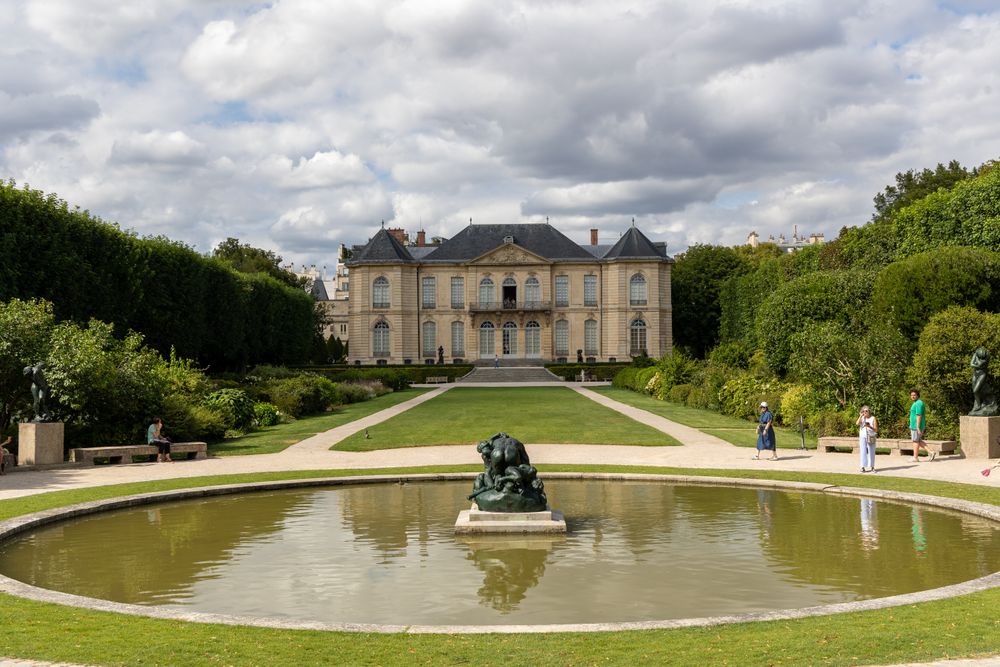
The Musée Rodin fills the Hôtel Biron, an 18th-century mansion in the 7th arrondissement, with nearly 300 works, The Kiss among them. The…
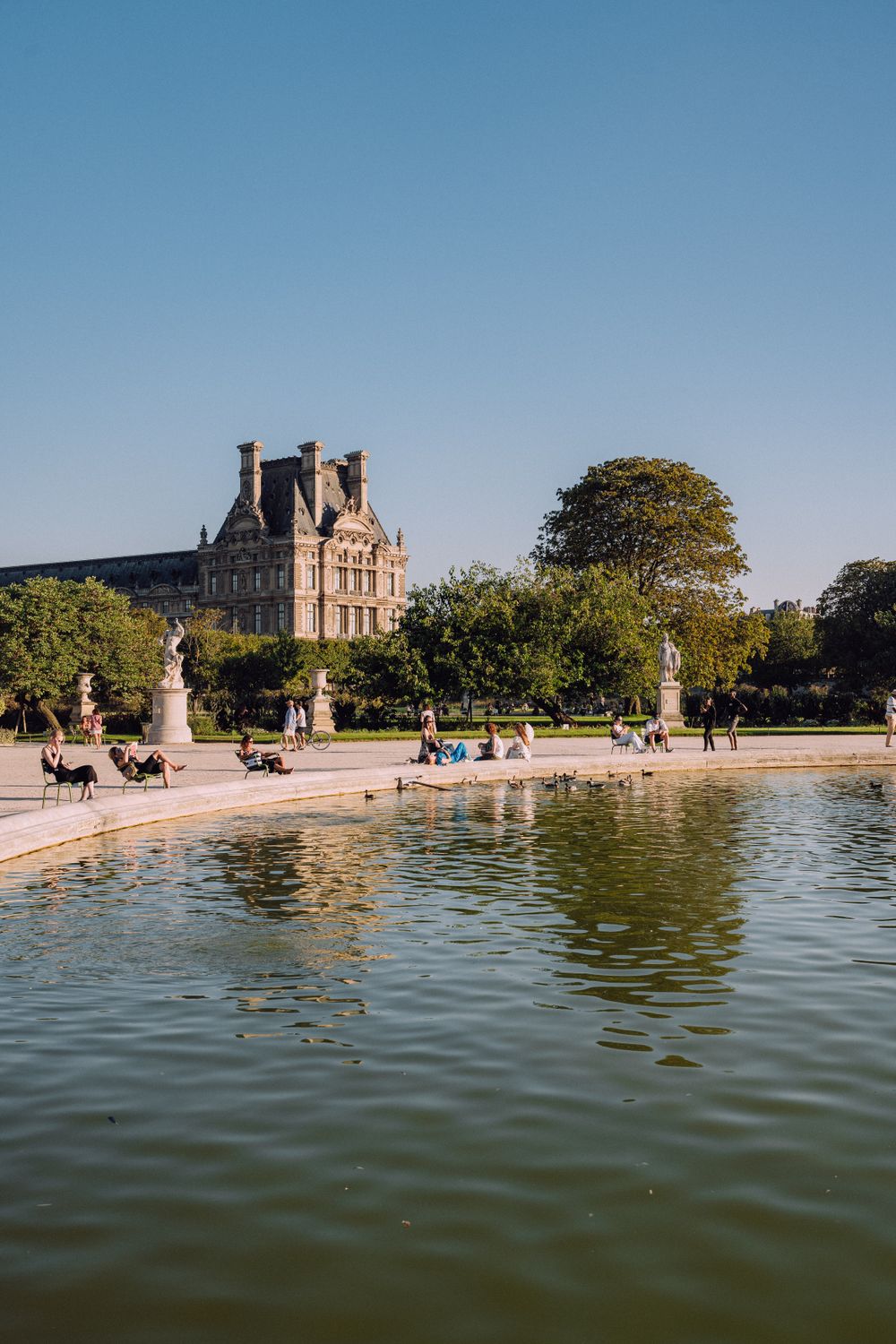
Le Nôtre's garden of 1664 between the Louvre and the Concorde, the axis the whole city is laid out on. The green chairs around the ponds…
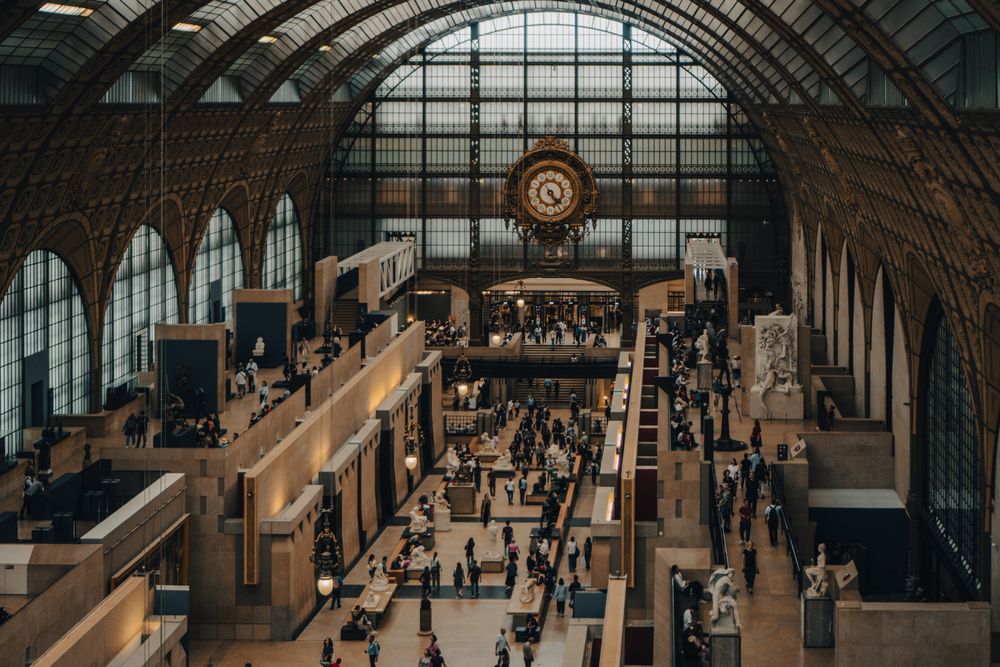
Housed in the 1900 Gare d'Orsay railway station, it holds the world's largest collection of Impressionist and Post-Impressionist painting,…
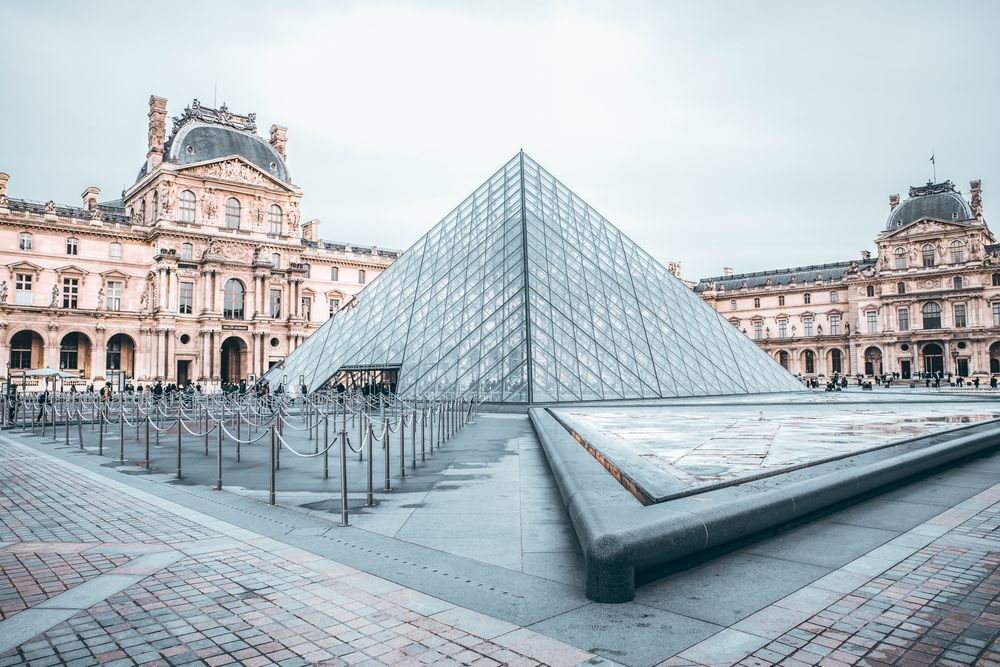
The former royal palace holds roughly 35,000 works on display, including the Mona Lisa, the Venus de Milo and the Winged Victory of…
Last updated