 Submit a photo
Ninety seconds on Cala Goloritzé
Yes. Places on the walk are reserved through the Heart of Sardinia website or app, and up to 250 visitors can be on the beach at once. Children up to 5 and Baunei residents go free. In 2026 the booking season ran from 24 March to 31 October, and the next season's dates appear on the same site.
The trail runs 3.5 km each way from the Su Porteddu car park, with 470 m of height to lose on the way down and regain on the way back. It is steep and has no shade, so the heat makes the climb out the hard part.
No. Mooring is forbidden within 300 m of the shore, and boundary buoys mark the point where boats must stop. From there the beach is reached by swimming or rowing in.
The Aguglia spire carries a range of climbing routes. The best known is the Sinfonia dei Mulini a Vento, opened by Maurizio Zanolla, known as Manolo, and Alessandro Gogna.
Cala Mariolu lies to the north, its pebbles mixed with sand. Cala Sisine, Cala Biriola and Cala dei Gabbiani are along the same coast, and Cala Luna sits between the Baunei and Dorgali coasts, about 30 minutes by boat from Cala Gonone on a calm day.
Baunei is the base for walkers, since the trailhead sits on the plateau above the village. For a boat day, Santa Maria Navarrese is the closest departure port, and Arbatax and Tortolì also work as bases.
Walk down through the Supramonte di Baunei to a white-pebble cove with spring-fed turquoise water and a limestone spire rising over it.
Cala Goloritzé is a small bay on the Baunei coast of the Gulf of Orosei, shut in by cliffs up to 500 m high and green with Mediterranean scrub. The beach is all white pebbles, and it only dates from 1962, when a landslide broke away from the rock wall behind it.
Marble rocks rise out of clear water, and the water shifts between blue and greenish. On the south side, the sea has worn a stone arch through the cliff, and it drops straight into the water.
Above the sand stands the Aguglia, a limestone pinnacle that climbers travel from abroad to scale. The cove is protected as a national monument, and the bay is a nesting ground for Eleonora's falcon.
Drive to Baunei and, just before the village, take the road signed for Golgo di Goloritzé. It climbs in hairpins and then drops onto the plateau, where the Su Porteddu car park marks the trailhead; there is no way up there except by car.
With your place on the path reserved, follow the trail downhill through a forest of holm oak and strawberry trees to the beach. Come back up by the same path.
By sea, group charters and rubber dinghies for hire leave Arbatax, Cala Gonone and Santa Maria Navarrese.
Pack in everything for the day and carry every scrap of it out again, because there are no bins on the beach. Bring a mask and snorkel: fish gather in large numbers round the rocks.
Walk 200 m north along the shore to Spiaggia delle Sorgenti, a smaller beach named for the spring water that runs out between its rocks.
Further afield in Italy
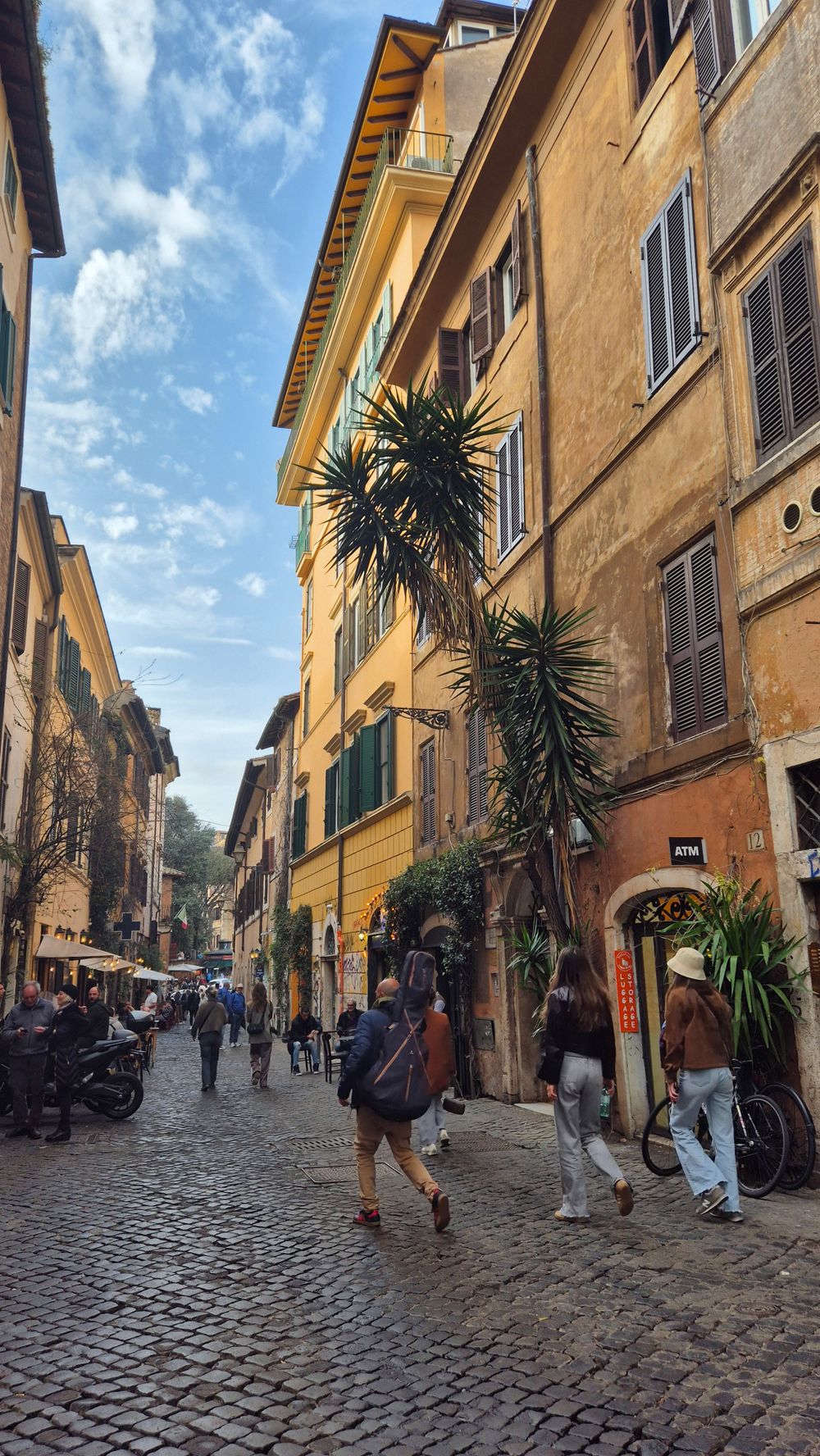
A quarter of narrow cobbled streets and old houses on the west bank of the Tiber, centred on the Basilica of Santa Maria in Trastevere and…

The largest church building in the world, completed in 1626 and crowned by Michelangelo's dome. Houses papal altars and Renaissance/Baroque…
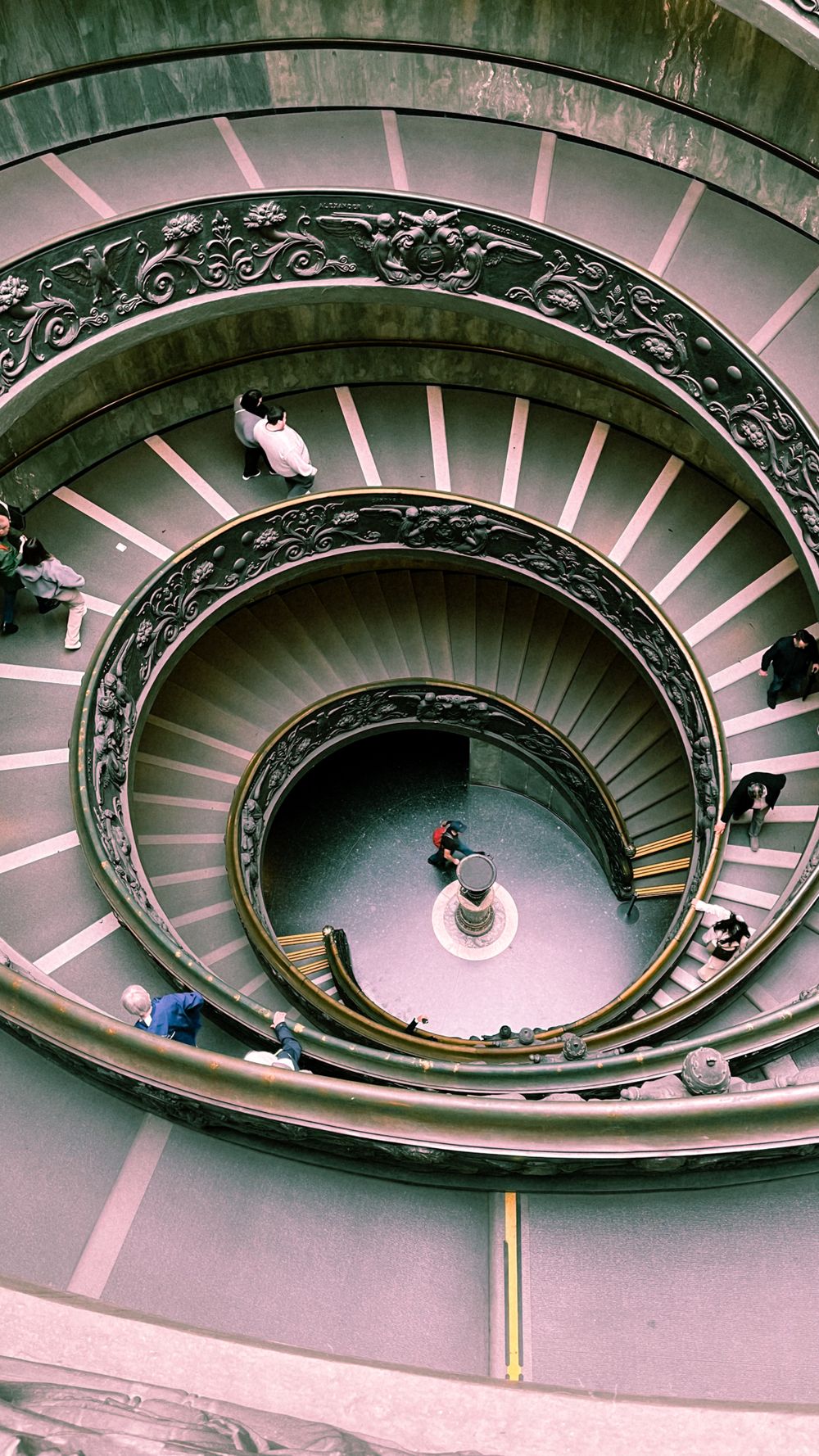
One of the world's greatest art collections, spanning Egyptian antiquities, Renaissance masterworks, and the Sistine Chapel ceiling painted…
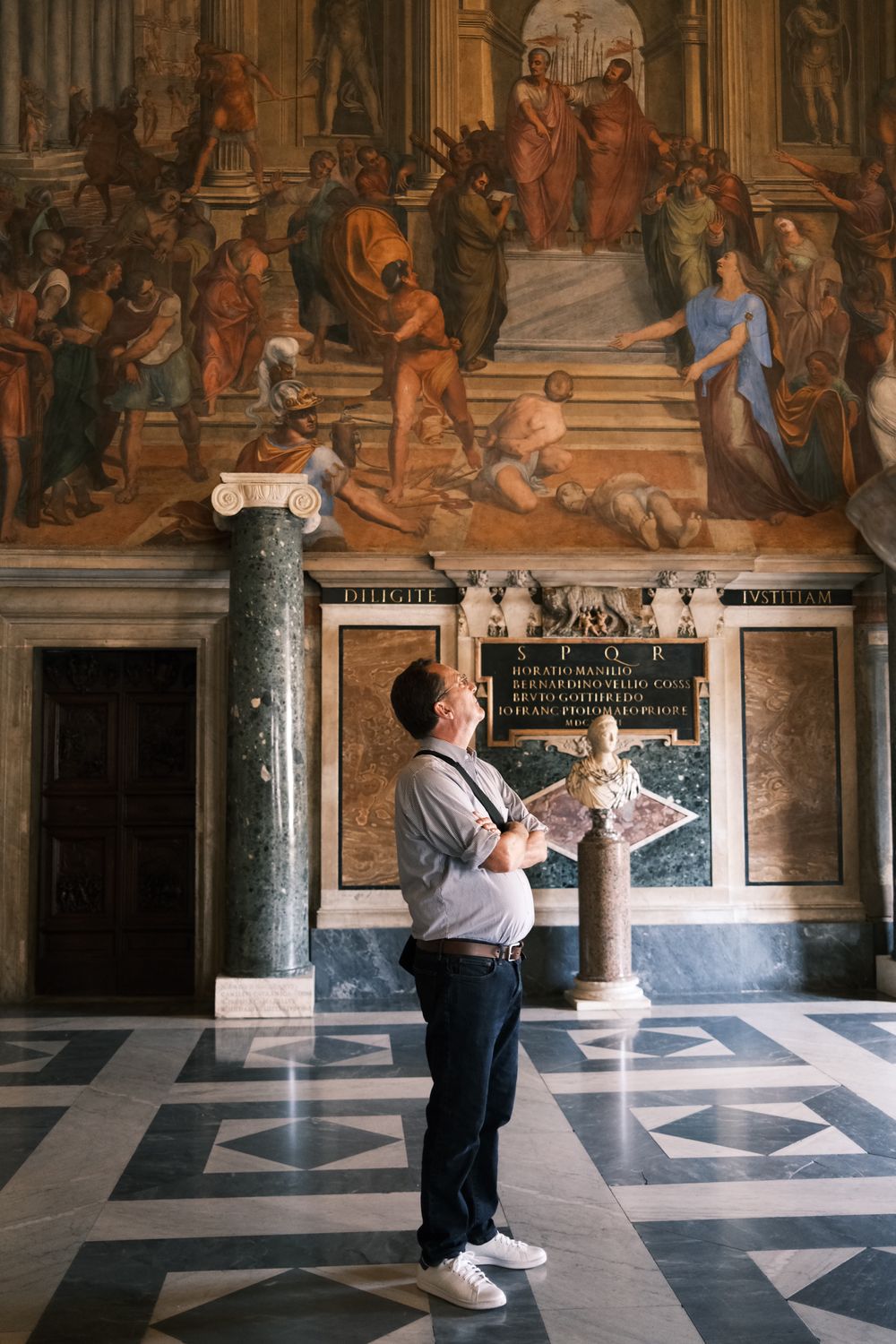
The museums of the Capitoline Hill fill the palaces around Piazza del Campidoglio: the bronze she-wolf of Rome, the original Marcus…
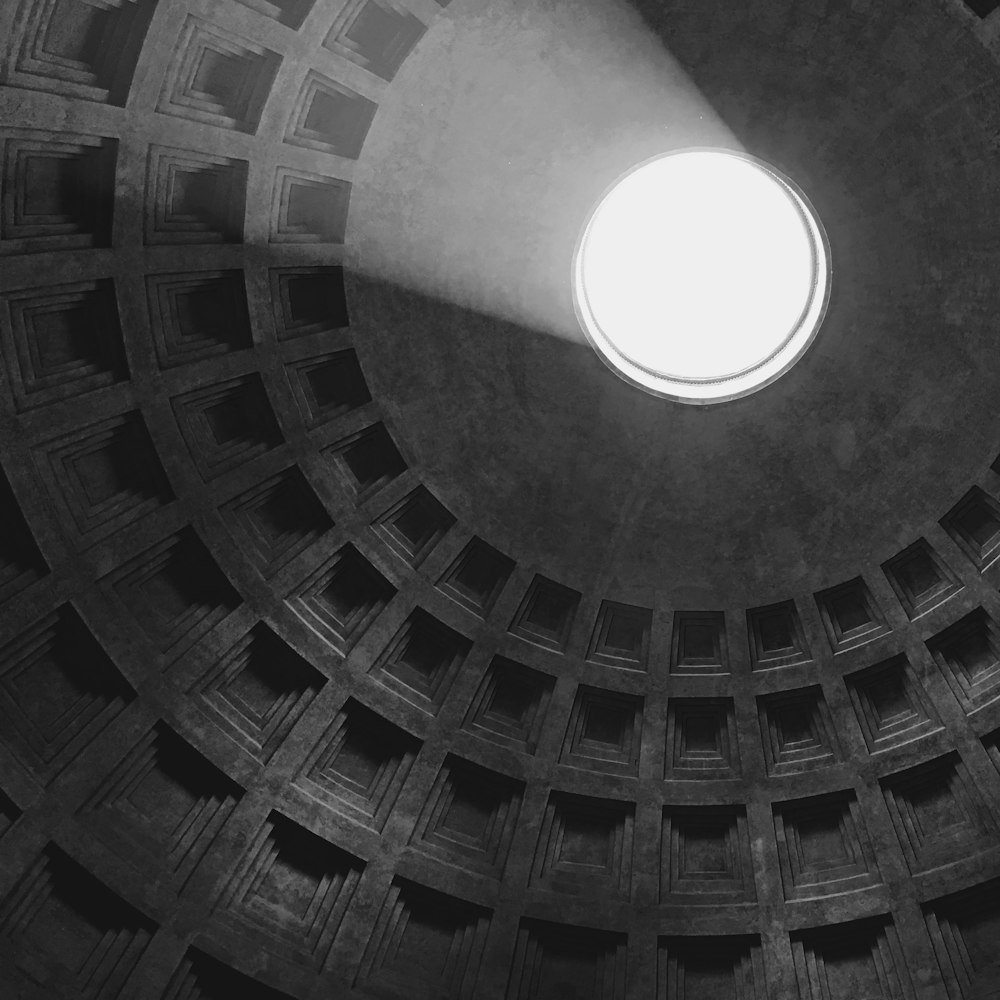
A Roman temple whose dome, completed under Hadrian, is still the largest ever built in unreinforced concrete, open to the sky through the…
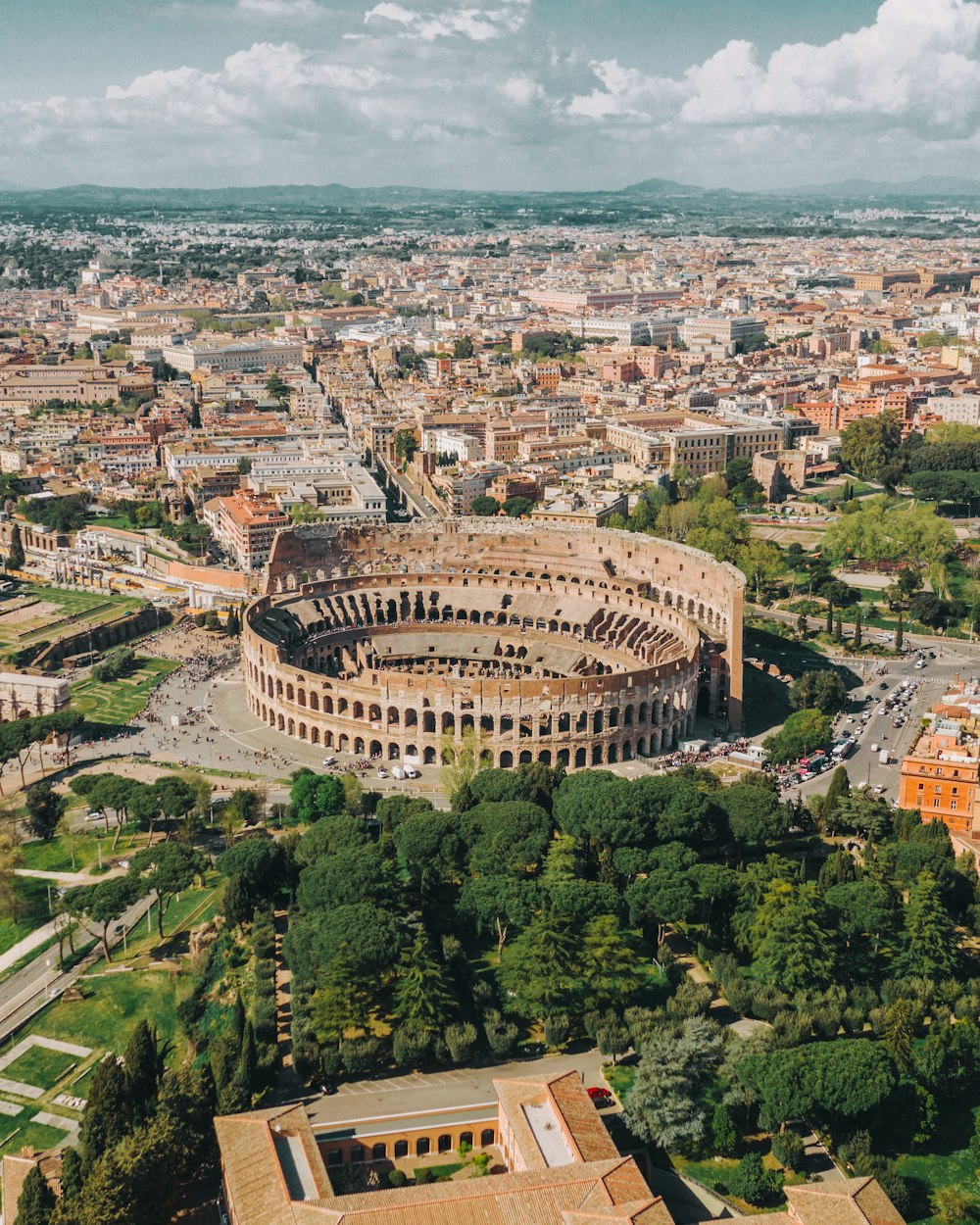
The capital, and a city where the layers sit in plain view: republican paving in the Forum, imperial brick above it, baroque squares built…
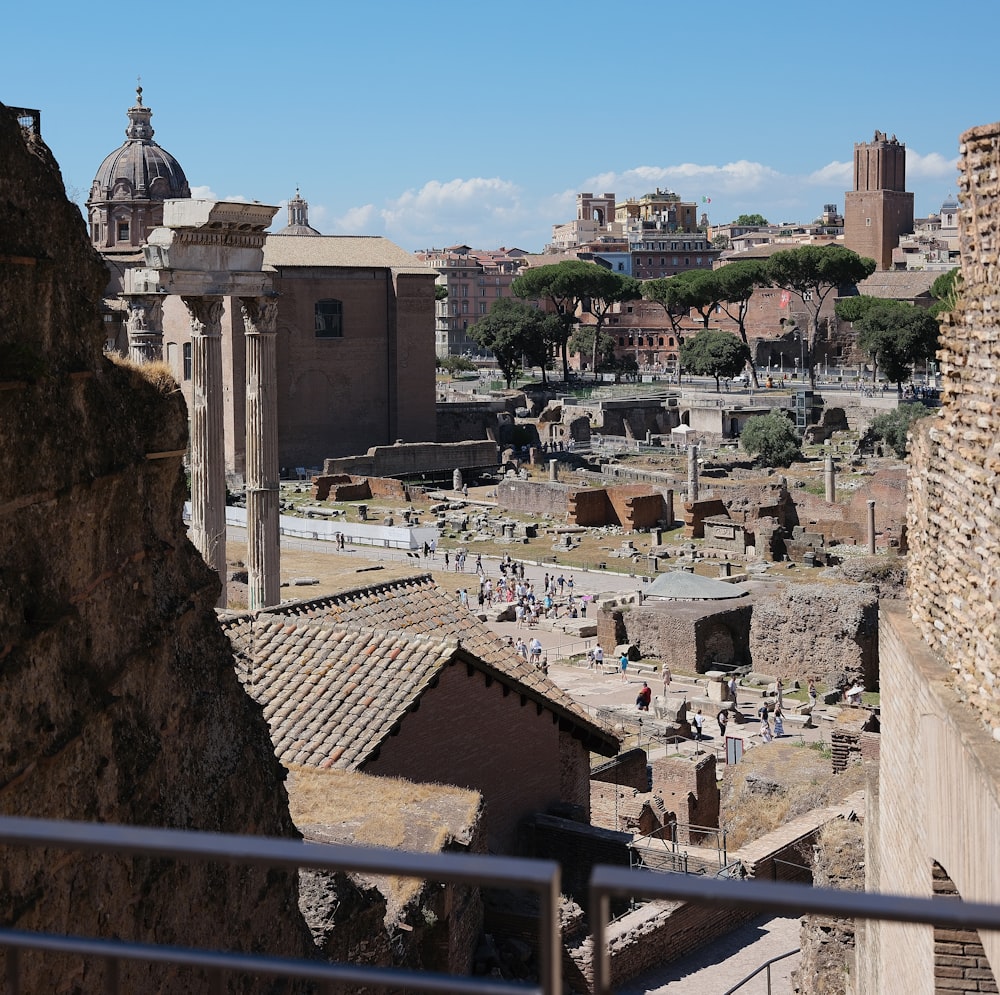
The civic and commercial centre of ancient Rome, stretching across ruins of temples, basilicas, and government buildings spanning roughly…
Last updated