 Submit a photo
Ninety seconds on Roman Forum
The Forum-Palatine area opens at 9.00 am. Under the winter timetable, from 25 October 2026 to 28 February 2027, it closes at 4.30 pm, with last admission at 3.30 pm. The Colosseum, on the same ticket, opens earlier, at 8.30 am.
Colosseo station on Metro Line B or Line C is the closest stop. From the station, the walk to the Forum entrance near the Temple of Saturn takes about five minutes on foot.
Yes. The 24-hour pass admits one visit to the Colosseum and one to the Forum-Palatine area. Ticket sales for the timed Colosseum slot open 30 days before the visit, and walk-up availability is poor, so the official site is the place to book.
Two to three hours covers the Forum properly, and climbing the Palatine adds more. Signs among the ruins are few, so an audio guide or a tour helps make sense of what is left standing.
Wheelchair access is limited. Only about a fifth of the Forum can be reached on the descent from the entrance, and the site has not been made fully wheelchair-friendly. Some areas also have uneven gradients.
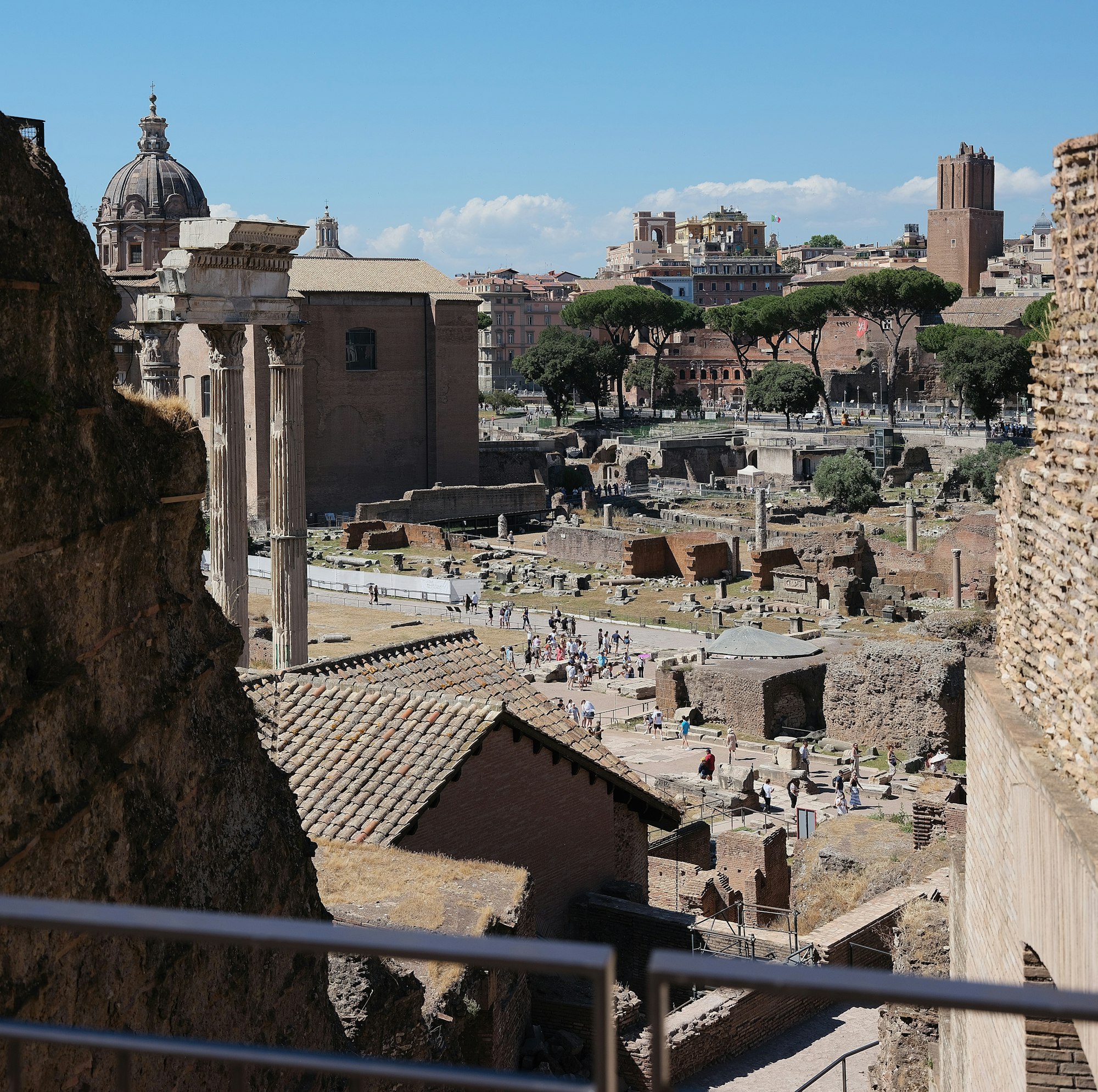
A single valley below the Palatine holds the centre of ancient Rome, and you can walk it end to end: the Senate house, the temples, two triumphal arches and the spot where Caesar was cremated.
Most of the Forum is fragments, so learn the handful of buildings that still stand whole. The Curia Julia, the brick Senate house, survives almost intact because it became a church. Inside, three broad steps once held about 300 senators.
Facing the Rostra, the speakers' platform, a plain brick shelter covers the place where Julius Caesar's body was burned, and flowers are still left there. Nearby, eight granite columns are all that remain of the Temple of Saturn.
At the top of the Via Sacra, look inside the passage of the Arch of Titus for the golden menorah, carved in deep relief. The pale travertine on either side is a modern repair, cut in a different stone on purpose so you can tell it from the original.
The Temple of Antoninus and Faustina has a church built inside it; look up at its frieze for griffins and acanthus scrolls. The House of the Vestals is a long courtyard with a double pool and headless statues of the priestesses. You will know the Basilica of Maxentius by its size: three vast barrel-vaulted bays of what was Rome's largest basilica.
Book one ticket online for the Colosseum, the Forum and the Palatine, because walk-up tickets are scarce, and see the Forum and the Palatine before the Colosseum. Expect airport-style security at the gate.
From the Palatine entrance, climb the hill first, while you still have the energy. The Farnese Gardens at the top give the clearest view down into the Forum, and the Palatine Museum holds finds from the hill's own excavations.
Then walk down to the Via Sacra and follow it through the valley, using the Curia and the small Temple of Vesta to keep your bearings. Once you leave the Forum you cannot go back in on the same ticket, so see everything before you exit. The ticket is valid for 24 hours from first entry, but the Colosseum part is a fixed time slot.
The old paving gets slippery after rain, so wear trainers or walking shoes. Bring a hat and a water bottle, which is allowed in. There are restrooms and drinking fountains but almost no food, so carry a snack.
Climbing on the ruins is not allowed, which children will need telling. Do not try to see it all in half an hour: allow at least two, or the ruins stay nameless.
Explore the rest of Rome
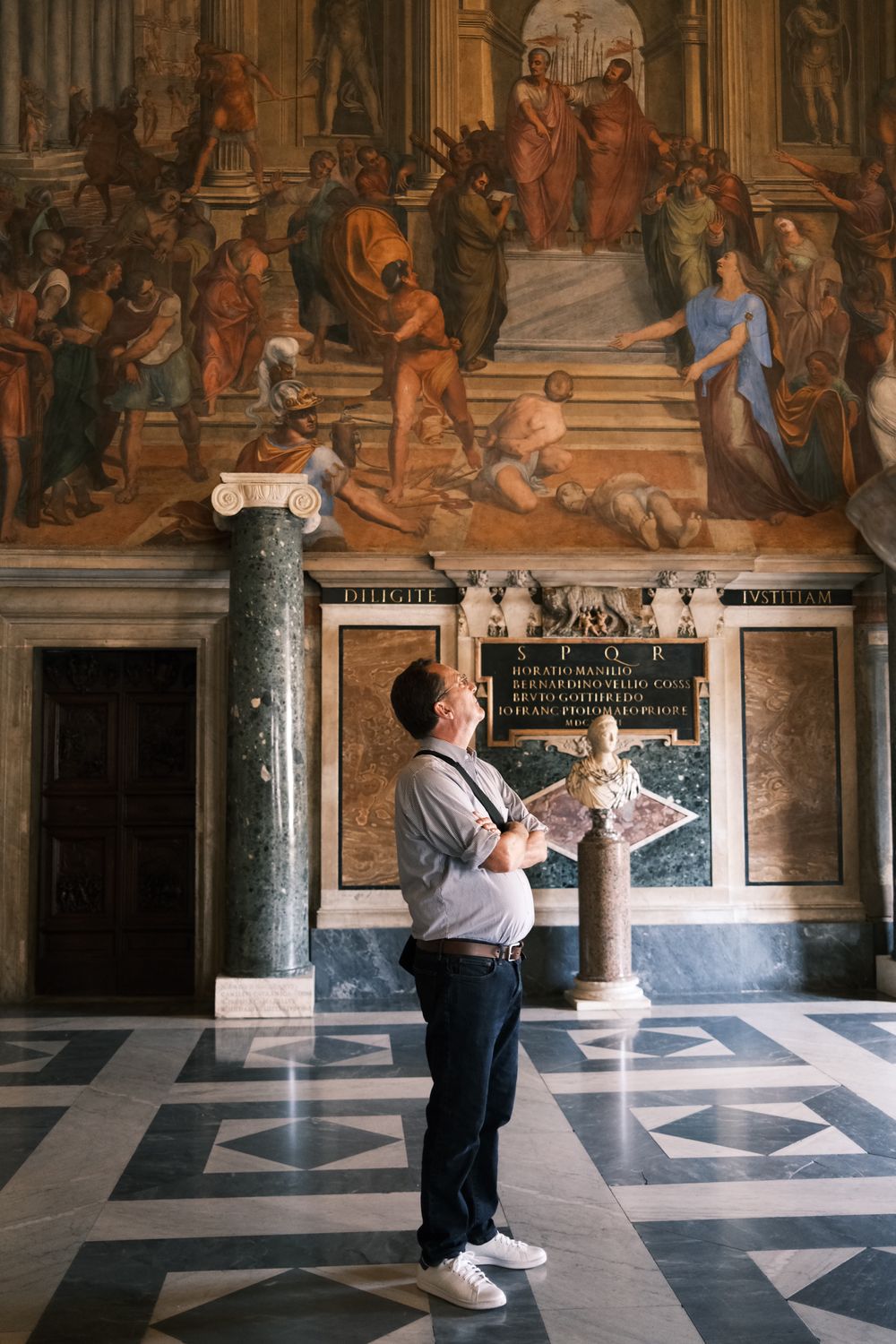
The museums of the Capitoline Hill fill the palaces around Piazza del Campidoglio: the bronze she-wolf of Rome, the original Marcus…
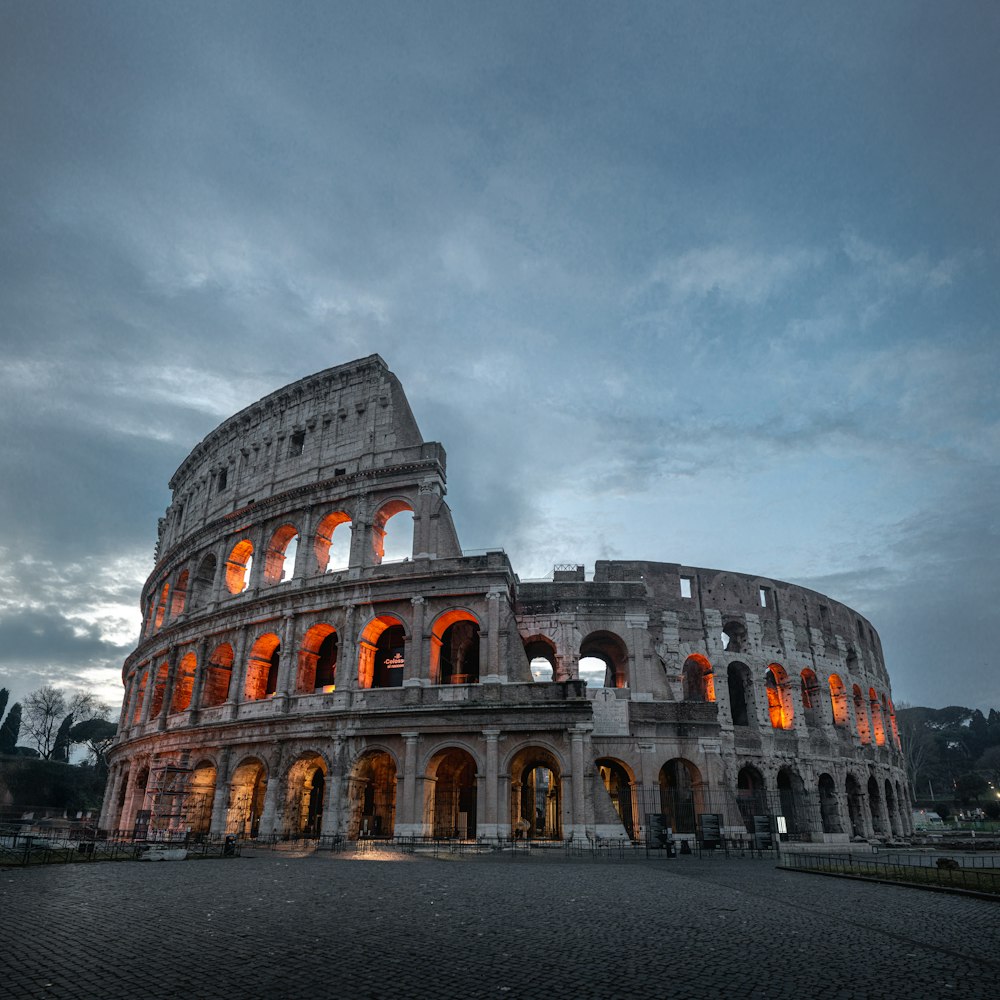
The largest amphitheatre of the Roman world, completed in AD 80 under Titus and seating roughly 50,000 spectators. Its travertine arcades…
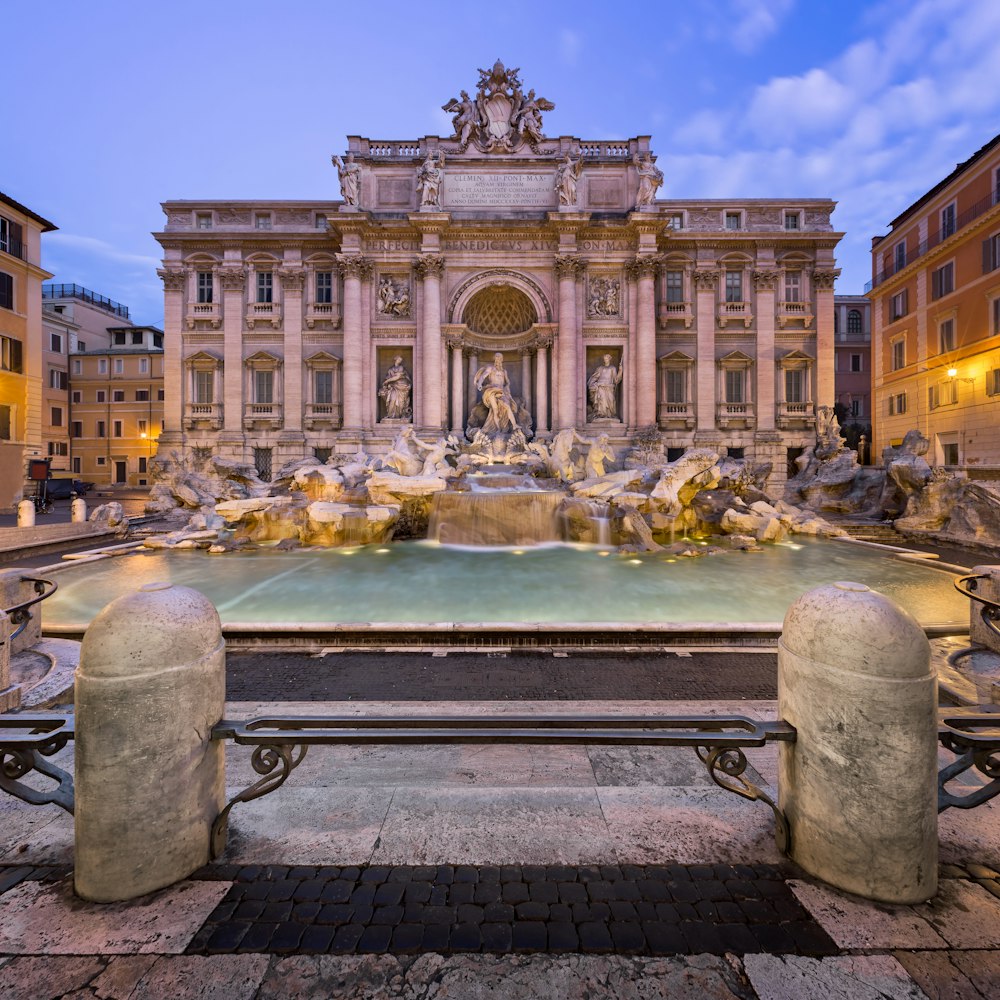
A Baroque fountain by Nicola Salvi, where Oceanus drives a shell chariot pulled by two sea horses, at the end of the Acqua Vergine, the…
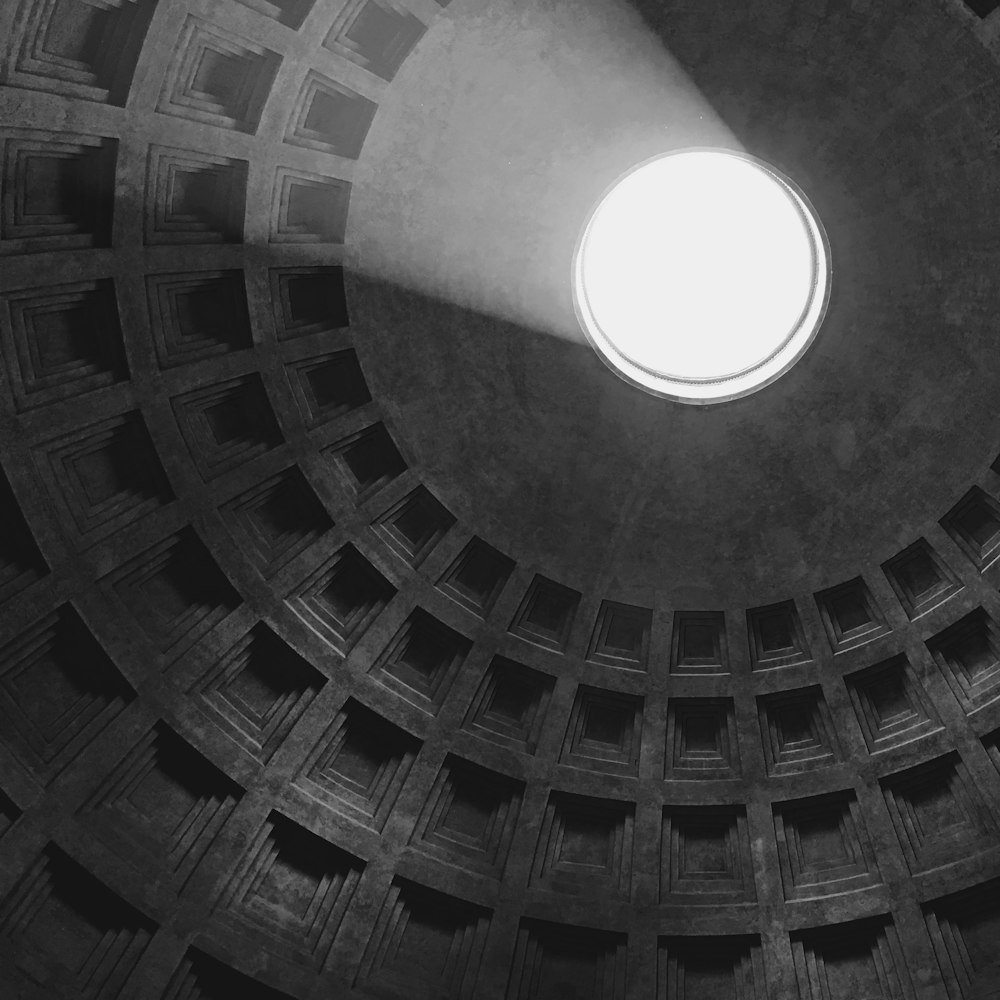
A Roman temple whose dome, completed under Hadrian, is still the largest ever built in unreinforced concrete, open to the sky through the…
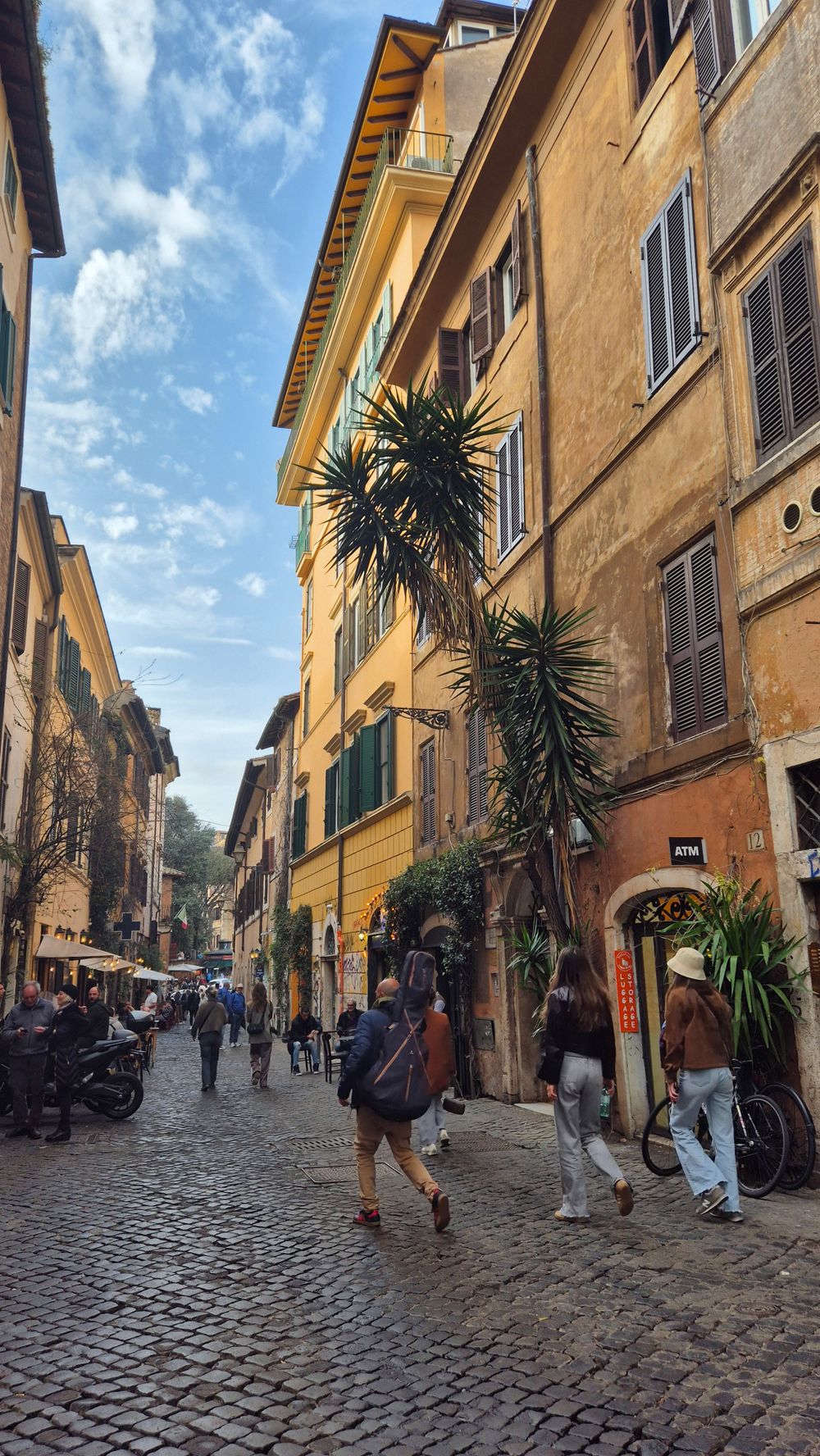
A quarter of narrow cobbled streets and old houses on the west bank of the Tiber, centred on the Basilica of Santa Maria in Trastevere and…
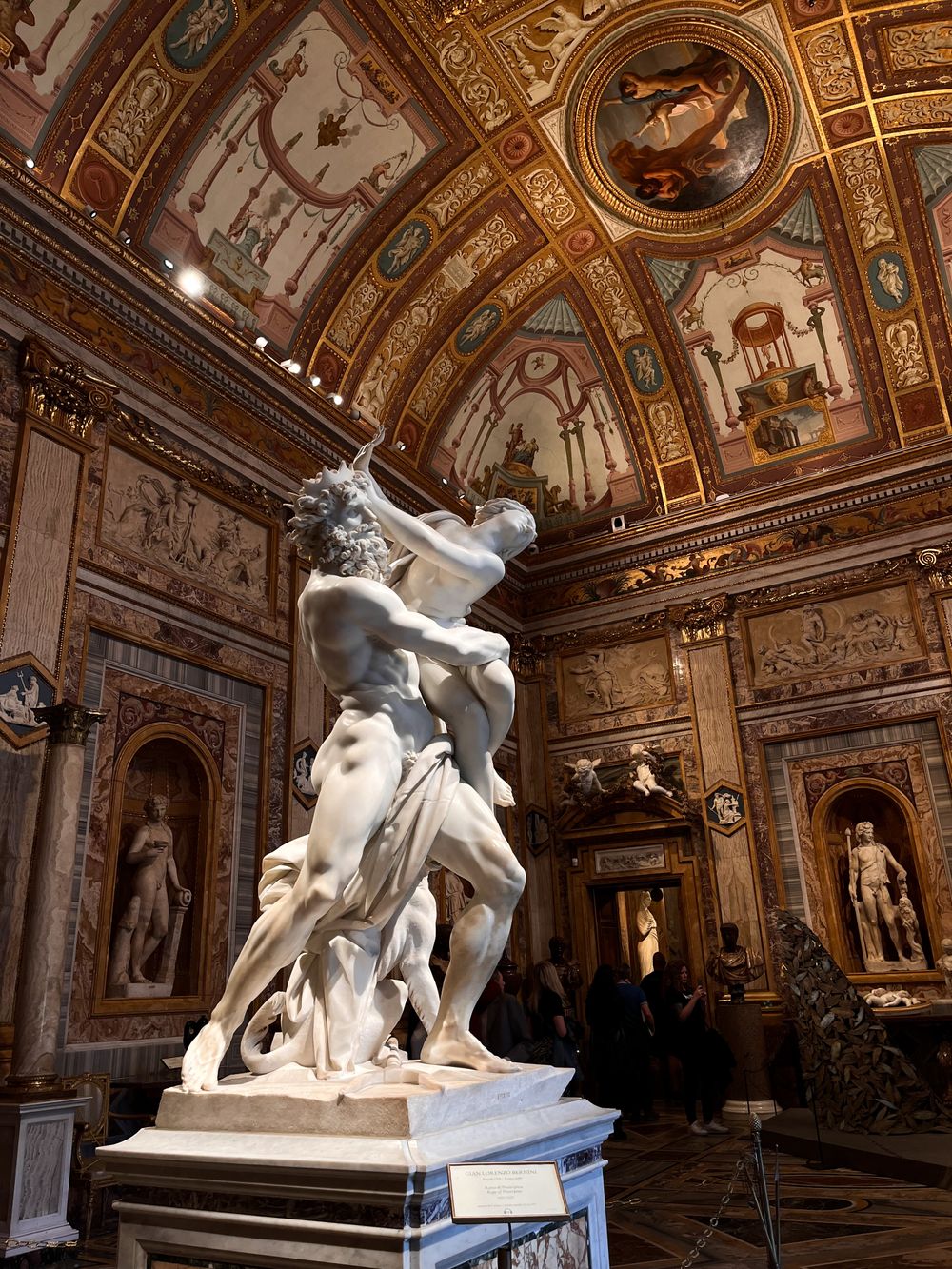
Cardinal Scipione Borghese's 17th-century collection in the Villa Borghese park, holding Bernini's Apollo and Daphne and David along with…
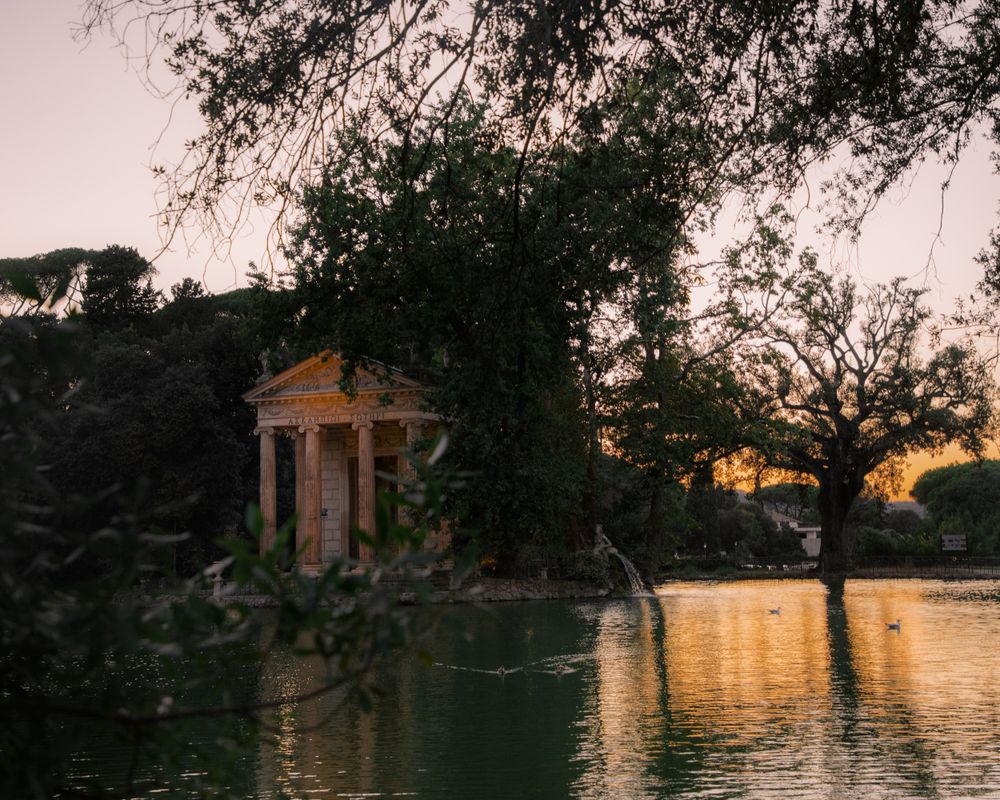
A 80-hectare landscaped estate with walking paths, lakes, temples, and the Galleria Borghese. Contains sculptures, fountains, and panoramic…
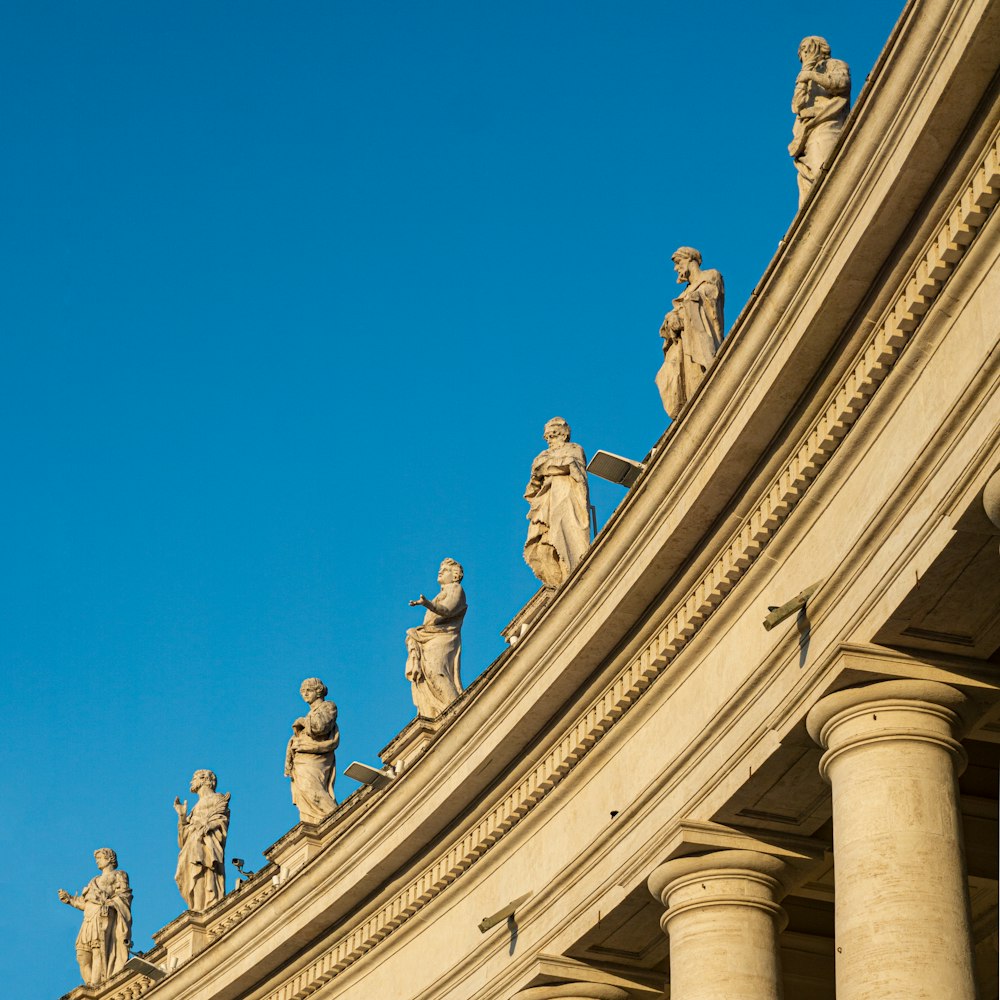
The largest church building in the world, completed in 1626 and crowned by Michelangelo's dome. Houses papal altars and Renaissance/Baroque…
Last updated