 Submit a photo
Ninety seconds on Trastevere
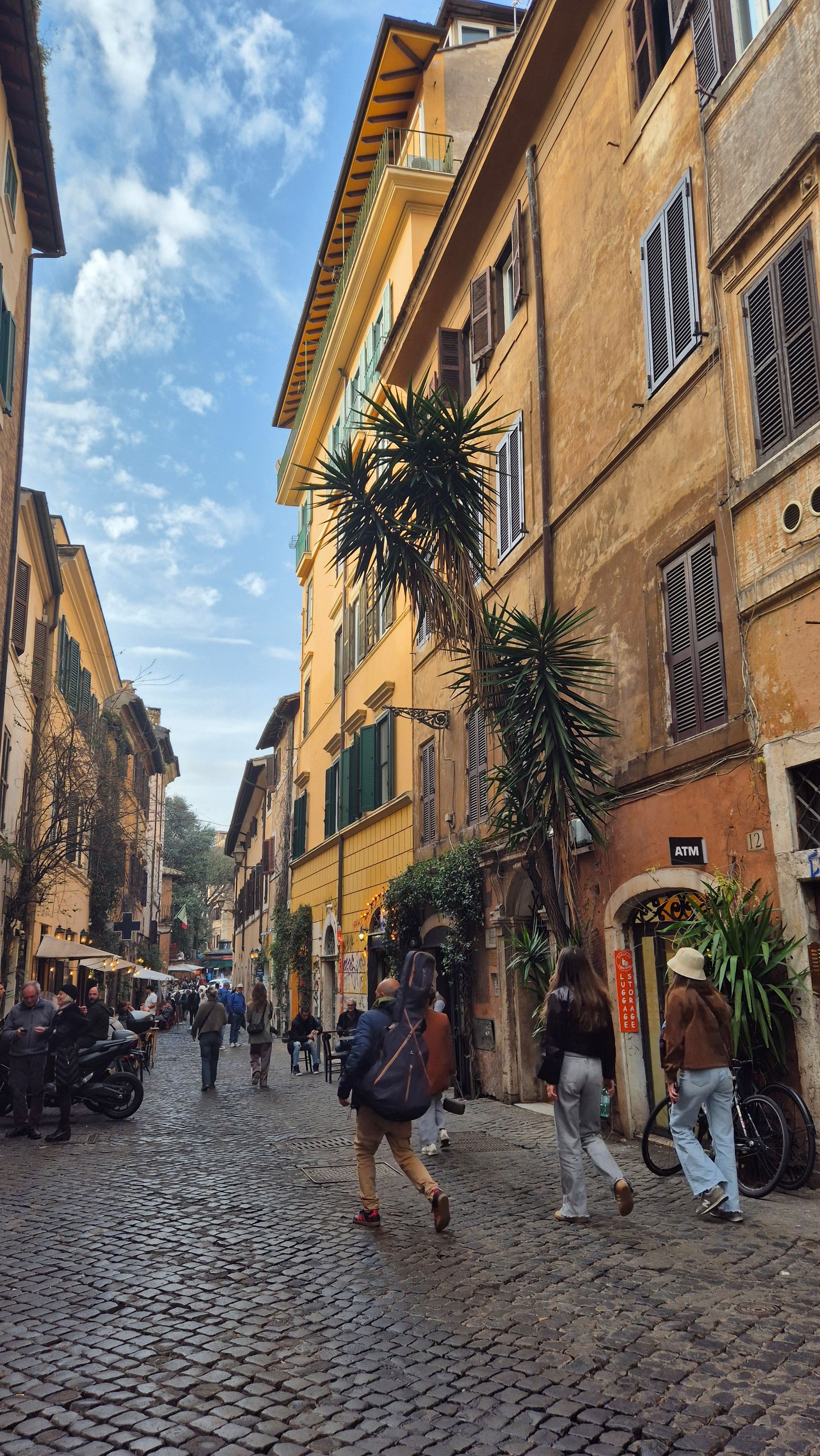
Trastevere is a rione, or district, on the west bank of the River Tiber, south of Vatican City. Its name comes from the Latin trans Tiberim, meaning beyond the Tiber. Narrow cobbled streets lined by ancient houses still give the quarter its character, with its great church at the centre.
Ponte Sisto links the historic centre to Trastevere on foot. Tram 8 runs from Piazza Venezia into the quarter, and Trastevere station serves arrivals by train. No metro line reaches the neighbourhood.
Four to five hours is enough to cover the neighbourhood, ideally in the late afternoon and evening. Inside the Basilica of Santa Maria in Trastevere, a visit takes only 20 to 30 minutes.
Yes. Santa Maria in Trastevere, the quarter's great church, is free to enter and easy to find on its main piazza. Its gold apse mosaics are the main reason to step inside.
October is the best month to visit, with May, June and September also suited to the lanes. July and August are the months to avoid, with temperatures above 35 degrees.
Trastevere is generally very safe, even late at night. The streets stay loud until well after midnight, so light sleepers staying in the quarter should pick a room away from the busiest lanes.
Trastevere's narrow cobbled lanes lead you to Santa Maria in Trastevere, where gold mosaics fill the apse.
The apse of Santa Maria in Trastevere is what you cross the river for. In the half dome, gold tiles in the Byzantine manner show the Coronation of the Virgin, with Christ and Mary enthroned. Pope Innocent II is there too, holding a model of the church he had rebuilt.
Below the half dome runs a band of six scenes from the Life of the Virgin by Pietro Cavallini, dated 1291, and these smaller panels are the ones to slow down for. Look at the colour and the foreshortening, which give the figures a depth the gold above does not have. Cavallini was already moving Roman painting away from the flat Byzantine style.
On the triumphal arch framing the apse, the mosaics show scenes from the Apocalypse. Turn round before you leave: twenty-two ancient granite columns of different widths divide the three naves, and the ceiling above them deserves a look too.
Outside, the facade mosaic shows the Madonna nursing the Child between ten women holding lamps.
Easiest of all is to walk in from the historic centre over Ponte Sisto, which puts you at the edge of the lanes. From there, wander without a fixed route towards Piazza di Santa Maria in Trastevere. Viale Trastevere, the main road, is never far off if you lose your bearings.
Go into the basilica first and walk straight up the nave to the apse, then work back to the columns and the ceiling. Afterwards, take a drink over to the fountain in the piazza and try for a seat there.
For the evening, watch the sunset from the top of the Janiculum hill, then walk down into the lanes. Begin the night with an aperitivo before dinner.
Choose a hotel in Trastevere with care, because the noise in the streets does not let up until well past midnight.
If you drive in, blue-line bays cost nothing after 7pm and all day on Sundays and holidays, which makes the evening the easy time to come by car.
Pair it with Pantheon or Trevi Fountain.
Explore the rest of Rome
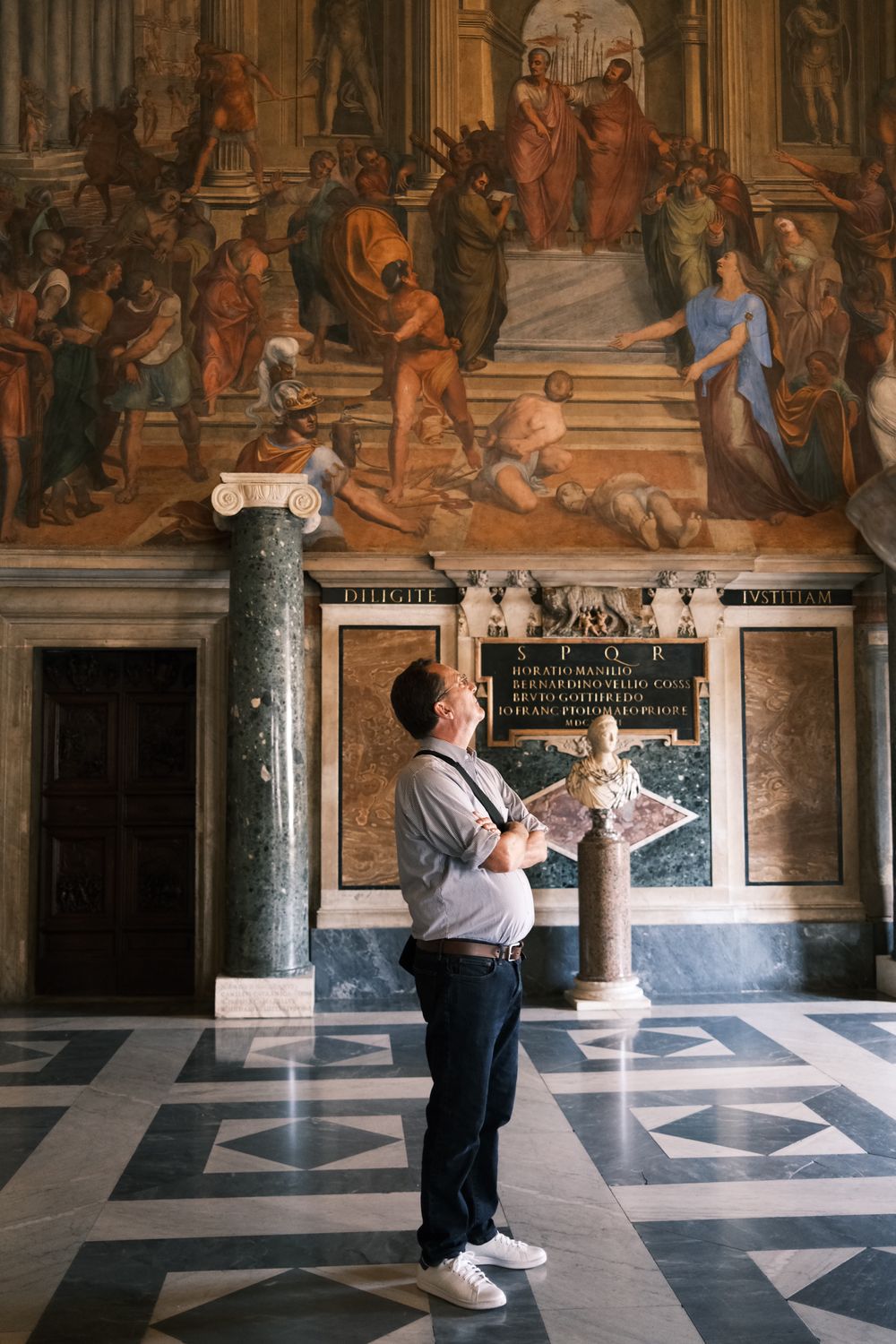
The museums of the Capitoline Hill fill the palaces around Piazza del Campidoglio: the bronze she-wolf of Rome, the original Marcus…
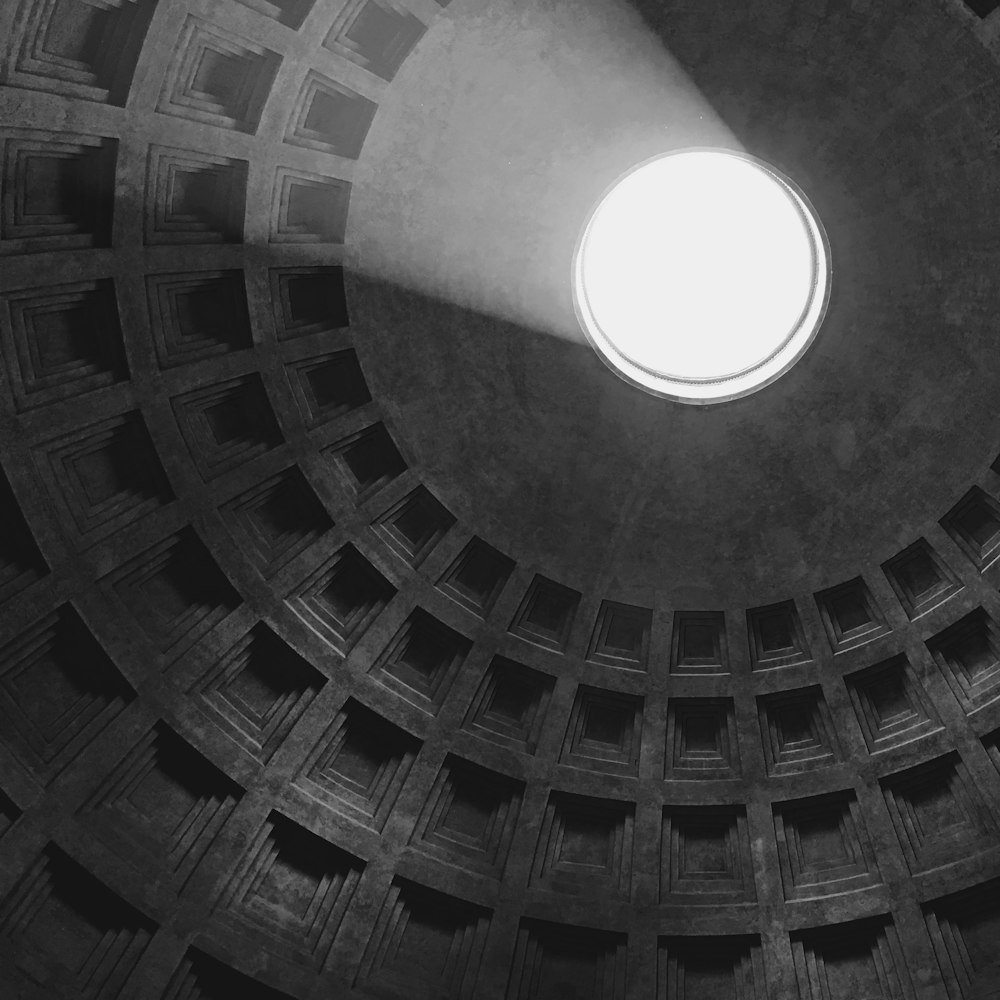
A Roman temple whose dome, completed under Hadrian, is still the largest ever built in unreinforced concrete, open to the sky through the…
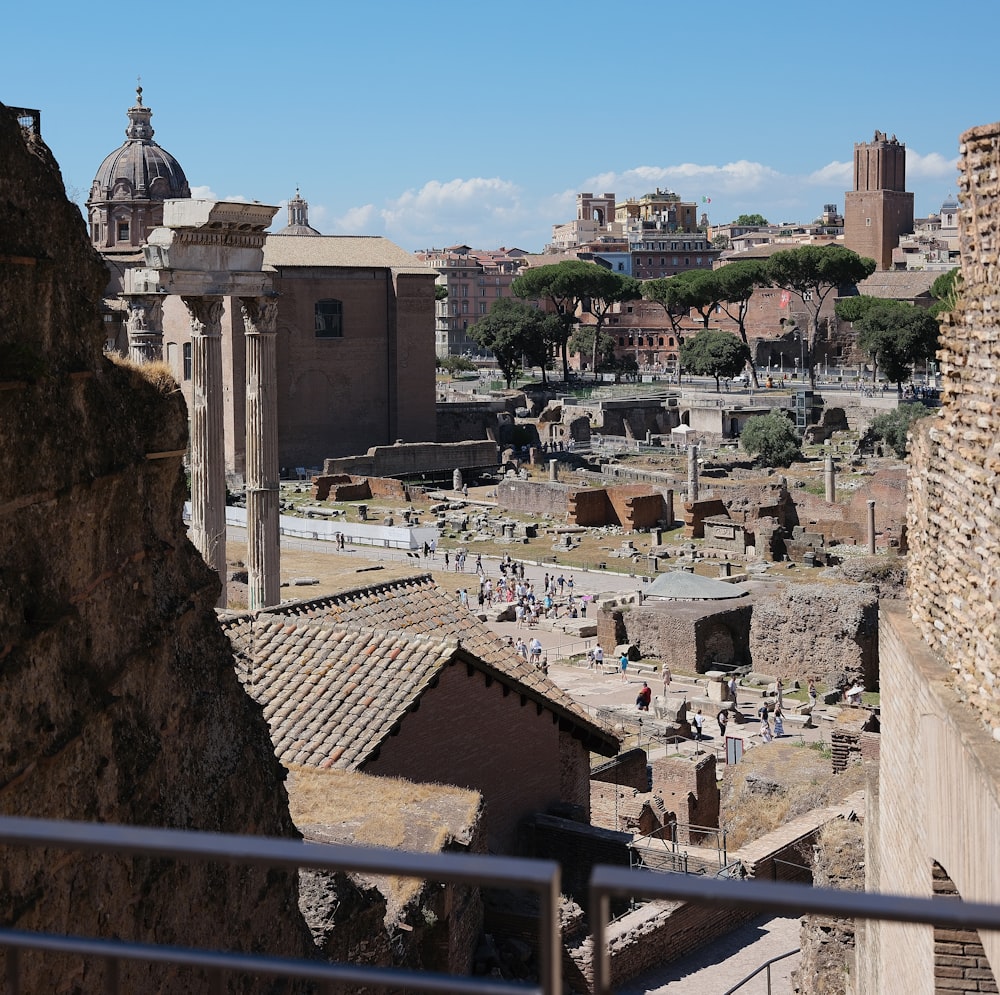
The civic and commercial centre of ancient Rome, stretching across ruins of temples, basilicas, and government buildings spanning roughly…
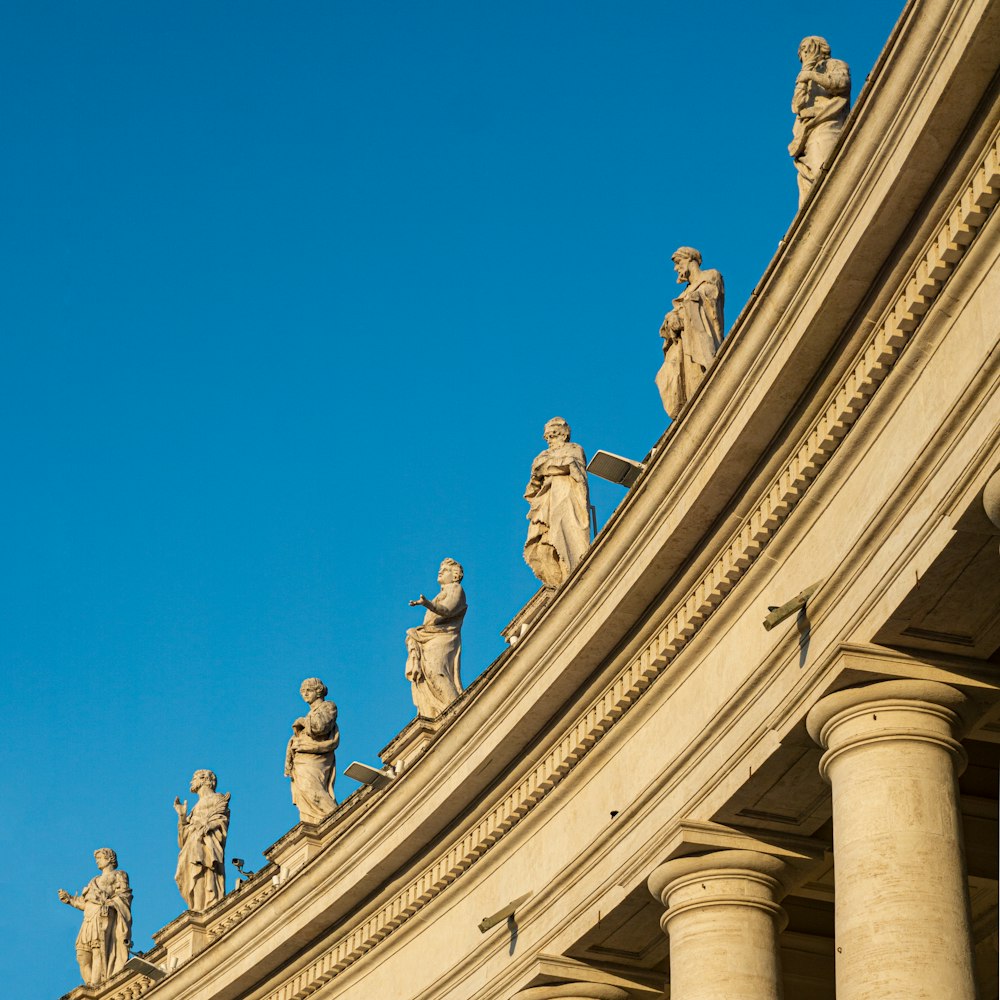
The largest church building in the world, completed in 1626 and crowned by Michelangelo's dome. Houses papal altars and Renaissance/Baroque…
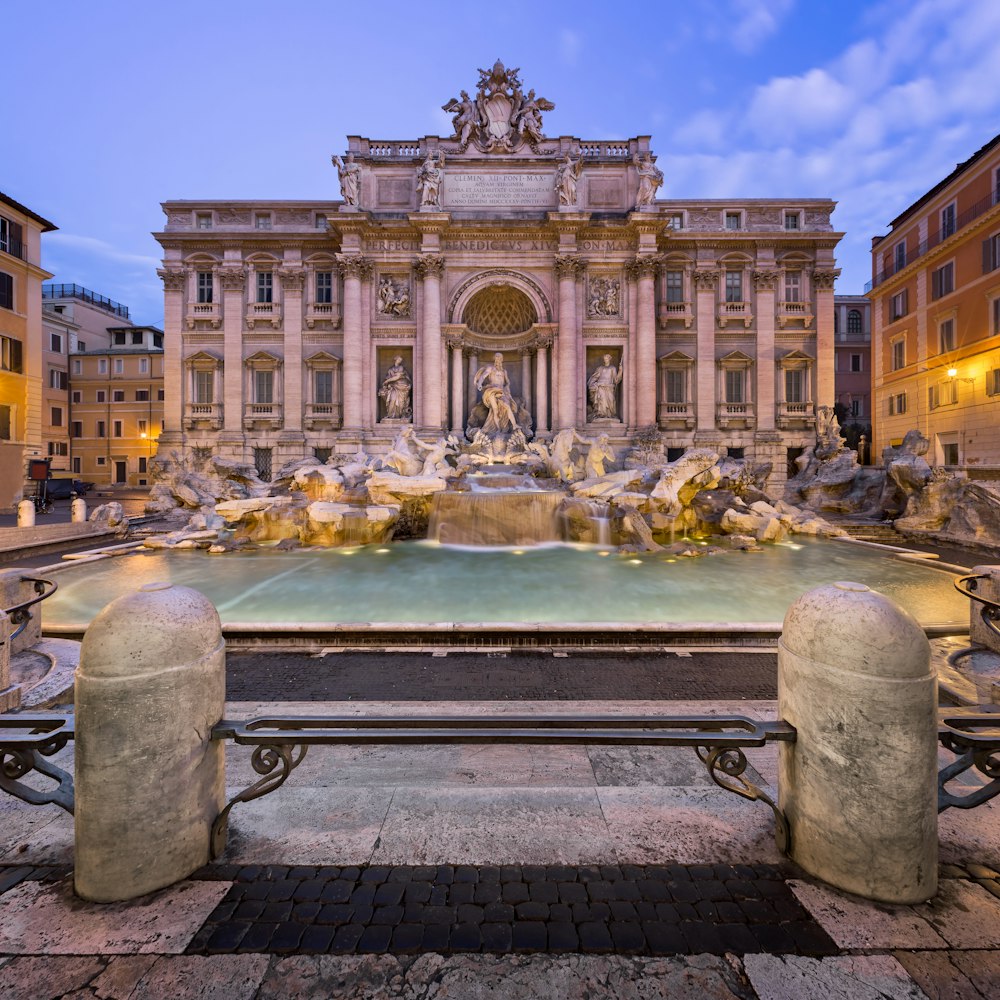
A Baroque fountain by Nicola Salvi, where Oceanus drives a shell chariot pulled by two sea horses, at the end of the Acqua Vergine, the…
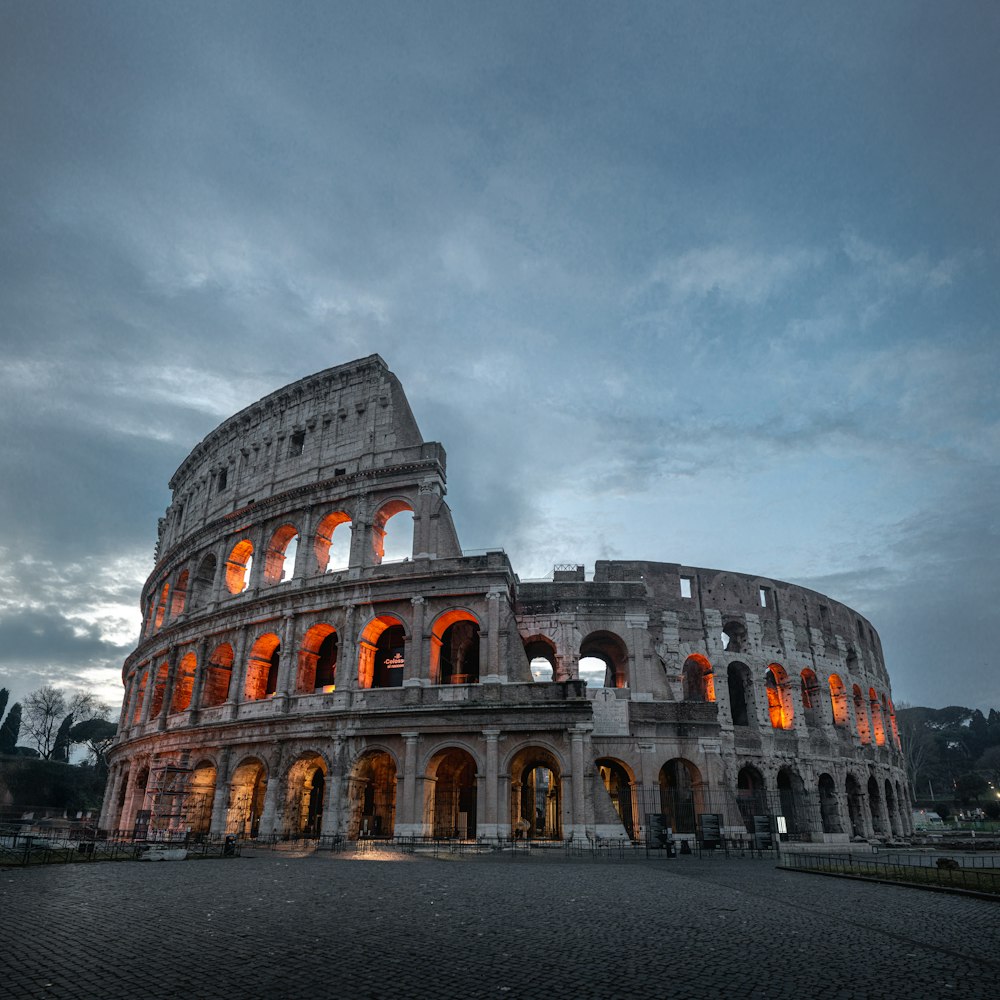
The largest amphitheatre of the Roman world, completed in AD 80 under Titus and seating roughly 50,000 spectators. Its travertine arcades…
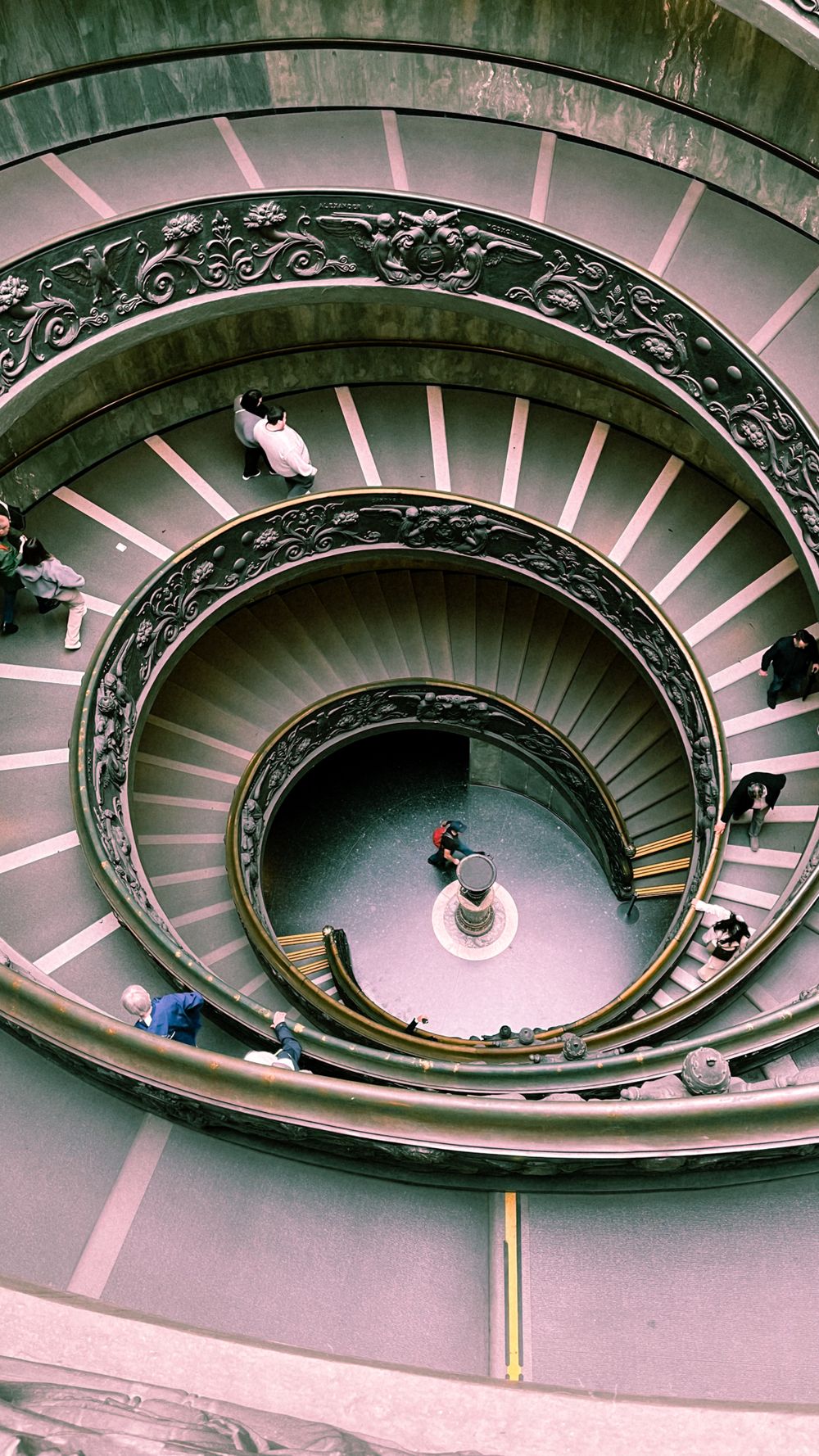
One of the world's greatest art collections, spanning Egyptian antiquities, Renaissance masterworks, and the Sistine Chapel ceiling painted…
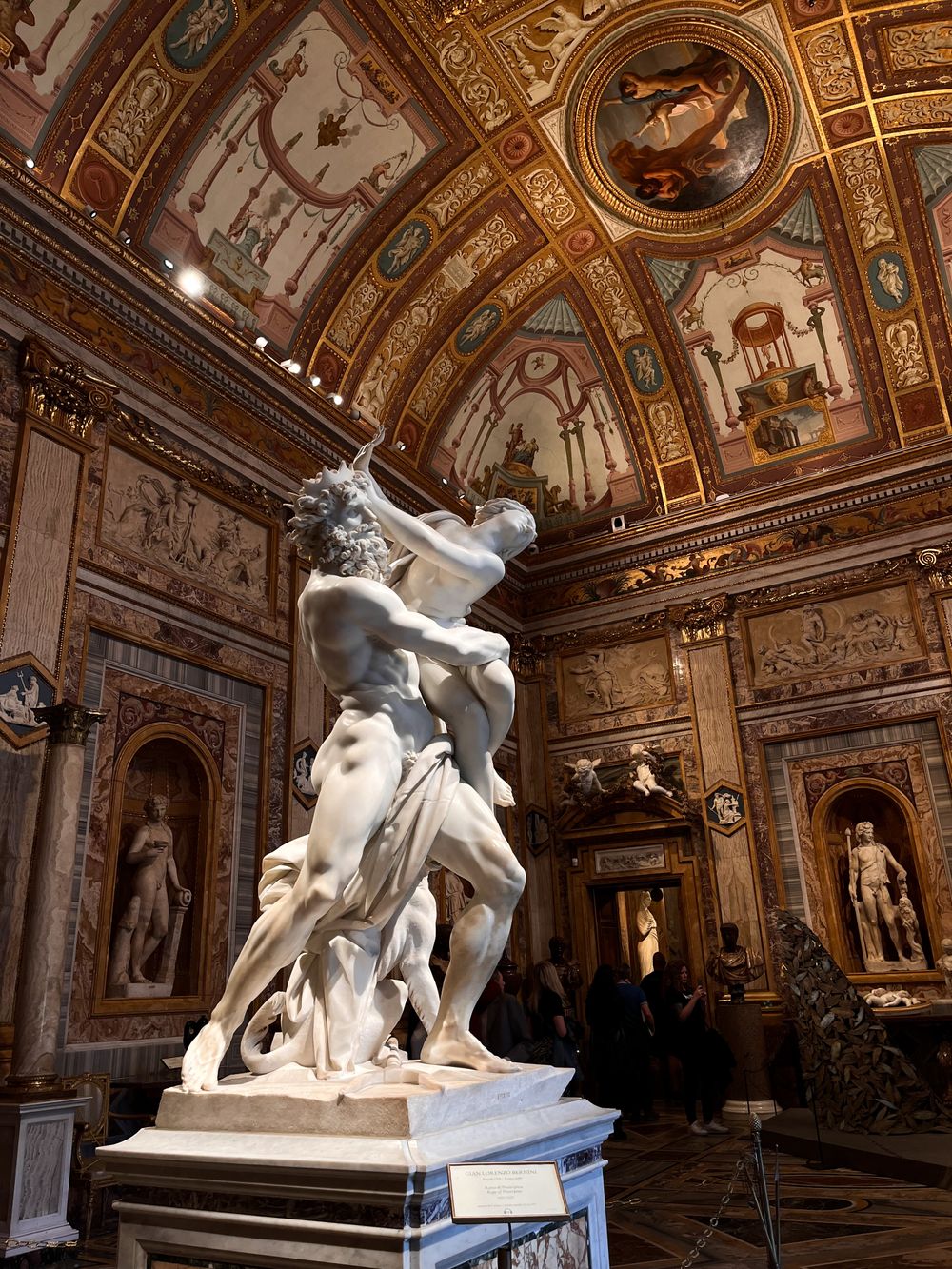
Cardinal Scipione Borghese's 17th-century collection in the Villa Borghese park, holding Bernini's Apollo and Daphne and David along with…
Last updated