 Submit a photo
Ninety seconds on Chureito Pagoda
A hillside deck in Fujiyoshida puts a red pagoda, the city's rooftops and Fuji into one view. Go over from the lake on the first clear morning of your stay, because Fuji is hidden by cloud more often than not.
Fujiyoshida City War Dead Memorial Tower is the formal name of the five-storey pagoda, known locally as the Chureito. The city completed it in 1962, built with donations from many residents, in memory of local people who died in Japan's wars from the Meiji era to the Pacific War. Inside are the memorial tablets of 1,055 of them.
The tower stands on the slope of Mount Arakura, a hill of 850 metres. From the observation deck you see its tiered red roofs, the streets and rooftops of Fujiyoshida below, and beyond the city Fuji, its slopes spreading evenly to left and right.
In spring the park's cherry trees flower around the tower, putting mountain, pagoda and blossom, three of the images that most stand for Japan, into one view. In autumn the maples and cherry leaves turn red in the park while the first snow settles on Fuji.
Leave Shimoyoshida Station on foot for Arakura Fuji Sengen Shrine, whose grounds sit at the foot of the park. The steps are the way up: the stone stairway known as the Sakuya-hime steps rises from inside the shrine precinct.
Climb to the open observation deck near the top of the slope. It is not large and fills quickly at busy times, so take your photographs and then make room at the rail.
Before you leave, look down at the pagoda, then across the city to the mountain. Go back down to the shrine and walk to the station the way you came.
If you are staying near the lake, come back for an evening. The tower is lit from dusk until about ten, starting earlier in winter and later in summer.
The view over the city lights after dark has been chosen for national lists of Japan's best night views.
Pack a compact camera setup rather than a tripod. At busy times you can be asked to put a tripod away.
Explore the rest of Fujikawaguchiko
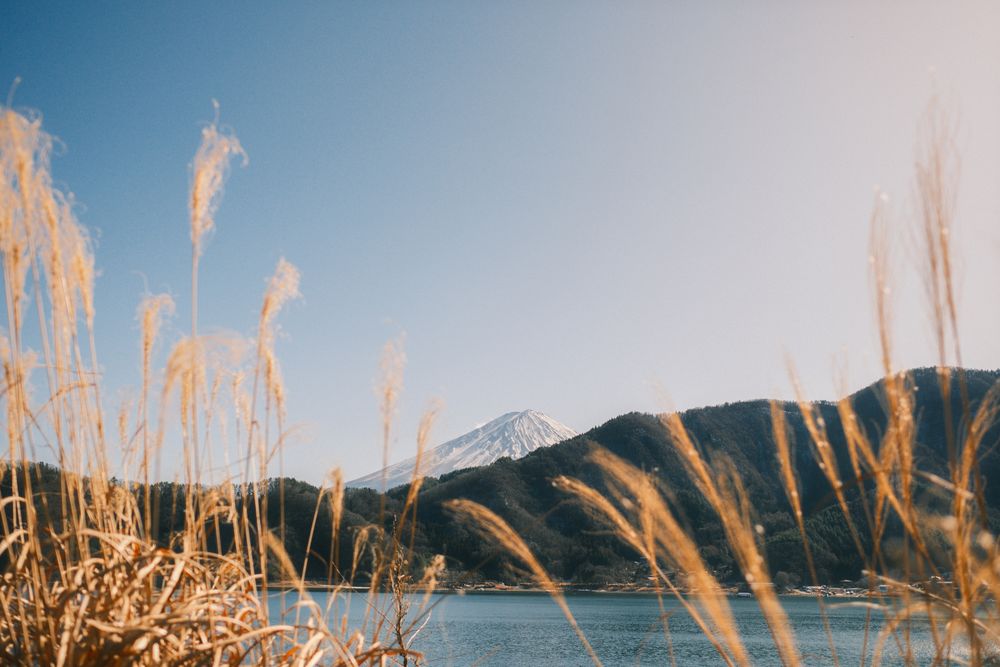
A lakeside town on Lake Kawaguchi, two hours from Shinjuku by direct bus or train, and the usual base for seeing Mount Fuji or for climbing…
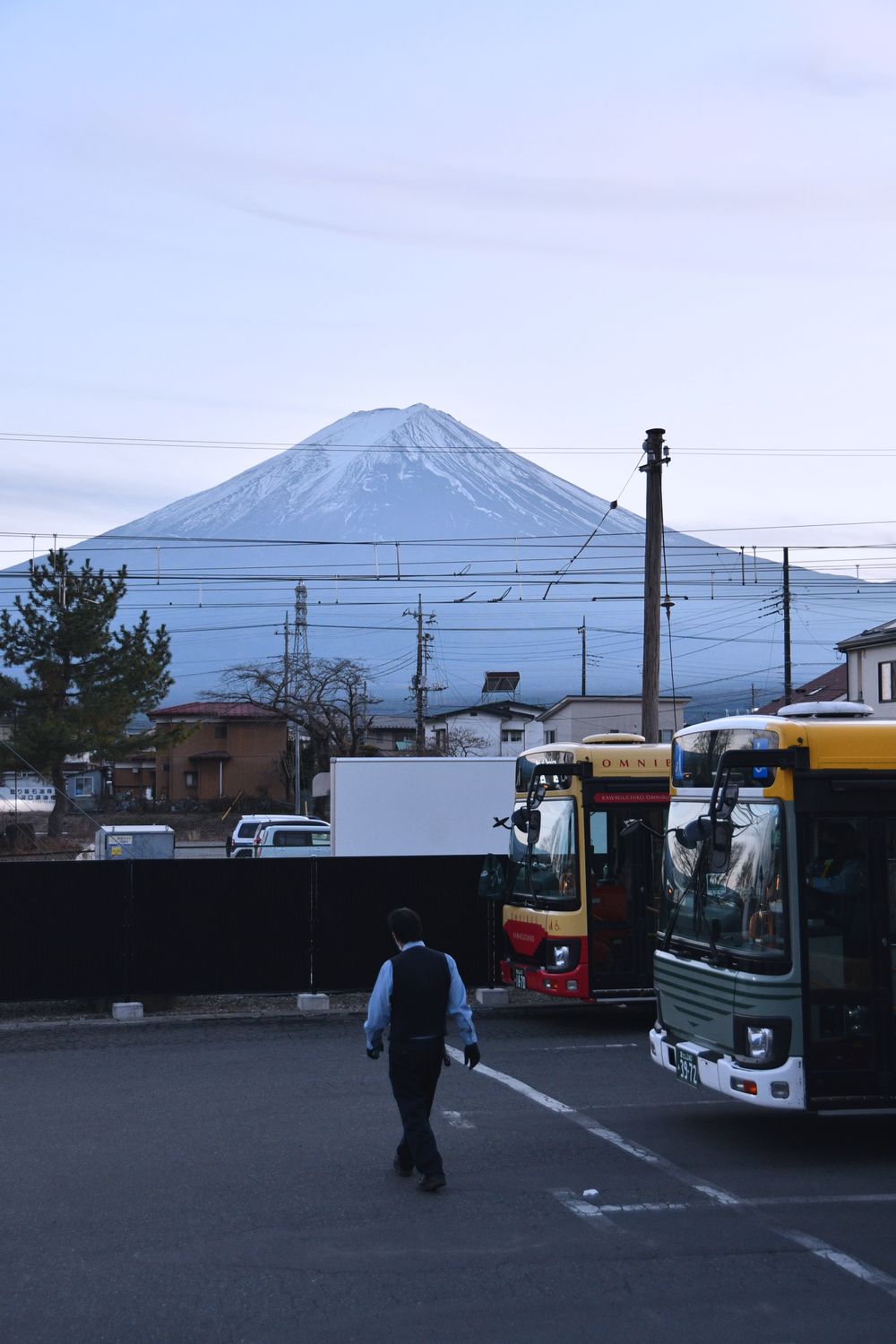
Japan's highest peak at 3,776 metres, an active volcano last in eruption in 1707. The official climbing season runs from early July to…
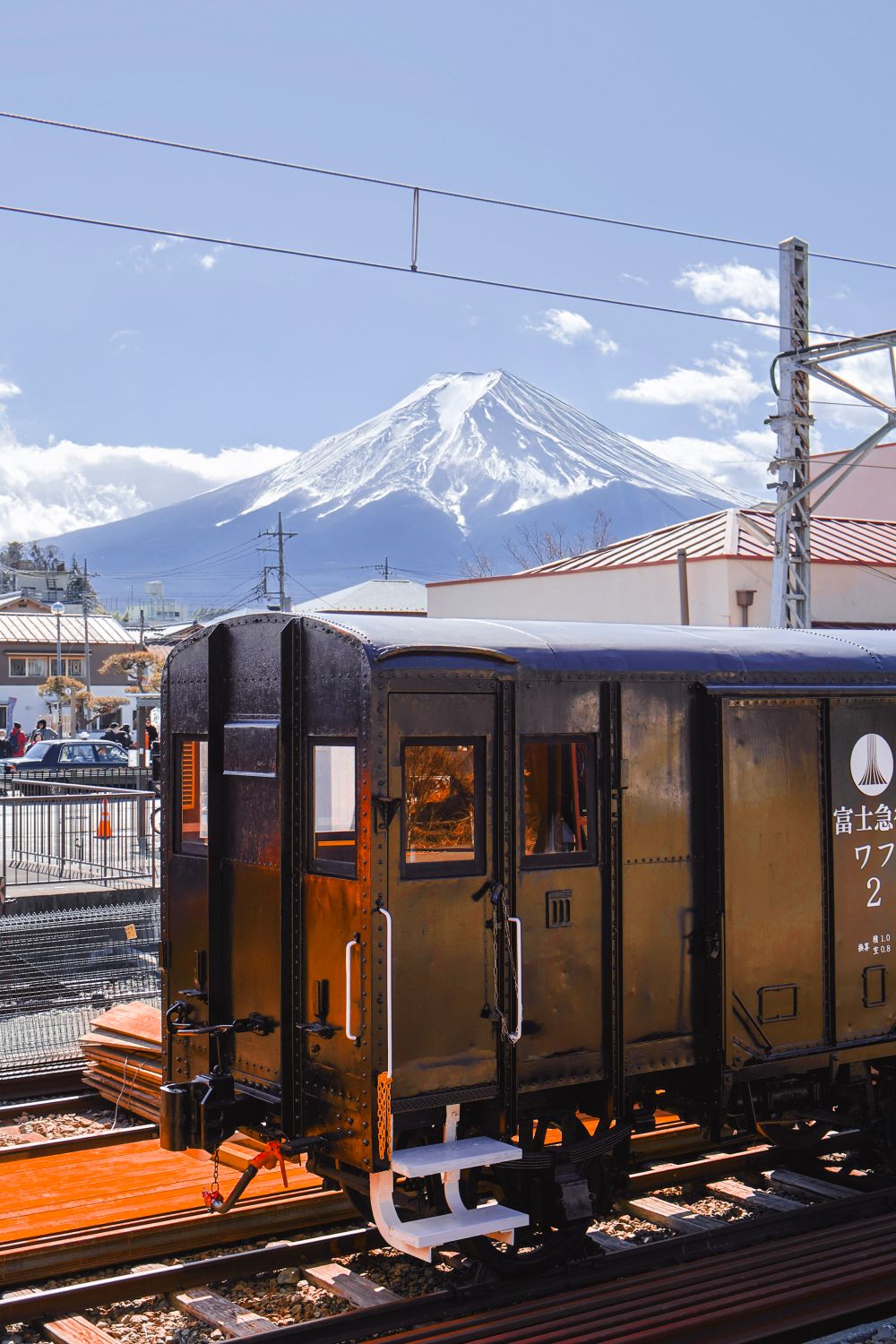
A three-minute cable car lifts riders from the east shore of Lake Kawaguchi to a deck on Mount Tenjo, about 240 metres above the water. On…
The official pages this guide was checked against.
Last updated