Things to do
5-
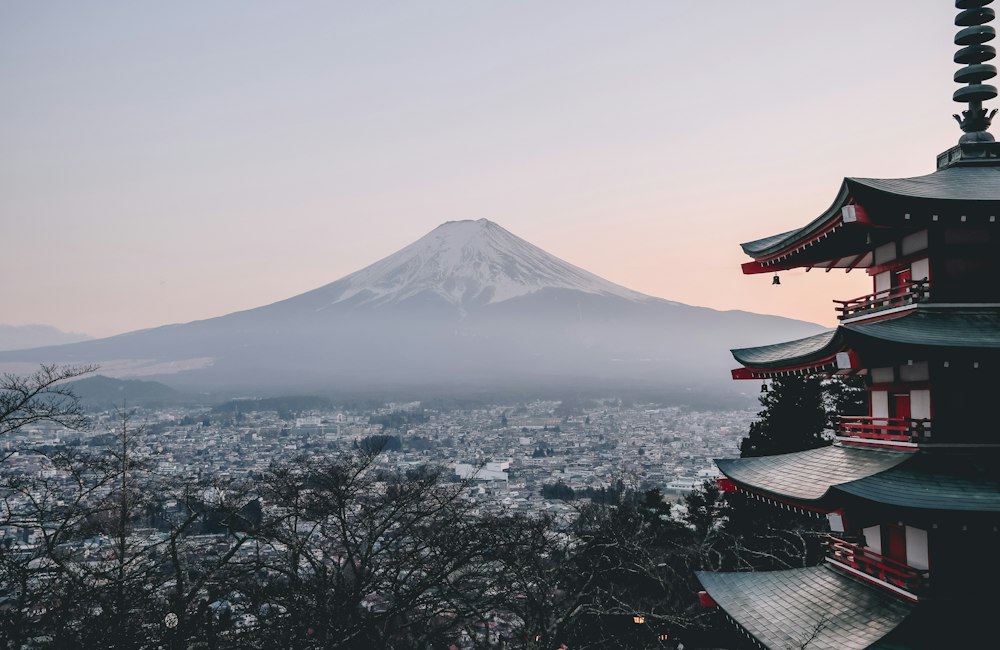
Chureito Pagoda
A red five-storey pagoda on a hillside in Fujiyoshida, built in 1963 as a war memorial and now the foreground of a photograph known worldwide, with cherry blossom below and Fuji behind. Just under four hundred steps climb to the viewing deck. In mid-April the deck is queued and marshalled, with a time limit at the rail. Frost-clear winter dawns offer the same view and no queue.
-
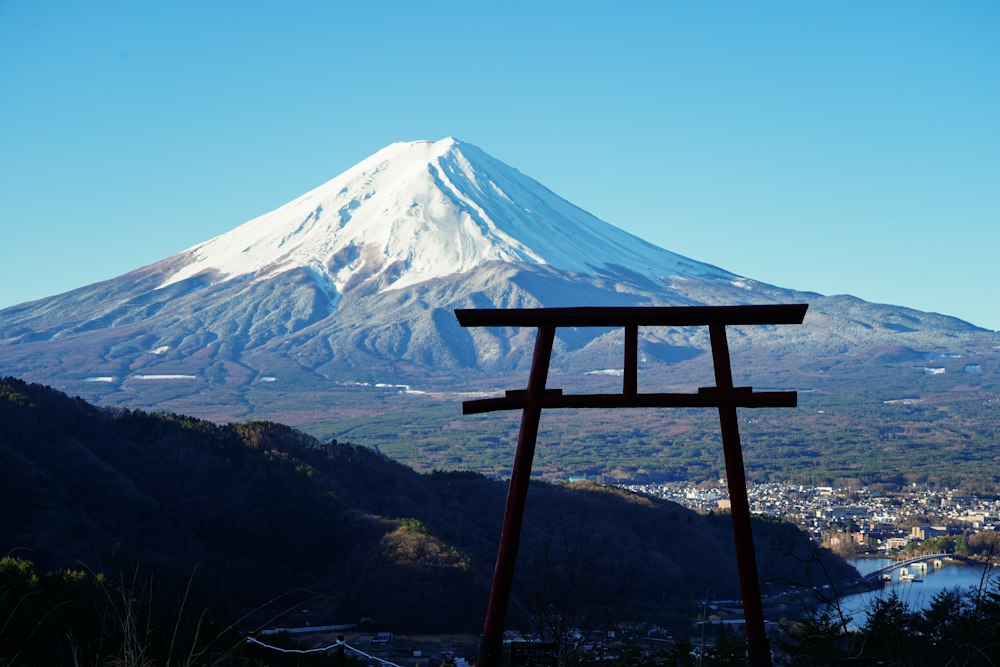
Kitaguchi Hongū Fuji Sengen Shrine
For centuries pilgrims began the ascent of Fuji here, passing under one of the largest wooden torii in the country after a long avenue of stone lanterns and cedars. The historic Yoshida trail still starts behind the main hall, a full day below the Fifth Station where modern climbers begin. Two cedars in the courtyard are reckoned a thousand years old. The grounds are free and rarely busy.
-
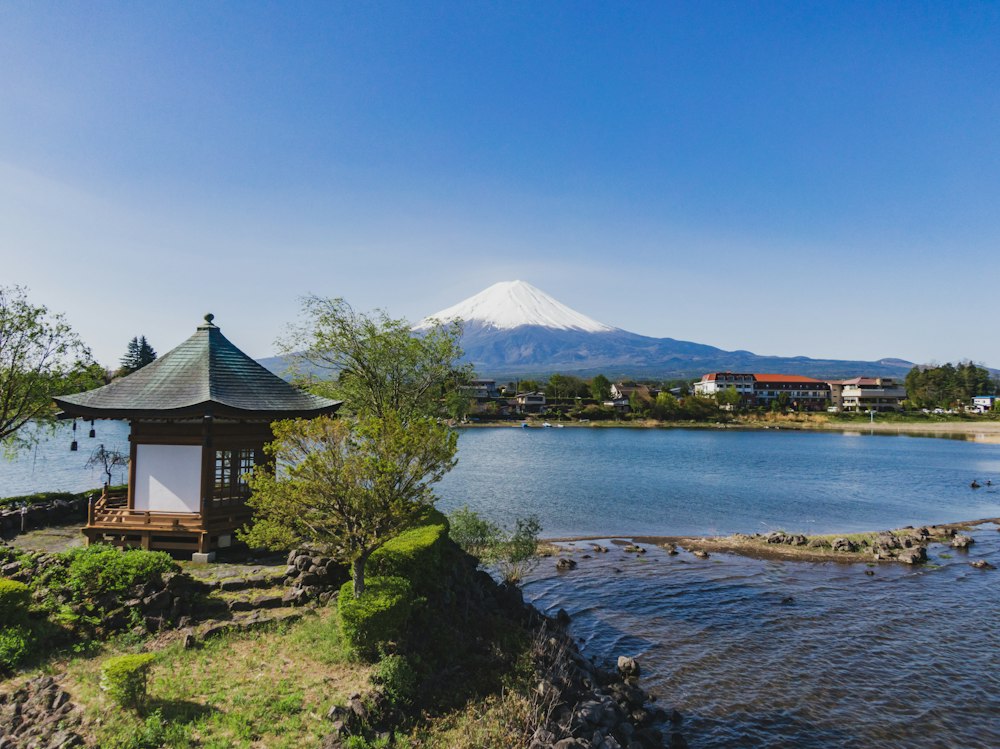
Lake Kawaguchi
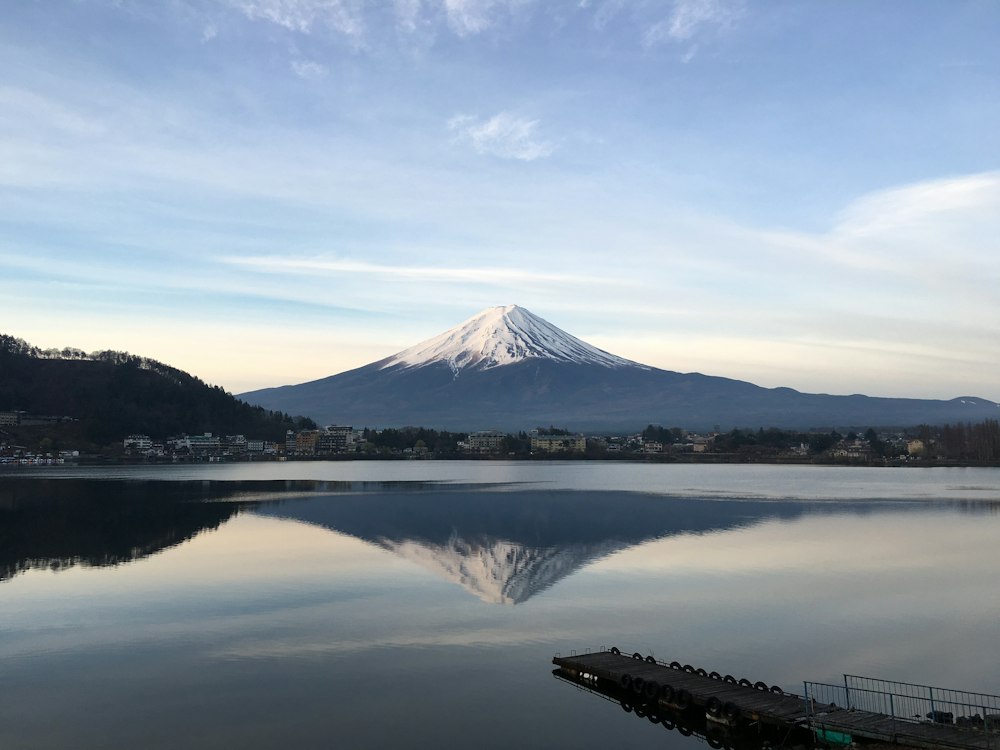
The most accessible of the five lakes at Fuji's northern foot, and the one with the postcard angle: from the north shore the mountain stands square across the water and, on a windless morning, doubles in it. A promenade runs past a lavender park and a maple avenue that turns in November. A ropeway on the east side climbs to a viewing platform in three minutes.
-
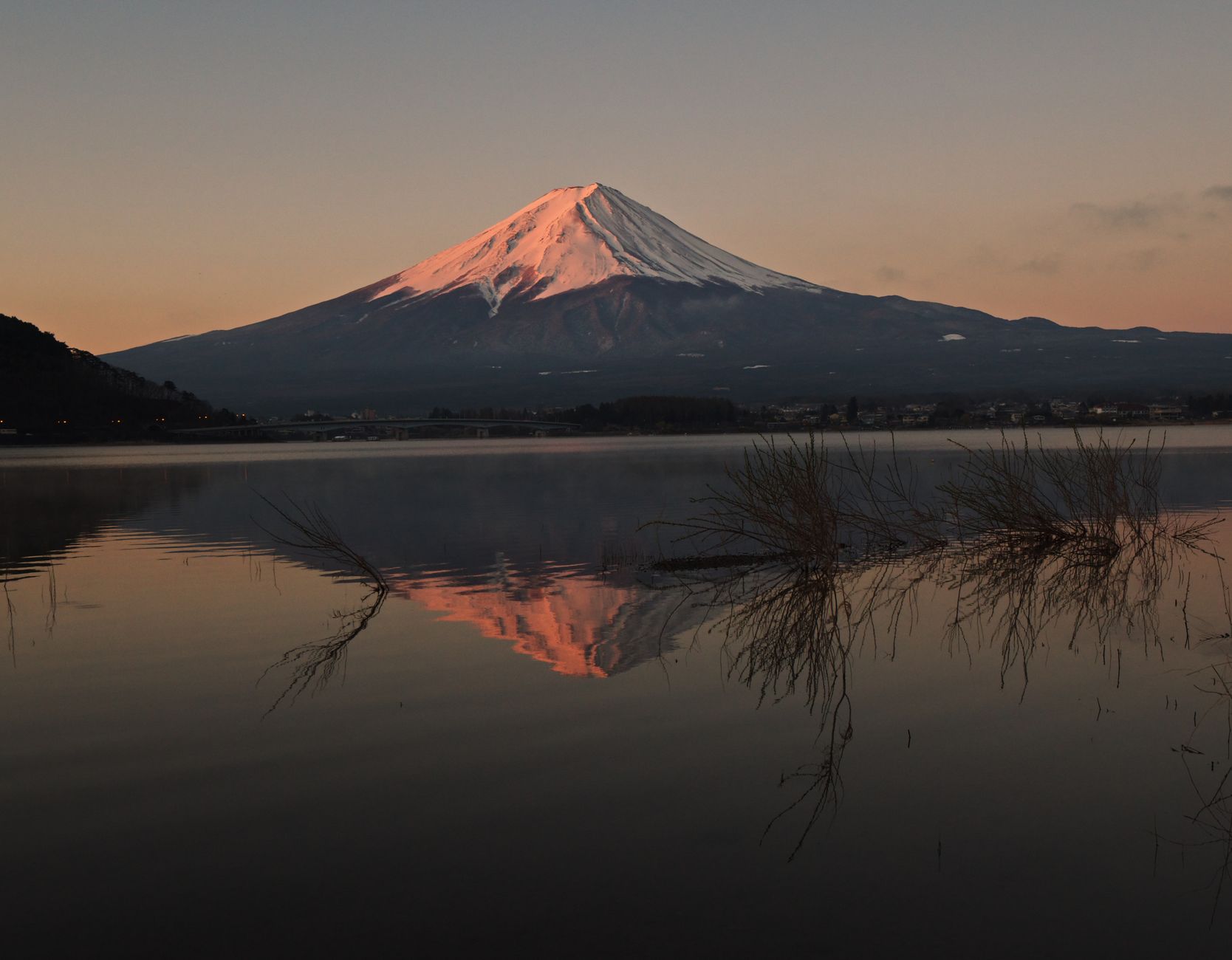
Mount Fuji
Japan's highest peak at 3,776 metres, an active volcano last in eruption in 1707. The official climbing season runs from early July to early September, and most walkers start the Yoshida trail from the Fifth Station and sleep in a hut to reach the crater for sunrise. Since 2024 that trail has a gate, a daily cap, a mandatory fee and an afternoon cutoff for anyone without a hut booking.
-
Oshino Hakkai
Eight spring-fed ponds in a farming village, filled by Fuji's snowmelt after decades spent filtering down through lava. The water is clear enough to see trout hanging over blue depths several metres down. Thatched houses, waterwheels and stalls selling grilled rice cakes surround them. Tour coaches arrive from late morning. Coins thrown in have damaged the ponds, and signs ask visitors to stop.