
You see Fuji across open water from the north shore, then from a ropeway deck and from a boat, all on one sightseeing bus line. Of the Fuji Five Lakes, this is the easiest to reach from Tokyo.
Lake, Fujikawaguchiko. Meridian Dispatch.
The ticketed sights are the Mt. Fuji Panoramic Ropeway and the two pleasure boats, Appare and Ensoleillé, and a combined ropeway and boat ticket is sold at the ropeway, the boat pier and Kawaguchiko Station.
The highway bus from Busta Shinjuku reaches Kawaguchiko Station in about 1 hour 45 minutes, depending on traffic. From the station, the lake shore is about 10 minutes by local bus.
Highway buses leave from the fourth-floor terminal of Busta Shinjuku, joined to the south exit of Shinjuku Station. Seats are reserved, and bookings open one month before the day of travel. Trains run on the JR Chuo Line to Otsuki, where passengers change to the Fuji Kyuko Line, which does not accept the JR Rail Pass.
The lower station is a 3-minute walk from the Pleasure boat/ropeway entrance bus stop. Its hours change with the season; check the operator's homepage. In bad weather the last run down can leave sooner than the timetable shows.
The sightseeing bus leaves Kawaguchiko Station and runs a loop of the northern shore, stopping by the lake's main sights. Departure times and frequency are on the Fujikyu bus timetable. No reservation is needed, as it is a regularly scheduled local bus, and Suica and PASMO cards are accepted on board.
The Kawaguchiko Ohashi Bridge is a known place to see Fuji upside down in the water. For a view from above, the ropeway deck looks over the whole lake to the peak.
Fuji rises straight across the lake from the north shore. When the water lies still, the whole mountain also appears upside down in it.
Flower beds in Oishi Park, on that shore, change through the year, and lavender colours stretches of the shore from late June to mid-July, during the Kawaguchiko Herb Festival. Along the north side, the Momiji Corridor is a long avenue of maples.
Cherry trees ring the lake in spring, and in mid-April the trees on the northern shore are lit at night for the cherry blossom festival. Through November, the Autumn Leaves Festival on the same shore frames Fuji in maple leaves.
At the southeast corner, the ropeway climbs Mount Tenjo to a deck at 1,075 m, with an all-round view of Fuji and the whole lake, and of the Southern Alps in fine weather. The hill is the setting of the folk tale Kachi Kachi Yama, which is why tanuki and rabbit figures ride the cars and stand around the deck.
Two museums sit on the north shore. The Itchiku Kubota Art Museum is known for its kimono collection and traditional gardens, and Kawaguchiko Music Forest shows musical instruments in a European-style garden.
Start at Kawaguchiko Station, where the sightseeing bus sets off on a loop of the north shore. A one-day ticket is sold at the station's bus counter, online, or on board.
Get off first at Pleasure boat/ropeway entrance. The gondola reaches the summit in 3 minutes, and the Appare boat leaves from a pier a short walk away, circling the lake in about 20 minutes.
The Ensoleillé leaves from the same pier area and sails toward Oishi Park. Confirm sailing times at the pier before you plan around a boat.
Back on the bus, the route follows the north shore, where the museums and art galleries stand, to Oishi Park and the Kawaguchiko Herb Museum. The operator, Fujikyu, posts the times between stops, and a rented bicycle also covers the shore.
If you drive to the ropeway, use the free prefecture-owned car park by the lake, with room for about 300 cars.
Kawaguchi Asama Shrine is about 20 minutes on foot (1.5 km) from the Itchiku Kubota Art Museum, so you can walk on to the shrine without going back to the station.
Wheelchairs and pushchairs must as a rule be folded on the buses. At the top of the ropeway, a gentle slope now links the top station to the viewing plaza, so you need not use the steep steps.
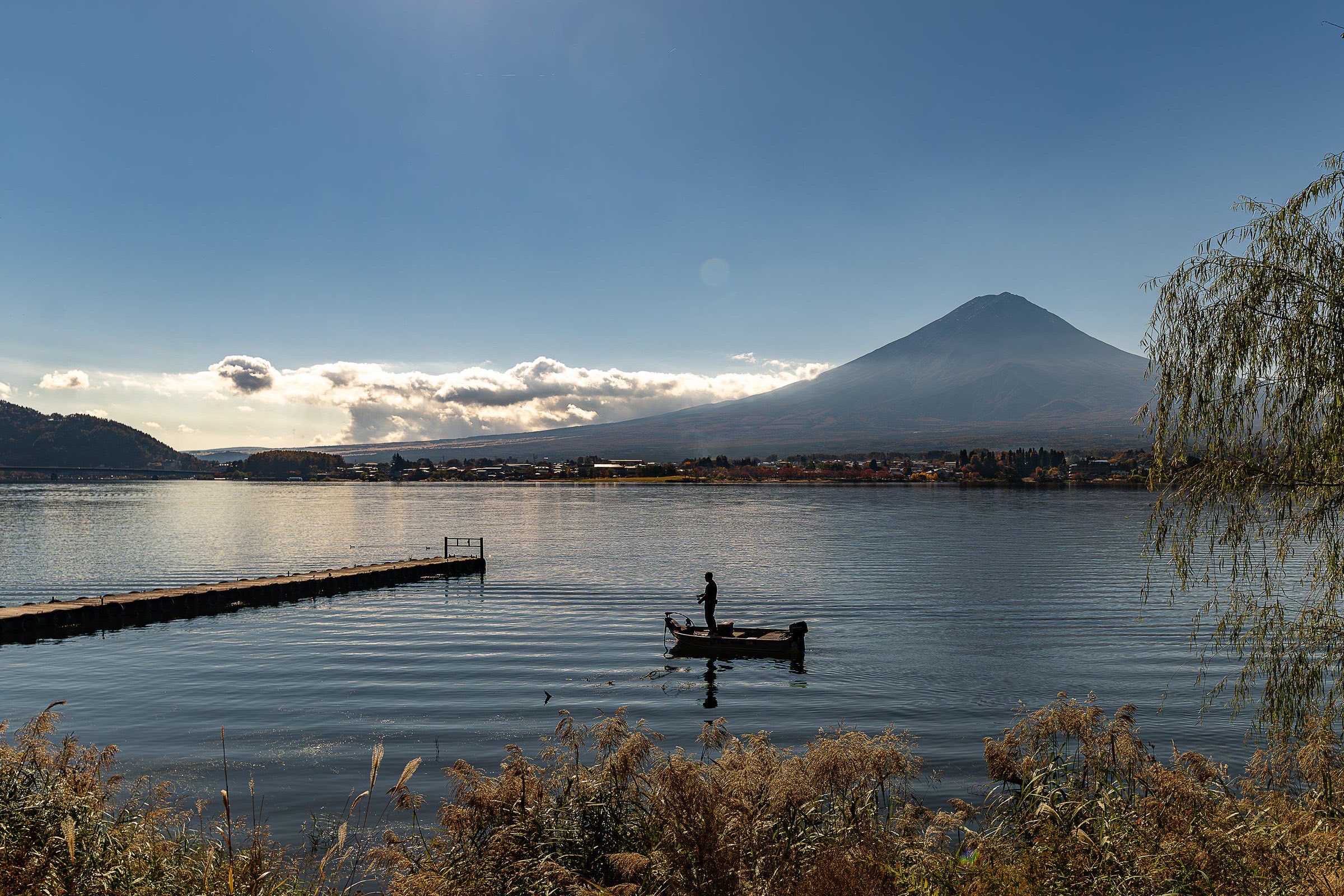
Fuji is usually clearest before nine, before the first buses from Tokyo arrive. Sleep by Lake Kawaguchi and you see the summit at dawn; winter is clearest.
Read the Fujikawaguchiko guideExplore the rest of Fujikawaguchiko
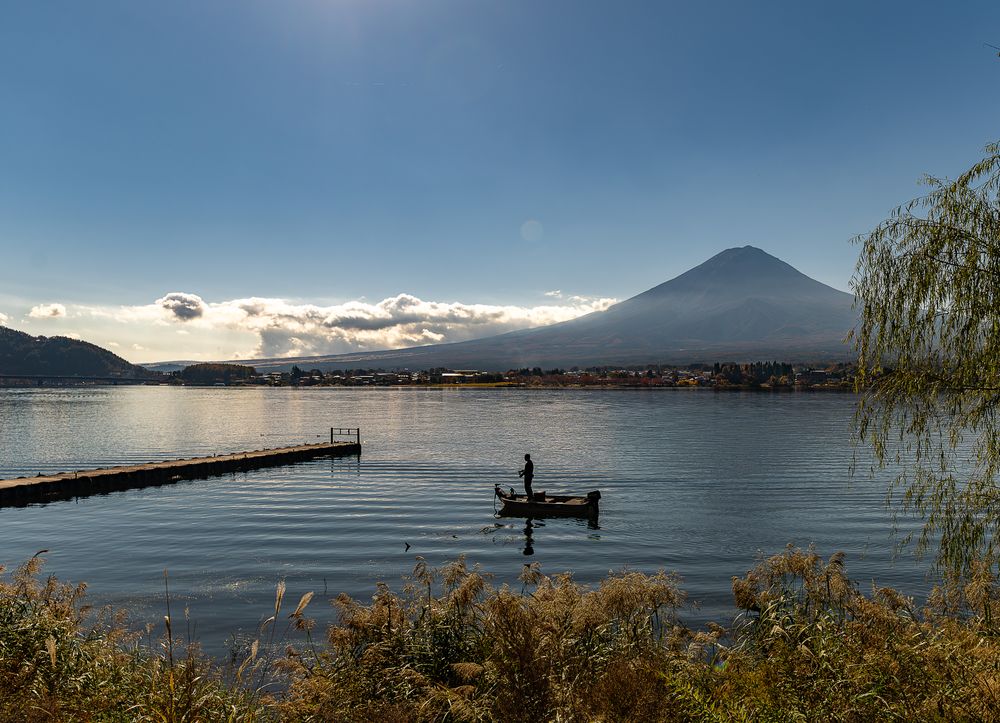
A lakeside town on Lake Kawaguchi, two hours from Shinjuku by direct bus or train, and the usual base for seeing Mount Fuji or for climbing…
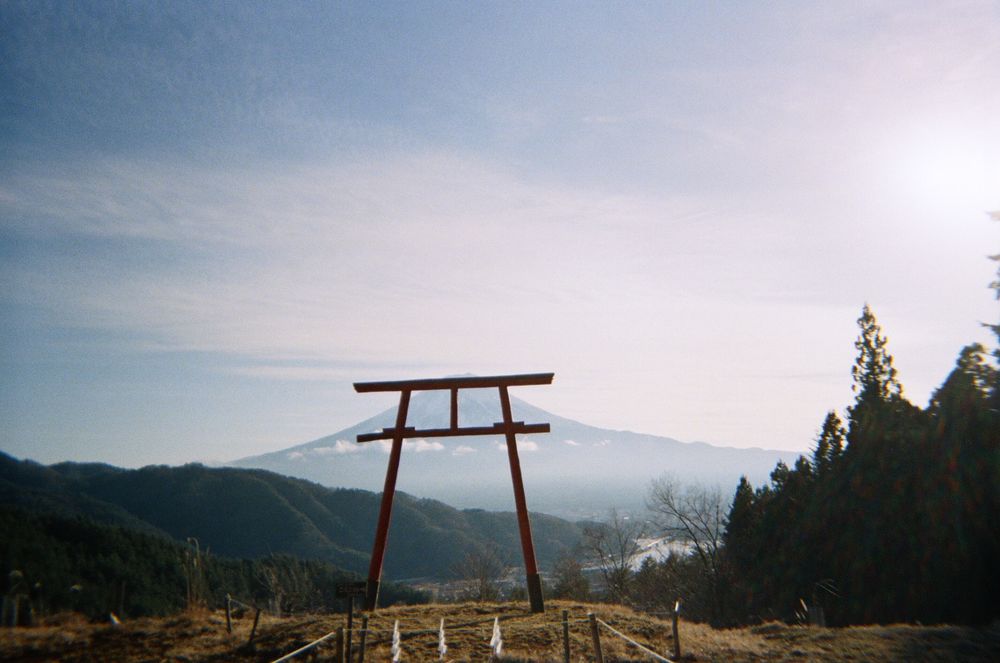
Ancient sacred cedars stand around the hall of this shrine, one of the sites listed with Fuji as a World Heritage property. A path climbs…
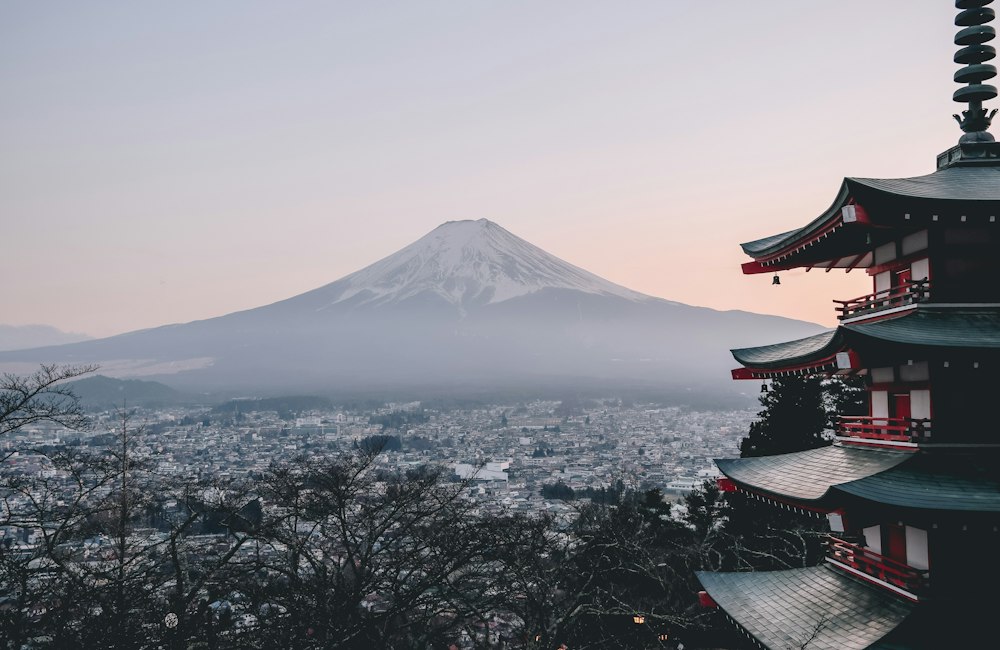

A stone stairway climbs from a shrine in Fujiyoshida to a hillside deck that looks over a red pagoda, the city's war memorial, to Fuji. In…
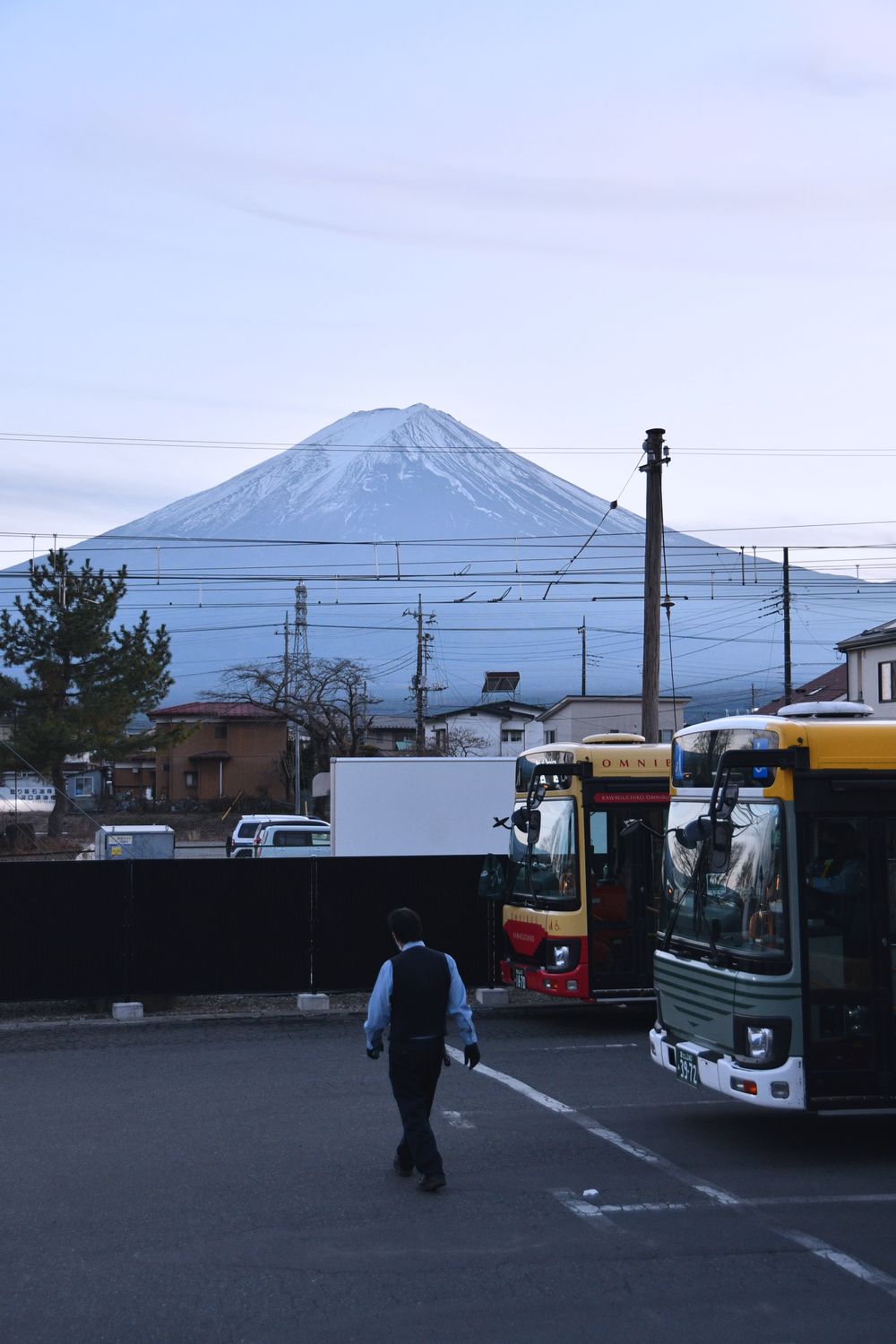
Japan's highest peak at 3,776 metres, an active volcano last in eruption in 1707. The official climbing season runs from early July to…
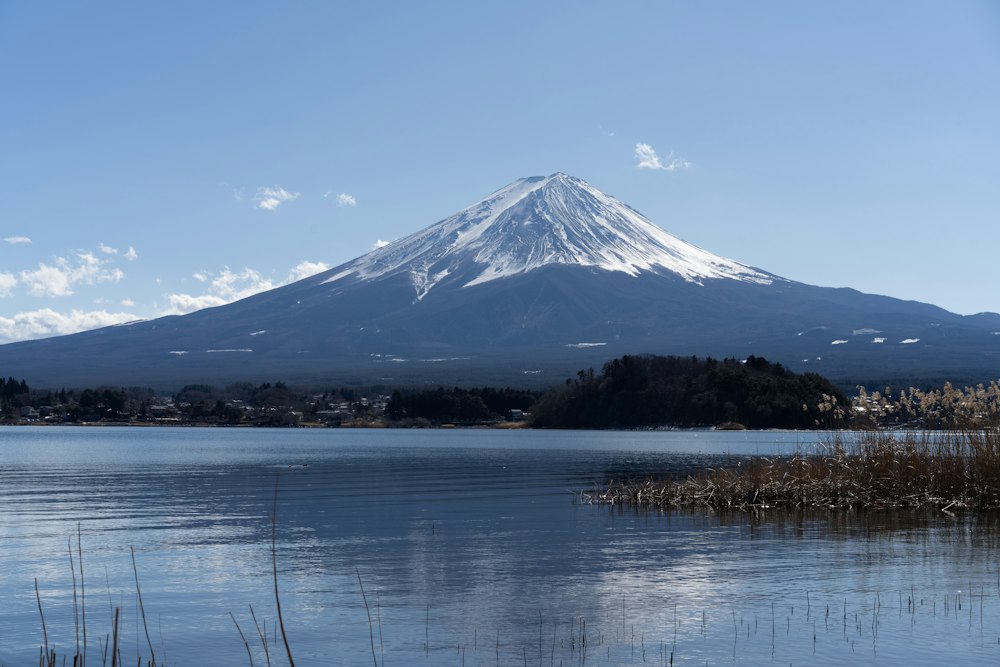
Flower beds run along the north shore here between the road and the water, with Fuji standing across the lake behind them. Lavender flowers…
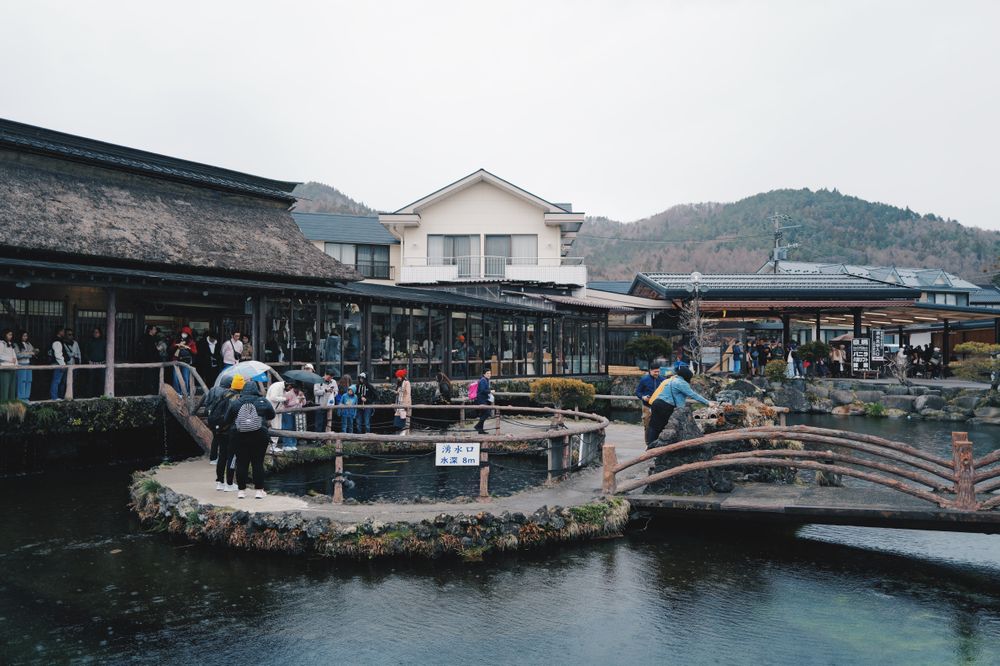
Eight spring-fed ponds in a farming village, filled by Fuji snowmelt that has filtered for years through the lava, and clear enough to show…
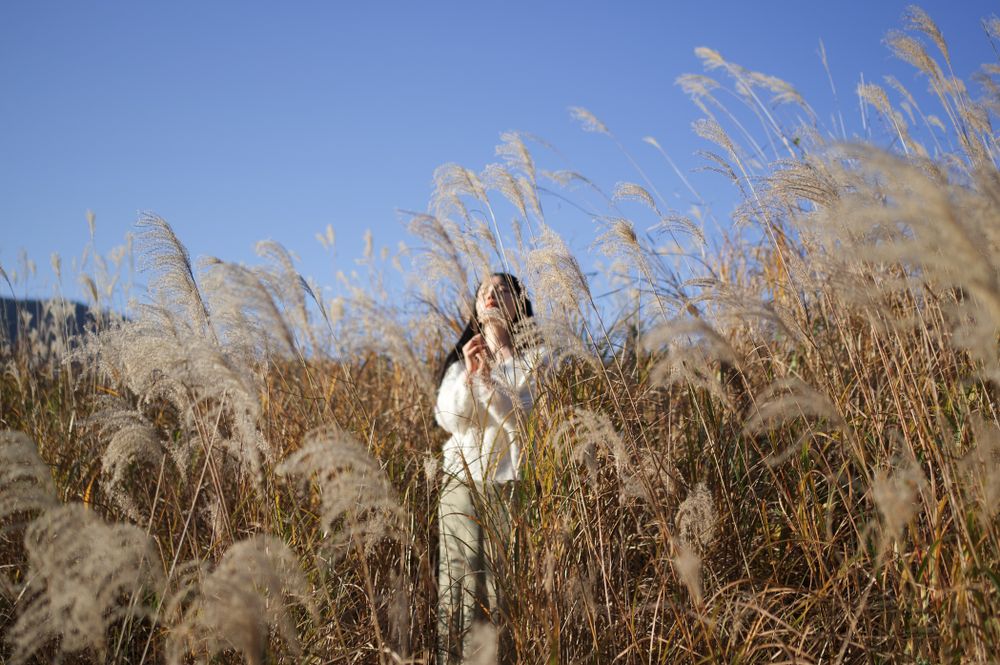
A hillside of pampas grass below Mount Daigatake in Sengokuhara, with one path up the middle. It turns gold from late September into early…
A low museum sunk into beech forest in Sengokuhara, kept below the tree line, holding a private collection that runs from Monet and Picasso…
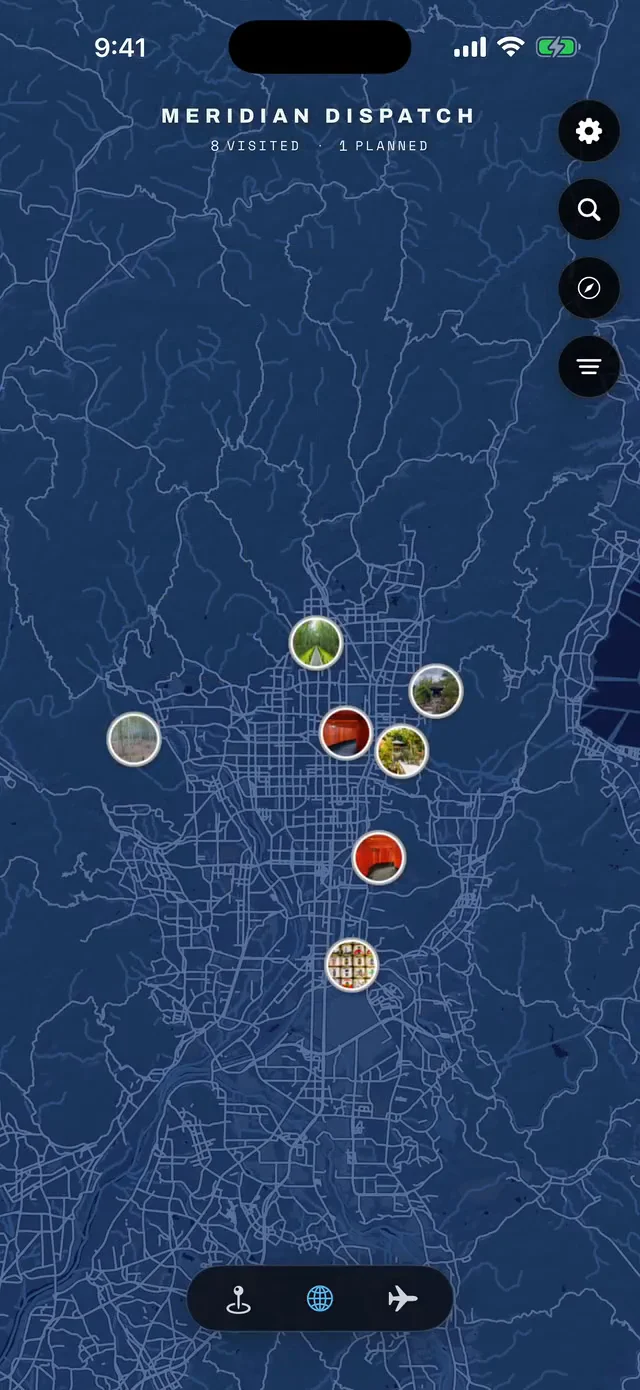
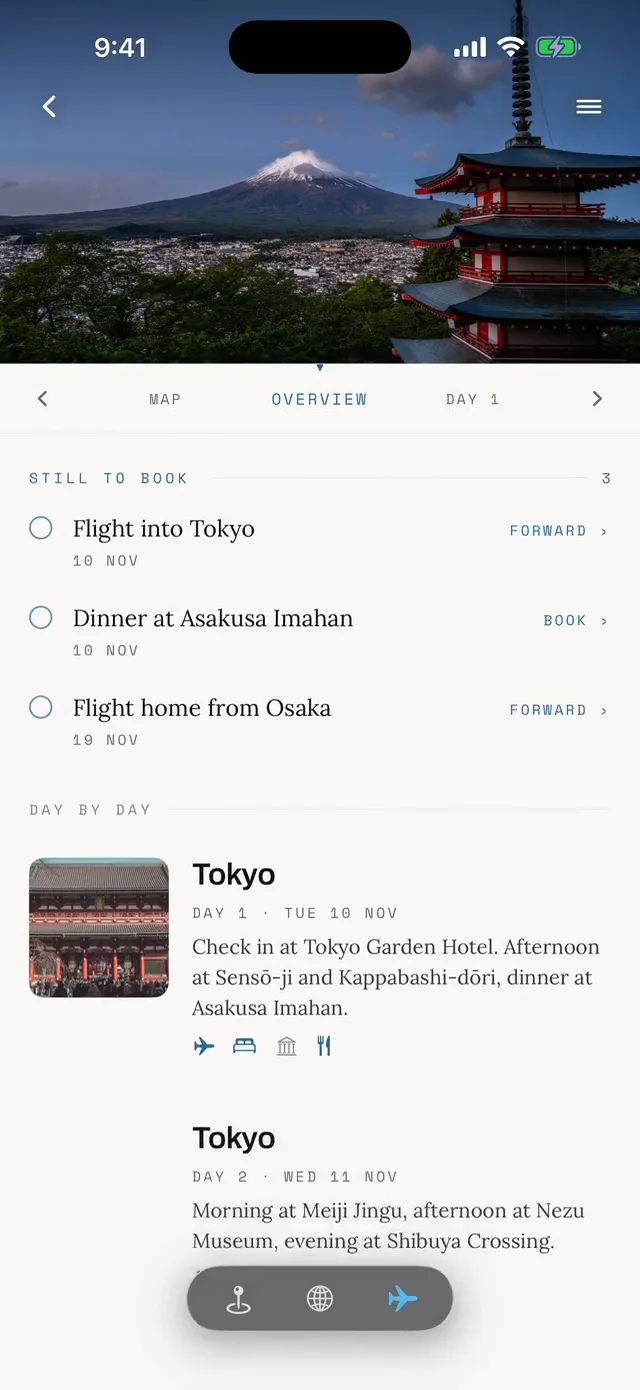

Save Lake Kawaguchi to your Japan trip in the Meridian Dispatch app and build the day around it, with the best of Fujikawaguchiko pinned on one map.
Download on the App StoreThe official pages this guide was checked against.
Last updated