
On a clear day, step off the Hakone Ropeway halfway along into the crater of Hakone's last eruption, where white fumes still pour from bare ground and Mount Fuji rises beyond the vents.
Viewpoint, Hakone. Meridian Dispatch.
Kuro-tamago are eggs boiled in the hot spring pools, whose minerals cling to the porous shell and turn it black. Inside is an ordinary boiled egg. They are sold at the Kurotama Shop and can sell out. Local tradition holds that each one eaten adds seven years to a life.
Yes, by advance online reservation only. Entry is limited to visitors of primary school age and up who could run to safety unaided and have no breathing or heart condition. The trail closes whenever gas readings pass the safety limit.
As of November 2026, ropeway boarding runs 9:00 to 17:00 from February to November and 9:00 to 16:15 in December and January, with a cabin about every minute. The Kurotama Shop opens at 9:00 and its hours change with the season; current hours are on owakudani.com.
It can be. The area is closed at times because of volcanic gas, so check before setting out. The Japan Meteorological Agency watches the Hakone volcano with seismometers and cameras and posts the current eruption warning on its Hakoneyama page.
Not for everyone. Visitors with asthma, bronchitis, lung or heart disease, pacemakers or allergies should stay away, as should pregnant visitors, the elderly, newborns and infants. Anyone feeling unwell should not enter the trail either.
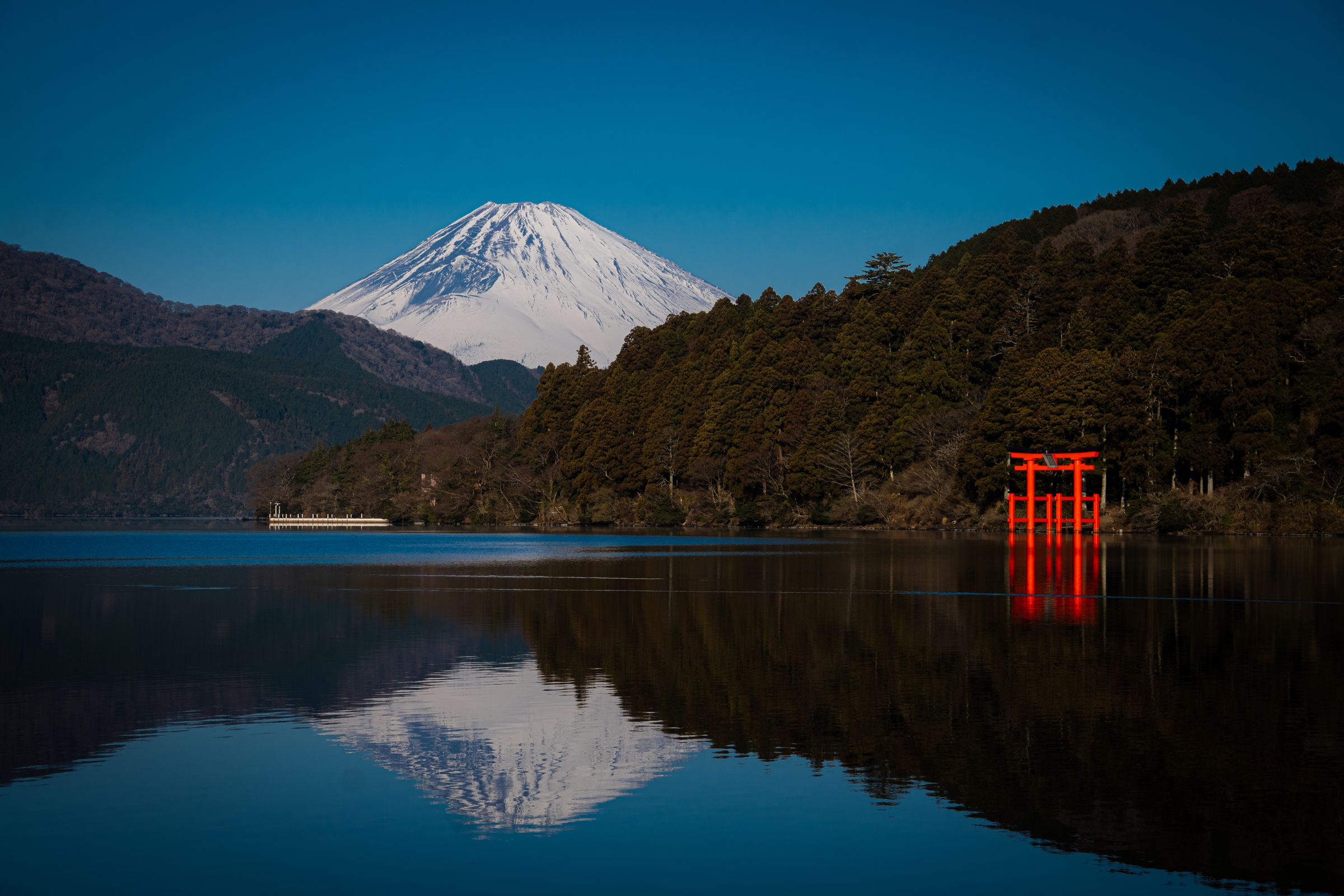
Yes, on a clear day the mountain can be seen from the valley and from the ropeway cabins. A bright winter sunset can turn it red when seen from Owakudani, a sight known as Red Fuji.
From Hakone-Yumoto, the Hakone Tozan Railway reaches Gora in about 40 minutes, the cable car climbs to Sounzan in about 10, and the ropeway reaches Owakudani in about 10 to 15 more. The other route is the Tozan bus from Hakone-Yumoto to Togendai, about 46 minutes, then the ropeway up for about 16.
Yes. The Hakone Freepass covers the Hakone Ropeway along with the Tozan railway, buses and the sightseeing cruise, eight modes of transport in all. Holders can get on and off as often as they like within the pass area, so breaking the ride at Owakudani costs no extra fare.
The official site of Ōwakudani is owakudani.com.
owakudani.com →Owakudani is the blast site of the Kamiyama crater, formed about 3,000 years ago, and its slopes still release smoke laced with sulphur. Its old name, Hell Valley, fits the bare hillside that the ropeway crosses about 130 metres above the valley floor.
The local product of all that heat is the kuro-tamago, or black egg. At a hot spring pool at Emmadai, cooks known as mushikata make them every day: about 60 minutes in water near 80°C, then 15 minutes in steam near 100°C. The finished eggs travel down to the shop on a small ropeway of their own.
The nature trail is a loop through the fumarole field, close to the steam, and along it you learn how the volcano formed. Seven shelters stand along it as cover if the mountain erupts. Its viewpoint takes in the peaks of the Hakone range.
The visit starts at Owakudani Station, where you change cabins if you ride the whole ropeway. The valley area lies immediately outside the station, open to walk in without a booking.
Beside the station, the Kurotamago-kan holds the Owakudani Geo Museum on its ground floor, where models and displays show how the valley came to be. The black egg sculpture at its main entrance is the usual photo stop.
Trail walkers check in at the Owakudani Information Center, at the museum entrance, 20 minutes before their slot. The group then meets at the trail gate, puts on helmets and walks the loop together.
Driving up, enter Owakudani Kurotamago-kan or Hakone Ropeway Owakudani Station into the satnav rather than the street address, which points to a spot some way off.
In Golden Week, on three-day weekends and in the autumn colour season, the car park backs up. Parking at Sounzan, Ubako or Togendai and riding the ropeway up is the way round it.
With a trail booking, leave a wide margin for the journey, since traffic jams and transport delays around Owakudani are common.
Hakone, Japan: Steam rises from the slopes of a live volcano within easy reach of Tokyo. Hakone Open-Air Museum, Lake Ashi and Onshi Hakone Park.
Read the Hakone guideExplore the rest of Hakone
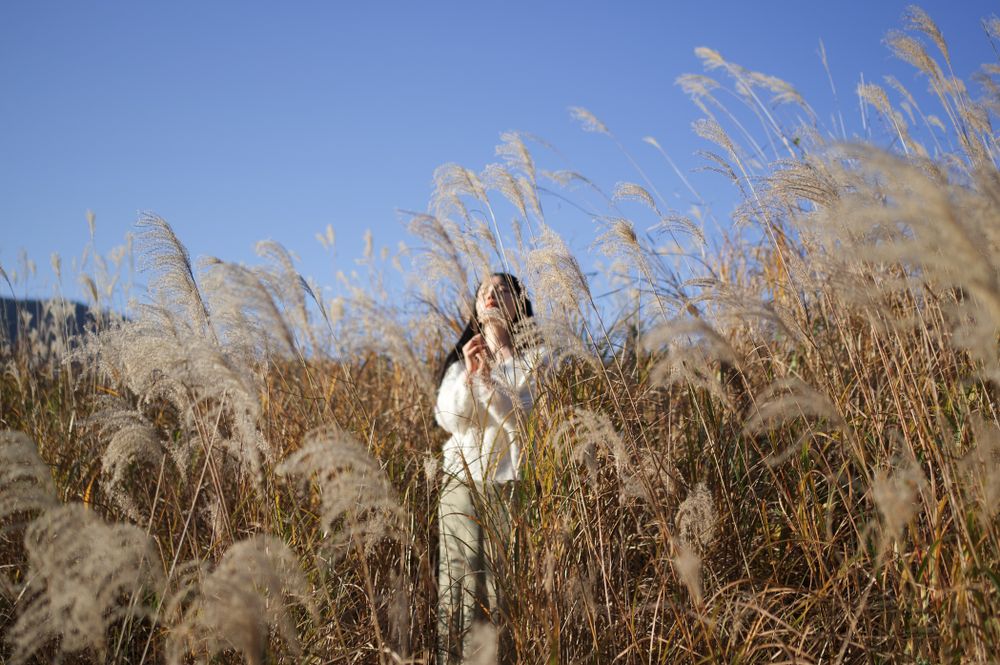
A hillside of pampas grass below Mount Daigatake in Sengokuhara, with one path up the middle. It turns gold from late September into early…
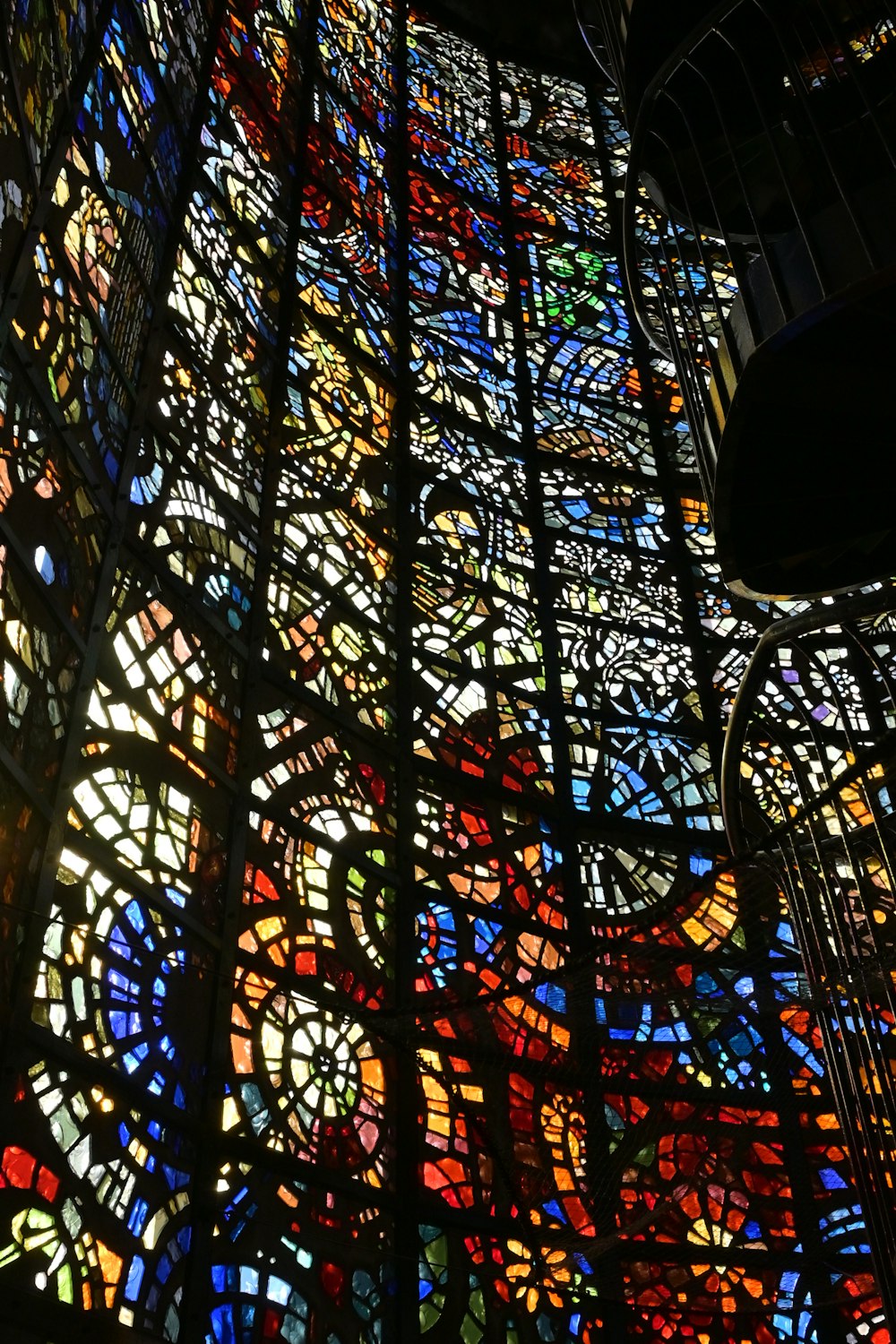
Sculpture set out across a hillside garden beside Chōkoku-no-Mori station, one stop below Gōra on the mountain railway. Barbara Hepworth's…
The crater lake at the top of the Hakone loop, crossed by sightseeing boats dressed as sailing warships between Tōgendai in the north and…
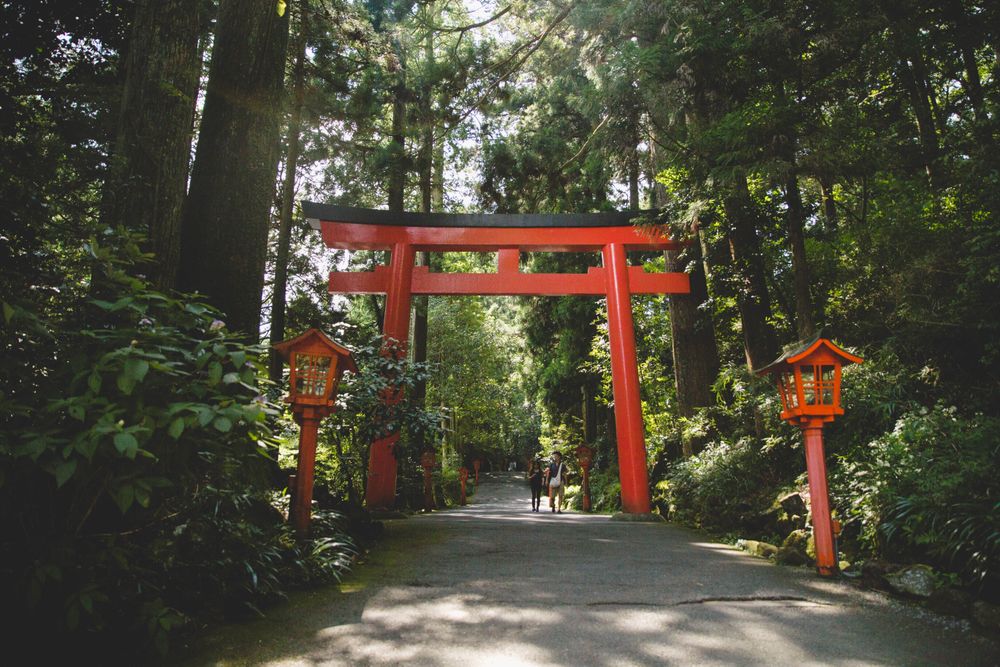
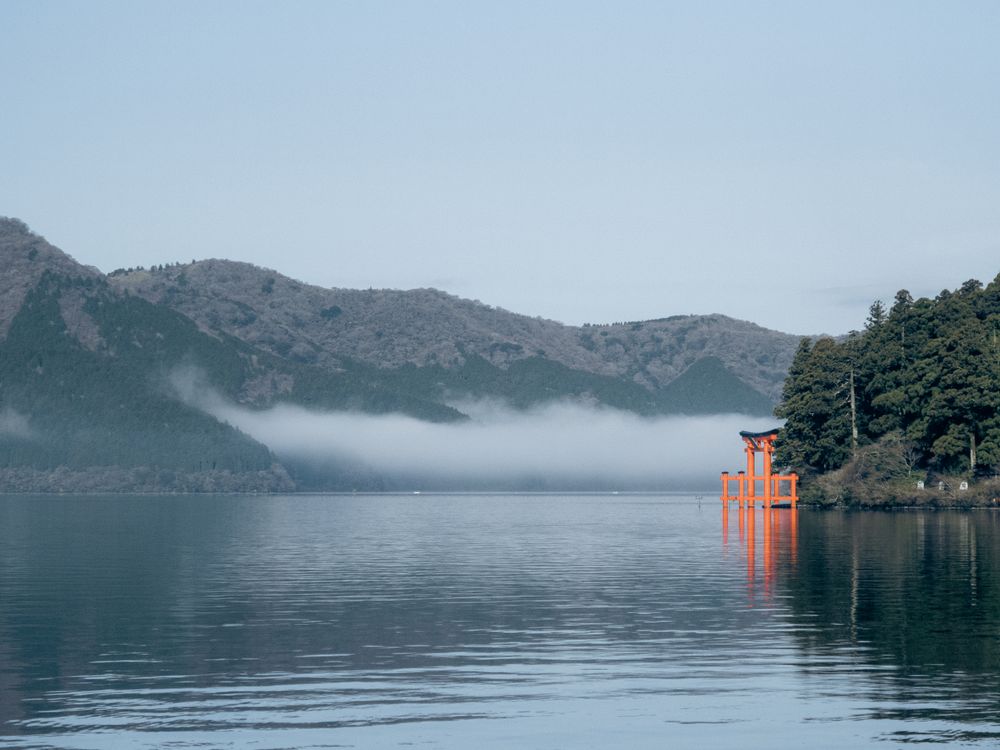
A shrine in old cedar forest on the shore of Lake Ashi at Moto-Hakone, where stone steps climb to the main prayer hall. Its red Torii of…
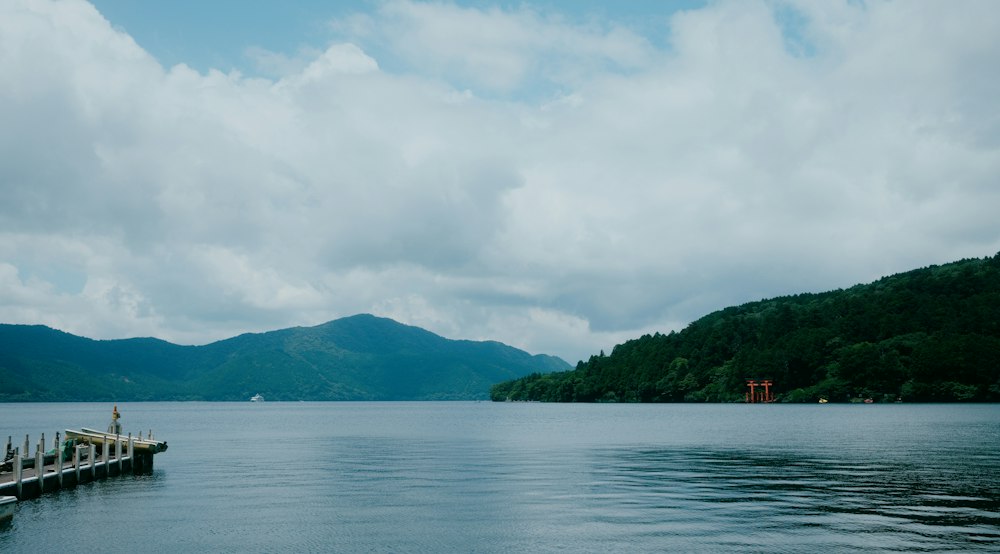
A former imperial summer palace site on Lake Ashi at Moto-Hakone, now a free public park. Paths wind through a Japanese garden to the…
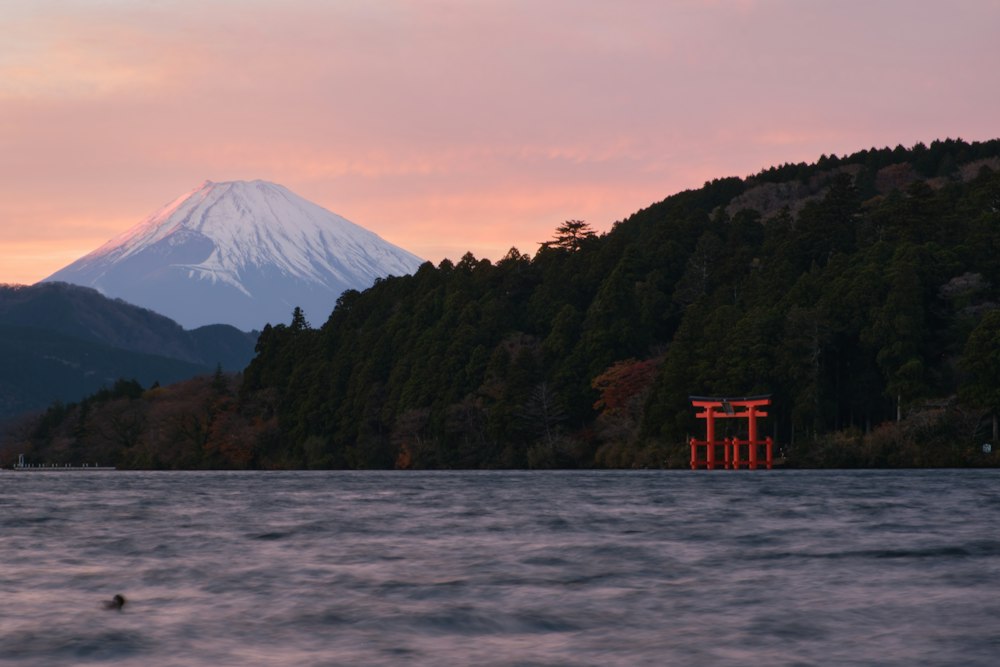
The lakeside village at the southern end of Lake Ashi, beside the Hakone-machi boat pier, where the rebuilt Hakone checkpoint stands on the…
A gondola line from Sōunzan over the steaming slopes of Ōwakudani and down to Tōgendai on Lake Ashi, about half an hour end to end. Cabins…
A low museum sunk into beech forest in Sengokuhara, kept below the tree line, holding a private collection that runs from Monet and Picasso…


Save Ōwakudani to your Japan trip in the Meridian Dispatch app and build the day around it, with the best of Hakone pinned on one map.
Download on the App StoreThe official pages this guide was checked against.
Last updated