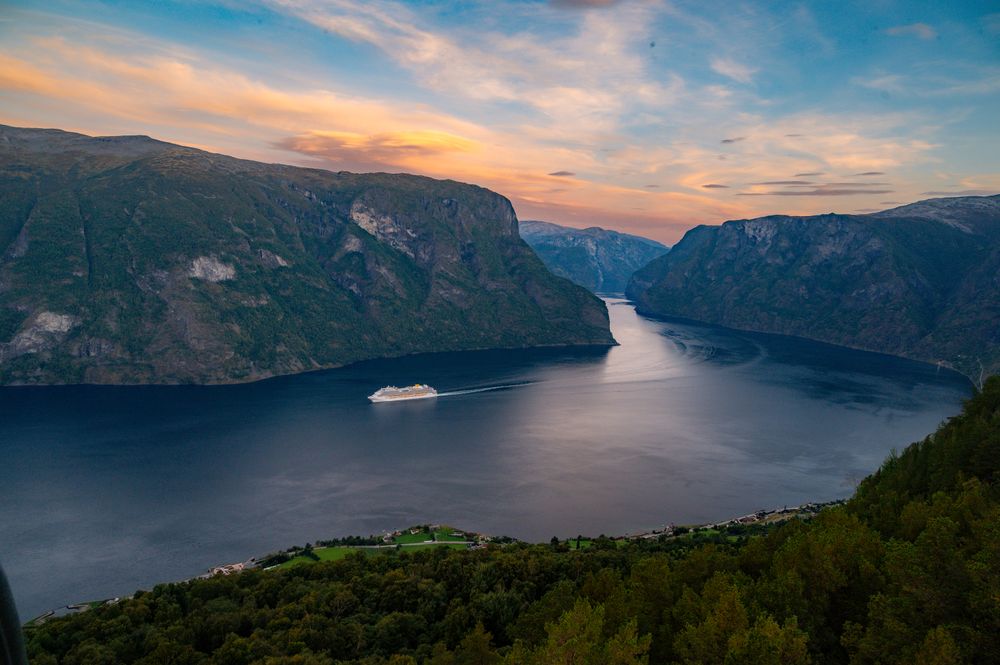
The road shows you very little of a fjord. From the lookouts where the coaches stop it is a postcard, blue and tidy, safely far below. From the deck of a boat it is enormous: rock overhead, waterfalls you hear before you see them. When the engine cuts there is no sound except meltwater finding the sea. The western fjords were cut by ice and flooded by the sea, and boats are still the best way into them. Leave the car in Bergen; every leg of this route runs on water or rail.
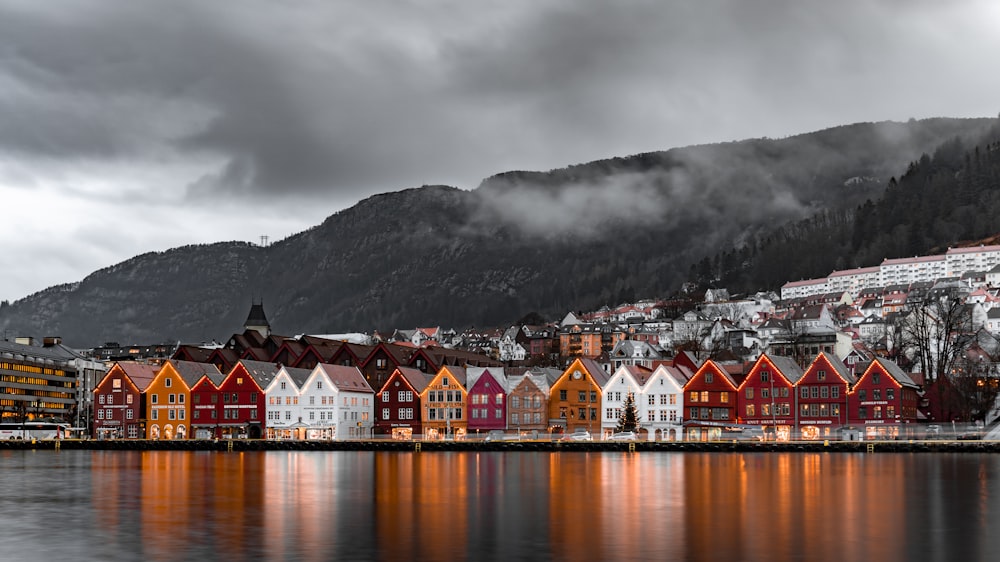
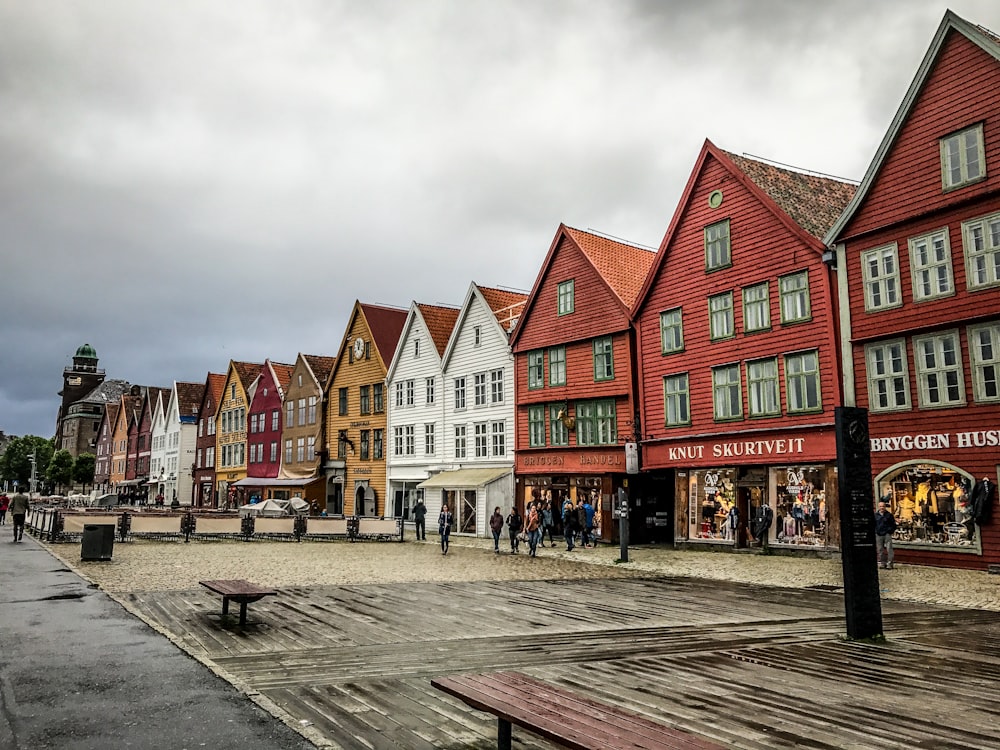
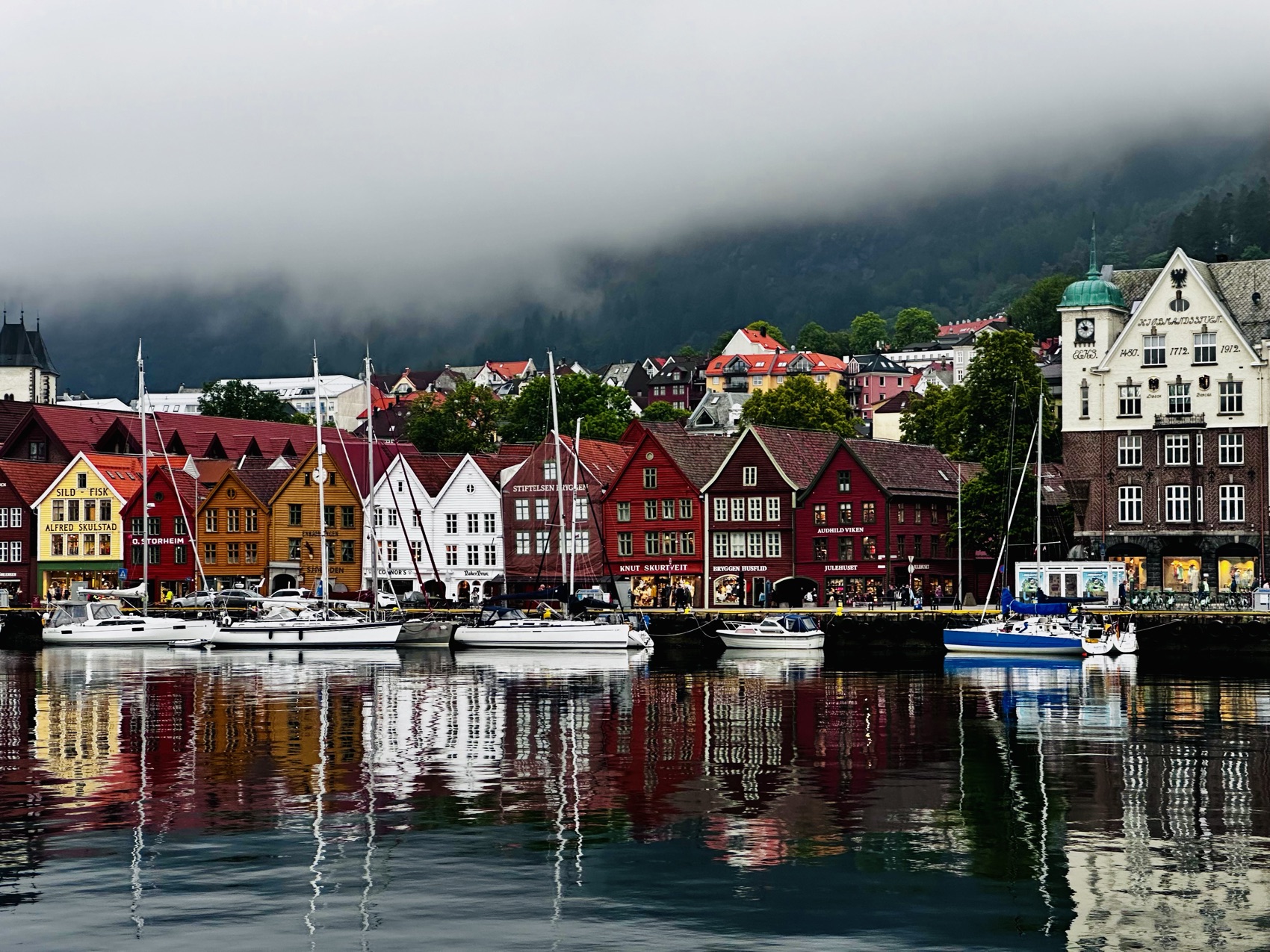
Bergen rains on roughly two days in three, so pack a waterproof and plan nothing around the sky. A day covers the essentials: the old Hanseatic warehouses at Bryggen, leaning together in crooked ranks of ochre and oxblood, best seen from the tarred passages behind the facades; the fish market for the morning's catch at lunch; and the Fløibanen funicular up Fløyen, eight minutes to the one view that puts the seven mountains, the islands and the harbour in order. Then leave by sea.
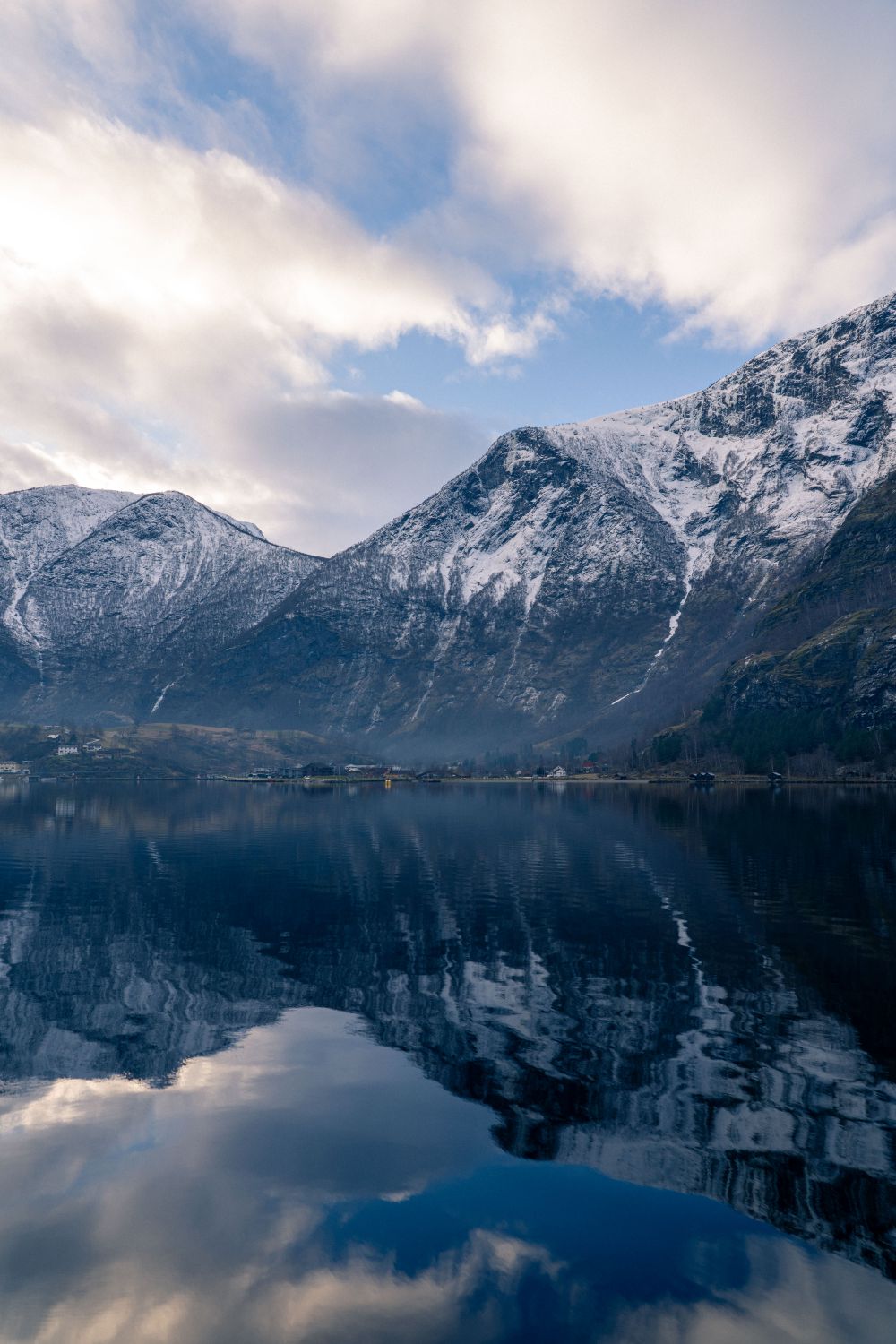
The route turns inland toward the Sognefjord, the longest and deepest fjord in the country, and aims for its thinnest branch, the Nærøyfjord, which is the one to hold out for. It is barely two hundred and fifty metres wide where it pinches tightest, with walls going up a sheer kilometre on either side, and the electric boats run it slowly and almost silently from Gudvangen down to Flåm. Stand on the open deck whatever the sky is doing. On the ledges above sit farms that look unreachable, abandoned now, their hayfields gone to scrub; goats work the lower slopes; there is a waterfall at nearly every bend.
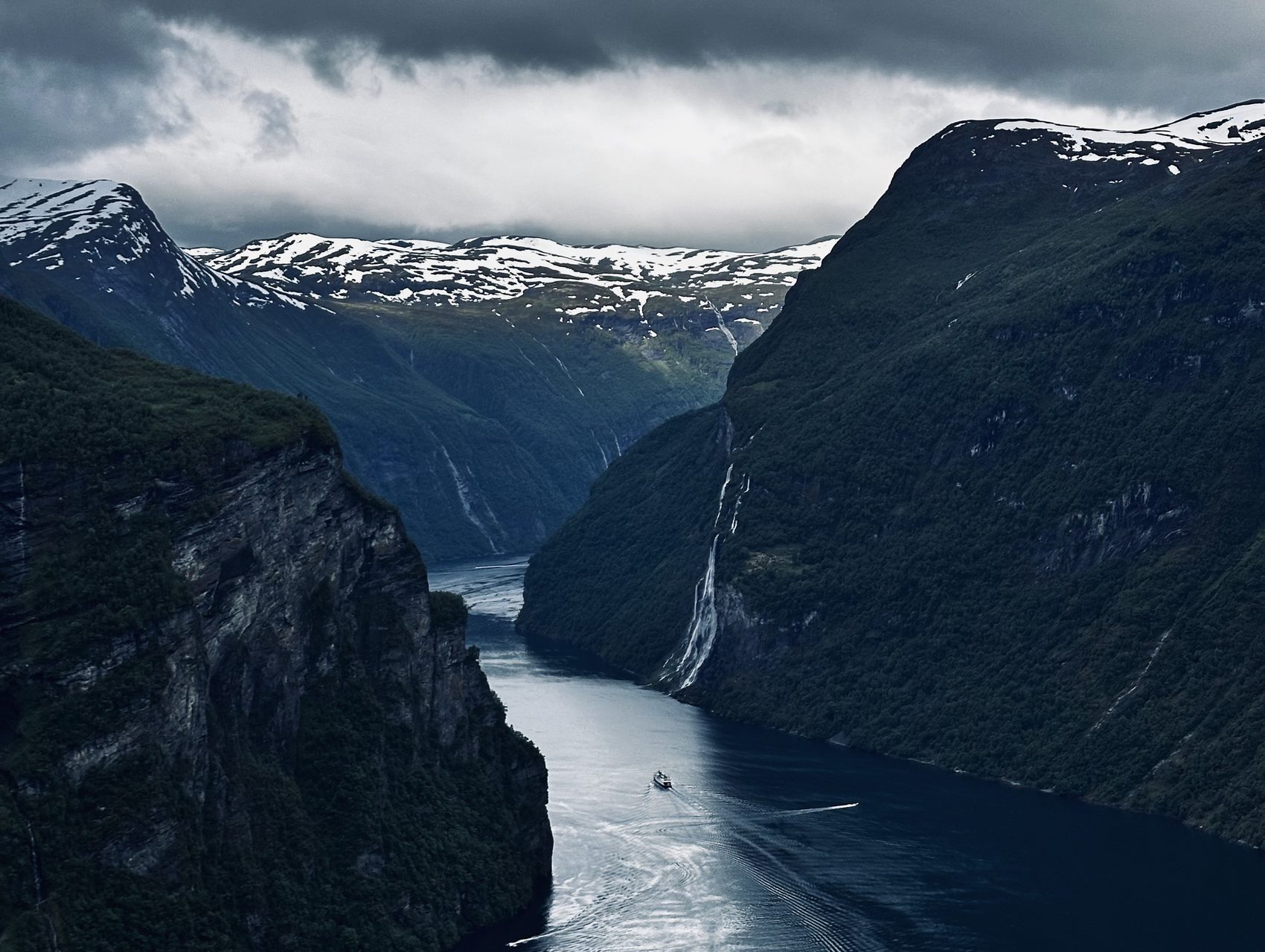
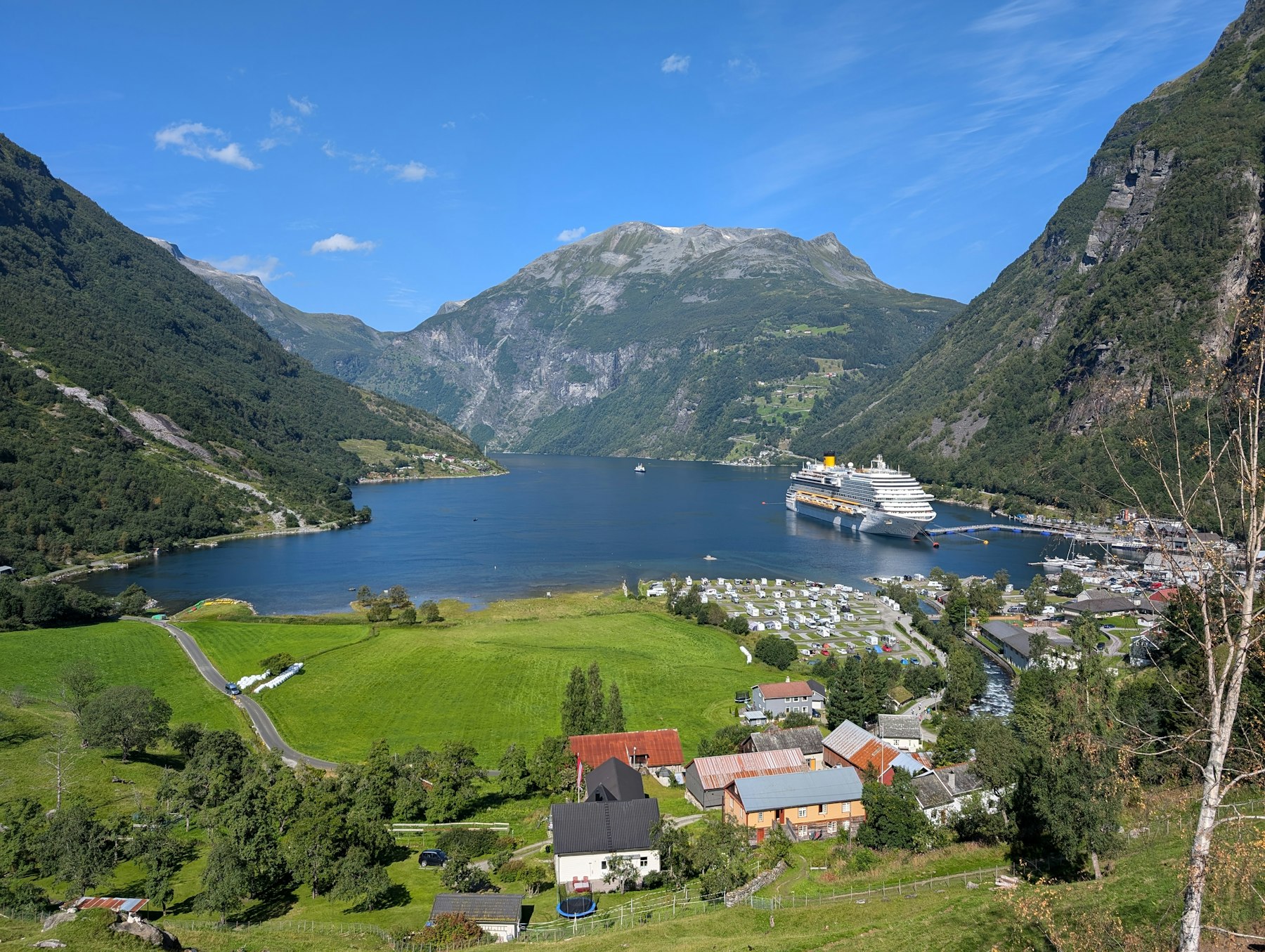
The first boat of the morning has the fjord almost to itself.
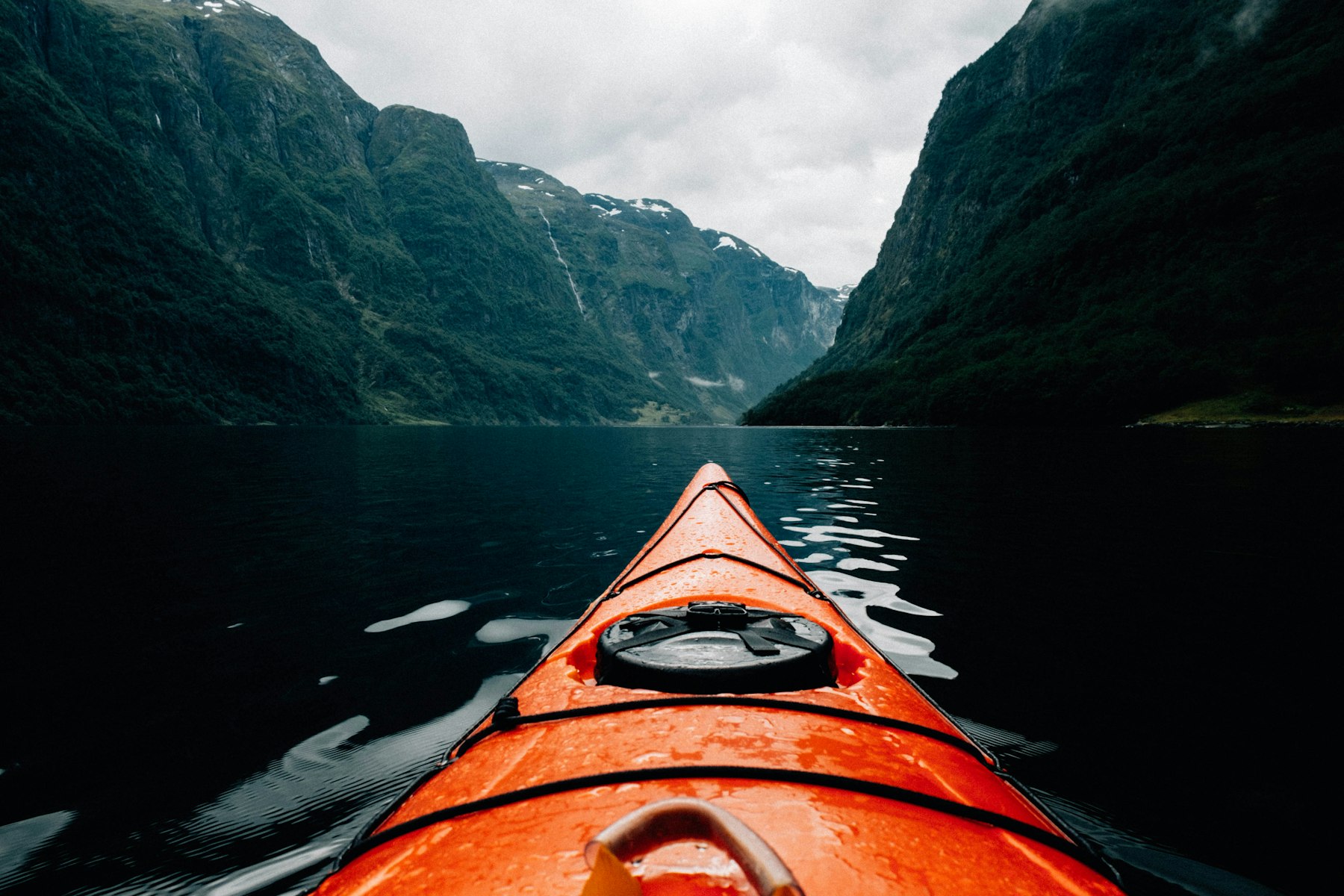
A kayak sits a hand's breadth above the surface, and from a hull barely hip-wide the cliffs go from large to impossible; on a still morning the black water doubles them. Book a guided half-day on the Aurlandsfjord out of Flåm and take the earliest start offered, because the wind arrives after lunch and the first hours are the calm ones. Keep a paddle's length off the rock.
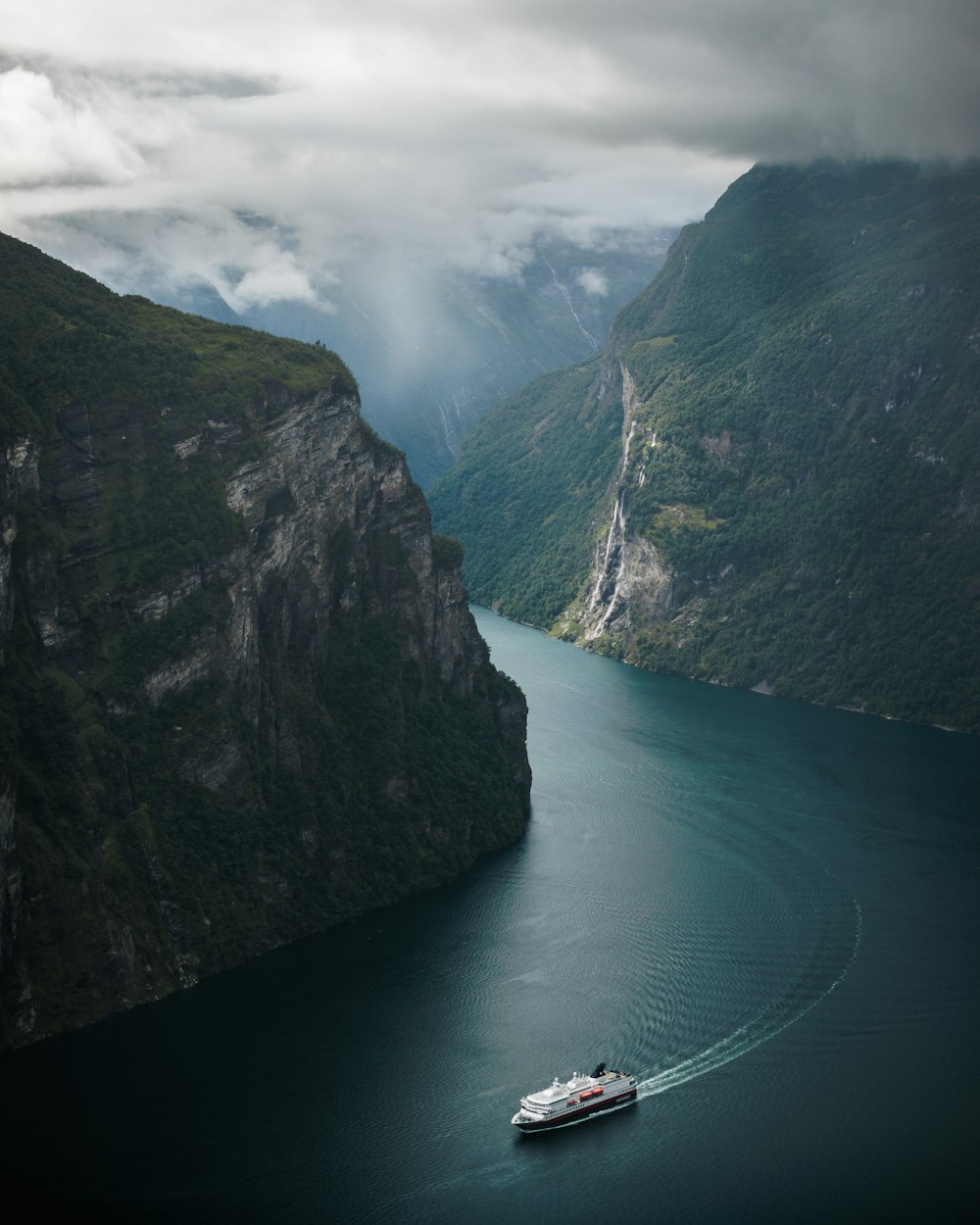
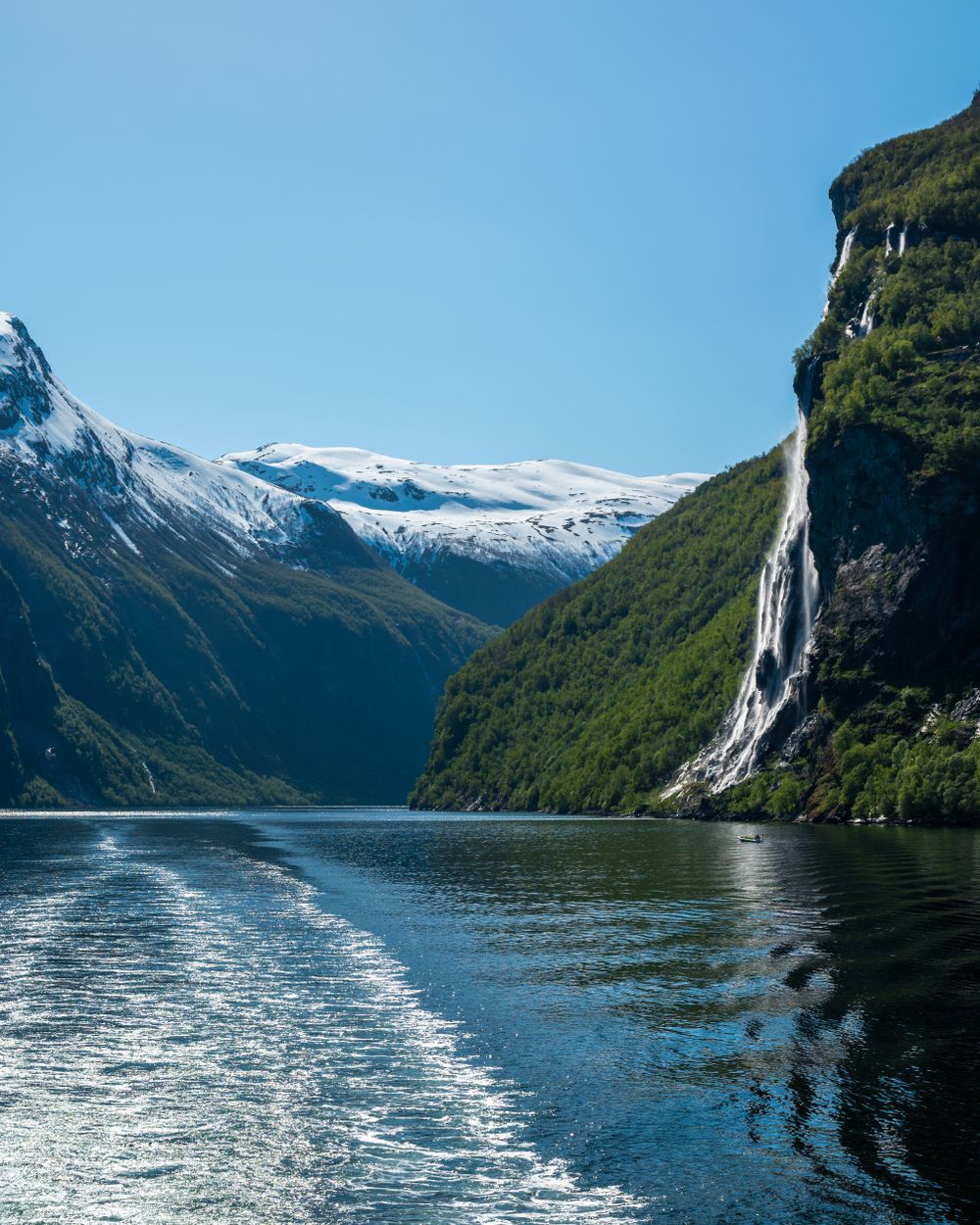
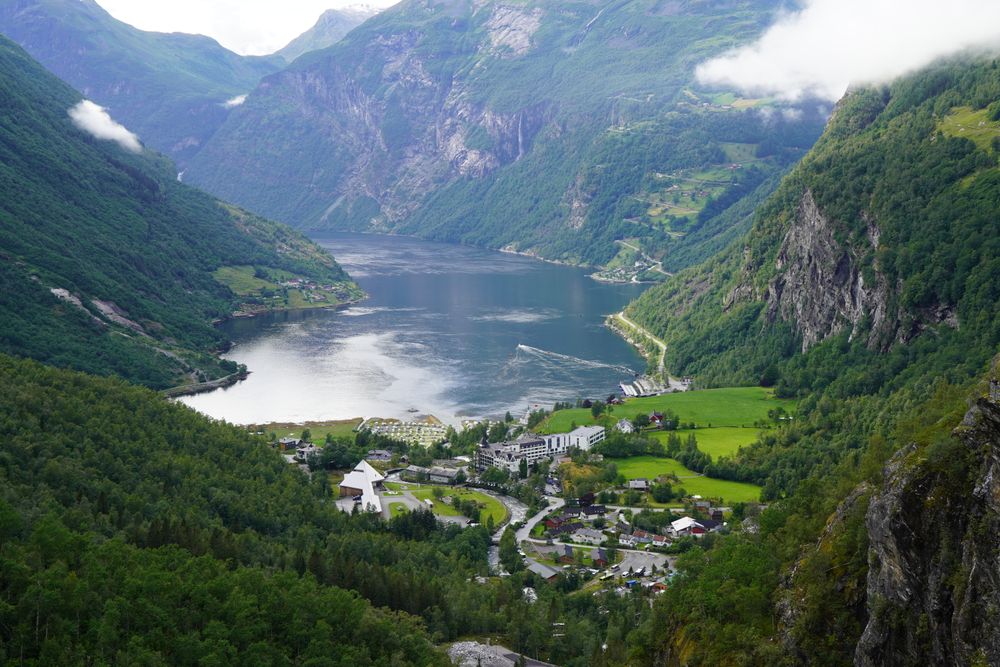
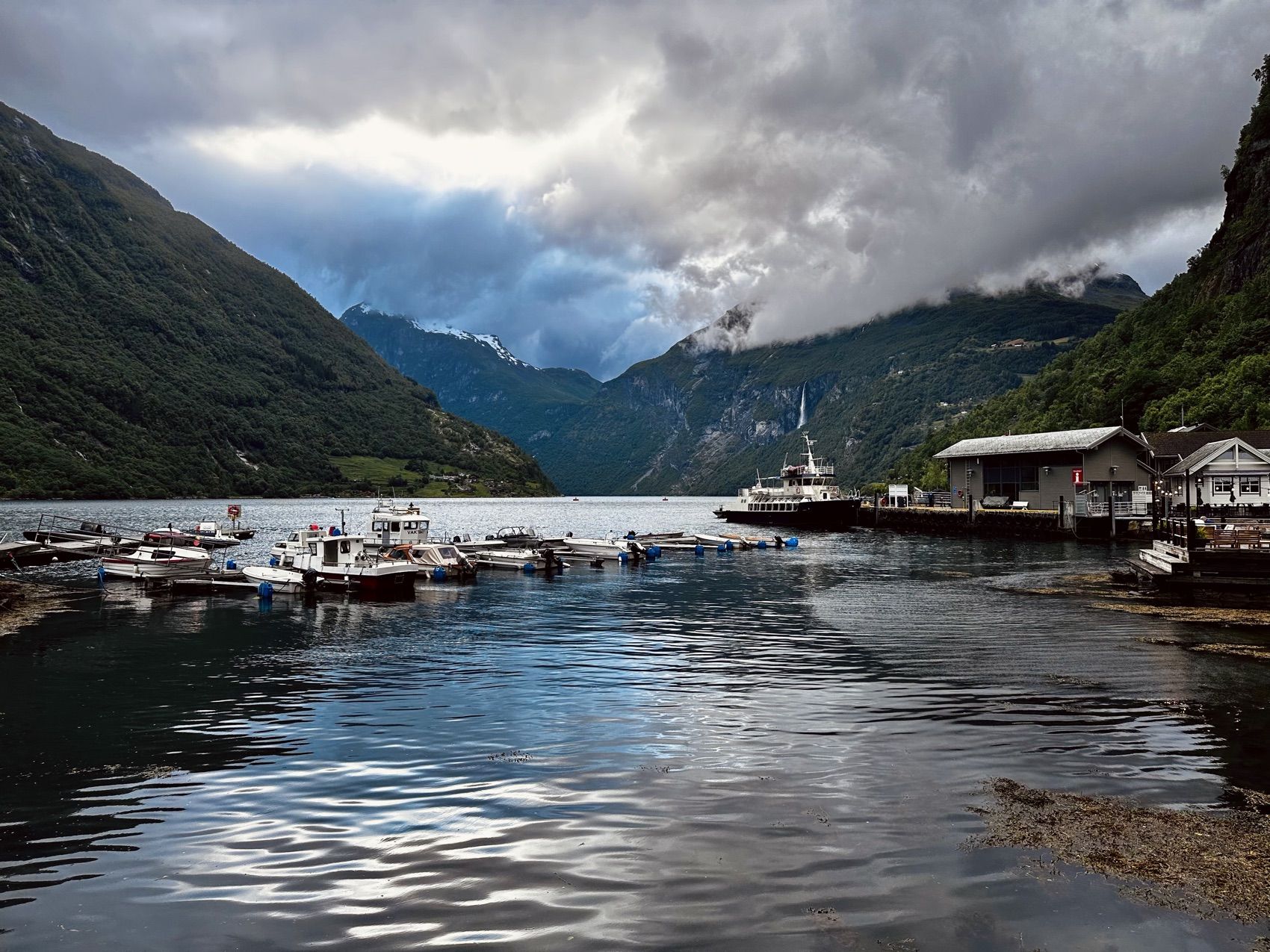
North from the Sognefjord, a long bus day, is the Geirangerfjord, the one on the brochures, and in July the most crowded water in fjord Norway. Sleep in Geiranger, pack the night before, and haul the bags onto the car deck of the first morning ferry toward Hellesylt; it runs the fjord's whole length before the sightseeing traffic starts, and the empty water is worth the graceless start. The Seven Sisters drop in a thin white row down the north wall; across the water the abandoned farm at Skageflå holds its shelf 250 metres up, reached once by ladders the family is said to have hauled up when the tax collector was due, and reached today by boat drop-off and a steep climb.
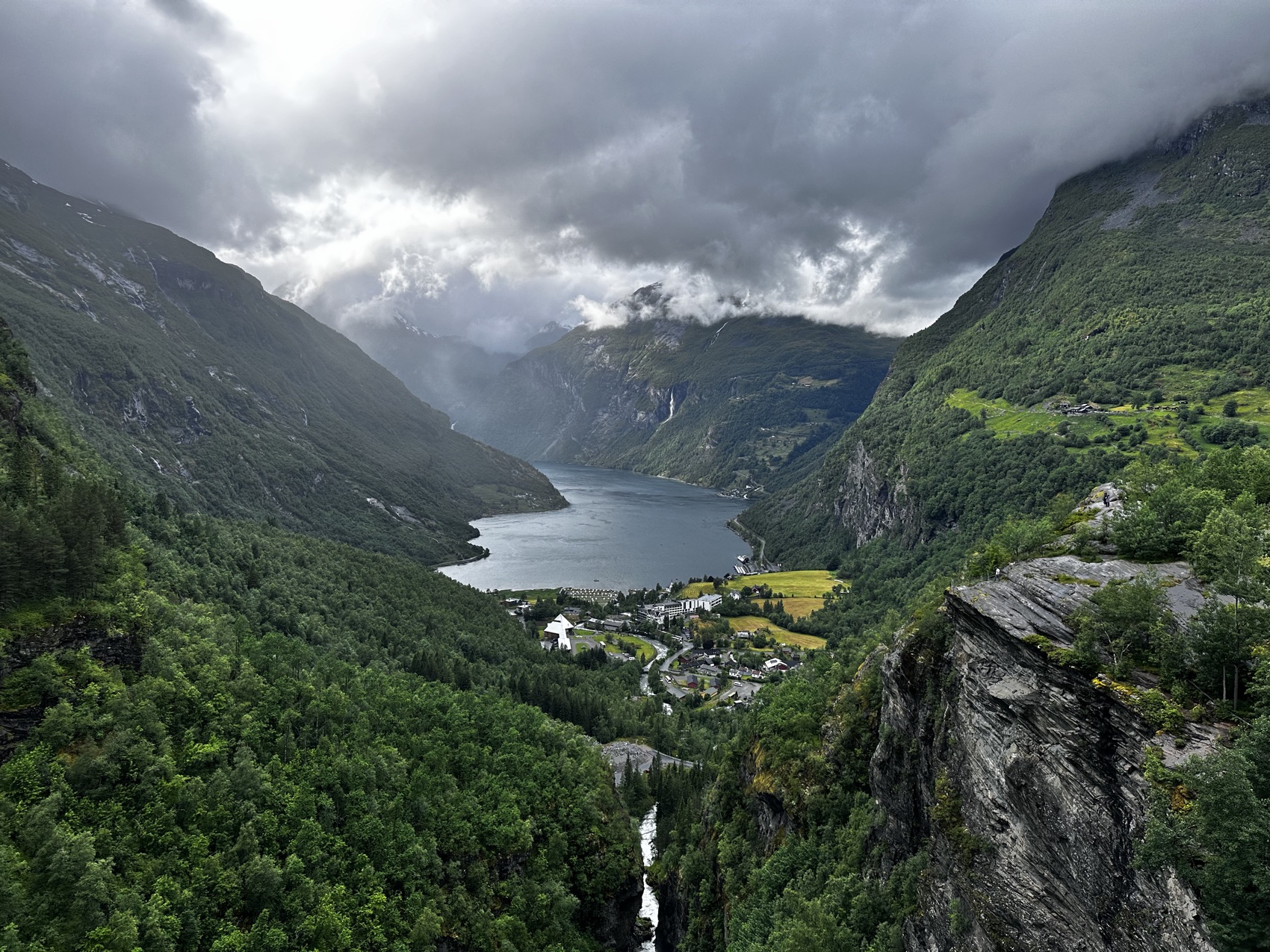
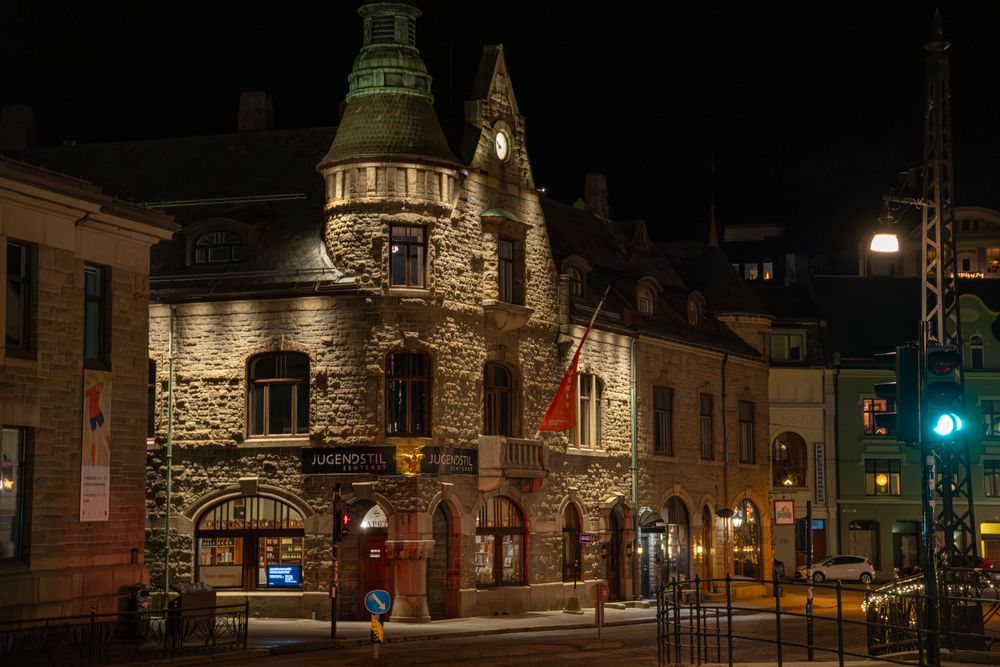
A spare day belongs on the coastal ship. It still runs the length of Norway carrying freight and islanders alongside the cabin passengers, and in summer it calls into the Geirangerfjord on its way north, landing at Ålesund in the early evening. It is a plainer passage than the sightseeing boats, and a useful one: about four hours on the same water, used the way this coast has always used it, as a road. Ålesund, rebuilt in stone art nouveau after the 1904 fire took the timber town in a single night, is worth the stopover before flying home; the Jugendstilsenteret, the art nouveau centre inside the old Swan Pharmacy, tells the story of the fire in a building the rebuilding produced.
Save the last evening for the water's edge. At this latitude in June and July the sun sets close to midnight and the light never fully goes, holding low and gold over the water for hours. Sit out as long as the cold allows.
The practical shape of the trip: fly into Bergen, about an hour direct from Oslo, and let a Norway in a Nutshell ticket stitch the rail leg, the Flåm Railway and the Nærøyfjord cruise into one booking. Sleep a night in town, then fjordside at the Fretheim Hotel in Flåm and the Hotel Union in Geiranger, and end in Ålesund, where the airport or the coastal ship carries the trip onward. The season to aim for runs May to September, when the fjord ferries and the kayak operators are all running.