 Submit a photo
Ninety seconds on Sarcófagos de Karajía
They are painted, human-shaped tombs of the Chachapoya culture, built to hold the dead on the cliff. They are unusually large for their kind, at up to 2.5 metres high.
Six stand together in the main group seen from the first viewpoint. Smaller, worn figures and the remains of others can be picked out elsewhere on the cliff.
The road trip to Cruz Pata takes about two hours by bus or car, partly on potholed dirt. By public transport, take a colectivo from the Terminal Terrestre to Luya, about 50 minutes, and change there to a smaller vehicle for 40 to 50 minutes more. It leaves when full, so allow 7.5 hours for the whole outing.
As of November 2026, the site opens Monday to Sunday all year, from 8am. Plan to finish the visit by 5pm, with time kept for the climb back to the village.
Yes. Even from directly beneath, the figures are high overhead, so binoculars or a camera with a good zoom lens make the painted patterns and other small details easier to see.
The height protected the dead. The position above a river gorge was hard for looters to reach, which is one reason the tombs have lasted for centuries almost intact.
Clay tombs shaped like human figures stand in a row on a ledge no path reaches, larger than life and painted. You follow a trail beneath them and look up at faces moulded after funeral masks.
From the main lookout you see six tall figures side by side on a tiny shelf of rock. They were built of clay mixed with sticks and stones.
Look for the colour. The bodies were given a white base and then decorated in two tones of red, and the geometric patterns still show on some of them.
Two carry a real human skull on top, one of them damaged.
The Chachapoya made these tombs for important members of their society. They are also called purunmachus, and each was made to hold one mummy with its offerings.
Farther along the path, at the second lookout, search to the left of the six for a group of four or five smaller, more worn figures.
Keep looking along the cliff as you move on. Other kinds of burial share the rock face, among them a niche where bones are visible.
The walk begins in the village of Cruz Pata, also written Cruzpata. The ticket office is on the main square, where shared cars drop you. Bring cash for the entrance and the ride.
From there the path runs about 1.4 km, mostly downhill. You can walk it or hire a horse for the path.
The first lookout is well below the cliff, so the figures stay high above you. Follow the trail on as it passes directly beneath them, and stop at the other vantage points for a different angle.
Allow half an hour for the climb back to the square.
Carry a hat, sunscreen and insect repellent, and add a light rain jacket, because the weather turns quickly in this region.
Save water for the return, which gains about 200 metres.
Look around you on the trail as well as up. Hummingbirds and many kinds of orchid live here, and so does the cock-of-the-rock, Peru's national bird. Back in the village, residents sell handicrafts.
Explore the rest of Chachapoyas
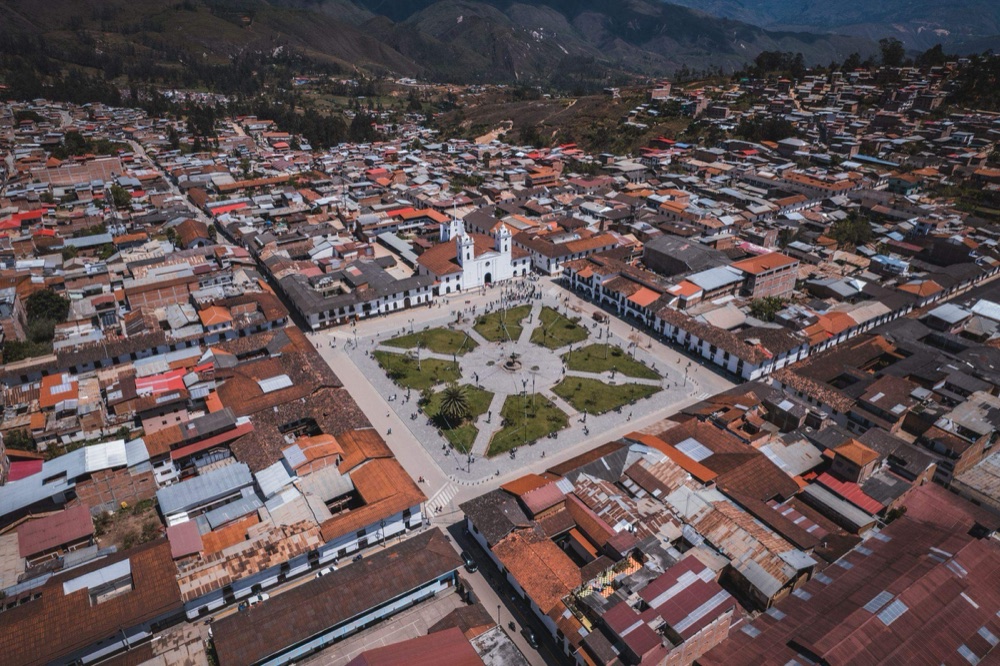
A small colonial town more than 2,300 metres up in the cloud forest of Amazonas, in northern Peru. It is the base for the ruins and…
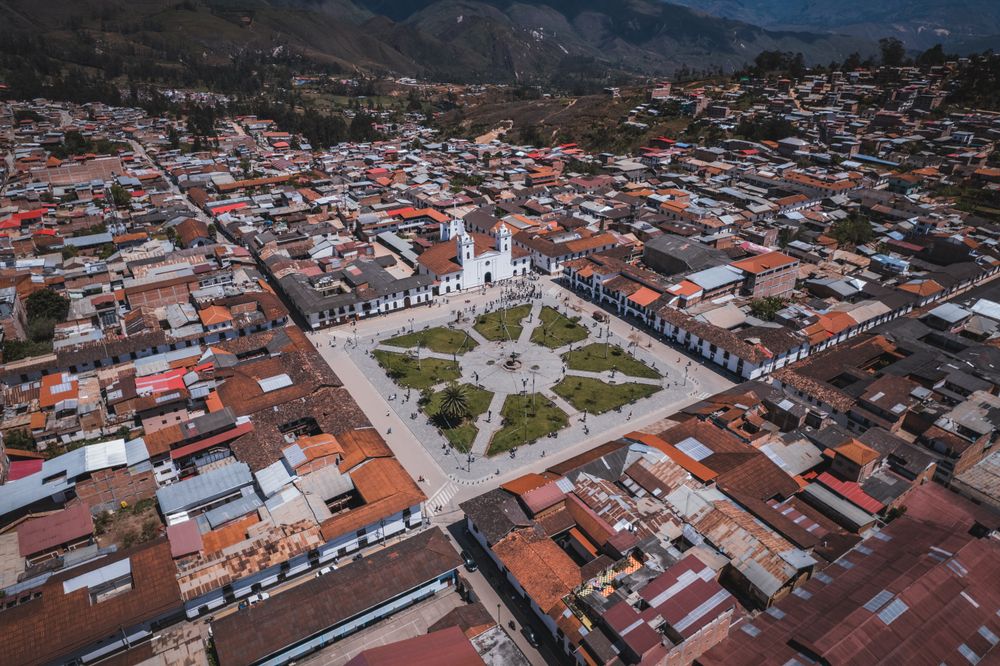
Gardens and paths fill the middle of the town's main square, and the white cathedral stands on its edge, with the paths laid out in front…
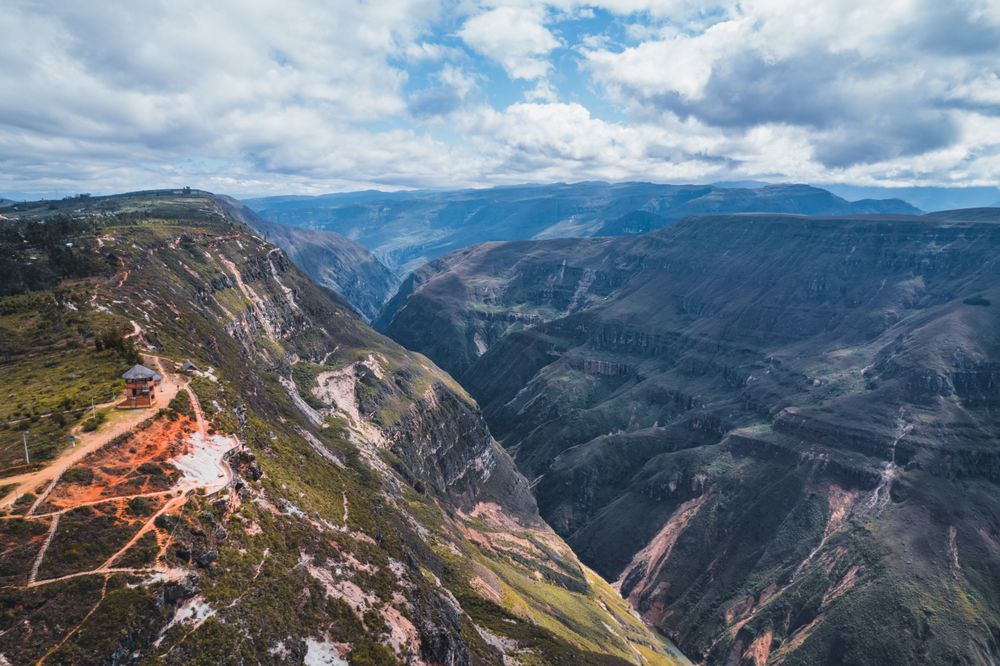
A gorge cut by the Sonche River behind the village of Huancas, outside Chachapoyas, seen from a roofed lookout and a sandstone wall at the…
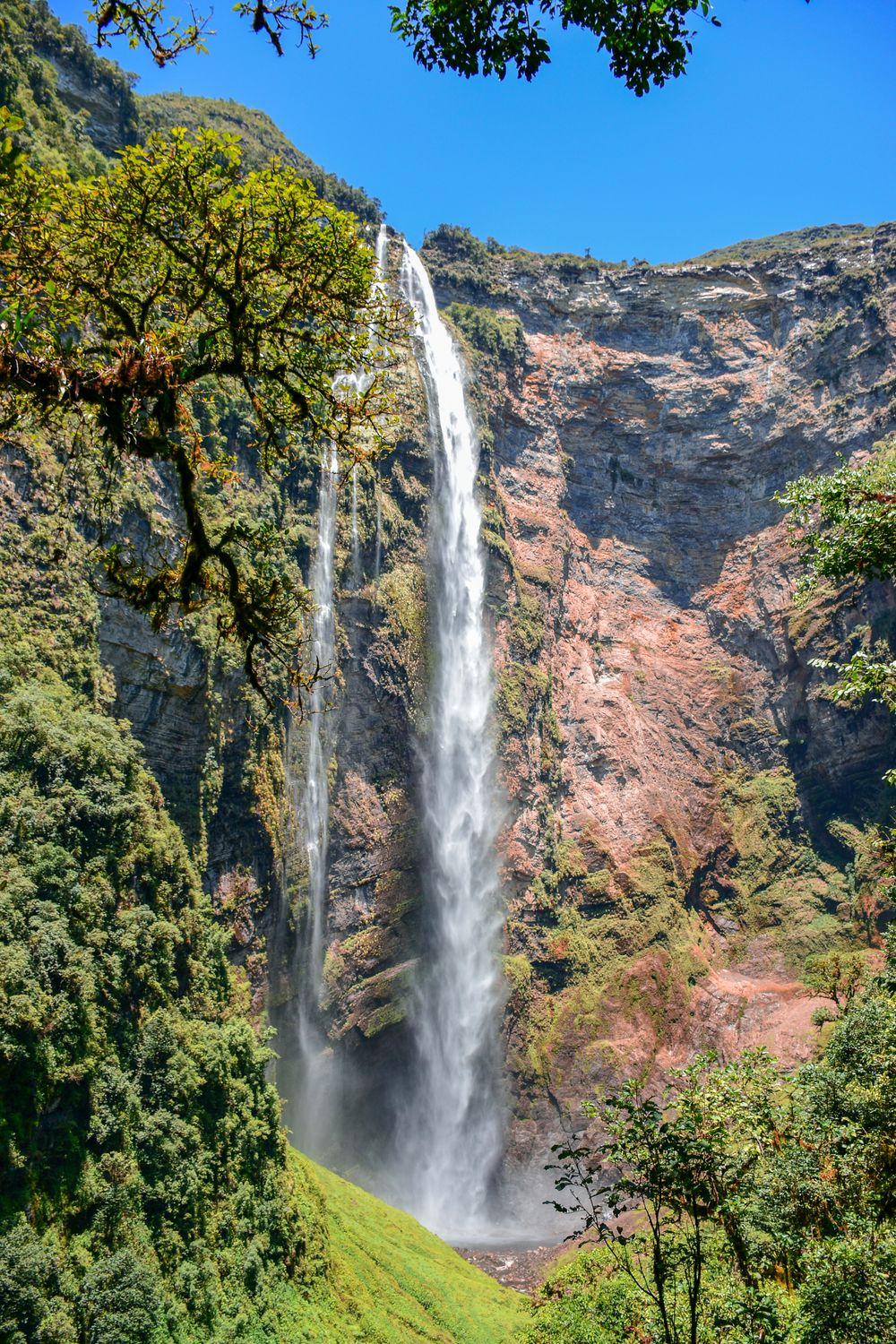
A waterfall of 771 metres in two drops, falling off a cloud-forest escarpment between the villages of Cocachimba and San Pablo. Both…
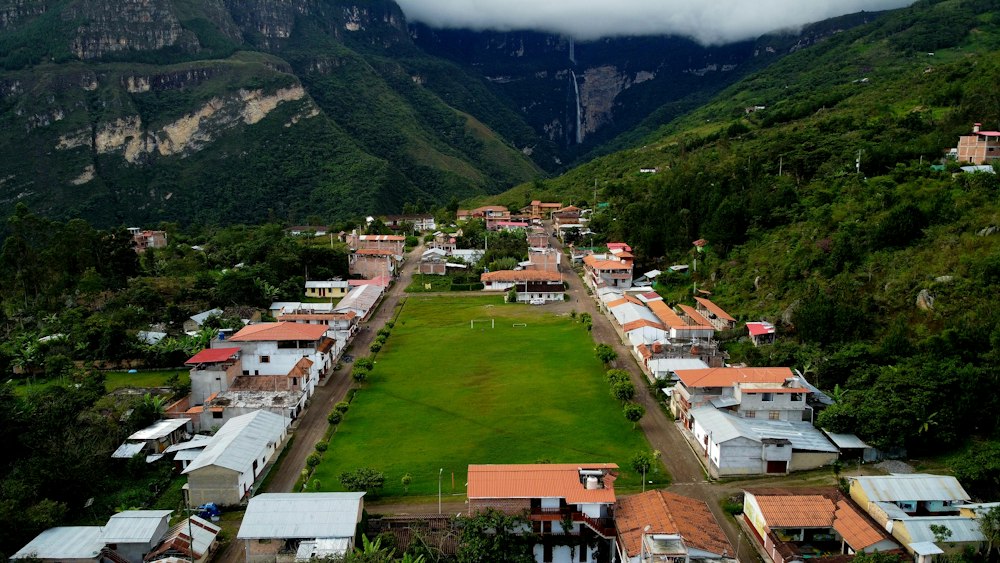
The village on the south side of the Gocta valley, and the usual start for the walk in to the foot of the falls. Its viewpoint looks…
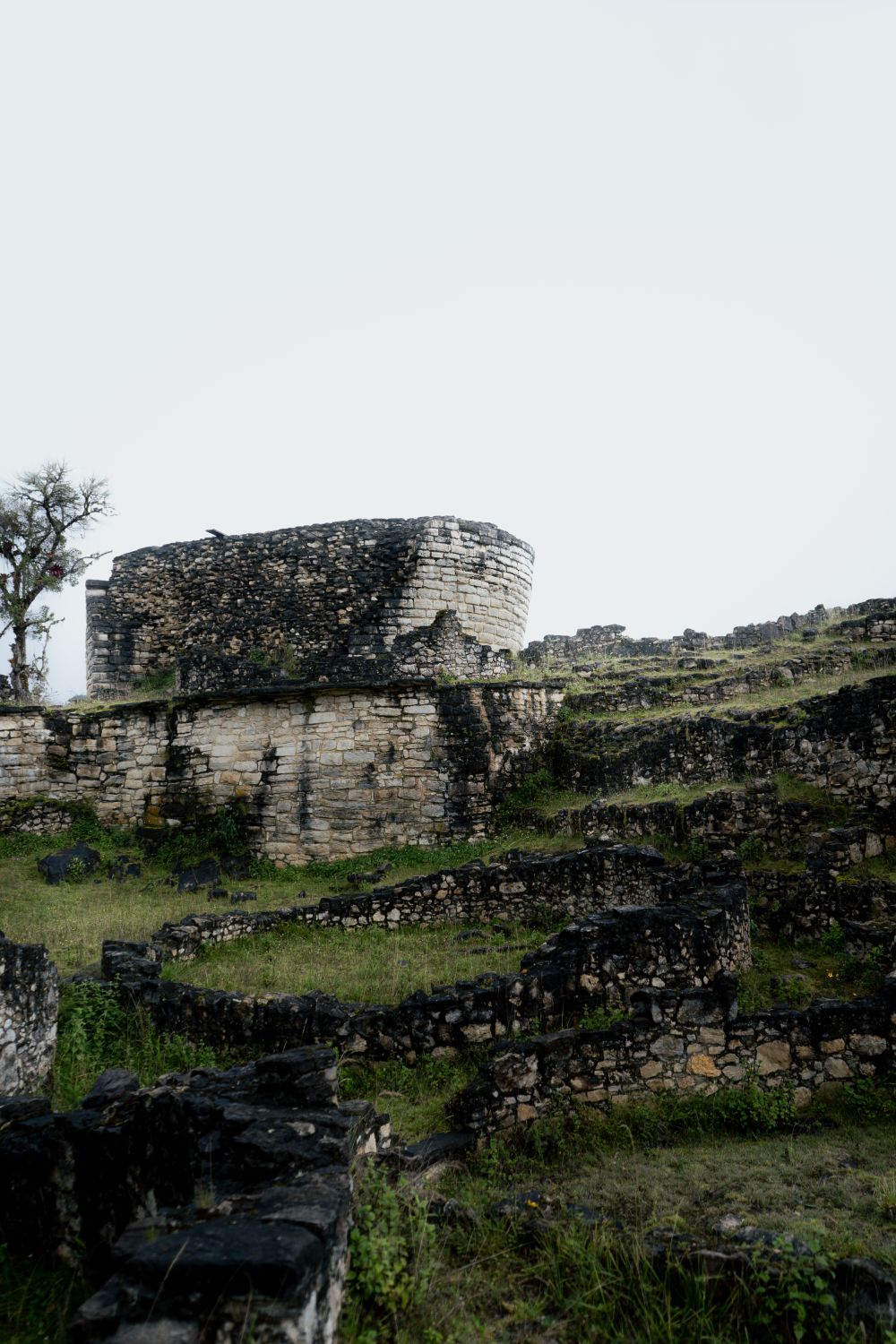
A walled citadel of the Chachapoya culture in the mountains of northern Peru, its outer walls of stone and mud reaching 20 metres at their…
Lit stalactites, rock paintings at the mouth and Chachapoya burial remains fill this 545-metre cave near Lámud. Tickets and guides are…
The museum built to hold the more than two hundred mummies recovered from the cliff tombs at Laguna de los Cóndores in 1997, kept in a…
The official pages this guide was checked against.
Last updated