 Submit a photo
Ninety seconds on Museo de Leimebamba
The museum opens every day of the week, all year round, from 10am to 4.30pm. There is no weekly closing day, so a Monday visit works as well as a weekend one.
The museum stands at Avenida Austria in San Miguel, about 10 minutes by car from the main square and 15 by mototaxi. The road up is asphalt.
A combi or public bus takes about three hours for the 86 km to the museum. By car it is around 2 hours 30 minutes to the village. A private taxi or a day tour also makes the trip.
The museum's own guides work in Spanish. An English-speaking guide is arranged through an agency before the trip, with the language confirmed at booking, instead of at the door.
It is best not to count on it. Ask at the ticket desk before taking out a camera or a phone, and keep both put away in the halls unless staff agree.
Yes. One Chachapoyas agency runs the two as a full day of about 10 hours, with hotel pickup at 8am, a Spanish-speaking guide and a return around 6.30pm.
You can stand at a window and look in at more than two hundred mummies, many still wrapped in cloth with a stitched face on the front, all rescued from cliff tombs above a remote lake in a very wet region.
The wrapped bodies sit in a cool, climate-controlled room, seen through one wall of windows. Most are still bundled, and where the cloth has come away you can see the skeletons. Others keep skin and hair, and some of the dead are children.
The Chachapoya set their dead in a tight crouch with the knees drawn up, and the tombs at Laguna de los Cóndores stayed cold and dry under a cliff ledge. Look for a face sewn on the outer cloth, and for the replica tombs that show how the dead were placed.
Ranch hands found the tombs in November 1996 and, over the next few months, slashed bundles open with machetes. Archaeologists from Centro Mallqui emptied the tombs in July 1997 and took everything to Leymebamba for conservation.
The other cases hold what was buried beside them: 31 quipus, the knotted cords the Inca used for records, plus textiles of cotton, llama, alpaca and vicuña, carved wooden faces, gourds with burnt designs and grey to black pottery. The building itself is local work in rammed earth, timber, stone and tile.
Leimebamba and Leymebamba are two spellings of the same village. From its main square, take a taxi up to the museum, which stands outside the village on the road to Cajamarca.
The gate may be closed when you get there, so ring the bell and someone will come to let you in. Buy your ticket at the desk.
Three halls cover the archaeology, with a separate ethnographic room on how families live in the area today. The mummies are in the last part, so leave time for them after the pottery and cords.
Finish outside among the native plants, where the orchid garden has more than a hundred local species.
KentiKafé is across the road from the entrance. Order a coffee or a slice of cake and watch the hummingbirds at its feeders; you do not need to be staying at the hotel that runs it.
Ride up, then walk down the wide unpaved community trail to the Dos de Mayo neighbourhood. The museum end is higher.
Kuélap needs another day: Nuevo Tingo, where its cable car leaves, is about an hour and 45 minutes from Leymebamba.
Explore the rest of Chachapoyas
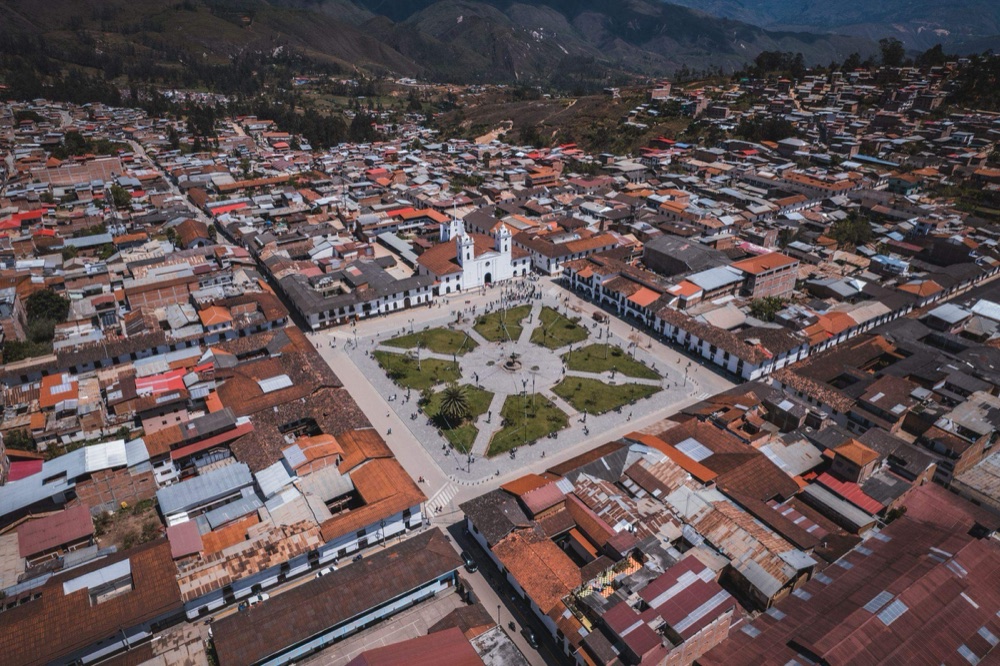
A small colonial town more than 2,300 metres up in the cloud forest of Amazonas, in northern Peru. It is the base for the ruins and…
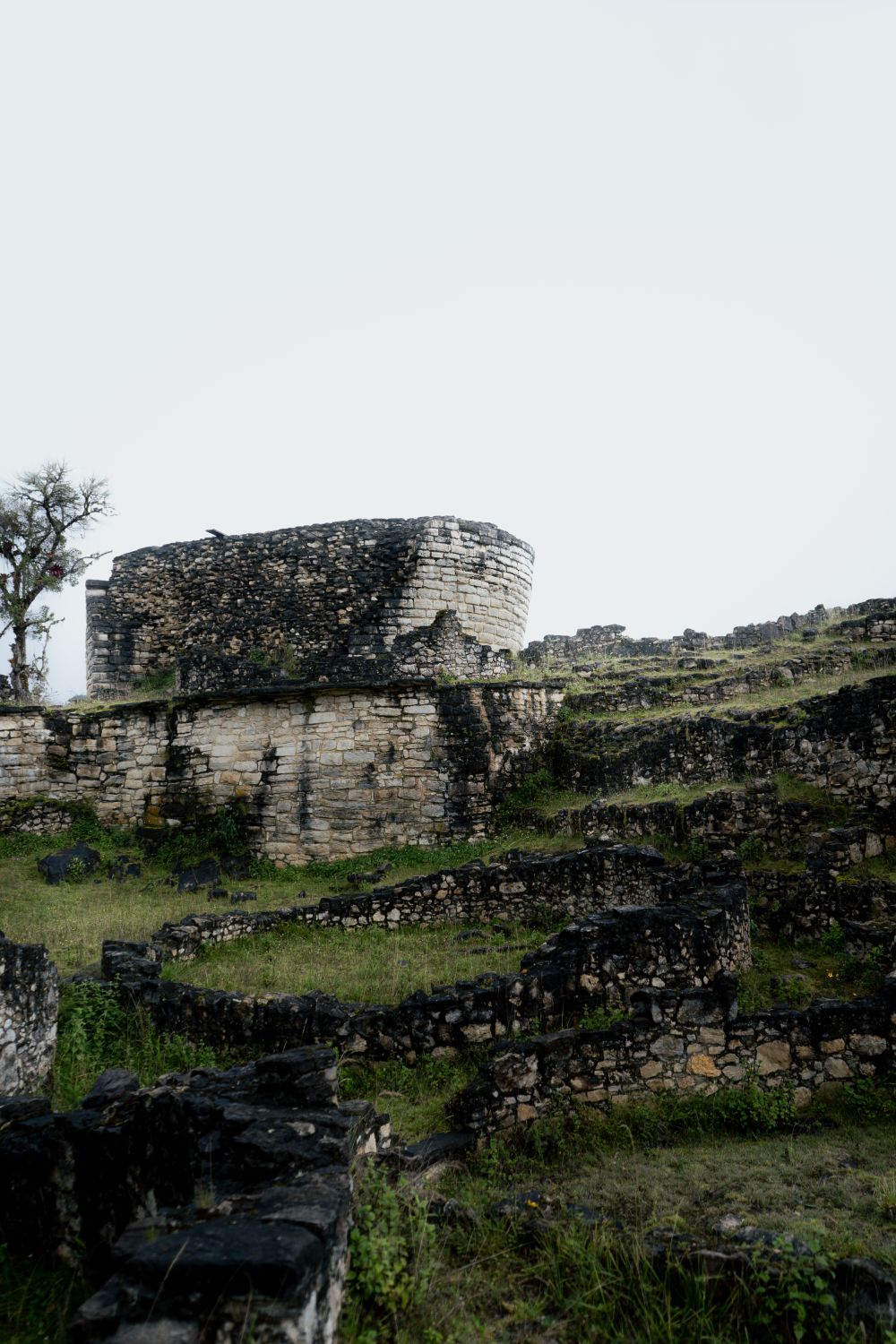
A walled citadel of the Chachapoya culture in the mountains of northern Peru, its outer walls of stone and mud reaching 20 metres at their…
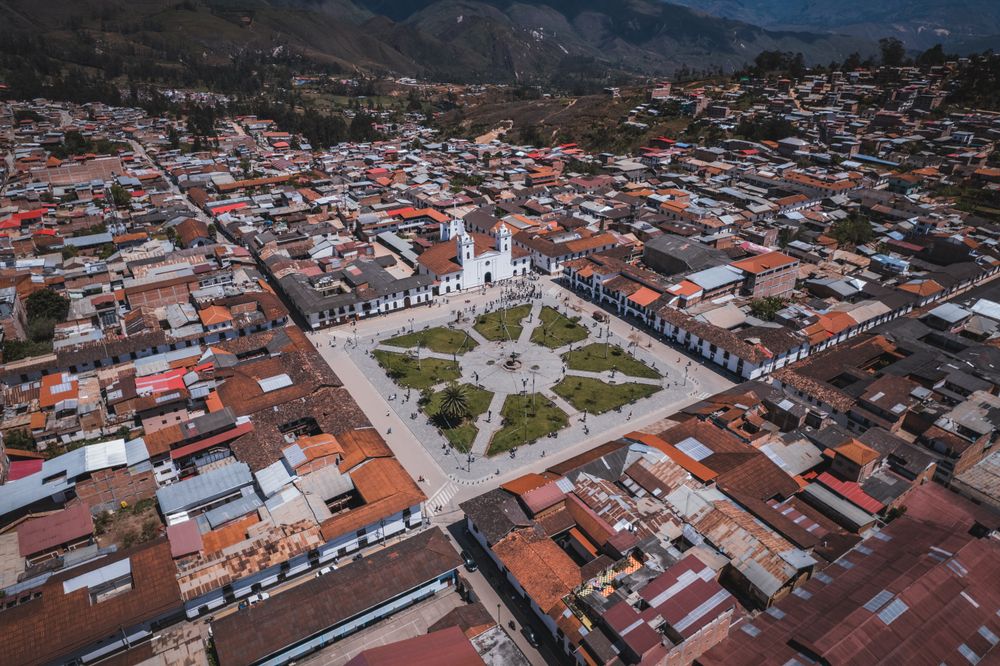
Gardens and paths fill the middle of the town's main square, and the white cathedral stands on its edge, with the paths laid out in front…
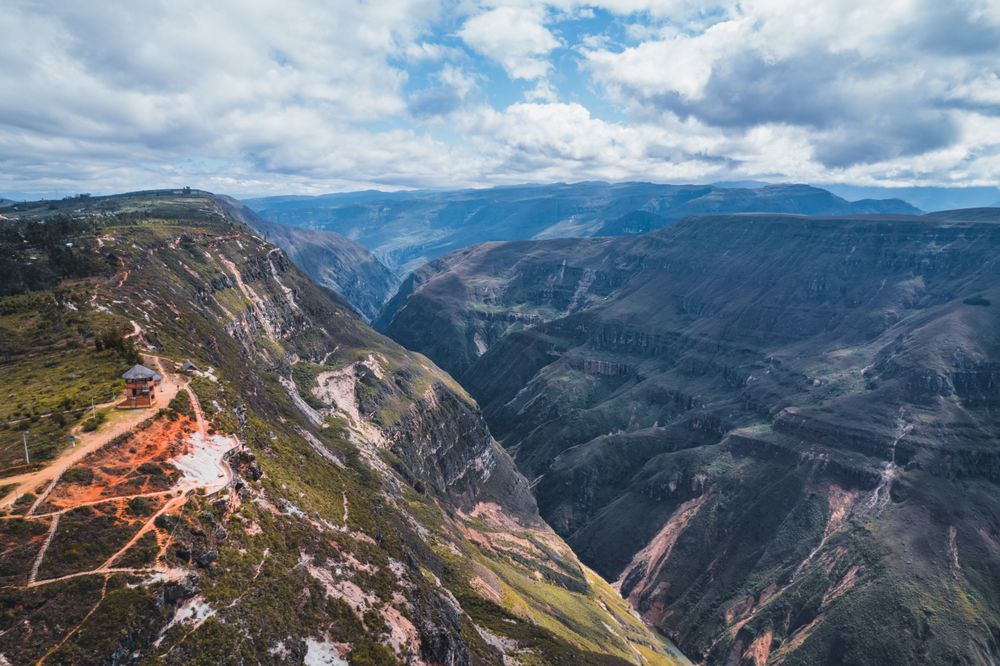
A gorge cut by the Sonche River behind the village of Huancas, outside Chachapoyas, seen from a roofed lookout and a sandstone wall at the…
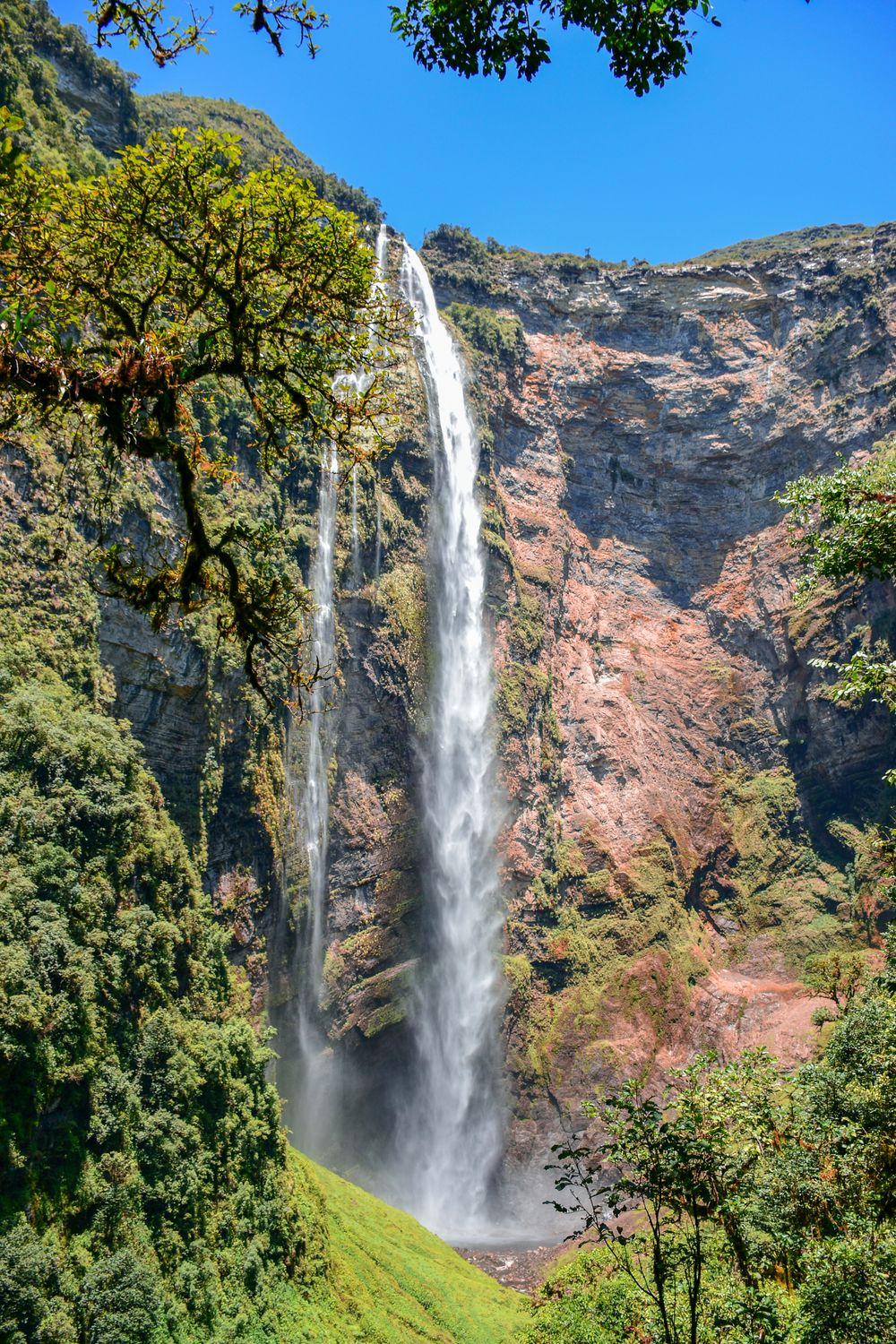
A waterfall of 771 metres in two drops, falling off a cloud-forest escarpment between the villages of Cocachimba and San Pablo. Both…
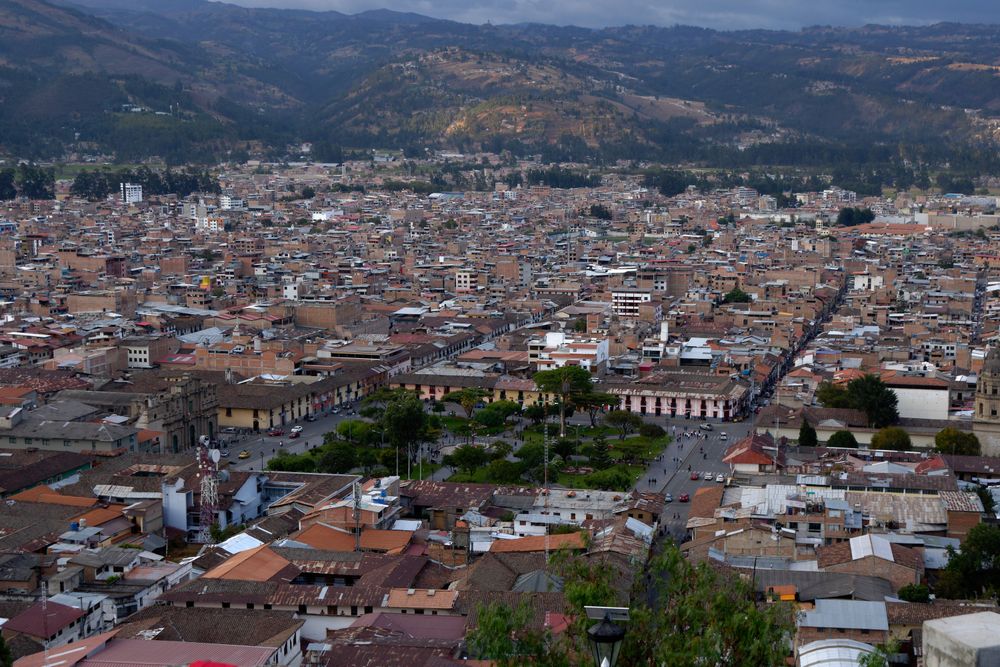
The northern highland city where the Spanish seized Atahualpa in 1532 and the Inca empire effectively ended. It sits at 2,750 metres in a…
Painted clay tombs of the Chachapoya culture, shaped like human figures up to 2.5 metres high, standing in a row on a cliff ledge above a…
Lit stalactites, rock paintings at the mouth and Chachapoya burial remains fill this 545-metre cave near Lámud. Tickets and guides are…
The official pages this guide was checked against.
Last updated