 Submit a photo
Ninety seconds on Pisac Ruins
Pisac's Inca citadel holds terraces, watchtowers, a carved sun stone and a cliff of old tombs along one ridge above the town. Come early and you can walk it end to end before the crowds.
The Intihuatana, Quechua for "sun clock", is a piece of bedrock high on the mountain, partly carved and partly left as nature made it. The finely cut walls around it line up with the sunrise at the June solstice, and the sector is known today as an astronomical observatory.
The 40 Acchapata terraces step down the slope in the shape of an inverted triangle. Conical towers, called pucaras, stand across the complex; they served as water channels and as forts, and they are why Pisac is known as the fortress of towers.
One cliffside is riddled with the openings of looted tombs, often called the largest known Inca cemetery. The whole hill was a royal estate of the Inca Pachacútec, and the view from the Q'alla Q'asa sector is the finest on the site.
Two ways lead in: by road to the upper entrance, or up the path from the town, a steep climb of about 90 minutes. Take a taxi to the top and walk back down, so the long stretch runs downhill.
At the upper gate stands Qanchus Racay, a rounded stone building in four tiers, with the first terraces just south of it. From there a narrow path runs along the crest of the ridge, through two tunnels with running water, to the ceremonial area and the Intihuatana in about half an hour.
The bath complex, with four purification baths, sits on a plateau to the west. Arrows mark the trail and closed paths are shut with wooden gates; routes change often, and one section has been closed for years after a landslide.
A guide is optional at Pisac. Group tours of the Sacred Valley usually give the site about an hour, enough for the upper sectors only, while a private guide can stretch it to two to four hours.
Licensed guides must wear their identity card where you can see it, so look for it before you agree.
Carry all the water you need, as none is sold inside, and leave any food behind: you may not bring it into the site. Drones need a permit from the regional culture office, and climbing on the walls is forbidden.
If you are in the valley on 24 August, the complex holds its yearly Willka Raymi celebration.
Around Pisac
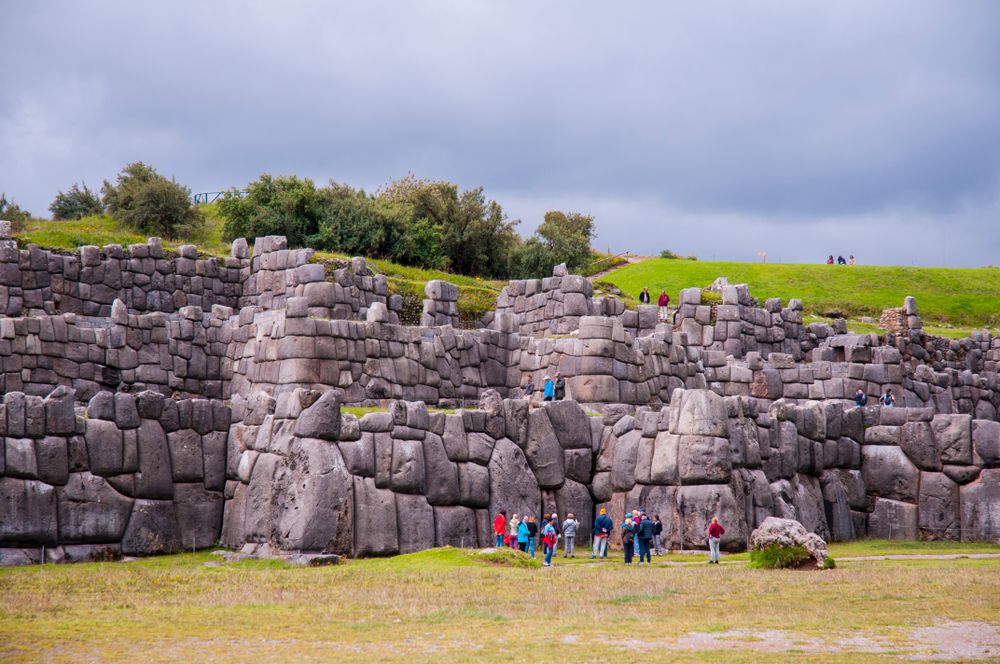
Massive Incan fortress complex built in the 1400s on a hilltop 2 kilometres north of Cusco. Features enormous precisely-fitted stone walls…
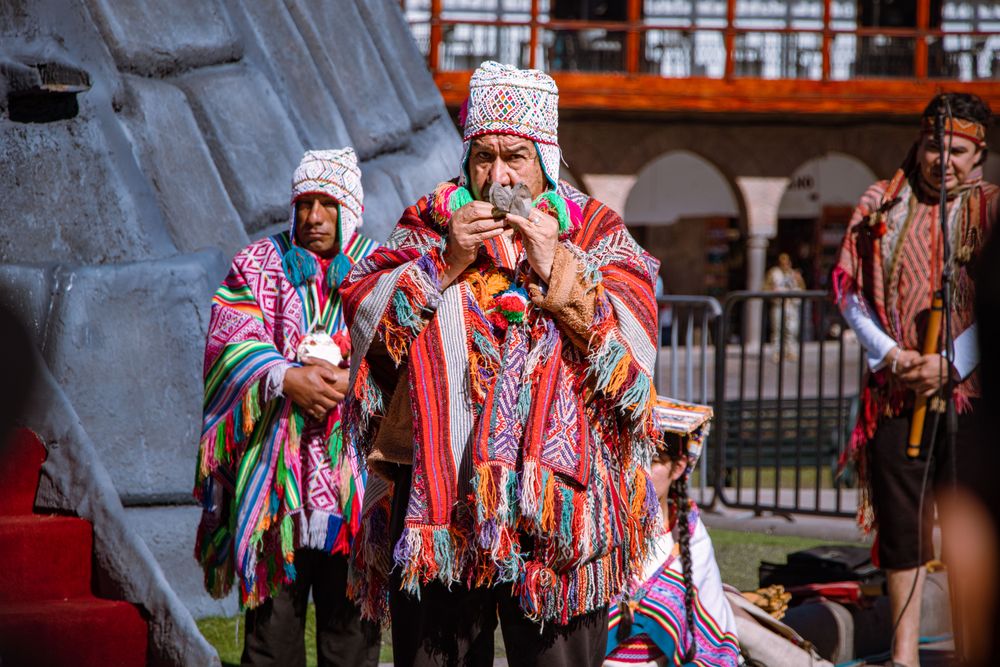
Every 24 June Cusco stages the Inca festival of the sun in three acts, in Quechua. It opens at the Qorikancha in the morning, moves to the…
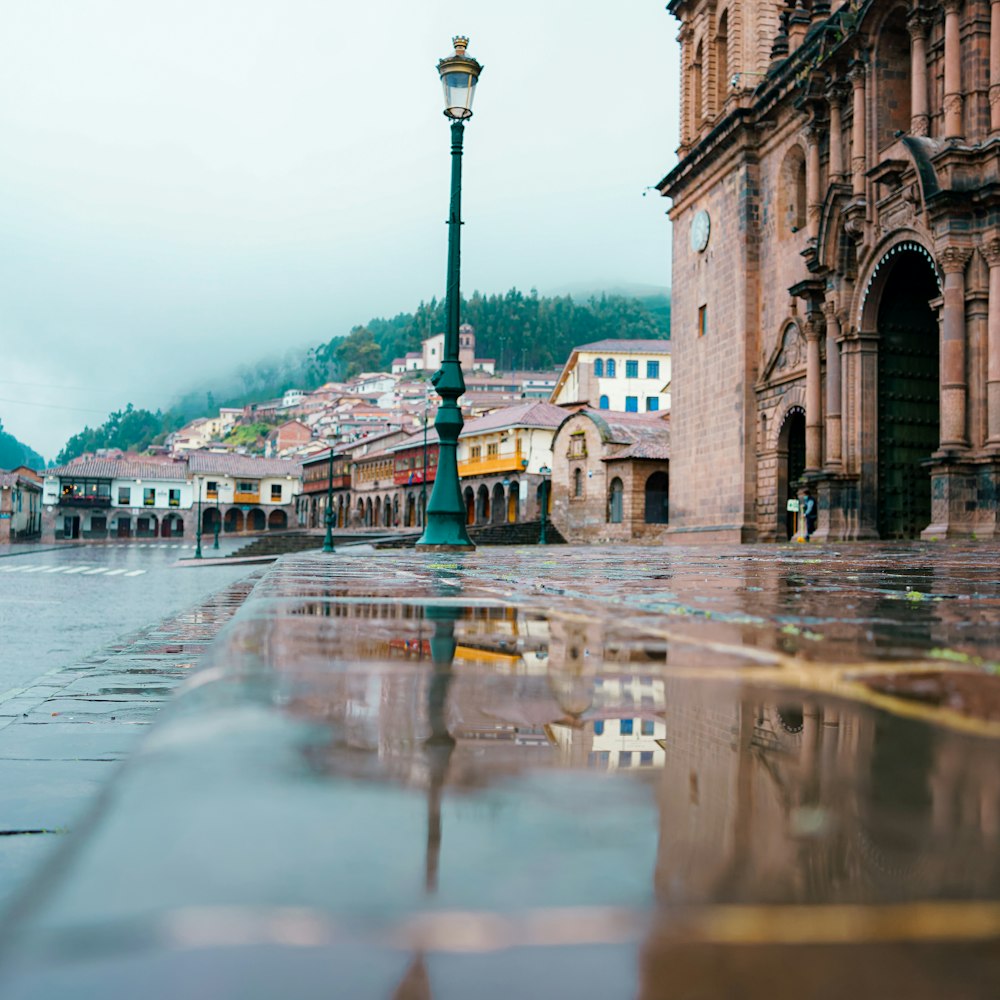
Cusco's main church stands on the north side of the Plaza de Armas, raised on an Inca site with red granite reused from Sacsayhuamán.…
The official pages this guide was checked against.
Last updated