Things to do
26-
Cathedral of St. John the Baptist
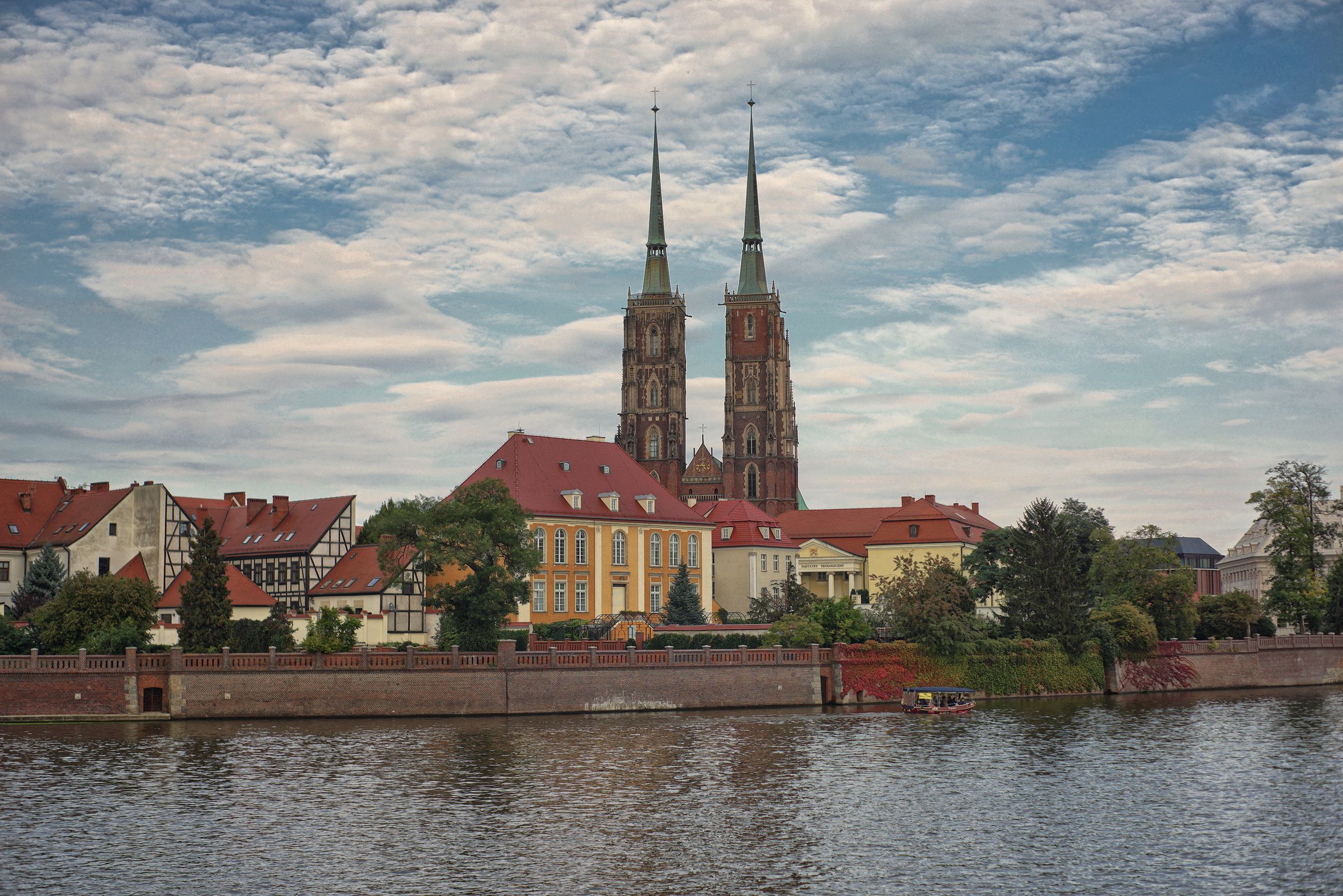
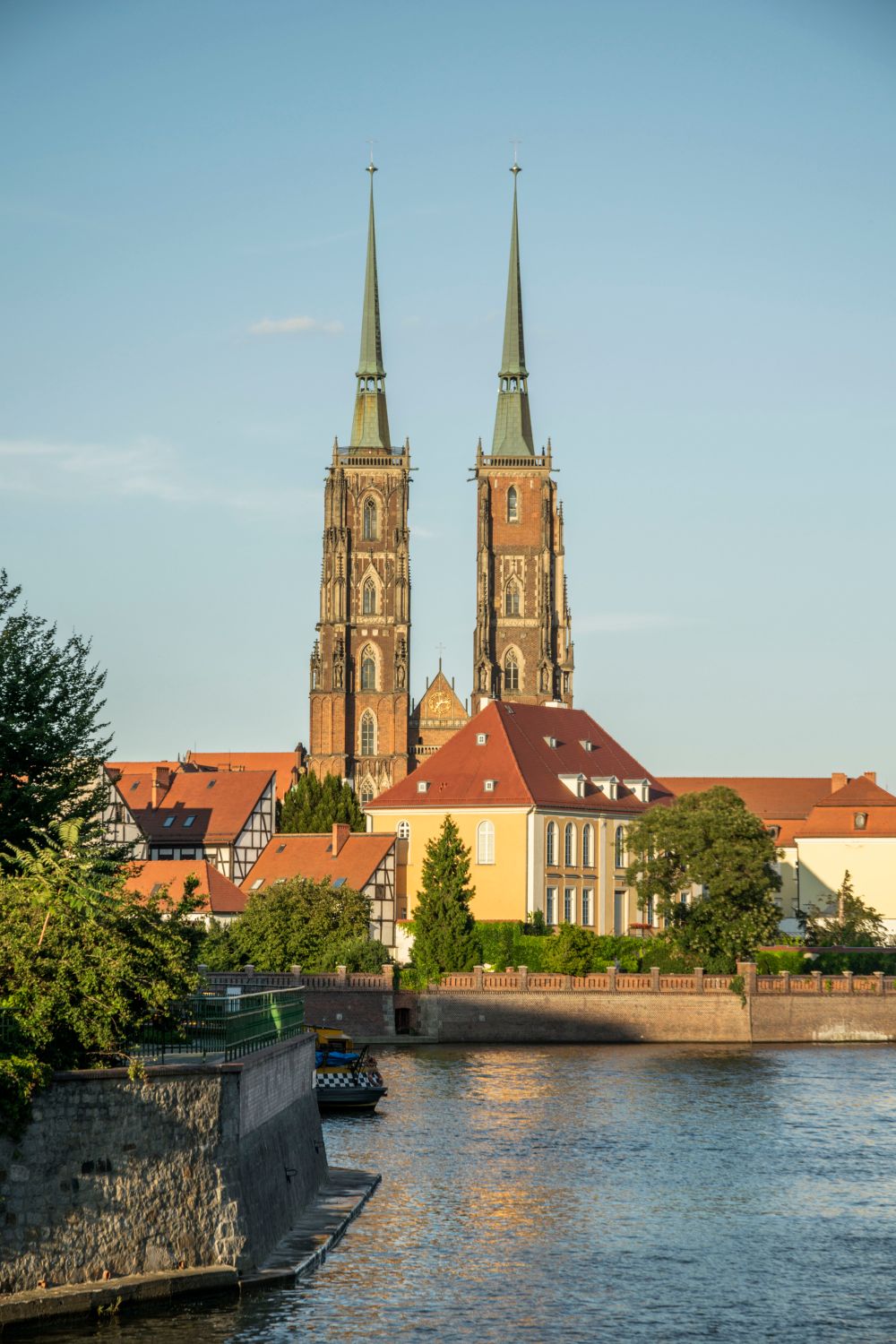
Twin spires mark this brick cathedral on Ostrów Tumski, rebuilt after severe war damage. A small lift climbs one of the towers to a viewing platform over the river and the old town, with a charge for the tower. Services come before sightseeing, so the nave can close to visitors during Mass.
-
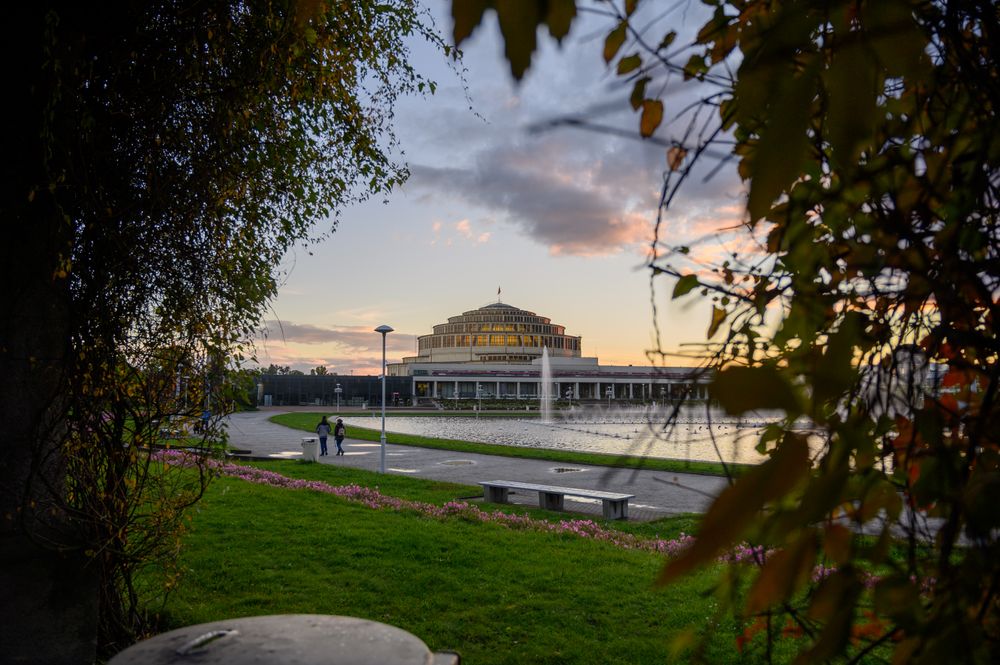
Centennial Hall
Max Berg's vast reinforced concrete dome, finished in 1913, is a World Heritage Site for its engineering. A multimedia exhibition explains the building, and gardens, a colonnade and the Multimedia Fountain surround it. The hall still hosts concerts, so check its calendar before planning around the interior.
-
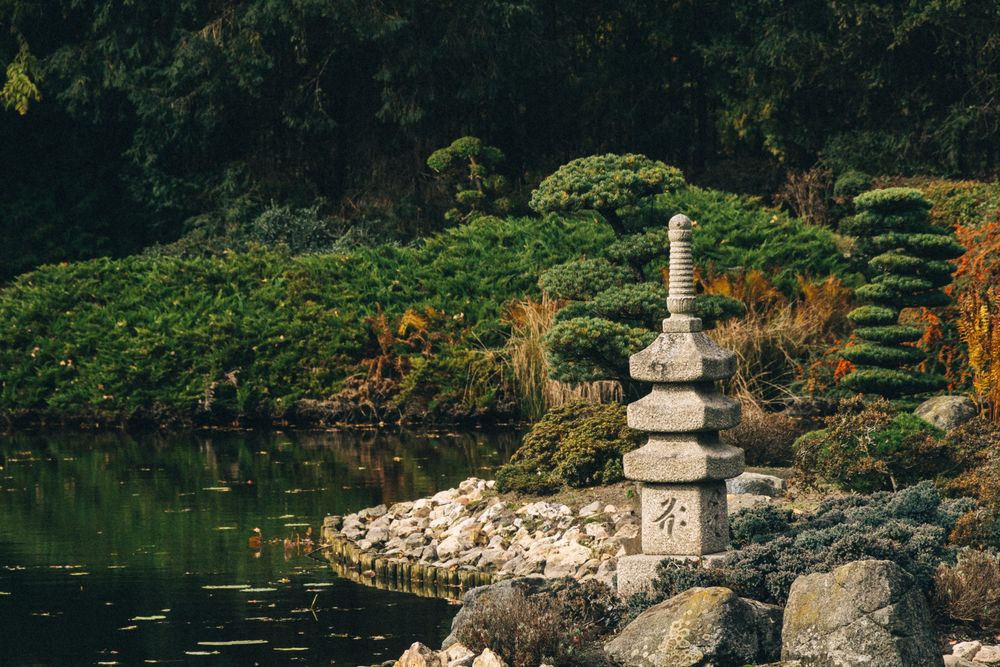
Japanese Garden
Ponds, arched bridges, stone lanterns and a small waterfall fill this walled garden in Szczytnicki Park, laid out for the exhibition of 1913 and later restored with Japanese help. Allow about an hour and a half on its short, narrow paths, and come in the morning, when it is quiet. Entry is ticketed, and it opens only from spring to autumn.
-
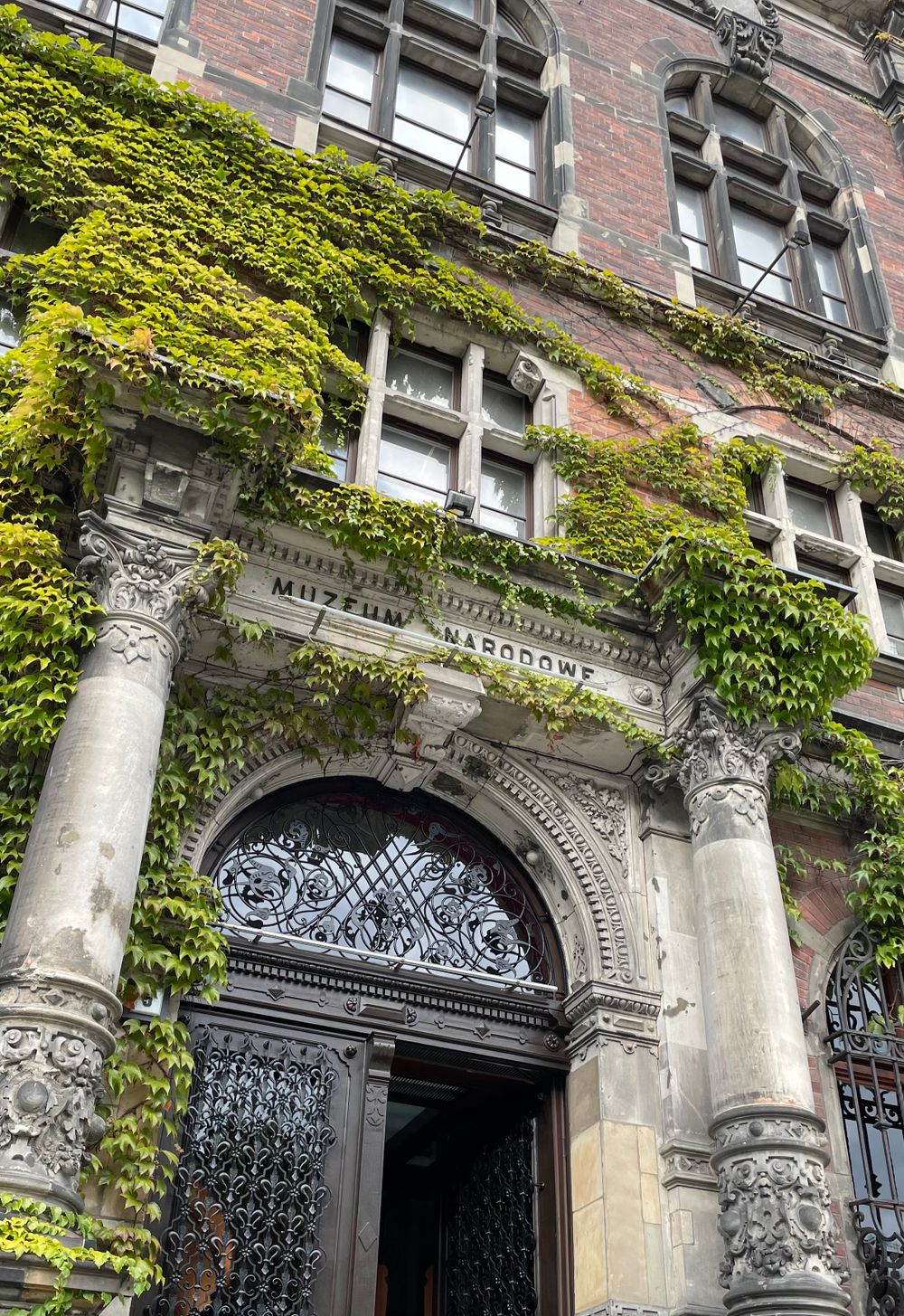
National Museum
Virginia creeper covers this heavy former government building and turns the whole facade red in October. The collection runs from medieval Silesian sculpture and altarpieces to Polish painting of the last two centuries. Mondays are closed, and in winter the doors shut at 16:00, with the ticket office closing half an hour earlier.
-
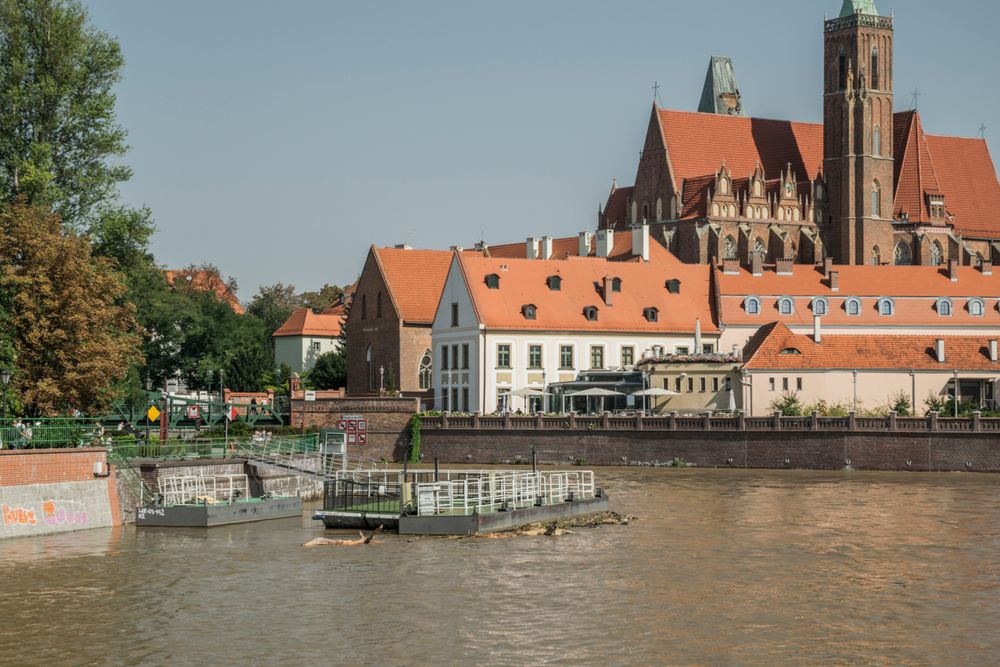
Ostrów Tumski
The oldest part of the city, a former island of churches, seminaries and quiet cobbled lanes, is reached over the green iron Tumski Bridge. A lamplighter still lights the gas lamps by hand each evening, and his round takes about an hour. Go around sunset to see the lamps lit; on Sundays every church holds services.
-
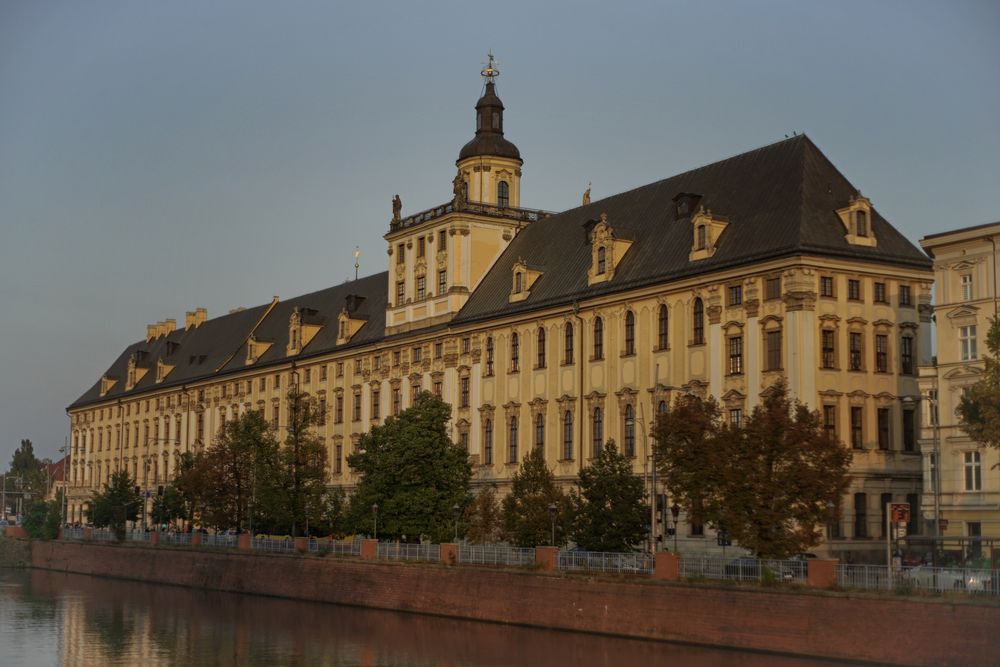
University of Wrocław Main Building
Built by the Jesuits in the early eighteenth century, this long Baroque college stands on the riverbank. Its ceremonial hall, the Aula Leopoldina, is covered in gilding, ceiling frescoes and carved saints, and the Mathematical Tower above looks out over the old town. One ticket covers both; the hall closes for university ceremonies.
-
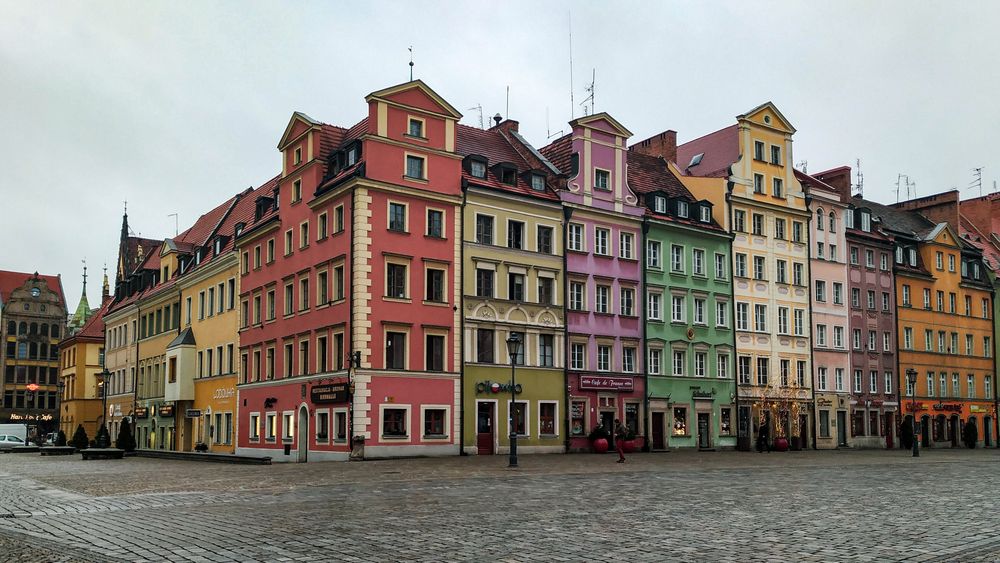
Wrocław Market Square
Tall painted merchant houses line the broad medieval square at the centre of the old town, around the Old Town Hall. Café terraces open on the cobbles from spring to autumn, and in Advent the Christmas market fills it with wooden chalets. The facades and town hall are lit after dark, and the square is open at all hours.
-
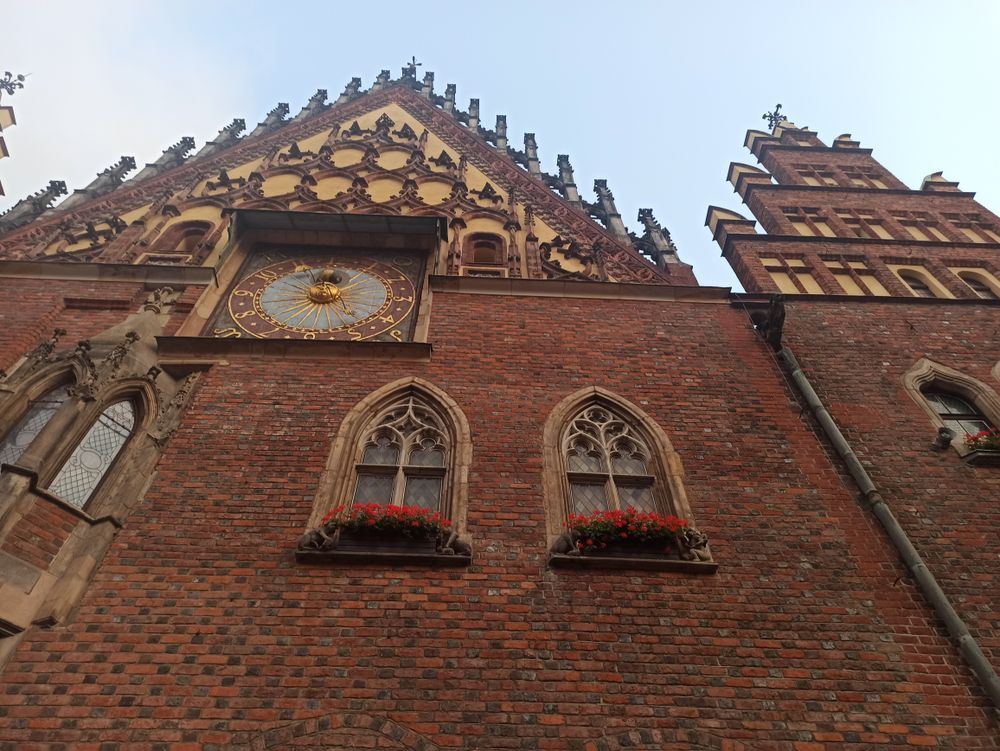
Wrocław Old Town Hall
Pinnacles, oriels and an astronomical clock mark the Gothic town hall in the middle of the Market Square. Its vaulted halls hold a ticketed branch of the city museum, and the cellar below has been a beer hall since the Middle Ages.
-

Wrocław Zoo and Afrykarium
Across the road from Centennial Hall, the zoo's centrepiece is the Afrykarium, an indoor building devoted to African waters, with a glass tunnel under swimming hippos and sharks. That building alone takes about an hour and a half, so give the visit a morning, buy tickets online at weekends and arrive early.
-
Four Denominations District
Within a few streets west of the Market Square stand a Catholic church, an Evangelical church, an Orthodox church and a synagogue. Walking between all four takes about an hour at an easy pace. Start at the White Stork Synagogue, which runs tours.
-
Hotel Monopol
Beside the opera house and a short walk from the Market Square, this grand hotel has been restored as a five-star house with a spa and a rooftop terrace. Rooms pair period plasterwork with modern design. Book ahead for opera nights and the Christmas market season.
-
Hydropolis
Brick vaults of a nineteenth-century underground reservoir house this interactive science centre about water. Exhibits cover the oceans, deep-sea exploration and the city's own water supply, with a bathyscaphe replica and large screens. Save it for a rainy day, and skip weekday mornings, when school groups fill it.
-
Nadodrze
North of the river, this quiet residential district is a walk or a short tram ride from the old town. Many of its murals were painted by the residents themselves. Look through the gateways into the backyards, where much of the work is.
-
Pan Tadeusz Museum
The manuscript of Pan Tadeusz, Adam Mickiewicz's epic poem and a national treasure in Poland, is the centrepiece of this museum on the Market Square. Interactive rooms tell the story of the poem and the manuscript. Entry is by timed slot, and the visit takes about an hour and a half.
-
Plac Solny
Flowers are sold on this square just off the Market Square around the clock, from open-air stalls that stay open through the night. Stop for a bunch on the way in or out of the Rynek, at any hour.
-
Racławice Panorama
Painted on a circular canvas about 114 metres long, the panorama shows the battle of 1794 in which Kościuszko's peasant scythemen beat a Russian army. Real soil and props blend into the painting, seen from a central platform with an audio guide. Entry is by timed slot, so book ahead; from November to March it closes on Mondays.
-
Sand Island
Between the old town and Ostrów Tumski, this small island lies on the walk to the cathedral, with the tall brick church of St Mary on the Sand. Hour-long boat trips on the Oder leave from the dock by Piaskowy Bridge; book the sailing nearest sunset.
-
Słodowa Island
Reached on foot by a bridge from the edge of the old town, Słodowa is a small green island in the Oder, most of it riverside park with waterfront bars along the banks. Walk on from here to Sand Island and Ostrów Tumski.
-
St Elizabeth's Church
Just off the north-west corner of the Market Square, this tall brick Gothic church has a tower open to climb, with a view down onto the Rynek roofs. By its gateway stand two tiny almshouses, known as Hansel and Gretel, with a firefighter dwarf tucked behind them.
-
St Mary Magdalene Church and the Penitents' Bridge
Two brick towers of this Gothic church near the Market Square are joined high up by a footbridge, the Penitents' Bridge, open as a viewpoint over the old town. Getting there means climbing 247 stairs, so flat shoes help. The church stands a block east of the Rynek, close enough to pair with the square.
-
Szczytnicki Park
Centennial Hall, the Japanese Garden and the Multimedia Fountain all stand in this large park east of the centre, across the road from the zoo. Give it half a day: the garden in the morning, the fountain in the evening.
-
Tumski Bridge
Painted green and built of iron, the bridge carries the walk from Sand Island onto Ostrów Tumski, the cathedral island. Cross it on foot from the old town on the way to the cathedral. Padlocks clipped to the railings are discouraged, so do not add one.
-
University of Wrocław Botanical Garden
Glasshouses, ponds and an alpine garden fill the university's botanical garden, a few minutes' walk from the cathedral on Ostrów Tumski. Open from April to October, it charges for entry. Pair it with the cathedral and the island in one afternoon.
-
White Stork Synagogue
Set back in a courtyard in the Four Denominations District, this is the only one of the city's synagogues still standing. It works again as a synagogue and cultural centre, and services take priority over visits. Tours cover the building and its history.
-
Wrocław Multimedia Fountain
Free shows of water, light and music play on the pond beside Centennial Hall from spring to late October, through the day and into the evening. Come after dark, when the lights show. Lightning damaged the fountain in June 2026 and the special shows were suspended, so check the day's programme before going.
-
Wrocław's dwarfs
Around 1,040 small bronze figures are scattered across the city on pavements, walls and lampposts, each with a job or a joke. The first, Papa Dwarf, stands on a fingertip on Świdnicka Street. Pick up a map at the tourist information on the Rynek, and the hunt becomes a free walk around the old town.