
With a boat trip to Philae planned, leave time after the Temple of Isis for this open pavilion on the eastern shore. Its tall columns frame the water, and it is probably the most photographed building on the island.
Temple, Aswan. Meridian Dispatch.
As of November 2026, the kiosk keeps the hours of the Philae site, open every day from 07:00. Last entry is at 15:00 in summer, winter and Ramadan. That time is for entering the site, not boarding the boat, so allow for the crossing.
The kiosk stands within the Philae site, and no separate ticket is listed for it. Buy the standard Philae ticket at the booth or on the official ticket site. Children under six enter free.
The trip is in two stages, by road south to the marina and then by boat. Passengers on a Nile cruise docked in Aswan still need the road transfer before the crossing.
Plan for the island as a whole, since the kiosk is one stop on it: 60 to 90 minutes covers the main buildings. The full outing from Aswan takes about 2.5 to 4 hours, with the road and the boat both ways.
It is a roofless pavilion from Roman times, and its columns beside the water have become the postcard image of Philae. Local people call it Pharaoh's Bed.
Not easily. Reaching it means stepping in and out of a small, sometimes unstable boat, and paving and thresholds on the island are barriers too. Assistance may make part of the visit possible, so the operator is best asked before booking.
Fourteen columns stand in a rectangle, five along the long sides and four along the short, with a stone screen joining them. One doorway opens on the east and another on the west. The building measures 15 by 20 metres and rises 15.85 metres.
Look at the tops of the columns. The floral carving differs from one to the next, and above each is a pier 2.10 metres high. The piers were meant to be sculpted as the god Bes, and that work was never done.
Inside is a scene of Trajan as pharaoh, burning incense before Osiris and Isis. The kiosk is credited to the Roman emperor because of this carving.
Overhead is open sky. Sockets in the beams show that a timber roof once covered the hall.
Boats once landed here, as this was the main entrance to Philae from the Nile, and the building probably sheltered the sacred boat of Isis. It stood on the original Philae island until the 1960s, when it was moved to Agilkia to escape flooding from the Aswan High Dam.
From central Aswan, take a taxi or ride-hailing car about 20 minutes south to the Philae marina at Shellal. Buy your admission at the booth by the entrance, then choose a boat at the jetty.
Before you board, agree the round-trip fare and how long the boatman will wait. Allow enough time for the kiosk as well as the main temple.
On Agilkia, go through the Temple of Isis first. Then head to the eastern edge of the island for the kiosk, and look at it from more than one angle, including with the columns against open water.
The small Temple of Hathor lies east of the main temple. Hadrian's Gate and the views from the island's edge are worth the walk too, before you return to the dock.
Agilkia has little shade, and sun reflecting off the stone makes it feel hotter. Bring water and sun protection, and cover your shoulders and knees. In spring, be ready for wind and dust.
Wear shoes with grip, because the boat dock can be slippery. Bring a bank card as well as cash, with small notes for the boatman and the toilets.
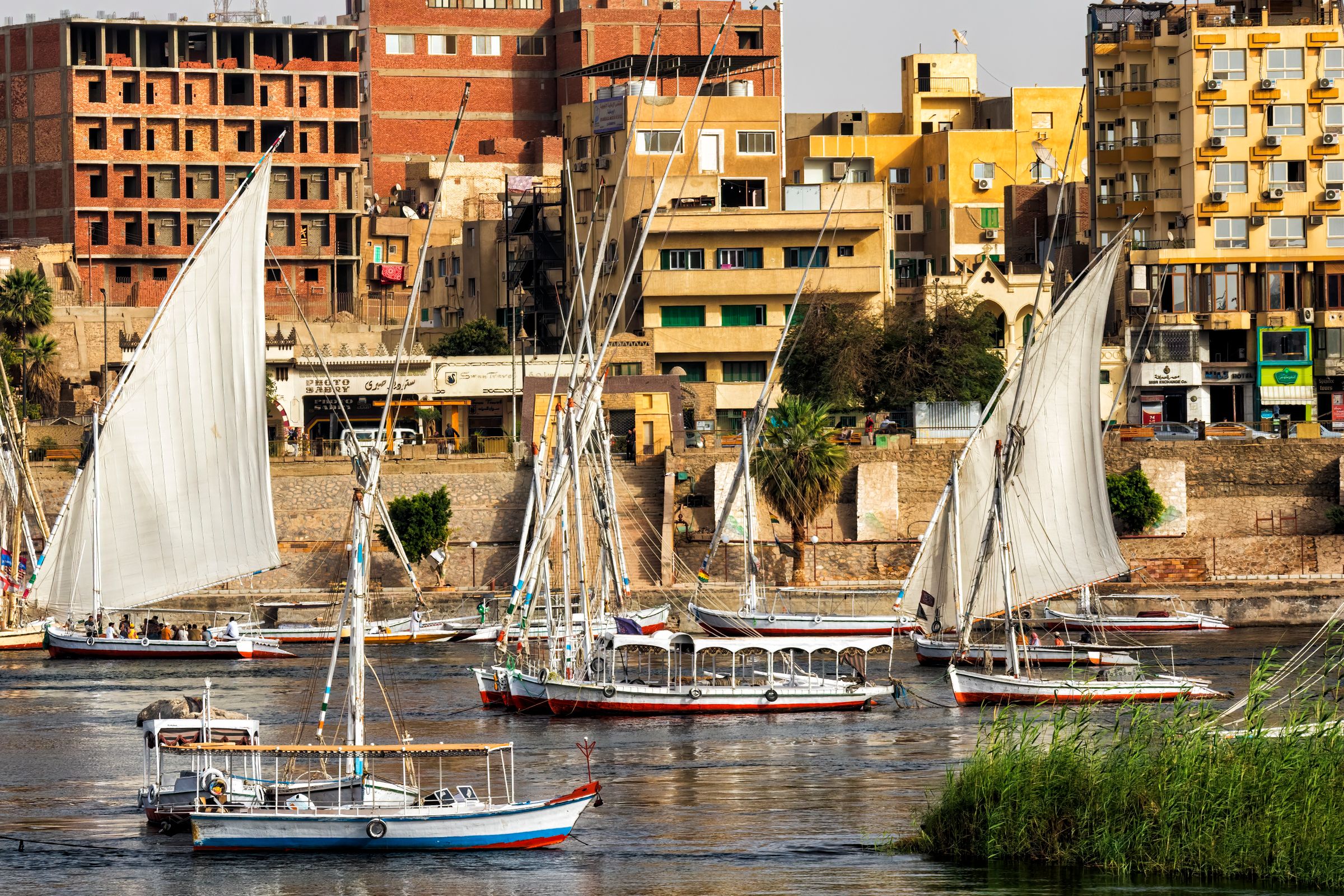
Take the public ferry from the corniche to the Nubian villages on Elephantine, then sail a felucca between the granite islets of the First Cataract. Philae is a short drive and a motorboat ride south of town, and Abu Simbel a long day trip.
Read the Aswan guideExplore the rest of Aswan
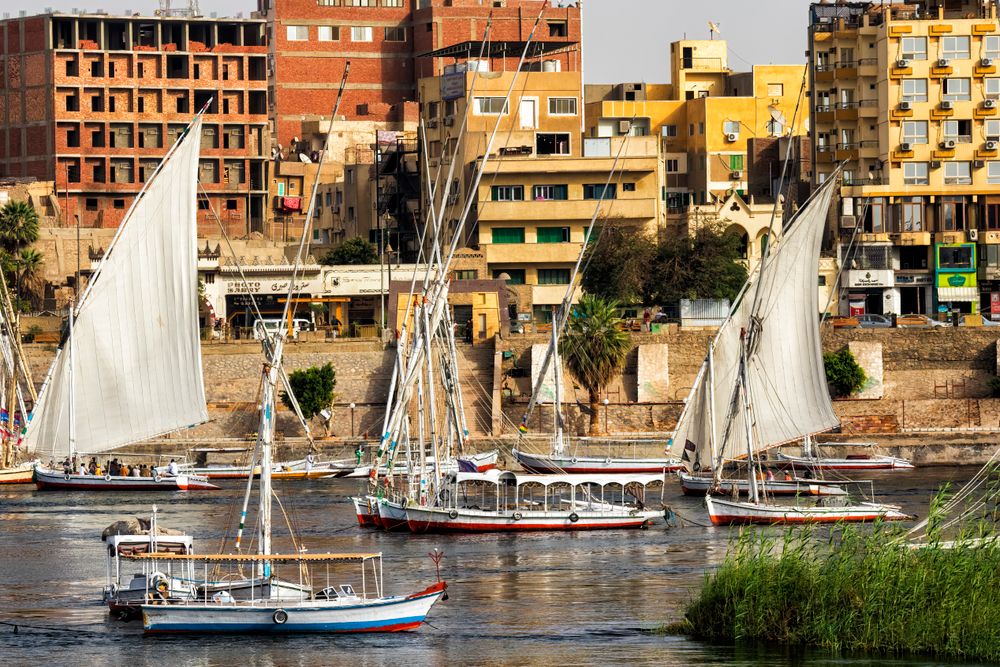
Egypt's southern frontier town sits where the Nile breaks through a belt of granite, scattering islands and boulders across the river, and…
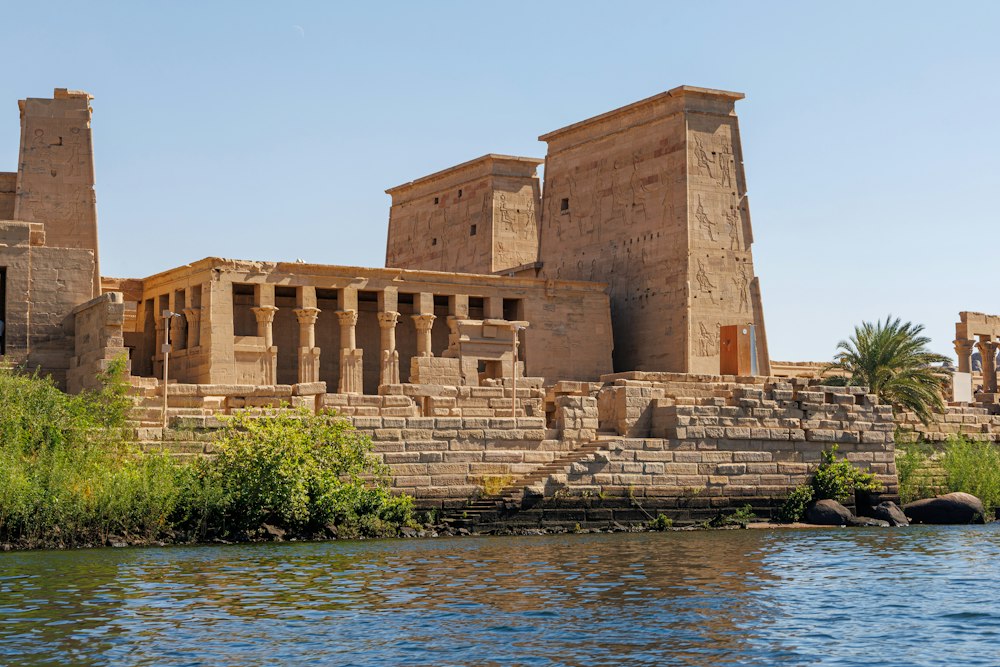
The temple of Isis, the last in Egypt where the old religion was practised, with the latest known hieroglyphic inscription, carved in 394.…
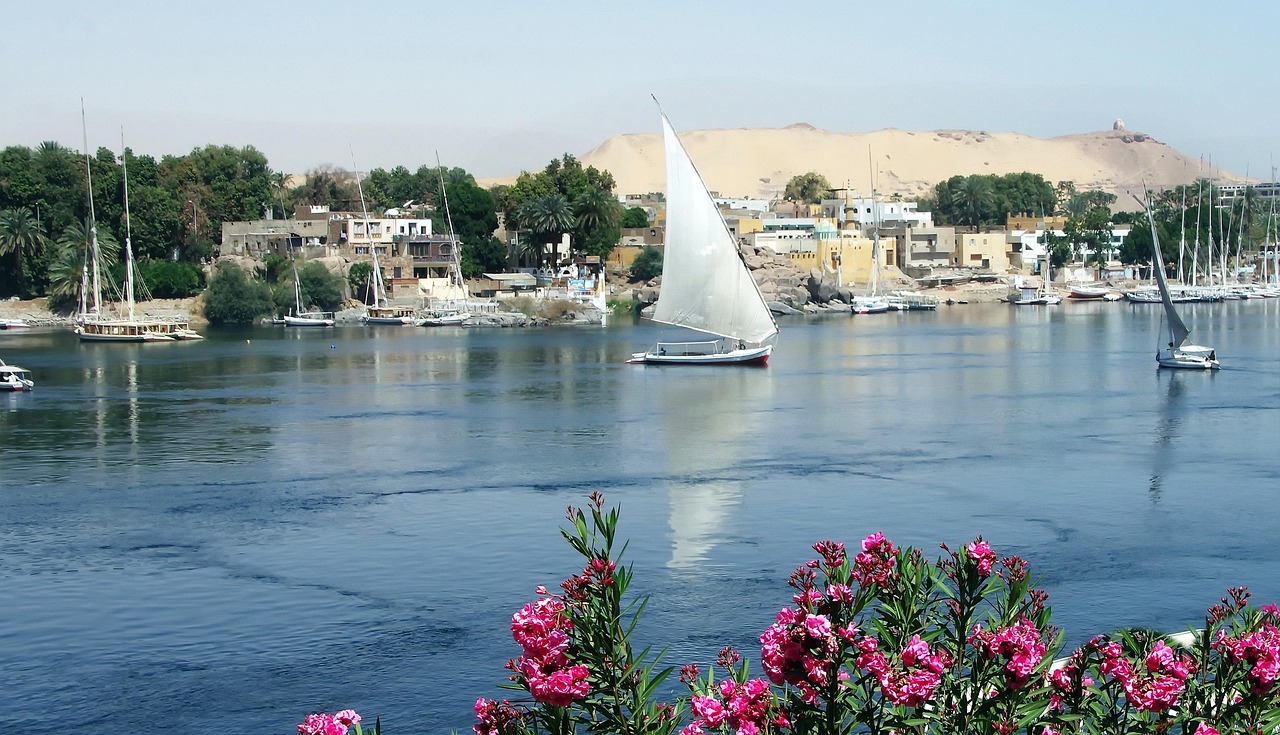
The island facing the town centre, and the original settlement: a garrison and ivory market on the border with Nubia. At its southern tip…
A small oval island tucked behind Elephantine, barely visible from the city. Lord Kitchener was given it while Consul-General between 1911…
On the hillside of the Nubian village of Gharb Soheil, across the Nile from Aswan on the west bank, Kato Dool looks over the river from its…
Still lying in the granite quarry where it was abandoned, this would have been the largest obelisk ever raised: forty-two metres long and…
Opened in 1997 as a record of the land and culture lost under Lake Nasser, when tens of thousands of Nubians were resettled and their…
Built under Augustus for the Nubian sun god Mandulis, this sandstone temple stood about fifty kilometres upriver until a West German team…




Save Kiosk of Trajan to your Egypt trip in the Meridian Dispatch app and build the day around it, with the best of Aswan pinned on one map.
Download on the App StoreLast updated