
You look down from a walkway on a granite shaft still fixed to the rock it was cut from. Finished, it would have stood taller than any other ancient Egyptian obelisk.
Archaeological Site, Aswan. Meridian Dispatch.
As of November 2026, the site opens daily from 07:00 to 16:00, with last entry at 15:00. The ticket page lists no change for summer, winter or Ramadan.
It is not free. Adults and students pay different rates, foreign visitors pay more than Egyptians, and children below six go in free. Current rates are on the official ticket page.
Allow 30 minutes for a quick look, or about an hour for a slower walk with stops at the panels and the smaller workings around the quarry.
By taxi or tuk-tuk in 10 to 15 minutes from the Nile Corniche or the city centre, with the fare agreed before setting off. The quarry is on the south side of the city, so walking is possible from hotels at that end.
Yes, above all from June to September, when the average daily high in Aswan is above 40°C. The quarry walks are exposed, so bring water and a sun hat.
The official site of Unfinished Obelisk is egymonuments.gov.eg.
egymonuments.gov.eg →The obelisk lies in one of the quarries that supplied Aswan's hard granite. It would have weighed 1,168 tonnes and stood around 42 metres high.
The top and both sides were cut; the underside never was.
Beside the block is the trench the masons sank to free it. They worked by pounding with balls of dolerite, a stone harder than granite, and the dents still show.
Look too for the coloured lines that told them where to cut. As the trench was dug, its progress was marked with a red line every 75 centimetres.
Work was abandoned because of flaws and fissures in the stone. Large cracks are still plain to see in the shaft. Hatshepsut is believed to have ordered it for the temple of Amun at Karnak, where another of her obelisks still stands.
Other unfinished work lies around the quarry. Look for regular notches where wooden wedges went in, sarcophagi still attached to the rock and smaller obelisks at different stages.
The small case at the entrance holds several of the hammer balls. Once inside, keep hold of your ticket until you leave.
The information panels explain the cutting with diagrams, in English and Arabic.
Follow the visitor paths to the viewing platform first. From above you see the pointed tip, the shaft and the base in one view.
Then walk round the block for a close look at the cracks and tool marks, and finish among the other workings. Stay on the marked paths and do not climb on the stones.
Phone photos are free. Midday sun throws strong shadows that bring out the cuts, though only part of the area by the obelisk is shaded. In the hot months, skip midday.
A man may offer to show you a short video about obelisks and ask for a tip afterwards.
If you are going on to Philae the same day, come here before it. Be at its boat dock well before 15:00, as you still need to cross to the island.
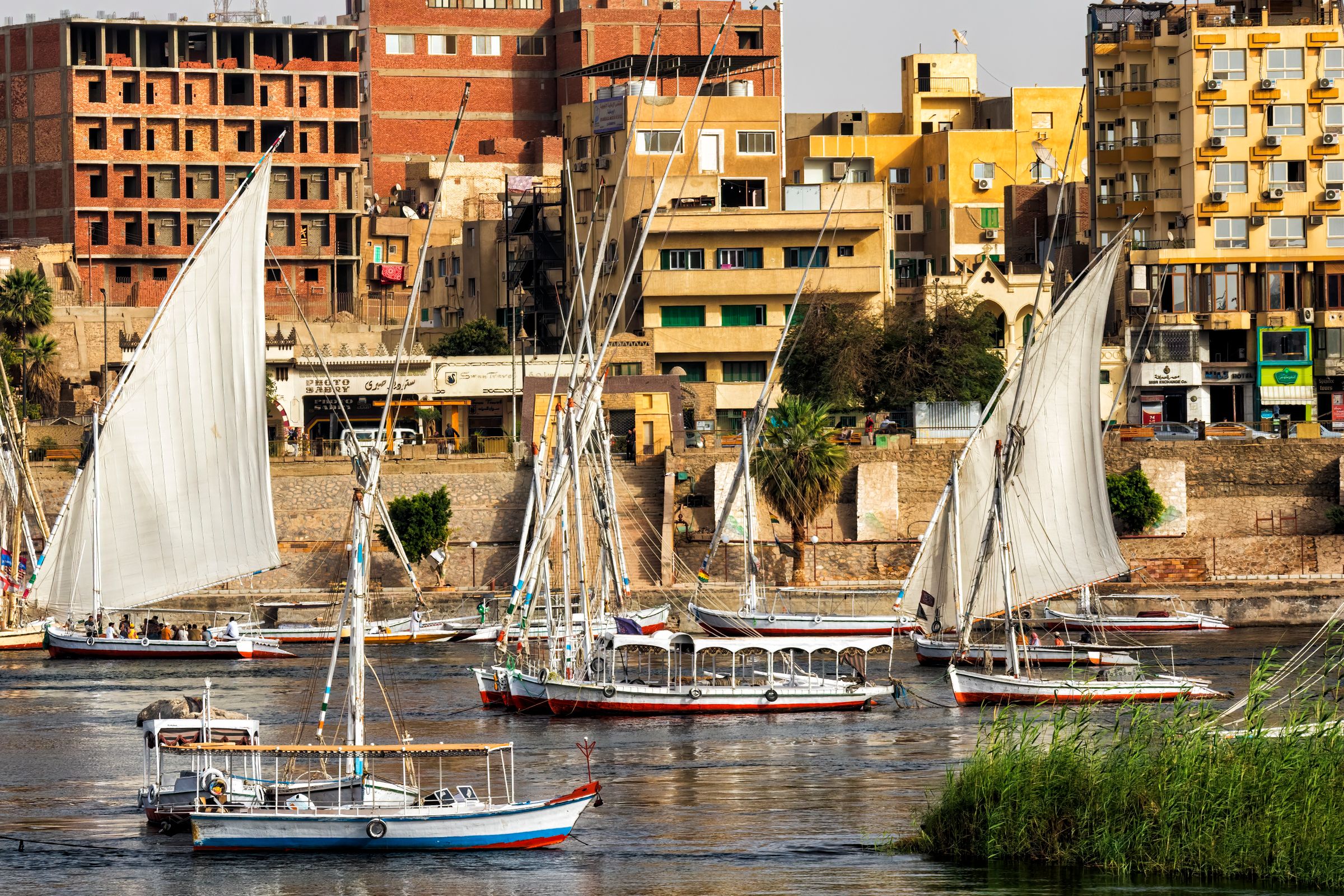
Take the public ferry from the corniche to the Nubian villages on Elephantine, then sail a felucca between the granite islets of the First Cataract. Philae is a short drive and a motorboat ride south of town, and Abu Simbel a long day trip.
Read the Aswan guideExplore the rest of Aswan
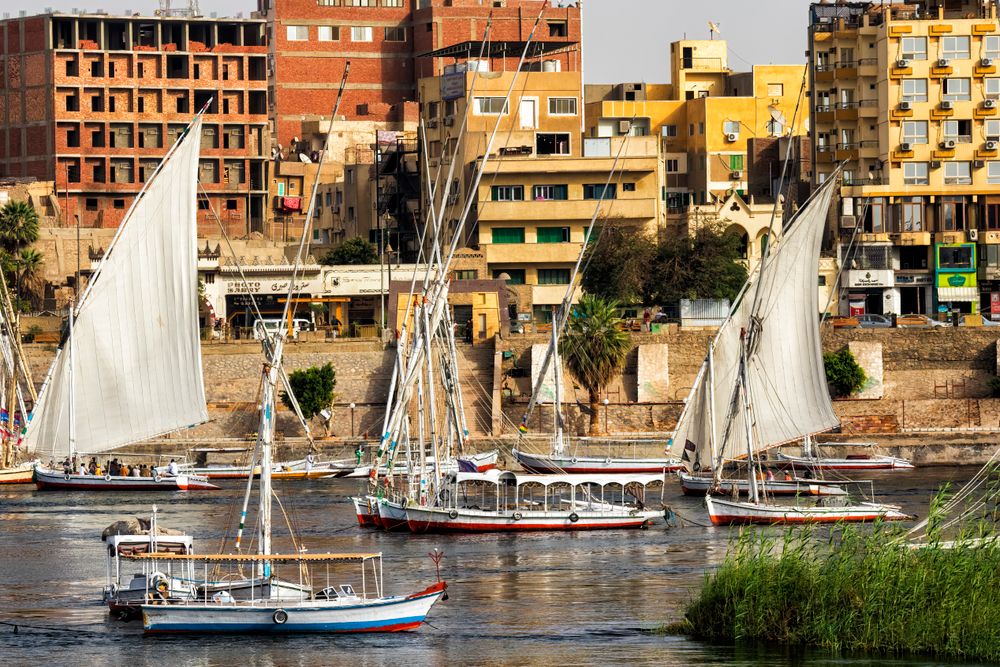
Egypt's southern frontier town sits where the Nile breaks through a belt of granite, scattering islands and boulders across the river, and…
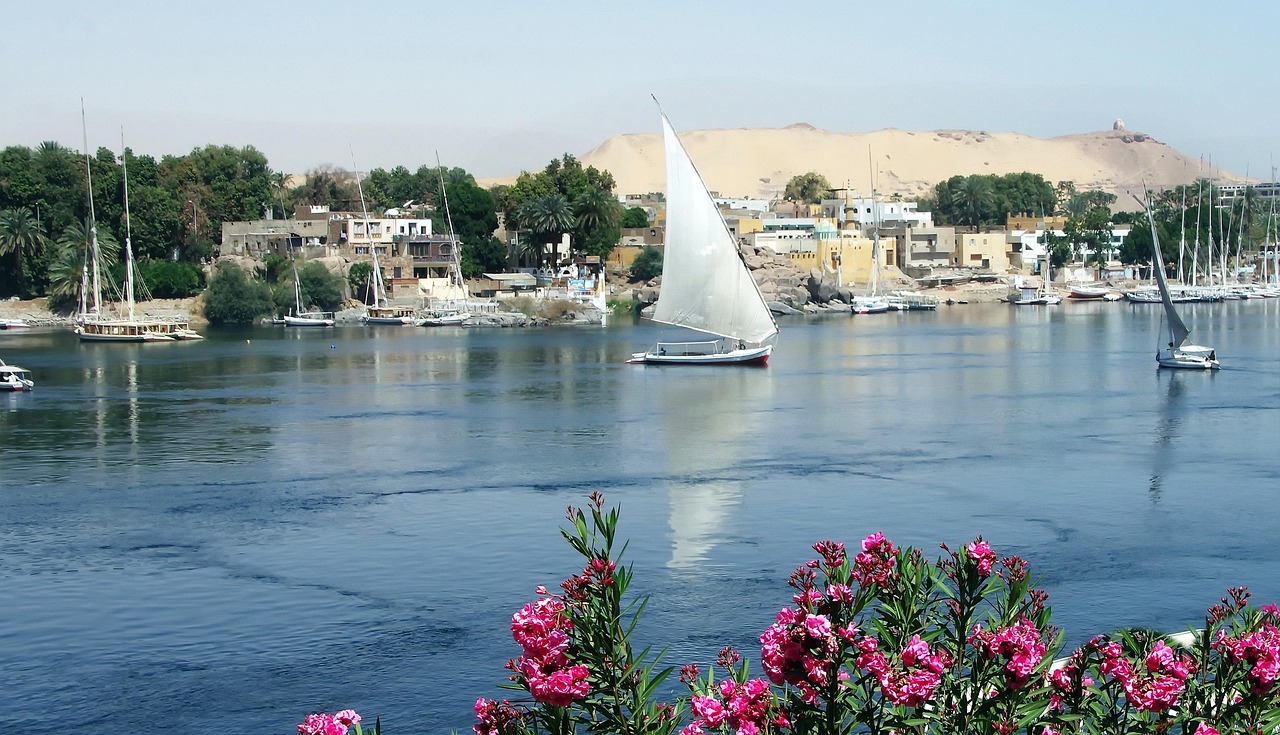
The island facing the town centre, and the original settlement: a garrison and ivory market on the border with Nubia. At its southern tip…
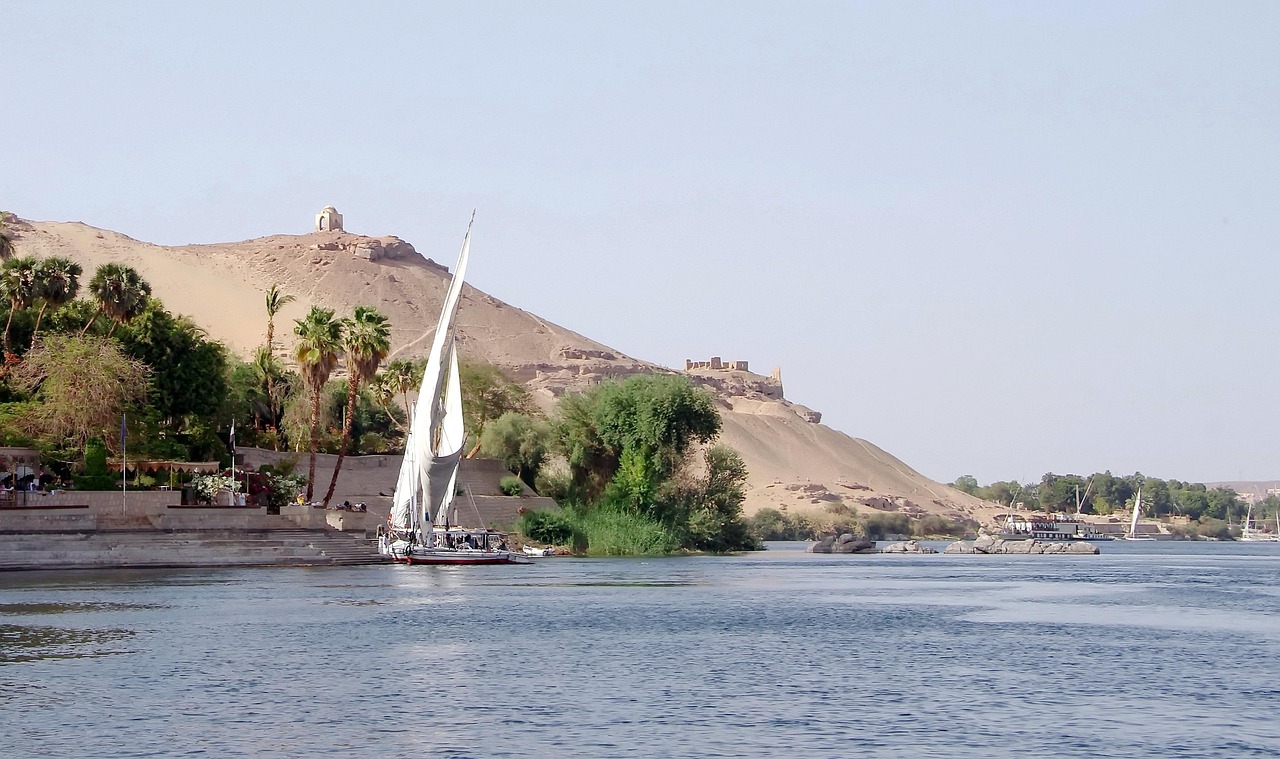
A small oval island tucked behind Elephantine, barely visible from the city. Lord Kitchener was given it while Consul-General between 1911…
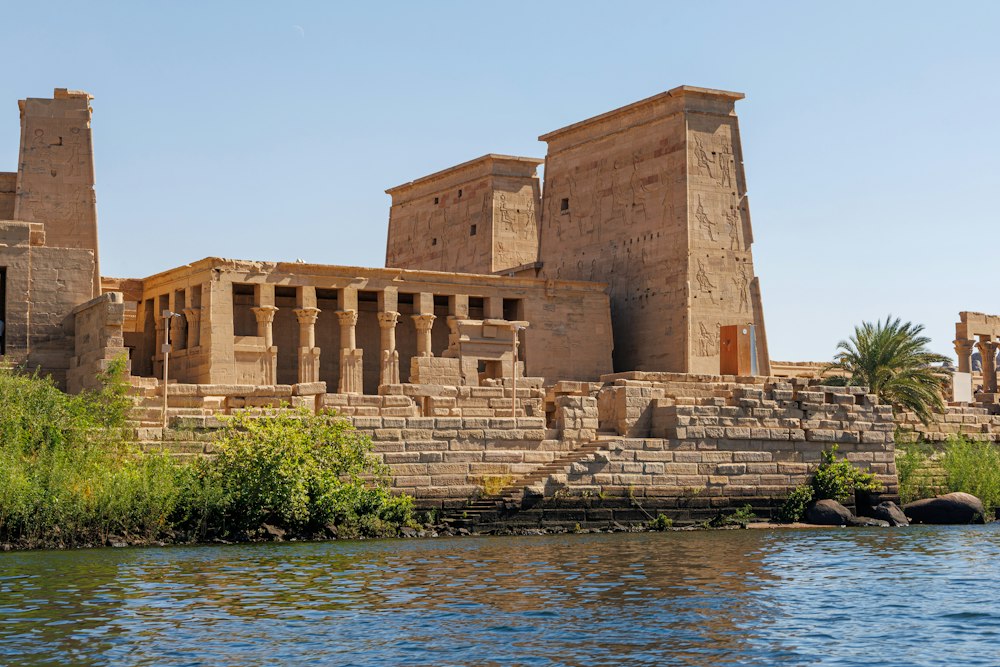
The temple of Isis, the last in Egypt where the old religion was practised, with the latest known hieroglyphic inscription, carved in 394.…
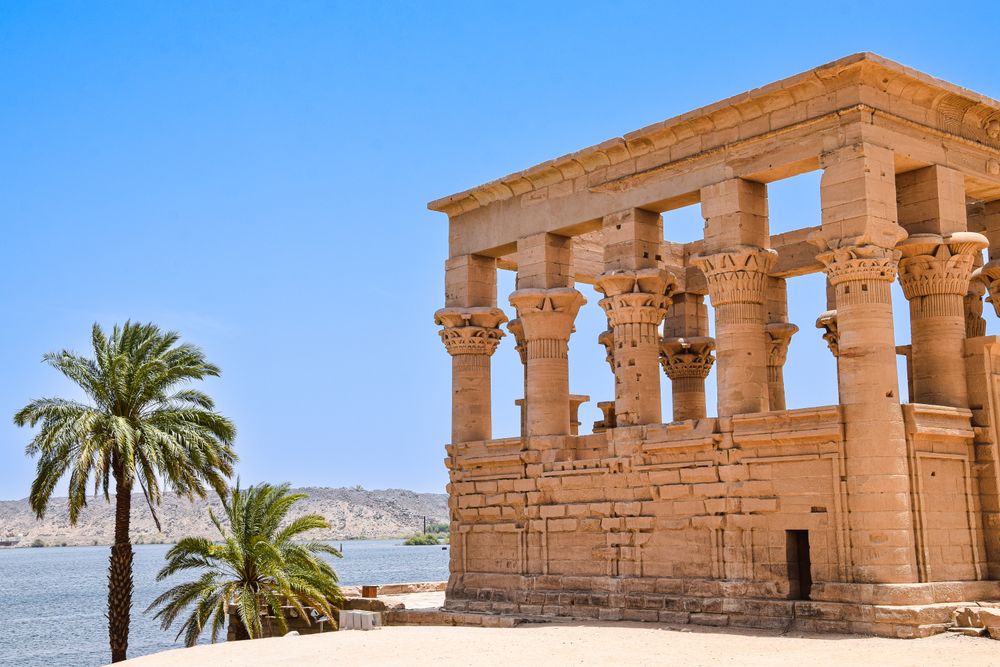
Fourteen columns with composite capitals stand open to the sky on the eastern shore of Agilkia, beside the Philae temples. The kiosk once…
Opened in 1997 as a record of the land and culture lost under Lake Nasser, when tens of thousands of Nubians were resettled and their…
On the hillside of the Nubian village of Gharb Soheil, across the Nile from Aswan on the west bank, Kato Dool looks over the river from its…
Built under Augustus for the Nubian sun god Mandulis, this sandstone temple stood about fifty kilometres upriver until a West German team…




Save Unfinished Obelisk to your Egypt trip in the Meridian Dispatch app and build the day around it, with the best of Aswan pinned on one map.
Download on the App StoreLast updated