
Drifting past Elephantine by felucca brings you to an island planted from end to end as a garden. After days of temples, you walk in the shade of palms, ebony and mahogany.
Garden, Aswan. Meridian Dispatch.
As of November 2026, the garden opens daily, by 08:00 at the latest. The ticket office closes at about 17:00 in winter and 18:00 in summer. Confirm the times locally, and be on the island before then.
It is ticketed. Payment is taken on landing at the north side of the island, which has the main gate of three, and foreign visitors may pay a different rate from Egyptians.
Most visits last one to two hours on the island, and photographers or birdwatchers often stay longer. Allow extra for the boat ride each way.
October to April, when cooler weather brings most of the flowers out. In summer Aswan regularly passes 40°C, which makes the middle of the day uncomfortable even with the trees.
The walking is easy, as most paths are flat and shaded, though some are bare earth. Stepping into the boat and crossing the uneven dock can be difficult for wheelchair users.
Drinking water, a hat and other sun protection, because parts of the riverbank are exposed. Comfortable shoes suit the mix of surfaces, and insect repellent is useful near the water late in the day.
The whole island is the Aswan Botanical Garden. Lord Kitchener, who once owned it, filled it with plants brought from India, the Far East and parts of Africa.
It is a small oval of river silt, about 115 metres wide. Walks surfaced in pink Aswan granite run between the beds, and the main one is an avenue of pale-trunked royal palms.
The collection holds about 380 species. Among the timber trees are ebony, African mahogany, camphor and sandalwood. The fruit trees include papaya and jackfruit, and the palms range from date and coconut to doum and sabal.
Look for the plant known here as the shy tree. Touch it and its leaves fold up and shrink, then open again once you step away.
Crossing from the Aswan corniche takes about 10 minutes by motorboat, or 20 to 25 by felucca, depending on the wind. Hire either on the corniche, and settle the fare and the waiting time before boarding.
You can also cross from Elephantine. Take the northernmost ferry there, walk through the village to the western shore, and ask a local where the boats are moored for a ride across. Agree on the return trip too.
Ask your captain to land you at the north entrance, the main one, and to wait at the south end.
Once ashore, walk down the palm avenue, turning off along the side paths between the beds. Finish on the southern shore, where the Aga Khan's tomb stands on the hill across the river, and meet your boat.
Avoid Friday if you want quiet, because families come then to picnic and play music. Sandalwood scents the air just before sunset.
Read the plaques on the palms, which give each one's origin. If you like birds, bring binoculars in winter, when migrants from Europe join the resident African species, and look for them away from the main avenue, at the quieter edges of the island.
There are toilets and benches on the island, but do not count on a full meal.
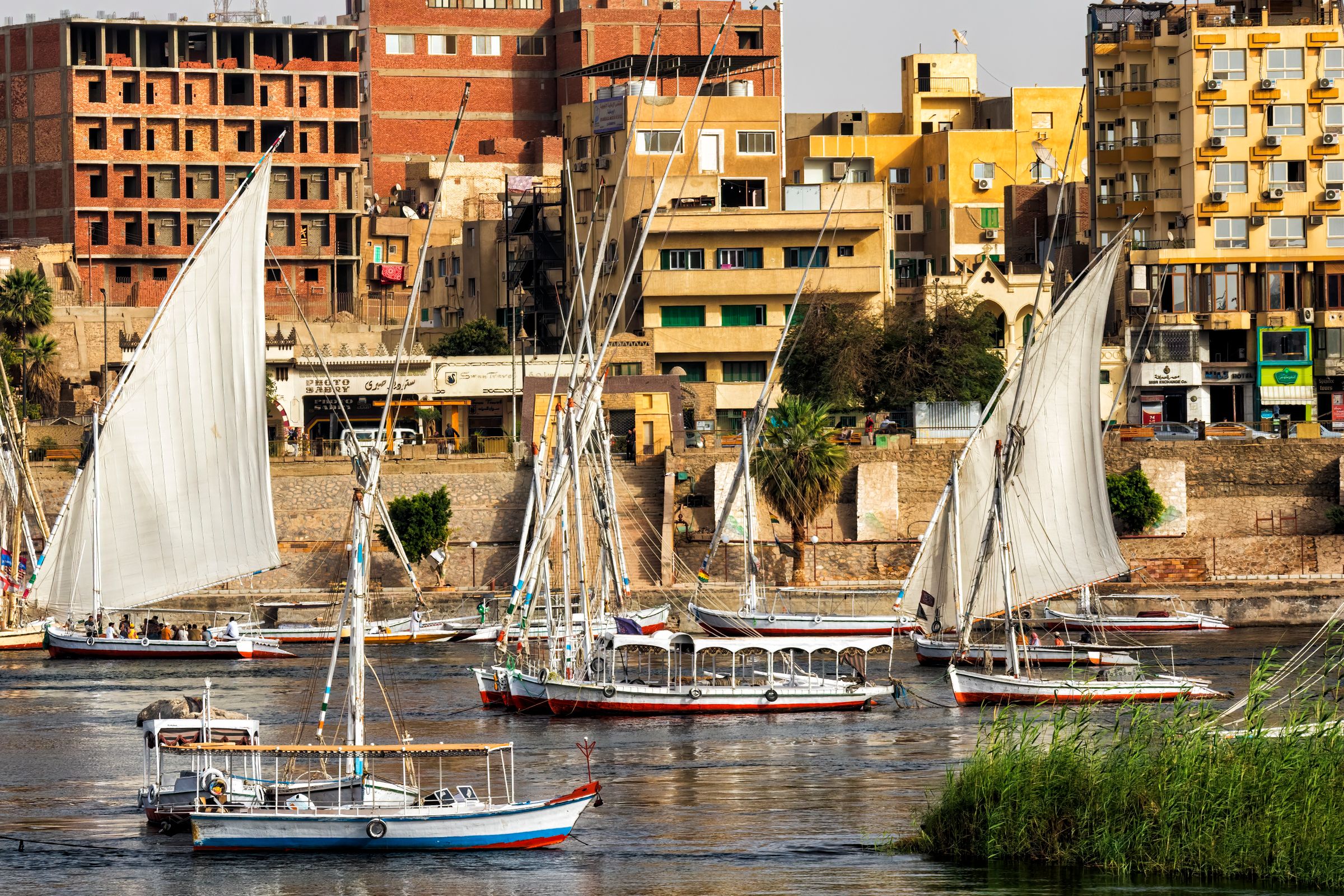
Take the public ferry from the corniche to the Nubian villages on Elephantine, then sail a felucca between the granite islets of the First Cataract. Philae is a short drive and a motorboat ride south of town, and Abu Simbel a long day trip.
Read the Aswan guideExplore the rest of Aswan
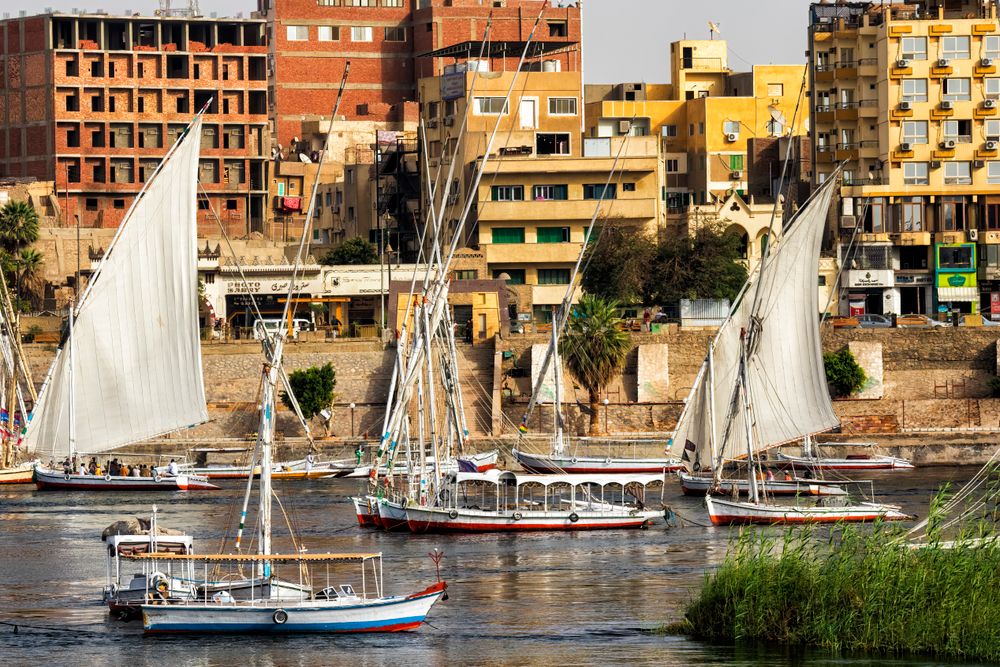
Egypt's southern frontier town sits where the Nile breaks through a belt of granite, scattering islands and boulders across the river, and…
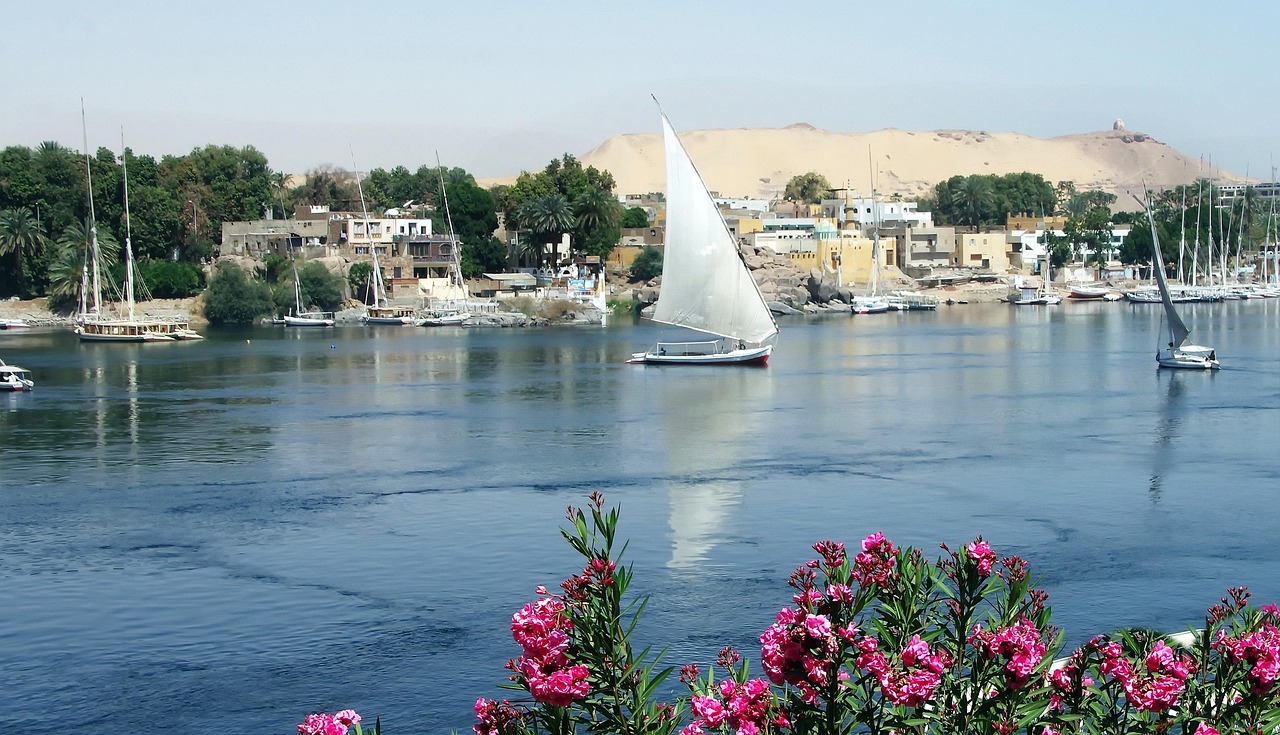
The island facing the town centre, and the original settlement: a garrison and ivory market on the border with Nubia. At its southern tip…
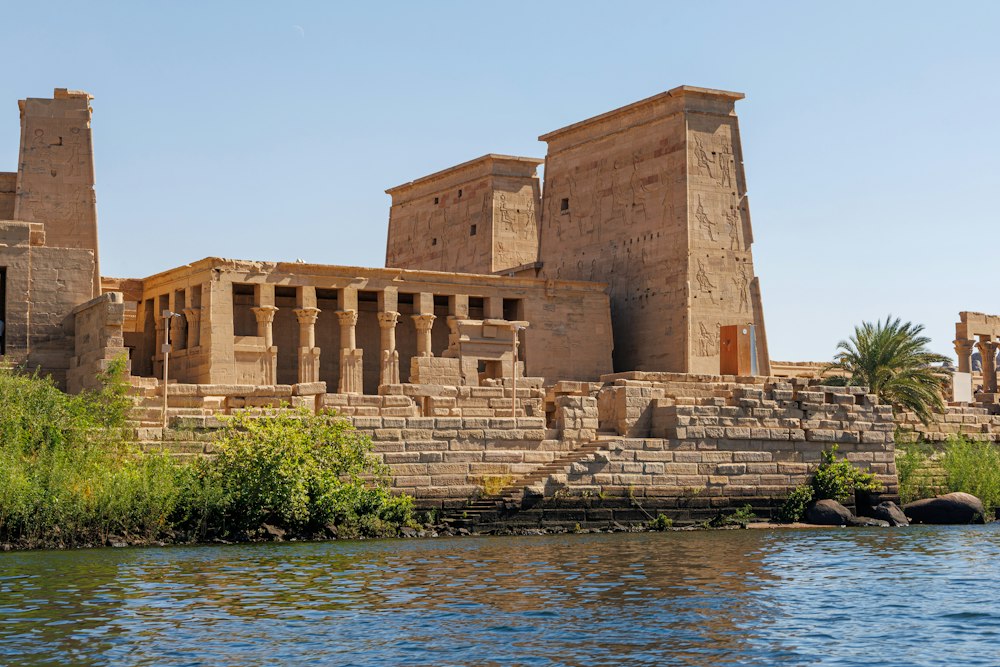
The temple of Isis, the last in Egypt where the old religion was practised, with the latest known hieroglyphic inscription, carved in 394.…
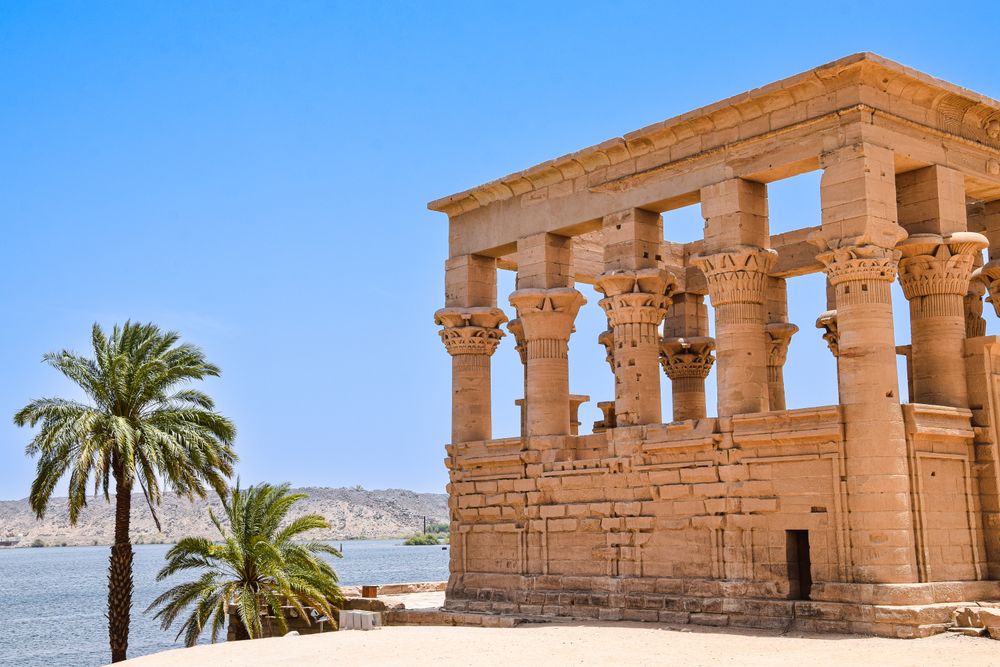
Fourteen columns with composite capitals stand open to the sky on the eastern shore of Agilkia, beside the Philae temples. The kiosk once…
Opened in 1997 as a record of the land and culture lost under Lake Nasser, when tens of thousands of Nubians were resettled and their…
Still lying in the granite quarry where it was abandoned, this would have been the largest obelisk ever raised: forty-two metres long and…
On the hillside of the Nubian village of Gharb Soheil, across the Nile from Aswan on the west bank, Kato Dool looks over the river from its…
Built under Augustus for the Nubian sun god Mandulis, this sandstone temple stood about fifty kilometres upriver until a West German team…




Save Kitchener's Island to your Egypt trip in the Meridian Dispatch app and build the day around it, with the best of Aswan pinned on one map.
Download on the App StoreLast updated