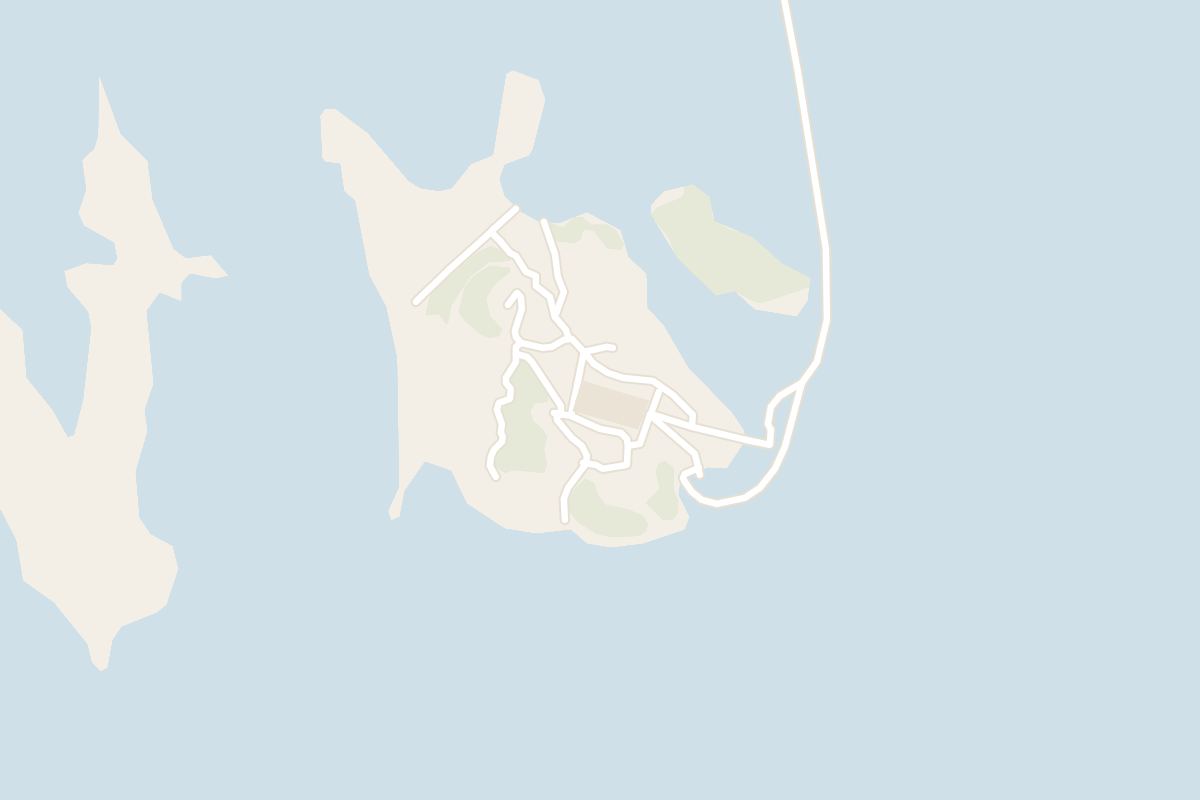
On a promontory in Lake Nasser, you walk through the largest free-standing temple of Lower Nubia, then on to two smaller monuments. Roman emperors are carved here as pharaohs.
Temple, Aswan. Meridian Dispatch.
As of November 2026, it opens daily from 07:00 to 16:00, and the last visitors are admitted at 15:00. The official ticket site lists the same times for summer, winter and Ramadan.
By motorboat from the Aswan High Dam area, a crossing of about 15 minutes. The hire is negotiated separately from the temple ticket. Some Lake Nasser cruises also call here.
Ticketed. Children under six enter free, and students up to the age of 24 pay a reduced rate with a valid ID. Tickets are sold on the official monuments ticket site.
Two to three hours covers the temple, Beit el-Wali and the Kiosk of Qertassi. With the journey from Aswan and back, it is a half-day trip.
October to April is the more comfortable season for outdoor sightseeing here. Daytime temperatures in Aswan are then typically 24 to 35°C, while summer days can go above 40°C.
Only in part. The approaches are paved and the courtyard is compacted sand and stone, but the inner temple has stone steps and uneven thresholds.
The temple was built for Mandulis, a Nubian god, during the reign of Augustus. Crosses cut in the walls date from its use as a church.
Look at the columns first. They are slender and widely spaced, a sign of Greek and Roman influence.
There are inscriptions in Greek and in Meroitic, the written language of the Kingdom of Kush. One long text bans pigs from the temple. Another records a victory by the Nubian king Silko, with a picture of him on horseback dressed as a Roman soldier.
All of it was taken apart and moved here in 1962 and 1963, before the lake rose over its first site, about 50 km south of Aswan.
Two smaller monuments were brought to the same ground. Beit el-Wali is a chapel of Ramesses II cut into rock, and much original colour remains in its inner part. The Kiosk of Qertassi is open and unfinished, with the head of the goddess Hathor on its columns.
The free-standing part of Ramesses II's temple of Gerf Hussein was rebuilt here as well. Some of its sculptures are close to the main temple.
The crossing starts near the Aswan High Dam, where you arrange a motorboat. Agree a return fare before you board, and how long the boat will wait.
At the temple, pass through the pylon, the monumental gateway, into the open forecourt. The hypostyle hall follows, then two offering halls, and the sanctuary is at the far end.
From the sanctuary chambers a staircase climbs to the roof, with a view over the building.
The other two monuments are on the same ground. In Beit el-Wali, near the middle of its south wall, find Ramesses II charging into battle. See the Kiosk of Qertassi too before you return to the boat.
Wear shoes with a firm sole and bring sun protection, since there is little shade at midday. Phone photographs need no extra ticket.
Boats to Philae leave from a different place, the marina at Shellal. Some Lake Nasser cruises to Abu Simbel stop here, so a cruise passenger may not need to hire a boat.
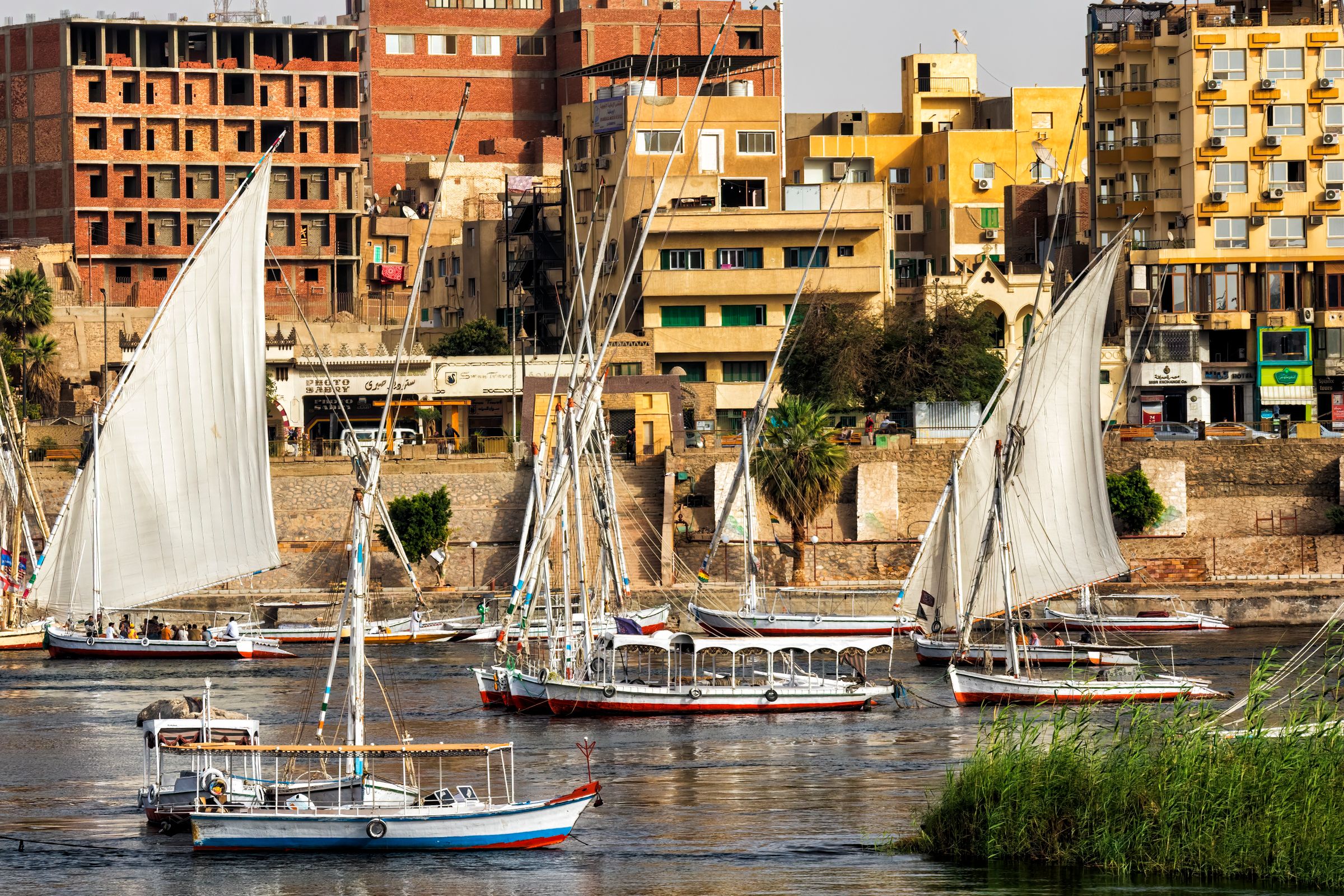
Take the public ferry from the corniche to the Nubian villages on Elephantine, then sail a felucca between the granite islets of the First Cataract. Philae is a short drive and a motorboat ride south of town, and Abu Simbel a long day trip.
Read the Aswan guideExplore the rest of Aswan
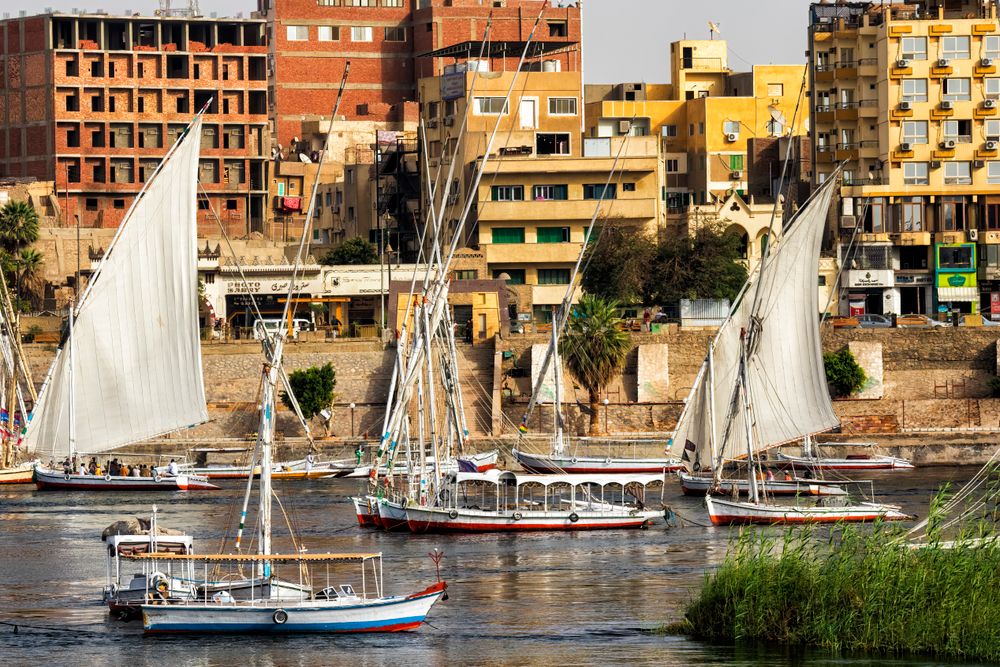
Egypt's southern frontier town sits where the Nile breaks through a belt of granite, scattering islands and boulders across the river, and…
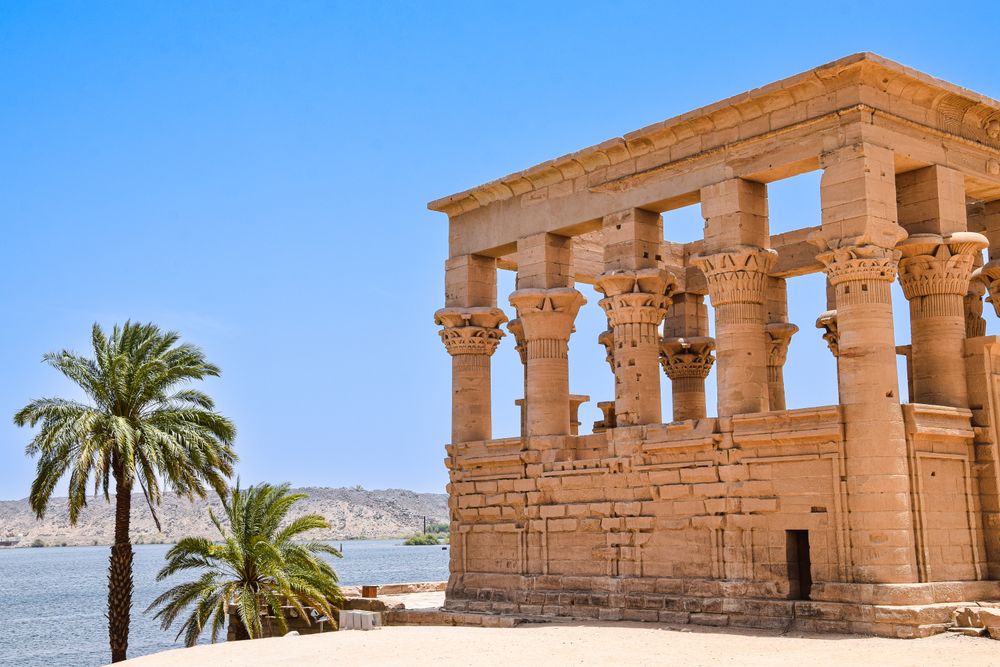
Fourteen columns with composite capitals stand open to the sky on the eastern shore of Agilkia, beside the Philae temples. The kiosk once…
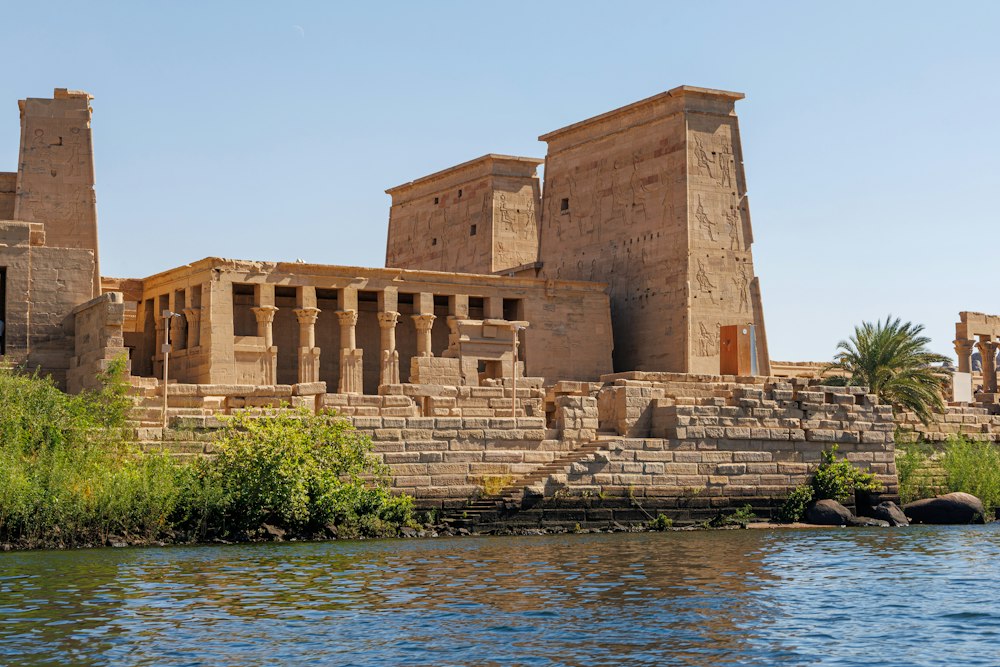
The temple of Isis, the last in Egypt where the old religion was practised, with the latest known hieroglyphic inscription, carved in 394.…
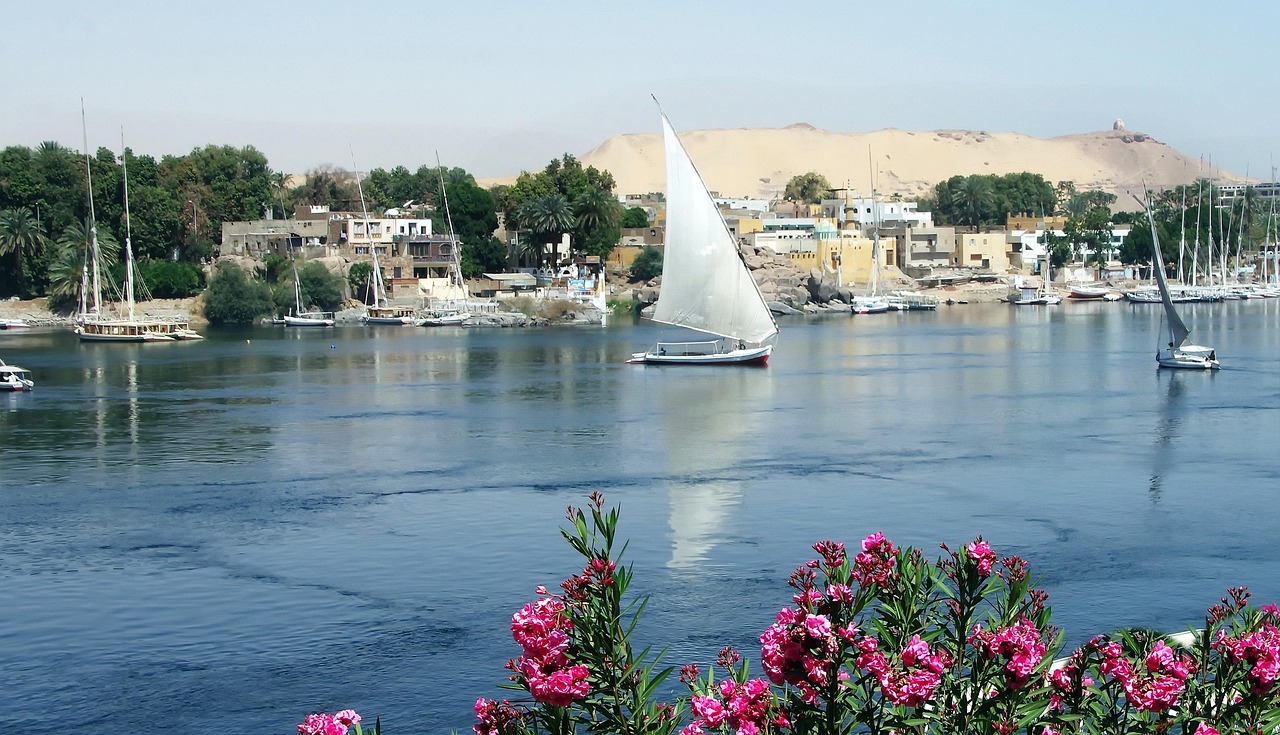
The island facing the town centre, and the original settlement: a garrison and ivory market on the border with Nubia. At its southern tip…
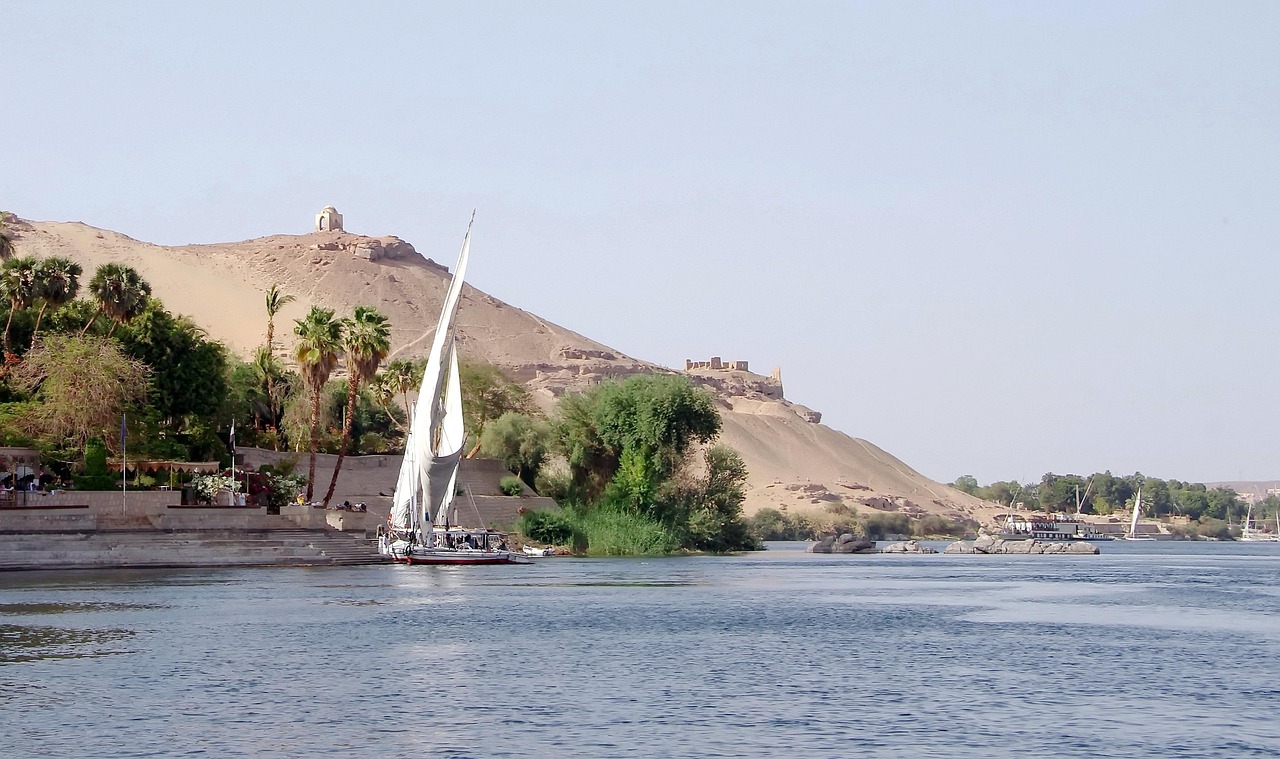
A small oval island tucked behind Elephantine, barely visible from the city. Lord Kitchener was given it while Consul-General between 1911…
On the hillside of the Nubian village of Gharb Soheil, across the Nile from Aswan on the west bank, Kato Dool looks over the river from its…
Still lying in the granite quarry where it was abandoned, this would have been the largest obelisk ever raised: forty-two metres long and…
Opened in 1997 as a record of the land and culture lost under Lake Nasser, when tens of thousands of Nubians were resettled and their…




Save Temple of Kalabsha to your Egypt trip in the Meridian Dispatch app and build the day around it, with the best of Aswan pinned on one map.
Download on the App StoreLast updated