Nubia's old land lies beneath Lake Nasser, and this museum in Aswan shows what was saved from it. You walk from prehistory to the flooding, then see a traditional house rebuilt outside.
Museum, Aswan. Meridian Dispatch.
As of November 2026, the museum opens daily from 09:00 to 17:00, and the ticket window closes at 16:00. On Thursday and Friday it opens again from 18:00 to 21:00, with the window shutting at 20:00. Daytime hours are the same in summer, winter and Ramadan.
It is ticketed, with a reduced rate for students and a separate rate for Egyptian citizens. The current rates are on the Egyptian monuments ticketing site.
Around 90 minutes to two hours is normal. A shorter stop covers the main galleries in date order; the village-life displays and the grounds are what take the extra time.
By taxi or private car from most hotels, or on foot in about half an hour from the city centre. It stands on Sharia Abtal al-Tahrir at the southern edge of town, opposite the Basma Hotel and south of the Old Cataract.
Phone photography is free of charge. Visitors must keep hold of their ticket at all times, and are asked to arrive at least one hour before it closes.
The official site of Nubian Museum is egymonuments.gov.eg.
egymonuments.gov.eg →An eight-metre statue of Ramesses II stands in the centre of the main hall. The oldest pieces include a Stone Age axe, a bone comb with two giraffes carved on its handle and a vessel made from an ostrich egg.
Later cases reach the kings of Kush, who came to rule Egypt as its 25th Dynasty. Look for the statue of King Taharqa and a quartzite figure of a priest with clearly Kushite features.
From later centuries come an oil lamp shaped like a pigeon and a game board with 15 ivory and 15 ebony pieces. Also here are a Byzantine-style fresco from a 10th-century church and a child's tunic from the Fatimid period.
The collection exists because the dam built at Aswan in the 1960s flooded the Nubian valley. One section explains the international campaign that moved Abu Simbel and other temples out of the water's reach.
The building is part of the visit: it stands on a rocky hill and is faced in local sandstone and pink granite, in the style of traditional Nubian buildings. It won the Aga Khan Award for Architecture in 2001.
At the vehicle entrance, buy your ticket from the booths, then go through the entrance hall. Take the stairs after the main door down to the main exhibition hall, which is in the basement.
Work through the cases in order of date, then the section on the temple rescue. Finish indoors with the dioramas, which show weddings, farming, fishing and handicrafts as Nubian villages knew them.
From there, step out into the garden. A terraced patio overlooks the rebuilt house, and a winding water channel represents the Nile. Follow the channel round, find the cave with prehistoric rock drawings, and end at the part of an old cemetery that lies inside the grounds.
Come after the Unfinished Obelisk, which is in the same part of town, or keep the museum for the afternoon that follows a morning at Philae. If you are going on to Abu Simbel, see the section on its rescue first.
Wear comfortable shoes, and leave time at the end for the bookshop.
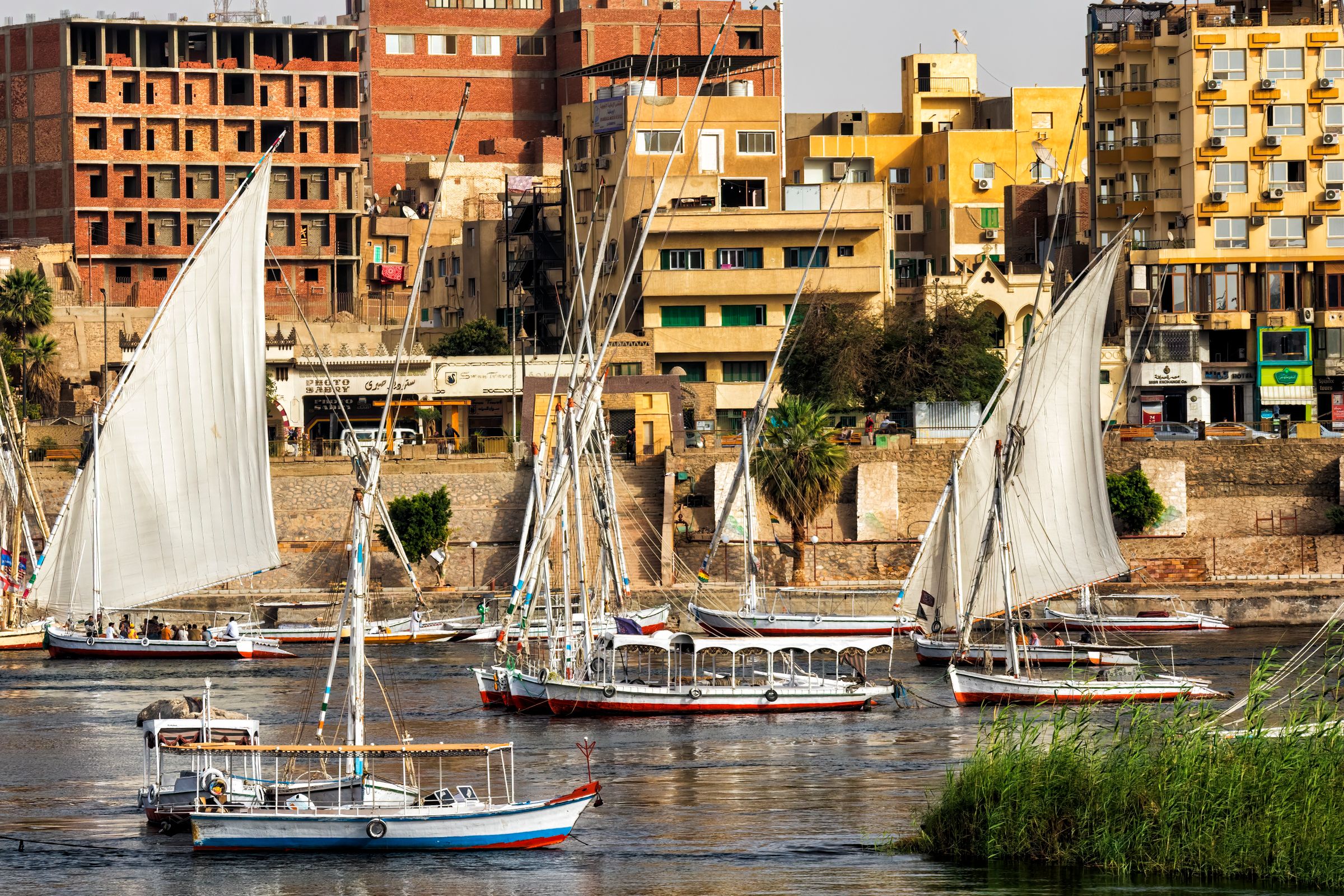
Take the public ferry from the corniche to the Nubian villages on Elephantine, then sail a felucca between the granite islets of the First Cataract. Philae is a short drive and a motorboat ride south of town, and Abu Simbel a long day trip.
Read the Aswan guideExplore the rest of Aswan
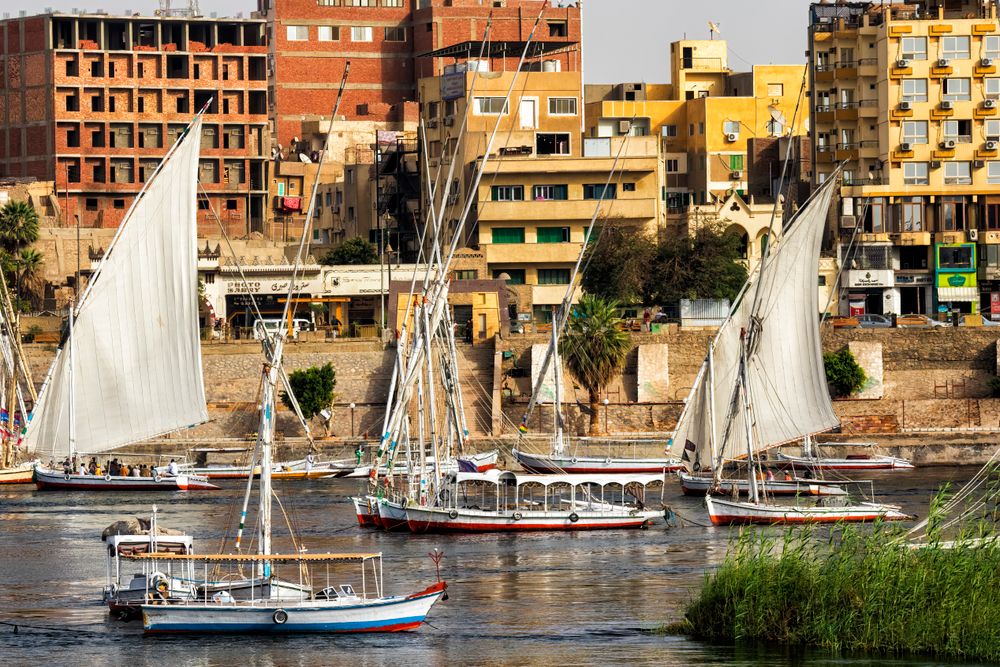
Egypt's southern frontier town sits where the Nile breaks through a belt of granite, scattering islands and boulders across the river, and…
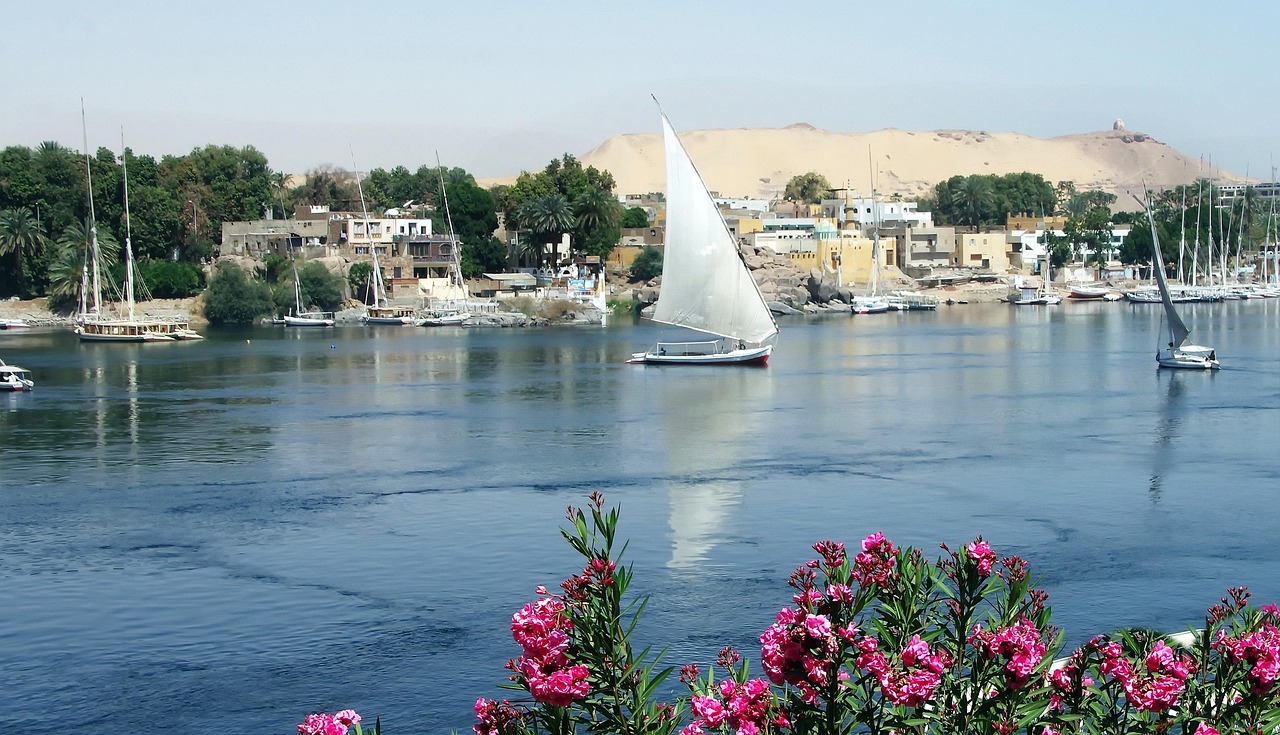
The island facing the town centre, and the original settlement: a garrison and ivory market on the border with Nubia. At its southern tip…
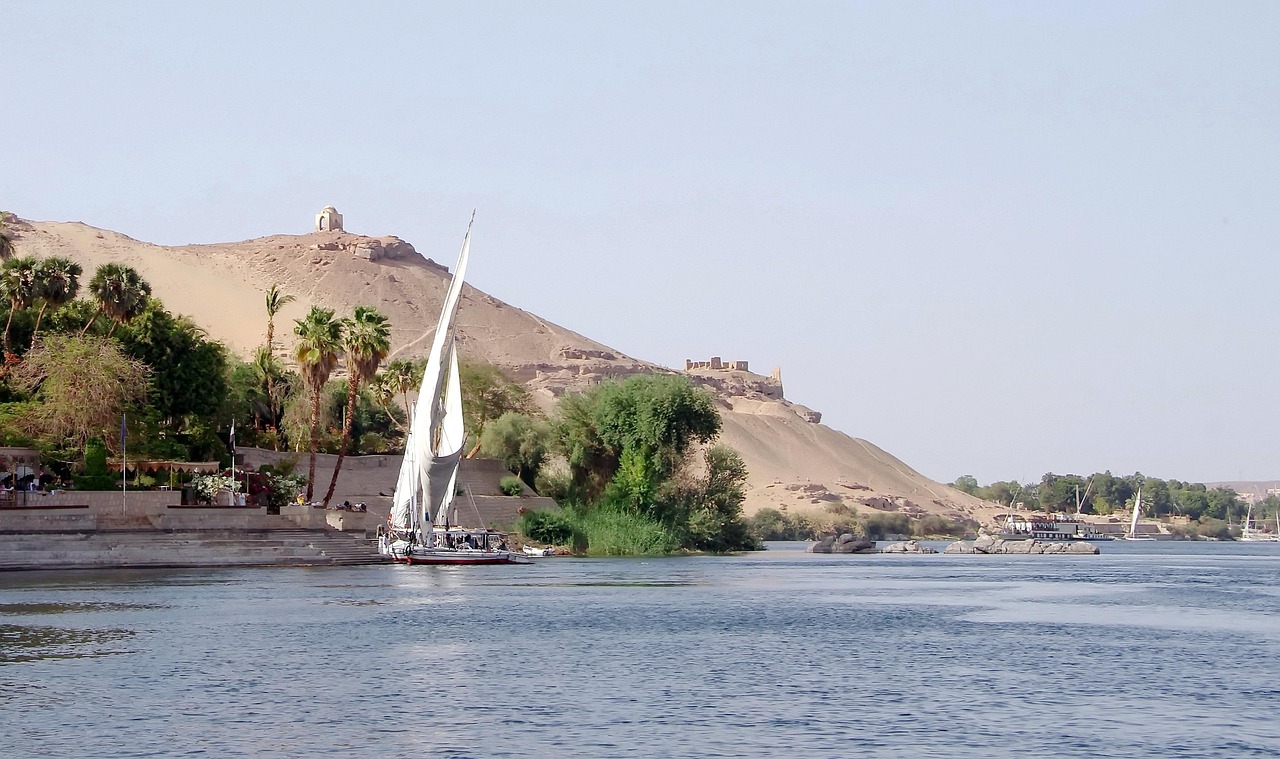
A small oval island tucked behind Elephantine, barely visible from the city. Lord Kitchener was given it while Consul-General between 1911…
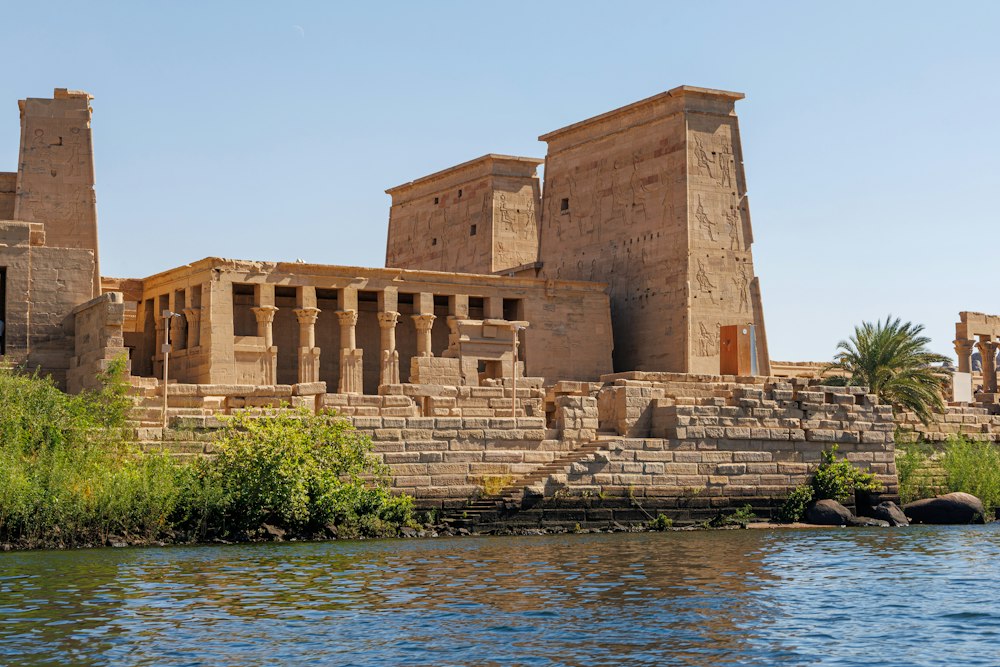
The temple of Isis, the last in Egypt where the old religion was practised, with the latest known hieroglyphic inscription, carved in 394.…
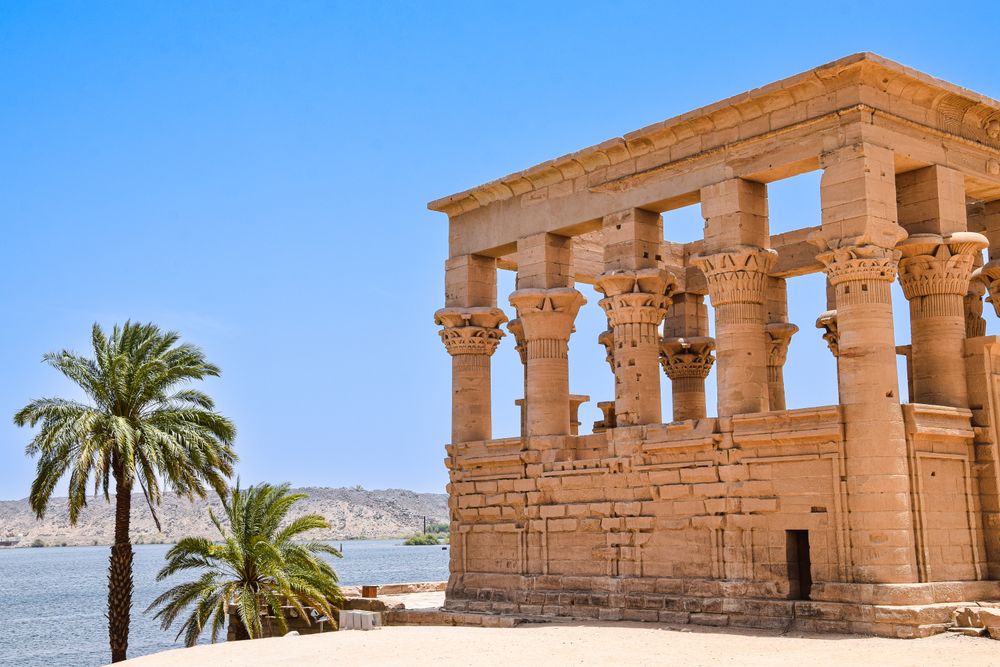
Fourteen columns with composite capitals stand open to the sky on the eastern shore of Agilkia, beside the Philae temples. The kiosk once…
Still lying in the granite quarry where it was abandoned, this would have been the largest obelisk ever raised: forty-two metres long and…
On the hillside of the Nubian village of Gharb Soheil, across the Nile from Aswan on the west bank, Kato Dool looks over the river from its…
Built under Augustus for the Nubian sun god Mandulis, this sandstone temple stood about fifty kilometres upriver until a West German team…




Save Nubian Museum to your Egypt trip in the Meridian Dispatch app and build the day around it, with the best of Aswan pinned on one map.
Download on the App StoreLast updated