
Around 68 houses, home to the craftsmen who made the royal tombs, stood in Deir el-Medina at its peak. Walk between their walls, then go underground into the small painted chambers they made for themselves and their families.
Archaeological Site, Luxor. Meridian Dispatch.
By ferry and taxi, or by car with a driver. The public ferry from the East Bank takes about 10 minutes, and taxis wait at the landing for the short drive; agree the fare for the whole loop first. Cars cross by the Luxor bridge, south of the city.
As of November 2026, the site is open every day from 06:00, with last entry listed as 17:00. The same times are given for winter, summer and Ramadan.
One ticket is for Deir el-Medina itself, and Pashedu's tomb is sold as a separate one. Which of the other tombs the site ticket opens can vary by the day, so ask at the ticket office. Children under six enter free, and students need a valid ID and must be no older than 24. Visa and Mastercard are accepted on all booking channels.
Phone photography is free of charge, but flash is never allowed on painted walls. Ask the guard at each tomb before taking a picture inside. Drones need a permit from the Egyptian Ministry of Defense.
The houses and the temple are above ground and easier to manage. Every tomb means steep, narrow stairs, Pashedu's included, so the part above ground suits visitors who find stairs hard.
The official site of Deir el-Medina is egymonuments.com.
egymonuments.com →What is left of the houses is their lower walls, in stone and mudbrick, packed along both sides of one main lane. A typical home had a main room with a column and a household altar, a kitchen open to the sky with an oven, and a staircase to the roof.
The craftsman Sennedjem was buried close to his house, and his tomb (TT1) was found intact in 1886. The burial chamber is a single room under a painted vault. He and his wife Iyneferti harvest wheat and flax in the Egyptian paradise, and two jackals face each other at the top of the ceiling.
Inherkhau was a foreman of the crew. The walls of his tomb (TT359) show the cat of the sun god Ra killing the serpent Apophis under a sacred tree.
In the chamber of Pashedu (TT3), the owner kneels to drink from a pool beneath a palm.
Above the burials, families put up chapels topped with little mudbrick pyramids. Several have been rebuilt, so you can see what a private tomb looked like from outside.
At the north end is a small Ptolemaic temple of Hathor with fine reliefs. It later became a monastery, and Christian graffiti from that time can be seen on it.
Before you reach the site, buy a ticket online or at the West Bank ticket office near the Colossi of Memnon. At the office, ask which tombs your ticket covers that day.
Start in the village. Walk the main lane from one end to the other, then climb a short way up the western slope, where the whole plan of the houses lies below you.
Go down into the tombs next, one at a time. The stairs are tight and the painted rooms are small, so expect a short queue in the morning.
Finish with the temple at the north end. The great well is nearby: around 5,000 pieces of limestone and broken pot with writing on them were found in it.
See the Valley of the Kings earlier the same day if you can. You then arrive knowing the royal tombs that these craftsmen made.
A workable order for the day is the valley, the Mortuary Temple of Hatshepsut, and then this site.
Wear shoes with grip, and carry water and a hat. The village has no cover from the sun, while the chambers below ground stay cool.
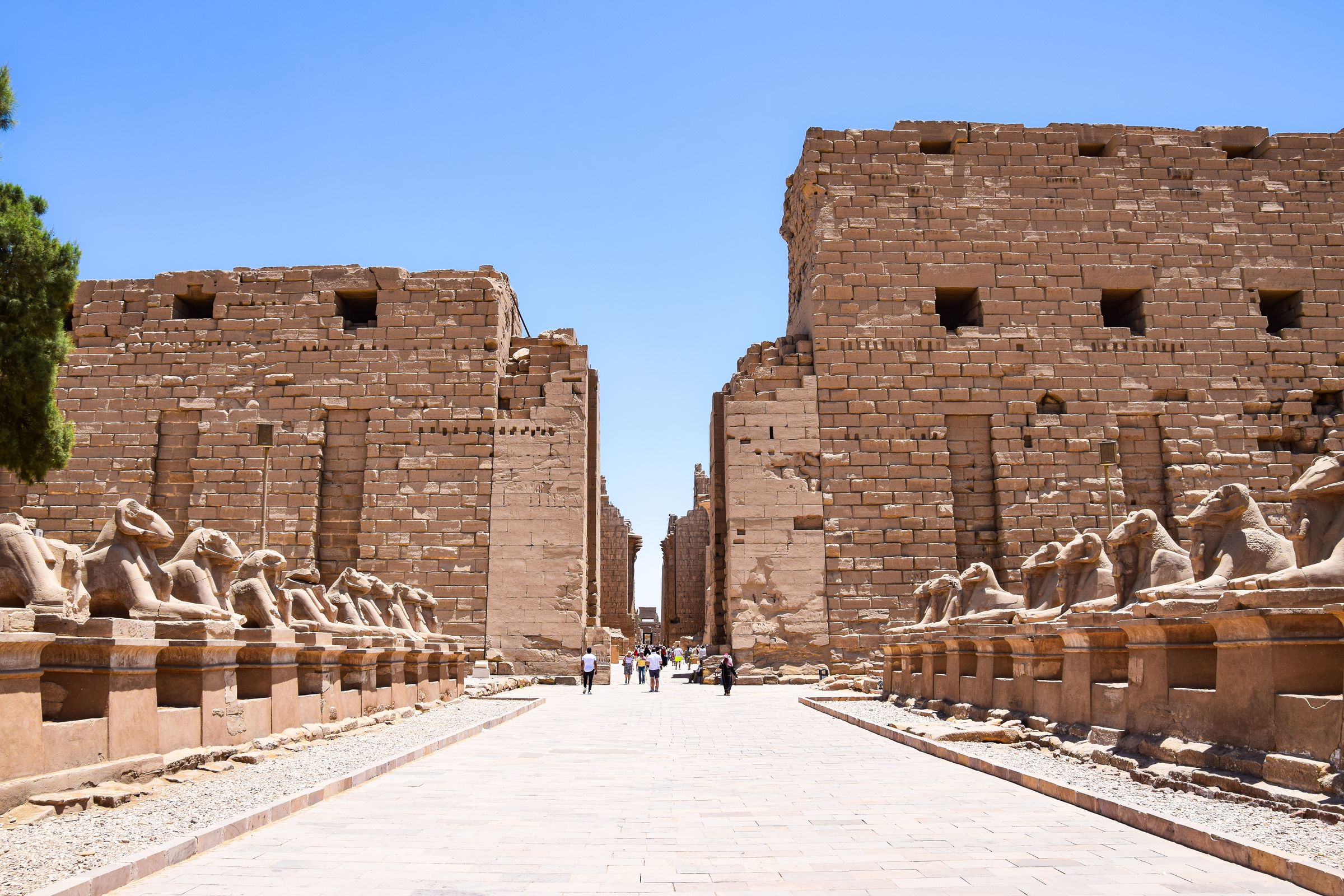
Give Luxor three nights and you can watch Luxor Temple at sunset, sail a felucca on the Nile in the evening and take the morning ferry across to the royal tombs of the West Bank.
Read the Luxor guideExplore the rest of Luxor
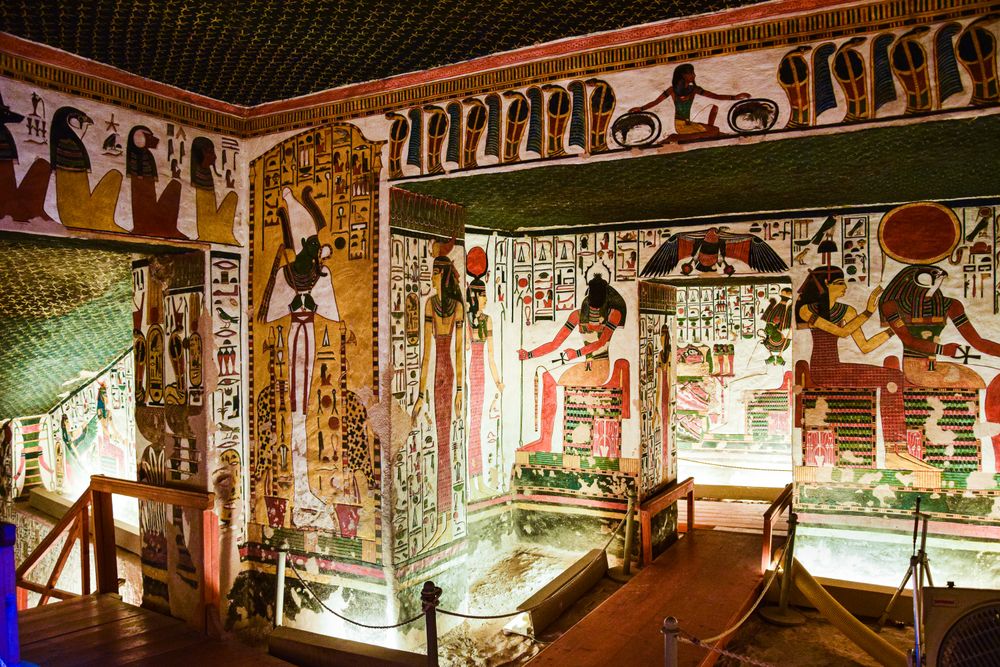
Wives and children of the Ramesside kings were buried in this smaller valley to the south. A few princes' tombs are open on the standard…
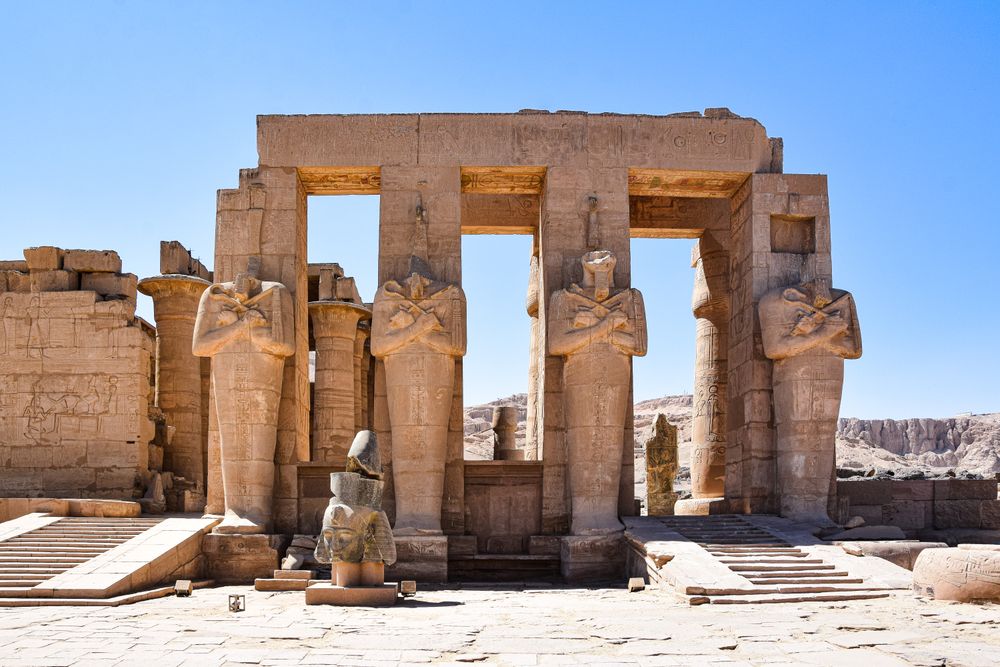
Ramesses II built this memorial temple for his own cult, and a colossus of him now lies in pieces on the ground, the statue behind…
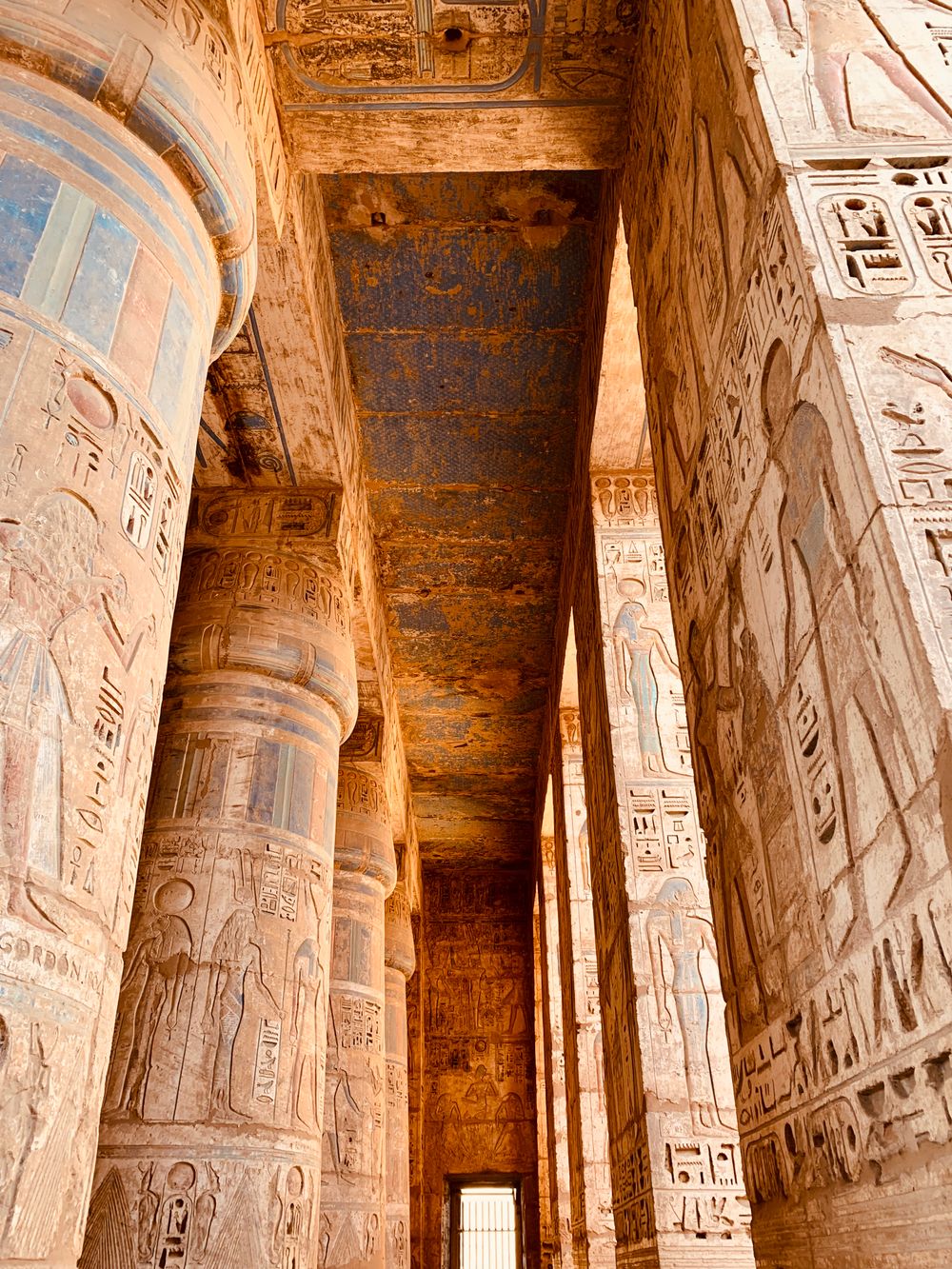
The mortuary temple of Ramesses III, entered through a fortified gate copied from a Syrian citadel. Its reliefs are cut deeper than any…
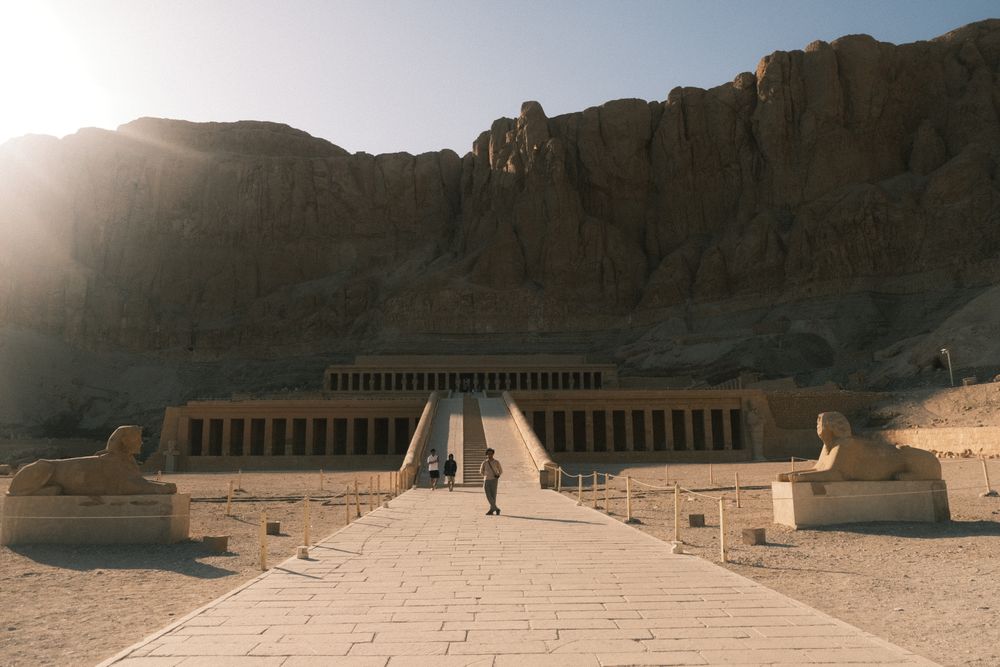
Three colonnaded terraces joined by ramps, set against a sheer amphitheatre of cliffs at Deir el-Bahari and startlingly modern in outline.…
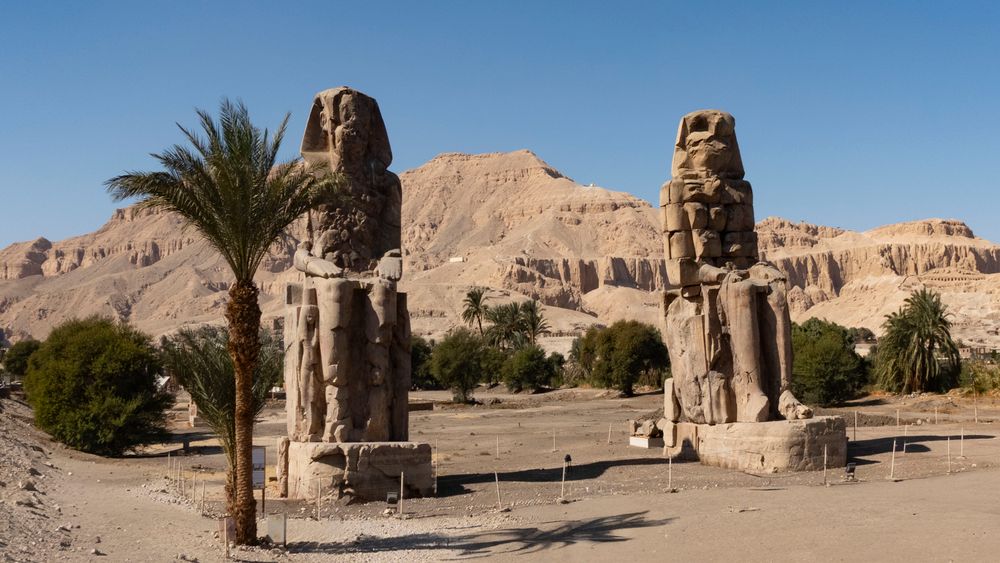
Two seated figures of Amenhotep III, eighteen metres high, facing the sunrise beside the west bank road. They guarded the gate of his…
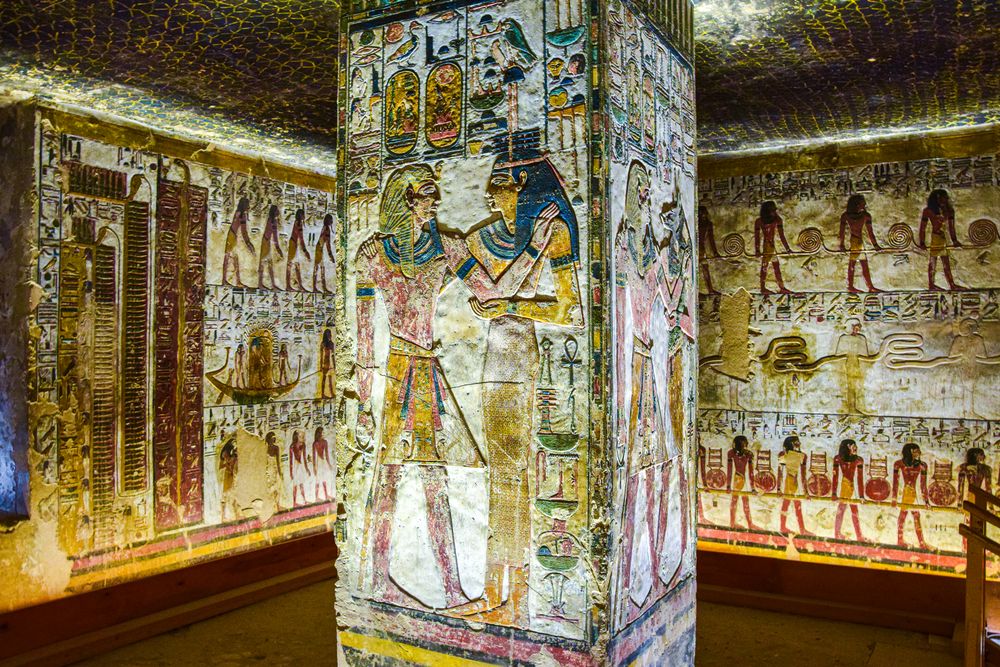
Cut more than a hundred metres into the rock, this is the longest tomb in the Valley of the Kings, and painted reliefs run almost its full…
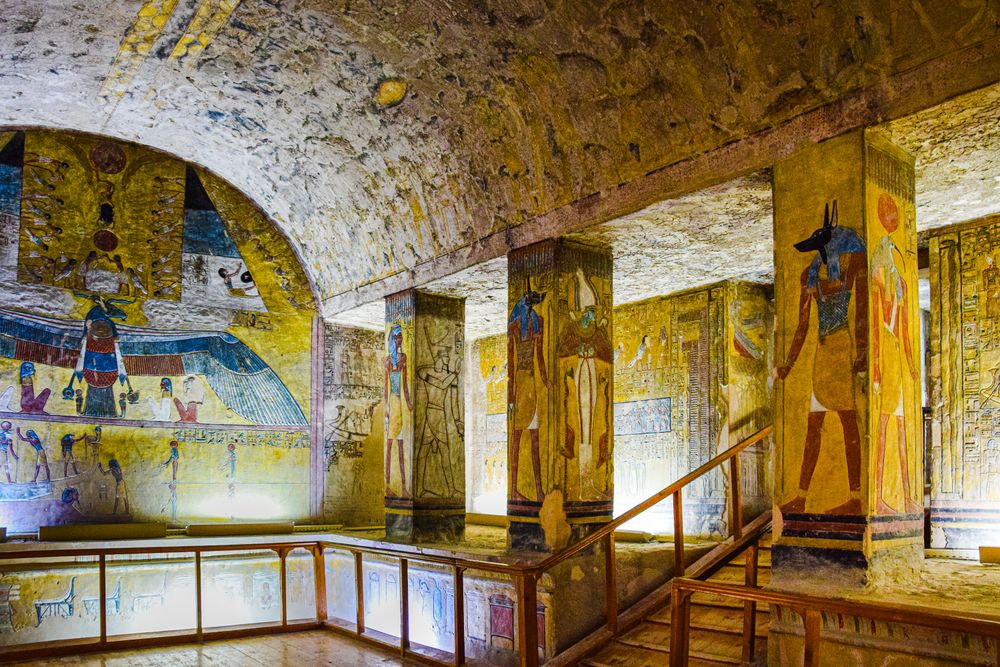
Long painted passages lead down into royal tombs cut under a dry valley. The standard ticket admits three from whichever are open that day;…
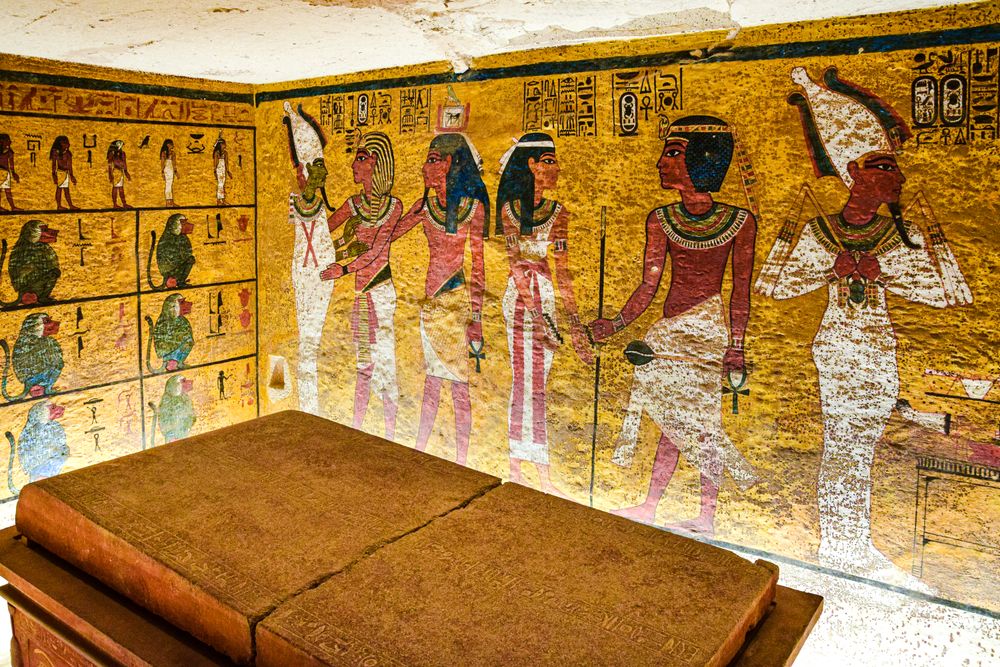
Howard Carter opened this small tomb in 1922, and the treasure it held now fills galleries at the Grand Egyptian Museum near Cairo. What…




Save Deir el-Medina to your Egypt trip in the Meridian Dispatch app and build the day around it, with the best of Luxor pinned on one map.
Download on the App StoreLast updated