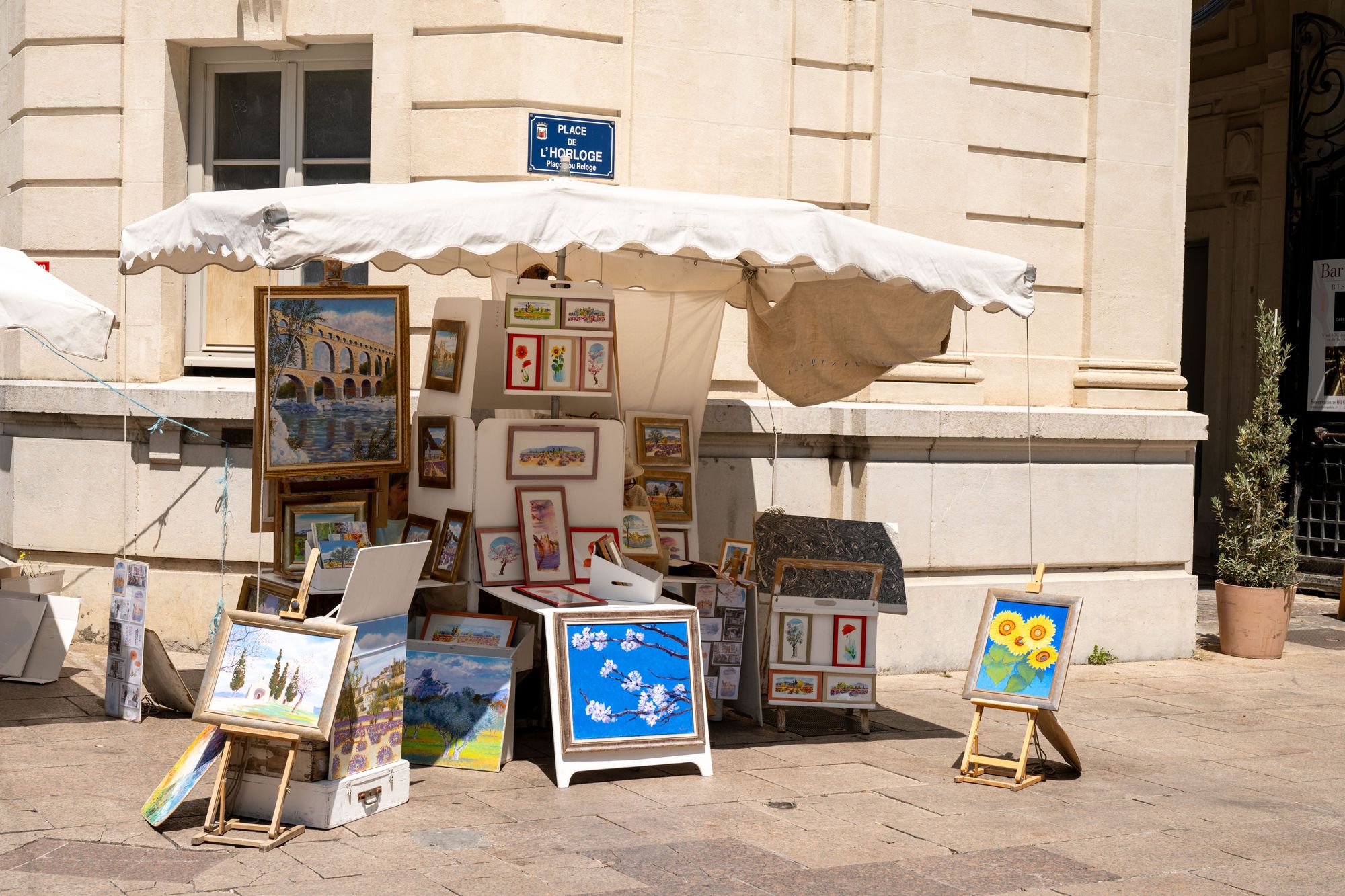
 Submit a photo
Ninety seconds on Place de l'Horloge
The square lies in the historic centre of Avignon, a short way from the Palais des Papes, and is reached on foot. From the railway station the walk takes about ten minutes.
Yes. Place de l'Horloge is a public square with no entry charge, never closed and level underfoot, so it is easy to cross at any hour. Only the opera house, the cafés and the shops around it set their own opening times.
The Belle Epoque carousel at the centre of Place de l'Horloge turns every day of the year, for children and adults alike. Its times vary, so the day's hours are posted at the carousel itself.
The landmark is the town hall's medieval clock tower, where a pair of carved wooden figures has rung out the hours since the clock was installed in 1471. Beside it stands the opera house, its door flanked by statues of Molière and Corneille, and a carousel turns at the centre.
The façades look best in low, golden light, before the café terraces fill. For the busiest square, come in July, when the Avignon festival fills it from morning until late at night.
Half an hour is enough to cross the square and look up at the clock tower. A coffee or a drink on one of the café terraces around the edge turns it into a longer stop.
Half an hour on a terrace here shows you the centre of Avignon in one view: a medieval clock tower where wooden figures strike the bell, a columned town hall, the theatre and a carousel.
Two buildings that do not match make up the town hall: a medieval tower and the classical front built around it centuries later. The tower's overhanging battlements and corner turrets survive from a cardinal's palace. Near the top hangs the clock, fitted in 1471 with two wooden figures that strike the hours, and it gave the square its name.
Below the tower, the town hall's balcony rests on Corinthian columns, and the front is a protected historic monument. Next door stands the theatre, the city's opera house, with statues of Molière and Corneille on either side of its entrance.
In the middle of the square turns the Belle Epoque carousel, whose wooden horses take adults as well as children. Tall plane trees shade the paving, and restaurants with outdoor tables line the edges on every side.
Avignon's main square is open at all hours and free to cross, though the theatre, the shops and the terraces keep their own hours. From the middle, beside the carousel, a slow turn takes in the clock tower, the town hall balcony and the statues at the theatre door. Then choose a terrace and sit down for a coffee or a drink.
In summer, street performers often set up on the paving, and during the festival theatre companies parade across the square to draw audiences to their shows. The square is at its liveliest in the evening, when the terraces suit a drink after a show at the opera, so come back after dark if you want it busy.
For a market stop, pair the square with the Halles d'Avignon on Place Pie, open every morning from Tuesday to Sunday, then come back here for a coffee.
A sunny afternoon is the time for a coffee here, and in spring the new leaves on the plane trees give the terraces welcome shade. If you are choosing a hotel, think twice about a room that looks onto the square, because it stays busy at all hours.
The Cathédrale Notre-Dame-des-Doms d'Avignon stands next to the Palais des Papes, so it fits the same walk.
Explore the rest of Avignon
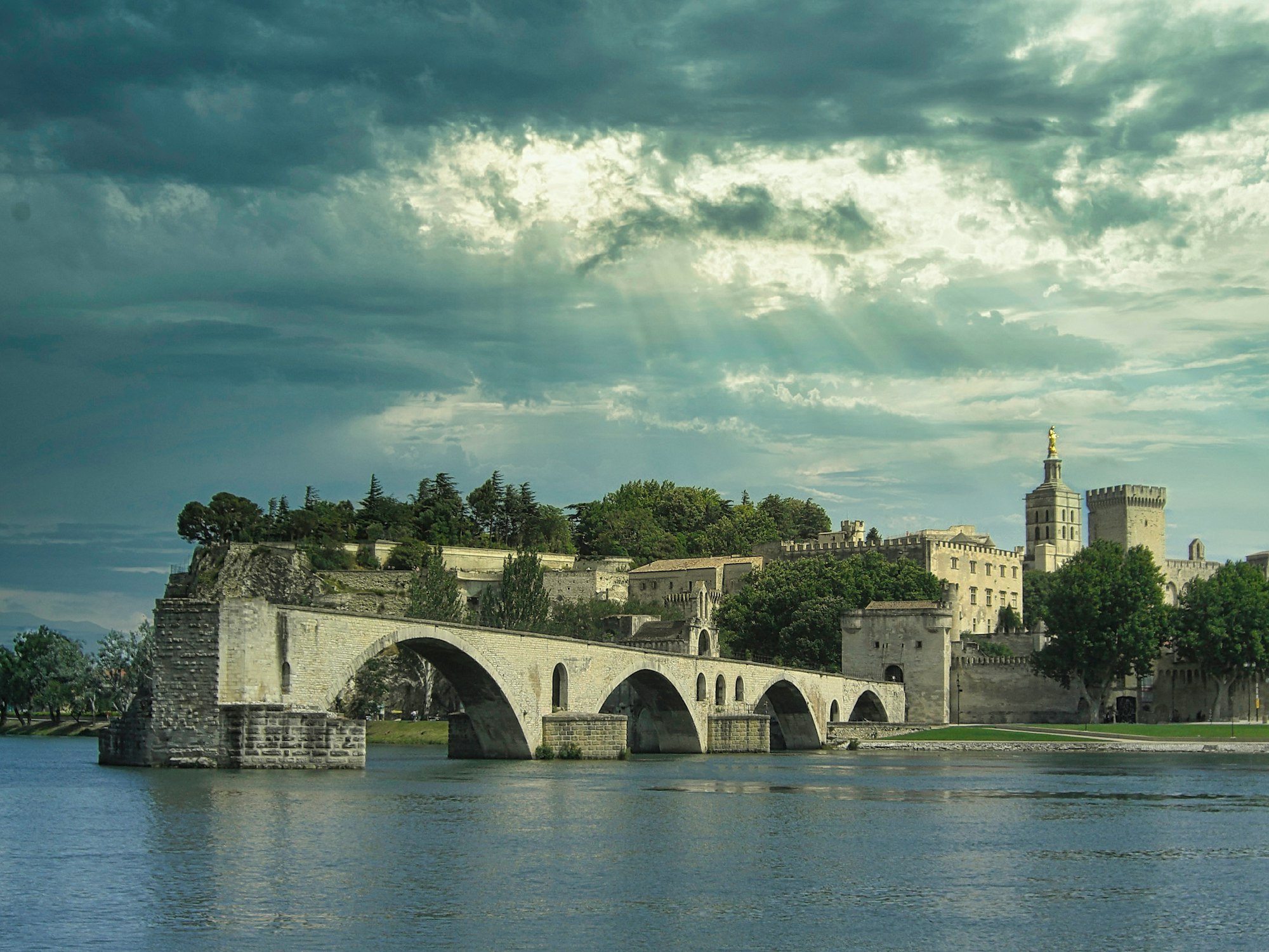
The Palais des Papes, the broken bridge and a garden above the Rhône all sit inside the medieval walls, a short walk apart. It is a town to…
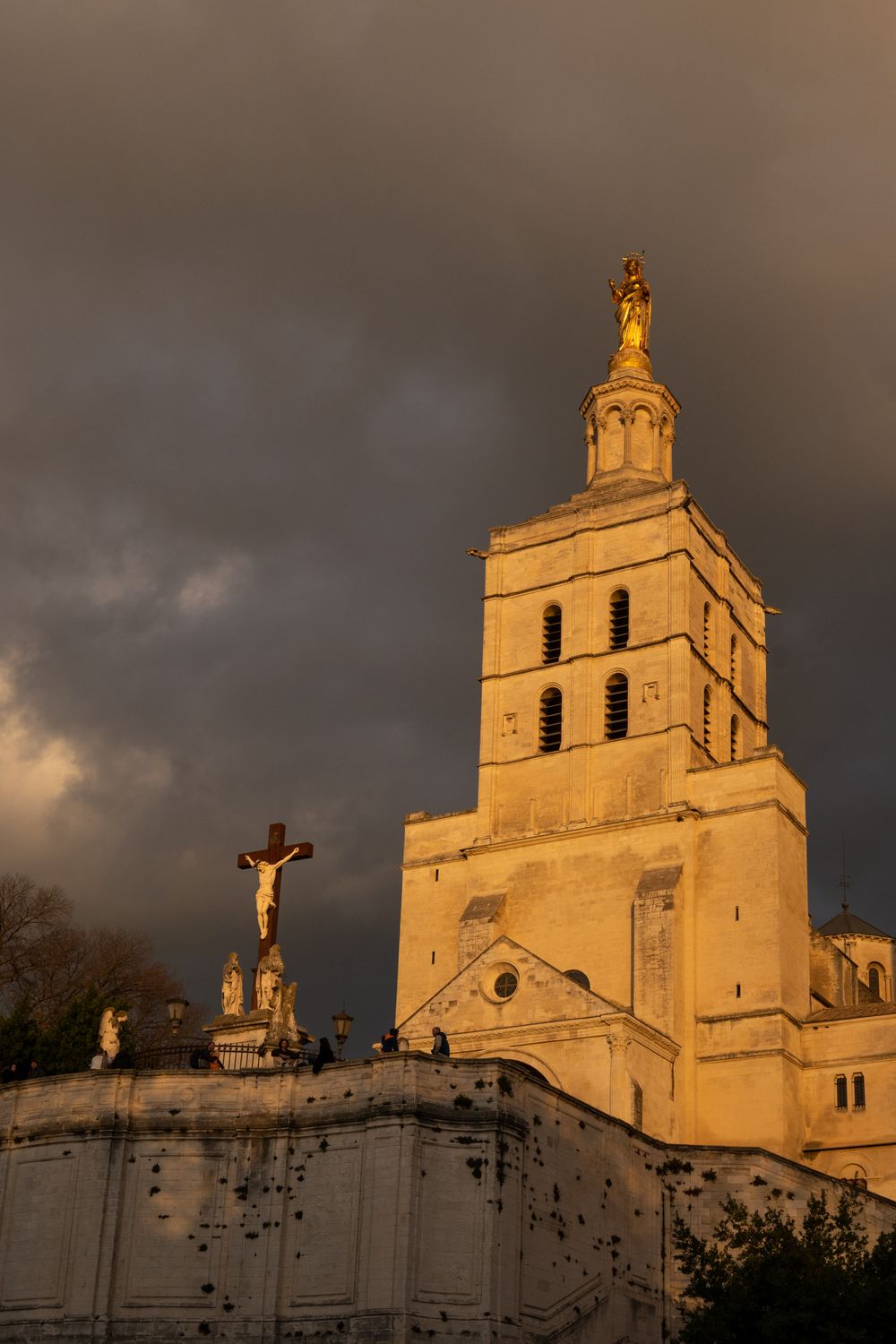
A Romanesque cathedral beside the Palais des Papes, built mostly in the second half of the 12th century, with a gilded Virgin six metres…
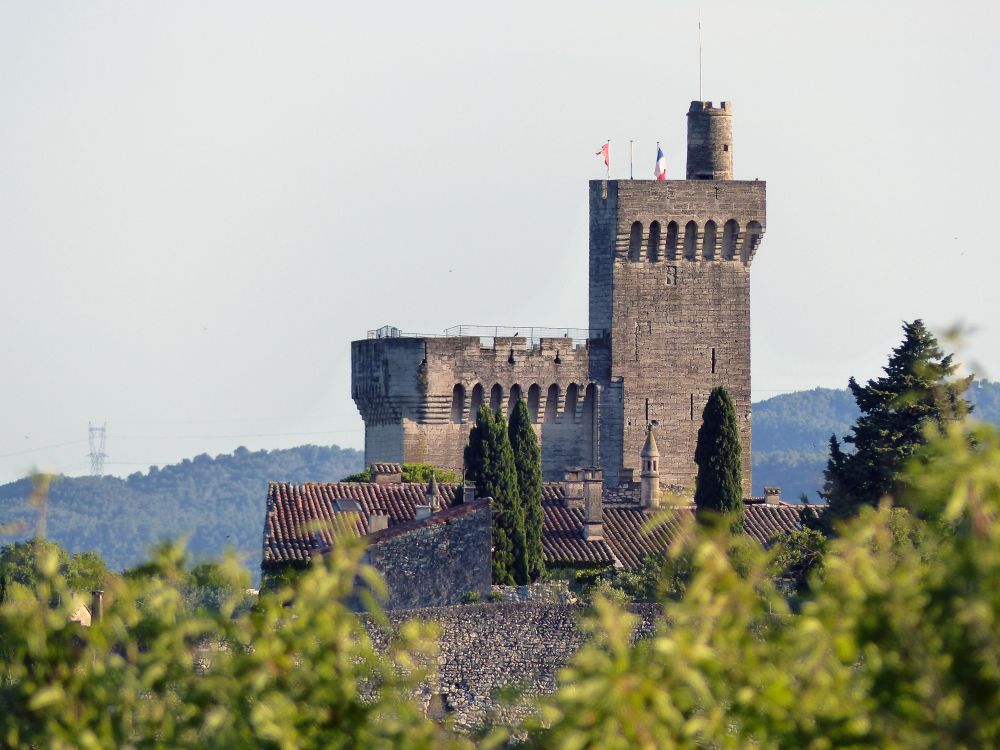
A square tower on the Villeneuve bank, built to guard the far end of the Pont Saint-Bénézet when the bridge still crossed the whole river.…
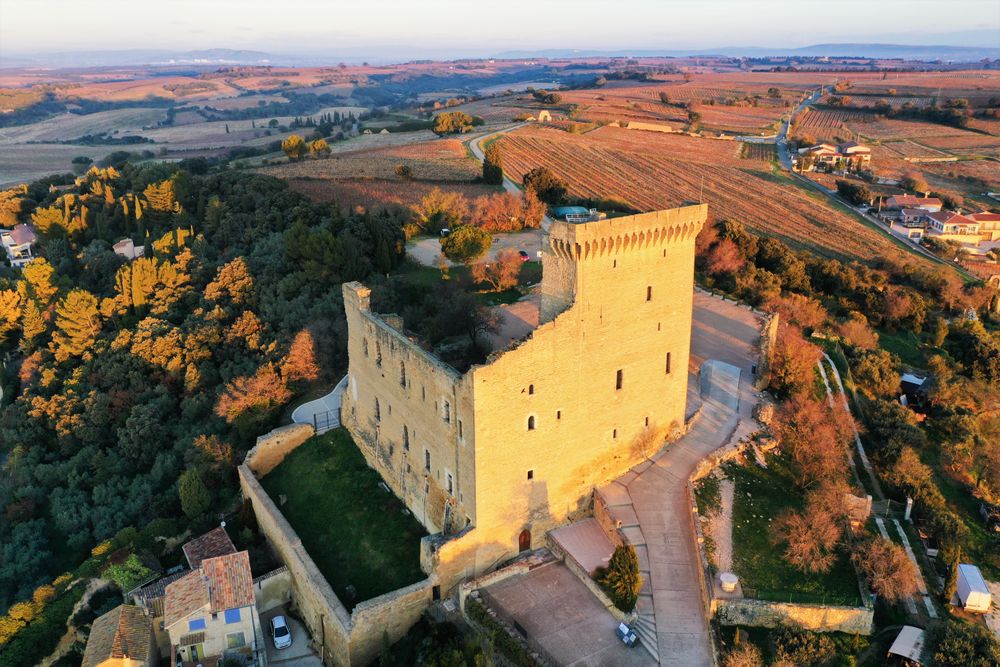
One tall wall and a tower are what remain of the popes' summer castle above Châteauneuf-du-Pape, about 12 km north of Avignon. The hilltop…
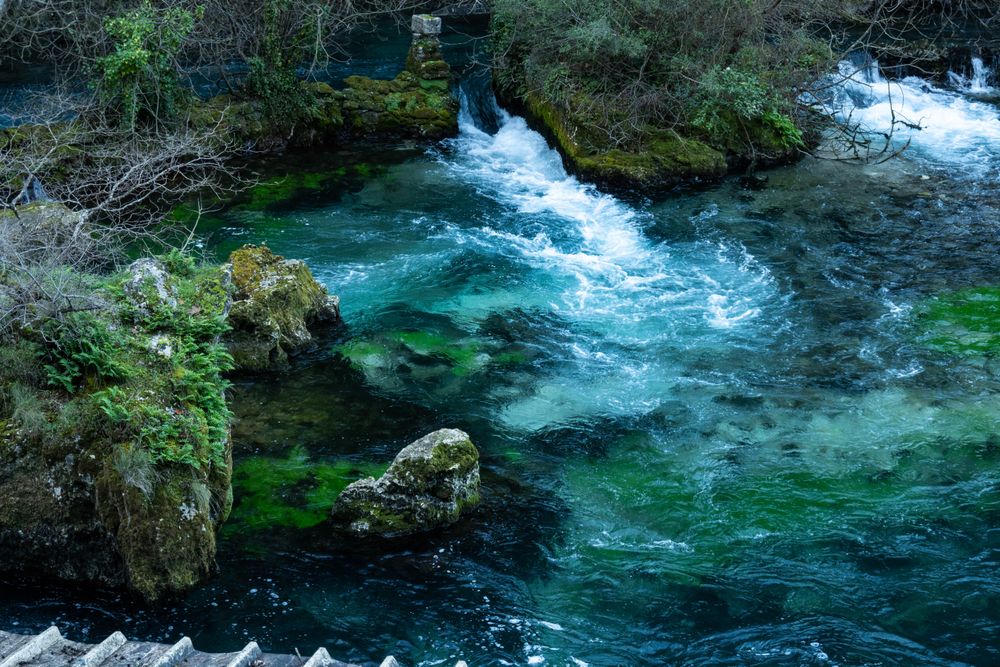
The spring that feeds the Sorgue rises from a chasm at the base of a sheer cliff, above a village east of Avignon. After the winter and…
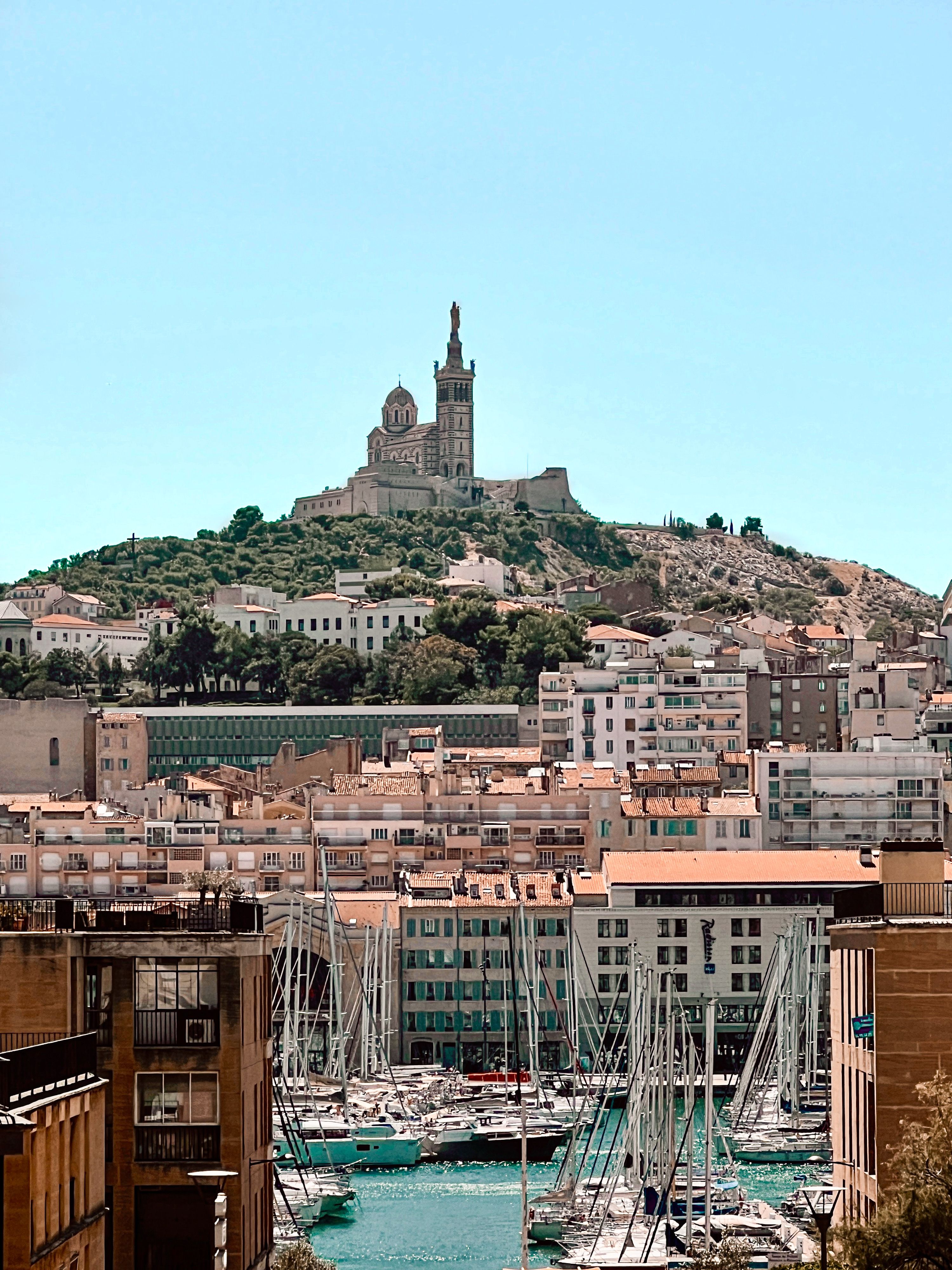
Greek sailors from Phocaea founded a trading post on this inlet around 600 BC, which makes it the oldest city in France by some six…
About forty traders fill a covered hall on Place Pie, behind an outside wall planted as a vertical garden. Inside are fishmongers,…
The papal walls of Avignon still ring the whole old town, finished in 1370 and restored on their south front by Viollet-le-Duc. You can…
The official pages this guide was checked against.
Last updated