 Submit a photo
Ninety seconds on Remparts d'Avignon
Avignon-Centre station sits right beside the walls, so the outer loop starts straight off the train. The stretch on top is reached through the entrance at the Pont Saint-Bénézet, at the northern, Rhône end of the old town.
Yes, the ramparts are open daily all year, though opening times on the stretch on top can vary without warning. The Rocher des Doms gardens beside it shut at 21:00 from June to August and at 17:30 in December and January.
No. Walking the ramparts is free, both the circuit outside the walls and the stretch on top, which is reached through the bridge entrance beside the Rocher des Doms gardens.
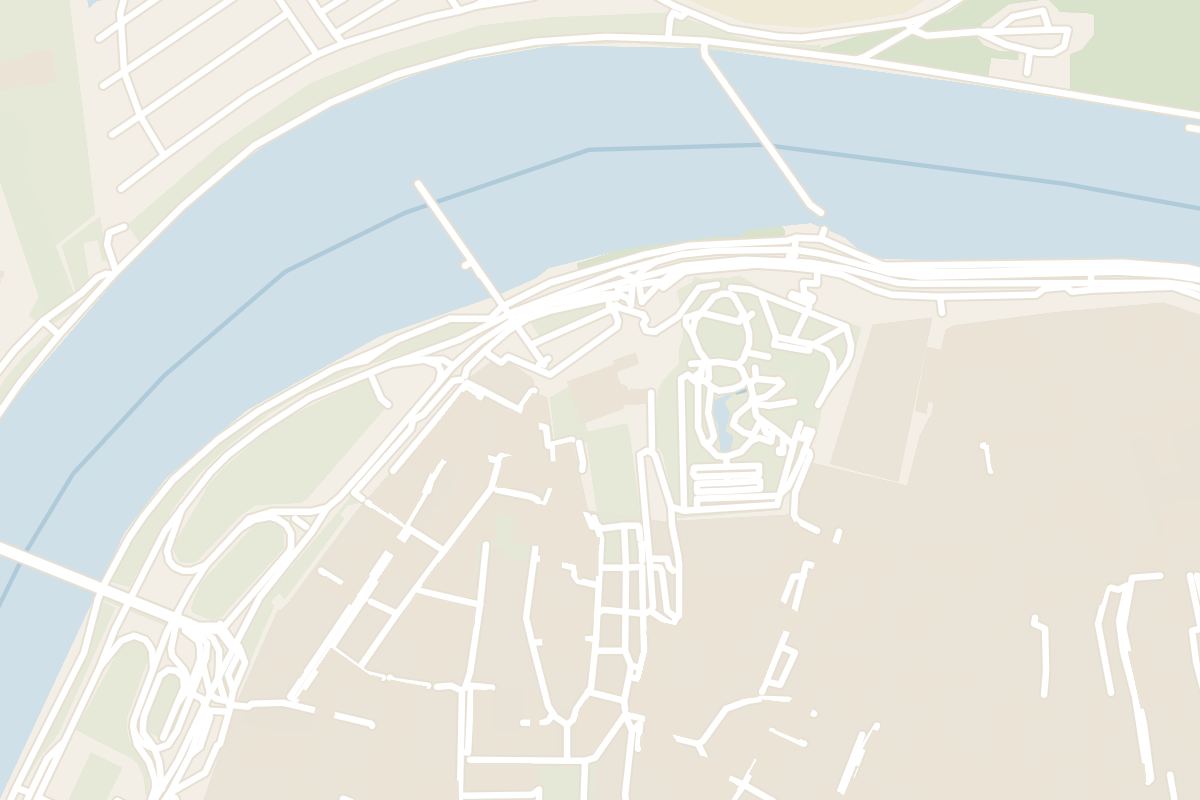
The walls run for 4.3 km around the whole old town, on flat ground all the way. The town they enclose is compact: crossing it on foot from one end to the other takes about 20 minutes.
A still day is best. The Mistral can blow on between 120 and 160 days in a year, and in a strong wind the exposed bridge and the walkway along the top are hard going.
Yes. The tourist office at 41 cours Jean Jaurès has a rampart ride that starts from its door. The route is very easy and flat, following the outside of the walls round the old town.
Walk the papal walls of Avignon, which still ring the whole old town, starting with the stretch on top beside the Pont Saint-Bénézet.
Look up at the top of the wall first. The crenellations shielded a walkway, the chemin de ronde, and each gate once closed with a drawbridge, a portcullis and a pair of heavy wooden doors. The popes built the circuit in the 1350s, and on the south side most of the battlements you see are 19th-century restoration.
Then look at the gates themselves. Each one was adapted so it could be sealed with a temporary dam, because the Rhône in flood was the threat the walls were mostly built to hold back. Viollet-le-Duc, who led the restoration, judged these the finest town walls left in France.
Along the river, between the Porte Saint-Jacques and the Rocher des Doms, is the one stretch that never had a moat. Everywhere else, water drawn from the Sorgue and the Durance once ran along the base of the wall.
Two parts make up a visit: a short stretch on top of the wall at the Rhône end, and the loop round the outside. Start at the bridge entrance and climb onto the ramparts, which run on into the Rocher des Doms gardens. From the wall, steps lead down onto the Pont Saint-Bénézet itself.
That entrance is shared with the bridge, and going up onto the ramparts is free. Back on the ground, walk the outside of the wall in either direction. The loop passes Avignon-Centre station on the south side and brings you back to the river.
Pick a still day if you can: the Mistral blows for 120 to 160 days a year, and it makes the bridge and the open rampart path hard going. Do the stretch on top first, before the gardens close. To cycle the loop instead, the tourist office on cours Jean Jaurès has an easy, flat rampart route that starts from its door.
Combine the visit with Place de l'Horloge or Tour Philippe-le-Bel.
Explore the rest of Avignon
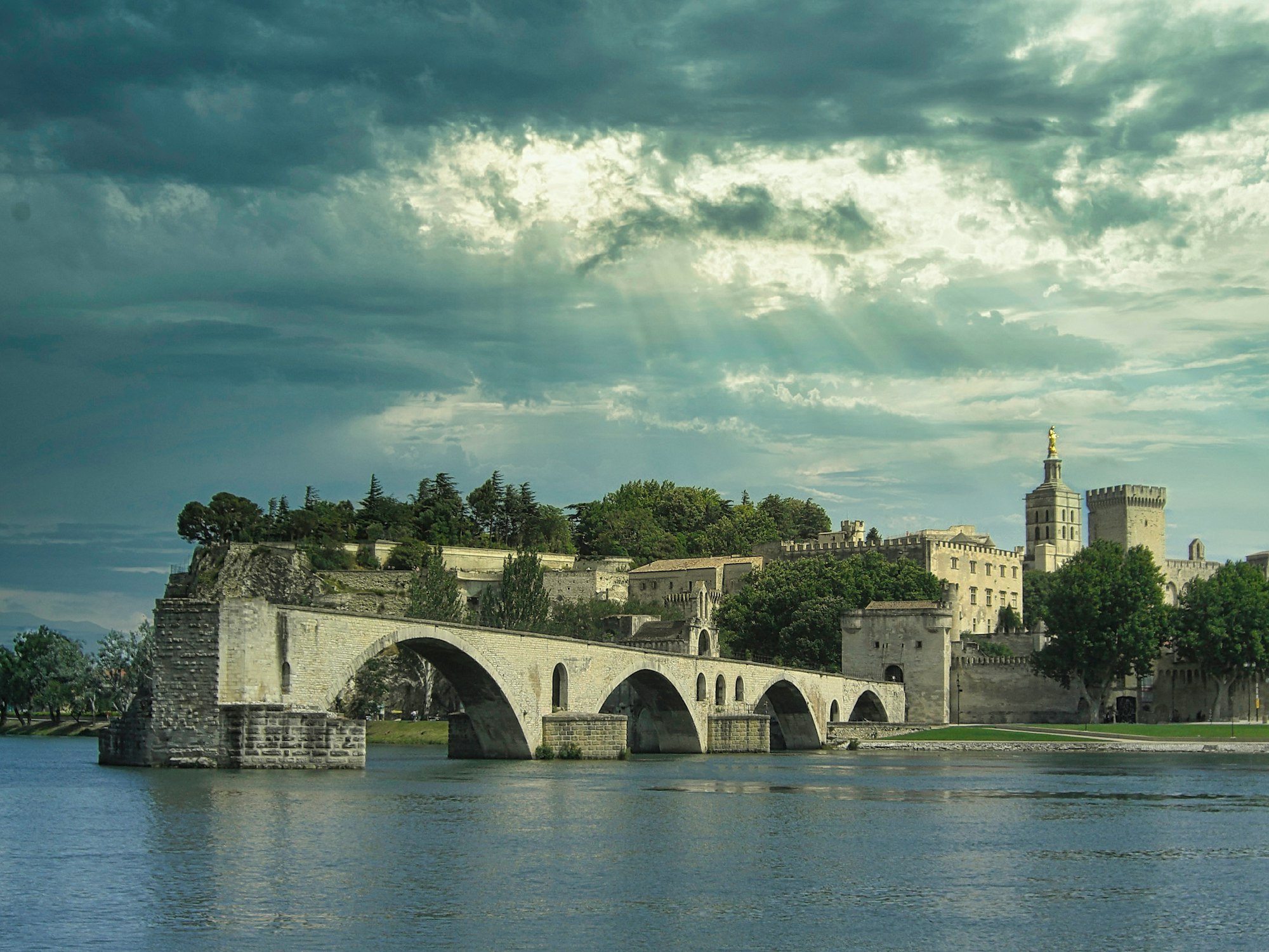
The Palais des Papes, the broken bridge and a garden above the Rhône all sit inside the medieval walls, a short walk apart. It is a town to…
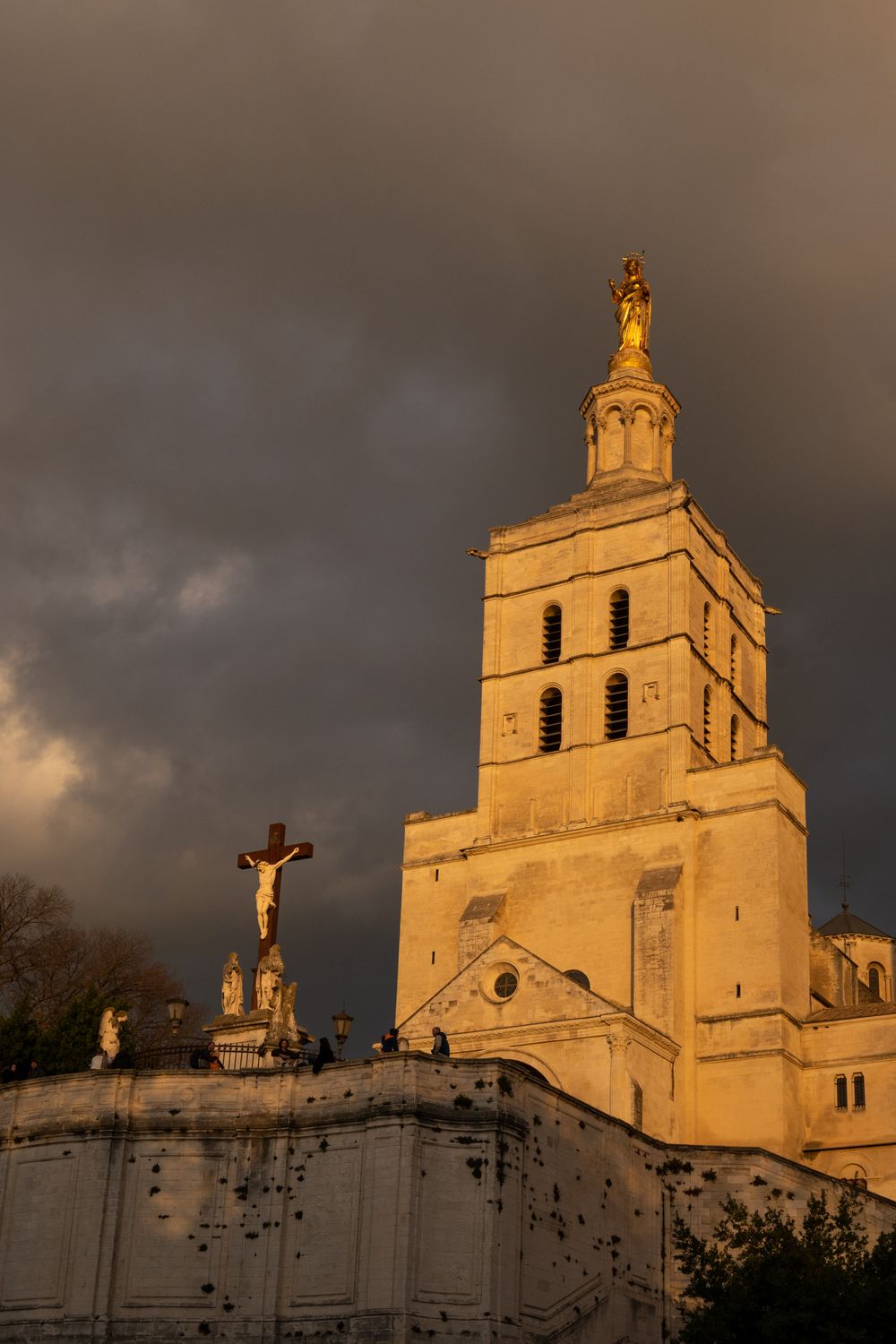
A Romanesque cathedral beside the Palais des Papes, built mostly in the second half of the 12th century, with a gilded Virgin six metres…

The main square of the old town, lined with café terraces under plane trees, with the town hall, the opera house and an old carousel at its…
A square tower on the Villeneuve bank, built to guard the far end of the Pont Saint-Bénézet when the bridge still crossed the whole river.…
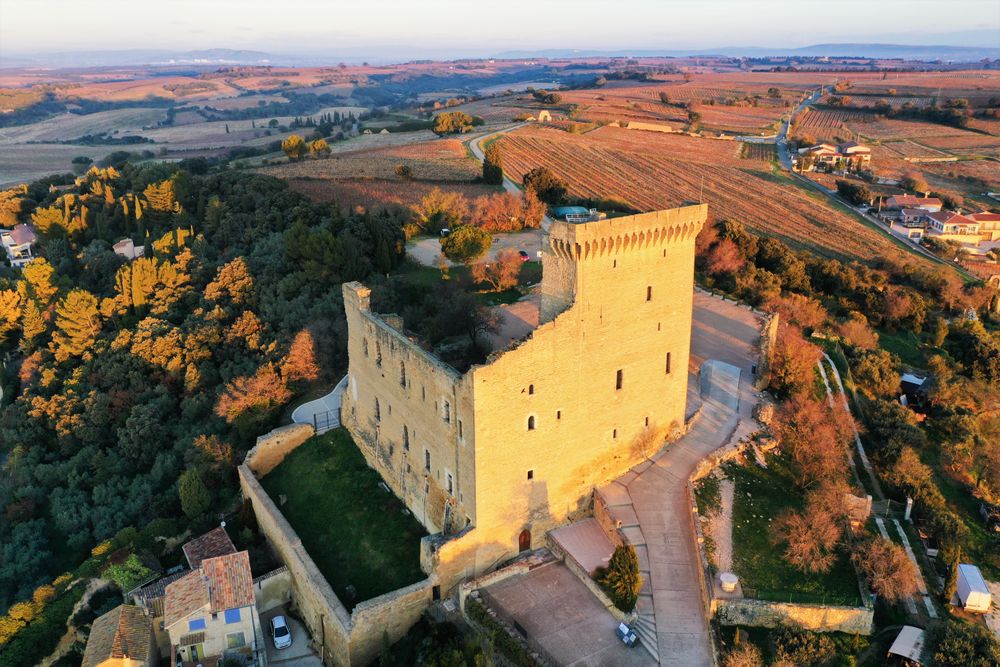
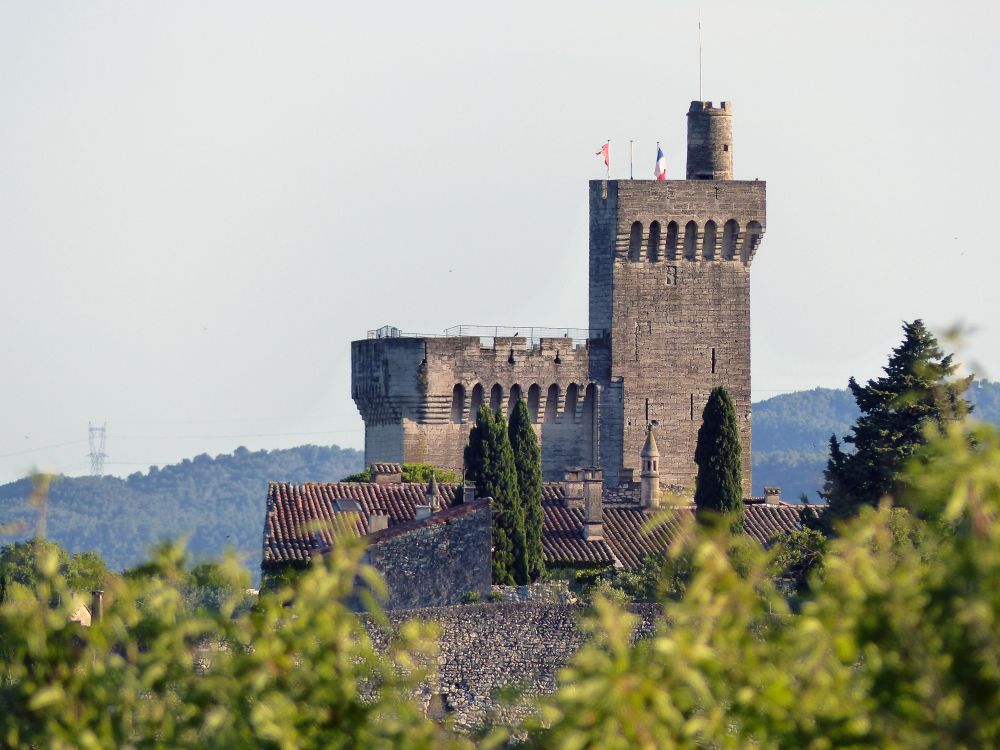
One tall wall and a tower are what remain of the popes' summer castle above Châteauneuf-du-Pape, about 12 km north of Avignon. The hilltop…
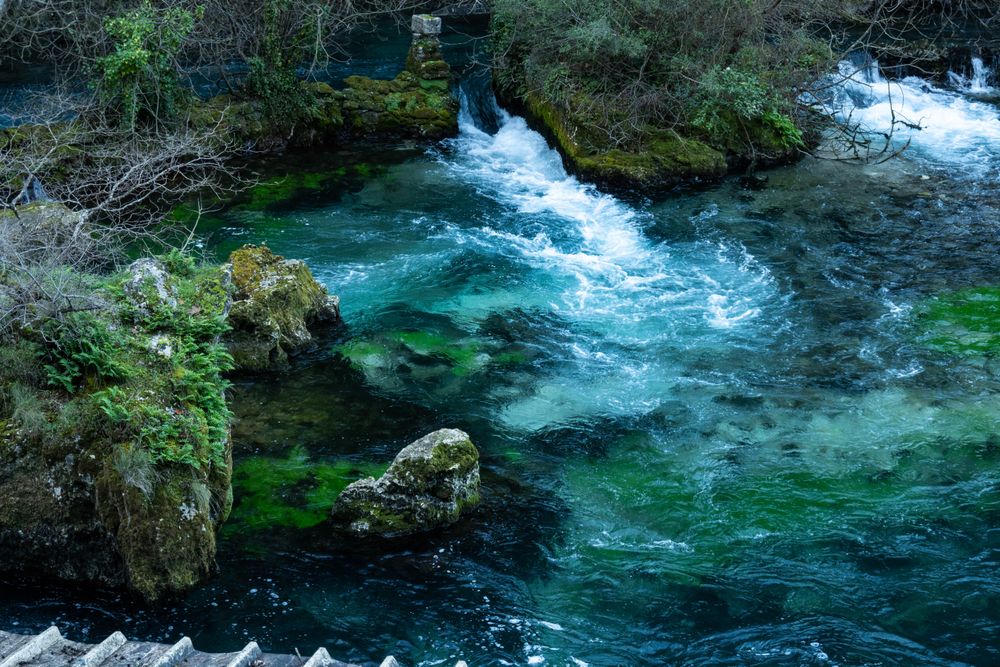
The spring that feeds the Sorgue rises from a chasm at the base of a sheer cliff, above a village east of Avignon. After the winter and…
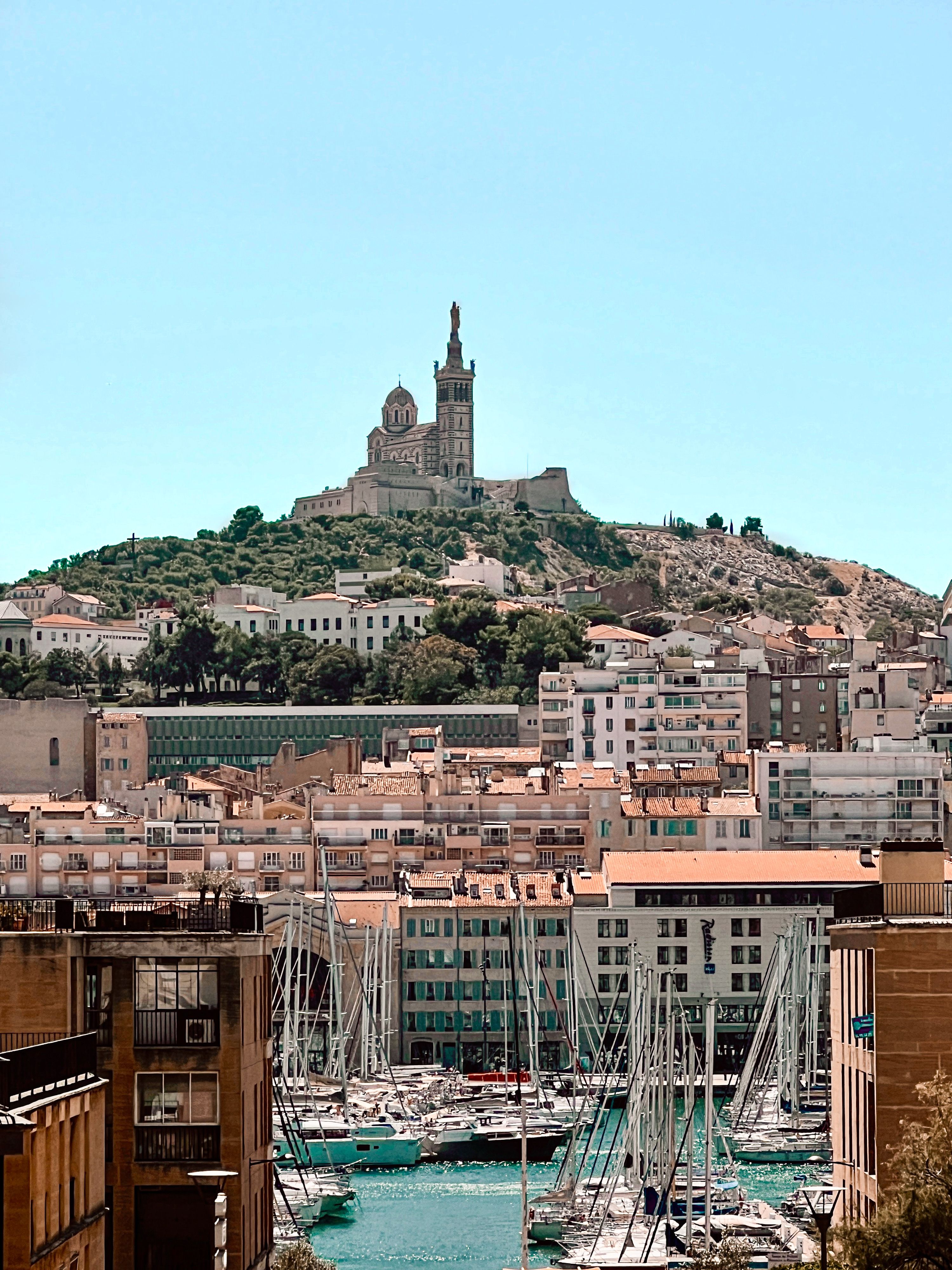
Greek sailors from Phocaea founded a trading post on this inlet around 600 BC, which makes it the oldest city in France by some six…
About forty traders fill a covered hall on Place Pie, behind an outside wall planted as a vertical garden. Inside are fishmongers,…
The official pages this guide was checked against.
Last updated