 Submit a photo
Ninety seconds on Borghese Gardens
Yes. Walking around the gardens costs nothing. Costs come from optional activities such as bike hire or rowing, and individual attractions in the park, such as the zoo, have ticketed entrance.
The park opens every day from sunrise to sunset. Visitors must leave after sunset, so the time available shrinks in the darker months of the year.
Metro Line A reaches the park from Spagna or Barberini, each roughly ten minutes away on foot. Gates at Porta Pinciana and at Piazzale Flaminio open onto the park, the latter beside Piazza del Popolo.
Sunset is the time to come. From the Pincio terrace the whole city spreads out below, and the evening light gives the view its greatest impact, just before the villa closes.
A short loop on the broader avenues takes 60 to 90 minutes. Branching into the smaller paths for a long loop takes two to three hours.
From the Pincio terrace you get one of the great views over Rome; the free gardens behind it hold a rowing lake, a temple on the water and the Galleria Borghese.
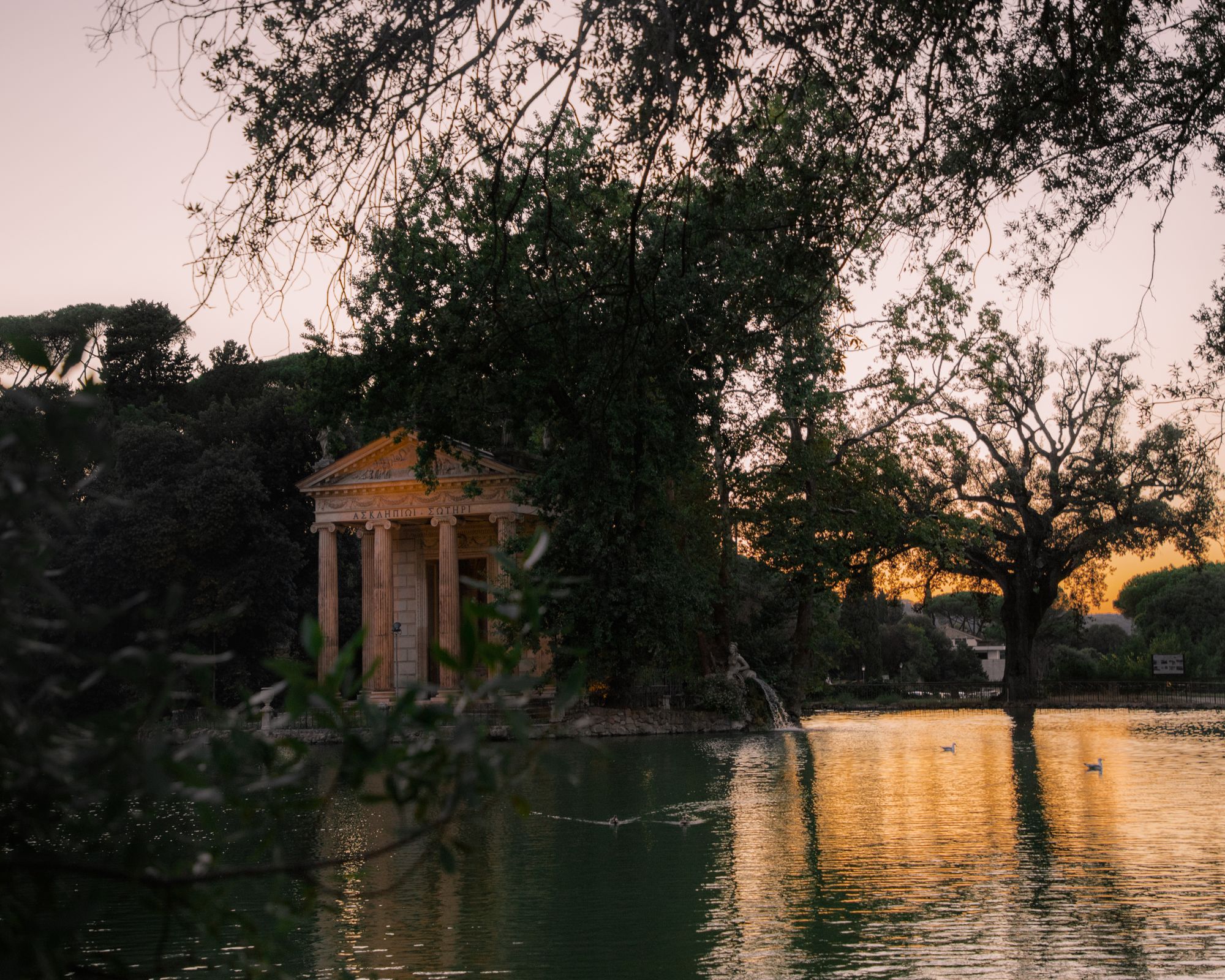
The lake is the defining sight of the park. On a small peninsula in the middle of it stands the Temple of Aesculapius, an Ionic temple built between 1785 and 1792, and its columns are reflected in the water. The Viale del Lago path runs right round the shore, so you can see the temple from every side.
On the south edge of the park, the Pincio is a large piazza on the old Pincian Hill, with a balcony over the city. From its balustrade you look out across Rome. Just behind the terrace stands the Casina Valadier, a neoclassical pavilion with its own view over the city.
The villa at the heart of the estate houses the Galleria Borghese, whose collection includes Caravaggio, Bernini, Canova, Raphael and Titian. It is ticketed separately from the free gardens, so plan it as its own visit; the gardens stand as a sight in their own right whether or not you go inside. This is the third-largest public park in Rome.
The view from the Pincio terrace, on the park's southern side, is the place to start. From the terrace, walk inland to the lake and follow the Viale del Lago, the footpath that circles the shore.
If the boats are running, ask at the cassa, the cashier, at the boathouse and give your party size. You are handed a numbered ticket, and when your number is called you get twenty minutes on the water, long enough to row or pedal out round the temple.
Keep to the main avenues and a loop takes an hour or an hour and a half; branch into the smaller paths and allow two to three hours. Bikes can be hired at several points inside the park if you want to cover more ground.
Carry cash and some ID if you plan to rent anything, because some rentals take cash only and keep your ID as a deposit. The boats charge per person, not per boat, so there is nothing to gain from squeezing into one.
Between July and September the park stages performances, usually in Italian, so check the language of a show before you buy a seat.
Explore the rest of Rome
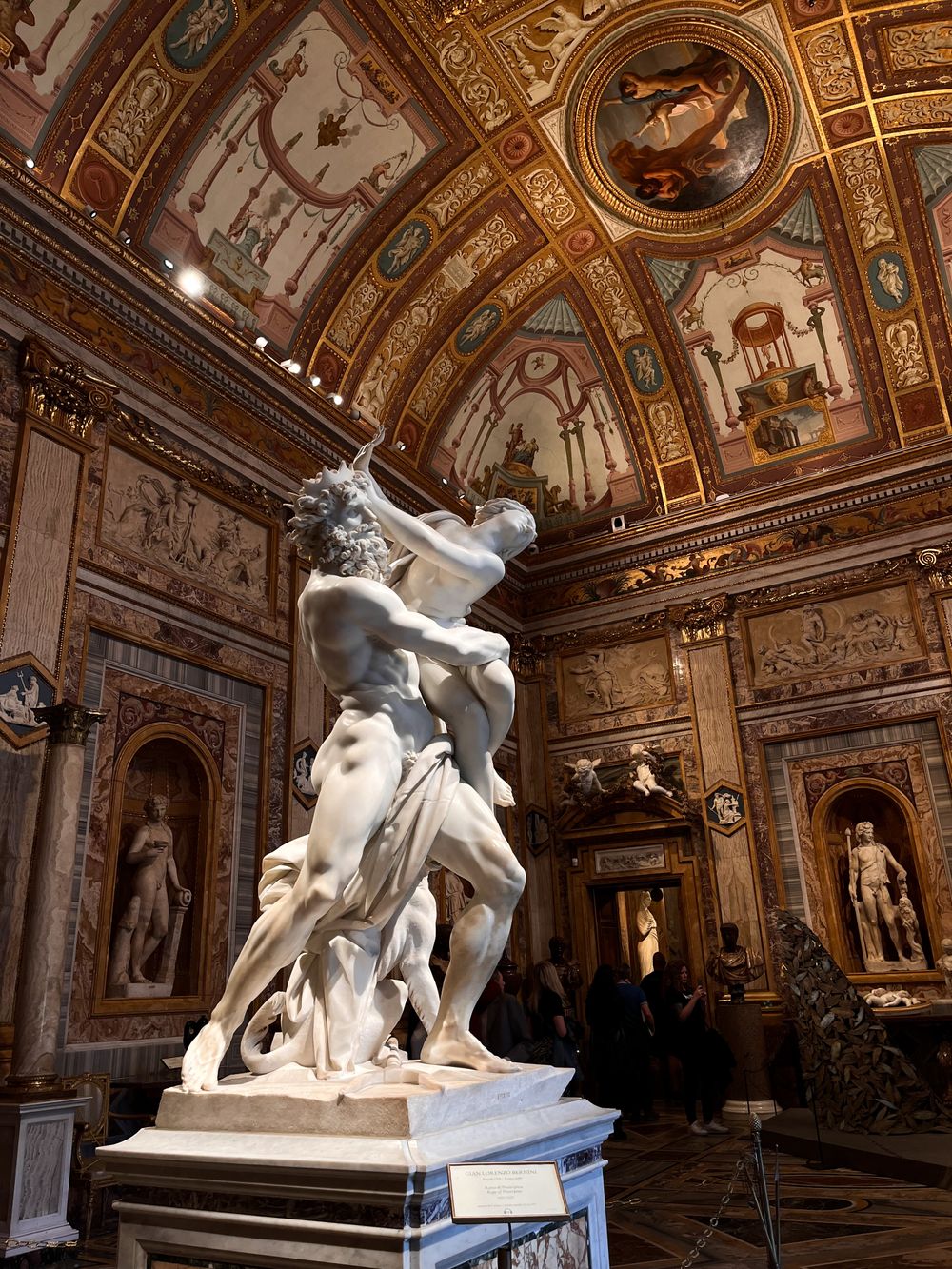
Cardinal Scipione Borghese's 17th-century collection in the Villa Borghese park, holding Bernini's Apollo and Daphne and David along with…
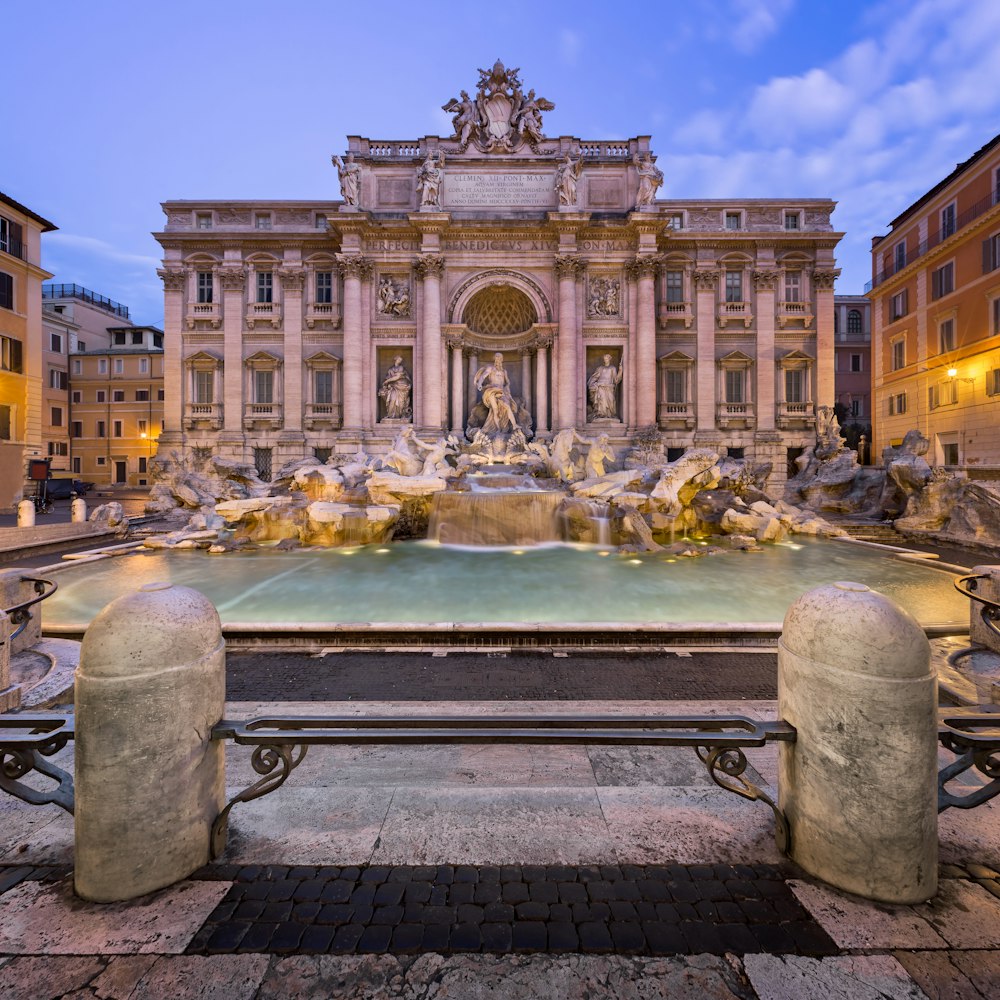
A Baroque fountain by Nicola Salvi, where Oceanus drives a shell chariot pulled by two sea horses, at the end of the Acqua Vergine, the…
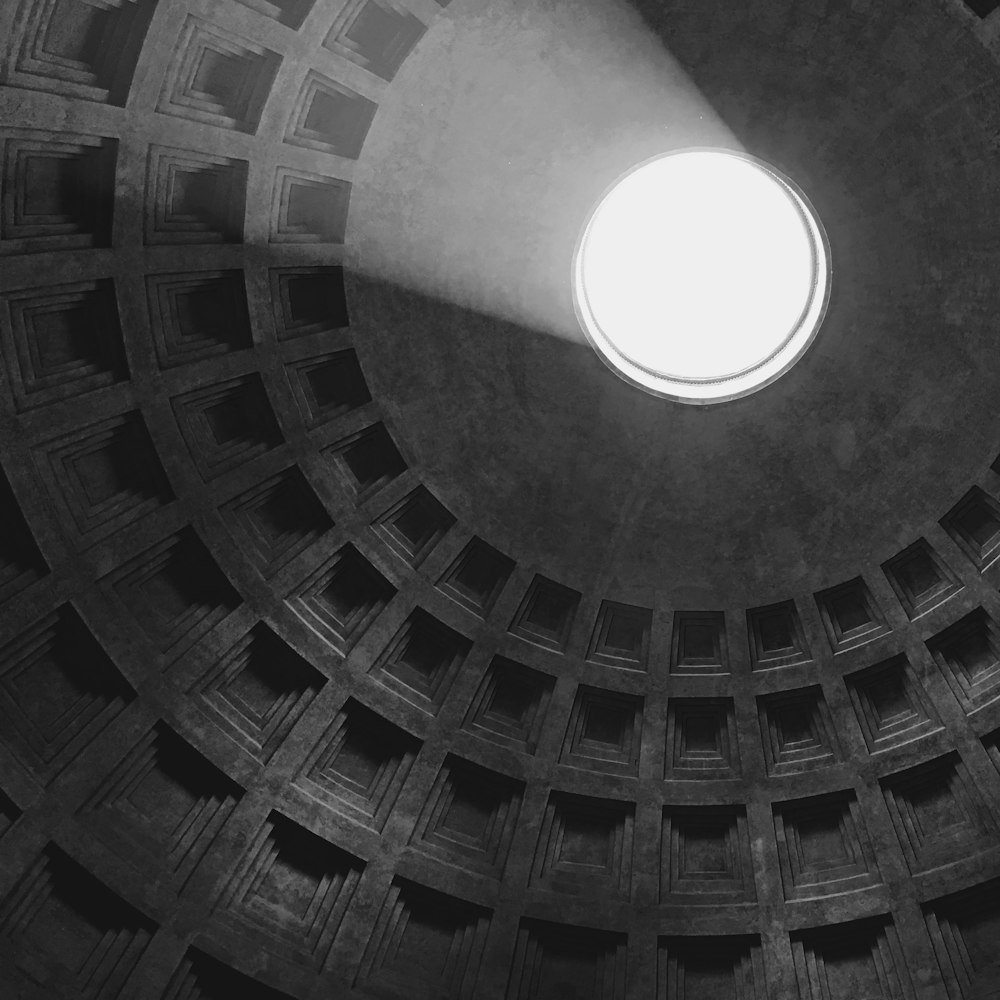
A Roman temple whose dome, completed under Hadrian, is still the largest ever built in unreinforced concrete, open to the sky through the…
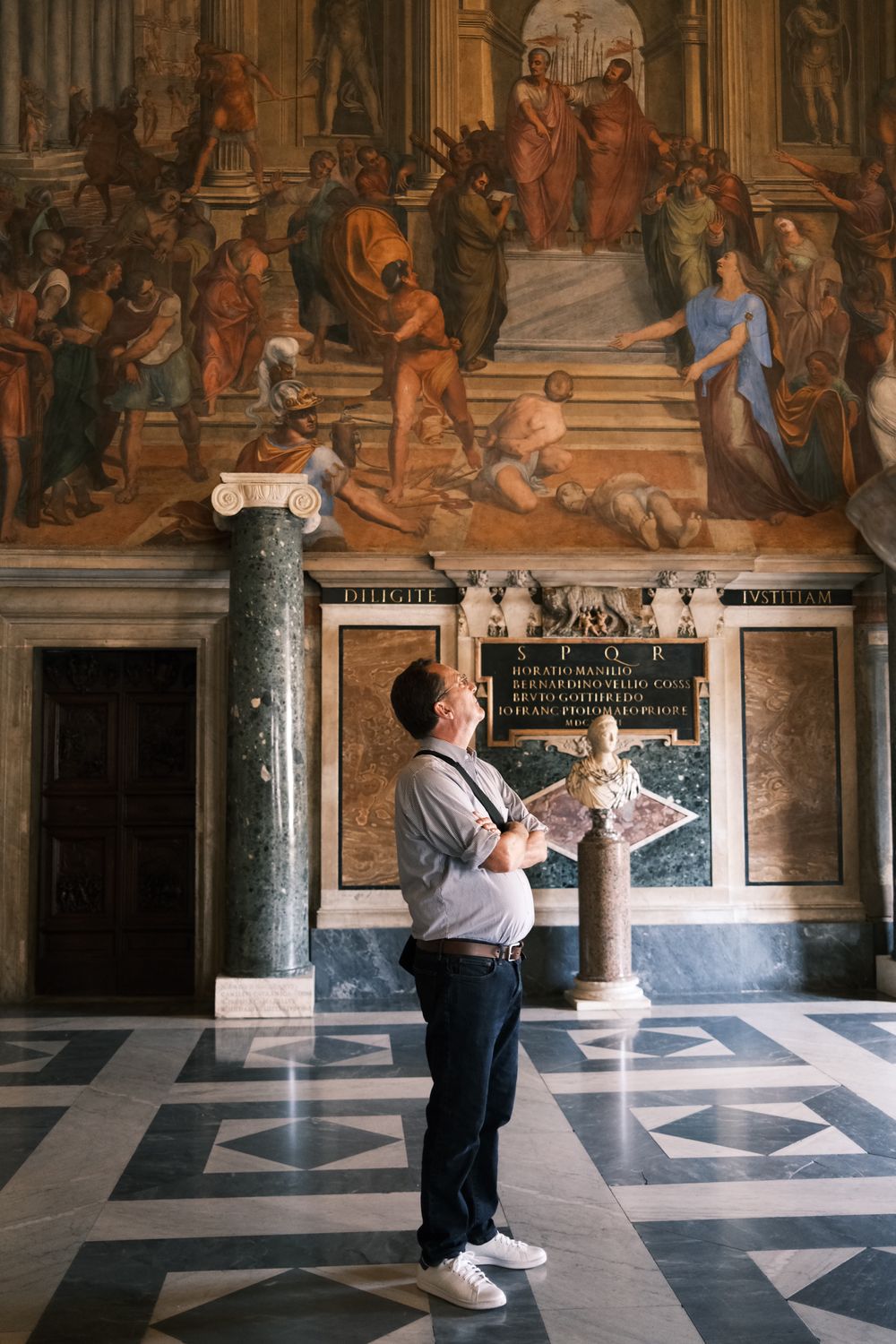
The museums of the Capitoline Hill fill the palaces around Piazza del Campidoglio: the bronze she-wolf of Rome, the original Marcus…
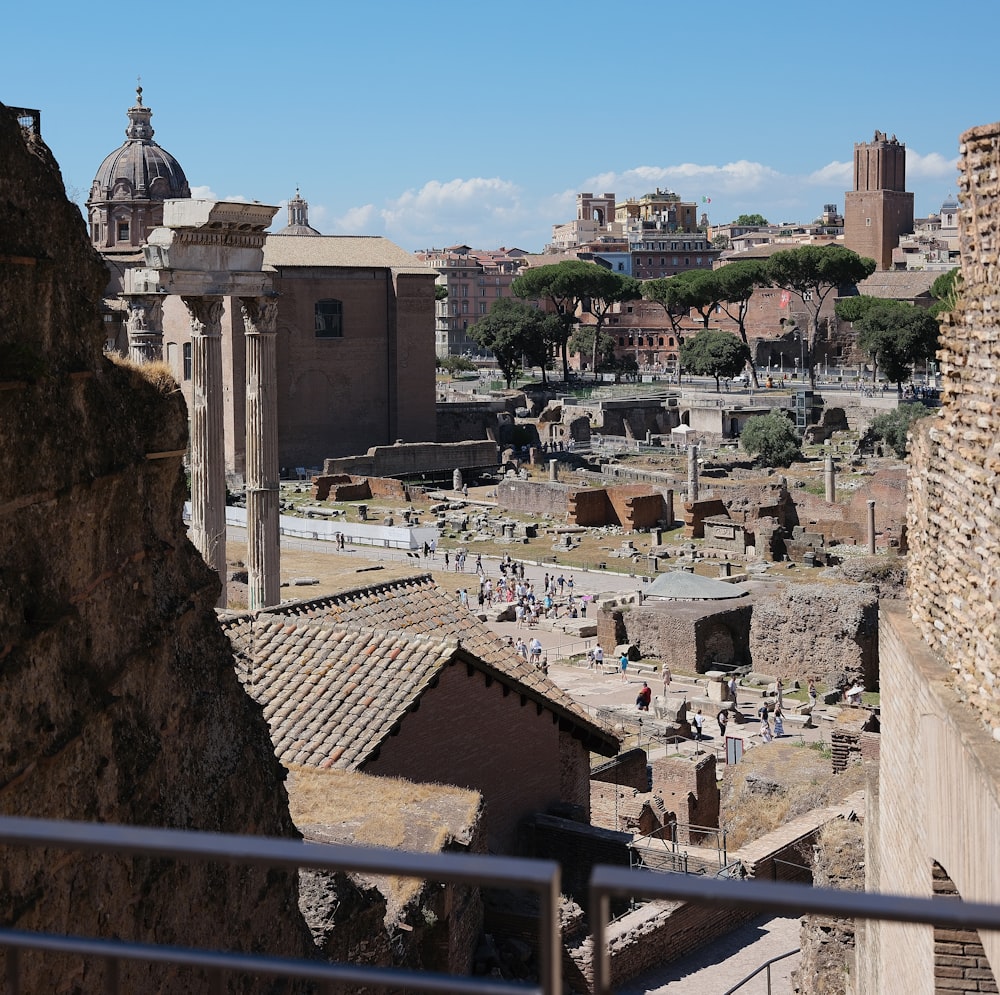
The civic and commercial centre of ancient Rome, stretching across ruins of temples, basilicas, and government buildings spanning roughly…
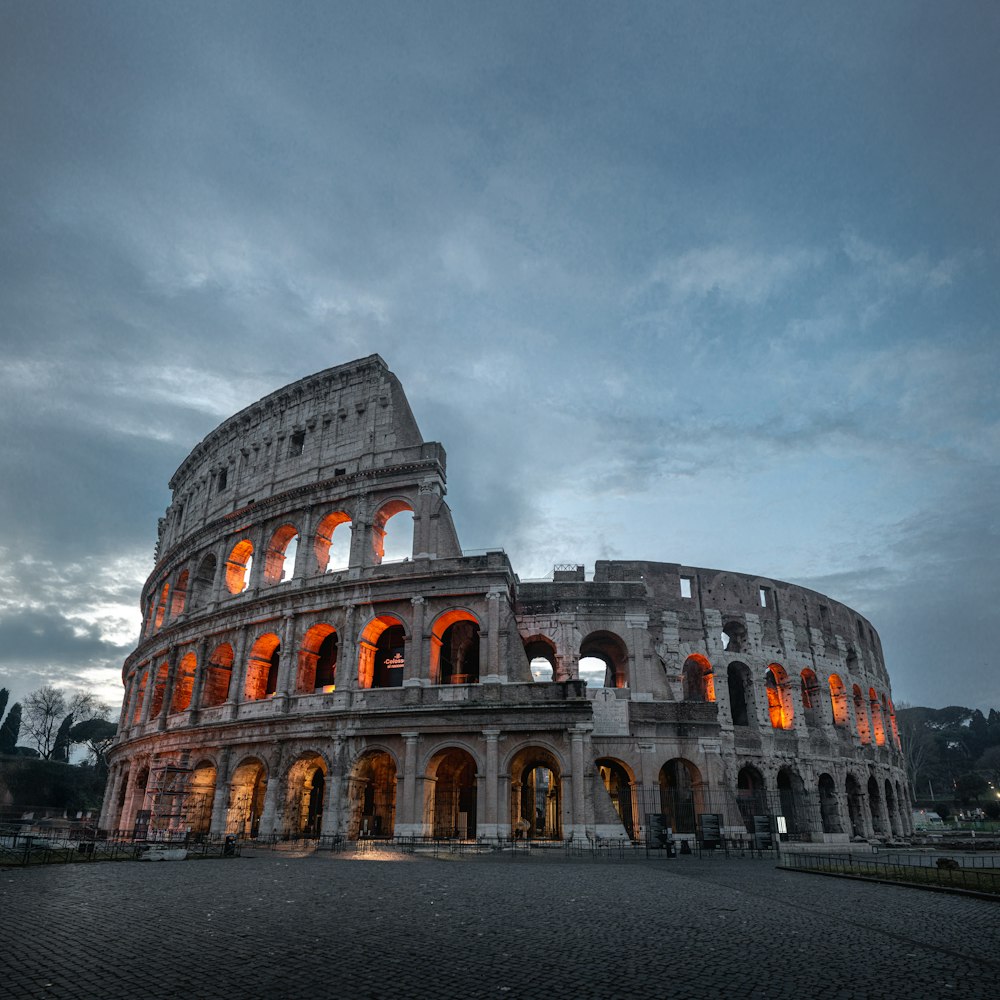
The largest amphitheatre of the Roman world, completed in AD 80 under Titus and seating roughly 50,000 spectators. Its travertine arcades…
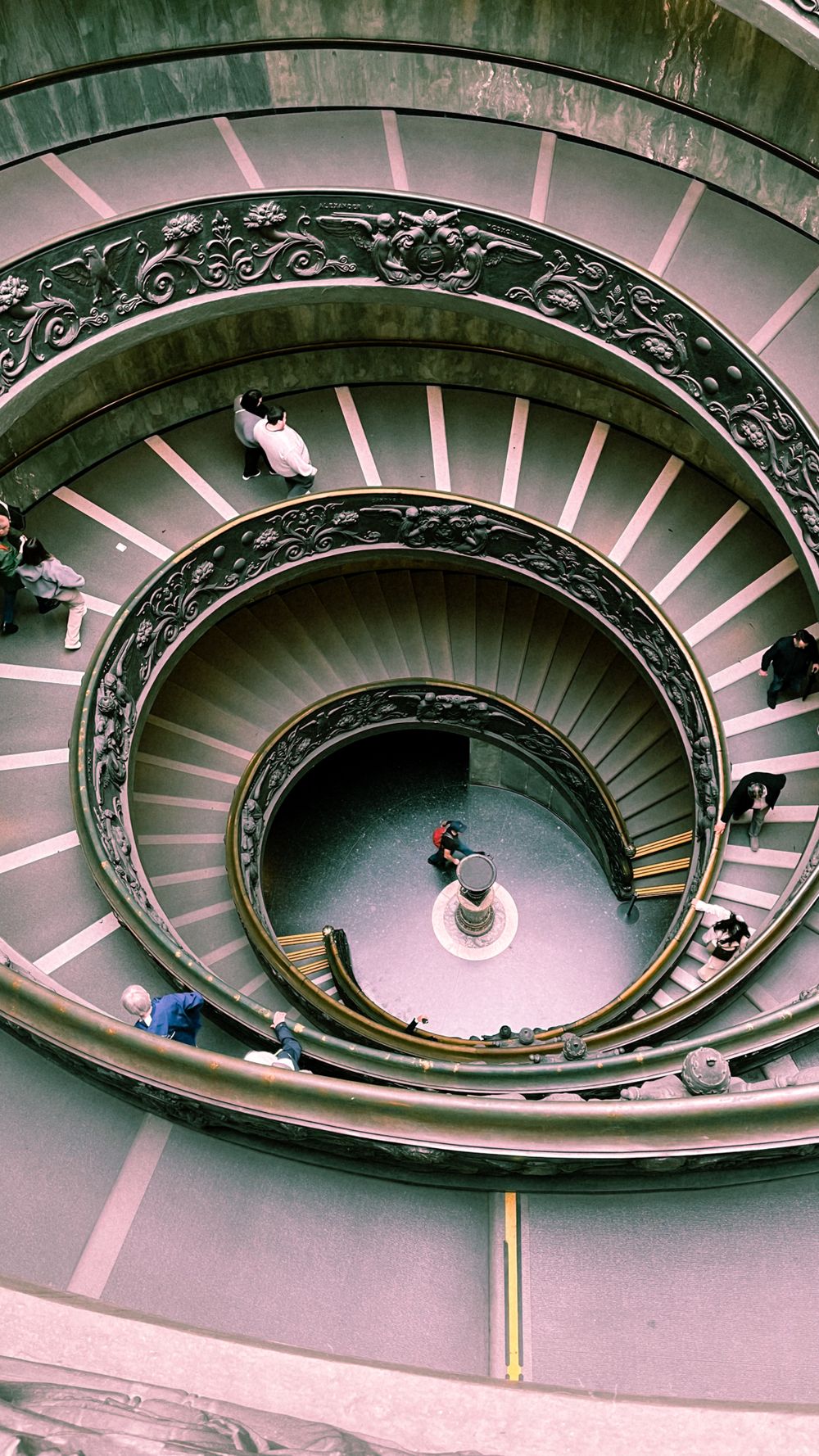
One of the world's greatest art collections, spanning Egyptian antiquities, Renaissance masterworks, and the Sistine Chapel ceiling painted…
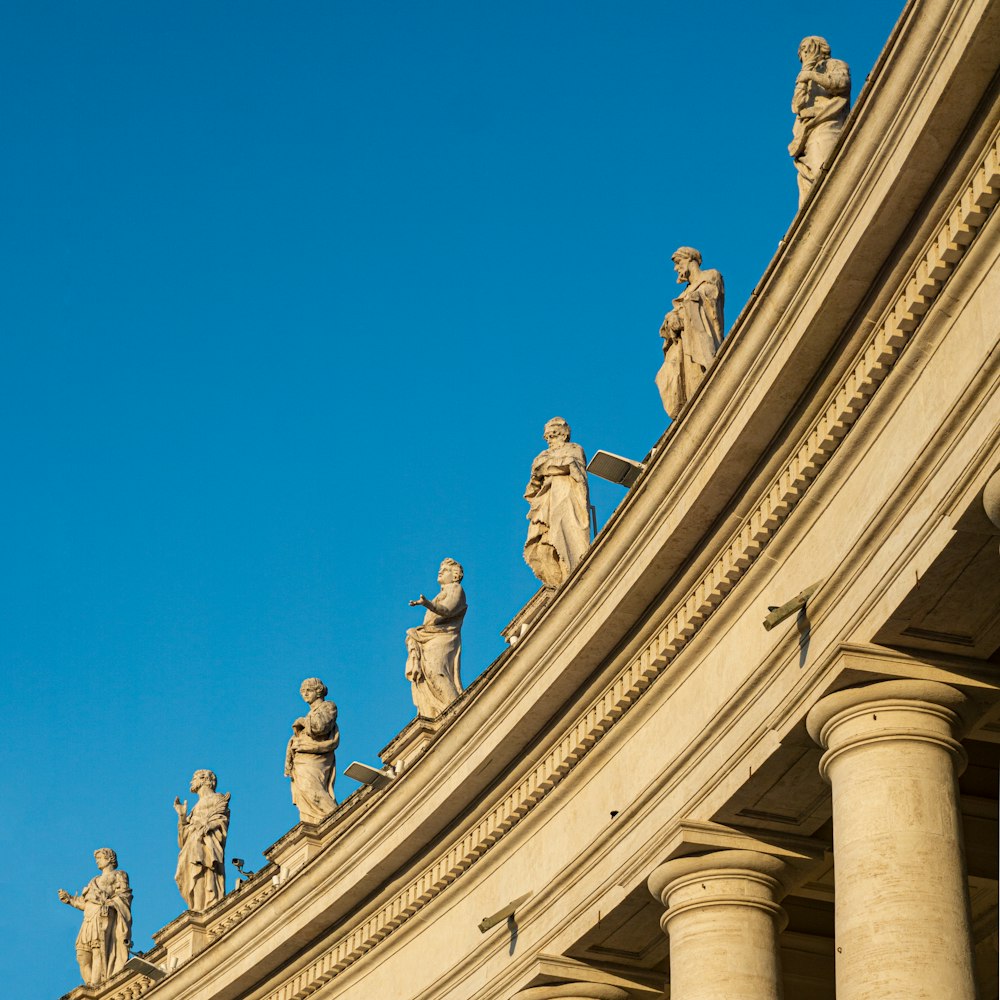
The largest church building in the world, completed in 1626 and crowned by Michelangelo's dome. Houses papal altars and Renaissance/Baroque…
Last updated