 Submit a photo
Ninety seconds on Nishiki Market
Nishiki Market has no single set of hours: each shop opens and closes on its own schedule, as of October 2026. There is no market-wide closing day, though many shops close on Wednesdays. Whether a stall is still trading in the evening depends on that shop, so asking it directly is the reliable check.
The Karasuma subway line runs from Kyoto Station to Shijo Station, about three minutes on foot from the market's west end. City Bus No. 5 is the alternative: ride to the stop in front of Daimaru department store and walk about two minutes. Hankyu trains also stop at Karasuma and Kyoto Kawaramachi, each a few minutes away.
Yes. No ticket or entry restriction applies, because the lane is a public road open to anyone walking through. Spending happens only at the counters, on whatever food or goods a visitor chooses to buy.
No. Eating on the move is discouraged here, as in Japan generally, because it causes nuisance and trouble for other shoppers. Food bought in the market is finished at the shop that sold it or carried home.
Fried ayu, the sweetfish, is the local specialty most worth ordering. Duck specialties, Japanese sweets, soy milk doughnuts and ice cream round out a run of small snacks, while pickles, tea, rice crackers and dried fish snacks keep well as gifts.
About an hour covers the lane for a visitor who is mostly tasting and looking. Shopping for food and gifts along the way stretches that, depending on how many stops are made.
It suits a first visit to Kyoto, as a single walk through the city's produce and cooked snacks. Its reputation is mixed: at busy times the lane is packed and slow, critics call it a tourist trap, and posing for photographs with food holds up the walk.
Taste your way along one covered lane of food stalls, a few bites at each, instead of sitting down to one meal.
Yuba, the tofu skin, sits on the counters beside Kyoto vegetables, fish, meat, dried foods and ready-made side dishes. The traders open early to stock them, and the lane is sometimes called the Kitchen of Kyoto.
Pickles take up whole shop fronts. Masugo's east shop sells Kyoto pickles in small portions sized for one, and Kitao is a bean specialist selling black soybeans and azuki beans from Tanba, in Kyoto Prefecture.
The fish shops cook as well as sell. Hatanaka offers fresh fish, sashimi and grilled and simmered dishes, and Nishiki Daian is a raw oyster specialist.
Itoh Kyuemon stocks Uji tea and matcha sweets, with a large matcha parfait ice bar standing by its entrance. Aritsugu lays out kitchen knives, pans and other cooking tools made by hand, so a stop there can end the walk with something to take home.
Food has been traded along this lane for about 400 years. It runs some 390 metres beneath an arcade and is 3.9 metres wide.
Takakura Street marks the west end of the lane, and walking east from it brings you out on Teramachi Street.
Buying is done shop by shop. Order and pay at the counter, then step to one side of the shop front, out of the flow, to eat.
The lane is often crowded, so a slow walk with short stops suits it better than pushing through. Small tastes from several stalls make a better plan than one big meal.
Nishiki Tenmangu Shrine stands a few metres beyond the eastern end, a short stop before you leave the market.
Yasaka Shrine is the onward walk. From the Shijo Kawaramachi crossing, head east along Shijo Street and over the Kamo River to the shrine's vermilion gate, about 13 minutes on foot.
Explore the rest of Kyoto
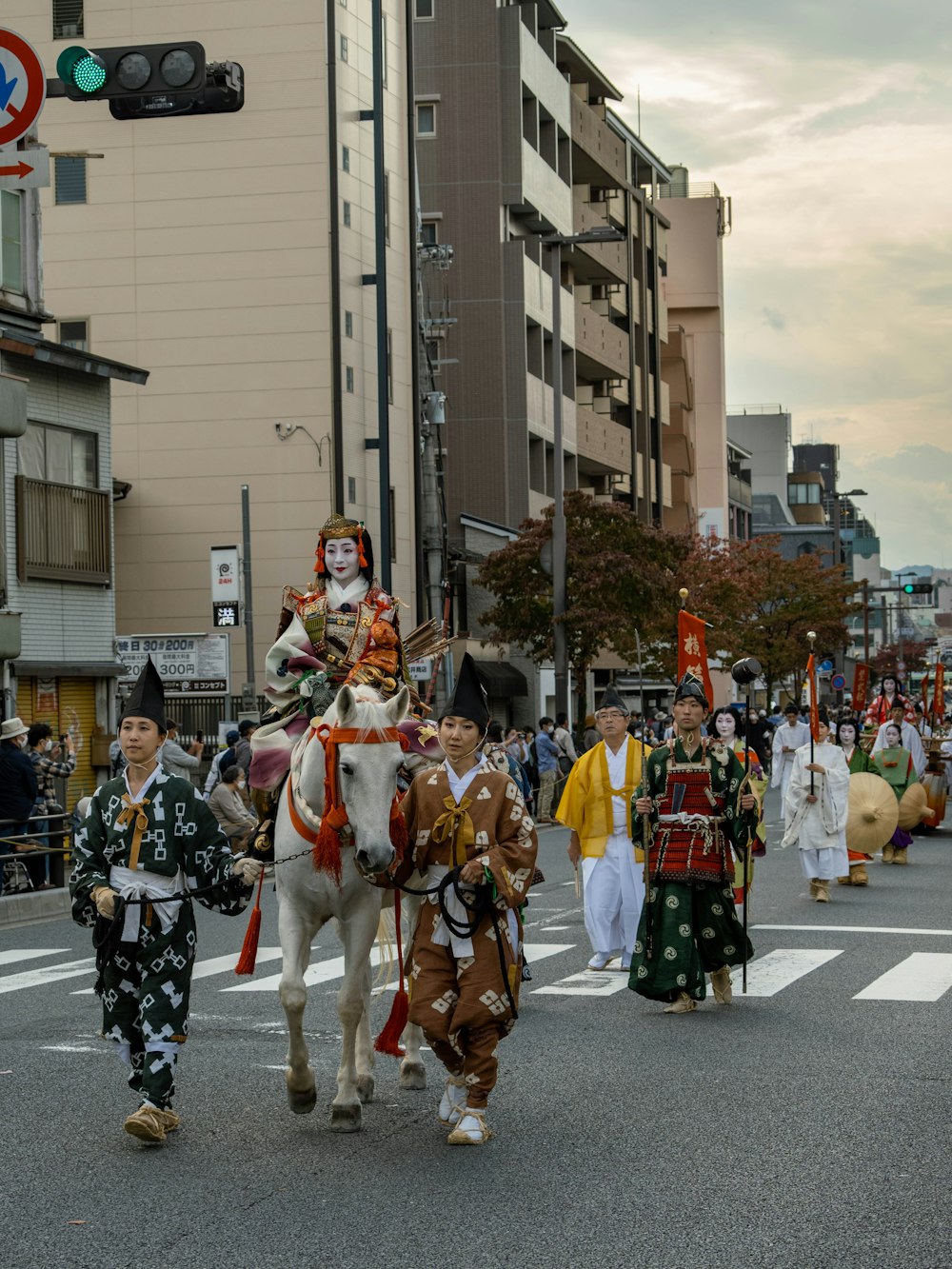
Every 22 October, about 2,000 marchers in the dress of eight eras walk from the Kyoto Imperial Palace to Heian Jingu. The procession opens…
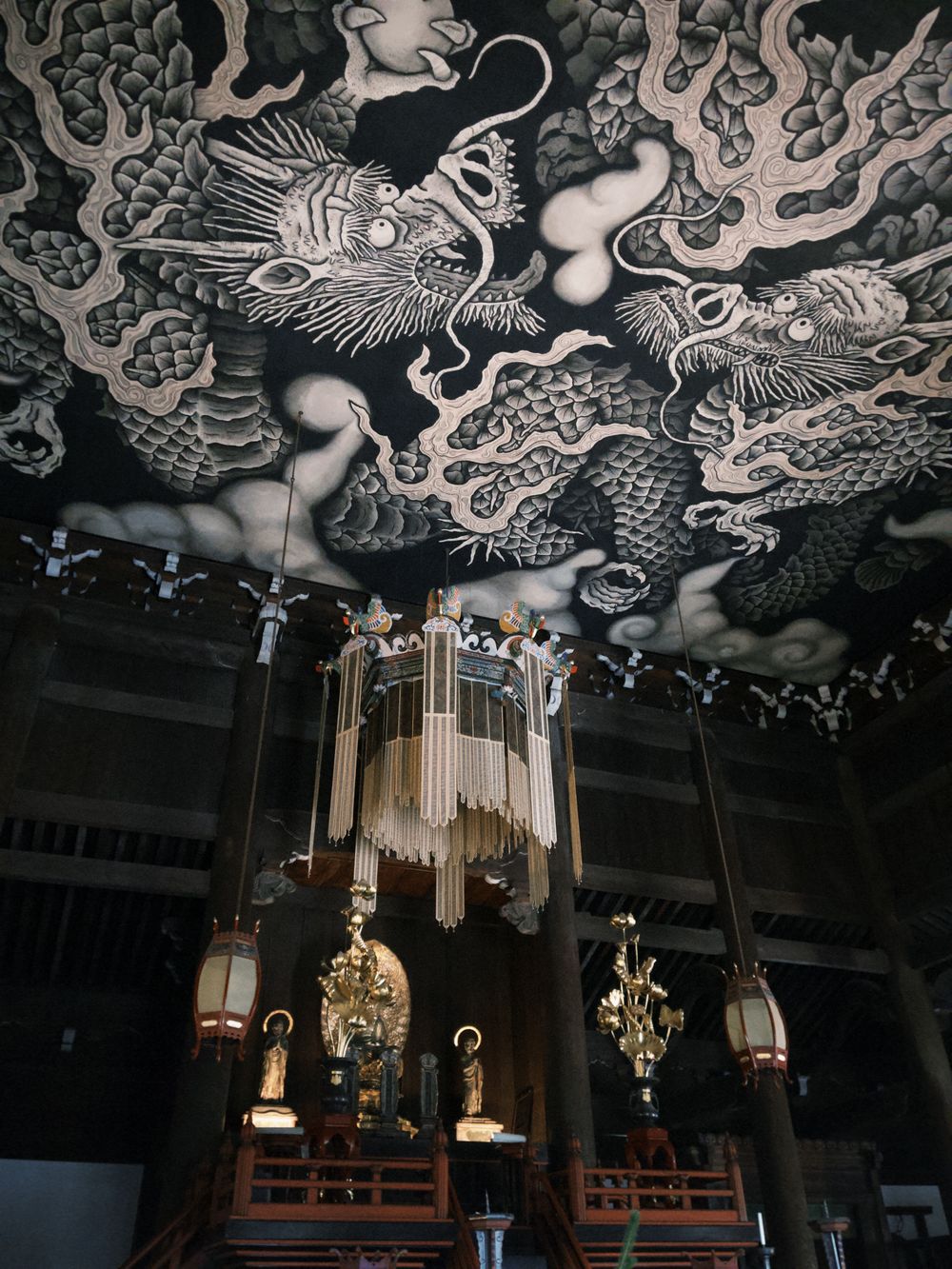
Kyoto's oldest Zen temple sits behind Gion's teahouse streets, a minute from Hanamikoji, and inside it is calm. Twin dragons are painted…
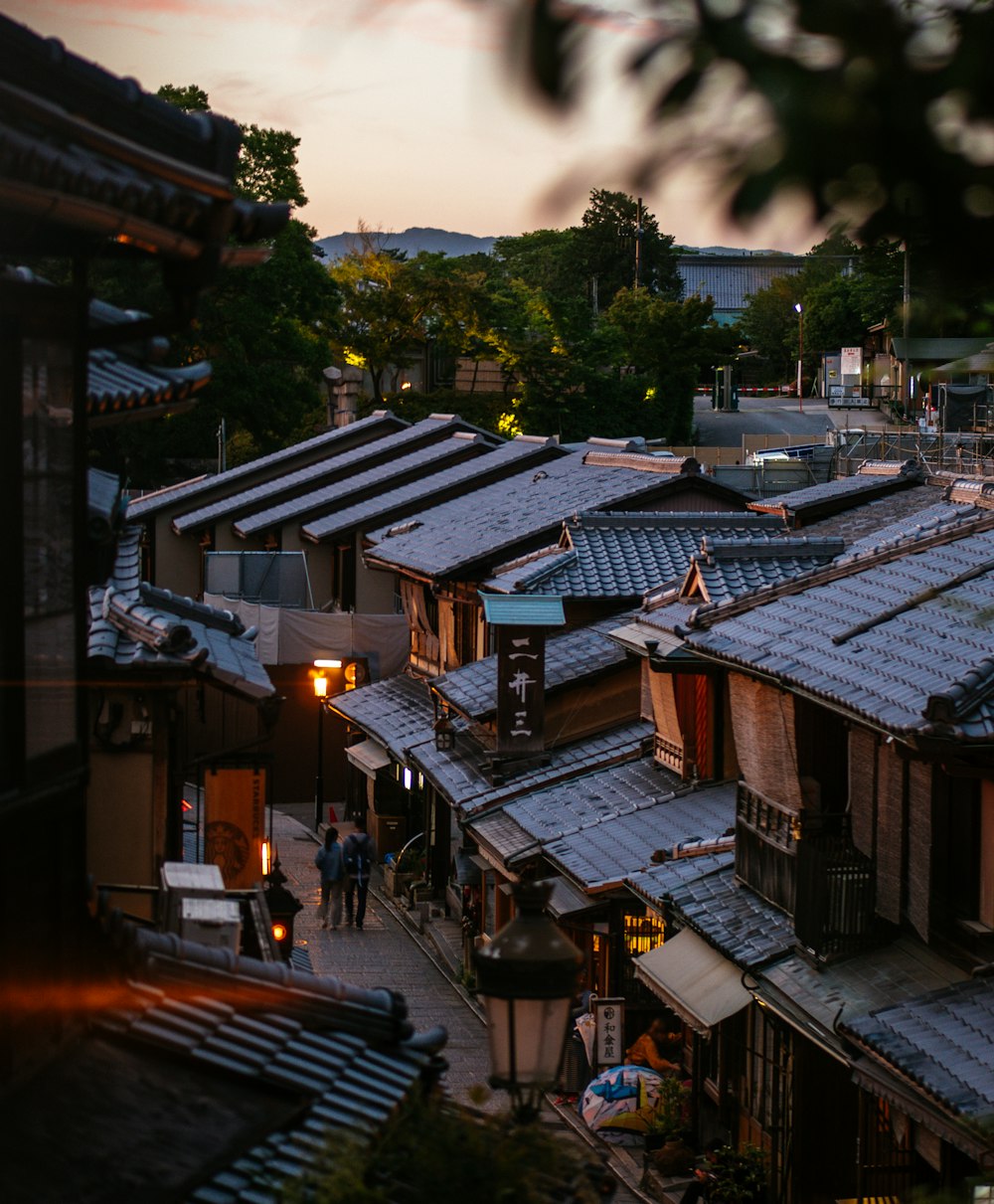
Kyoto's geisha district, with the wooden ochaya teahouses of Hanamikoji and the willow-lined Shirakawa canal behind them. Minamiza is the…
The official pages this guide was checked against.
Last updated