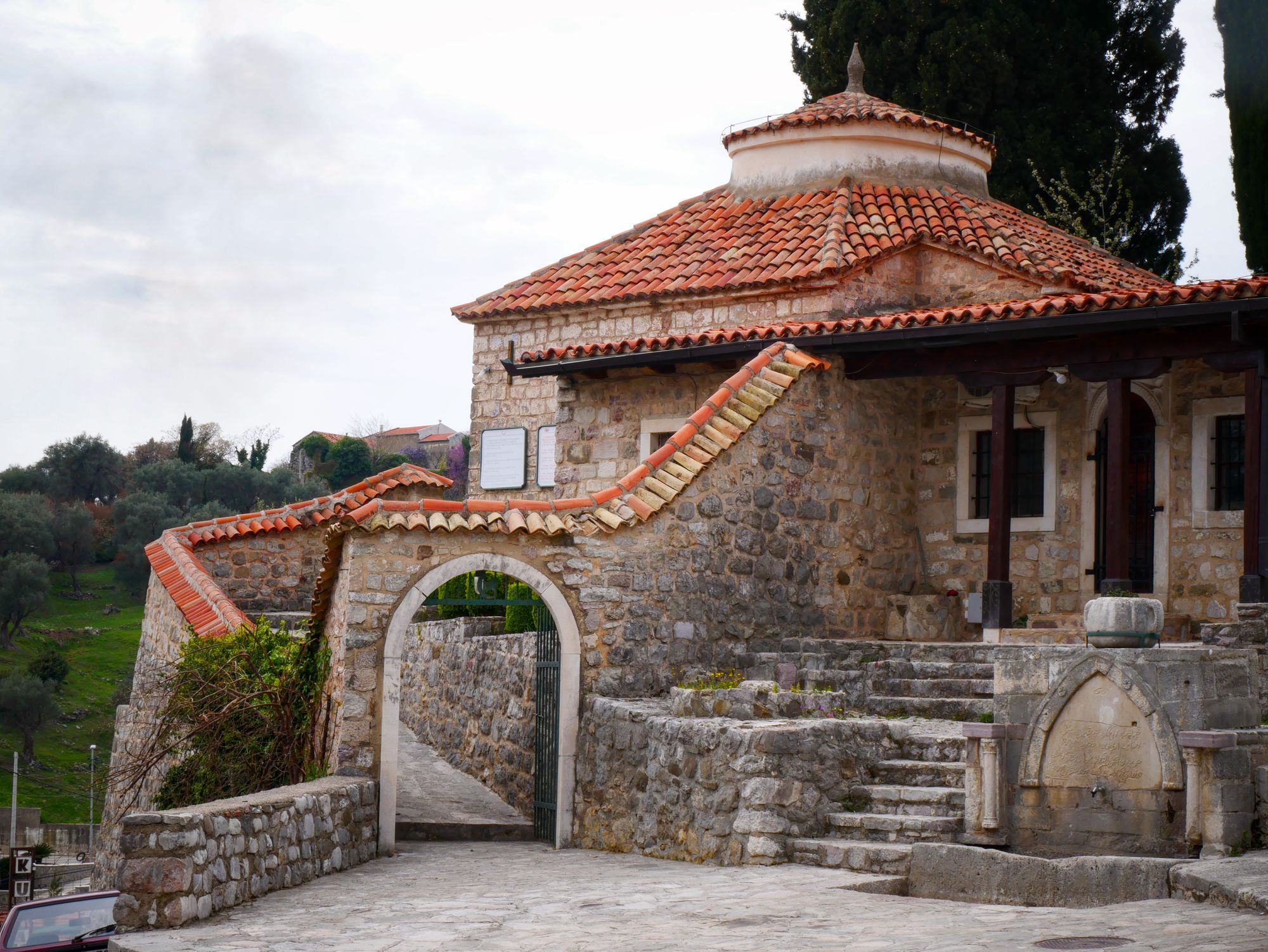
Climb to the citadel at the top of this abandoned walled town. From its rampart you see the whole ruined town at once, with the Adriatic beyond.
Ruins, Bar. Meridian Dispatch.
As of 2026, Stari Bar opens from 08:00 to 20:00 on a single timetable, with no shorter winter hours. The Zavičajni muzej Bar, the local museum that also runs King Nikola's palace and the Old Olive tree, keeps the same hours.
Yes. Stari Bar is a ticketed site, and adults pay to enter. Tickets are issued by the Zavičajni muzej Bar, which manages the old town. Children aged up to six enter free of charge.
About three kilometres inland from the new town on the coast. The old town sits on Londša hill at the foot of Mount Rumija, looking out over the Adriatic, so the way there climbs from the shore to a hilltop.
A whole ruined town, often called the Pompeii of Montenegro. Renovated palaces, churches and Turkish baths give an idea of how it once looked. Two churches survive in good shape, St Katarina from the 16th century and St Veneranda from the 15th, and the arches of a 16th and 17th century water channel stand below the walls.
It lost its water. In January 1878 Montenegrin forces set off explosives inside the aqueduct and cut the town's supply, and after the 1979 earthquake destroyed it, the town was abandoned for a new Bar built on the coast. Its walls date from the 11th and 12th centuries and were renewed in the 14th and 15th.
Most visitors ride up by taxi and come back down on foot, since the road climbs the whole way. Walking up from the centre takes close to an hour. Buses from beside the railway station are infrequent, and drivers will find a few parking spaces around the old town.
Inside the walls stand roofless houses, several medieval churches, a lapidarium of mosaics and a clock tower that is one of the few buildings still at its full height. Cobbled lanes and stairs still link them, so you can walk the whole town.
Look for the Ottoman hammam, the most striking single ruin inside the walls. The remains of a Franciscan monastery that was later turned into a mosque stand among the houses. Higher up, the garden of a 17th-century mosque is planted with ancient olive trees, a good place to sit for a while.
The aqueduct outside the walls, with some of its 17 arches restored, explains why the town is empty. An explosion in 1878 and the 1979 earthquake left the town without water and in ruins, and its people moved down to the new Bar on the coast.
From the bottom of the hill, a steep cobbled street climbs to the gate past craft workshops, cafes with terraces and stalls selling olive oil and almonds.
Inside, more than a dozen marked points lead uphill through the lanes and ruined houses, with a stop in the mosque garden. Finish at the top and walk the ramparts, which look down on the arches outside the walls.
On Fridays an open-air market fills the street outside the walls. In July and August the Bar Chronicle festival stages evening performances inside the ruins.
In summer carry water and a hat, because there is little shade among the ruins and the midday sun on the stone is fierce.
The paving inside the walls is polished smooth by centuries of footsteps and turns slippery after rain, so wear shoes with real grip.
Parking is free. If someone at the car park asks for a fee, you do not have to pay.
Pair the old town with King Nikola's Palace, Bar, down by the sea, which the same local museum runs.
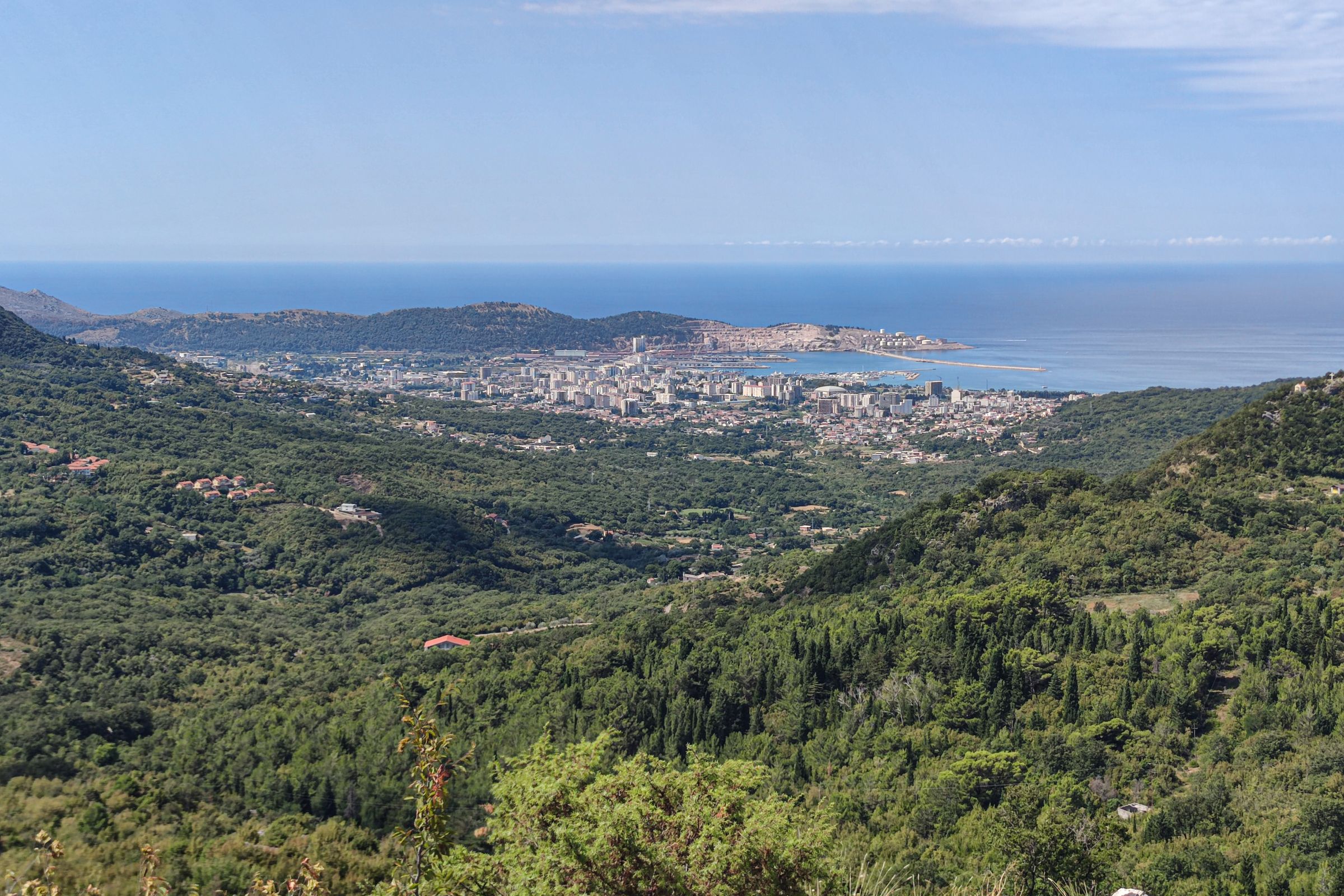
Spend the day in the roofless lanes of Stari Bar on the hill, then come down to the sea for the painted rooms of King Nikola's Palace and an evening swim at Šušanj.
Read the Bar guideExplore the rest of Bar
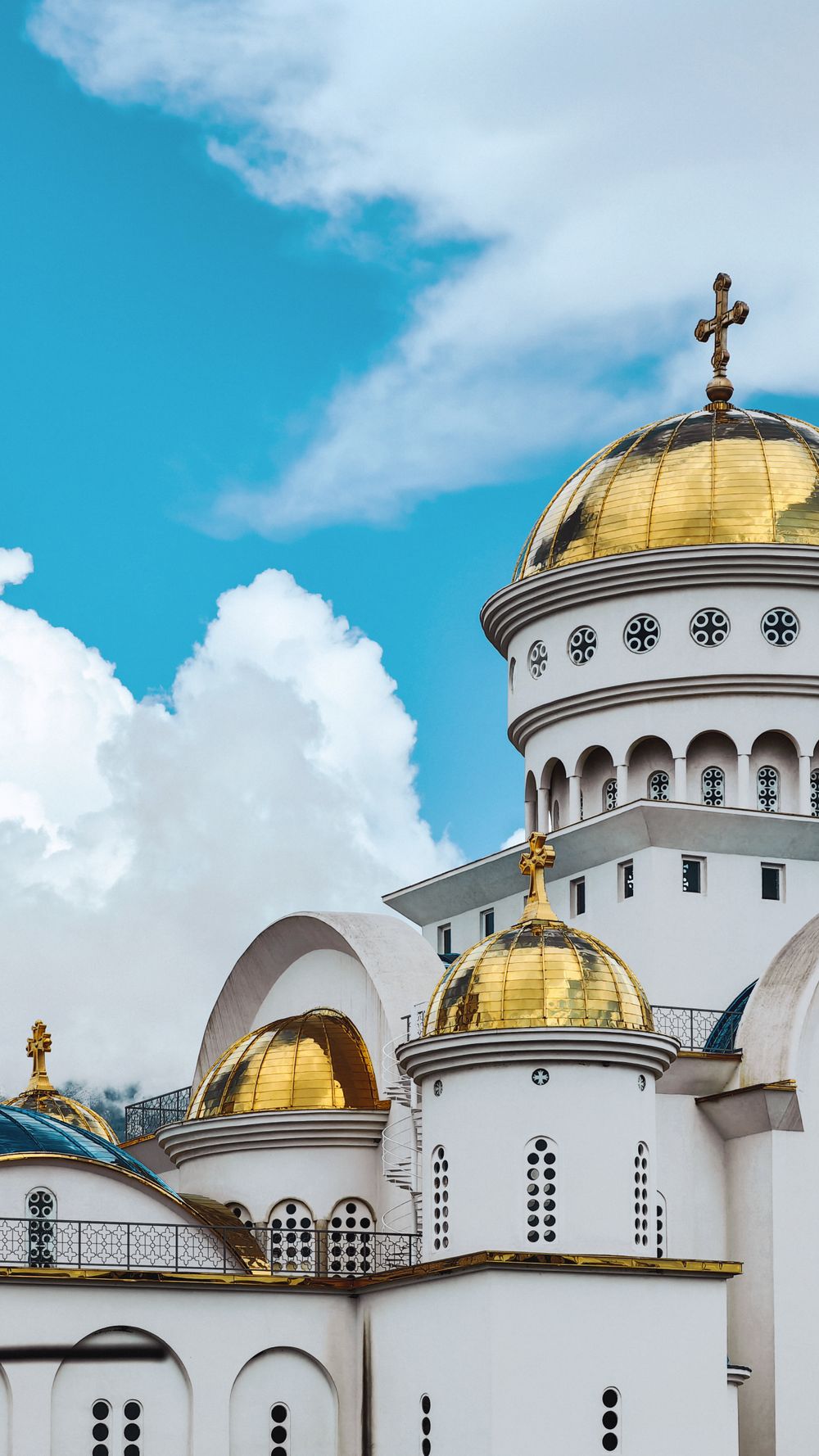
A large, new Orthodox church in the town centre, a few minutes' walk from King Nikola's Palace. Inside, it is far more colourful than the…
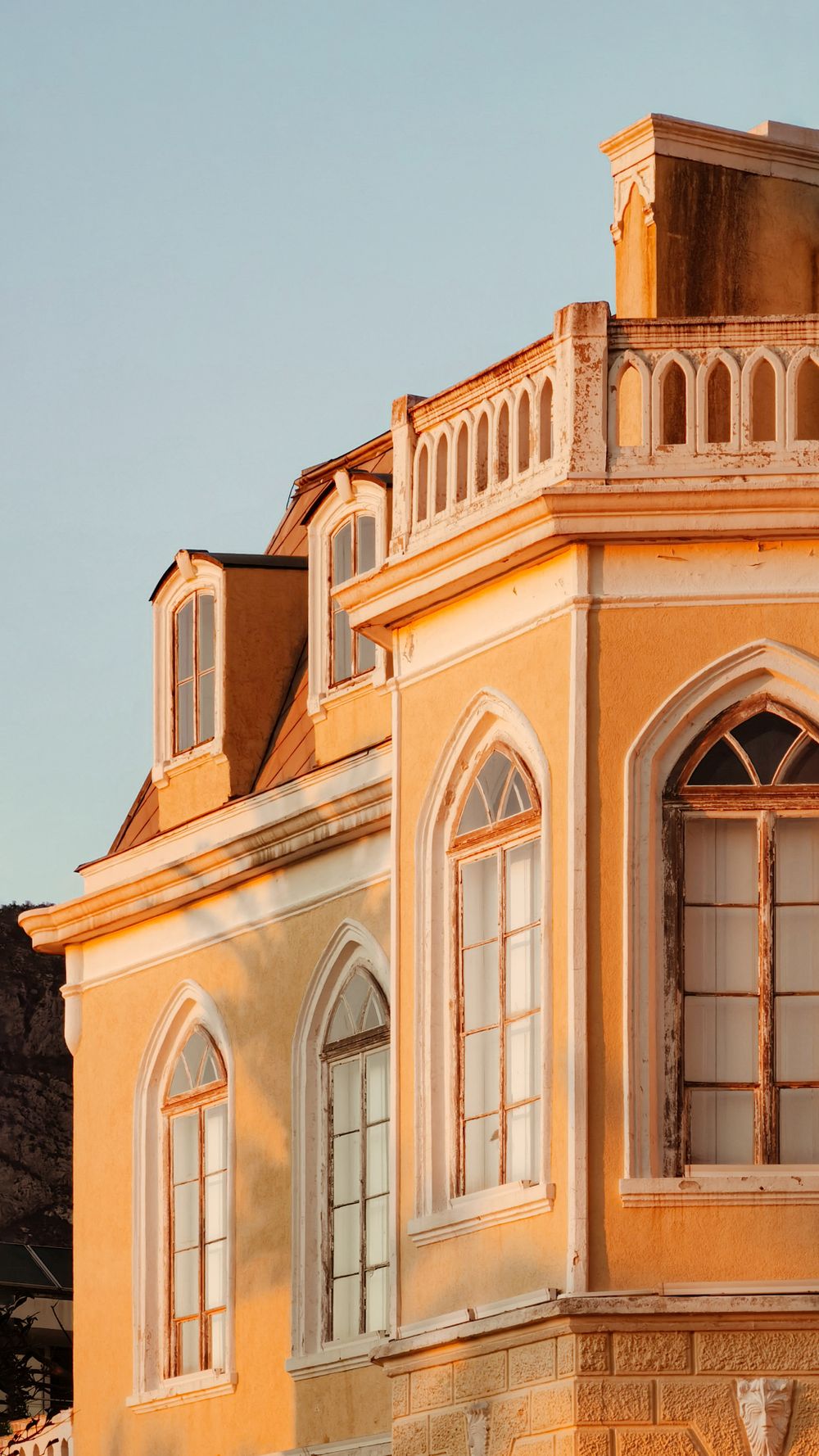
A seafront palace at Topolica, first recorded in 1885 and linked to the court architect Josip Slade. The museum that runs it says Prince…
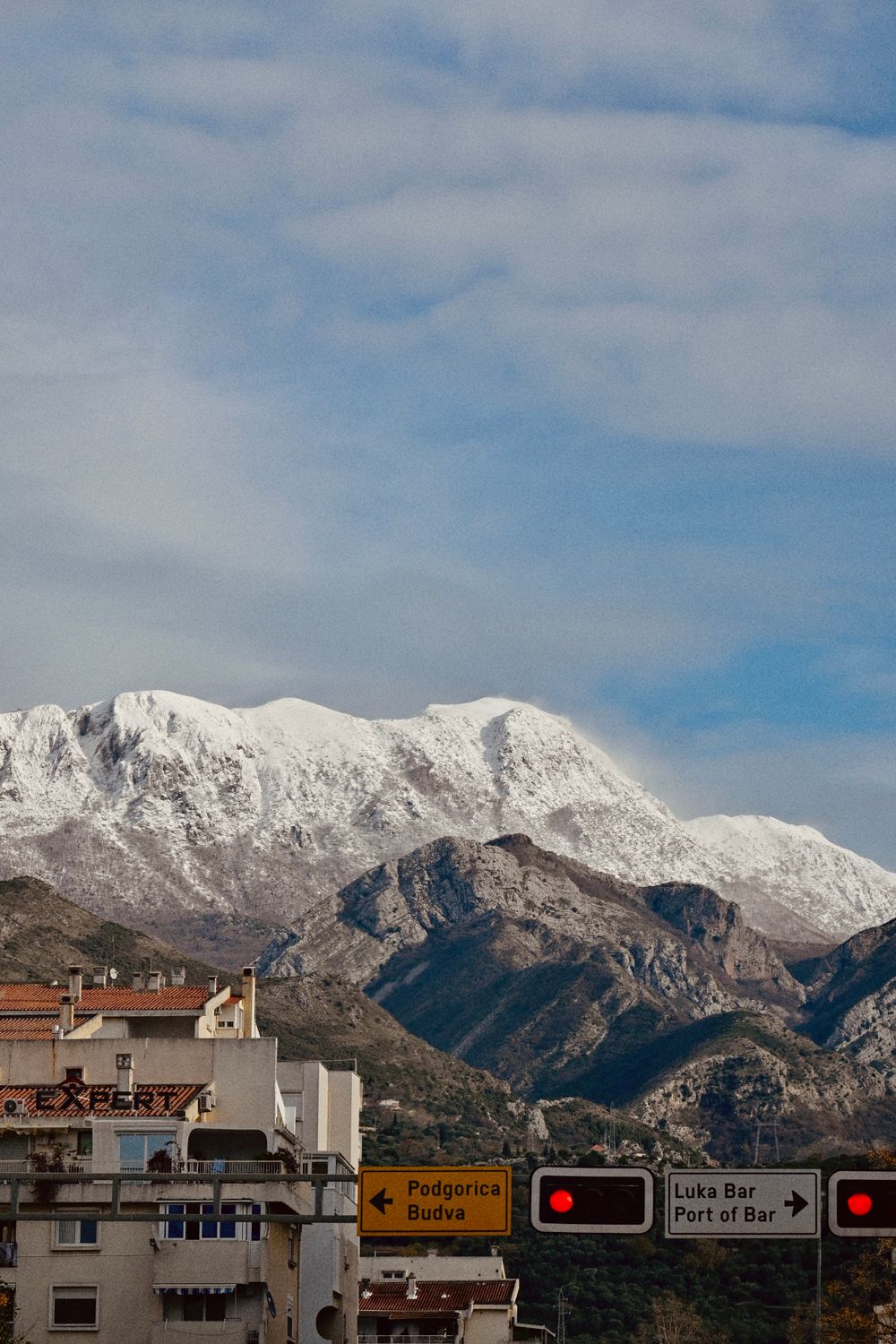
The 1,594 metre mountain behind Stari Bar, with Lake Skadar below one side of the summit and the Adriatic below the other. The path starts…
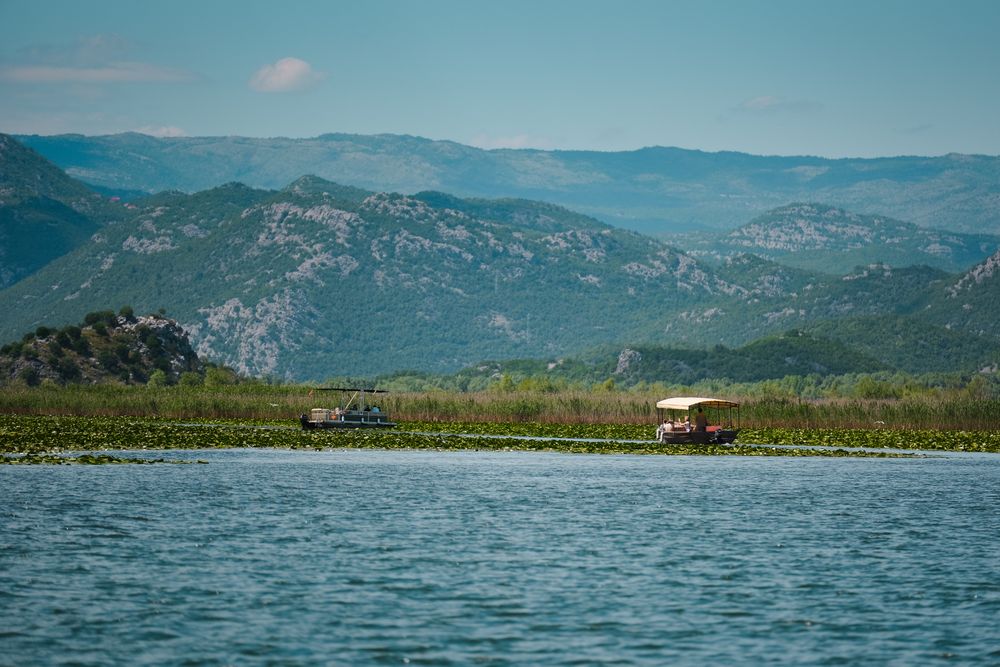
A lakeside settlement of about 300 people at the mouth of the Crmnica river, built around two stone bridges and the ruins of the…
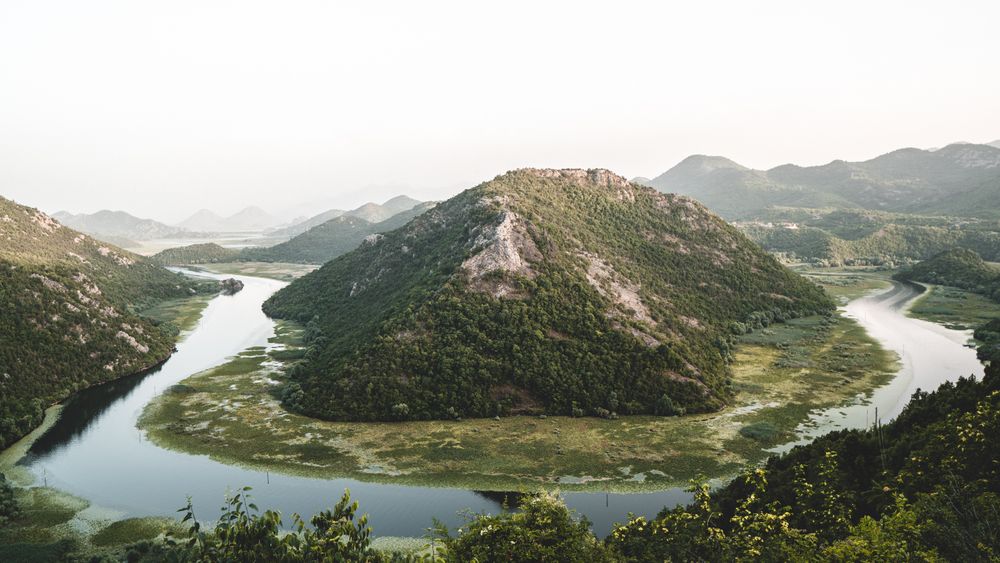

The largest lake in the Balkans by surface area, spreading from about 370 to 530 square kilometres between summer and winter, two thirds of…
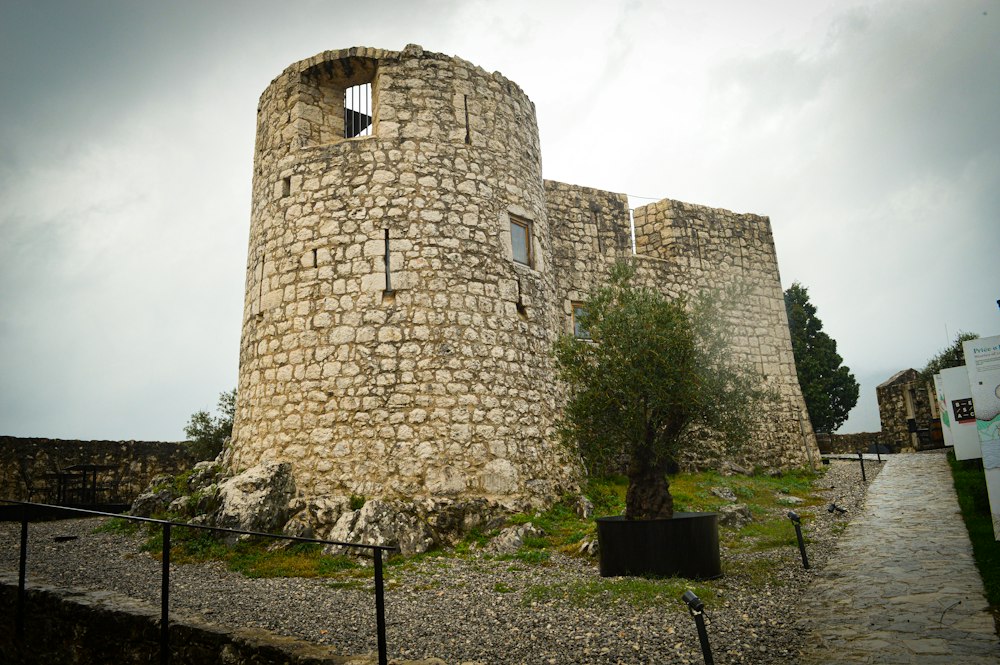
A small Ottoman fort built in 1478 on the hill directly above Virpazar, used to control the crossing at the southern end of Lake Skadar and…
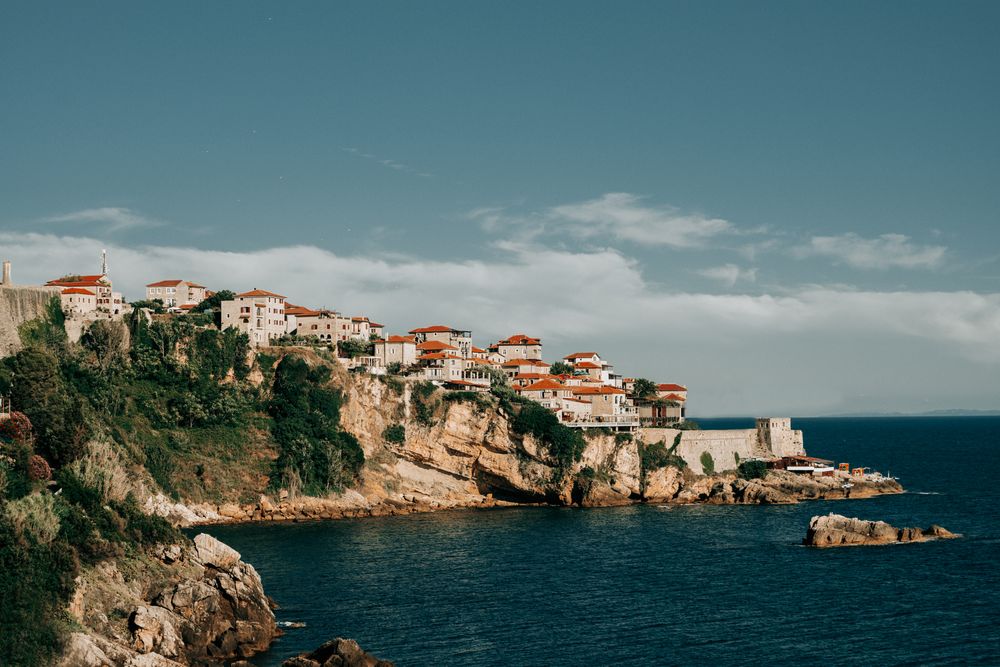
The southernmost town in Montenegro, majority Albanian speaking, with an old town on a rock above the sea that spent the sixteenth and…
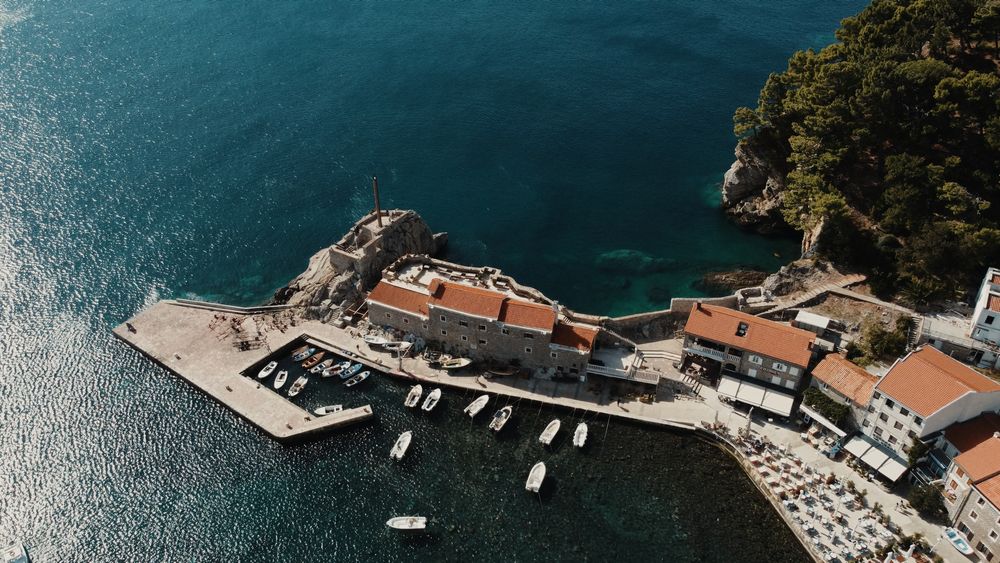
Six hundred metres of sand below the town, a promenade along it, and two islets offshore, Katič and Sveta Neđelja. The sixteenth century…



Save Stari Bar (Old Bar) to your Montenegro trip in the Meridian Dispatch app and build the day around it, with the best of Bar pinned on one map.
Download on the App StoreLast updated